More blue-collar town than tourist destination, this Southern Alberta city works well as a base for exploring the region’s wide mix of landscapes, from prairie to badlands to mountain peaks.
Lethbridge sits on the edge of the Oldman River valley in southern Alberta, where the prairie suddenly breaks into coulees and canyon-like cliffs. The city itself mixes an agricultural vibe with a growing arts and food scene, especially downtown. With its sunny climate and open skies, it feels far less hurried than Calgary or Edmonton, and the variety of things to do in the surrounding prairies make it worth more than a stop-over.
For thousands of years, the Blackfoot Confederacy lived and travelled through this region, following the bison herds across the grasslands and along the Oldman River. The 1800s brought epidemics, the buffalo-robe and whisky trade centred on posts such as Fort Whoop-Up, and the commercial slaughter of the plains bison. By the early 1880s, the great herds had been almost wiped out. Lethbridge grew from coal mines opened in the coulees, then became an agricultural centre as large irrigation systems and mechanized farming transformed the surrounding plains from native grassland to canola fields and rangeland. Today only about 20% of Canada’s grassland remains.
What makes Lethbridge worth a visit isn’t just what’s within the city, but also the Southern Alberta region in general. Within a couple hours you can reach the dramatic hoodoos and Indigenous rock art of Writing-on-Stone or the peaks of Waterton Lakes National Park. Even closer are attractions like Fort Whoop Up, Nikka Yuko Japanese Garden, and endless prairie backroads. Lethbridge itself offers parks and river valley trails, but it really shines as a base for exploring the region’s mix of prairie, badlands, and mountains without the heavy tourist traffic you’ll find farther north.
When to Visit Lethbridge
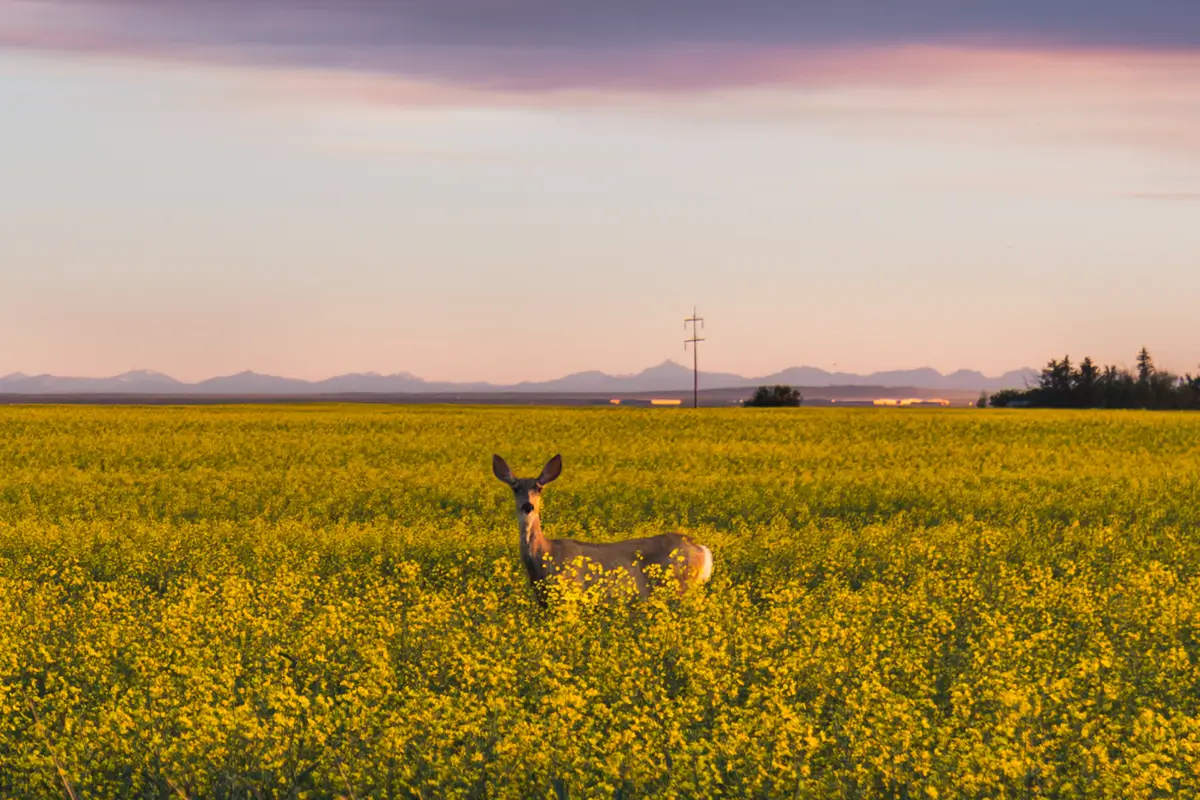
Most people should visit Lethbridge from June through September, when the coulees, river-valley trails, parks, and surrounding prairie are easiest to explore. June is especially attractive because the prairie is still green, with wildflowers and fresh growth across the coulees before the landscape dries to its usual yellow and brown later in summer. July and August are the hottest months, while September brings cooler hiking weather and fewer crowds. Wildfire smoke can affect air quality and visibility during summer, particularly in July and August, so it is worth checking conditions on firesmoke.ca before planning a trip. Winter visits are still practical for the area’s few museums, restaurants, and indoor attractions, don’t expect outside to be pretty.
Whoop-Up Days, Lethbridge’s longest-running and largest community fair, takes place over five days in the second half of August. The programme includes a parade, midway, concerts, agricultural displays, the Lethbridge & District Pro Rodeo, and the Siksikaitsitapi Pow Wow and Princess Pageant. Accommodation is worth booking earlier during the festival.
Where to Stay in Lethbridge
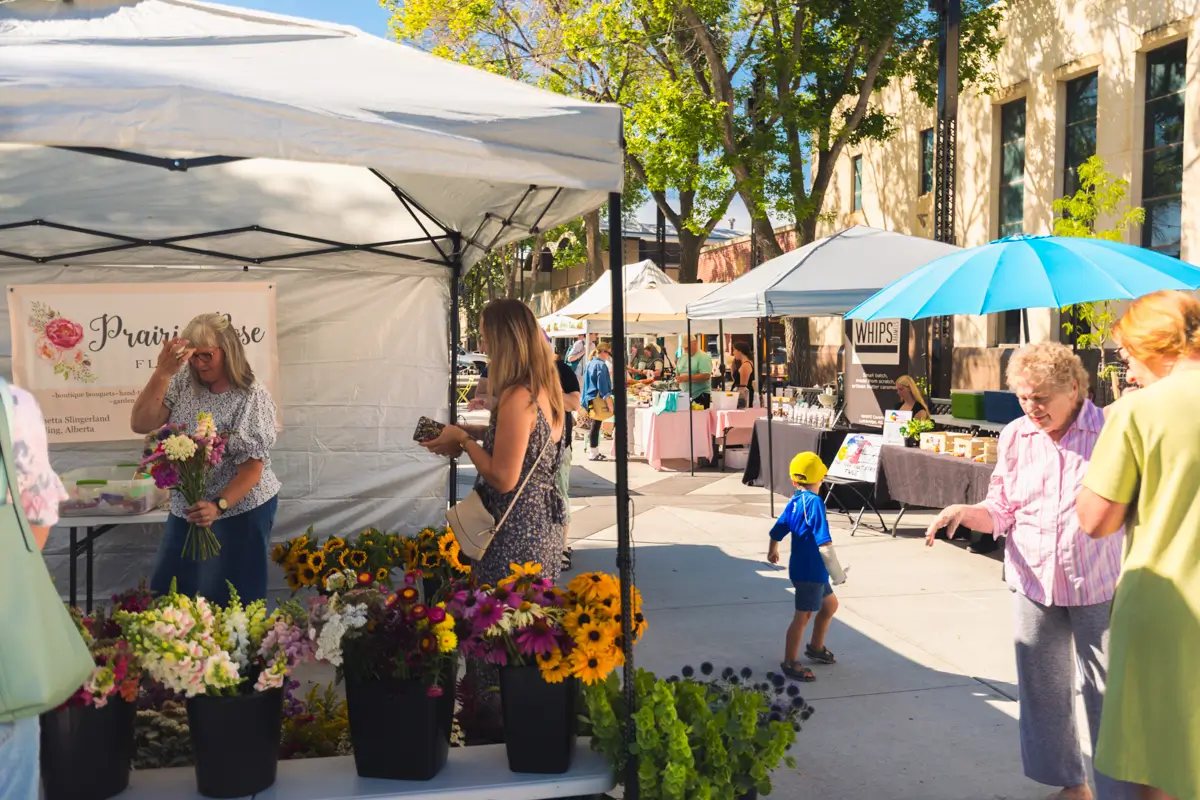
Downtown and the Warehouse District – Downtown is the most useful place to stay if you want restaurants, cafes, bars, and the coulees within easy reach. This area puts you close to CASA, the Southern Alberta Art Gallery, Festival Square, Galt Gardens, and the walking paths that lead toward the Oldman River valley. Lethbridge still isn’t a city where most visitors wander on foot, but downtown gives you the best chance of doing at least part of your trip without driving. Accommodation is limited compared with the highway strips, but there are a couple options for hotels. Stay here if you want the city outside your door.
South Lethbridge and Mayor Magrath Drive – South Lethbridge is the most practical area to stay if you’re driving through or want easy access to chain hotels, restaurants, shops, and major roads. The hotel strip around Mayor Magrath Drive and Scenic Drive puts you close to Henderson Lake, Nikka Yuko Japanese Garden, Exhibition Park, and the routes heading toward Waterton, Cardston, and the U.S. border. It’s got the atmosphere only a stroad can offer, but it is convenient. Accommodation ranges from budget motels to standard midrange hotels. Stay here if Lethbridge is a base for exploring southern Alberta and logistics are a priority.
Best Things to do in Lethbridge
1. Taste Haskap Wine at Little Gem Winery
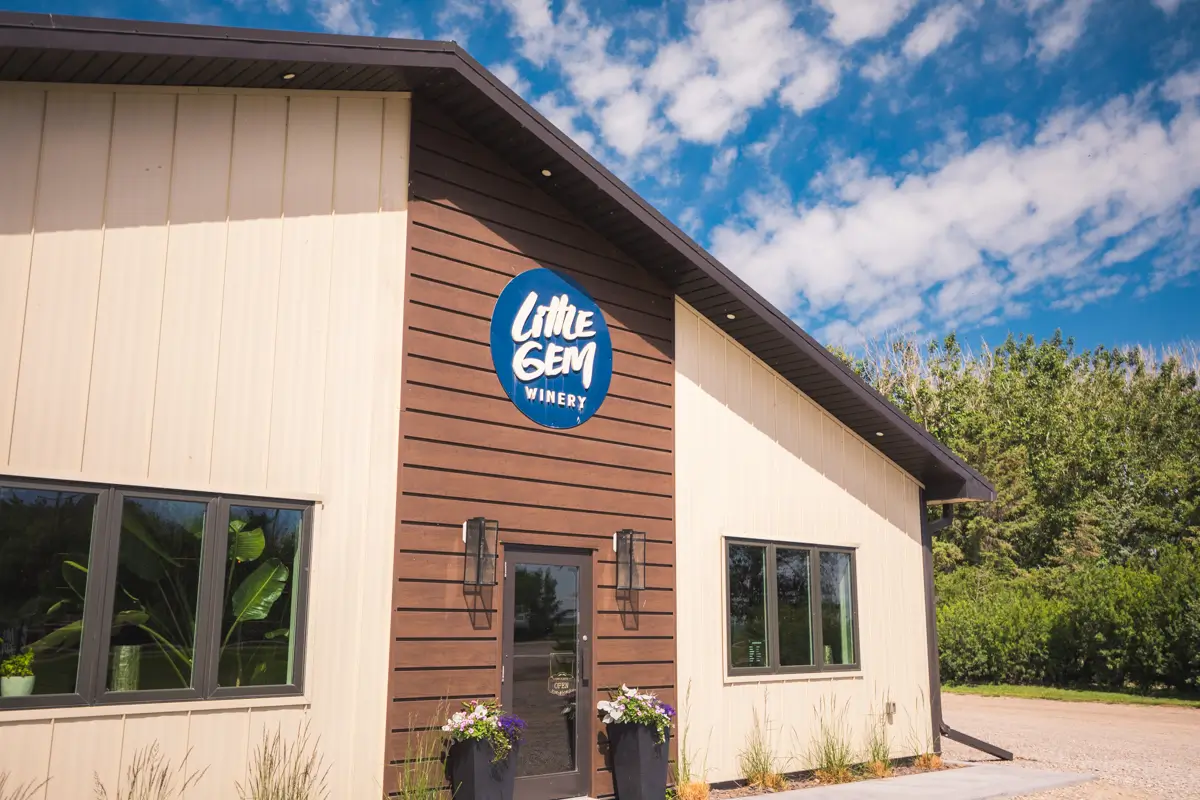
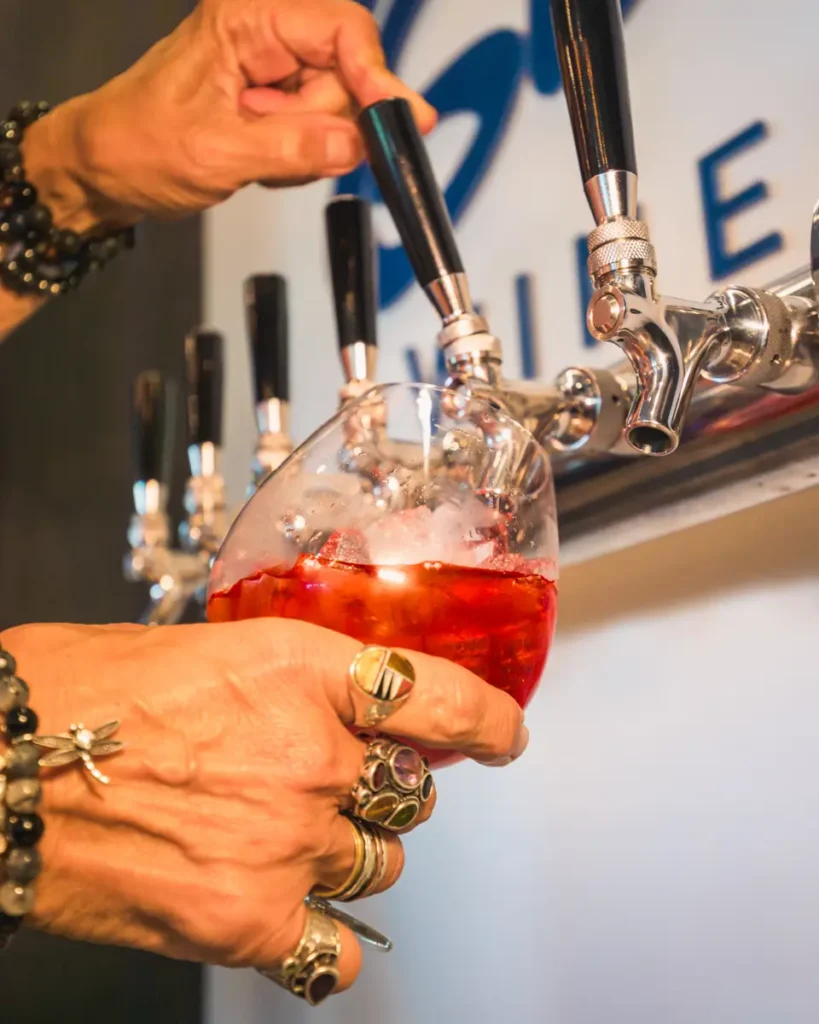
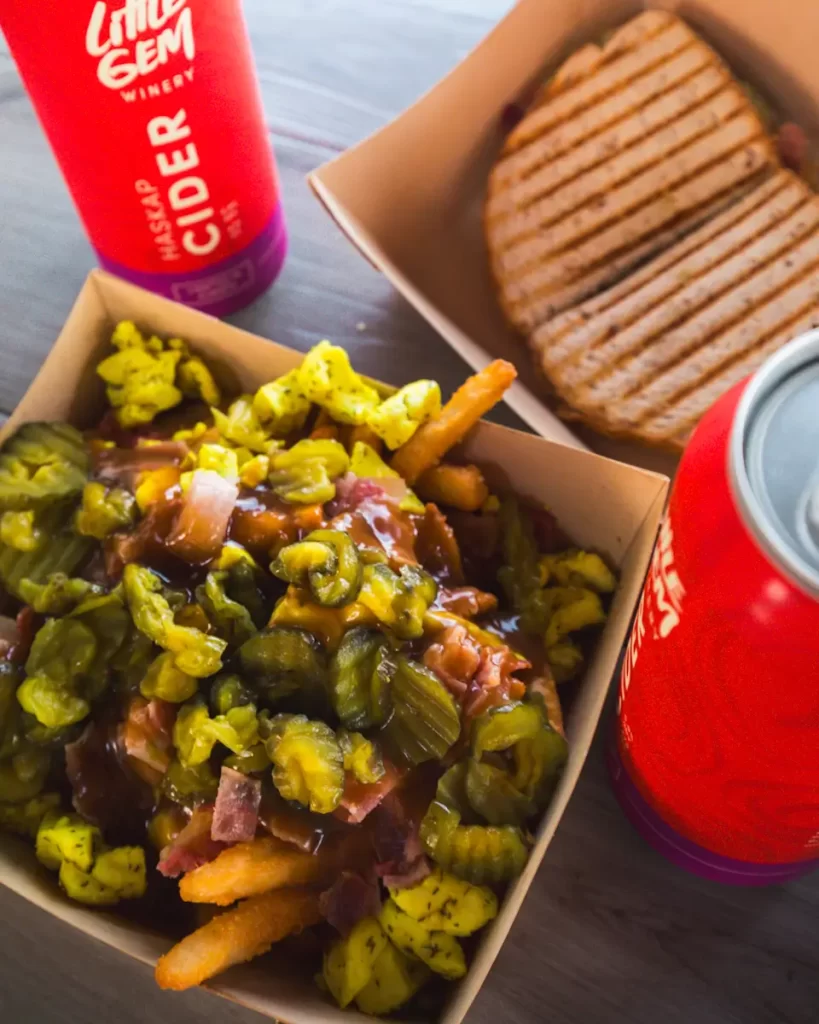
Joel and Rick Mans and their friend Jordan Sinke opened Little Gem Winery in mid-2023 on their Nobleford farm just east of Lethbridge. Instead of trying to grow grapevines in Alberta’s climate, they planted haskap berries in 2018 -cold-hardy fruit that thrives in prairie conditions. Over time they built a 28-acre orchard and turned it into a winery and cidery. While fruit wines are generally quite sweet – don’t expect that here – Little Gem’s wines are clearly intended to appeal grape wine drinkers. They’re on the drier side and blended with apple to create a “white” and “rosé” in addition to their pure haskap classic red and barrel-aged red.
The tasting room sits beside the orchard in a charming building where you can also buy local cheese, beer, and spirits as well as Dutch goods, and along with the drinks there’s also a food menu heavily inspired by the owners’ Dutch backgrounds.

2. Hike the Coulees
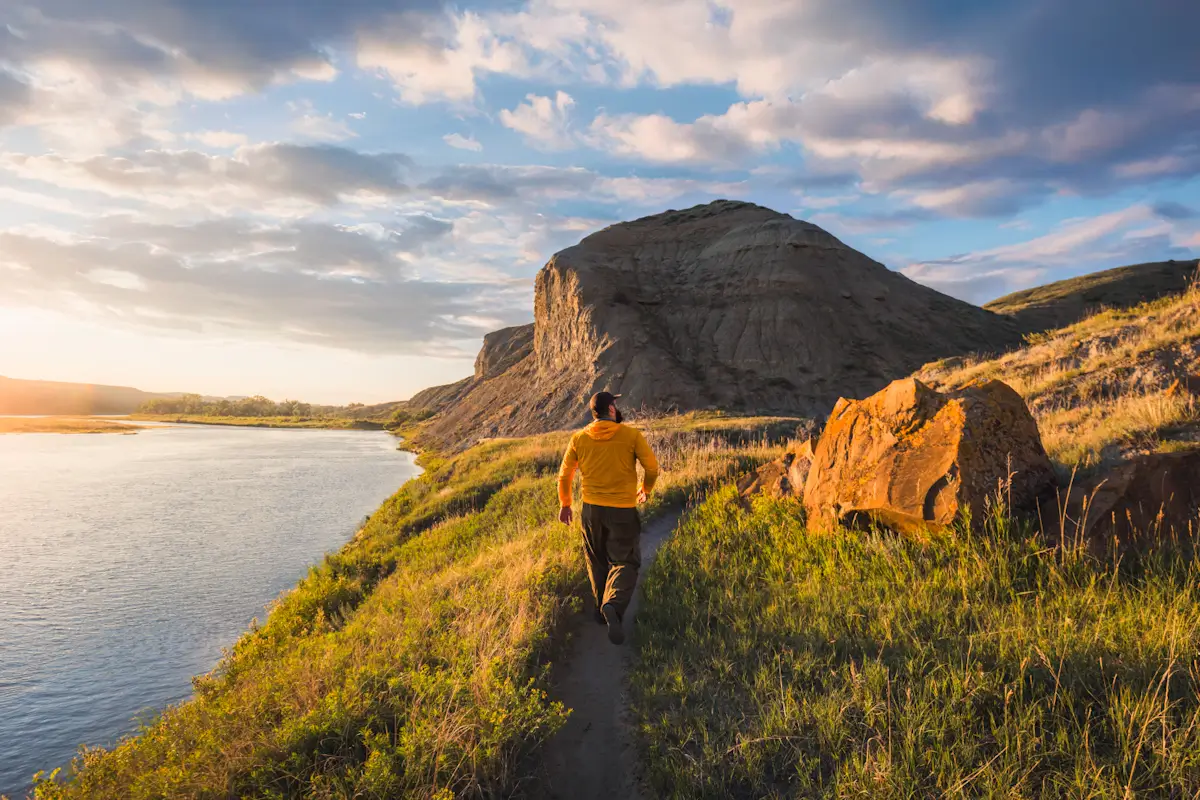
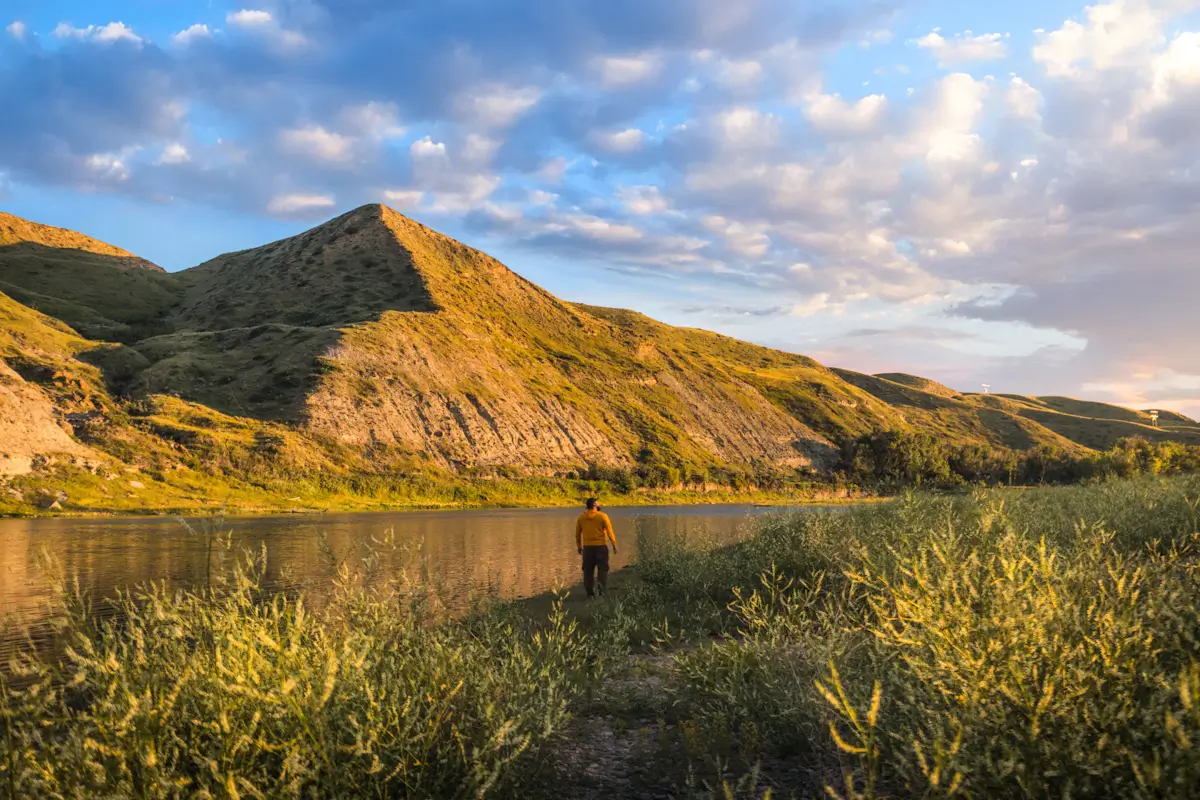
The prairie around Lethbridge looks flat until it suddenly falls away dramatically. At the end of the last ice age, glacial meltwater and what’s now the Oldman River began cutting down through soft layers of clay, silt, sandstone, glacial sediment, and coal-bearing rock. Rain, snowmelt, wind, and gravity kept working at the exposed slopes, carving side gullies, loosening clay, and leaving the steep ridges and dry ravines known as coulees. Those exposed coal seams helped turn Lethbridge into a mining town before irrigation projects later allowed agriculture to take over.
Lethbridge’s coulees sit within the Oldman River valley parks system, a protected urban reserve of roughly 16 square kilometres, and one of the largest municipal park systems in North America. The parks include prairie grassland, cottonwood stands, river-bottom paths, off-leash areas, picnic areas, and trails on both sides of the river. Some routes follow paved valley-floor paths, while others climb steeper dirt tracks through exposed coulee slopes. My favourite places to explore the coulees are the trails off of Sandstone Road, Cottonwood Park, and Popson Park,. Wear proper shoes, bring water, watch for rattlesnakes in warm weather, and avoid muddy trails after rain, since the slopes get slick quickly and erode easily when people cut across them.
3. Explore the Galt Museum
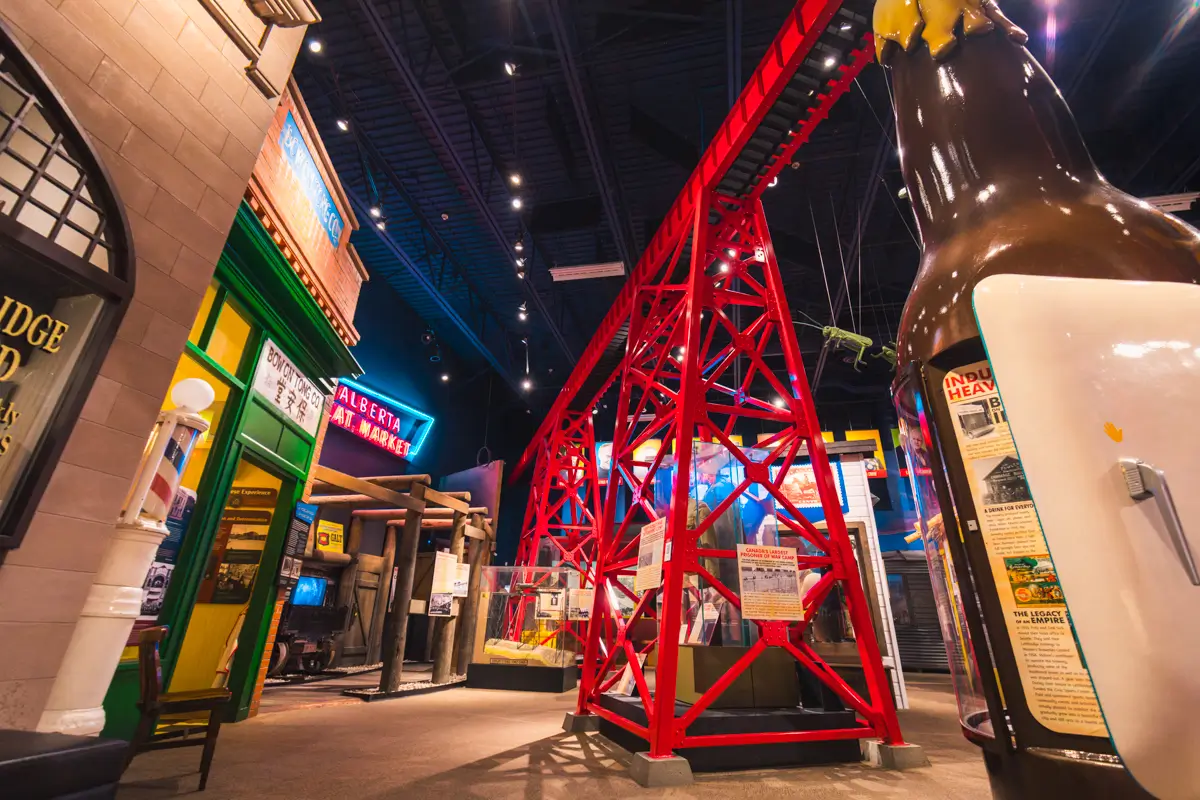
The Galt Museum & Archives opened in 1964 and is housed in the former Galt Hospital, a 1910 building on the coulee edge above the Oldman River. The museum’s large permanent exhibit covers Blackfoot history, coal mining, irrigation, agriculture, cultural communities, health care, and the river-valley landscape. The space for temporary exhibits is absolutely tiny, but cover a variety of topics on Southern Alberta. The building was once one of Lethbridge’s major medical institutions, and its location above the coulees gives you one of the better views over the Oldman River valley.
5. Dine at Bourbon & Butter
Bourbon & Butter opened in downtown Lethbridge in late 2021, started by a small team with roots in the city’s restaurant scene and Lethbridge College’s cook-apprentice program. The restaurant is as high end as Lethbridge gets, and is the perfect place for a dinner out, with its small dining room, polished service, and proper cocktails, finally giving Lethbridge an alternative to Denny’s. The compact menu changes regularly, but consistently combines French techniques with worldwide flavours. Expect steak, duck, fish, seafood, pasta, and less common cuts such as bone marrow, tongue, foie gras, or veal shank. At least one substantial vegetarian main normally appears alongside the meat and seafood dishes.
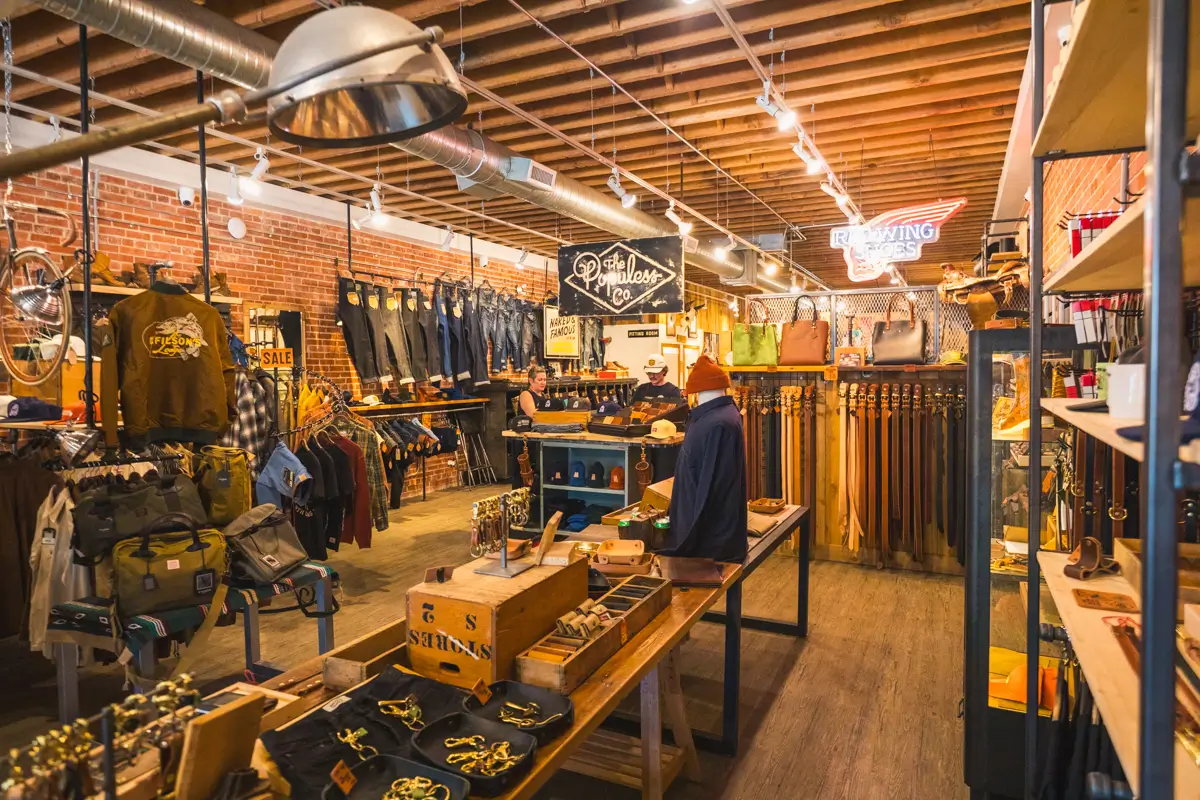
6. Shop Leather Crafts at Populess
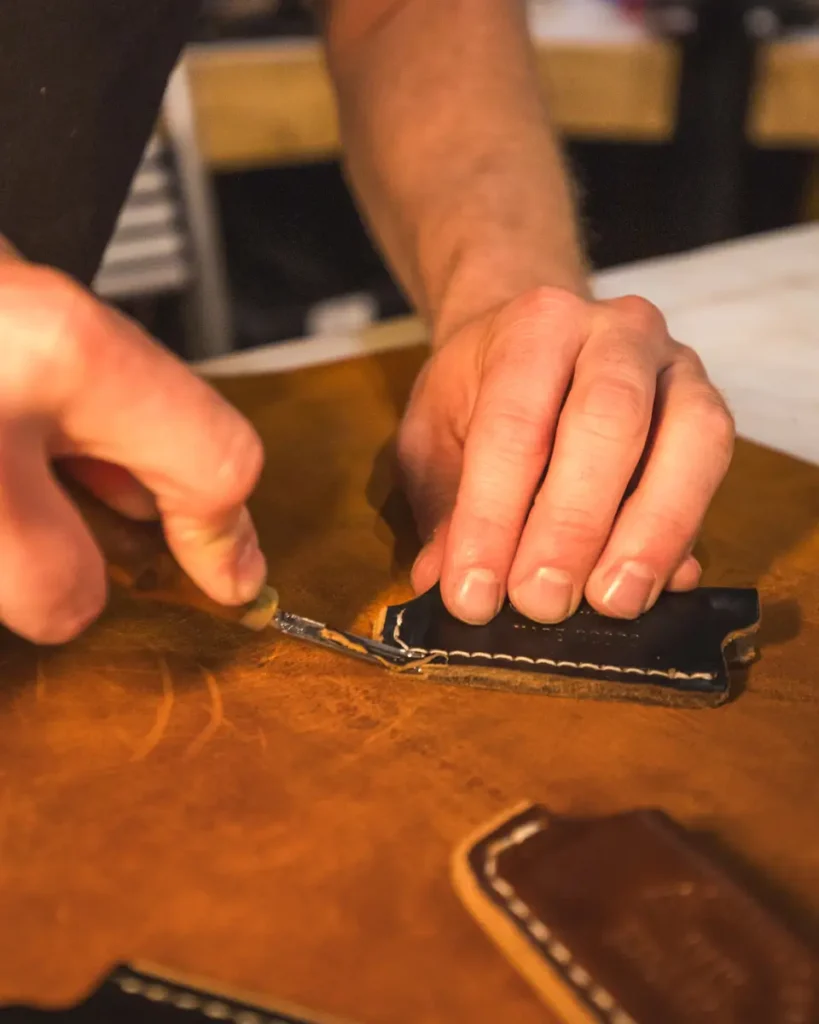
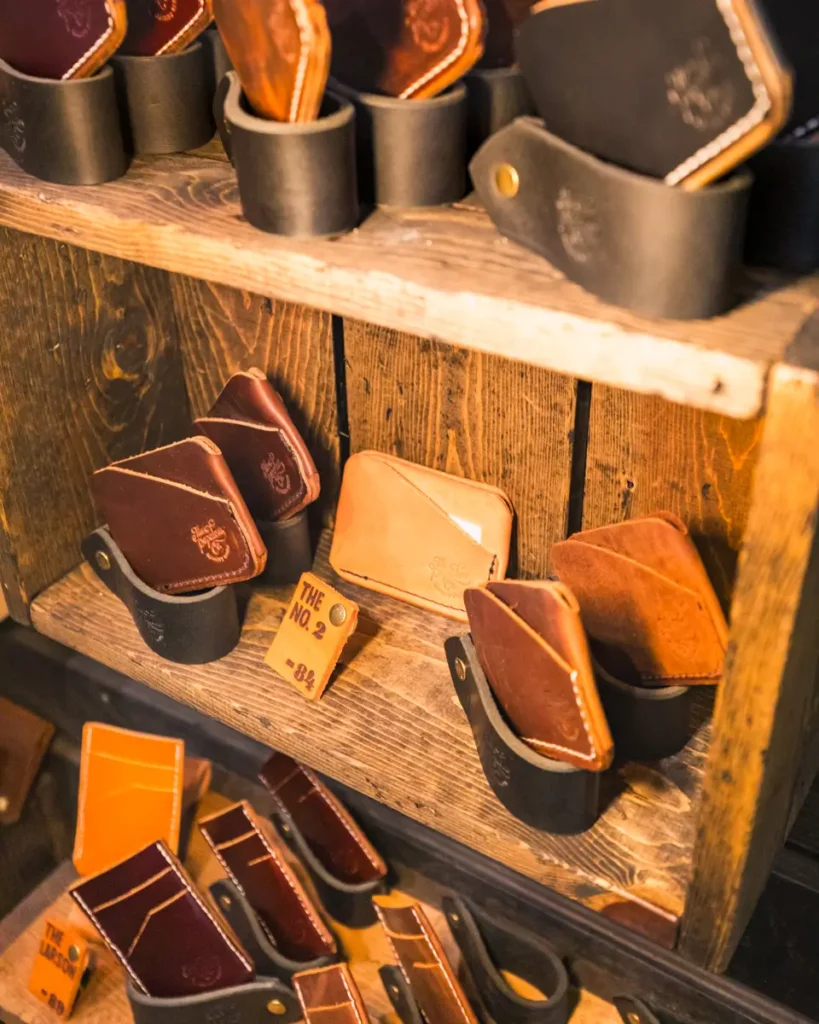
The Populess Company started in 2003, when Brad Gadd and a few high-school friends began screen-printing clothing in the back of Boarderline, a local skate and snowboard shop. The brand later grew into a downtown shop selling clothing, accessories, and handmade leather goods. Its leather goods are made in shop and include wallets, belts, keychains, card holders, passport wallets, and small accessories. If you walk in it’s not uncommon to see them making some of the products out in the open.
Populess also runs Belts & Bourbon nights, private evening workshops where small groups make their own custom belt in the shop while drinks are served. The sessions include leather, buckles, hardware, keepers, riveting, embossing, burning, monogramming, and bar service.
7. Sample Cheese Crystal Springs Cheese
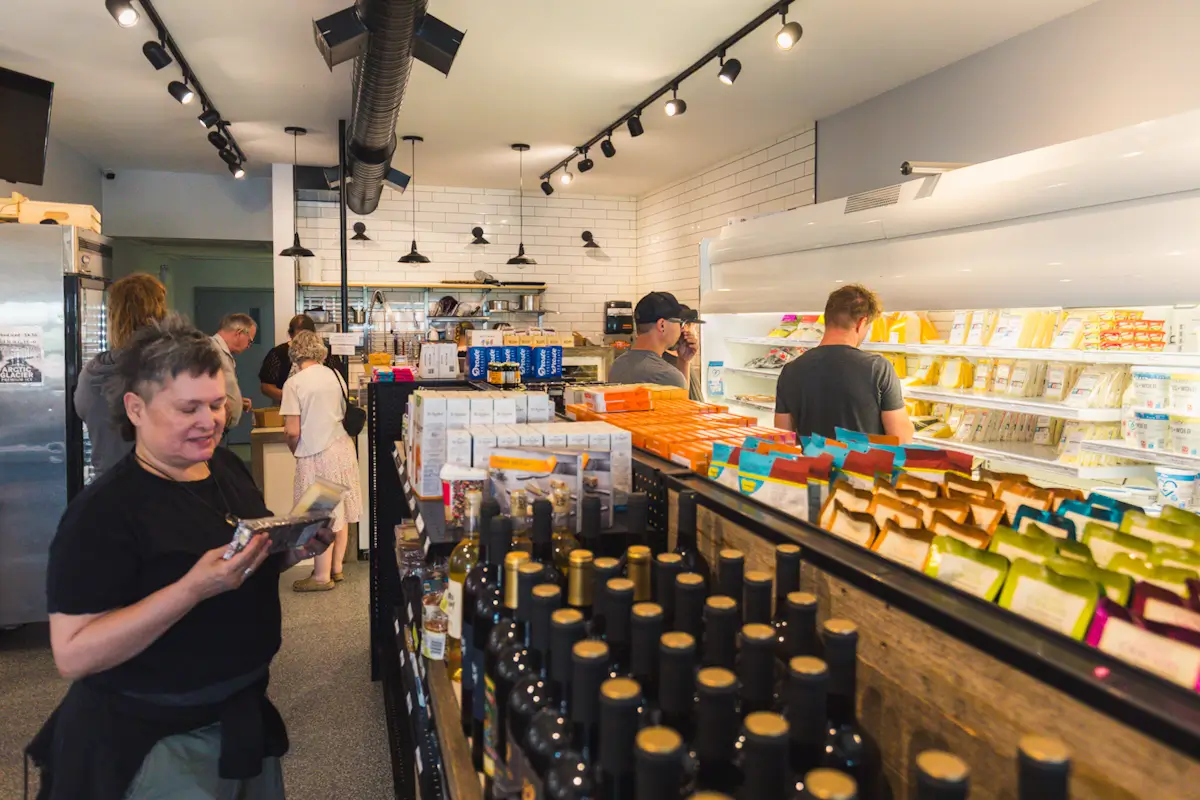
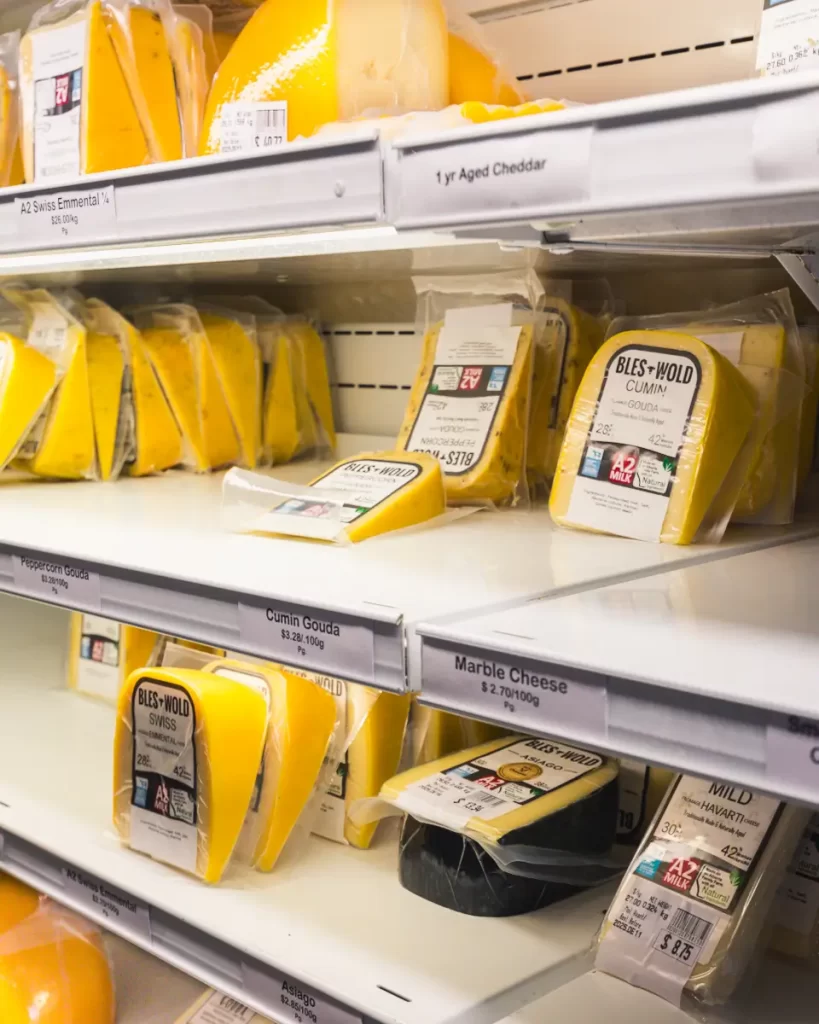
Crystal Springs Cheese is a family-run dairy and cheese producer in Lethbridge County, started under the Beyer family in 2005 after Evert and Jannie Beyer bought the business and built it around feta and gouda. The operation later expanded into a larger dairy facility, then added a public farm store and cafe in 2018. It now produces Crystal Springs cheeses along with Bles-Wold yogurt and other dairy products.
The store sells cheese curds, gouda, havarti, cheddar, Swiss, asiago, feta, yogurt, cultured butter, sour cream, cottage cheese, whipping cream, Dutch imported cheeses, and a few Dutch grocery items. The cafe keeps things simple, with grilled cheese sandwiches, poutine made with their own cheese (make sure to try the pickle poutine!), salads, sandwiches, snacks, and weekly specials. Large interior windows look into the production area, so you can see part of the cheesemaking facility while picking up lunch or dairy products for later.
8. Cool Off at Milkman Milk Bar
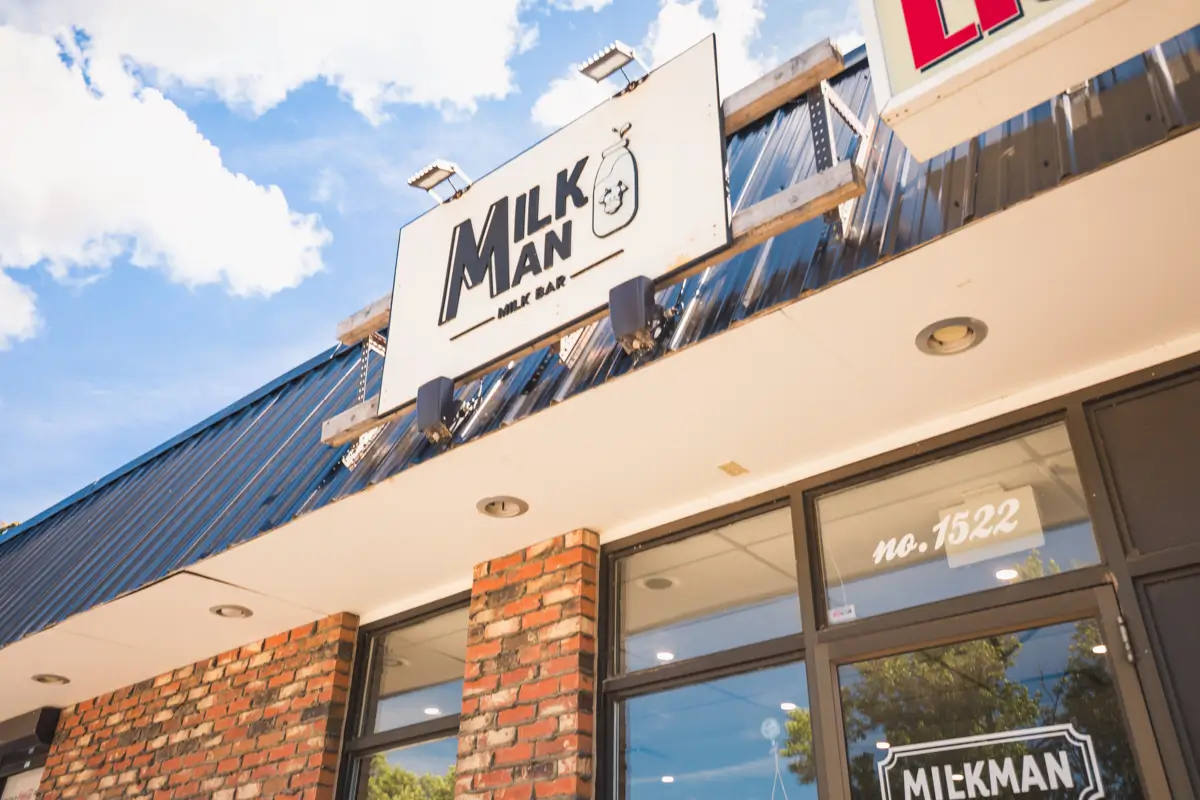
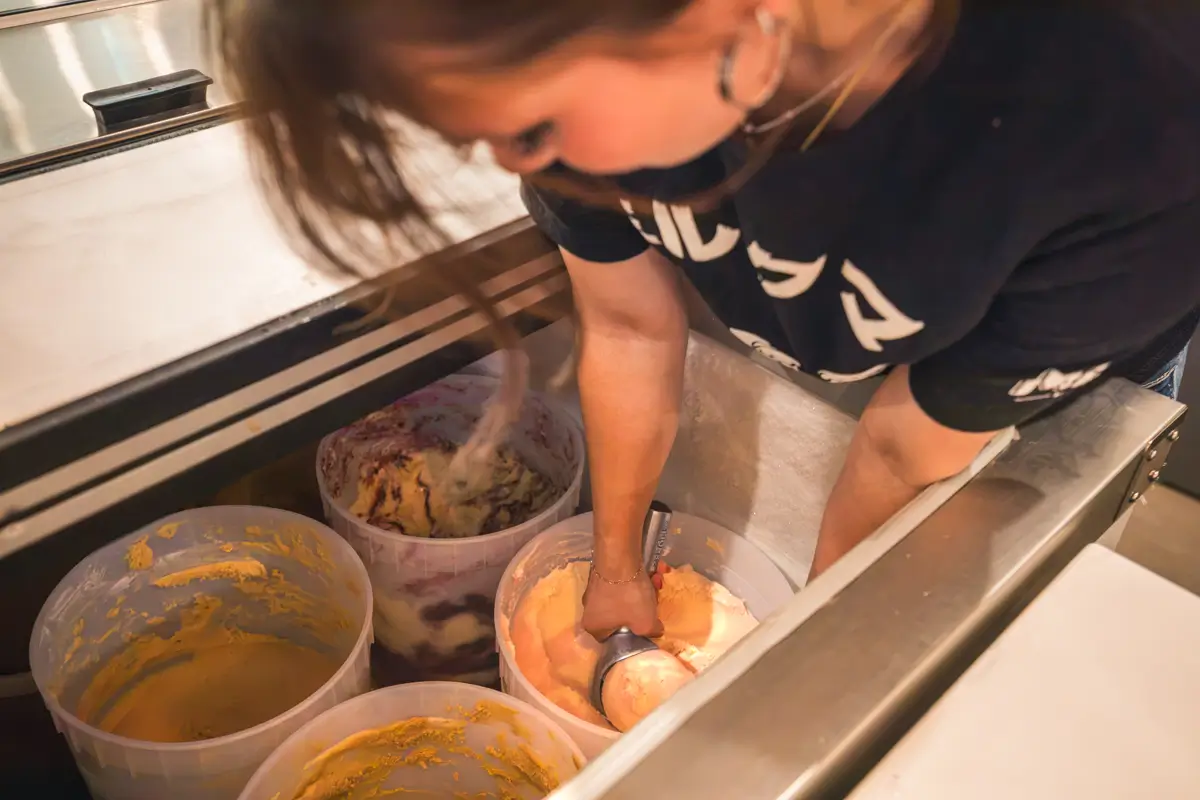
Milkman Milk Bar opened in 2021, with Ashley Ohno, her brother, and their cousin behind the shop. The family business makes small-batch ice cream in eight rotating flavours at a time, served as pints, flights, and individual cones. The waffle cones are made from scratch, and the flavours often use local ingredients, including area honey and locally roasted coffee.

9. See the High Level Bridge
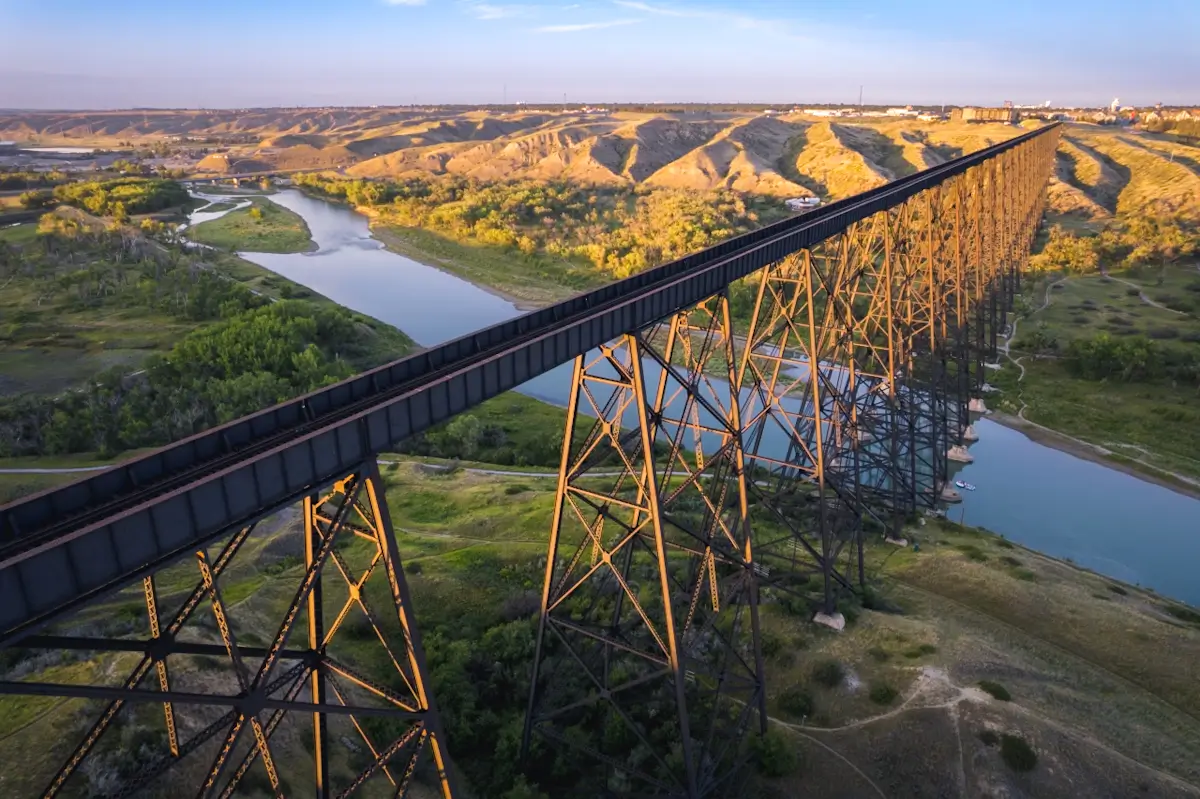
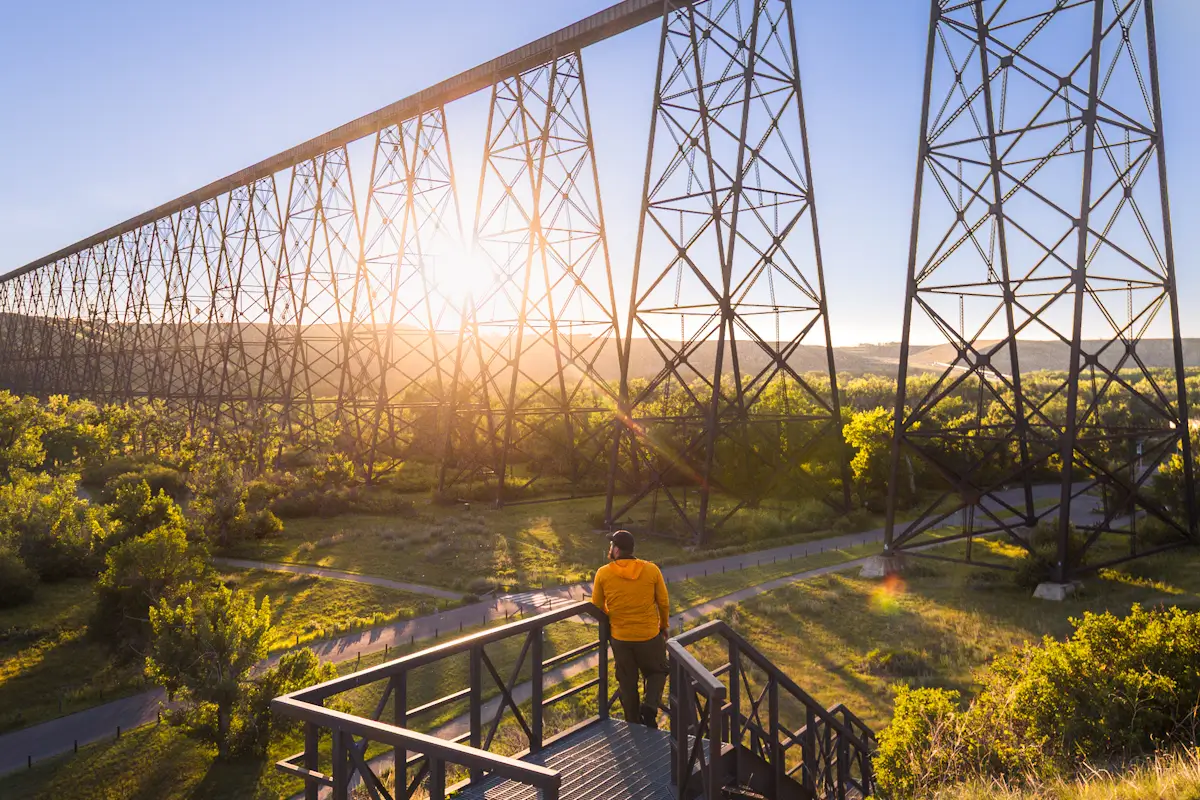
The High Level Bridge, officially the Lethbridge Viaduct, is the huge steel railway trestle that crosses the Oldman River valley west of downtown. Built by the Canadian Pacific Railway between 1907 and 1909, it gave trains a direct high crossing over the coulees instead of forcing them down into the valley and back up the other side. The scale is still impressive: about 1.6 kilometres long, 96 metres above the river, and carried on 33 steel towers. It remains the largest railway structure in Canada and is still regularly used by freight trains, which take several minutes to cross from one end to the other. For the best views I recommend driving down into the coulees and parking at the Baroness Picnic Shelter – from there there are a variety of trails leading underneath the bridge towards the river as well as up the side of the coulees for a better view of the whole valley.
10. Start Your Day at Bread Milk & Honey
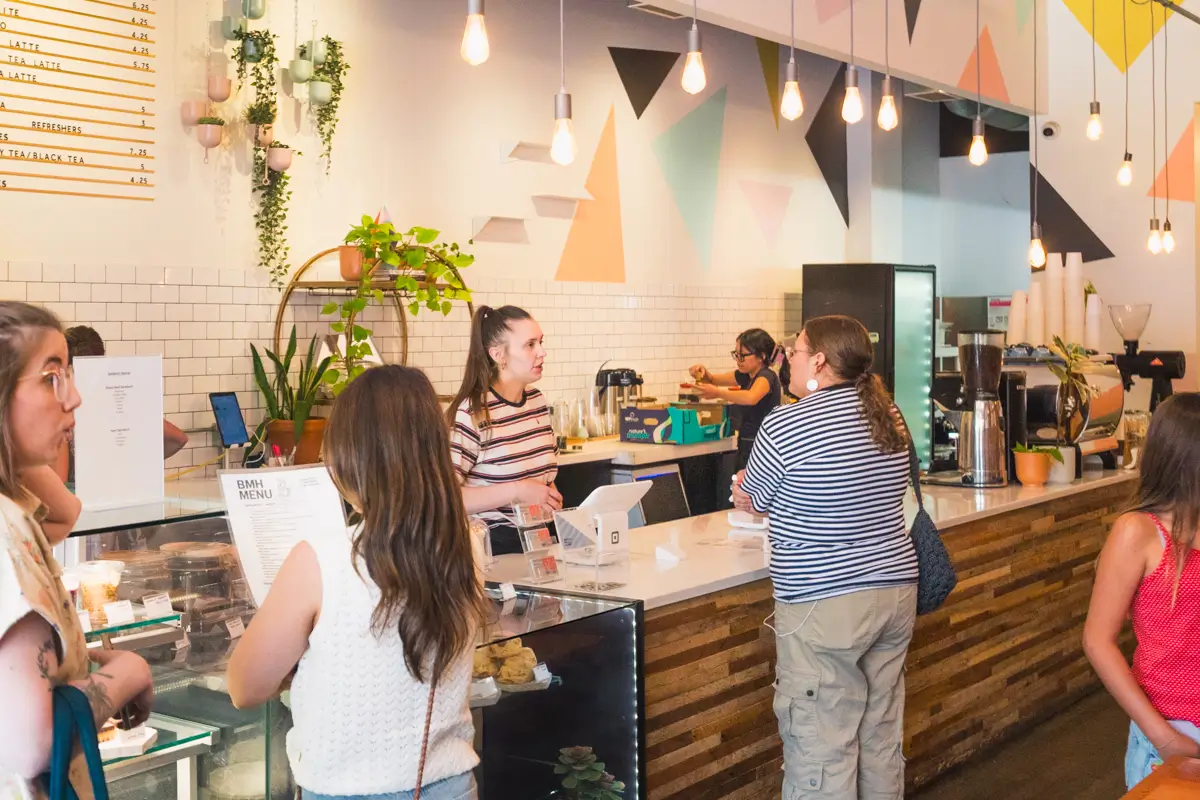
Bread Milk & Honey opened downtown in 2015, run by Michael Knipe, who had moved to Canada from South Africa. The name was re-used from a cafe he had run in Cape Town, and the Lethbridge shop is distinctly local, known for its downtown setting with coffee, baking, breakfast, lunch, and events.
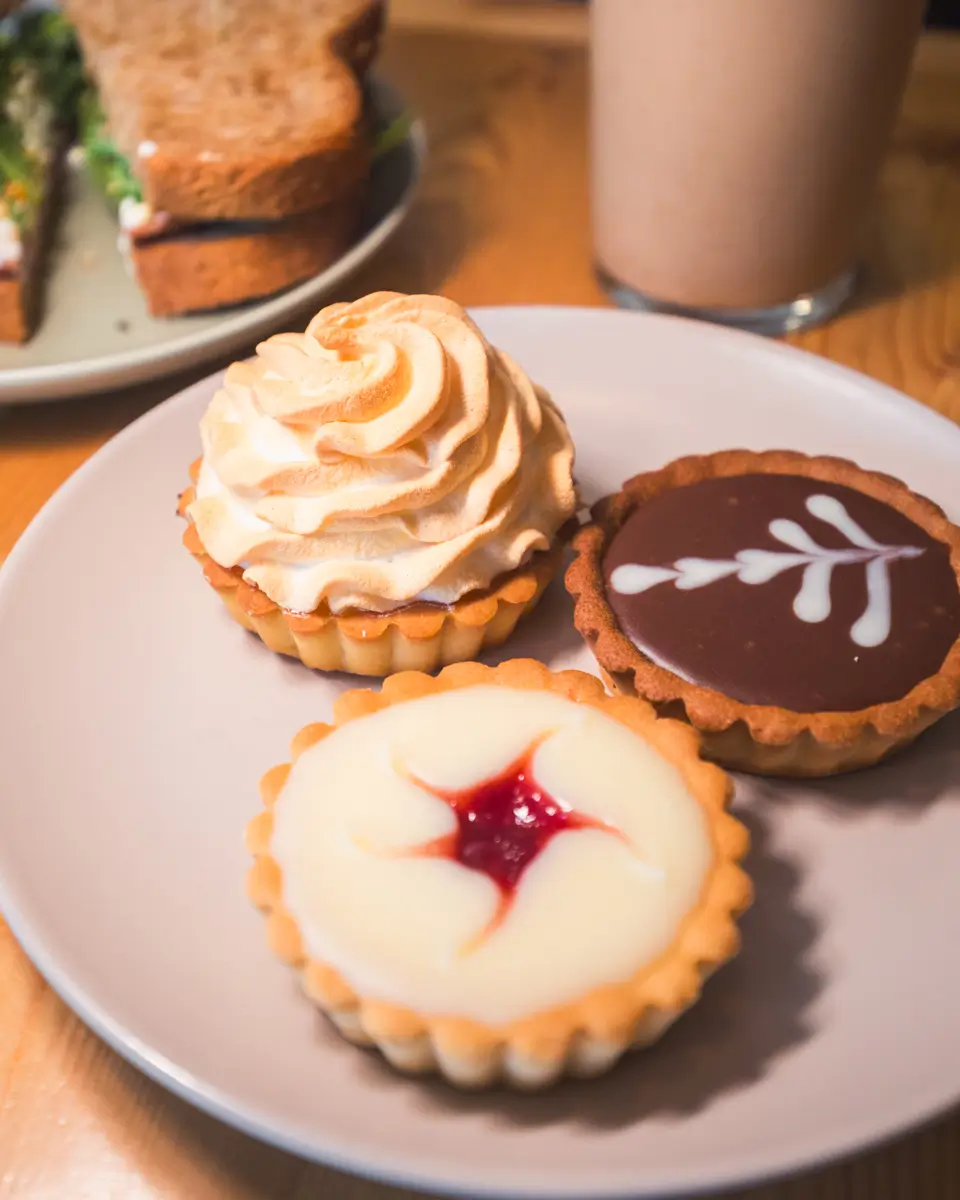
The menu includes all-day breakfast sandwiches, breakfast burritos, bacon-and-egg tartlets, aged cheddar scones, cinnamon buns, muffins, grilled sandwiches, wraps, salads, soups, and rotating lunch specials.
11. Visit the Southern Alberta Art Gallery
SAAG, officially the Southern Alberta Art Gallery, opened in 1976 and is Lethbridge’s main contemporary art gallery. Its exhibitions change throughout the year, with shows that can include large-scale installation, video, sound work, sculpture, photography, painting, performance, artist books, and publication-based projects. The programming often brings together artists working with prairie landscape, ecology, and Blackfoot and southern Alberta histories. The central downtown location makes it easy to combine with other nearby attractions like cafes and restaurants.
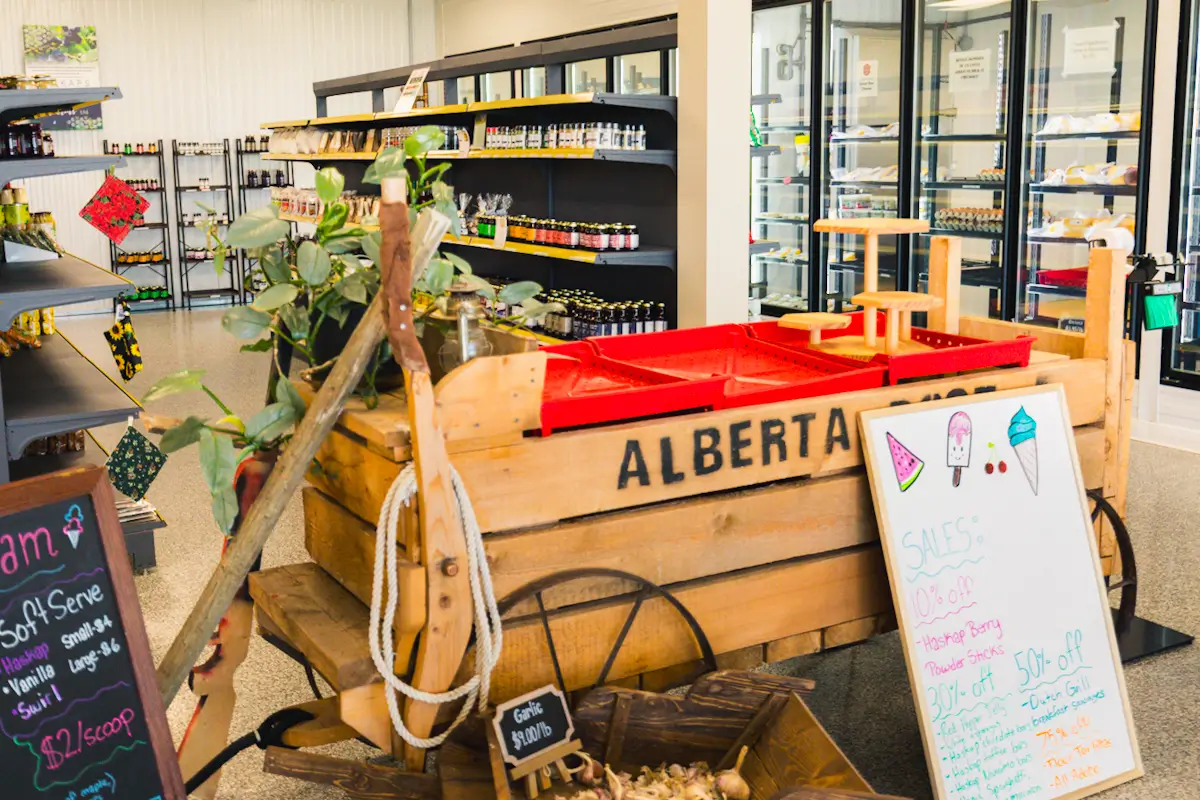
12. Buy Haskap at Prairie Hill Farms
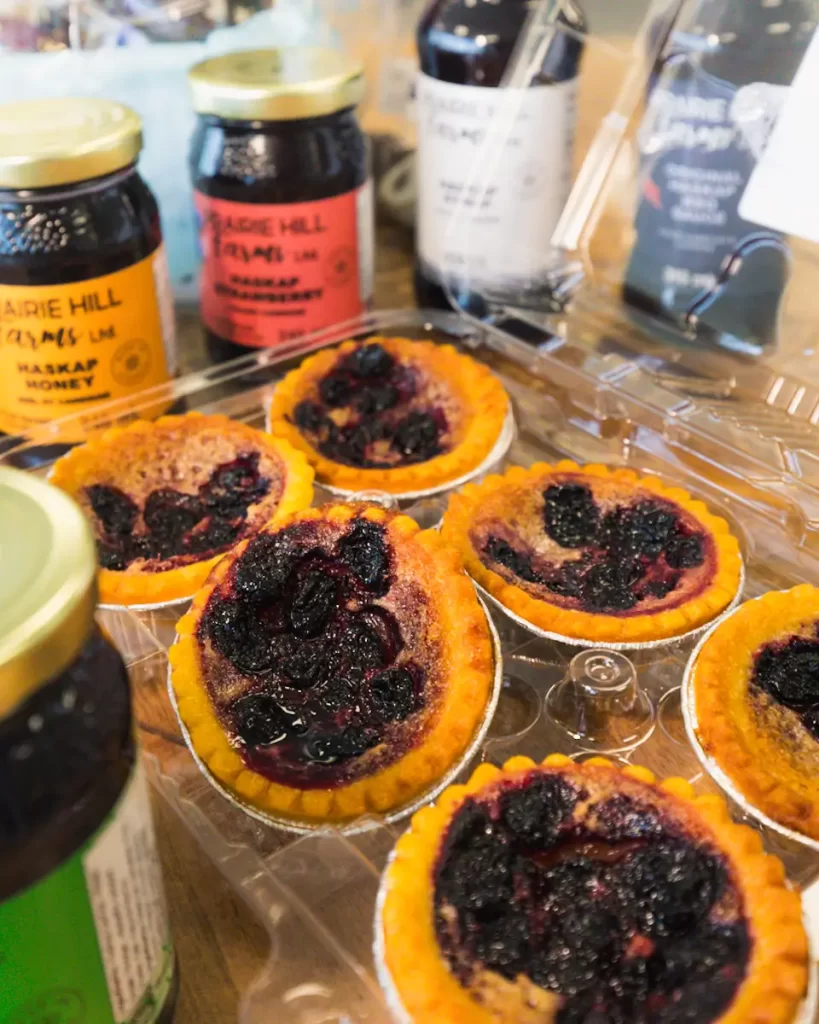
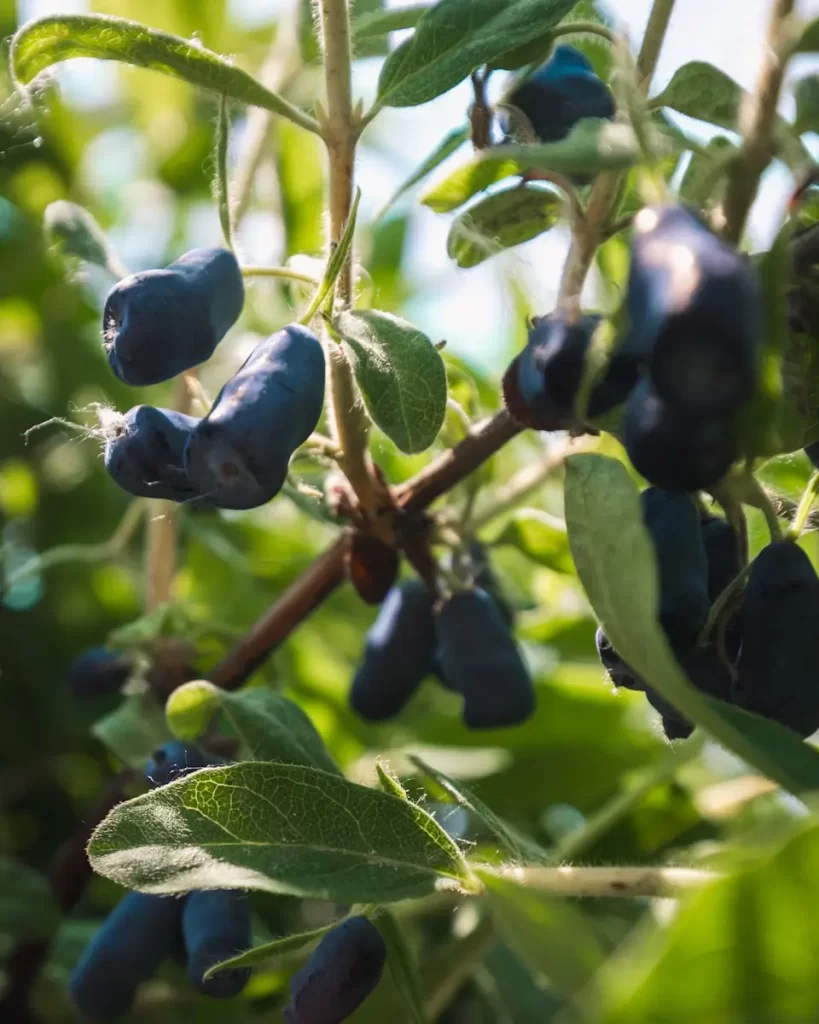
Haskap is a blue-purple berry that grows on blue honeysuckle shrubs and has a tart flavour somewhere between blueberry, raspberry, and blackcurrant. The berries have thin skins and soft flesh, so they are often processed soon after picking into juice, jam, syrup, sauces, baking, ice cream, wine, dried fruit, or frozen berries.
Prairie Hill Farms is just north of Lethbridge, and its farm store is the place to look for haskap products from the area. They stock frozen berries, juice, jams, spreads, syrups, sauces, vinaigrettes, powders, toppings, and other haskap products, along with coffee and grocery items. I was lucky enough to visit on the day they started the haskap harvest and was invited to see the berries still on the bush, not far from the store itself.
13. Visit Broxburn Vegetables & Cafe
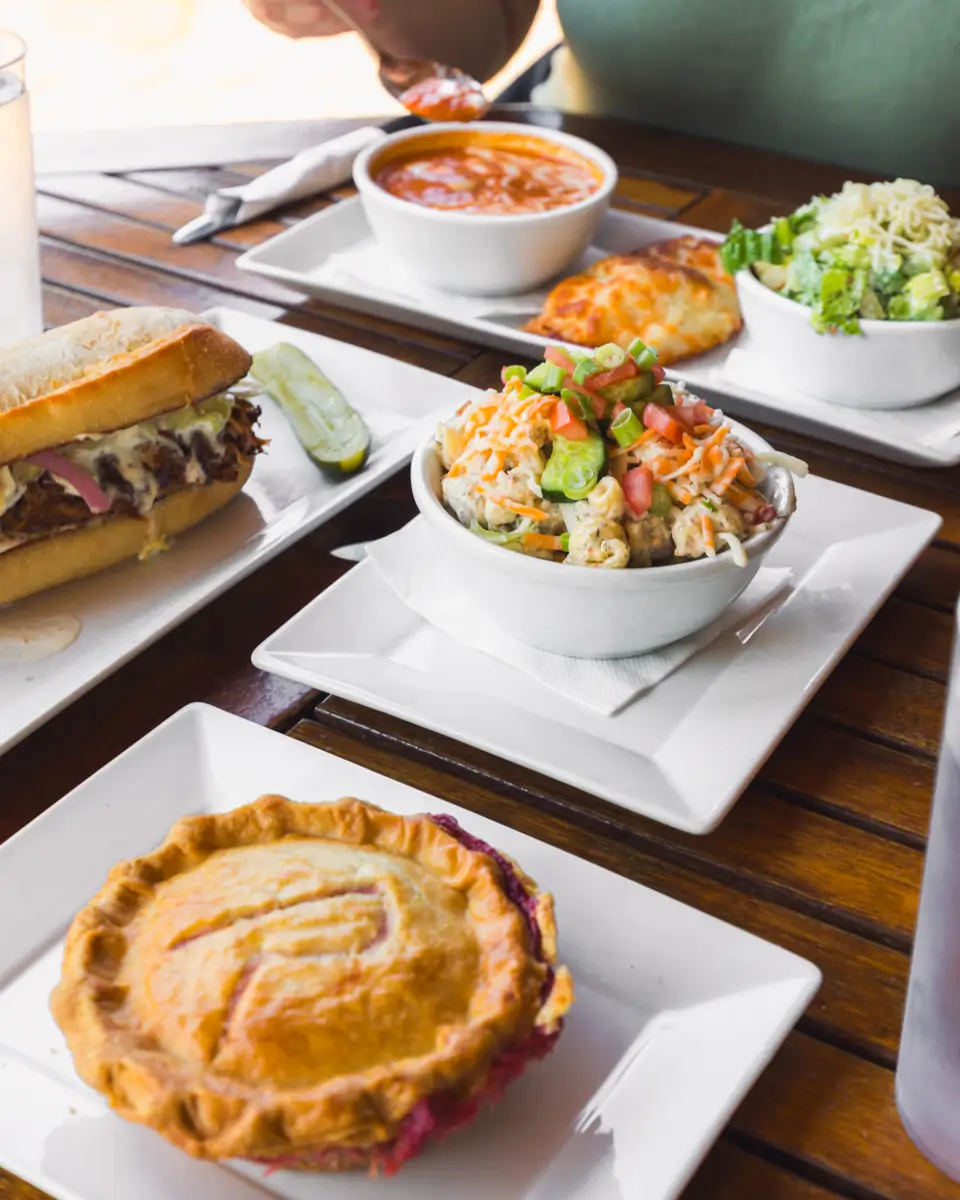
Broxburn Vegetables & Cafe is a farm store, cafe, greenhouse operation, and seasonal U-pick just east of Lethbridge. The De Jonge family bought the farm in 1994 with strawberries in mind, then added greenhouse peppers, tomatoes, cucumbers, and the cafe. In summer, visitors can pick strawberries and raspberries, then use the farm store and cafe in the same stop. The farm also grows greenhouse and field vegetables, including tomatoes, cucumbers, peppers, eggplant, beans, kale, broccoli, and seasonal produce that can regularly be seen highlighted on menus of local restaurants. The cafe uses Broxburn greenhouse and field crops in salads, soups, sandwiches, wraps, vegetable plates, pies, and specialty drinks. Expect daytime farm-cafe food: tomato soup, roasted red pepper soup, BLTs built around farm tomatoes, vegetable wraps, seasonal salads, and of course, pie by the slice.

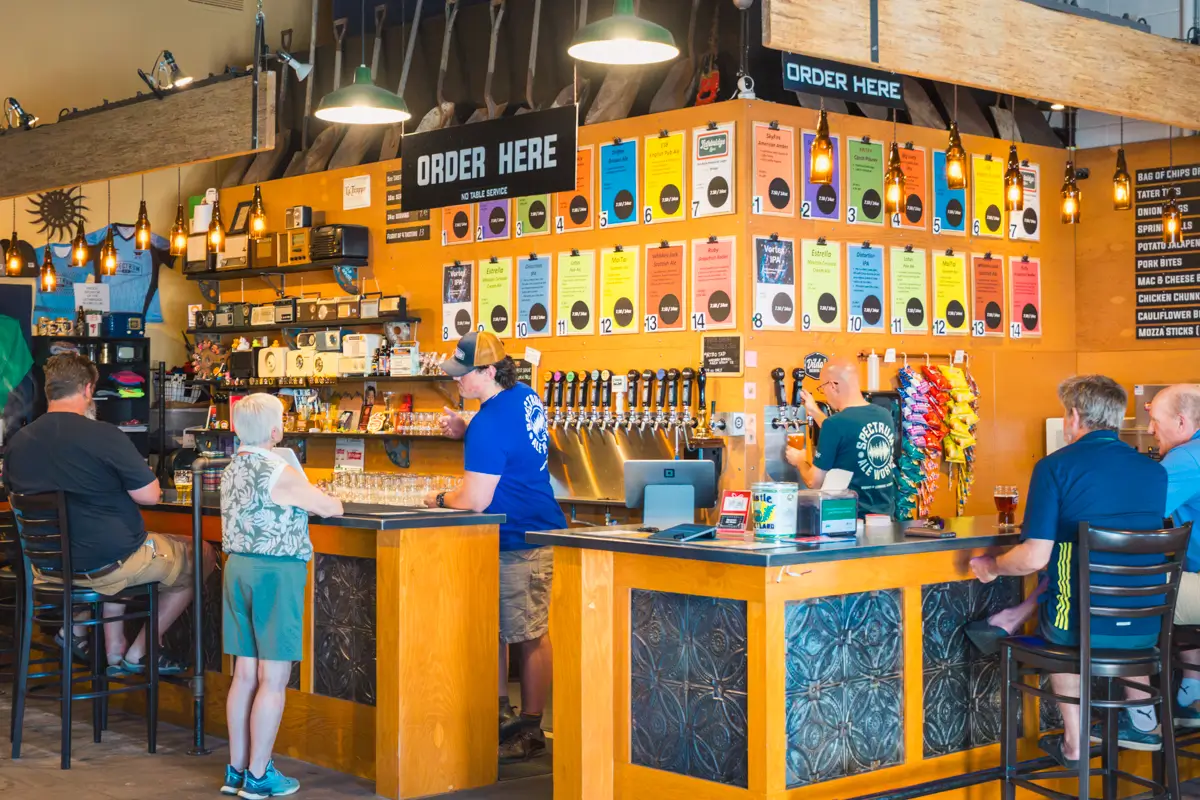
14. Have a Pint at Spectrum Ale Works
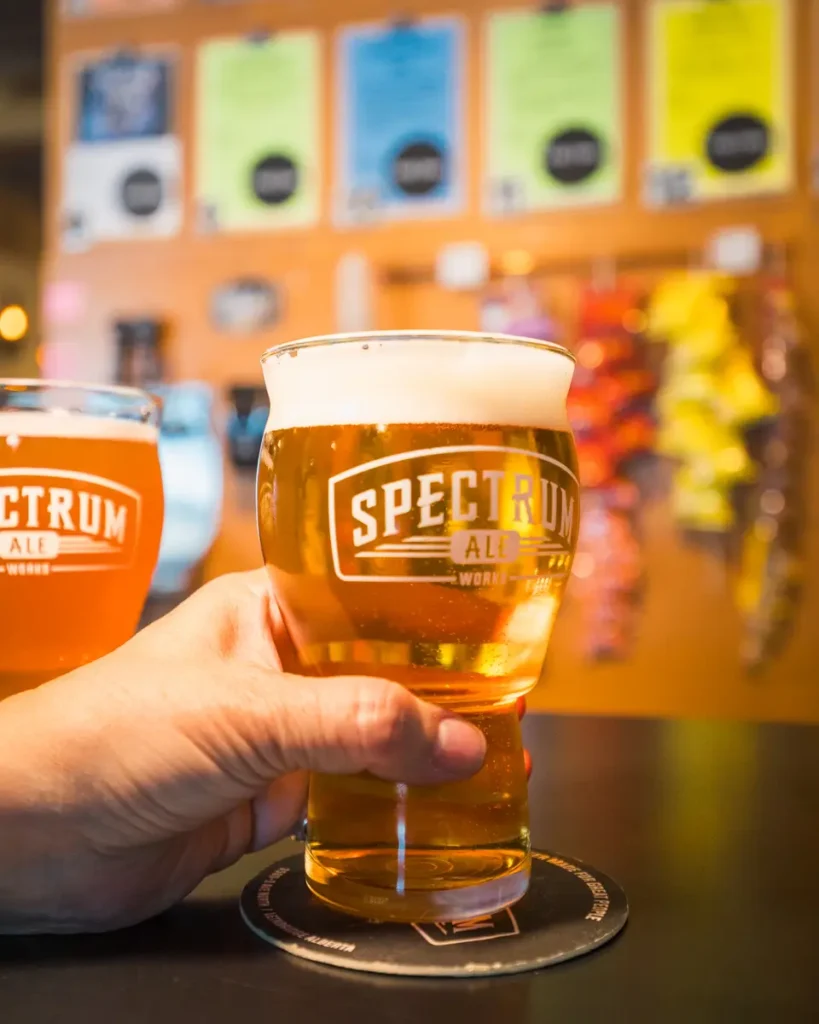
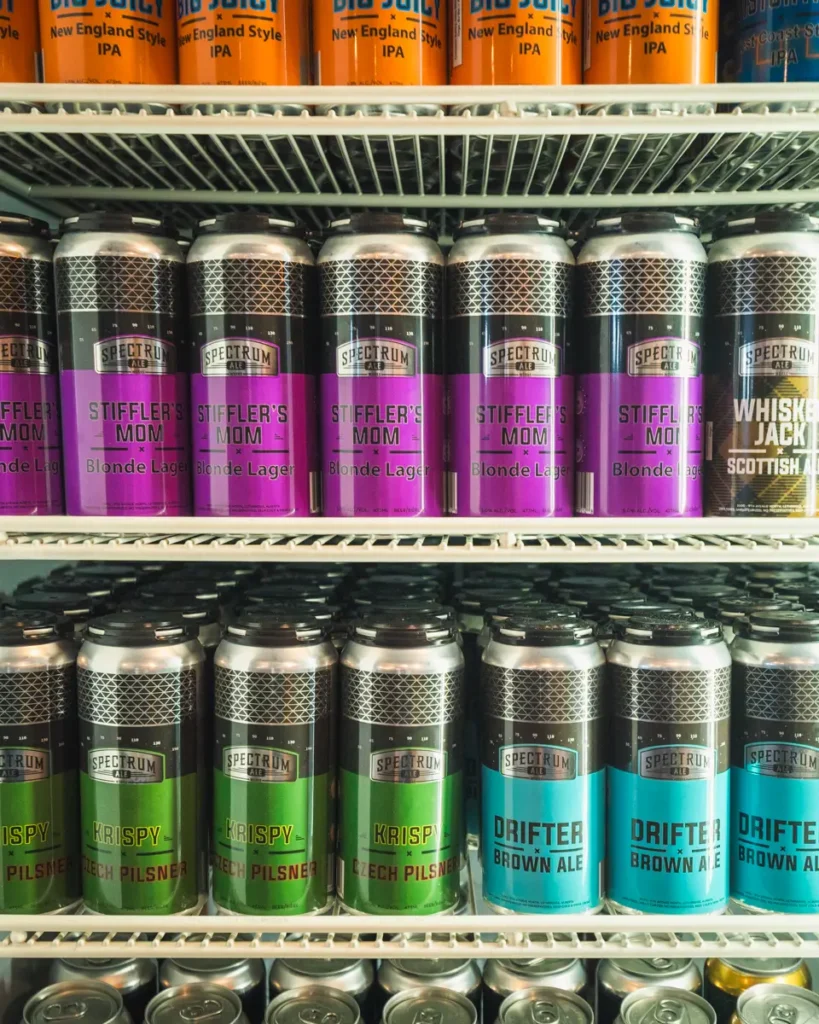
Spectrum Ale Works grew out of Darrell Harris’s more than 20 years of homebrewing before he and Elaine Harris opened the brewery on the north side of Lethbridge. The brewery opened up in 2019 and brews a range of changing styles as adventurous as the Lethbridge palate will allow. The brewery is located in Lethbrige’s industrial north side, and as a result has a fairly blue-collar vibe. Local favourites include the ESB and Stiffler’s Mom Blonde Lager.

16. Get Lost in the Lethbridge Corn Maze
The Lethbridge Corn Maze started in 2000, when Theo Slingerland added a corn maze to the small berry farm he had started after immigrating from the Netherlands. What began as a seven-acre maze has grown into a seasonal farm attraction northwest of Lethbridge near Park Lake, with a new maze design cut into the corn each year once the corn is tall enough in late summer and fall.
The farm now includes several other year-round activities in addition to the maze: a petting zoo, sunflower field, pumpkin patch, train ride, giant slide, zip lines, jumping pillow, and smaller play areas for kids. The experience changes with the season, with spring and early summer featuring animals and farmyard activities, late summer bringing sunflowers and the maze, and fall with pumpkins and harvest displays.

17. Order Pour Over at Sonder Coffee
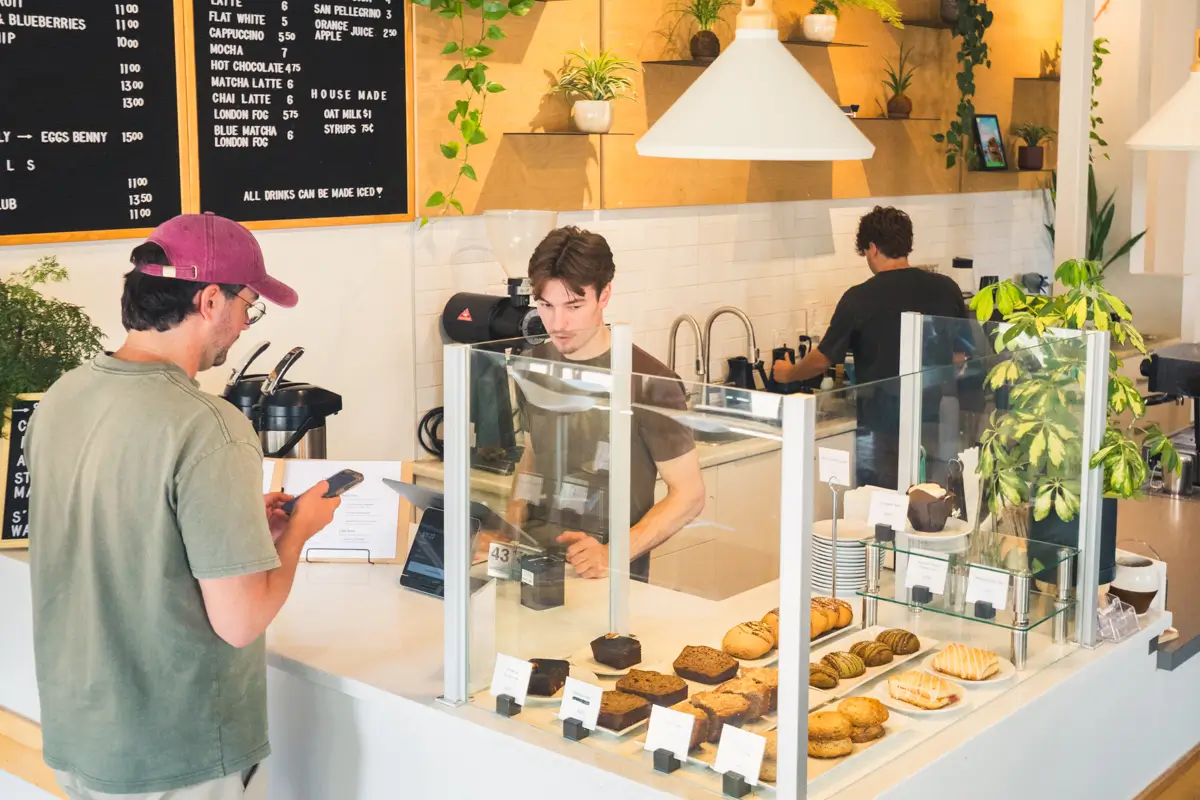
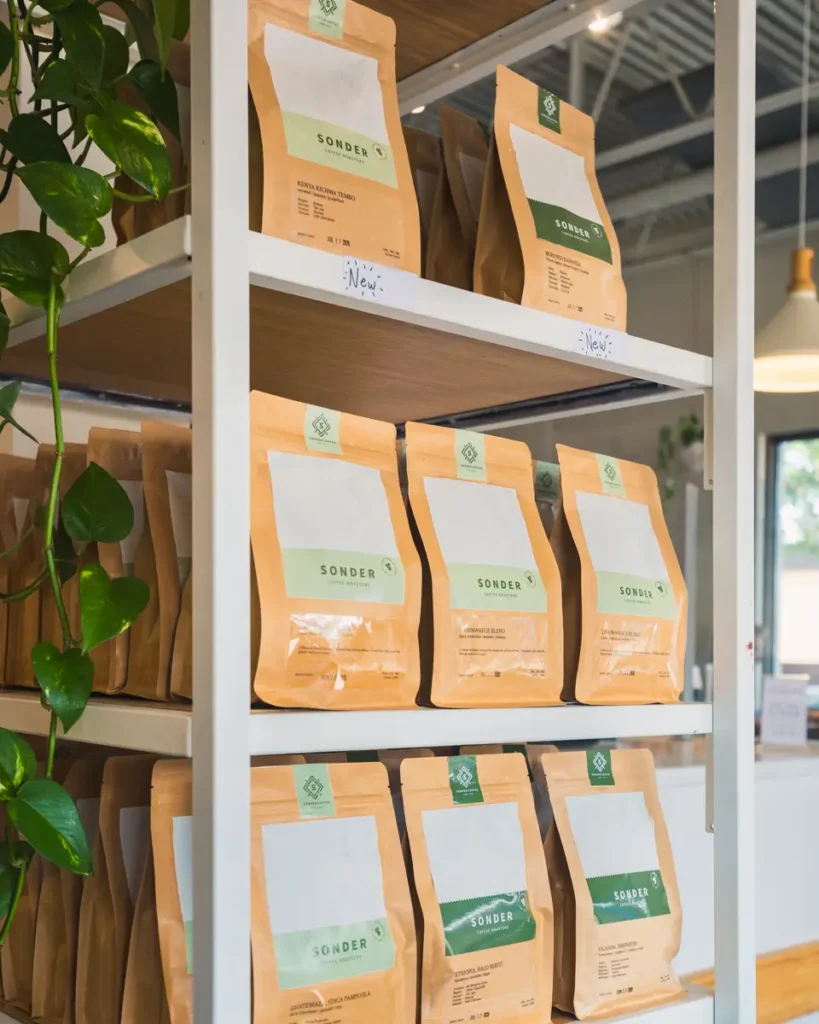
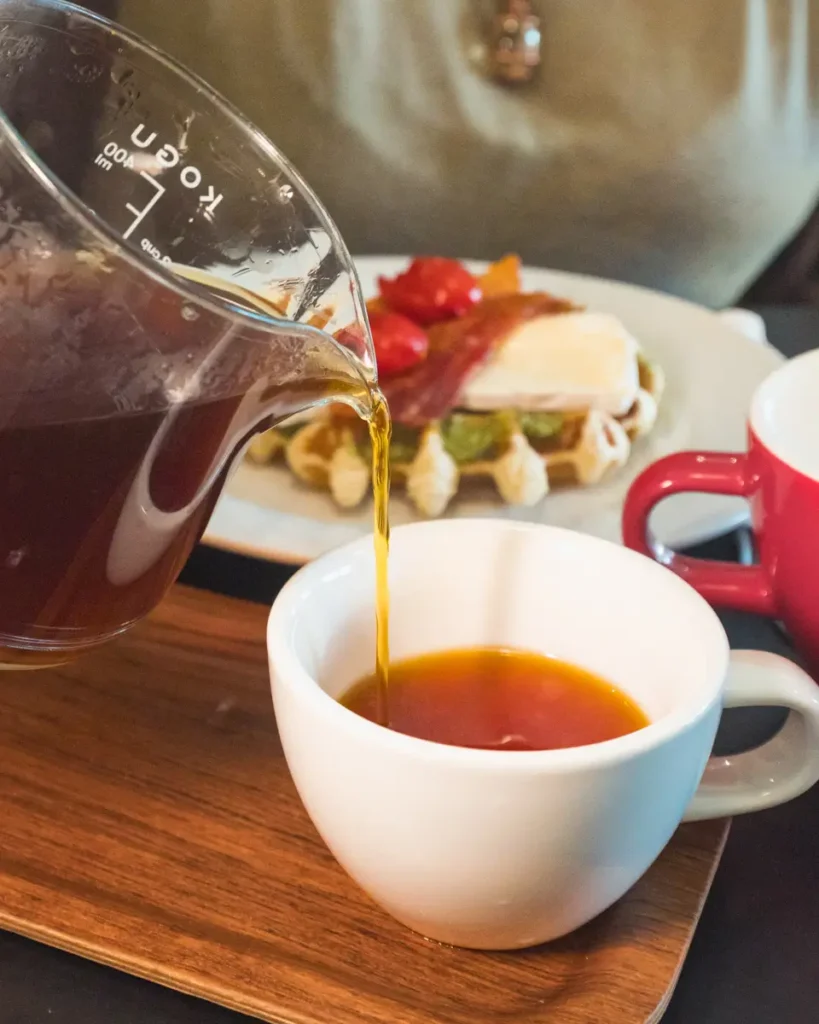
Paul DeMaere started Red Engine Coffee Roasters in 2010, and seven years later, the business opened Sonder Coffee as its cafe, eventually fully rebranding to the Sonder name. The cafe occupies a spacious, airy location just east of downtown, serving espresso and filter coffee brewed from beans roasted right next door. The interior is bright, and has comfortable seating, local art on the walls, and plenty of regulars lining up each morning. In addition to the coffee, visitors come for the Belgian-style liege waffles, which you can get with either sweet or savoury toppings.
18. Browse the Farmers’ Markets
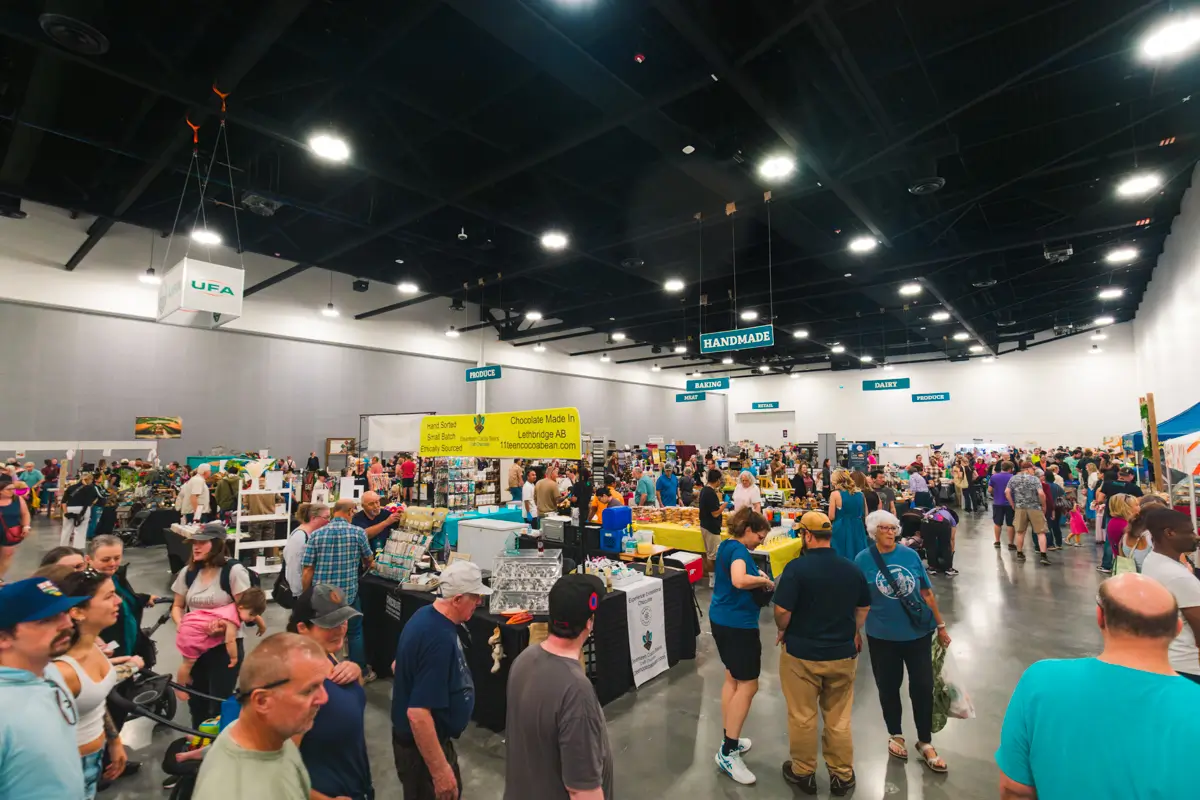
Lethbridge has two regular farmers markets’ in summer, with the indoor Saturday market at the Lethbridge Trade & Convention Centre on the edge of town being the longer-running and larger one. It dates back to 1962 and runs from June to mid-October, with vendors selling seasonal fruit and vegetables, baking, honey, preserves, flowers, and art, and crafts. The market is Alberta-approved, which means most of what’s sold has to be made, baked, or grown in the province.
The Wednesday downtown market started in 2007 and runs for a shorter summer season at Festival Square. It has a smaller setup with far fewer vendors, which is a tragedy given its much nicer outdoor location.
19. See Raptors at the Birds of Prey Centre
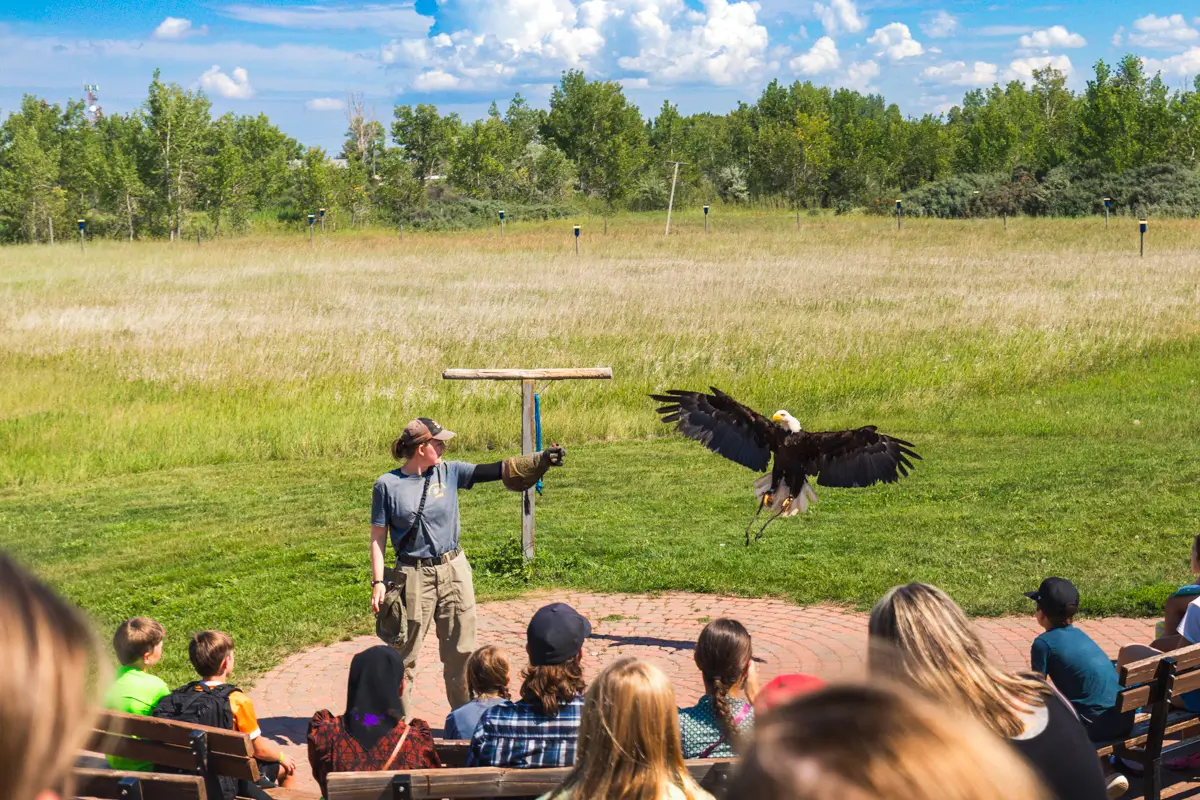
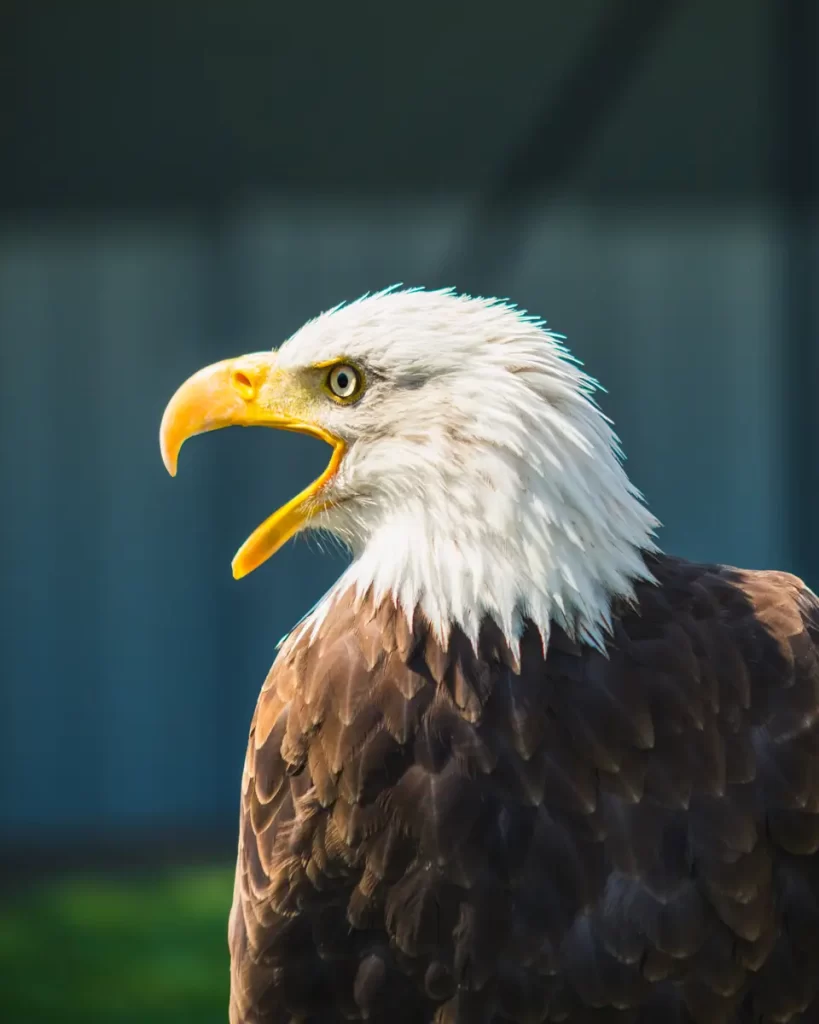
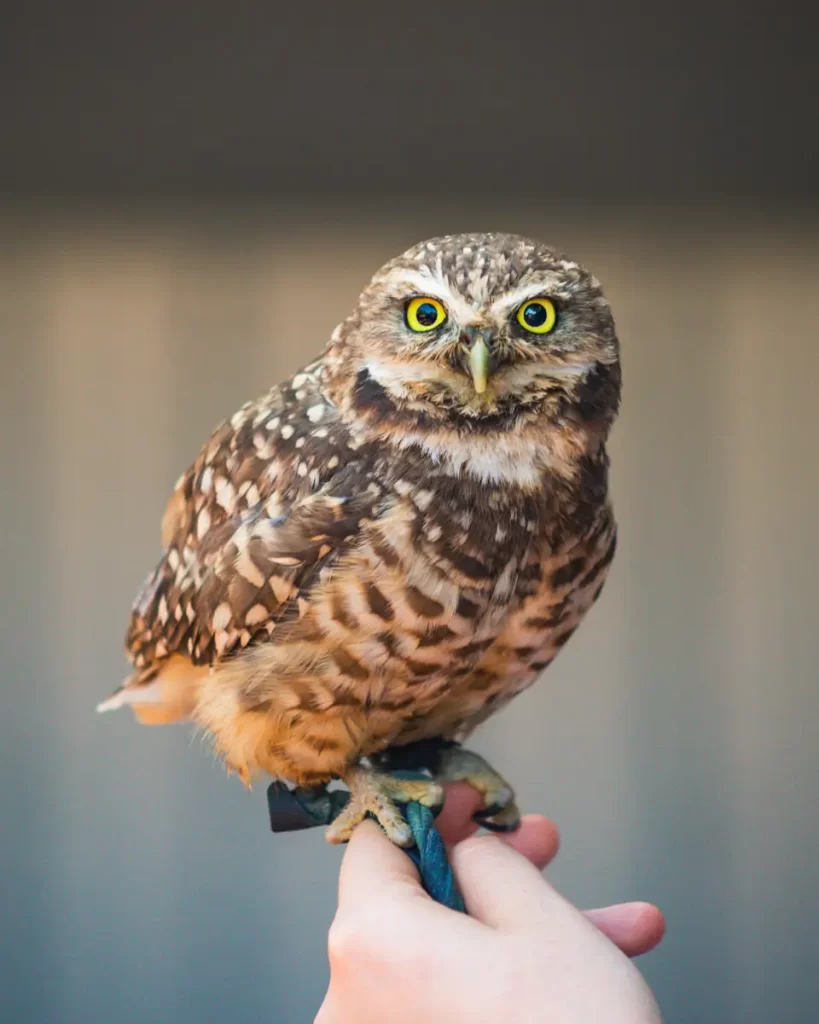
The Alberta Birds of Prey Centre is a wildlife rescue and educational facility about 15 minutes east of Lethbridge, opened nearly 40 years ago by Colin Weir and Wendy Slaytor, initially as a volunteer backyard operation – the first in Alberta permitted under provincial wildlife regulations. Today, the centre cares for around 200 injured or orphaned raptors at any given time, rehabilitating as many as possible and giving permanent homes to those that can’t return to the wild.
Visitors can walk the paths, see birds in the aviaries, visit the Eagle Courtyard, watch flying demonstrations, feed ducks, and book closer encounters with trained owls. Plan for at least a couple of hours, since the grounds are outdoors and the visit involves walking between aviaries, wetlands, viewing areas, and demonstrations. It’s a seasonal attraction, usually open from May into September.
20. Walk Through Nikka Yuko Japanese Garden
Nikka Yuko Japanese Garden opened in 1967 to celebrate the contributions of the local Japanese community and Canada’s centennial year. Designed by landscape architect Tadashi Kubo of Osaka, the garden symbolizes friendship between Japan and Canada, using traditional Japanese landscaping principles adapted to Alberta’s climate. Rather than importing exotic plants or elements, the garden was built entirely with materials native to southern Alberta.
The garden covers 3.5 acres near Henderson Lake, east of downtown Lethbridge. Visitors follow winding gravel paths that cross wooden bridges, circle carefully placed stone lanterns, and lead to an authentic wooden tea pavilion overlooking a central pond. A bronze Friendship Bell, commissioned for the garden and cast in Kyoto, hangs in a traditional bell tower near the pond. Cherry blossoms bloom briefly in spring, maples redden in autumn, and the garden lights up at night during winter events. Guided tours or tea ceremonies are available most weekends in summer, and a small museum / visitor centre at the entrance has Japanese artifacts, films about Nikka Yuko’s development, and interactive exhibits tracing Japanese Canadian migration and community life in southern Alberta.
21. Visit the Helen Schuler Nature Centre
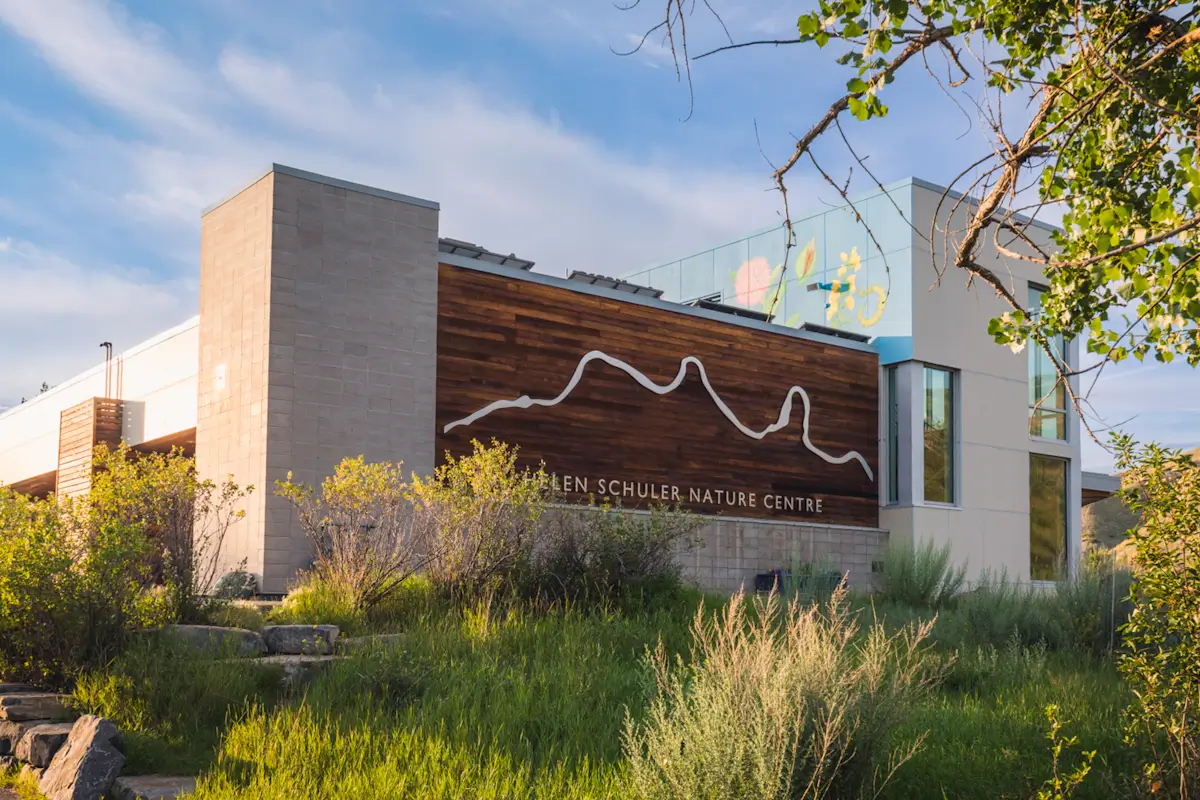
The Helen Schuler Nature Centre sits in Lethbridge’s river valley not far from the High Level Bridge. It’s a city-run interpretive centre focused on local ecology, with indoor exhibits and outdoor trails. The building itself is built into the landscape with a green roof planted with native grasses and wildflowers, which visitors can walk across for a view of the coulees and the surrounding prairie.
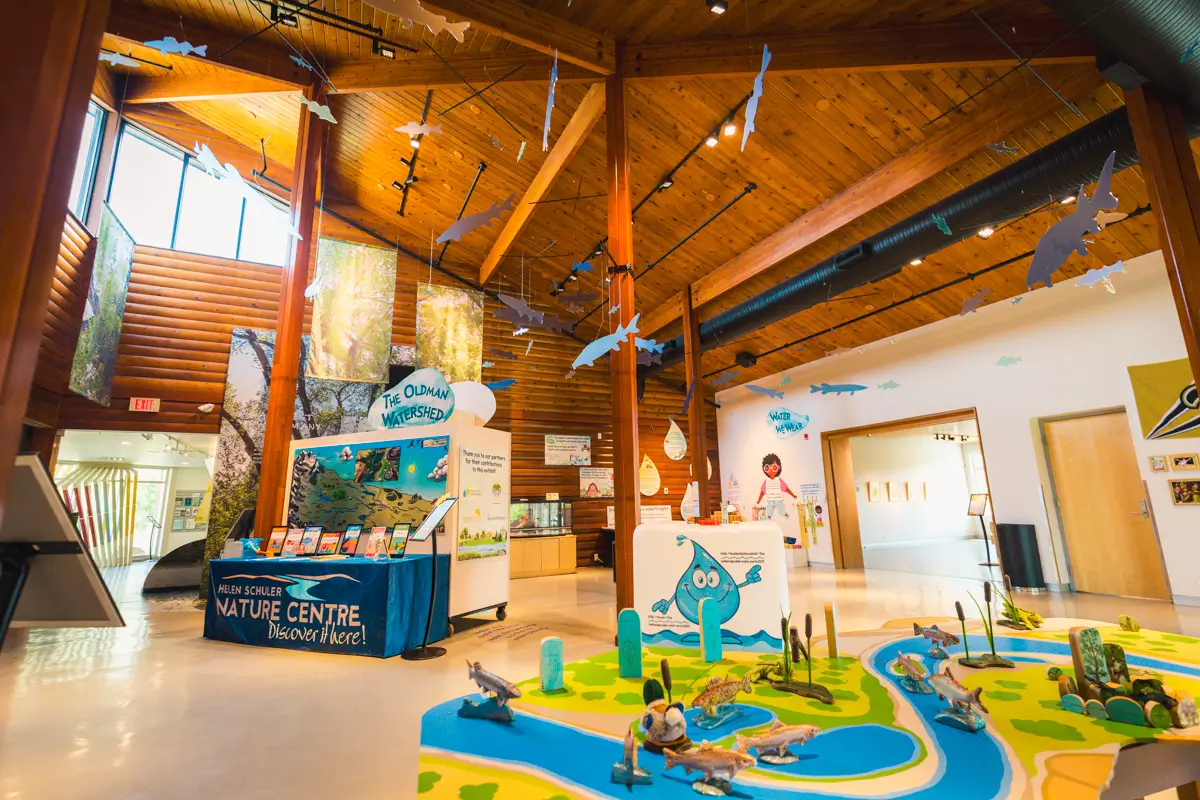
Inside, there’s a family-oriented exhibition space with temporary displays that change seasonally. These often highlight local species, ecosystems, or community-led environmental projects. Staff and volunteers run occasional public events like guided walks, kids’ science activities, or wildlife talks.
The paved trails and boardwalks right outside the centre loop through wetland and coulee terrain, with interpretive signs and a bird blind overlooking the marsh. The paths are flat and accessible, and popular with both strollers and binocular-toting birders.
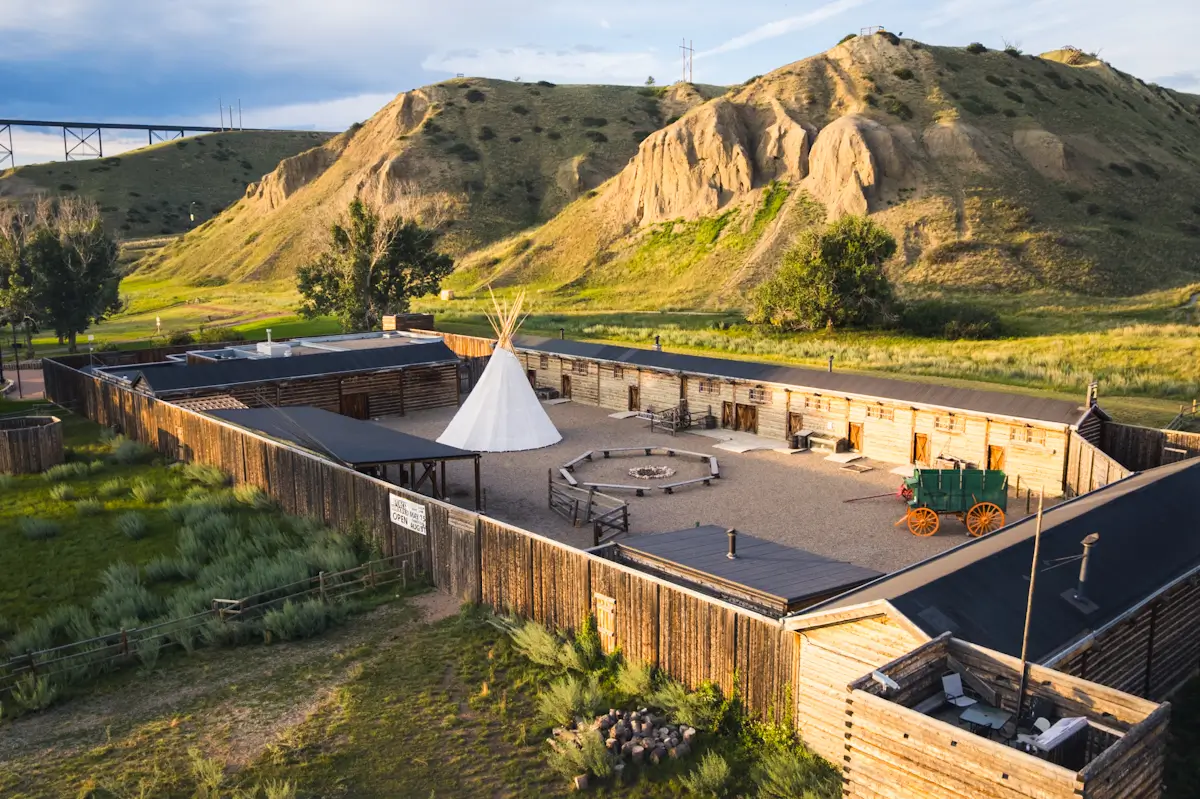
22. Explore Fort Whoop-up
Fort Whoop-Up is a reconstructed 19th-century trading post tucked into Indian Battle Park, a few minutes’ drive from downtown Lethbridge. The original fort was built illegally in 1869 by American traders who exchanged whisky and firearms for buffalo robes, operating outside Canadian law until the arrival of the North-West Mounted Police in 1874. The version that stands today was built in the 1960s and is used to tell the story of the early fur trade and its impact on Indigenous communities.
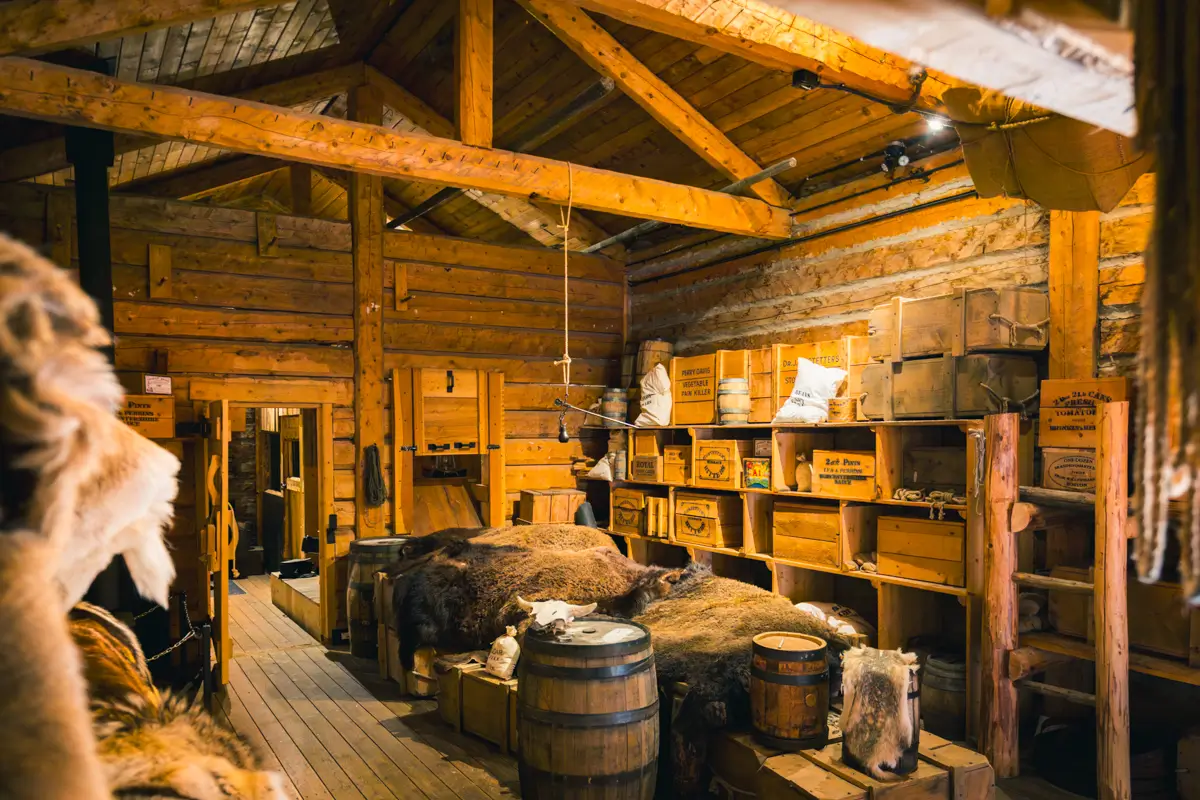
The site includes stockade walls, trading rooms, a blacksmith shop, and indoor galleries with interpretive displays. Summer programming includes occasional wagon rides, guided tours, and reenactments, but the fort can also be visited self-guided during regular hours. Exhibits include fur pelts, trade goods, and rifles, alongside contextual information about the Niitsitapi (Blackfoot) people and the legacy of the whisky trade.
23. Catch Live Music
Lethbridge’s downtown has a small but surprisingly strong live music scene, where local bands share bills with touring acts from Alberta, Saskatchewan, British Columbia, and farther afield. The Slice has been the iconic home of that scene since 2005, pairing the city’s best thin-crust pizza and a divey bar setting with regular live shows, open mics, and other community events. It’s the venue to check for rock, punk, metal, folk, roots, indie, and singer-songwriter nights.
The Owl Acoustic Lounge opened in 2010 and gives the scene a second regular space downtown. Its calendar mixes live music with open mics, trivia, drag, and other community events. The room suits acoustic sets, songwriter nights, indie acts, folk shows, touring bands, and local musicians. Check both calendars while you’re in town, since most nights both are likely to offer something different.
24. Attend a Powwow
Southern Alberta has a busy powwow calendar, with major gatherings held in Lethbridge and on the nearby Kainai and Piikani nations. The International Peace Powwow takes place indoors at Lethbridge’s VisitLethbridge.com Arena (classic name) over the last full weekend of February. Hosted by the Blackfoot Canadian Cultural Society, it brings together dancers and drum groups from across Canada and the United States. The Blackfoot Confederacy includes Siksika, Kainai, and Piikani in Alberta, as well as Aamskapi Pikuni, or the Blackfeet Nation, in Montana. The modern border cuts through a much older Blackfoot world, with kinship and community connections continuing across it.
Summer brings a wider series of outdoor powwows and community celebrations across the Piikani and Kainai nations. The Piikani Nation Celebration & Powwow in Brocket is one of the largest near Lethbridge, combining several days of dancing and drumming with events that also include a parade, rodeo, Indian relay racing, hand games and sports. The Kainai Powwow & Celebration near Stand Off is another major gathering, while Lethbridge hosts smaller powwows at different points during the year.
A powwow is part gathering, part ceremony, and part dance competition. Each session begins with a Grand Entry, when dancers enter the arena in regalia behind flags, veterans, elders, and invited dignitaries. Drum groups provide the songs, dancers compete in categories such as Traditional, Fancy, Grass, Jingle, Chicken, and Buckskin, and judges score by age group and dance style. Between competition rounds, visitors can browse the marketplace and buy food.
25. Paddle the Milk River
The Milk River is home to southern Alberta’ main paddling route, cutting through dry prairie, ranchland, cottonwoods, sandstone cliffs, hoodoos, and Blackfoot cultural landscape southeast of Lethbridge. The river starts in Montana, crosses into Alberta, then bends back into the United States toward the Missouri River system, making it the only Alberta watershed that drains south to the Gulf of Mexico. Along the Canadian section, the waterway passes through Writing-on-Stone / Áísínai’pi country, where sandstone walls, petroglyphs, pictographs, and coulee slopes rise above the river.
The common canoe route runs from the town of Milk River to Writing-on-Stone, about 71 kilometres, with many paddlers shortening the trip by starting at Gold Springs. Stronger paddlers can look at the much longer Del Bonita to Writing-on-Stone route, about 173 kilometres over several days. The river is generally ideal for beginners, though the Gold Springs to Poverty Rock stretch has some tight bends, rocky rapids, hidden boulders, and undercut banks. Spring and early summer usually offer the best water.
Southern Alberta has other prairie river paddles within reach of Lethbridge, but the Milk River is the most distinctive for hoodoos, rock art, and badlands scenery. The Oldman River east of Lethbridge and toward Taber has open prairie views, bluffs, and long slower stretches. The St. Mary River near Cardston has faster water, gravel bars, sweepers, and some intermediate whitewater. The Bow River northeast of Hays gives another dry-country paddle, with badlands formations, broad bends, and wind-exposed prairie water.
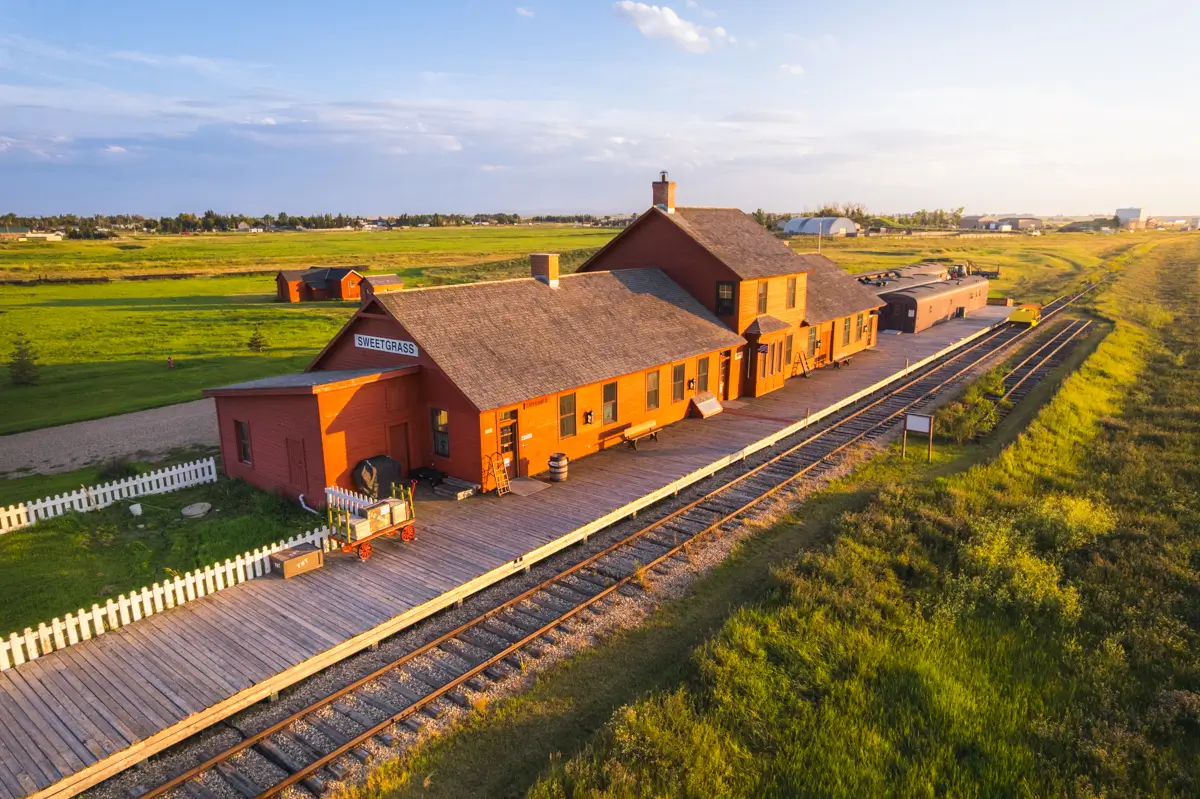
26. Visit the Galt Railway Park
The Galt Railway Park is home to the restored 1890 International Train Station, originally located right on the border between Coutts, Alberta, and Sweetgrass, Montana. It’s one of the few border stations built with customs offices split between Canada and the U.S. Visitors can walk through the waiting rooms, ticket office, and customs area, all filled with original artifacts, old signage, and period furniture. Outside, there’s a small collection of railcars, including a restored wooden caboose and several historic freight cars.
27. See Dinosaur Eggs at the Devil’s Coulee Dinosaur Museum
Devil’s Coulee Dinosaur Museum is in Warner, about 40 minutes south of Lethbridge, and its story starts in 1987, when nineteen-year-old Wendy Sloboda found fossilized dinosaur eggshell fragments, leading palaeontologists to what became Canada’s first official dinosaur nesting site. Excavations later found eggshell fragments, nests, juvenile bones, intact eggs, and embryos from Hypacrosaurus, a duck-billed dinosaur that lived in Alberta during the Late Cretaceous. The site became especially important because embryos are rare, and these were preserved where the animals nested.
Inside the small museum, exhibits focus on dinosaur reproduction and the Milk River Ridge fossil landscape, with dinosaur eggs, hadrosaur nests, embryo casts, and skin impressions. Guided gallery tours let visitors handle some real fossils, and separate site tours take people into Devil’s Coulee to see the area where the eggs were found.
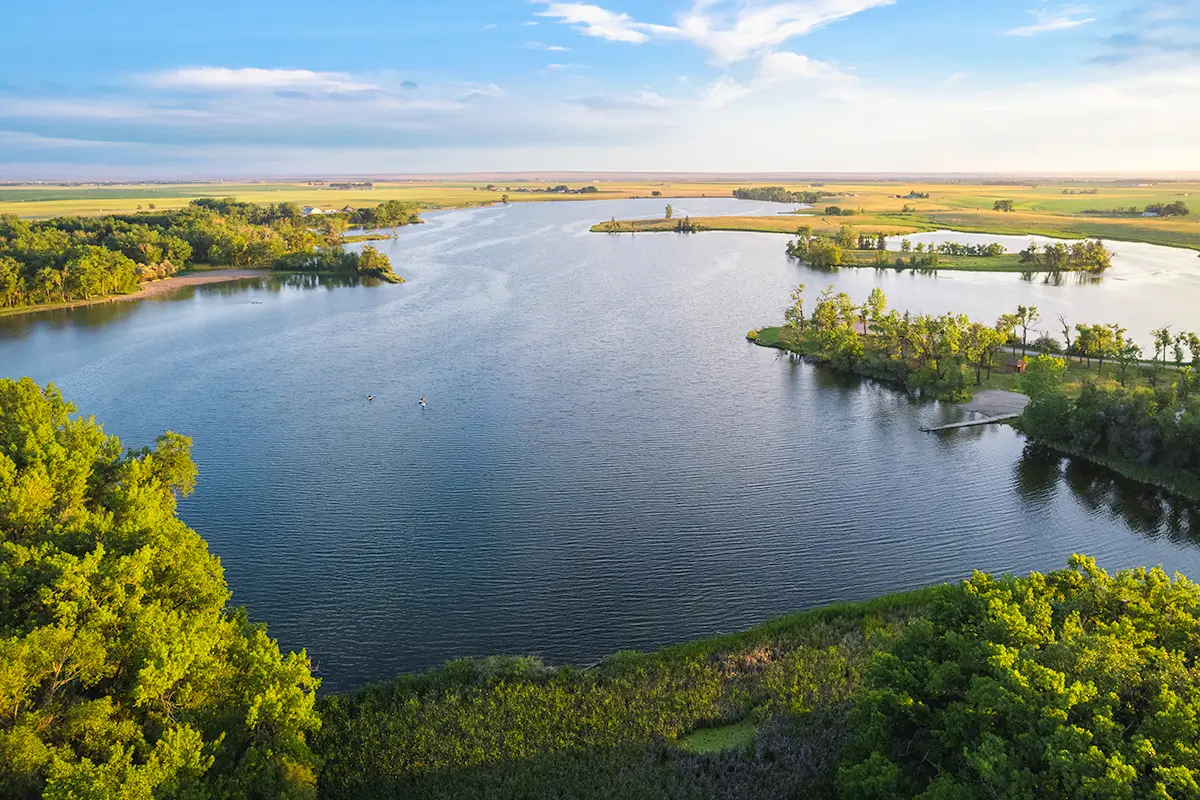
28. Swim at Park Lake
Park Lake Provincial Park sits northwest of Lethbridge around a reservoir built in 1929 for irrigation. Poplars and other trees were planted around the water soon after, and the site became a provincial park in 1932, making it one of the older recreation areas in southern Alberta’s park system. The park has a sandy beach, unsupervised swimming, paddling, boating, fishing, picnic areas, and a campground under the trees. Visitors use the lake for canoes, kayaks, paddleboards, small boats, and shore fishing, with walleye and pike in the reservoir.
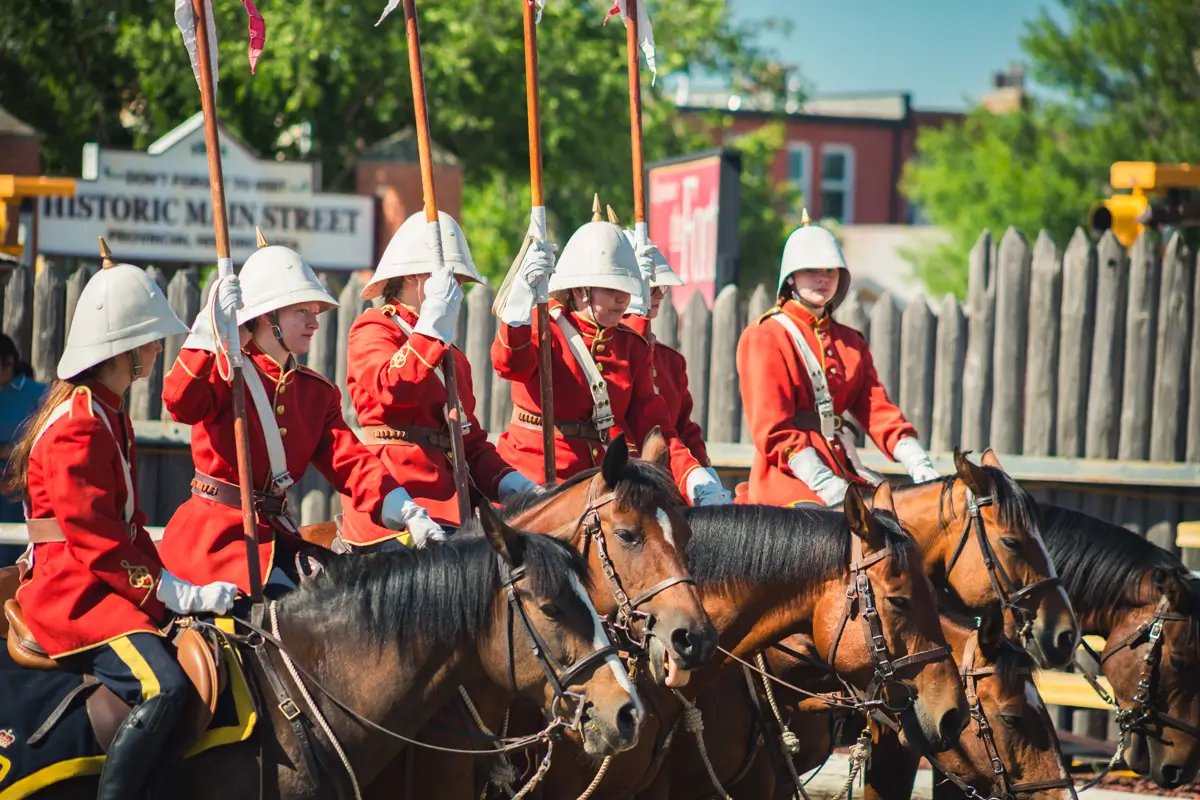
29. Visit the Fort Museum in Fort Macleod
The Fort Museum in Fort Macleod focuses on the North-West Mounted Police, the Blackfoot Confederacy, early settlers, and the town that grew from one of the first major police posts in western Canada. Fort Macleod was founded in 1874 after the NWMP arrived in Blackfoot territory to push back against the whisky trade coming north from the United States, and the museum uses galleries, outbuildings, uniforms, weapons, photographs, saddles, wagons, and reconstructed fort spaces to explain that early frontier period. The summer Musical Ride is one of the more unexpected things to see here. Throughout the day in July and August, local riders in red serge perform mounted drills, lance work, and formations based on the NWMP tradition.
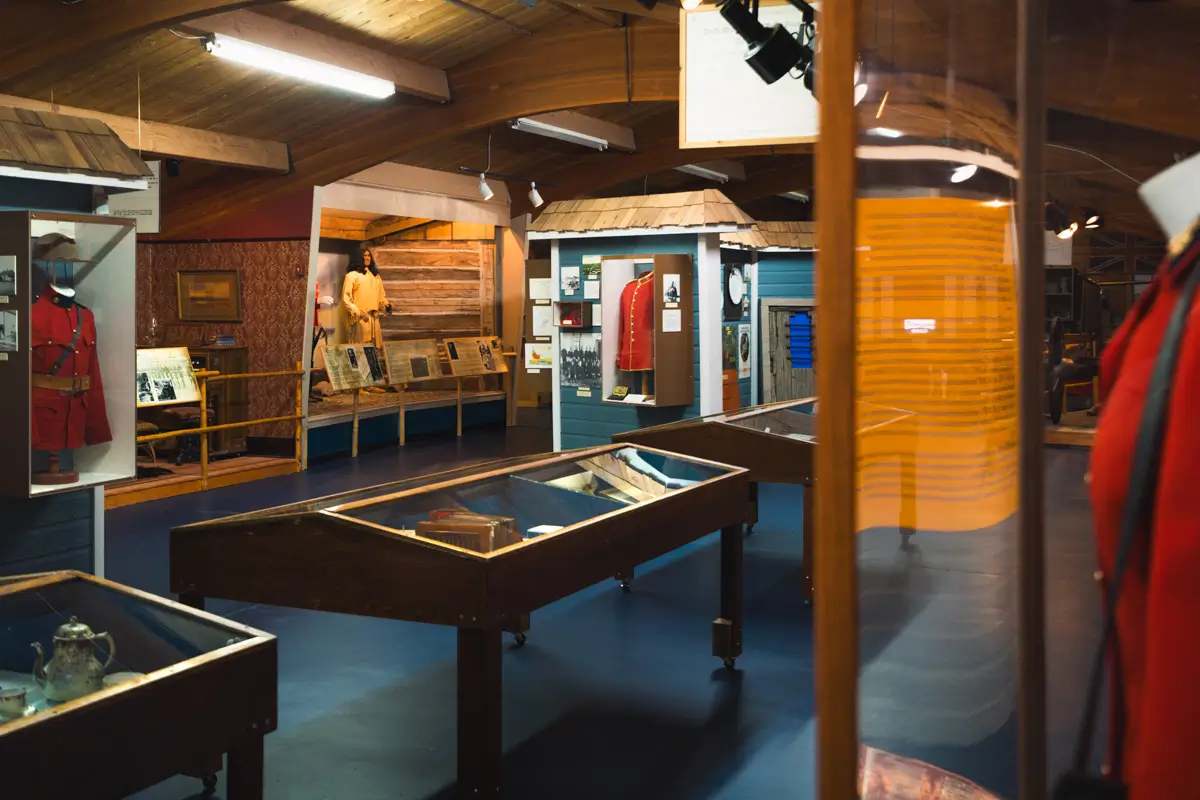
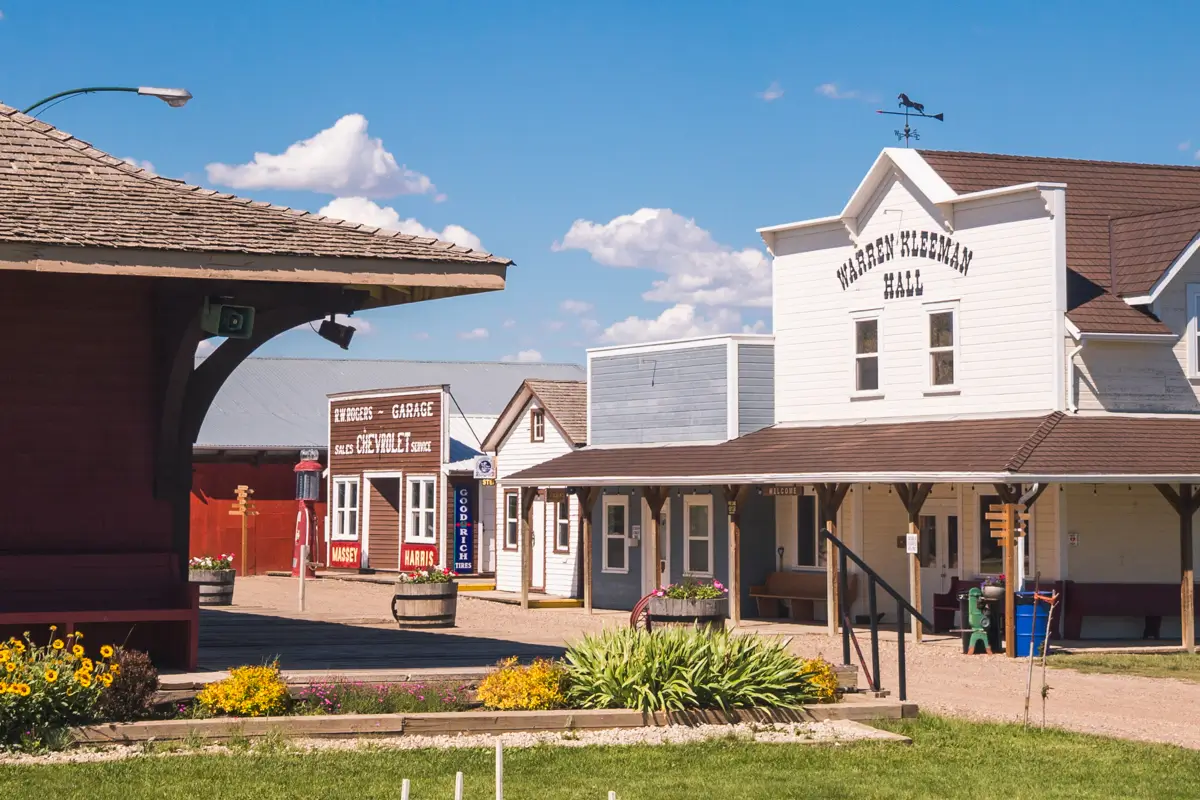
30. Step Back in Time at Coyote Flats Pioneer Village
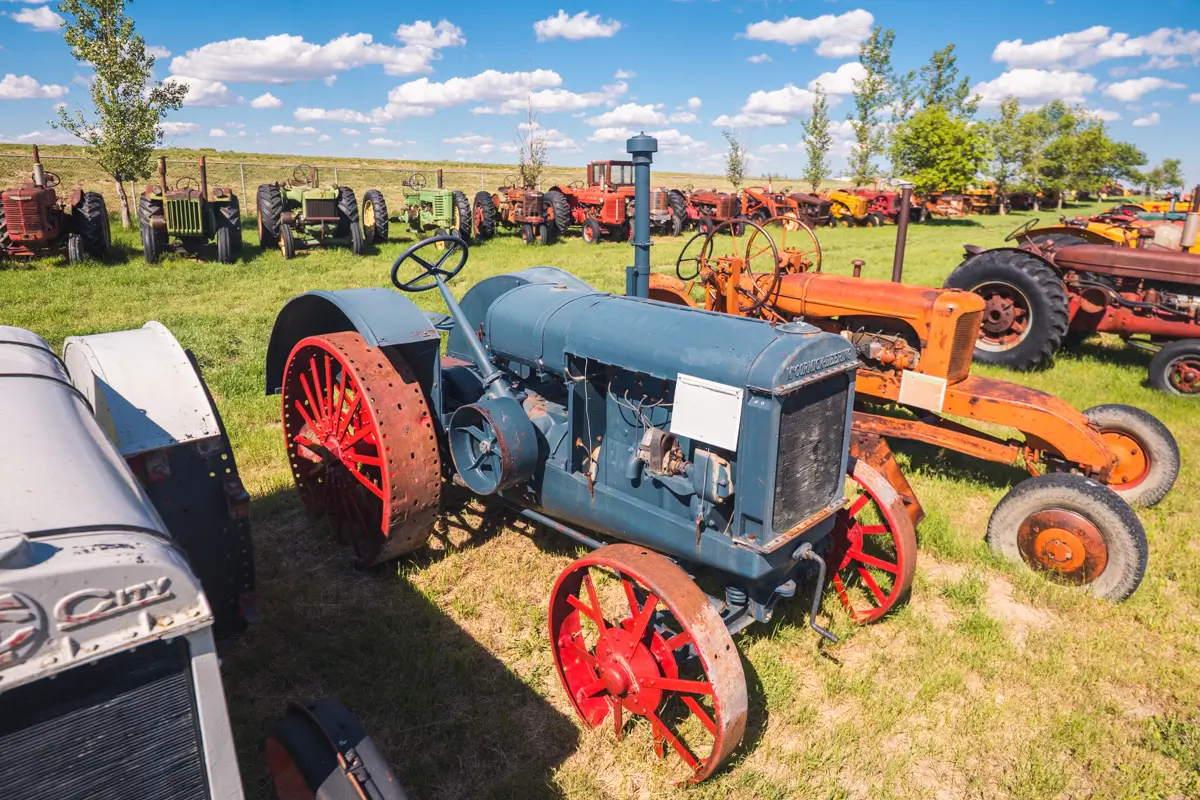
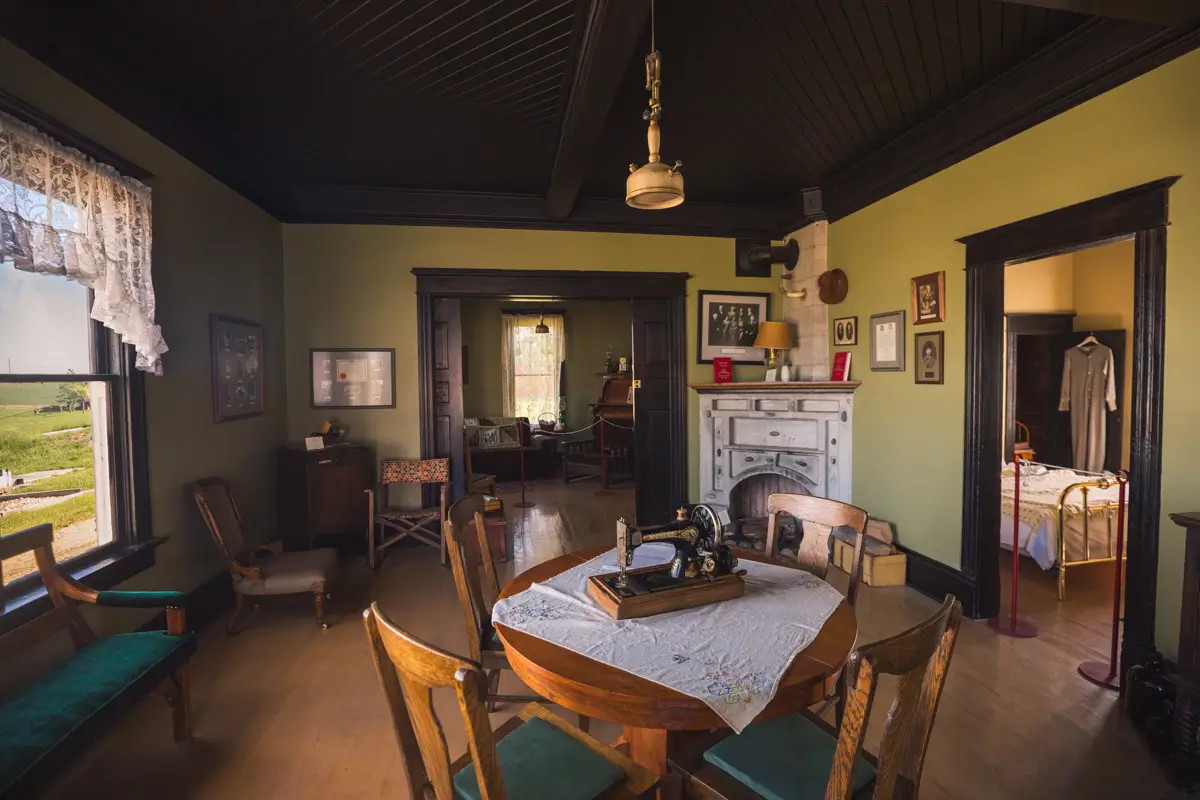
A short drive north of Lethbridge, Coyote Flats Pioneer Village grew out of the Prairie Tractor and Engine Museum Society’s work restoring and preserving southern Alberta farm machinery. The site is laid out like a small prairie village, with historic and reconstructed buildings including houses, a train station, garage, post office, church, school, butcher shop, barn, fire station, and NWMP outpost jail. The buildings are furnished with household items, tools, furniture, machinery, and everyday objects tied to the history of southern Alberta.
31. Walk Amongst the Boulders at Red Rock Coulee
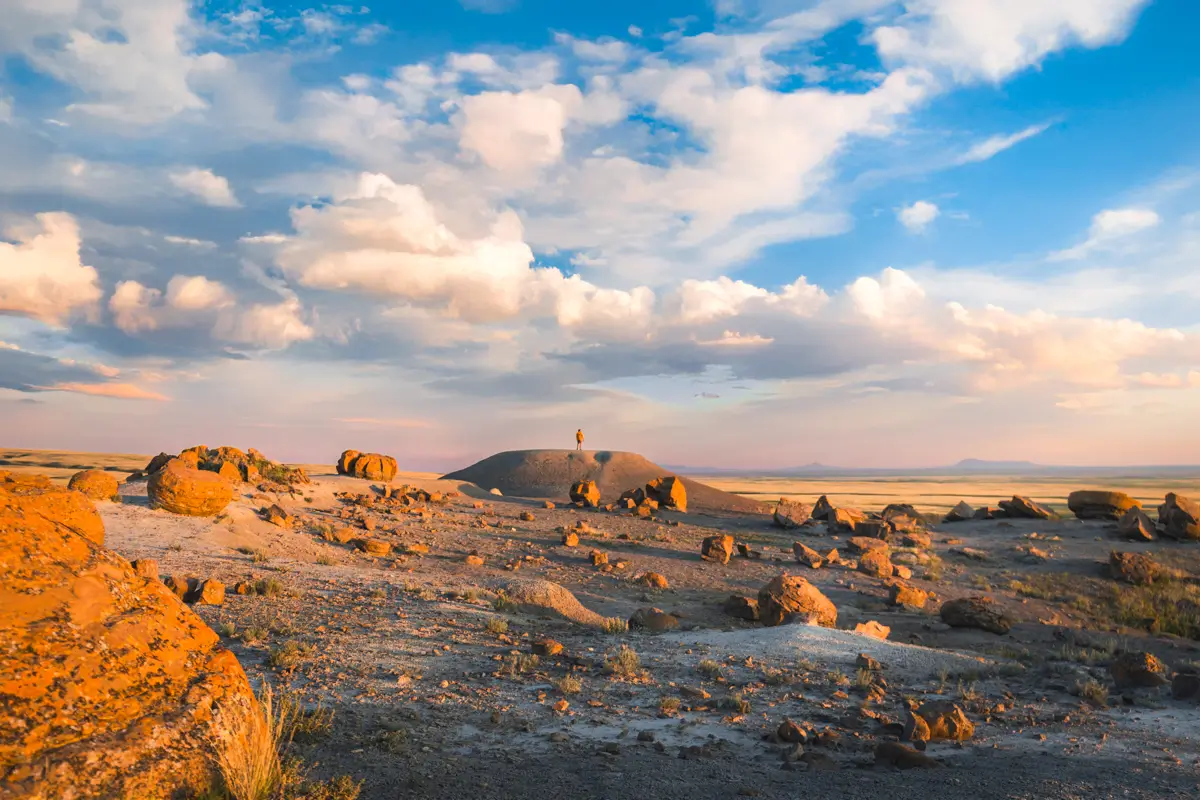
Red Rock Coulee Natural Area is a long side trip east of Lethbridge, in the dry grasslands south of Medicine Hat. Its red boulders are sandstone concretions, formed when mineral-rich water cemented layers of sediment around a core, then left behind as the softer surrounding rock eroded away. Iron in the stone oxidized and gave the rocks their rust-red colour. Some of the concretions are more than two metres across, scattered across the coulee slopes like giant cannonballs half-buried in the prairie. The site is open grassland, with sagebrush, prickly pear cactus, prairie flowers, meadowlarks, pronghorn, short-horned lizards, and rattlesnakes in the area.
32. Visit the Oldman Reservoir
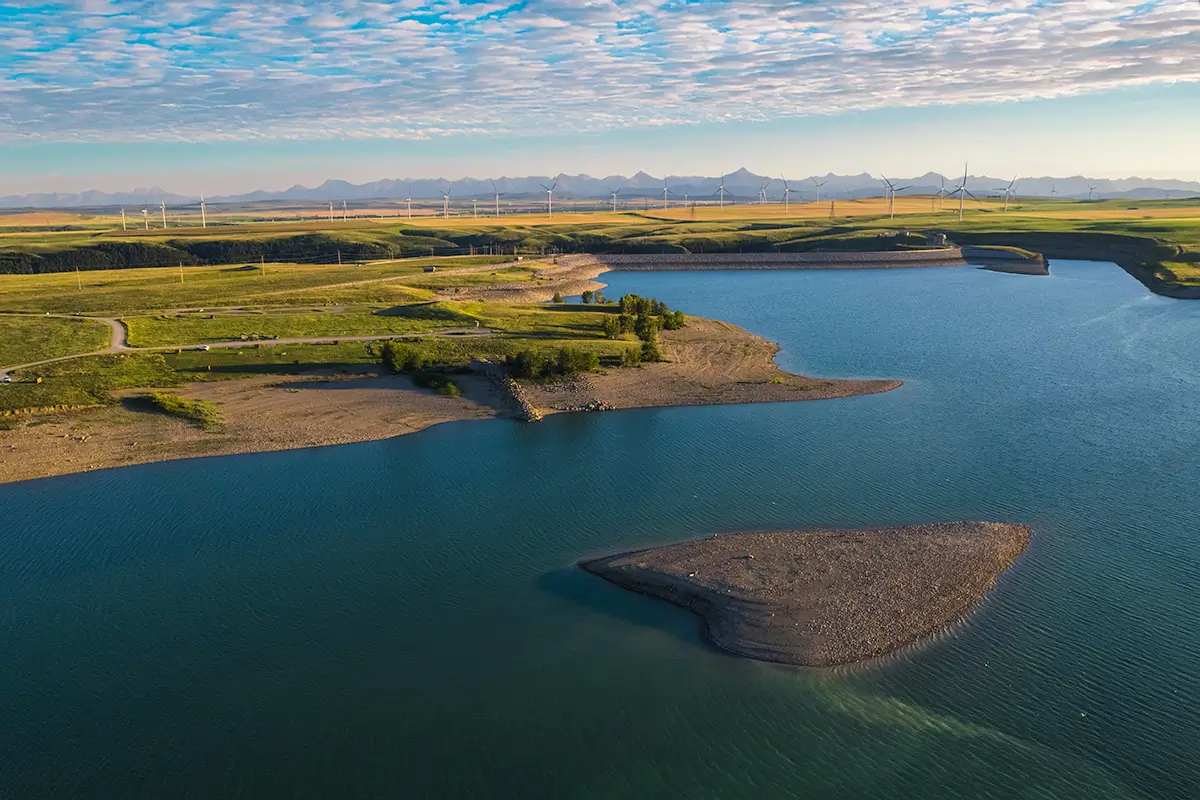
The Oldman Reservoir sits halfway between Lethbridge and the Rockies, where the Oldman River was dammed after decades of water-storage planning and a major 1980s–90s construction fight over environmental damage, and Piikani rights. The dam was completed in 1991, creating a long prairie reservoir below the eastern slopes, with open water, dry hills, cottonwoods, wind turbines, and views back toward the Livingstone Range and Crowsnest Pass country.
Today, the water is used for powerboating, sailing, windsurfing, paddling, and fishing, with walleye, pike, trout, and other species in the reservoir system. It’s a larger (and much windier) reservoir than Park Lake, and the views of the Rockies stretching over the horizon make it a magnificent spot to stop.
33. Hike Through Writing-On-Stone
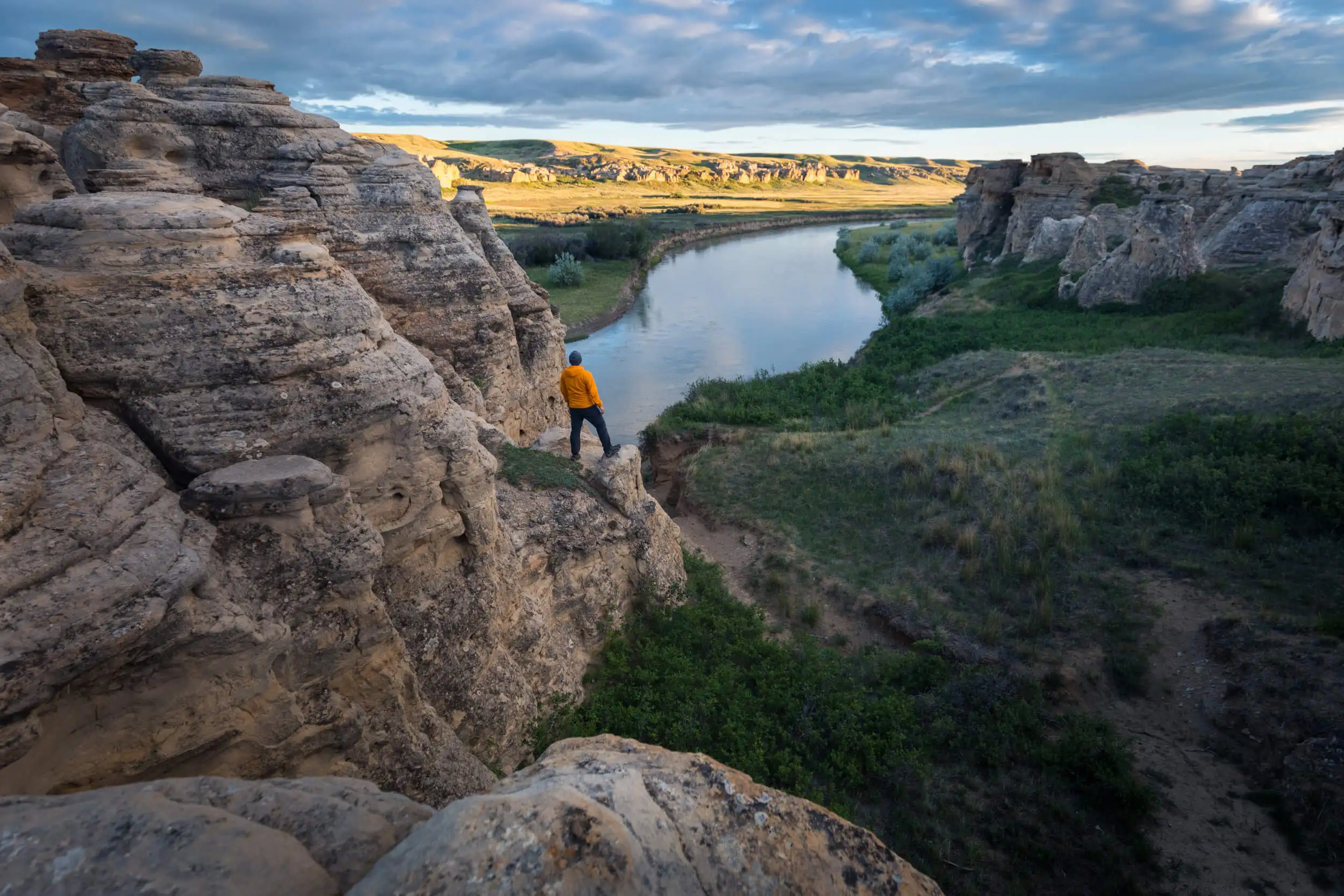
Writing-on-Stone Provincial Park / Áísínai’pi sits along the Milk River southeast of Lethbridge, where the water cuts through sandstone coulees, hoodoos, cliffs, and dry mixed-grass prairie. Áísínai’pi means “it is pictured/written,” and the park protects a sacred Blackfoot cultural landscape where generations of people left petroglyphs and pictographs on the sandstone. The rock art includes human figures, animals, spirit beings, weapons, shields, horses, and later scenes of conflict, trade, and life on the plains.
Visitors can explore the hoodoo trail, stop at the interpretive centre, camp near the river, paddle or float the Milk River when conditions allow, and join guided tours into protected areas of the park. Some rock art is visible from public routes, but the guided Markings of Áísínai’pi tour gives access to the archaeological preserve, where a larger concentration of petroglyphs and pictographs is protected from casual foot traffic. While you’re there, don’t be an asshole – don’t touch the rock art, carve into the sandstone, or climb on protected formations.
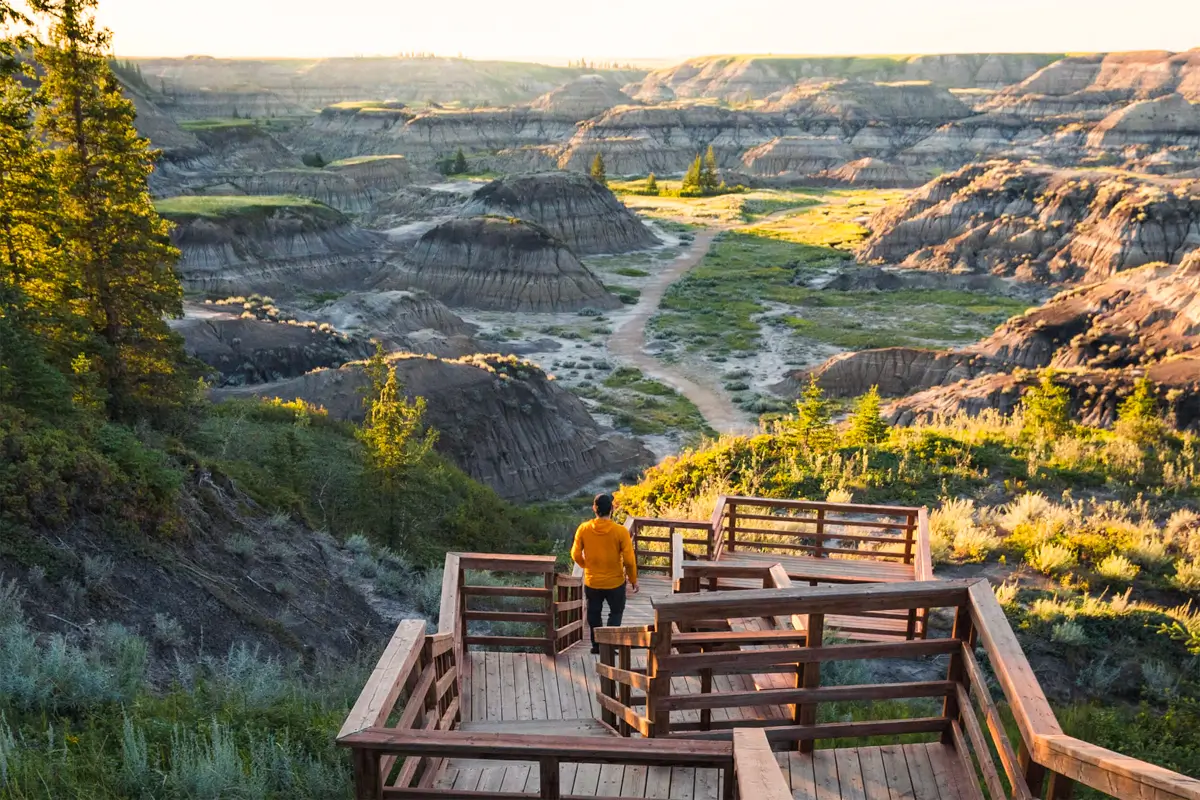
34. Explore Drumheller
Drumheller is a long northeast side trip from Lethbridge, but it gives you a very different version of southern Alberta: Red Deer River badlands, eroded coulees, hoodoos, coal-mining history, and the most famous dinosaur museum in the country. The Royal Tyrrell Museum has dinosaur skeletons, fossils, preparation-lab viewing areas, and exhibits explaining the ancient environments preserved in Alberta’s badlands. Around town, Horseshoe Canyon, Horsethief Canyon, the hoodoos, and the valley roads toward Rosedale, Wayne, and East Coulee show the same dry, layered terrain that make the region so rich in fossils. Drumheller requires more than a day trip from Lethbridge, as you need time for the museum, canyon viewpoints, short badlands walks, and the Atlas Coal Mine National Historic Site.
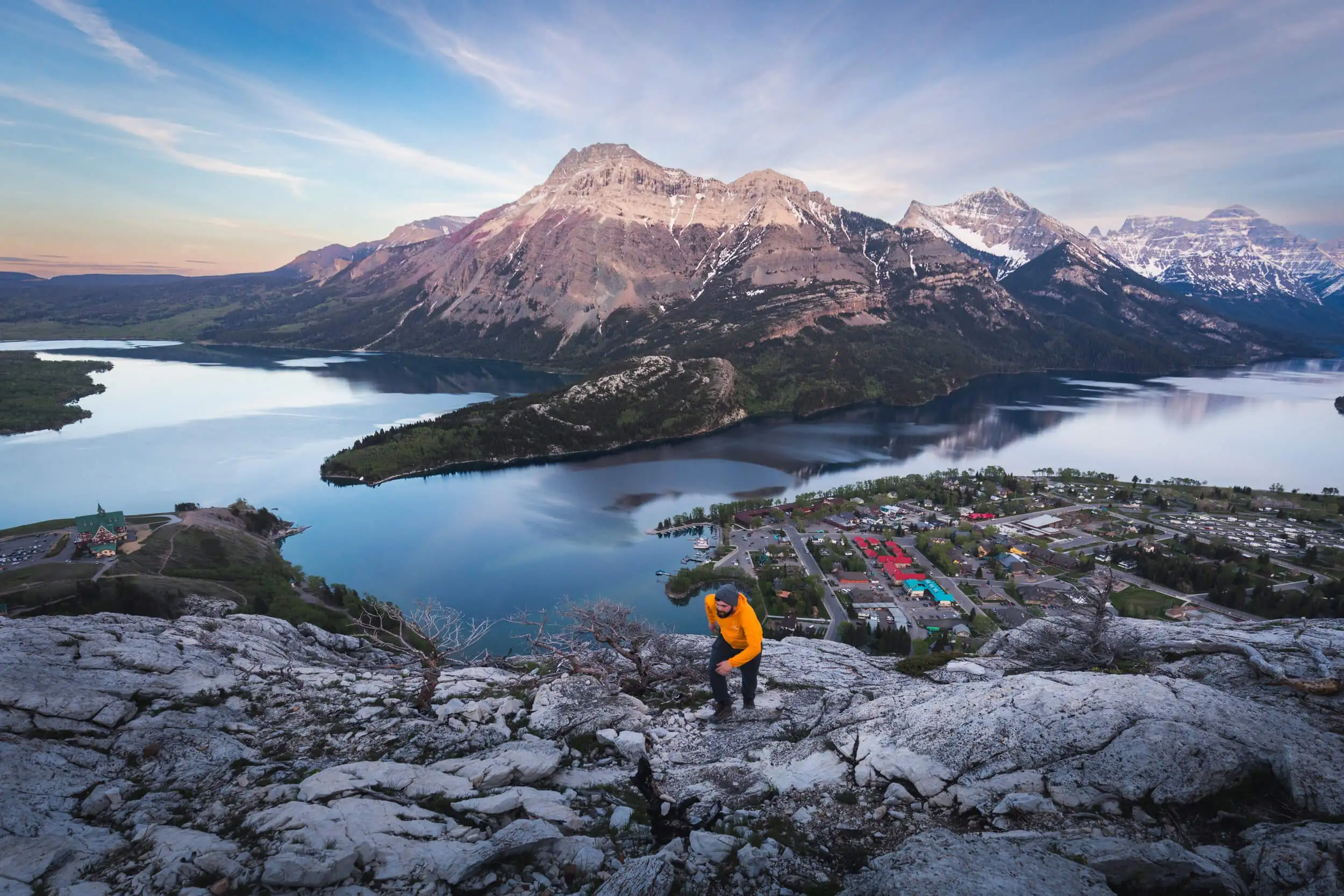
35. Hike in Waterton Lakes National Park
Waterton Lakes National Park is the major mountain trip from Lethbridge, about 130 kilometres southwest of the city where the prairie rises abruptly into the front ranges of the Rockies. The park is part of the Waterton-Glacier International Peace Park, linking it with Glacier National Park across the Canada–U.S. border. The mark of the 2017 Kenow wildfire is still visible in the park, with burned forest, new growth, and wider views in areas that were once more enclosed.
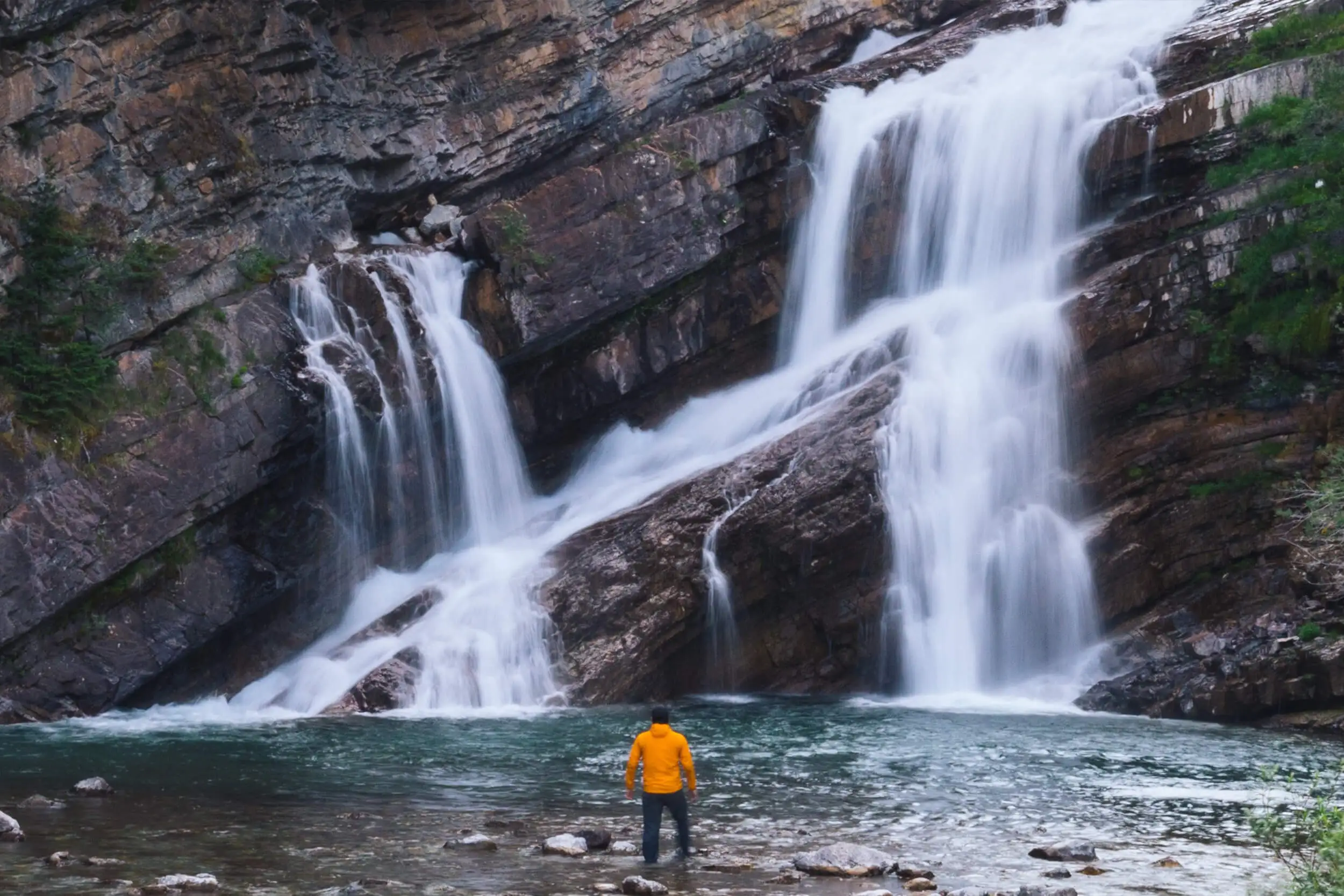
The small townsite sits beside Upper Waterton Lake, with the iconicPrince of Wales Hotel above the water, Cameron Falls at the edge of town, and short walks starting nearby. Red Rock Canyon, Cameron Lake, Bear’s Hump, Bertha Lake, Carthew-Alderson, and Crypt Lake are among the better-known stops and hikes, with the Crypt Lake route using a boat shuttle across the lake before climbing into the backcountry. Summer is the easiest season to visit, when roads, boat tours, campgrounds, and most hiking routes are active. Spring and fall are quieter but more weather-dependent, and in winter the town empties and most of the hikes become inaccessible.
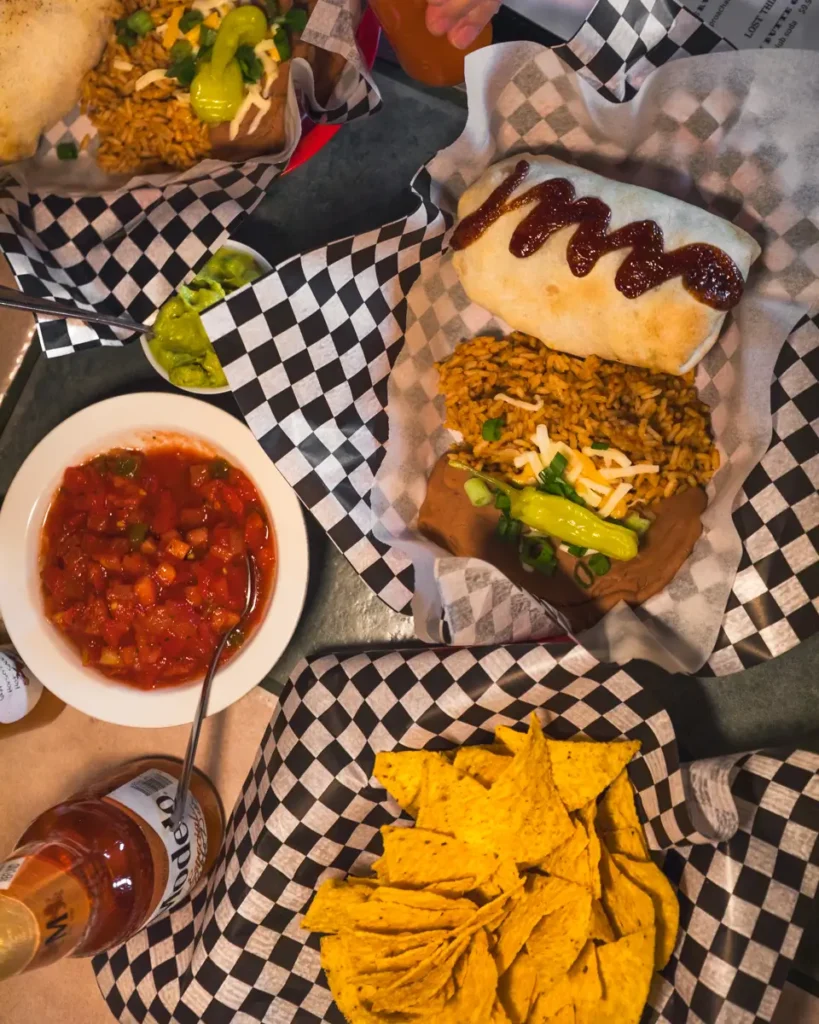
36. Stop for Mexican Food in Twin Butte
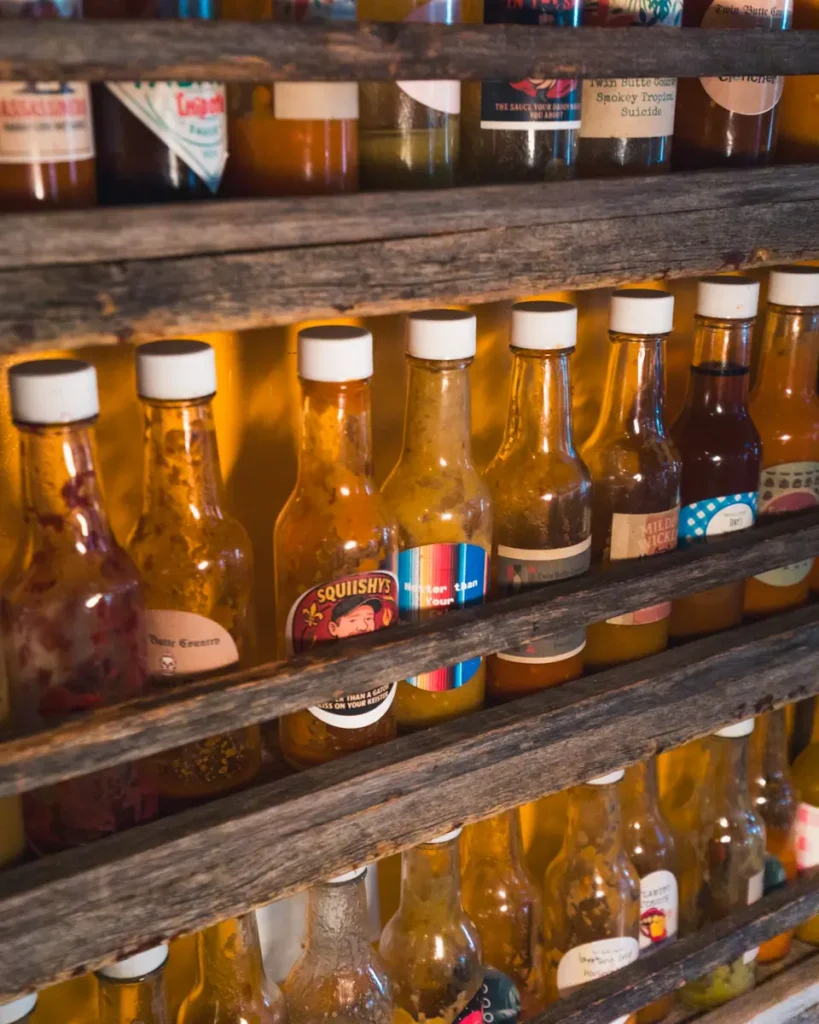
Twin Butte Country General Store is in the small community of Twin Butte, between Pincher Creek and Waterton Lakes National Park, and though the building has been a highway stop since the 1930s, it’s now known for its Mexican inspired food. It’s part restaurant, part rural general store, with a bar, groceries, a post office counter, liquor, and local souvenirs including their own hot sauces for sale.
The food here is sort of a local “if you know you know” on the way to or from Waterton. Come for the tacos, burritos, chimichangas, or nachos, though they also add barbecue on weekends, with brisket, ribs, pulled pork, beans, coleslaw, mac and cheese, poutine, burgers, and rotating specials. Live music is also not uncommon, so check the schedule if you’re passing through Twin Butte on the way to or from Waterton.
37. Visit Head-Smashed-In Buffalo Jump
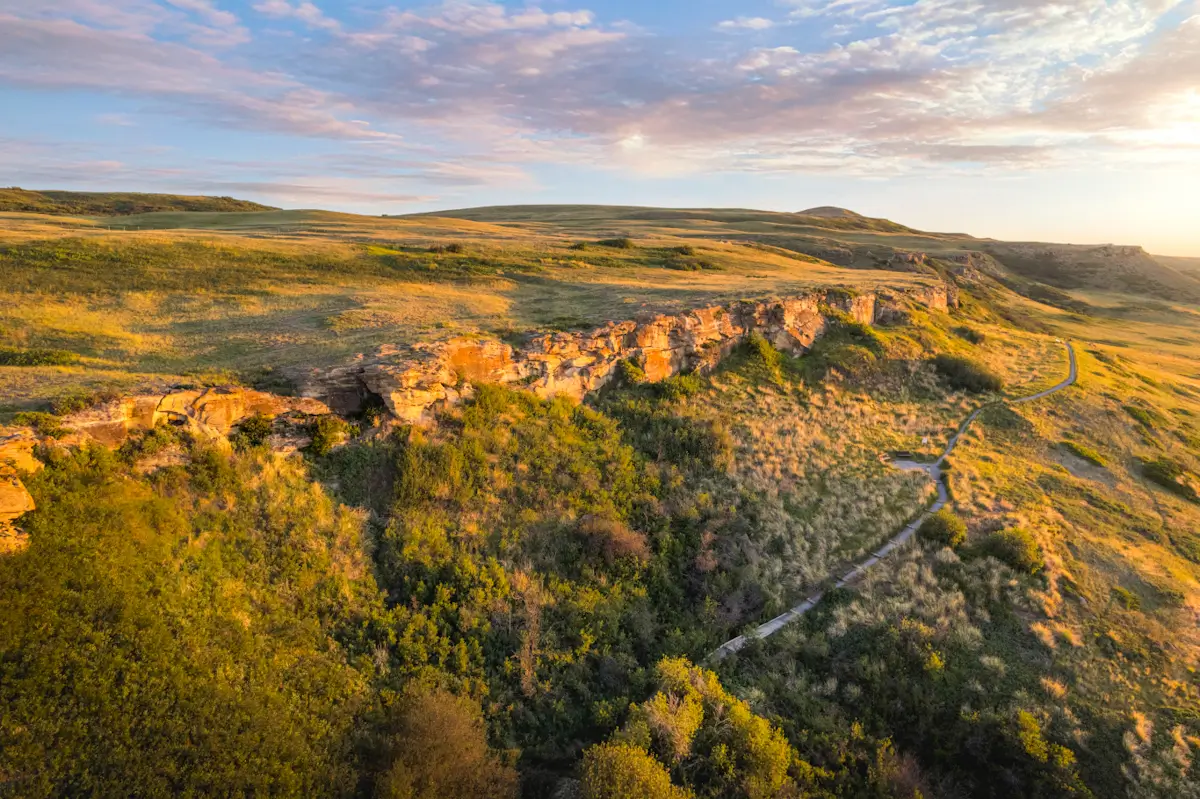
Head-Smashed-In Buffalo Jump sits in the Porcupine Hills northwest of Fort Macleod, where the prairie begins to rise toward the Rocky Mountain foothills. For thousands of years, Plains peoples used this cliff and the surrounding grassland as part of a highly organized communal bison hunt. Runners guided herds along drive lanes toward the edge, where the animals went over the cliff and were processed below for meat, hides, tools, shelter, and winter survival. The site is now a UNESCO World Heritage Site.
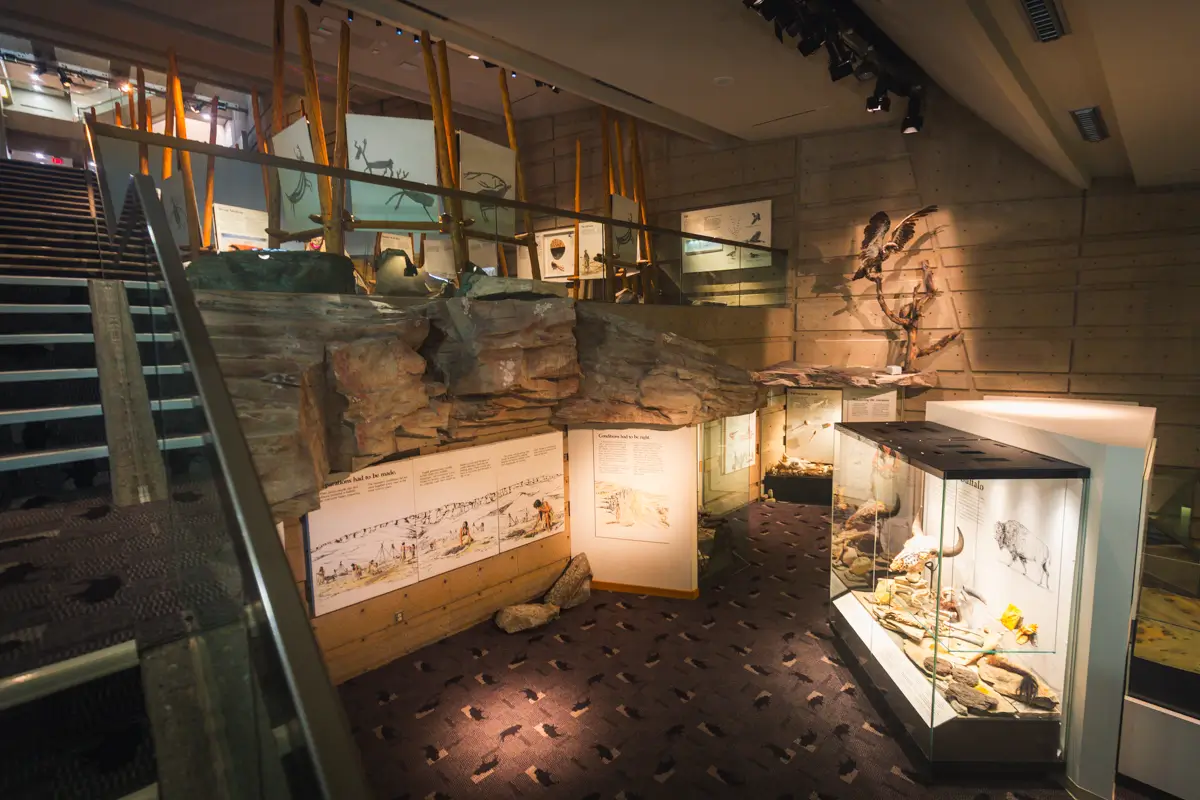
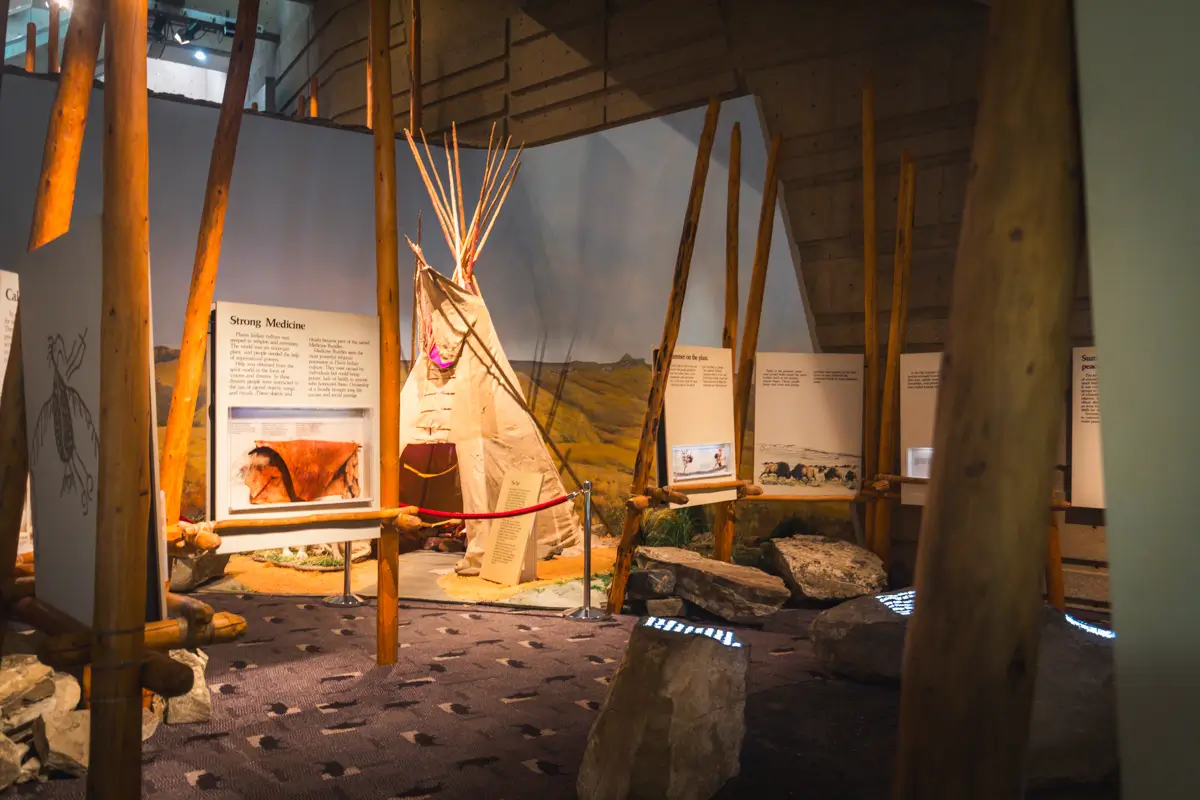
The interpretive centre is built into the hillside near the jump and explains the hunt through Blackfoot stories, archaeology, exhibits, films, artifacts, and viewpoints over the prairie. Displays cover bison behaviour, drive lanes, cliff use, processing areas, tipi life, trade, colonial disruption, and the near-destruction of the buffalo herds in the 19th century. Outside, short paths and viewing areas show the cliff, valley, and surrounding grassland. Blackfoot guides and interpreters are worth it, so check the daily program schedule if you want a guided tour or cultural demonstration.
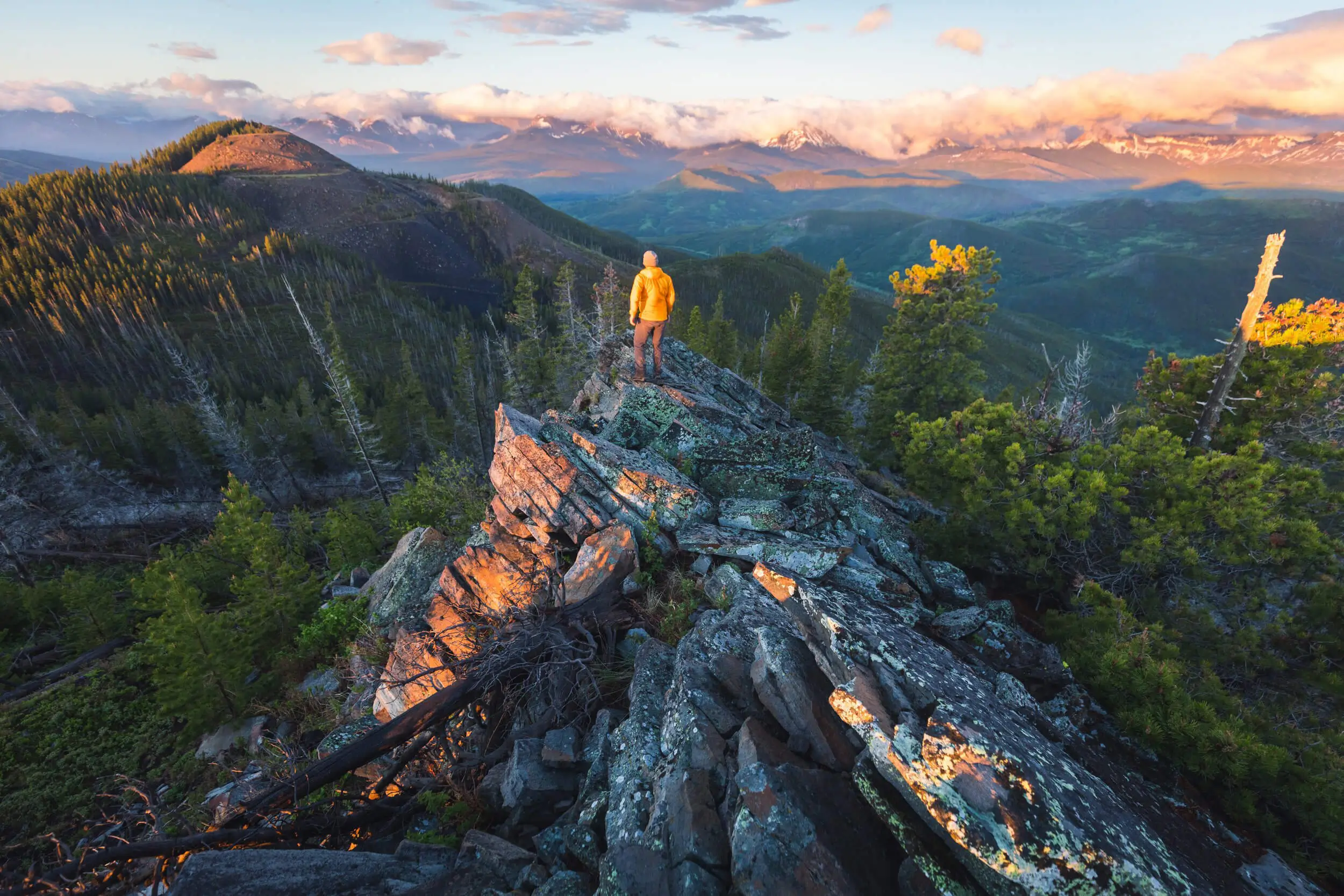
38. Explore the Castle Region
Castle Provincial Park and Castle Wildland Provincial Park protect the mountain country southwest of Pincher Creek, between Waterton, Crowsnest Pass, and the British Columbia border. Together they cover more than 105,000 hectares of Castle River headwaters, forested valleys, alpine ridges, lakes, waterfalls, and wildlife habitat. The area is part of the Crown of the Continent ecosystem, with moose, elk, deer, cougars, black bears, grizzly bears, and more than 200 rare plant and animal species recorded in the Castle parks.
The provincial park side has most of the visitor facilities, including campgrounds and day-use areas around places like as Beaver Mines Lake, Castle Falls, and Table Mountain. Castle Wildland Provincial Park is backcountry, with longer routes and rougher access. Come in the summer for hiking, camping, fishing, paddling, mountain biking, and horseback riding; winter brings snowshoeing, cross-country skiing, fat biking, and snowmobiling.
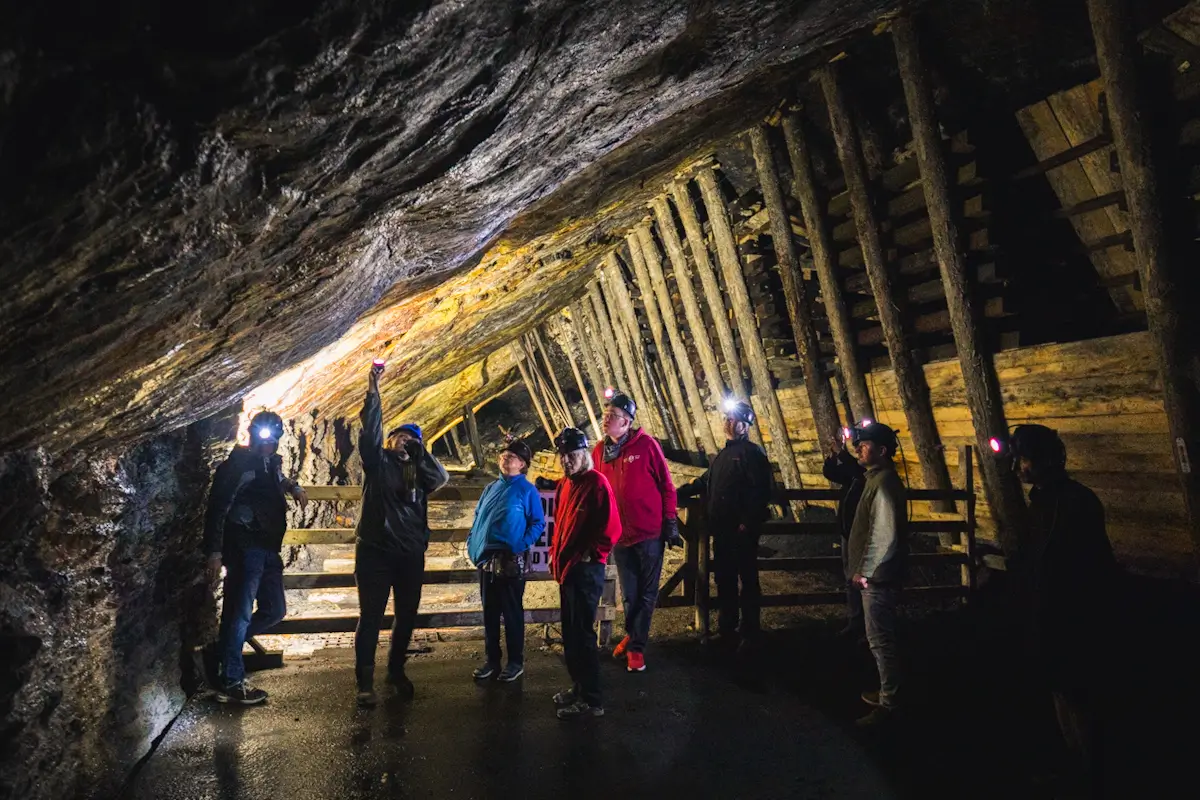
39. Discover the Crowsnest Pass
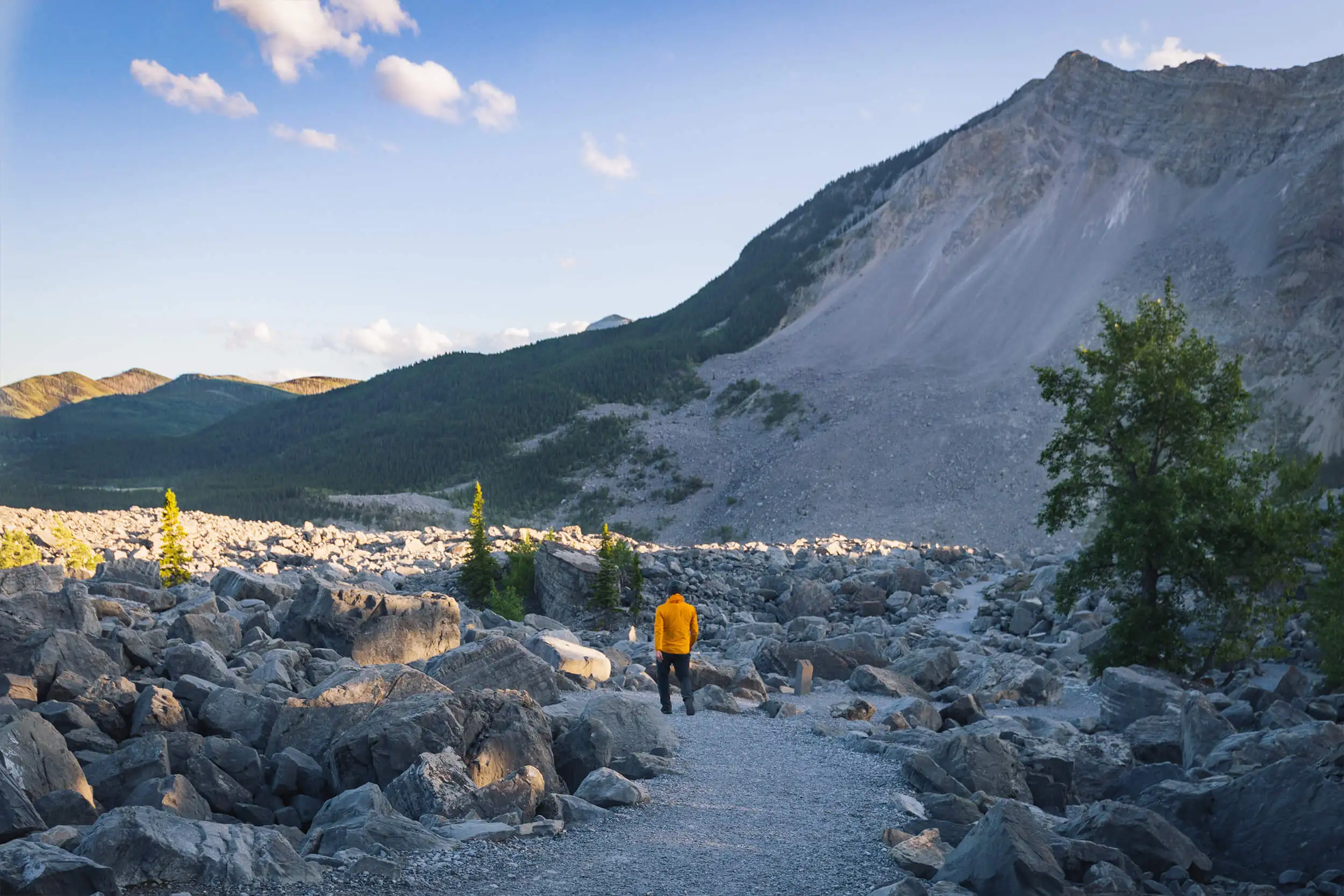
Crowsnest Pass is a mountain-valley side trip about 1.5 hours west of Lethbridge on Highway 3. The municipality is made up of five historic communities, Bellevue, Hillcrest, Frank, Blairmore, and Coleman, strung along the highway in a valley with a history of coal mining and bootlegging. Frank Slide is the best-known stop, where part of Turtle Mountain collapsed in 1903 and sent more than 100 million tonnes of rock across the valley, burying part of the town of Frank and killing more than 90 people. The interpretive centre explains the slide, the geology of Turtle Mountain, and the mining town below it. Nearby, the Bellevue Underground Mine takes visitors into a former coal mine, Leitch Collieries preserves the ruins of an early 20th-century coal operation, and the Hillcrest Mine Disaster Cemetery marks Canada’s deadliest mining disaster. Add nearby lakes and waterfalls, local breweries, and hikes around Turtle Mountain, Crowsnest Mountain, and the surrounding ridges if you want to turn the drive into a full day or overnight trip.
40. See the Remington Carriage Museum
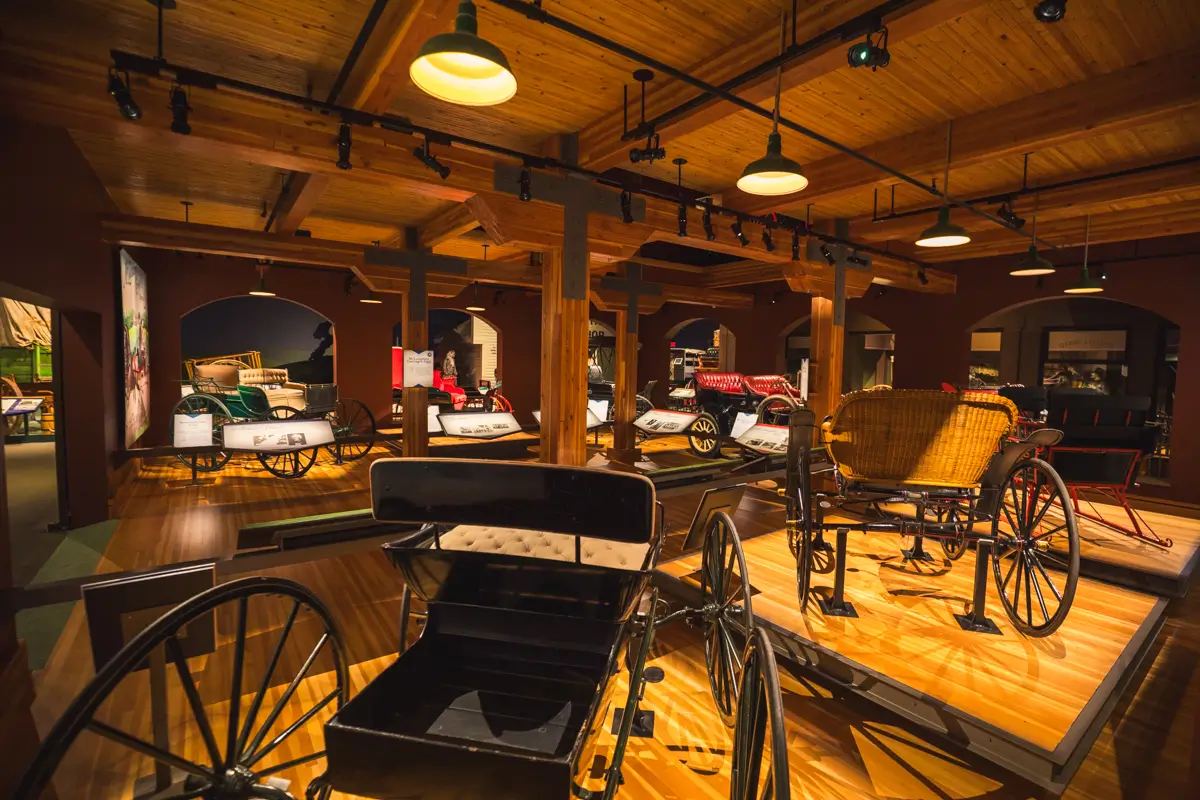
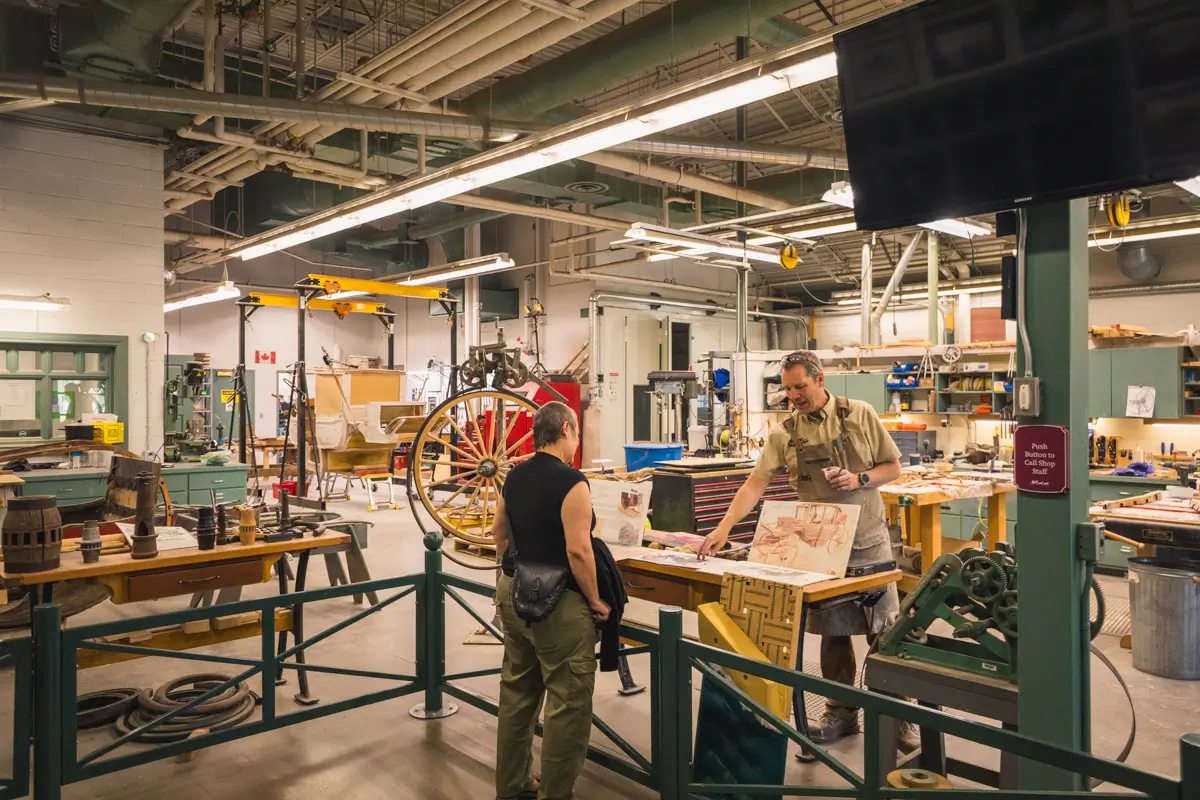
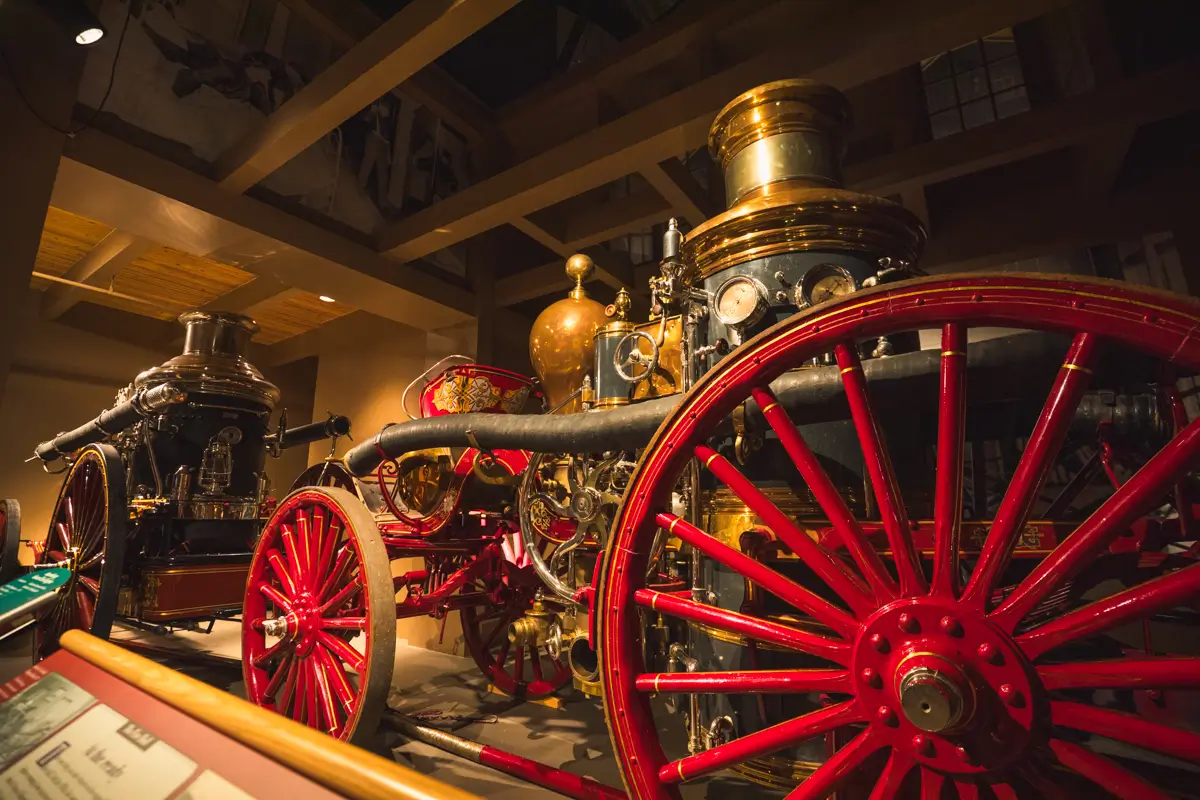
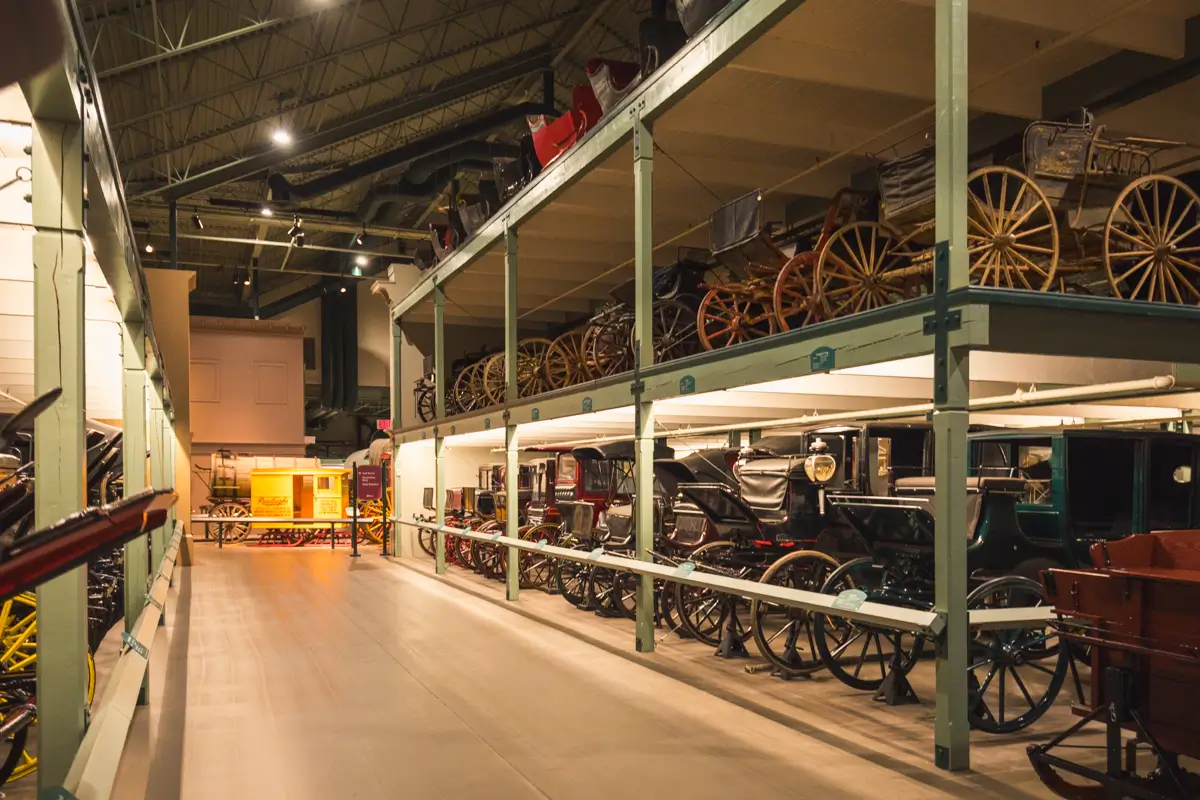
The Remington Carriage Museum is about 45 minutes south of Lethbridge, and grew from Don Remington’s private collection of restored horse-drawn vehicles. Remington began collecting and restoring carriages in the 1950s, later donating the core collection that led to the museum opening in 1993. The museum now has more than 330 vehicles, including buggies, wagons, sleighs, stagecoaches, hearses, delivery wagons, and formal carriages, making it one of the largest museums of horse-drawn transportation in the world.
The exhibits show how horse-drawn vehicles were used for work, travel, farming, trade, policing, funerals, leisure, and status before cars took over. Visitors can see the vehicles up close, along with harnesses, stable equipment, archival photos, and display scenes connected to 19th- and early 20th-century life in western North America. The museum also has horses, a working restoration shop, a stable, a carriage factory display, and summer carriage rides through the Lee Creek Valley.
41. Watch the Sunset at Police Outpost Provincial Park
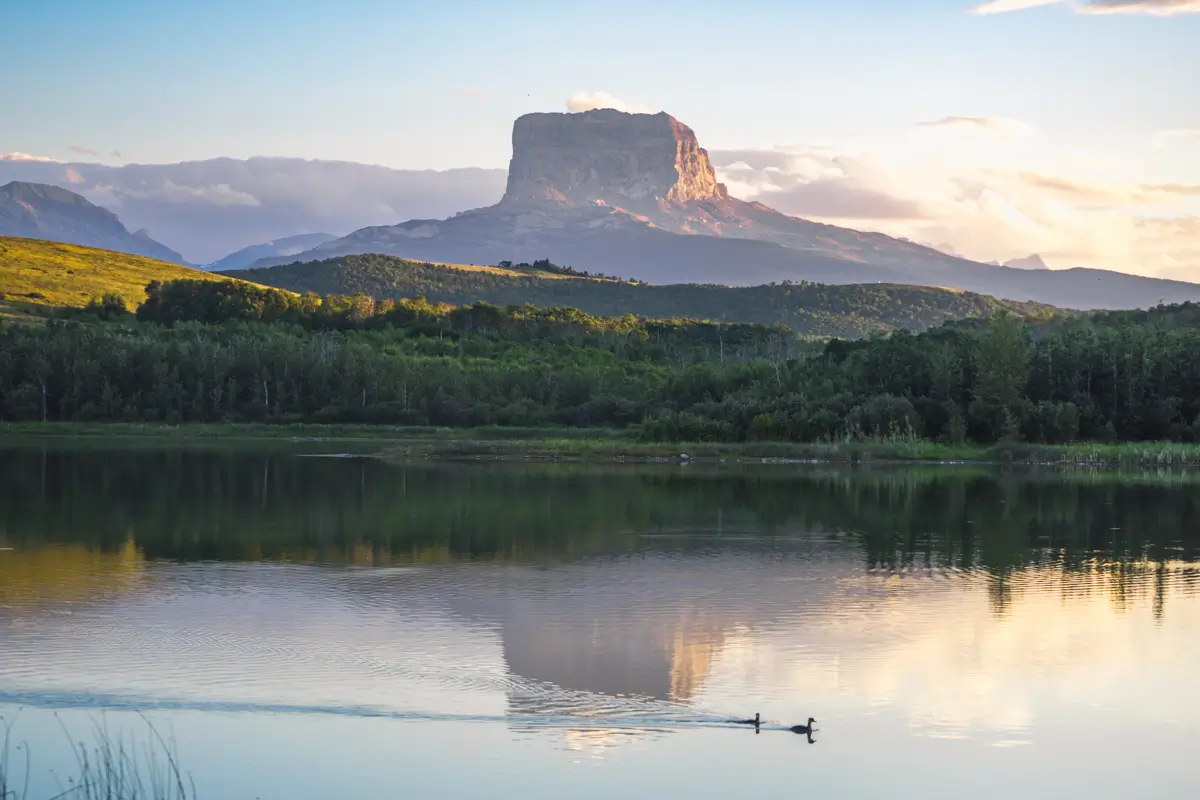
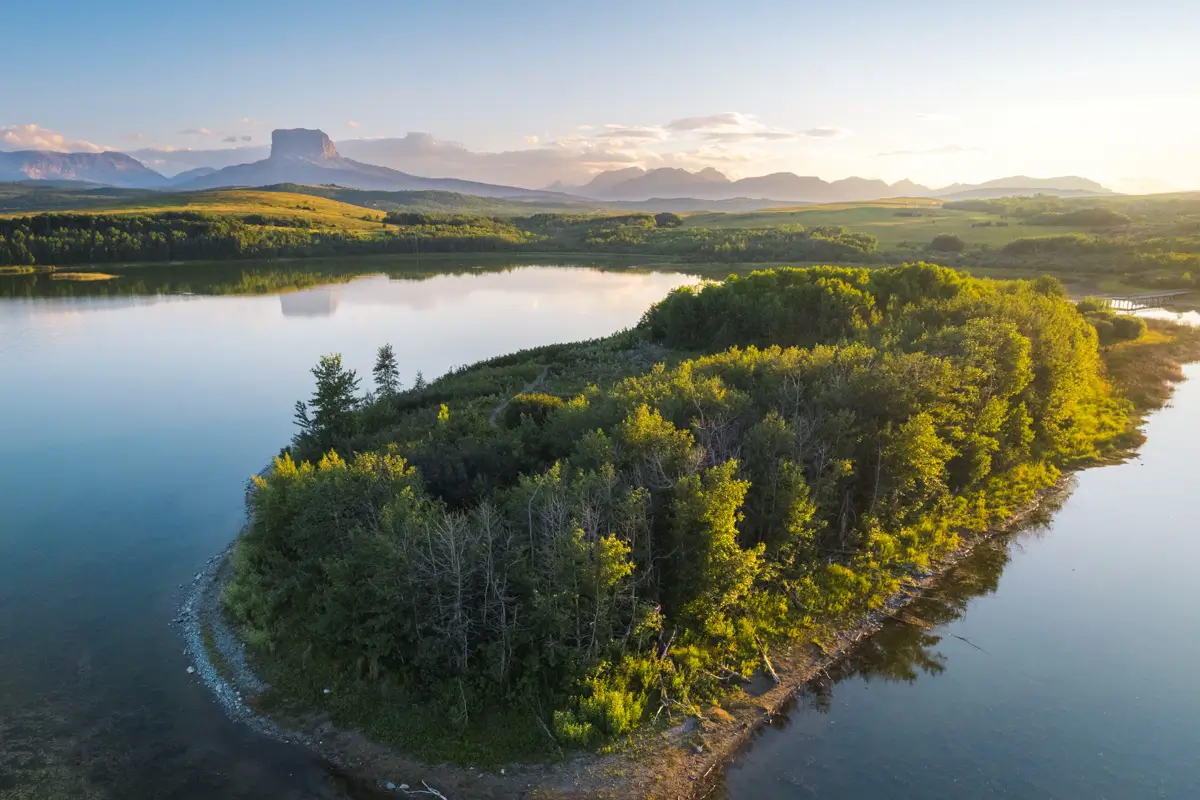
Police Outpost Provincial Park is one of Alberta’s southernmost provincial parks, set on Outpost Lake near the Canada–U.S. border south of Cardston. The name comes from a North-West Mounted Police outpost that operated here from 1891 to 1896, when officers patrolled the border and tried to limit whisky smuggling moving through the region. The landscape is open and borderland in feel, with lake water, aspen patches, grassland, wetlands, ranch country, and incredible views toward Chief Mountain in Montana. The park is small, but it has enough for a quiet overnight or half-day stop: a campground, boat launch, pier, picnic areas, playground, hiking trail, and shoreline access.
42. Hike the Badlands at Dinosaur Provincial Park
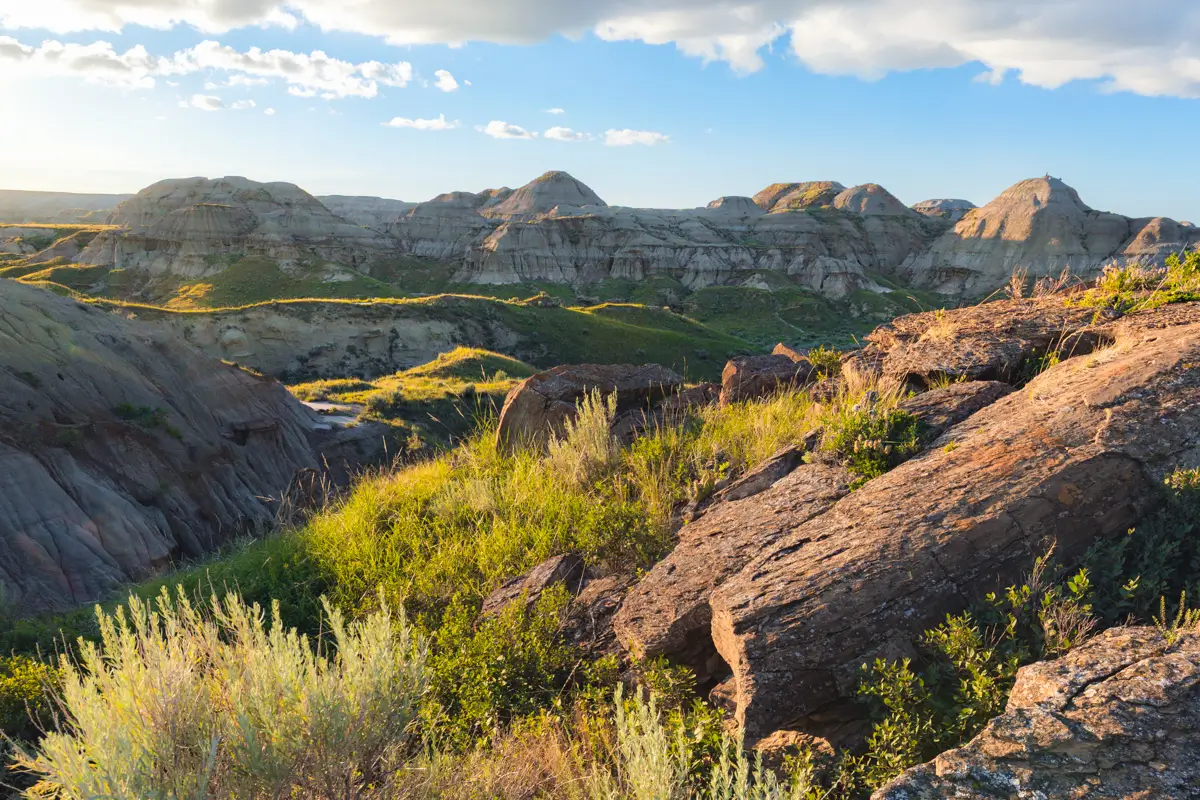
Dinosaur Provincial Park is a long northeast side trip from Lethbridge, near Brooks, and is not near Drumheller! People often get the two sites mixed up, and though they are connected by the the Red Deer River, they’re two hours from each other.
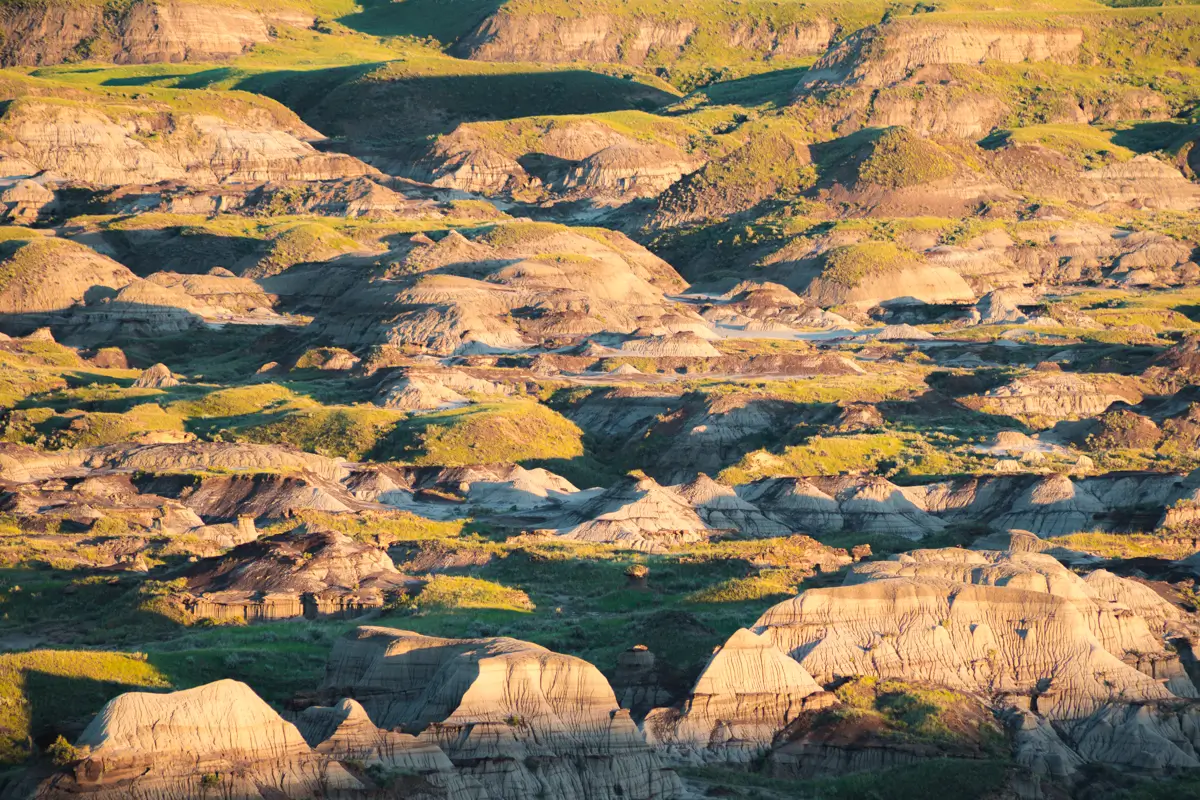
Around 75 million years ago, this part of the province was a warm coastal plain with rivers, forests, turtles, crocodiles, fish, mammals, and dinosaurs. Much later, glacial meltwater and river erosion cut through the sandstone and mudstone, exposing fossil-bearing layers in the Red Deer River valley. The result is a landscape of coulees, hoodoos, mesas, cottonwoods, dry channels, and exposed slopes where dinosaur bones are still weathering out of the rock.
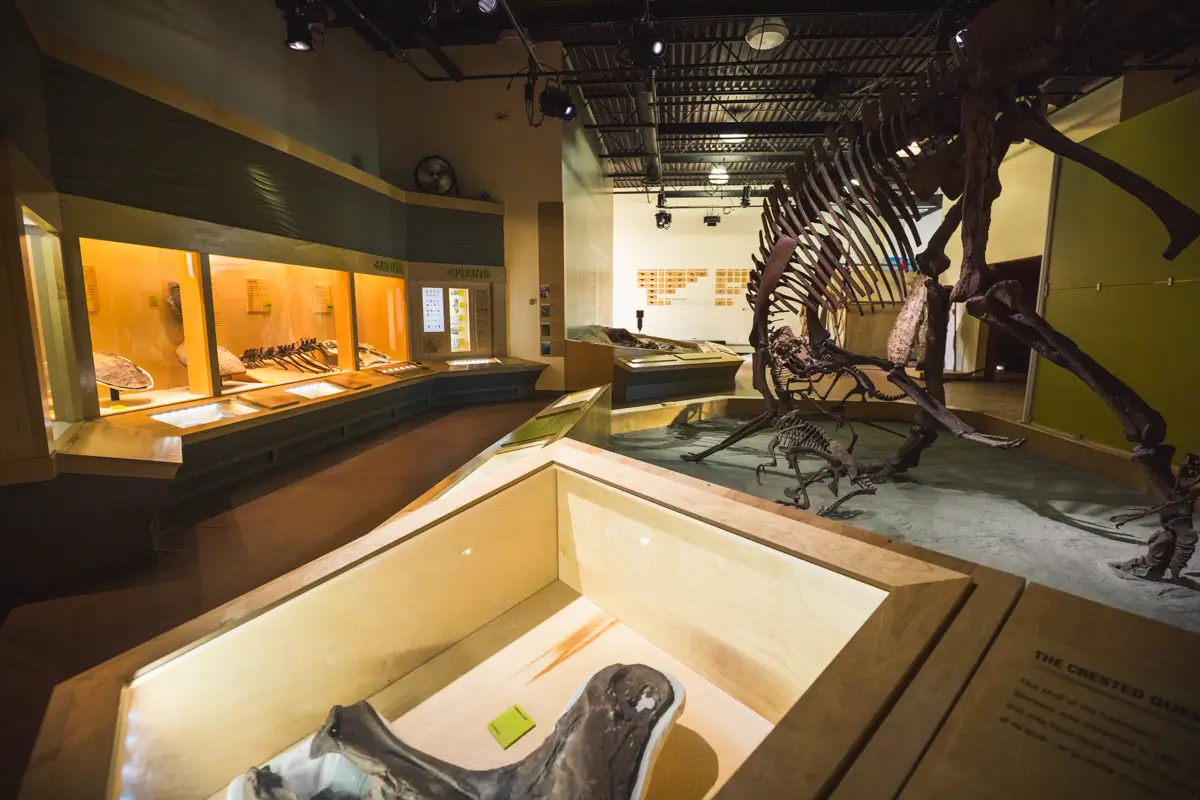
The park has a visitor centre, campground, scenic loop road, short badlands trails, outdoor fossil displays, and guided programs that take visitors into protected areas. The public areas give you hoodoo walks and views into the badlands; the guided hikes and bus tours add fossil sites, bonebeds, and palaeontology interpretation that you cannot access on your own. The Centrosaurus bonebed is one of the major tour subjects, with the remains of a large herd preserved in the park. Fossils are protected by law, so anything you find stays where it is.
43. Relax at Beauvais Lake
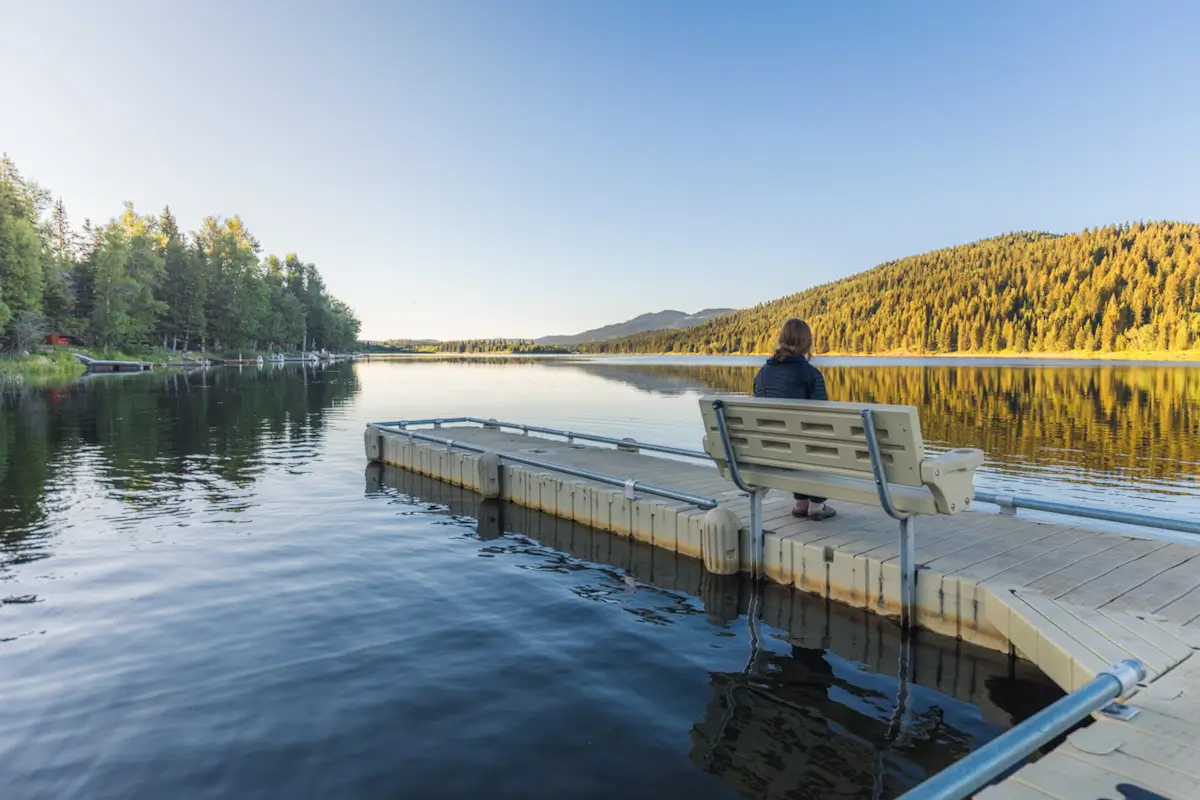
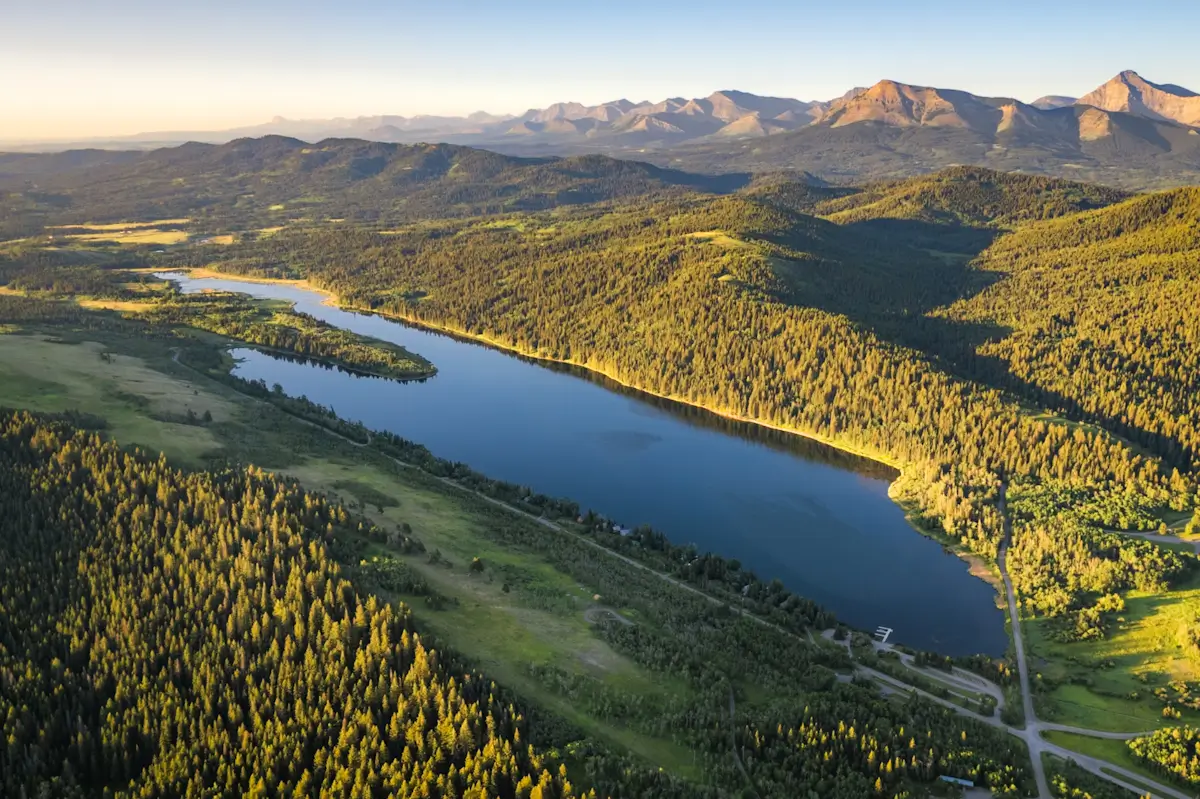
Beauvais Lake Provincial Park is a foothills park west of Pincher Creek, about 1.5 hours southwest of Lethbridge. The lake sits below wooded ridges and open slopes, with a quieter, greener feel than the prairie reservoirs closer to the city. Visitors use the water for paddling, boating, and fishing, while the shore and surrounding hills bring in birds, deer, elk, and other wildlife. The park is also far enough west that you start to feel the transition from open prairie into the foothills before the mountains take over.
The campground and day-use areas sit near the lake, with picnic areas, a boat launch, shoreline access, and trails spreading into the hills around it. Short hikes Mount Albert give you lake views, forest, wetland edges, and higher foothills terrain without driving all the way into Waterton or Castle. In winter, some trails are used for snowshoeing and cross-country skiing, and the campground keeps a smaller number of sites open outside the main summer season.
44. Discover Ancient Medicine Wheels
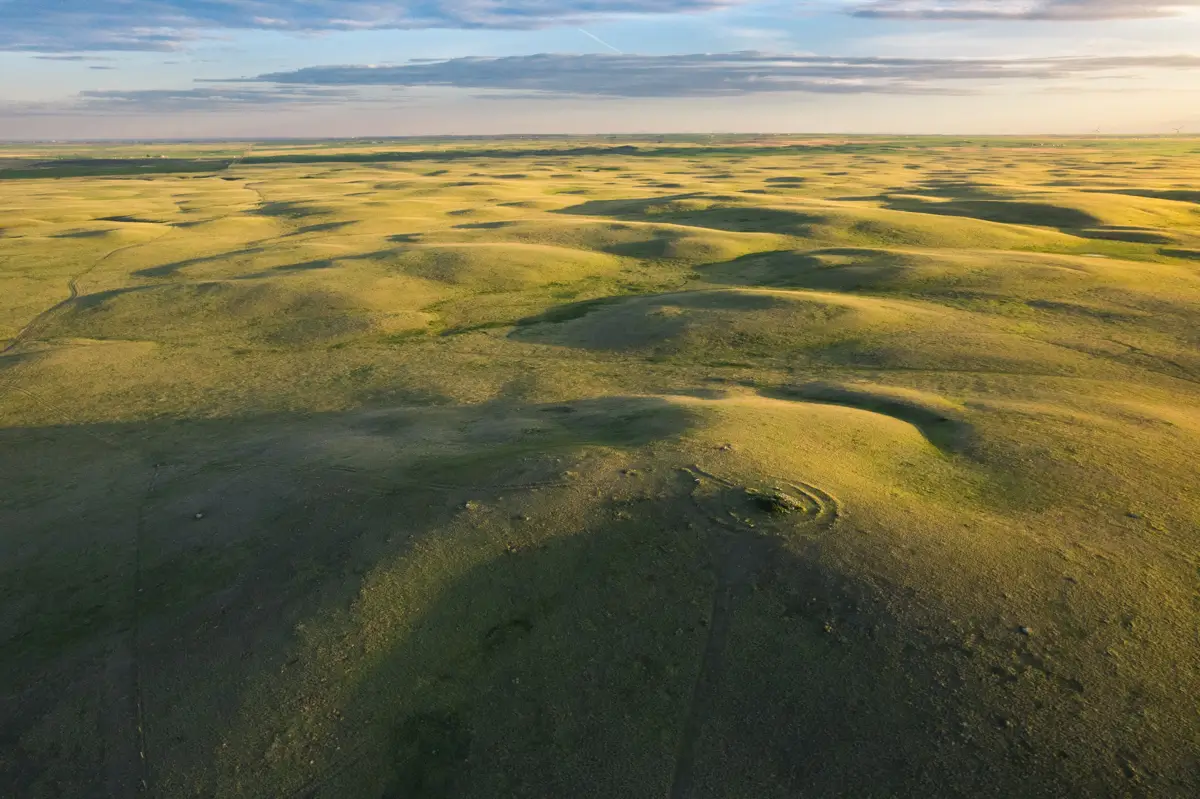
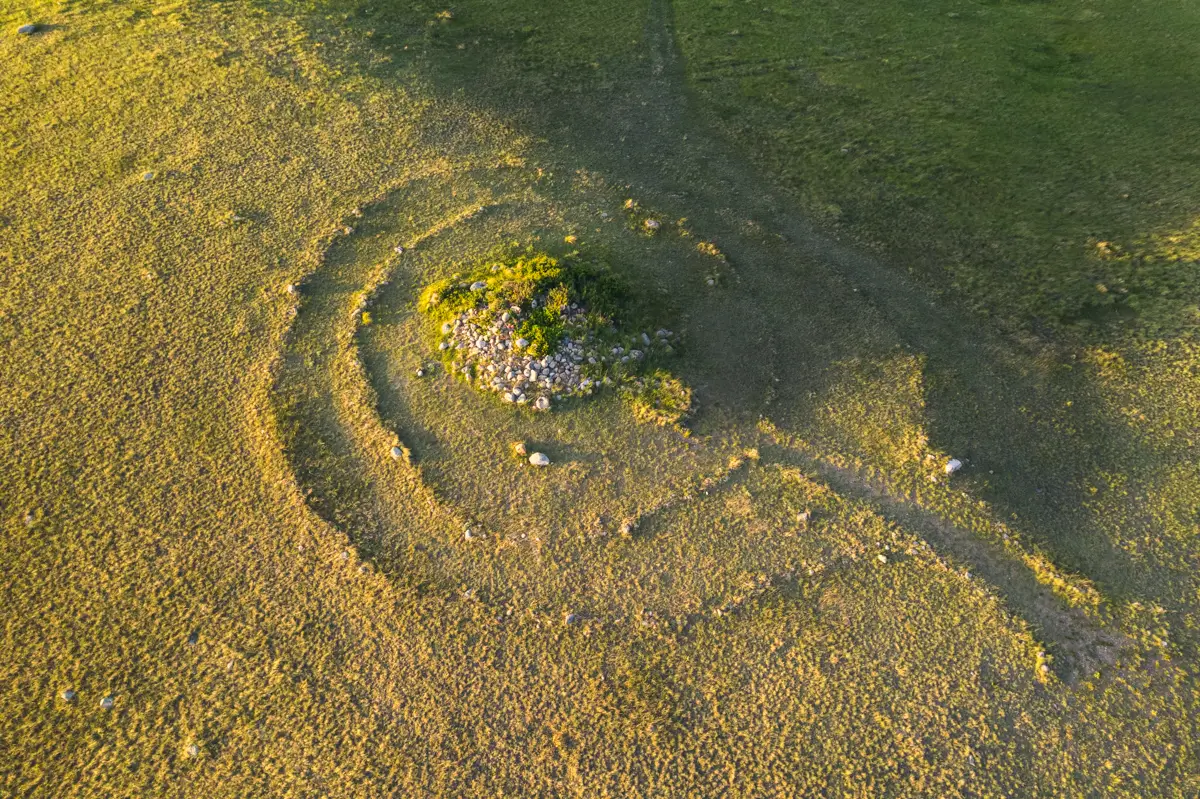
Medicine wheels are among the oldest surviving human-made sites on the northern Plains, with some in Alberta showing use over thousands of years, making them as old or older than Stonehenge. Many more likely existed before prairie cultivation, roadbuilding, development, stone removal, and vandalism destroyed or disturbed them, leaving the surviving sites relatively rare. They are places people return to over generations for ceremony, prayer, fasting, offerings, burial or memorial use, and, at some sites, observation of seasonal markers such as the movement of the sun.
Physically, many medicine wheels are made from a central cairn, one or more stone circles, and lines of stones radiating outward like spokes. A cairn might mark a burial, a ceremonial focus, or a point that later generations added to, while stone lines and circles could organize movement through the site or align with features in the surrounding landscape. Locations are generally kept quiet, and access is usually not easy to protect them from damage. Stones should never be moved, climbed on, rearranged, or taken.
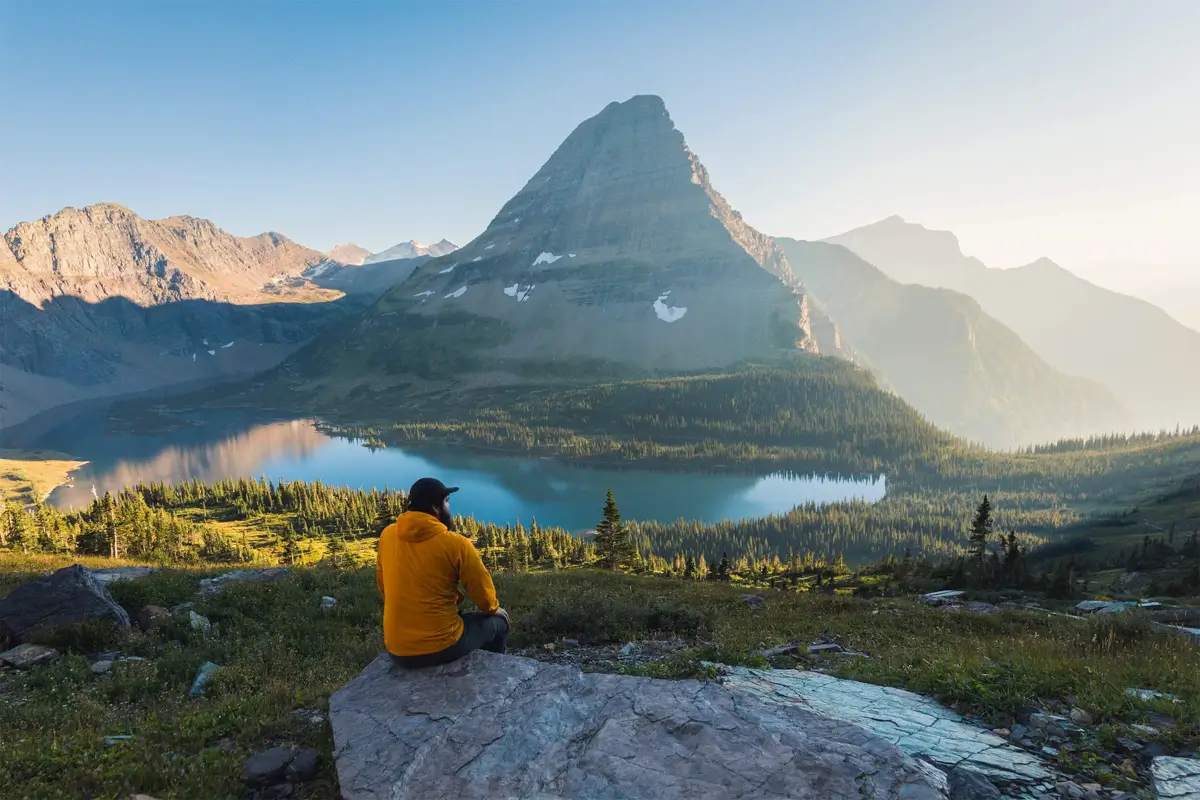
45. Cross the Border to Glacier National Park
Glacier National Park in Montana is the U.S. counterpart to Waterton Lakes National Park, directly across the border in the same mountain system. Together, the two parks form Waterton-Glacier International Peace Park, created in 1932, with Glacier on the south side of the Canada–U.S. border and Waterton on the north. From Lethbridge, it is a longer cross-border side trip, but it’s worth it: Blackfeet country, open foothills, high limestone peaks, glacial lakes, waterfalls, alpine meadows, and valleys carved by ice.
Going-to-the-Sun Road is the route to drive, running between West Glacier and St. Mary and crossing the Continental Divide at Logan Pass. Along the way are Lake McDonald, St. Mary Lake, Jackson Glacier Overlook, short waterfall stops, trailheads, and high roadside viewpoints. Many Glacier is a separate east-side area with some of the park’s best-known hiking, wildlife viewing, and lake scenery, while Two Medicine has a quieter valley, boat tours, waterfalls, and shorter hikes. It’s possible to make a full day of it, driving down from Lethbridge, hiking, and driving back up, but most people would probably prefer to make their trip at least an overnight.
