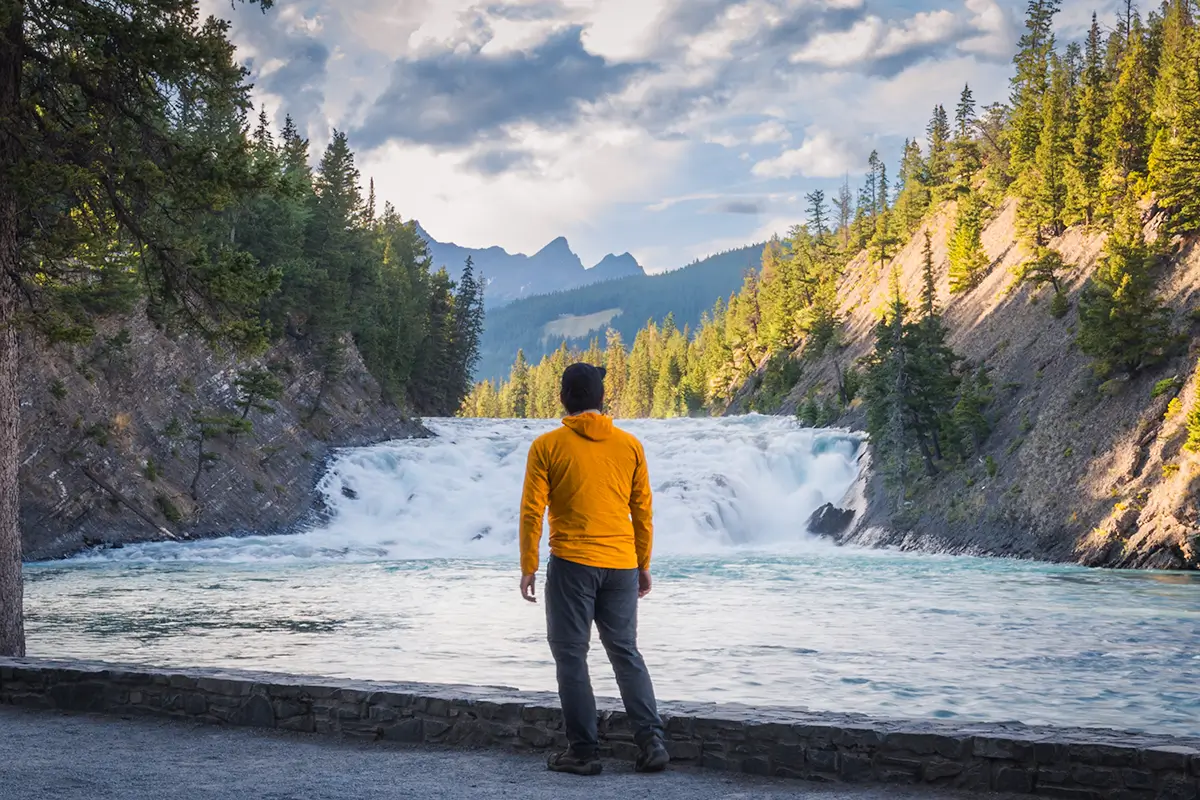
Canmore sits beneath some of the Canadian Rockies’ most recognizable peaks, a former coal-mining town that has grown into one of Alberta’s main bases for hiking, skiing, climbing, and mountain culture.
Canmore sits just outside Banff National Park in the Bow Valley, beneath the iconic peaks of the Three Sisters, Ha Ling, Mount Rundle, and Grotto Mountain. It has all the mountain-town scenery people come to the Rockies for, with glacial rivers, steep limestone cliffs, and trailheads that start close to town. For decades, Canmore has been treated as Banff’s quieter and less touristy cousin, a place with cheaper accommodation, locally-owned restaurants, friendly dog walkers on the river paths, and fewer tour buses rolling down the main street. That version of Canmore still exists, but it now reckons with a much busier resort economy of condo-hotels, short-term rentals, second homes, and construction sites.
Long before it became a base for hikers, skiers, and weekend warriors from Calgary, the Bow Valley was part of a much older mountain corridor used by Indigenous peoples moving between the plains, foothills, and interior ranges. Archaeological sites in the region date back more than 8,000 years, and early evidence from the valley includes bison hunting long before Europeans arrived. The railway changed the valley sharply in the 1880s, when the Canadian Pacific Railway pushed through and Canmore developed around coal seams used to fuel trains moving through the Rockies. Coal mining shaped the town from the 1880s until the last mines closed in 1979. The 1988 Calgary Winter Olympics pushed the town into its next phase when the Canmore Nordic Centre hosted cross-country skiing and biathlon events, giving Canmore a new outdoor identity just as coal had disappeared from the local economy.
Today, Canmore is still one of the best bases in Alberta’s Rockies for easy access to the outdoors, but the town itself is a major part of the appeal. Hiking trails like Grassi Lakes, Ha Ling Peak, Grotto Canyon, and the East End of Rundle start just outside town, while Kananaskis Country and Banff open up a huge range of valleys, lakes, ridgelines, and backcountry routes if you want to go further. In town, the compact centre is easy to explore on foot, with Main Street, Policeman’s Creek, the Bow River pathways, local galleries, independent shops, cafés, bakeries, breweries, and restaurants giving visitors plenty to do between hikes. It’s also a practical place to stay if you want access to Banff without sleeping in Banff, though the old assumption that Canmore is automatically cheaper, quieter, or less touristy needs updating. Housing pressure, short-term rentals, large resort-style developments, and the long-running debate over Three Sisters have made growth one of the defining issues in town. For visitors, that means Canmore is still convenient, scenic, and less artifical-feeling than the town of Banff, but it’s no longer a hidden alternative.
In this guide, I’ve detailed all the best things to do in Canmore. If I’ve missed something (and I probably have), feel free to let me know.
When to Visit Canmore
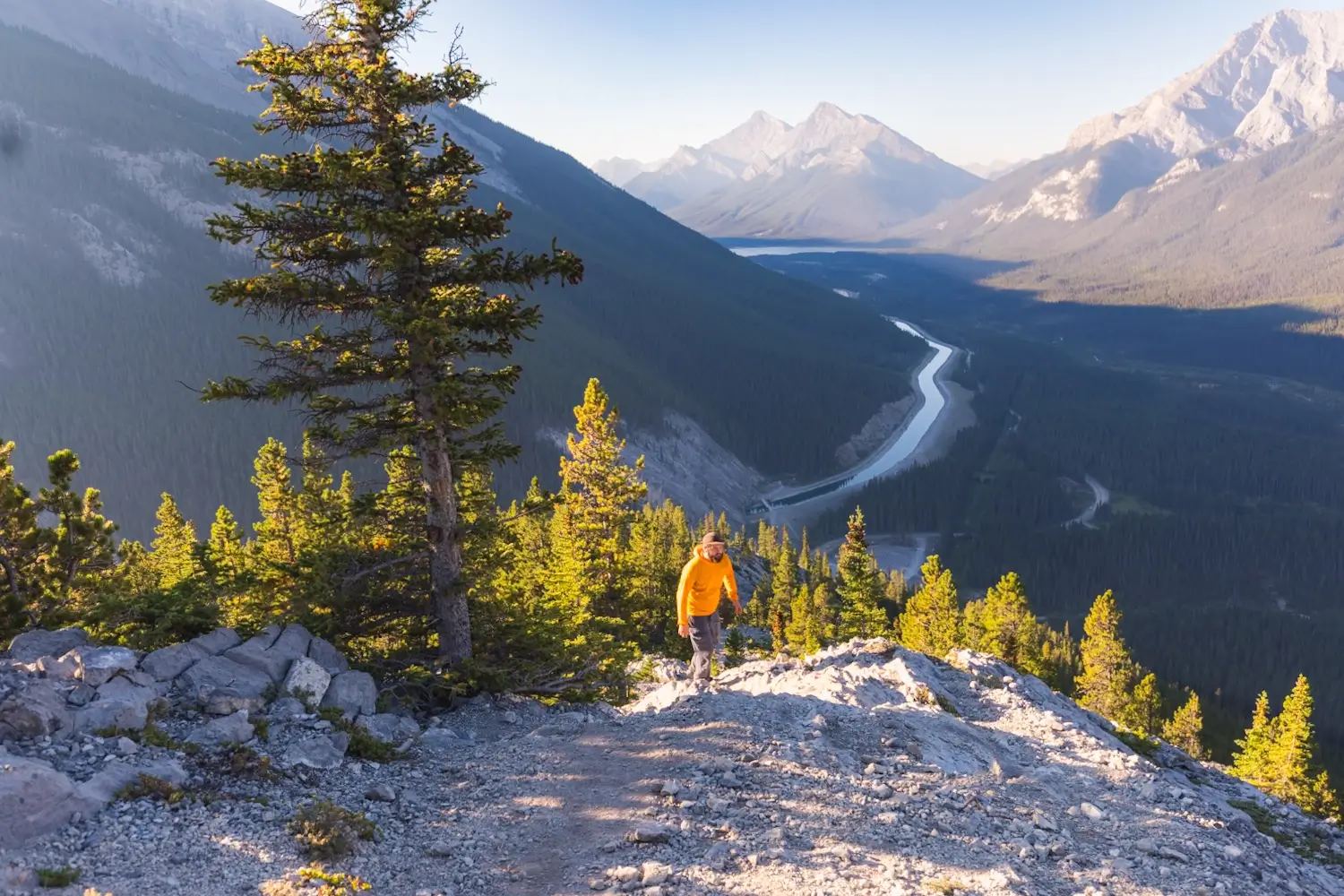
The best time to visit Canmore is in Summer, from mid-June to early October, when everything is open, the days are long, and the weather is sunny (if potentially smoky.) July and August have the warmest weather and the busiest trailheads, while September is usually the better choice if you want cooler hiking weather, thinner crowds, and access to fall colours in nearby larch areas.
Winter turns Canmore into a base for cross-country skiing, snowshoeing, fat biking, dog sledding, ice walks, and sitting around a fire. There’s definitely less to do if you’re a hiker, and this is the quietest time of year. Spring is the least predictable season, with dry paths in town, mud and ice on lower trails, and lingering snow higher up.
Where to Stay in Canmore
Best Things to Do in Canmore
1. Photograph the Three Sisters Viewpoint
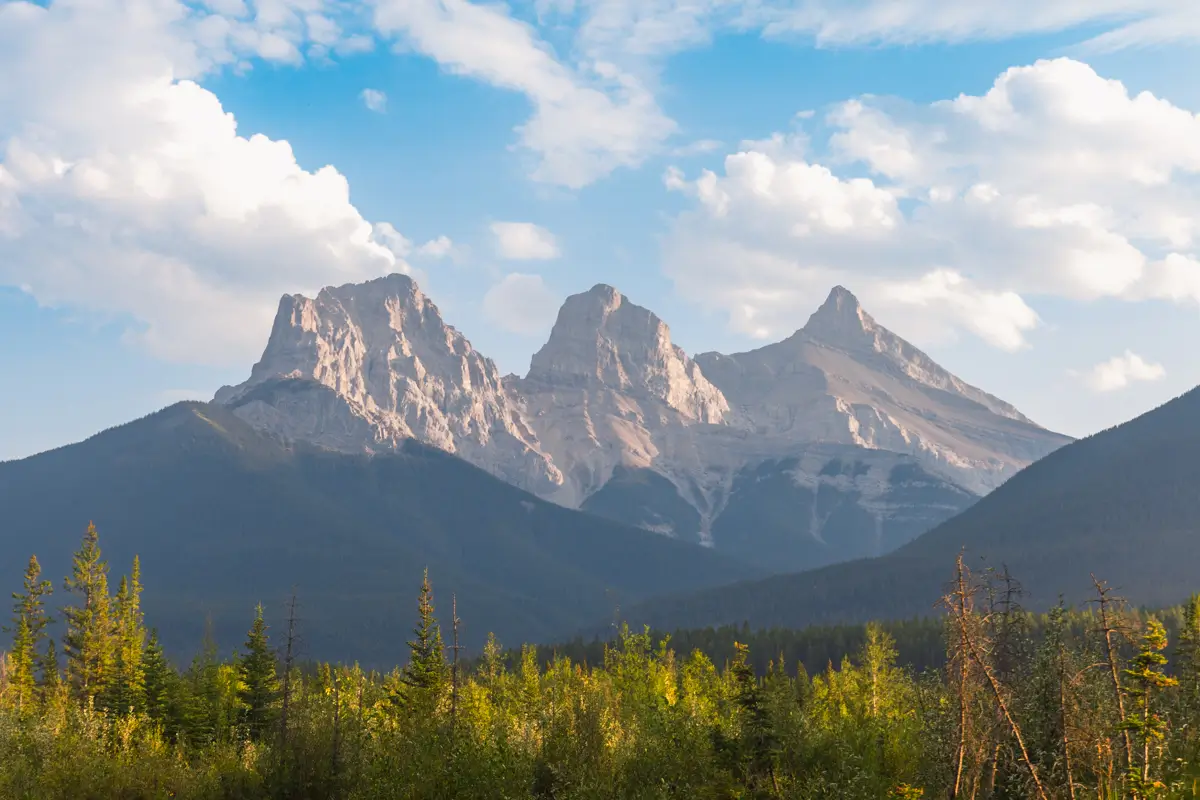
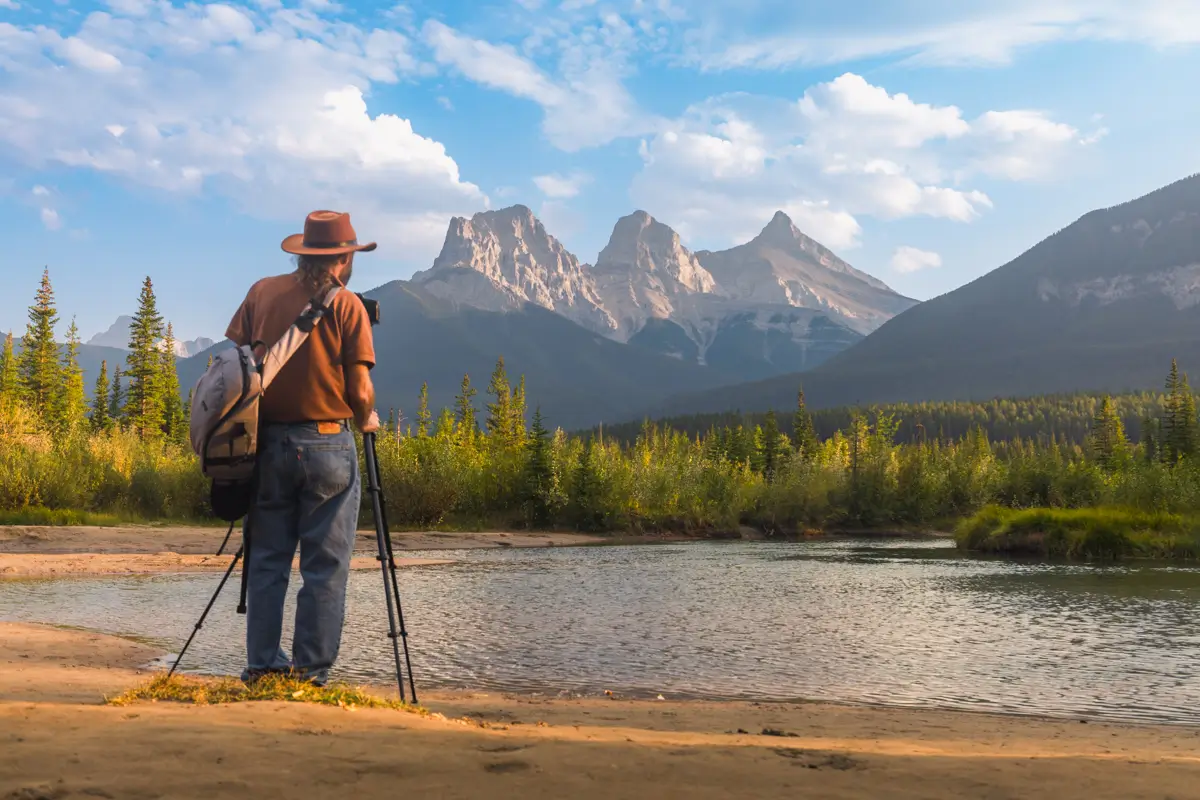
The Three Sisters are the most iconic peaks seen from Canmore, and you’ll recognize their distinct silhouette in business logos all around town – as well as by just looking up. For perhaps the best view of the Three Sisters, it’s worth taking the short unofficial walk to the Three Sisters Viewpoint just outside town for that postcard-style view.
The access point is near the off-leash dog park on Bow Valley Trail, where you cross carefully toward the railway underpass and follow the rough path toward the creek. It’s only about a kilometre return and takes 15 to 30 minutes, depending on how long you spend taking photos. From this angle, the mountains look fantastic at either sunrise or sunset – though as this spot has become pretty widely known I definitely wouldn’t plan on having it all to yourself if you’re here at sunset.
2. Hike to Grassi Lakes
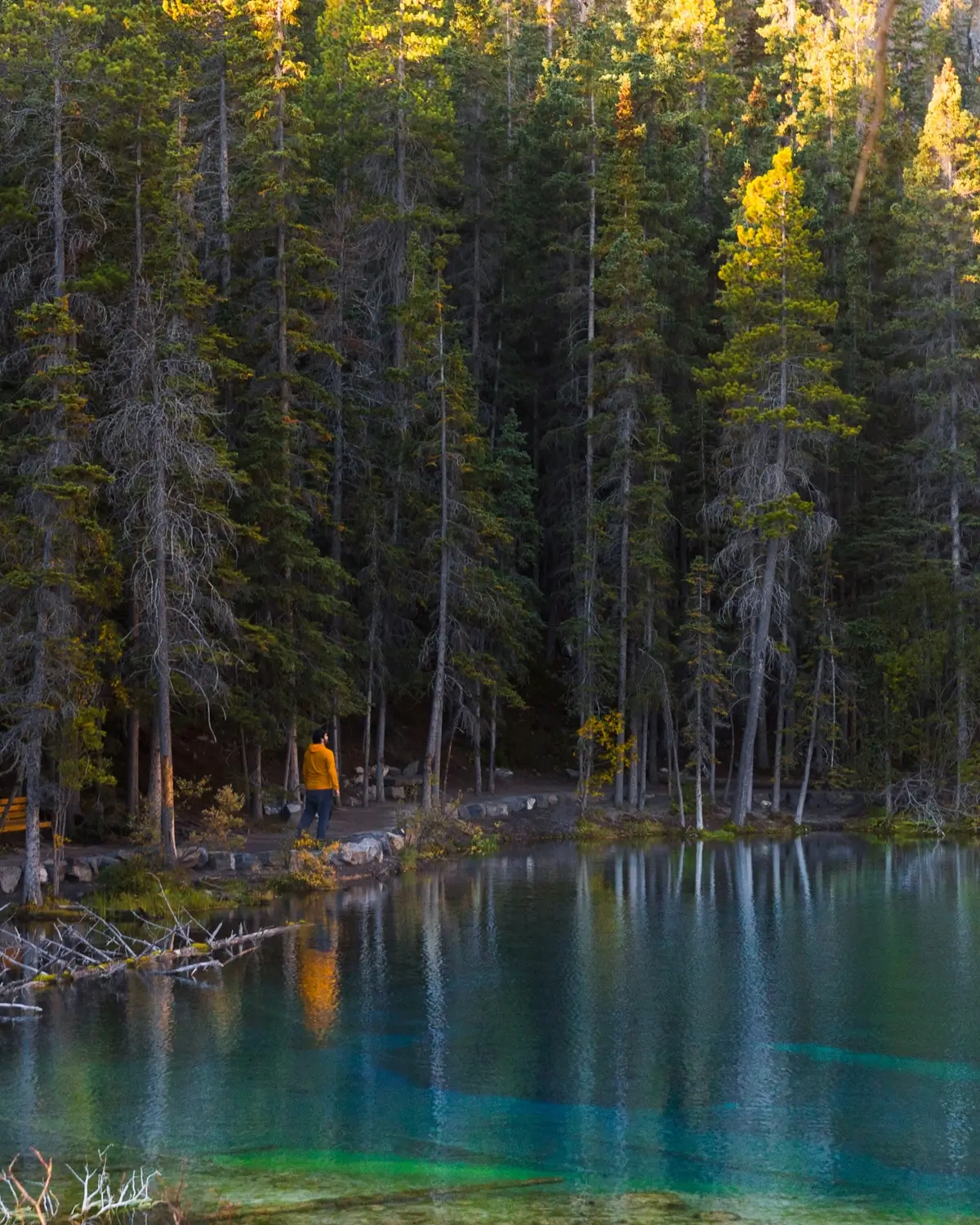
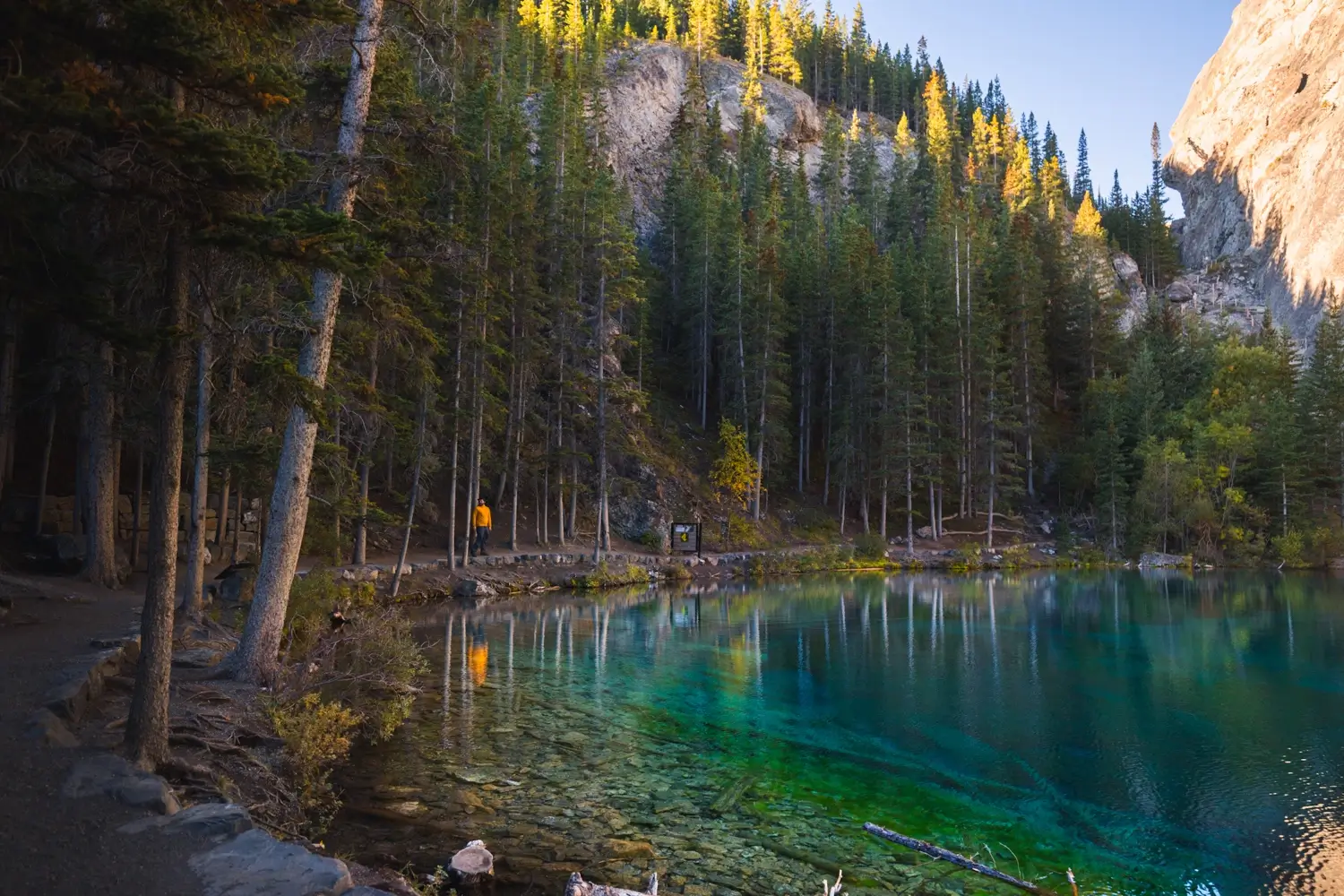
Grassi Lakes is one of Canmore’s most popular short hikes, partly because it gives you the full local package in a small amount of time: local history, climbing cliffs, turquoise water, and views back over town. The lakes are named for Lawrence Grassi, an Italian immigrant who worked for the Canadian Pacific Railway before spending decades in the Canmore coal mines. Outside the mines, he became one of the Bow Valley’s most respected trail builders and climbers, and the original route to these lakes was one of the trails he built. The hike starts near the Canmore Nordic Centre and climbs to two small blue-green lakes below Ha Ling Peak, with an easier forest route and a steeper interpretive route that passes Grassi Falls. This is the hike I recommend to non-hiker friends who aren’t looking for a challenge.
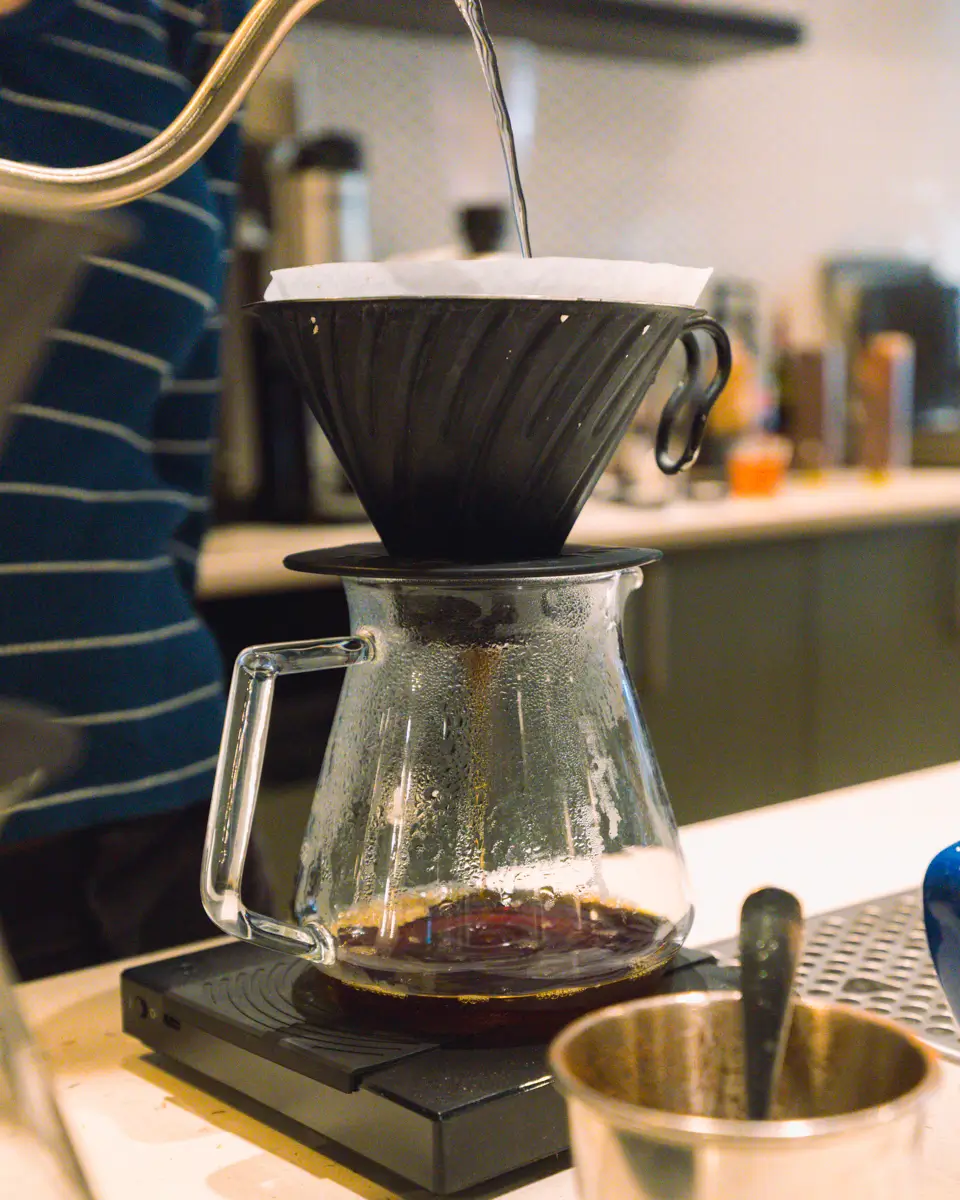
3. Try the Pour Over At Eclipse Coffee Roasters
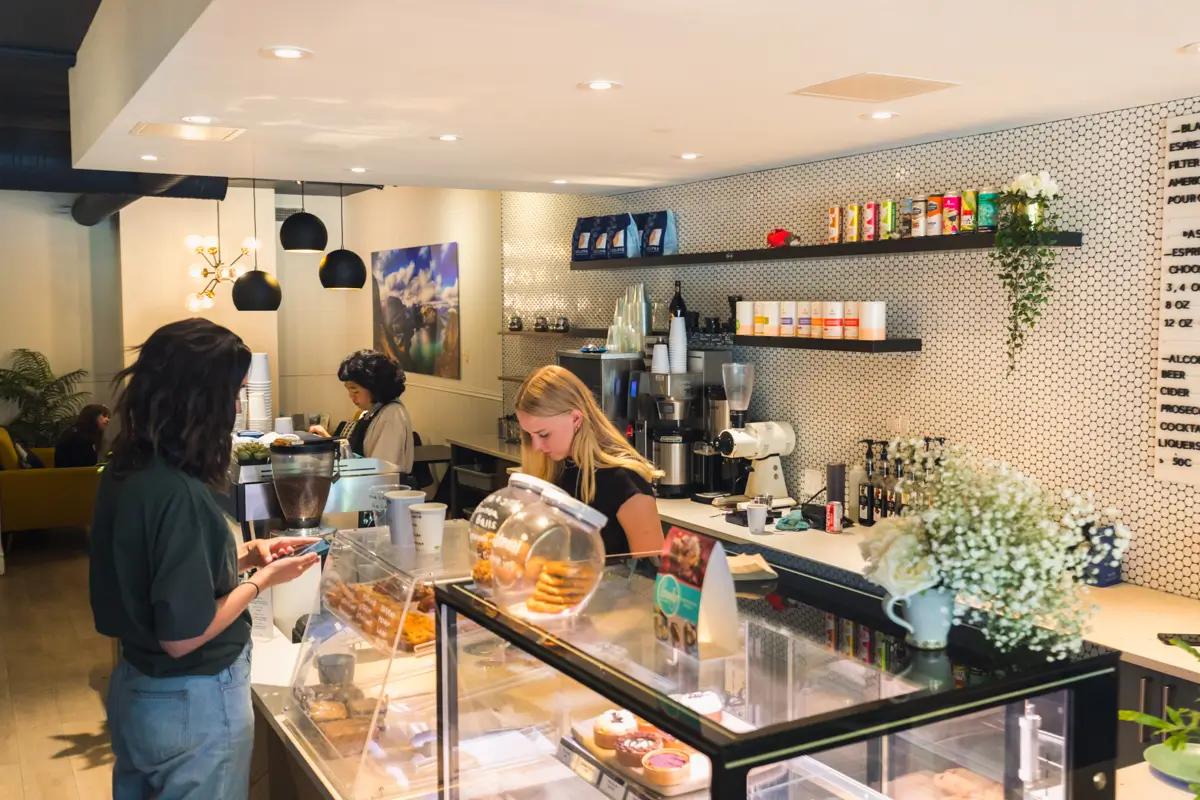
Eclipse Coffee Roasters has been Canmore’s main stop for third-wave coffee since it opened in 2014, and it has grown into several locations around town since. The Railway Avenue roastery is the largest and the best option if you want to sit down with your coffee. I’ve ended up taking a coffee to go at the slightly more cramped Main Street location more often, mostly because it’s the easiest one to work into a wander amongst downtown Canmore’s shops. The beans are excellent, and certainly above what one might expect for a small mountain town.
4. Walk the Policeman’s Creek Boardwalk
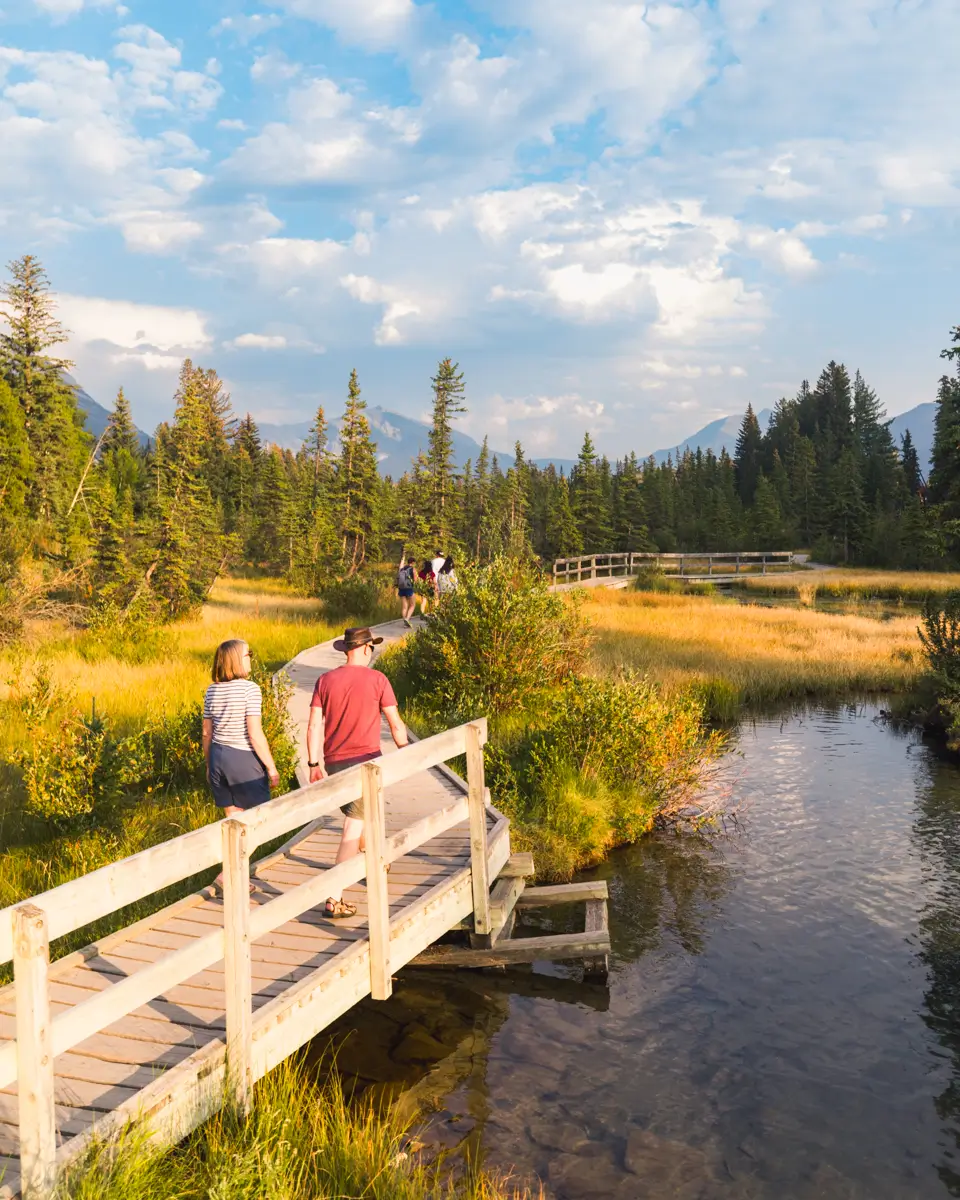
Policeman’s Creek Boardwalk is an easy walking route through the middle of Canmore that is perfect for if you don’t feel like going all the way up a mountain. The creek is named for the North-West Mounted Police post that stood near its banks, and the restored NWMP Barracks nearby dates back to Canmore’s coal-mining years, when the town needed policing for a growing railway and mining settlement. The boardwalk now runs through wetlands between downtown and Spring Creek, with wooden paths, paved sections, footbridges, benches, and views toward the Three Sisters, Ha Ling, and Mount Rundle.

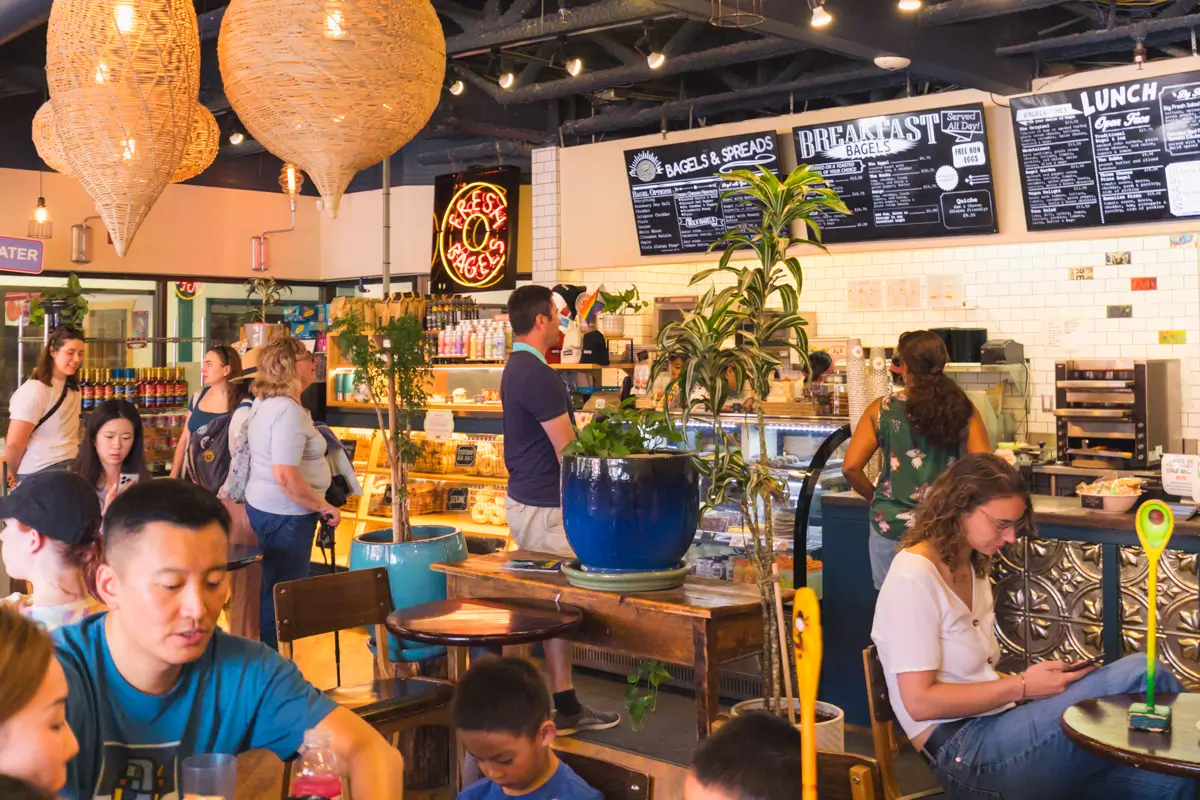
5. Fuel Up at Rocky Mountain Bagel Co.
Rocky Mountain Bagel Co. was opened in Canmore in the mid-1990s and has become one of the town’s long-running breakfast institutions. The bakery makes Montreal-style bagels in-house, with the dough hand-rolled and baked in a wood-fired oven. Grab them plain or topped with things like sesame, poppy seed, rosemary sea salt, or asiago, either on their own or turned into breakfast sandwiches loaded with eggs, cheese, and smoked meat. The cafe itself gets busy busy from early morning onward, especially on weekends when the line can stretch out the door. If you’re not a lover of lines, I would suggest having a plan B anytime you want to pop in just in case.
6. Shop the Canmore Mountain Market
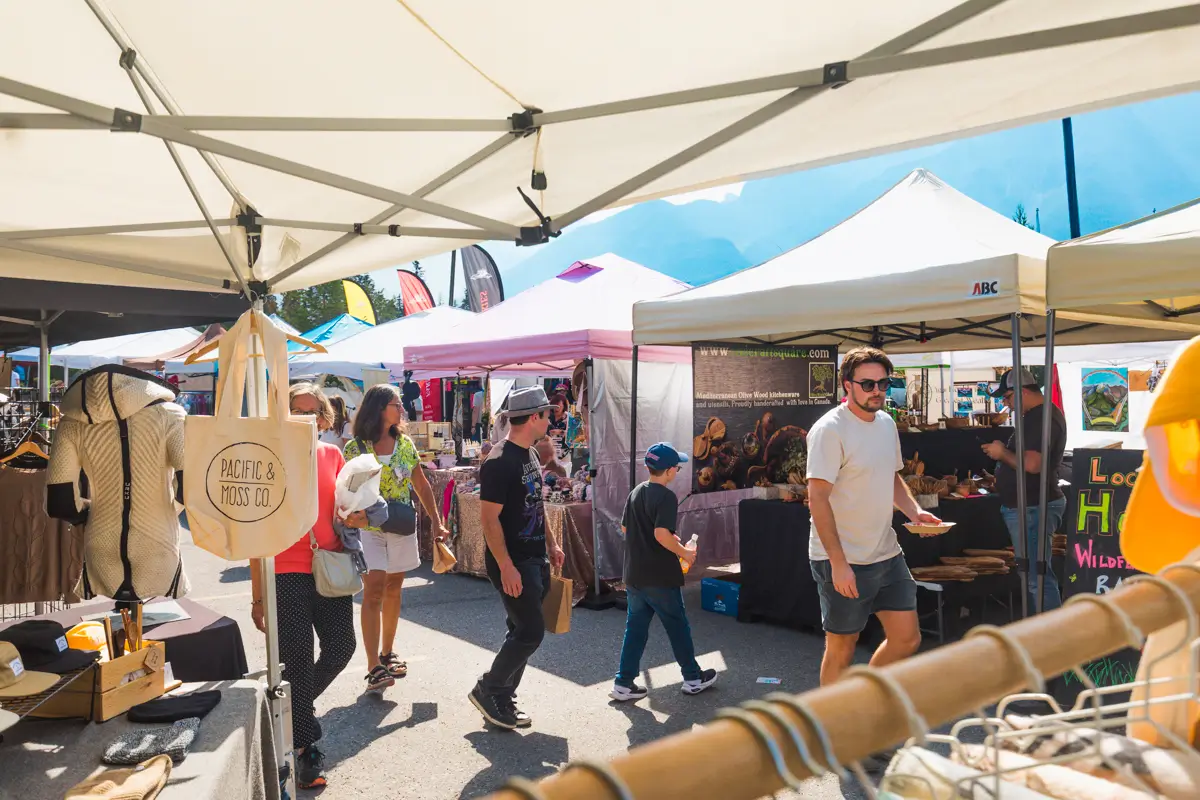
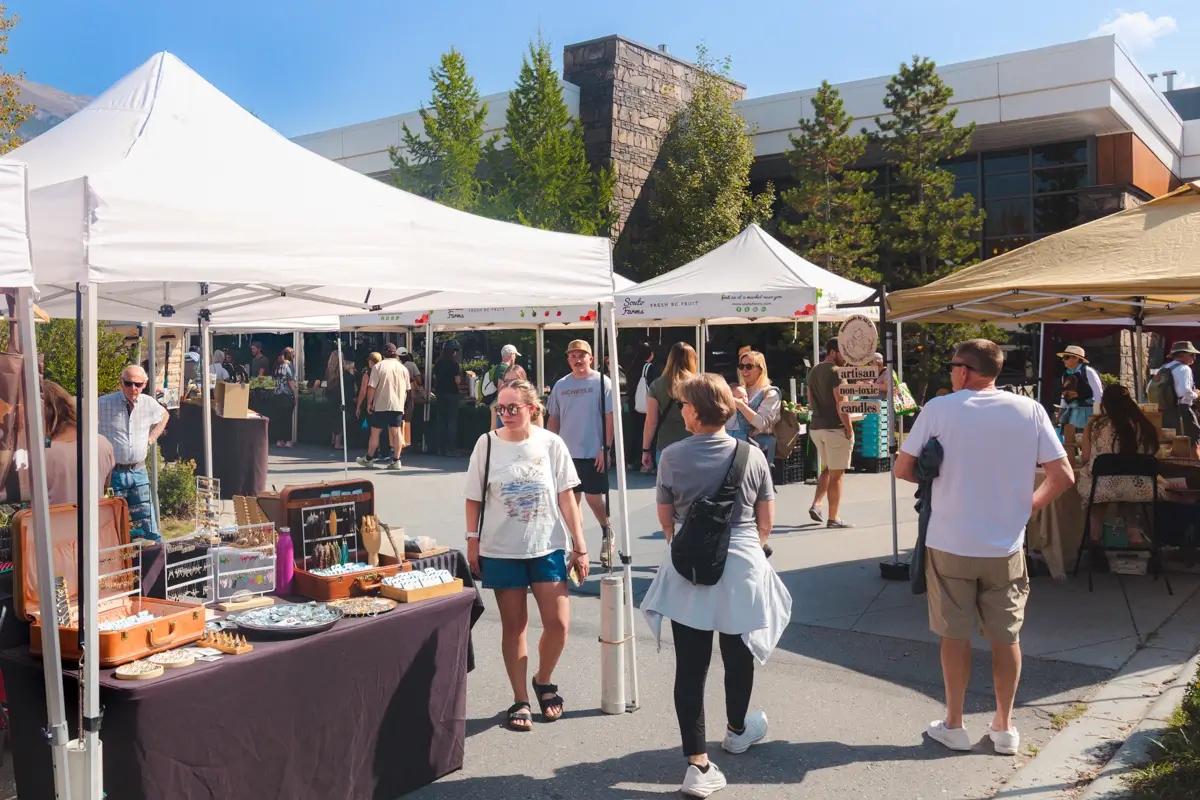
The Canmore Mountain Market started in 1997 and has since grown into one of the largest outdoor farmers’ markets in the Alberta Rockies. Running on Thursday afternoons from spring through early October, the market fills Elevation Place’s parking lot with local vendors selling everything from produce and baking to art, preserves, candles, and handmade clothing. Because of Canmore’s proximity to Calgary and Banff and its constant stream of tourists, the market ends up being larger than you’d expect, with a mix of genuinely local producers alongside more polished artisan brands and souvenir-style vendors.
7. Visit the Canmore Museum
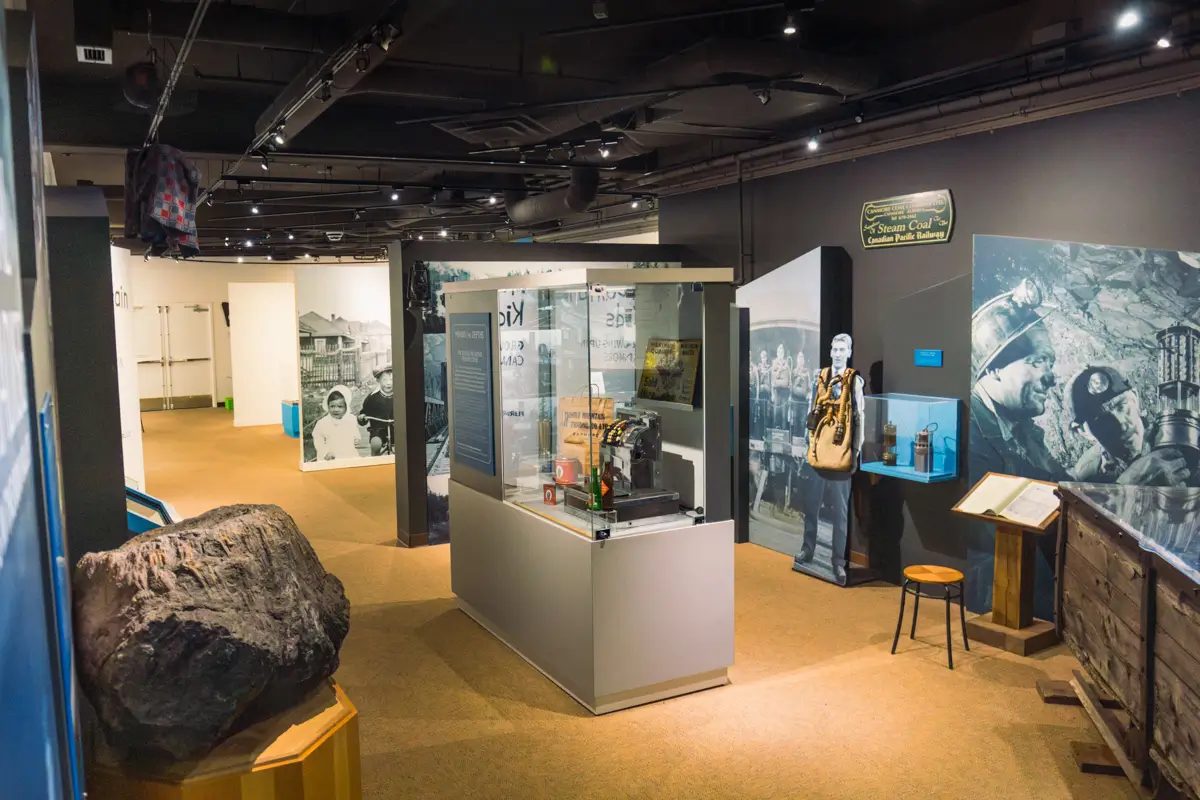
The Canmore Museum opened in 1985 and focuses heavily on the town’s mining history, which is easy to forget now that Canmore is better known for hiking, climbing, and expensive mountain real estate. Before tourism took over, this was a rough coal mining town, and the small museum does a good job of explaining how dramatically the community changed after the mines closed in 1979. Exhibits cover everything from early mining operations and immigrant communities to the rise of outdoor recreation that reshaped the town into what visitors see today.
8. Drink at Sheepdog Brewing
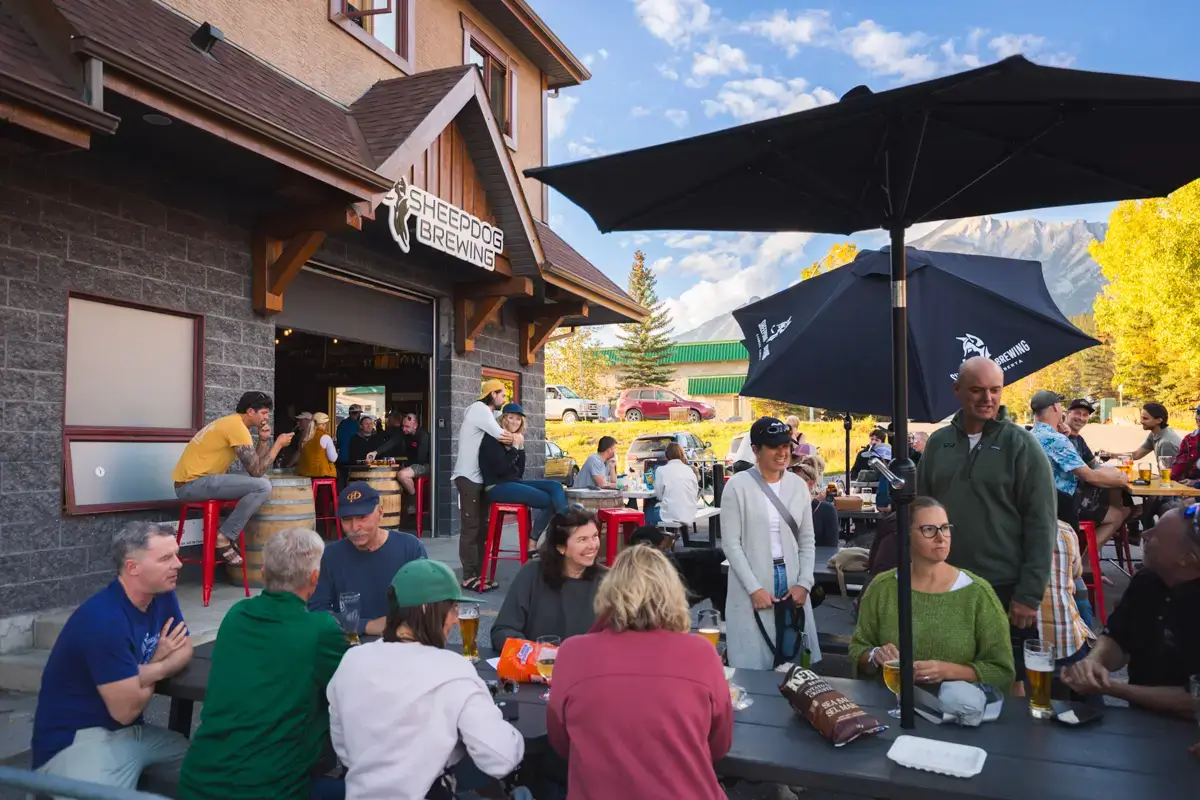
Sheepdog Brewing opened in Canmore in June 2019, and is hands down my favourite brewery in Canmore. It absolutely nails the relaxed laid-back atmosphere many breweries lose when they turn into restaurants, and most importantly, I’ve never had a bad beer here. The Canmore taproom is in an industrial area on the far end of town, but it’s just around the corner from Wild Life Distillery, so it’s worth hitting up the two together. The main floor taproom and patio are dog-friendly, and the space has a casual garage-style setup. No food, but you can bring your own or order in.
9. Climb Ha Ling Peak
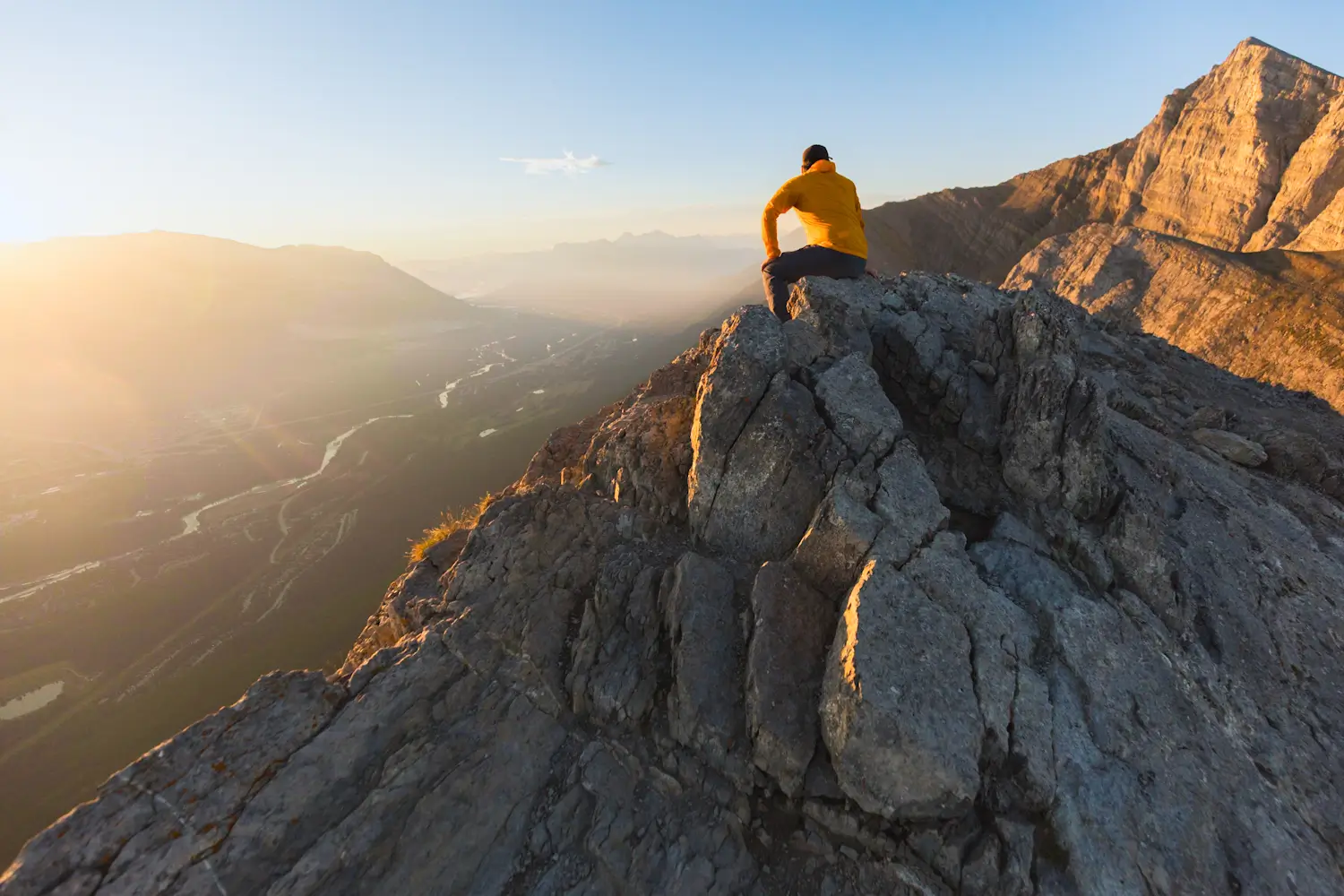
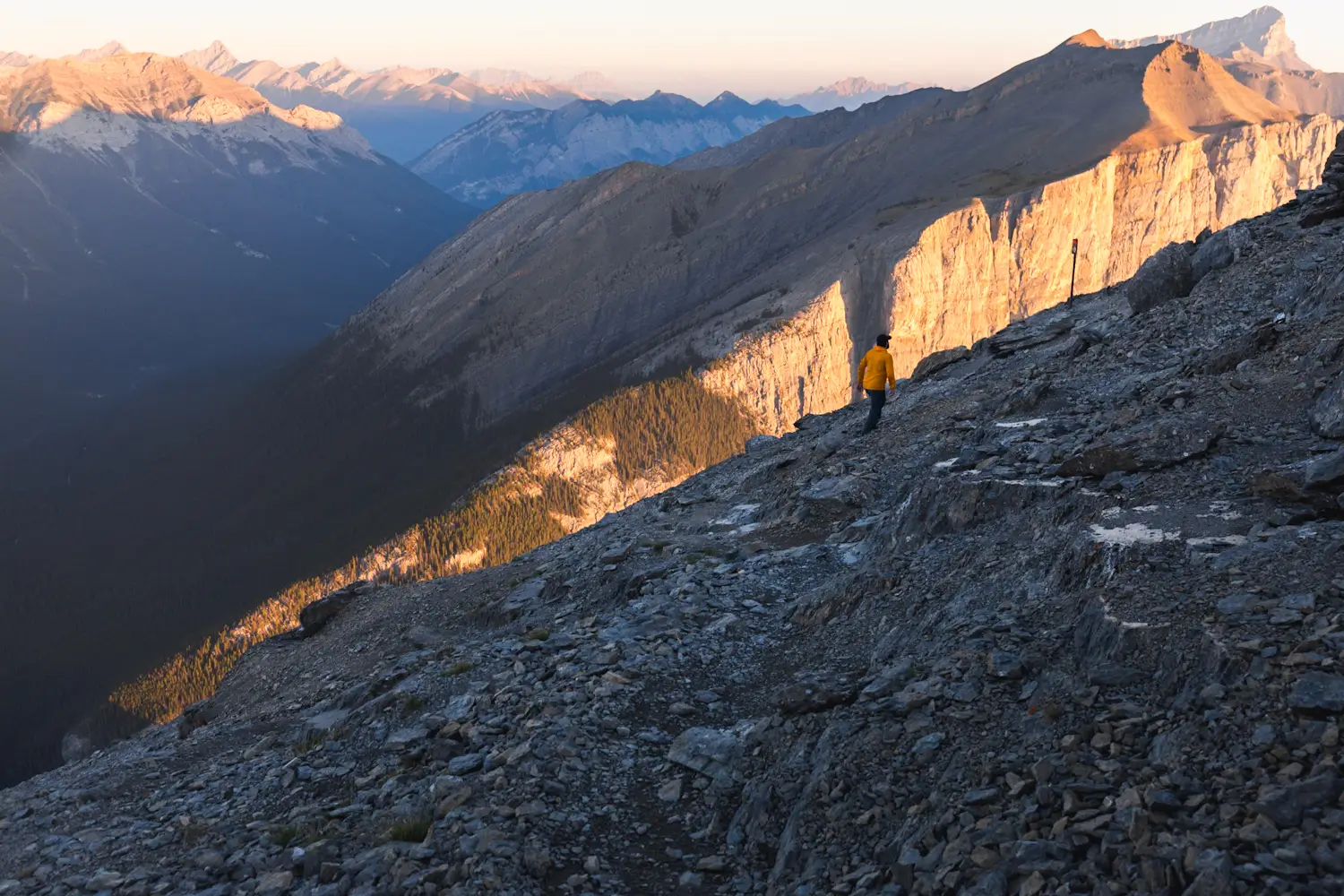
Ha Ling Peak is one of the easiest “real mountains” you can hike in the Rockies, but it still feels like an accomplishment to get to the top. The peak is named for Ha Ling, a Chinese worker in Canmore who was recorded as having climbed the mountain in 1896 after a bet that he couldn’t reach the top and return in less than ten hours. The mountain was named Chinaman’s Peak for decades before being renamed Ha Ling Peak in 1997, which definitely seems like an improvement. The trail starts from the Goat Creek parking area on the Smith-Dorrien/Spray Lakes Road and climbs steeply through forest, switchbacks, and stairs to the saddle below the summit, with a rougher final section over loose rock if you continue to the top. The view is direct and dramatic: Canmore below, Mount Rundle across the valley, Spray Lakes behind you, and the Bow Valley running through the mountains. Hoo baby. This is the busiest mountain in the Canmore area, so if you’re a nervous hiker rest assured. If you’re not a nervous hiker, then this is a great one to do for sunrise if you have the gear.
10. Shop at Alberta’s Own Marketplace
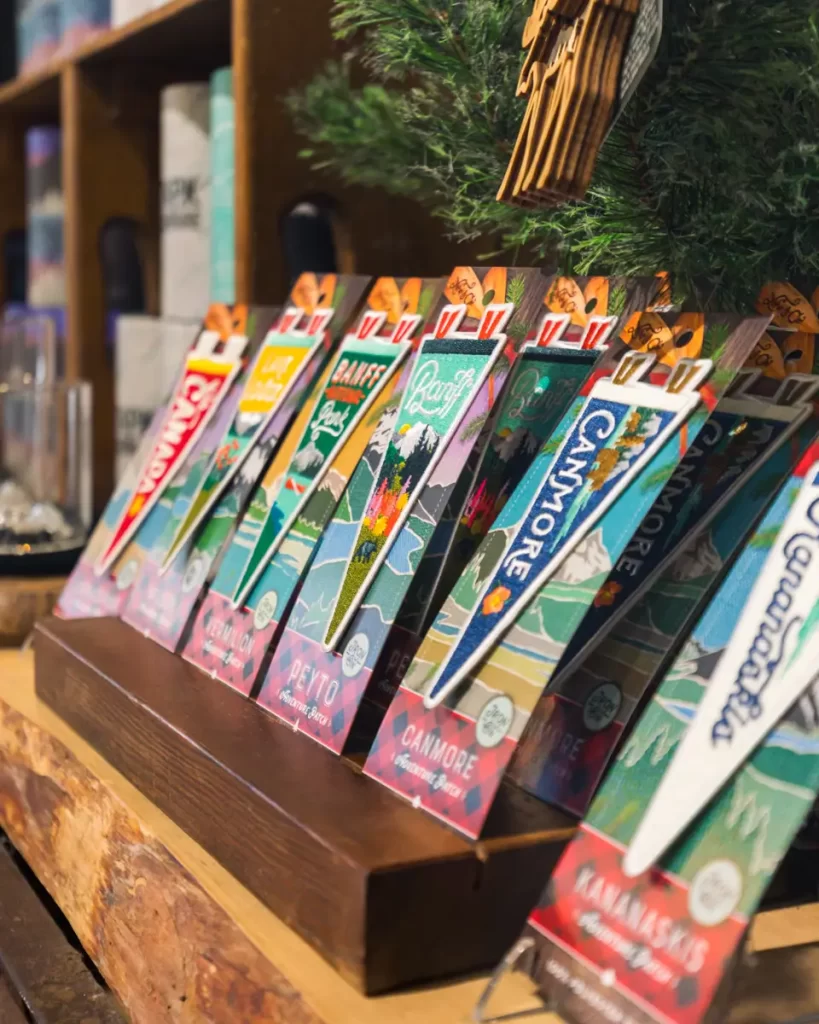
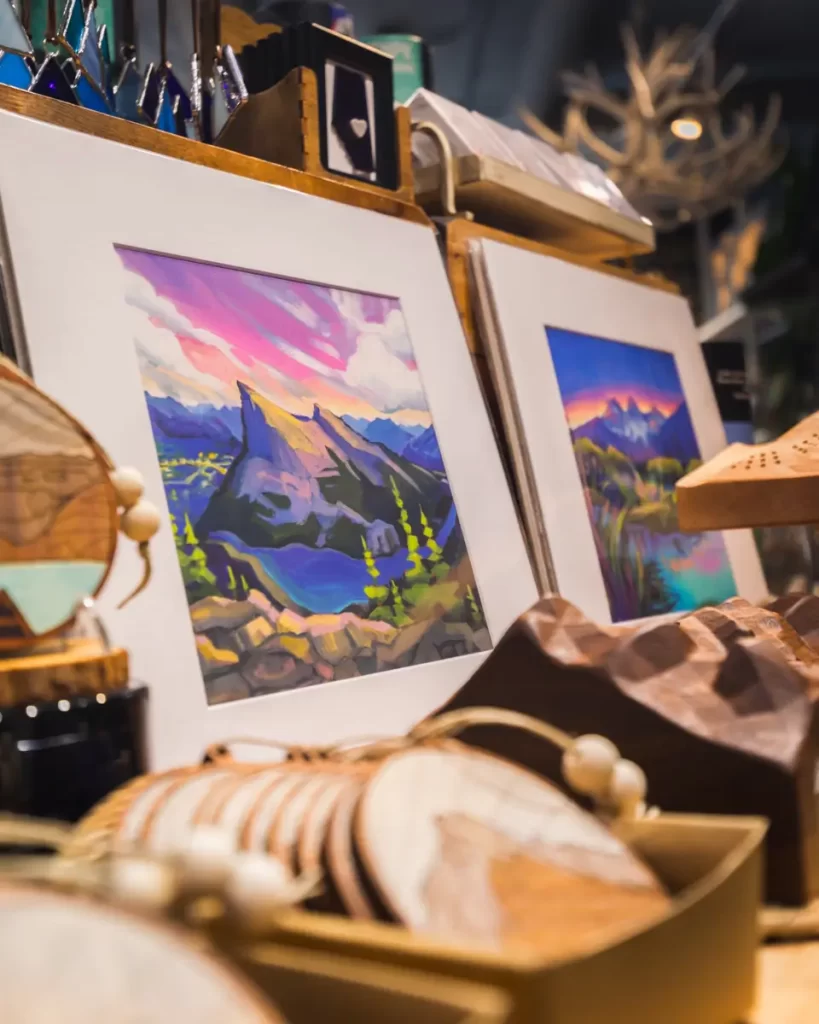
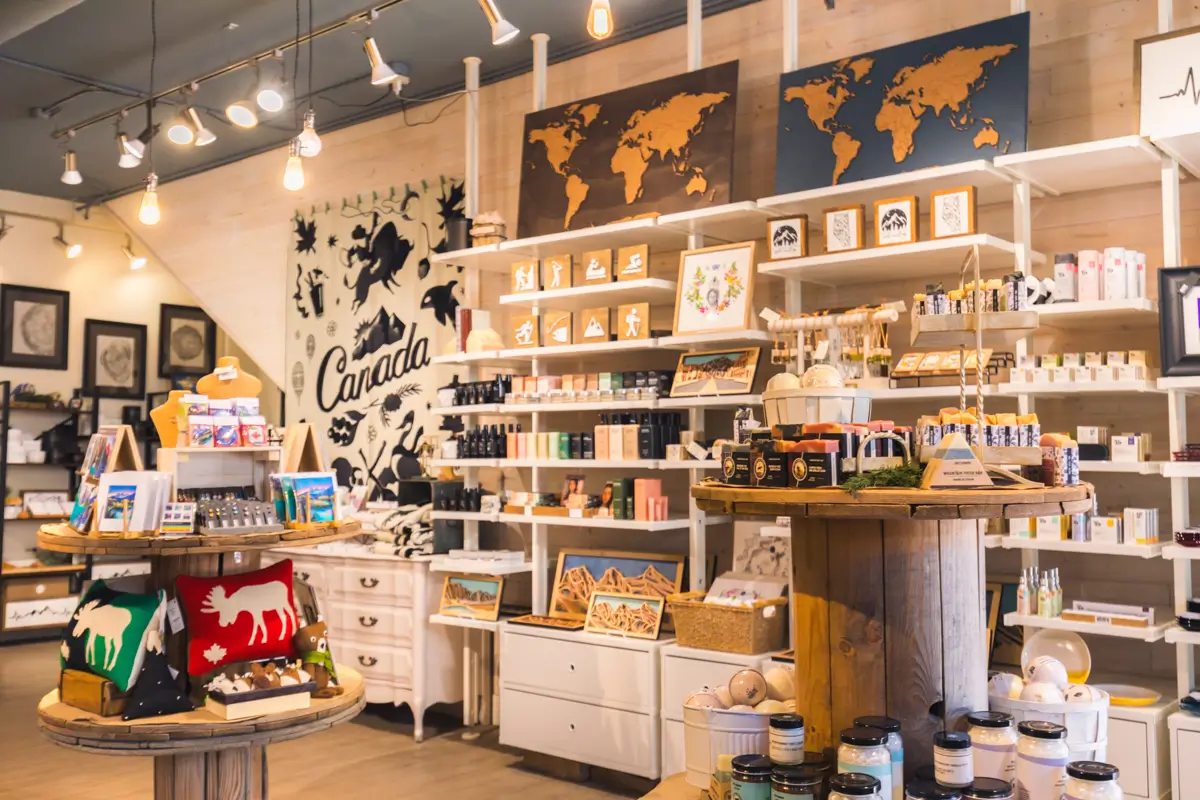
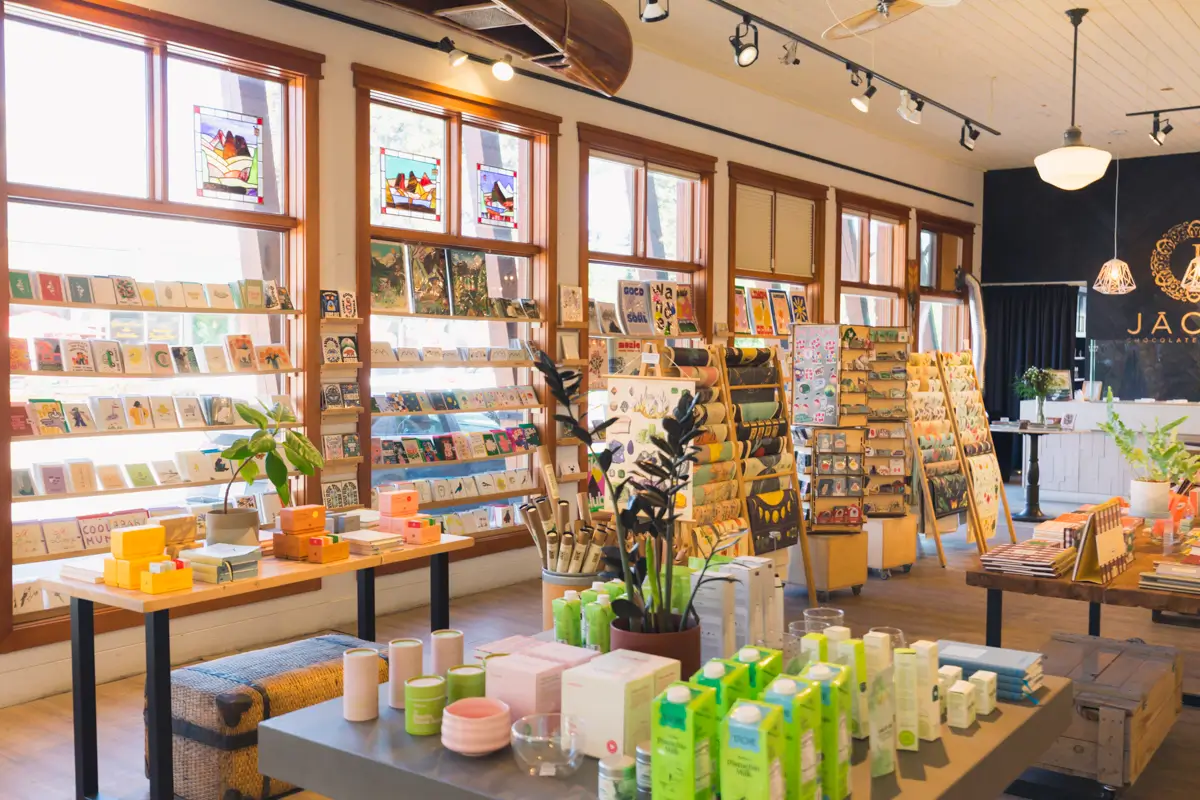
Alberta’s Own Marketplace opened in Canmore in 2017 as a way to showcase products made across the province, focusing heavily on local food, art, home goods, and small-batch producers. The shelves are crammed with things like local hot sauces, honey, preserves, chocolate, coffee, candles, ceramics, jewelry, and bath products, alongside artwork and home decor from Alberta artists and makers. This is the best gift shop in Canmore, as lomng as you’re not specifically after a crappy made-in-China shirt or mug that has a generic mountain on it along with “I heart Canmore”.
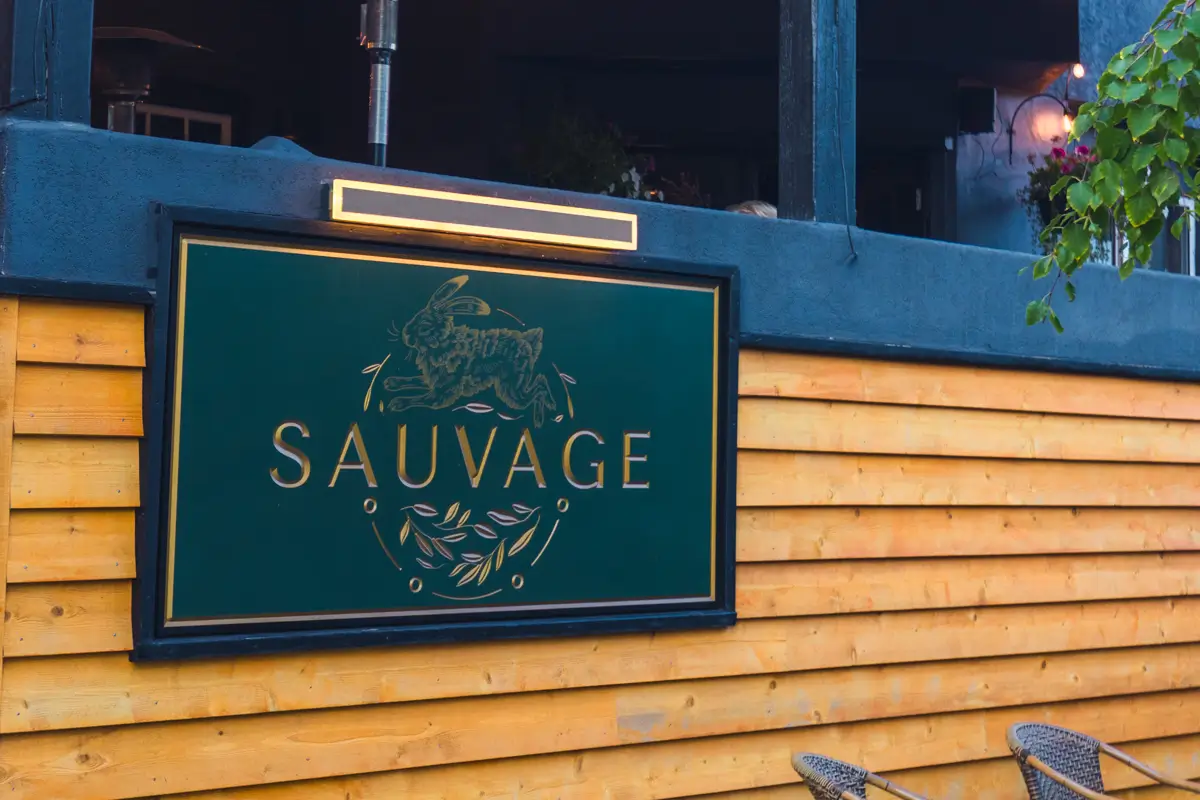
11. Dine at Sauvage
Sauvage opened in Canmore in 2022 after chef Tracy Little relocated from Toronto and introduced a tasting-menu-focused approach to the Rockies. The restaurant centers around a multi-course blind tasting menu built almost entirely around Canadian ingredients, with a strong emphasis on wild and foraged products from Alberta and British Columbia. Depending on the season, that can mean things like spruce tips, pine oil, smoked trout, bison, mushrooms, or berries worked into dishes that shift constantly throughout the year.
12. Swim at Quarry Lake
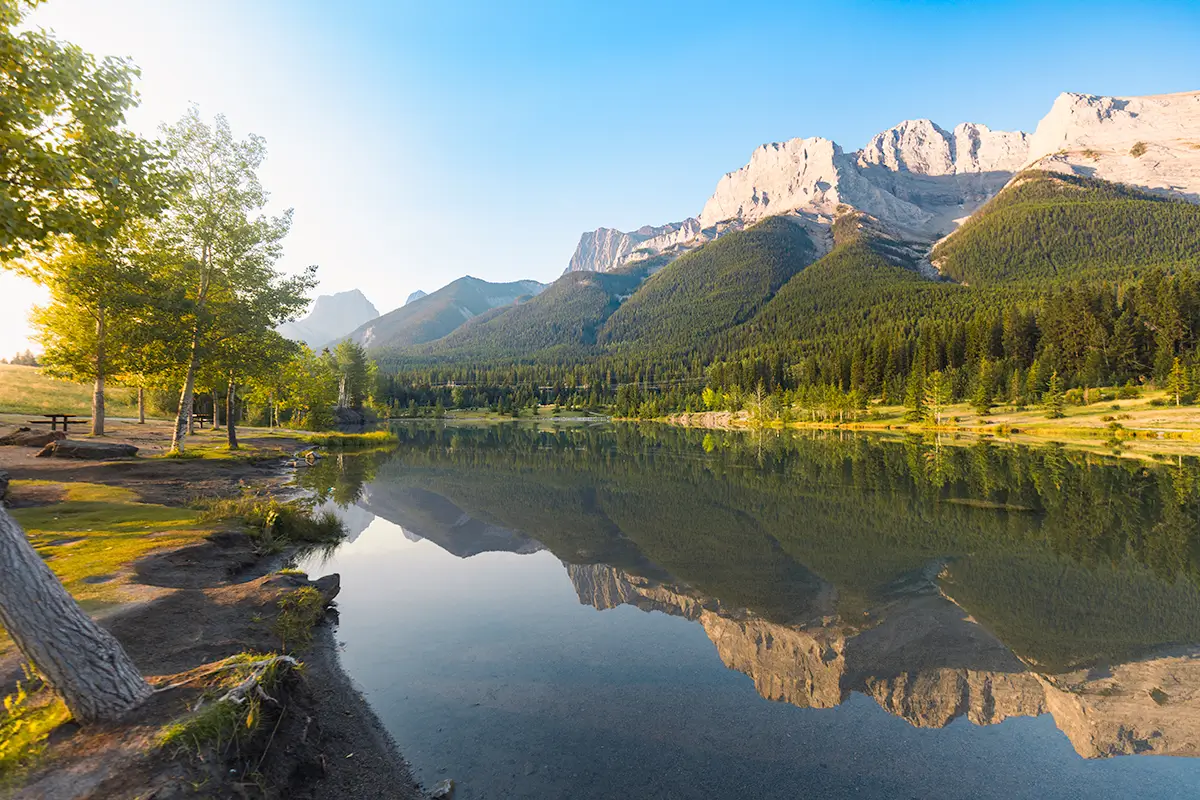
Quarry Lake sits on the site of a former open-pit coal mine that was part of Canmore Mines operations in the late 1960s and early 1970s, and it was officially named Quarry Lake in 1982 after reclamation work turned the pit into a public recreation area. Today it’s a small lake below the Canmore Nordic Centre, with grass, picnic areas, a walking loop, pit toilets, views of Ha Ling and Mount Rundle, and an off-leash dog area nearby. In summer, people come here to swim, paddleboard, picnic, and sit by the water, though the lake is small and gets busy quickly on hot days. A decade ago Quarry Lake still could have been considered a local secret, but the word got out (ugh, bloggers!) and a few years ago the town introduced steep parking rates of $20/two hours.
13. Visit the Canmore NWMP Barracks
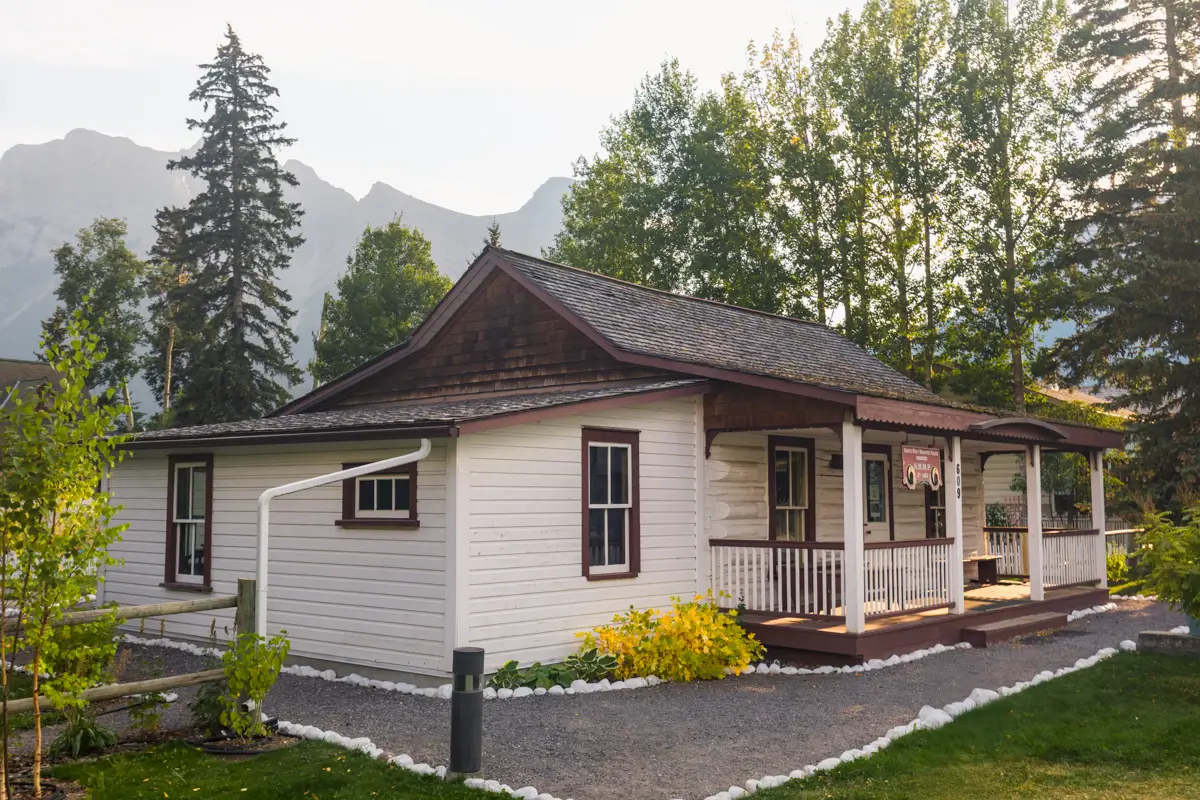
The NWMP Barracks was built in Canmore in 1893, when the North-West Mounted Police needed a permanent post in a growing coal town shaped by mining, railway work, and liquor traffic. The one-storey log building served as a police station, lodging house, and jail until 1929, and it’s now one of the oldest surviving North-West Mounted Police buildings in Alberta. It sits near the entrance to downtown by Policeman’s Creek, and you’ll definitely spot it as you ramble into Canmore;s downtown. It’s run by the Canmore Museum, but the past couple years they haven’t been able to get funding to keep it staffed, so these days the small museum inside is closed except for during special events.

14. Try the Bison Burger at Tavern 1883
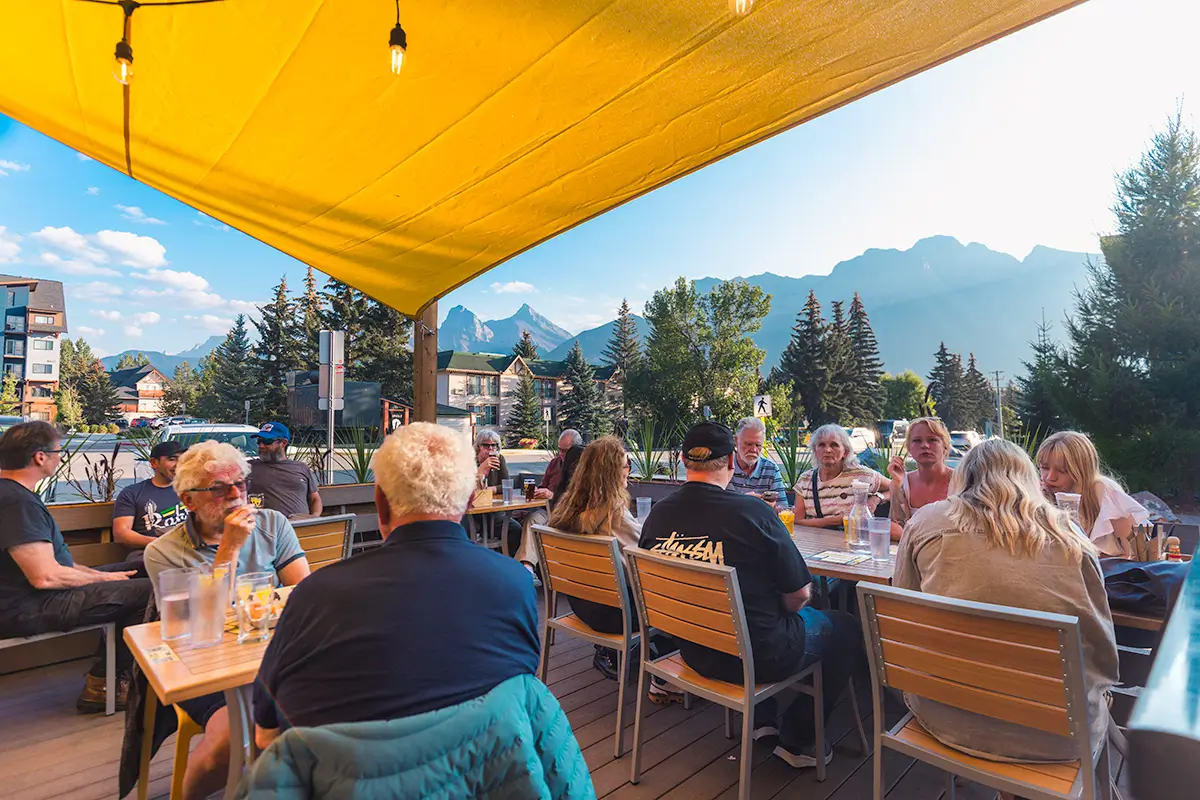
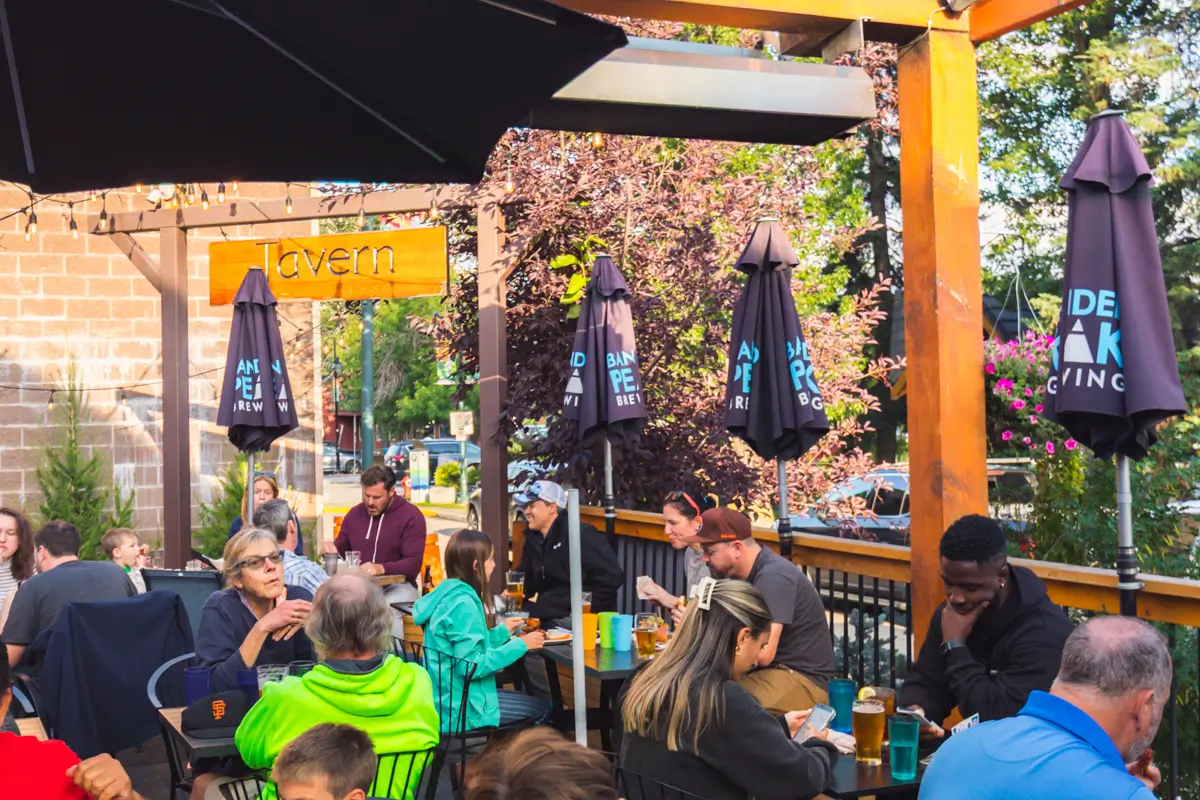
Tavern 1883 opened in Canmore in 2013 and takes its name from the year the town was founded. Housed inside a restored early-1900s home on 9th Street, it’s one of the busier spots downtown for burgers, tacos, cocktails, Alberta craft beer, and late-night drinks, but especially burgers. (Yes I know I said burgers twice.) This is the best bison burger in town. The inside is nice with wood interiors, but in summer you’ll definitely want to be seated on the large outdoor patio. Come early to secure a patio table, or swing by later, as they have trivia nights, DJs, live music in the evening.
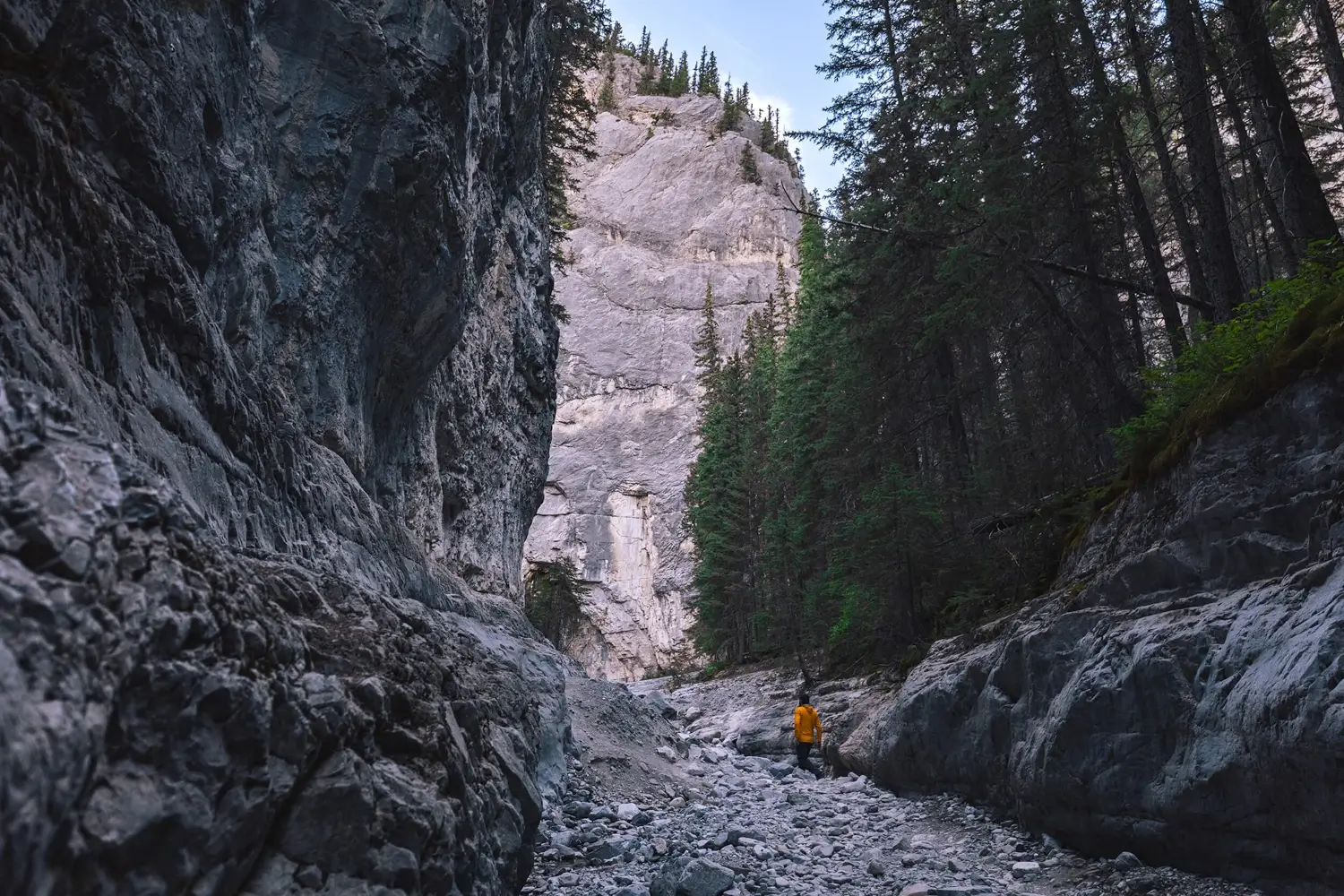
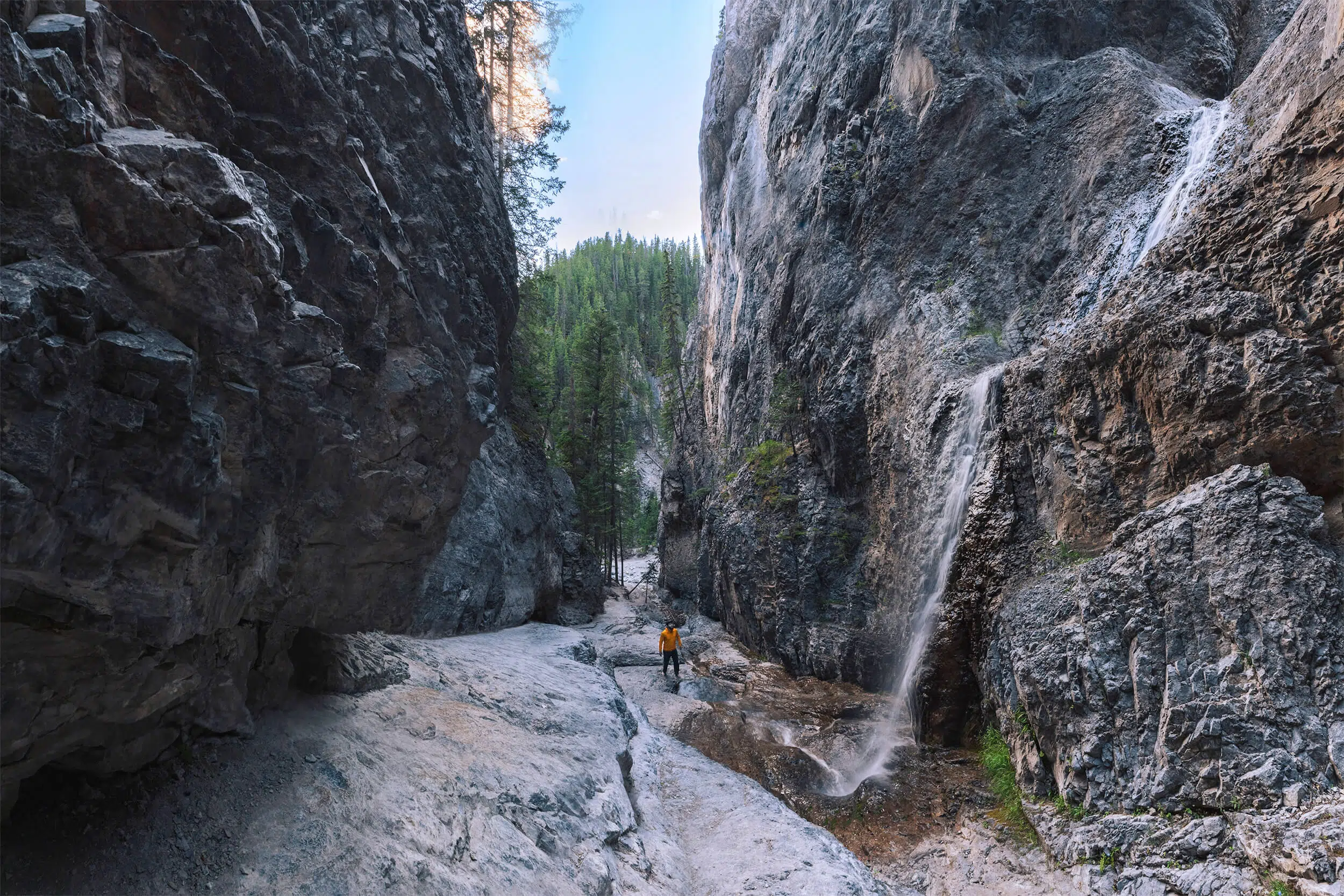
15. Walk Through Grotto Canyon
Grotto Canyon starts about 15 minutes east of Canmore and follows a creek bed into a narrow limestone canyon below Grotto Mountain. The first stretch of the walk passes through a utility corridor near industrial infrastructure, but the canyon itself quickly changes the mood with polished stone, high walls, a small waterfall, and ancient pictographs on the rock. The hike is suprisingly quiet in summer, but in winter becomes pretty popular when the creek freezes into a natural ice walk, with frozen falls and bright blue ice underfoot, so microspikes are required.
16. Sip Cider at Core Values Cider Co.
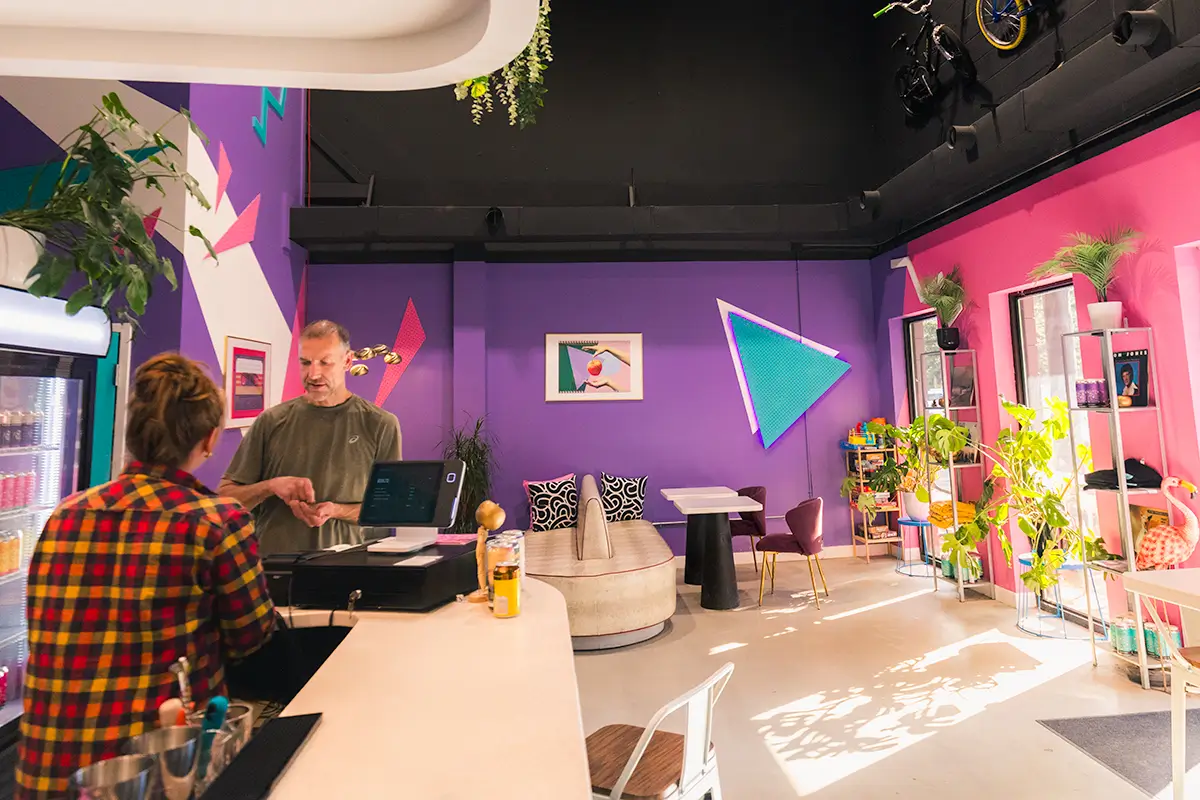
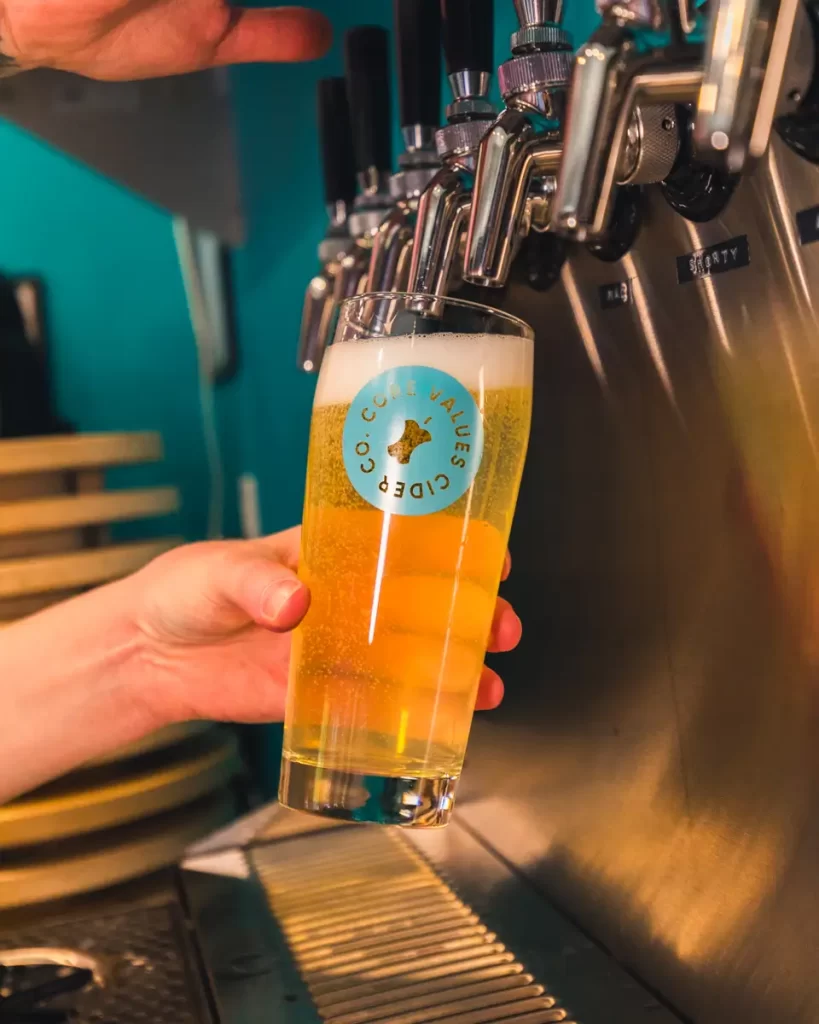
Core Values Cider Co. was launched by New Brunswick-born couple Sarah and Joshua Jennings in 2020, though the taproom didn’t open up until a few years after. They use BC apples alongside ingredients like sour cherries, Saskatoon berries, currants, and ginger, and are the only cidery in Alberta making wild-fermented cider. I’m a huge fan of the cider, but it’s also worth mentioning the equally fun and funky 80’s inspired taproom interior, as well as the incredibly friendly service every time I come in. Core Values is just around the corner from Canmore Brewing as well as Crazyweed, one of my favourite places to eat in Canmore. I can’t emphasize enough just how much you should give their cider a try – I stop by every time I’m in Canmore.

17. Have a Pint at Grizzly Paw Brewing
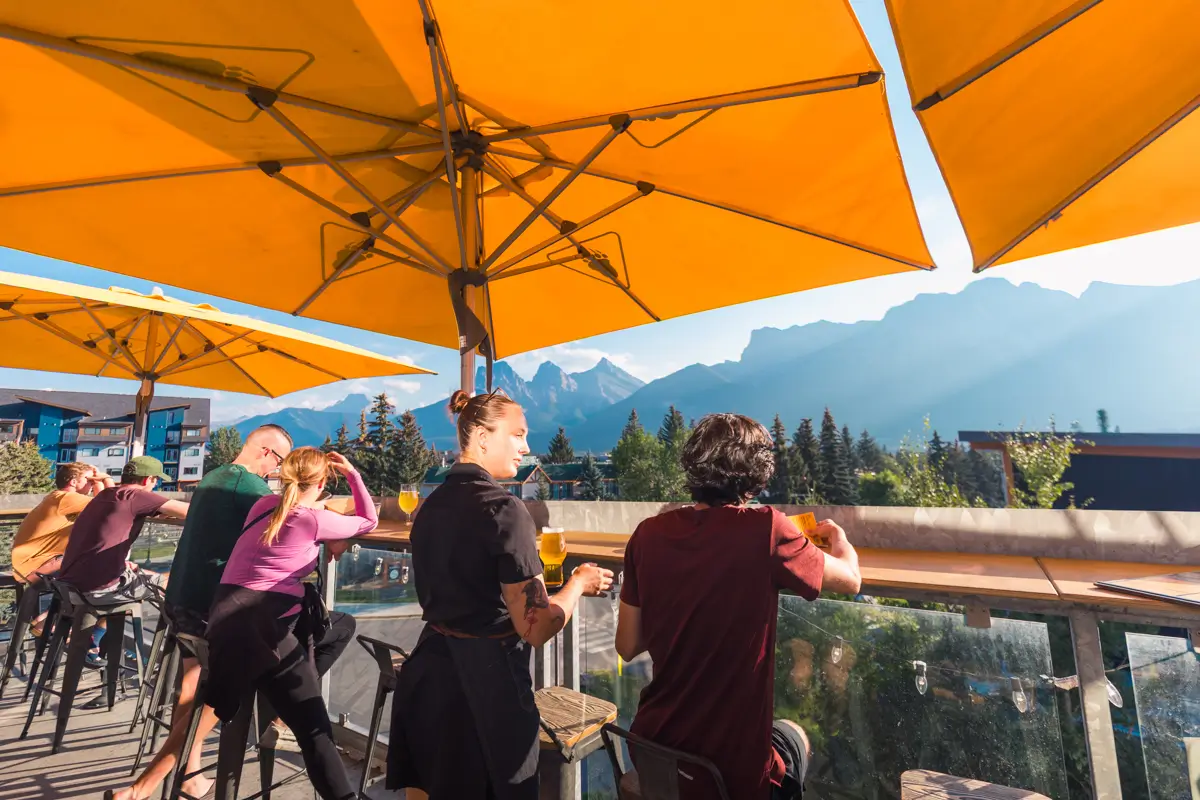
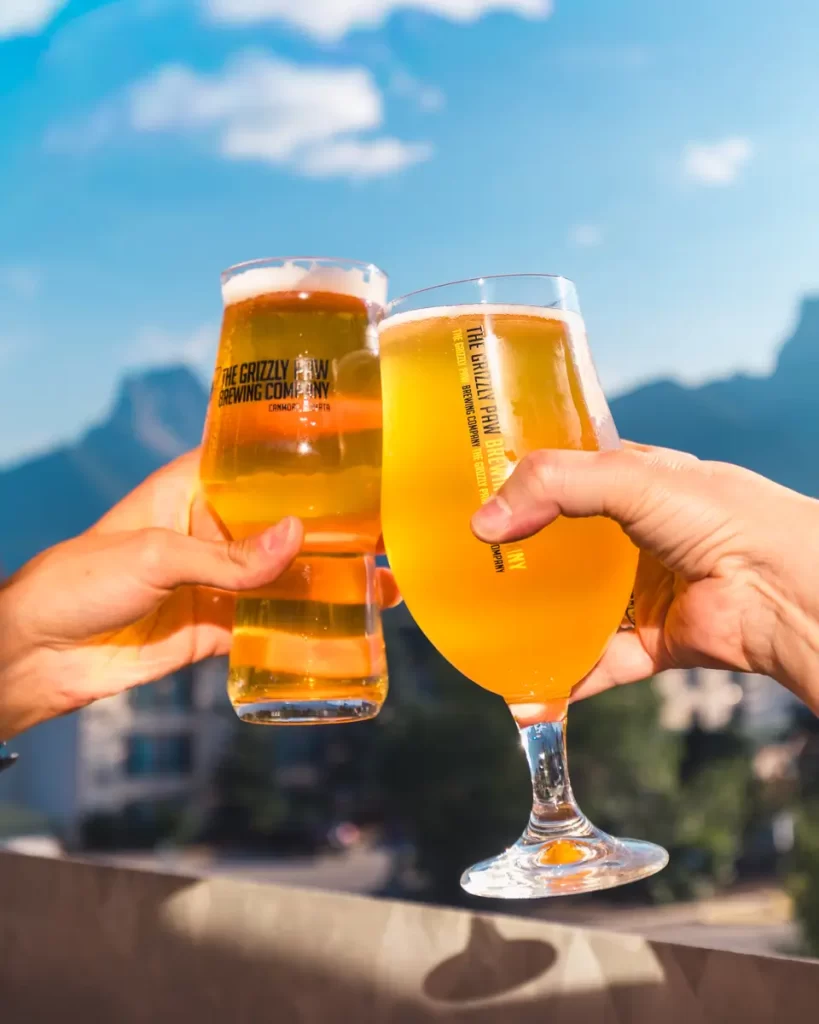
Grizzly Paw Brewing was founded by Niall Fraser in 1996 and was one of the first craft breweries in Alberta at a time when the province barely had a craft beer scene at all. Fraser got the idea after spending time in Australia’s pub and brewing culture, then brought the concept back to Canmore just as the town was beginning its transition from mining community to tourism hub. Nearly thirty years later, Grizzly Paw has grown into one of the defining businesses in Canmore, with multiple locations around town, its own soda line, and beer distributed across Alberta.
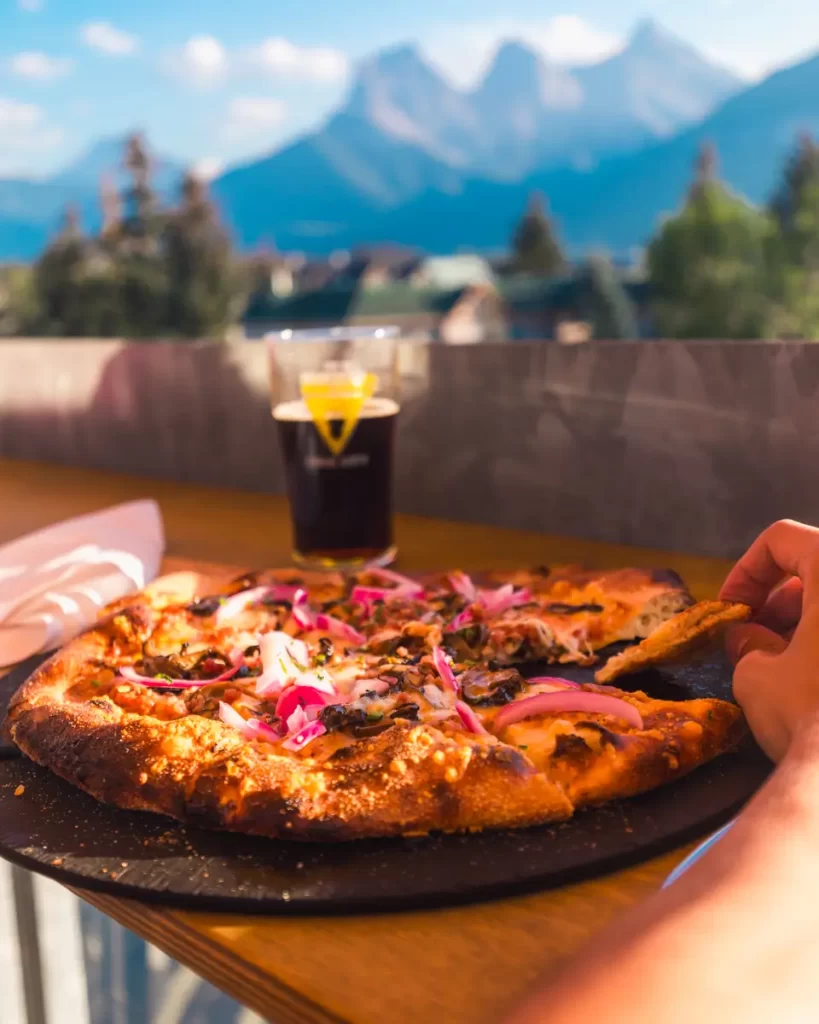
Both the downtown pub and the larger brewery facility and taproom Tank310 have a slightly more polished impersonal restaurant feel than I’d really love from a brewery, which is one point away, however Tank310’s upstairs outdoor dining area has the best view from any restaurant in Canmore, so that’s plus five points. Between you and me, the food is just fine, but also look at that view. Worth it.
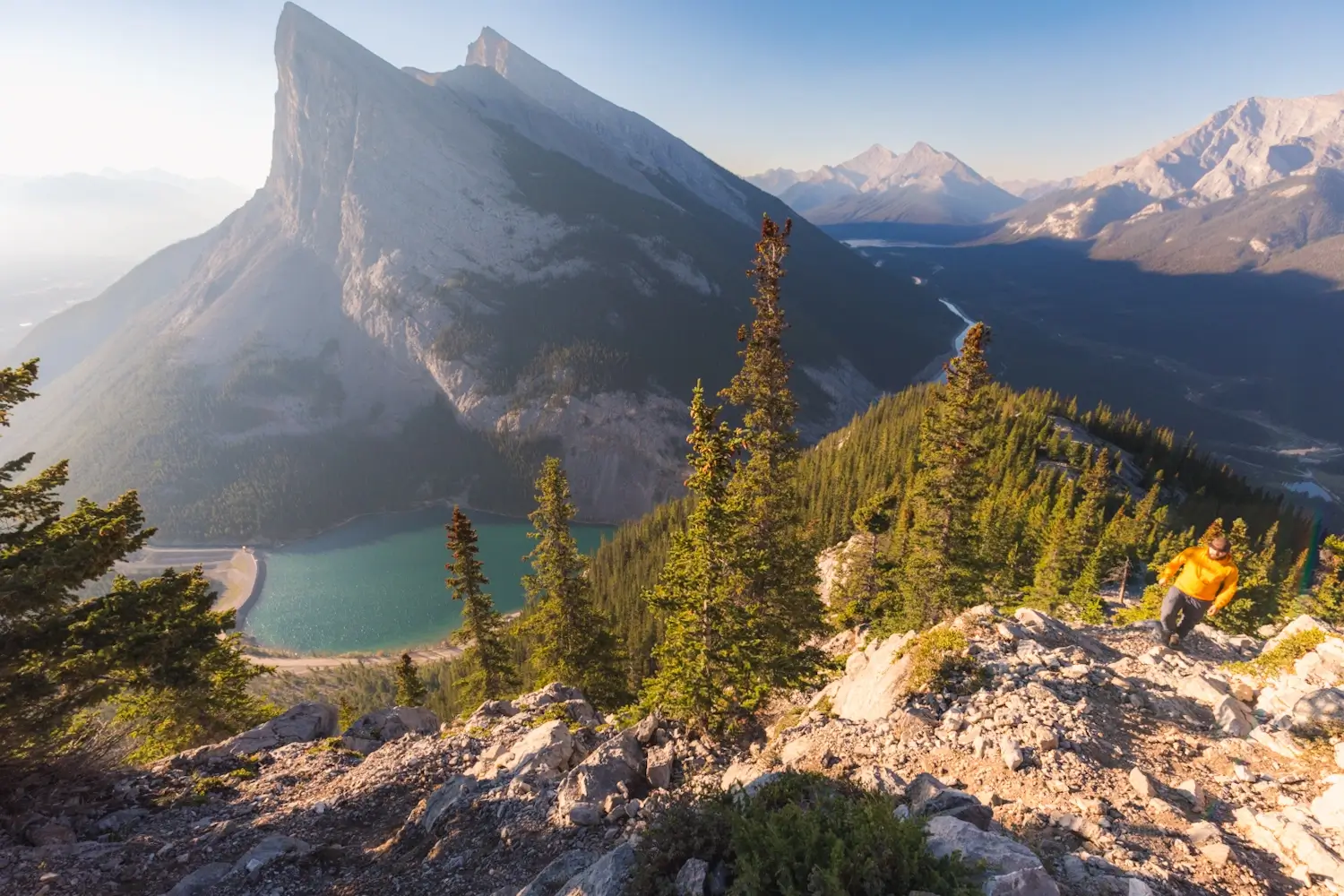
18. Scramble EEOR
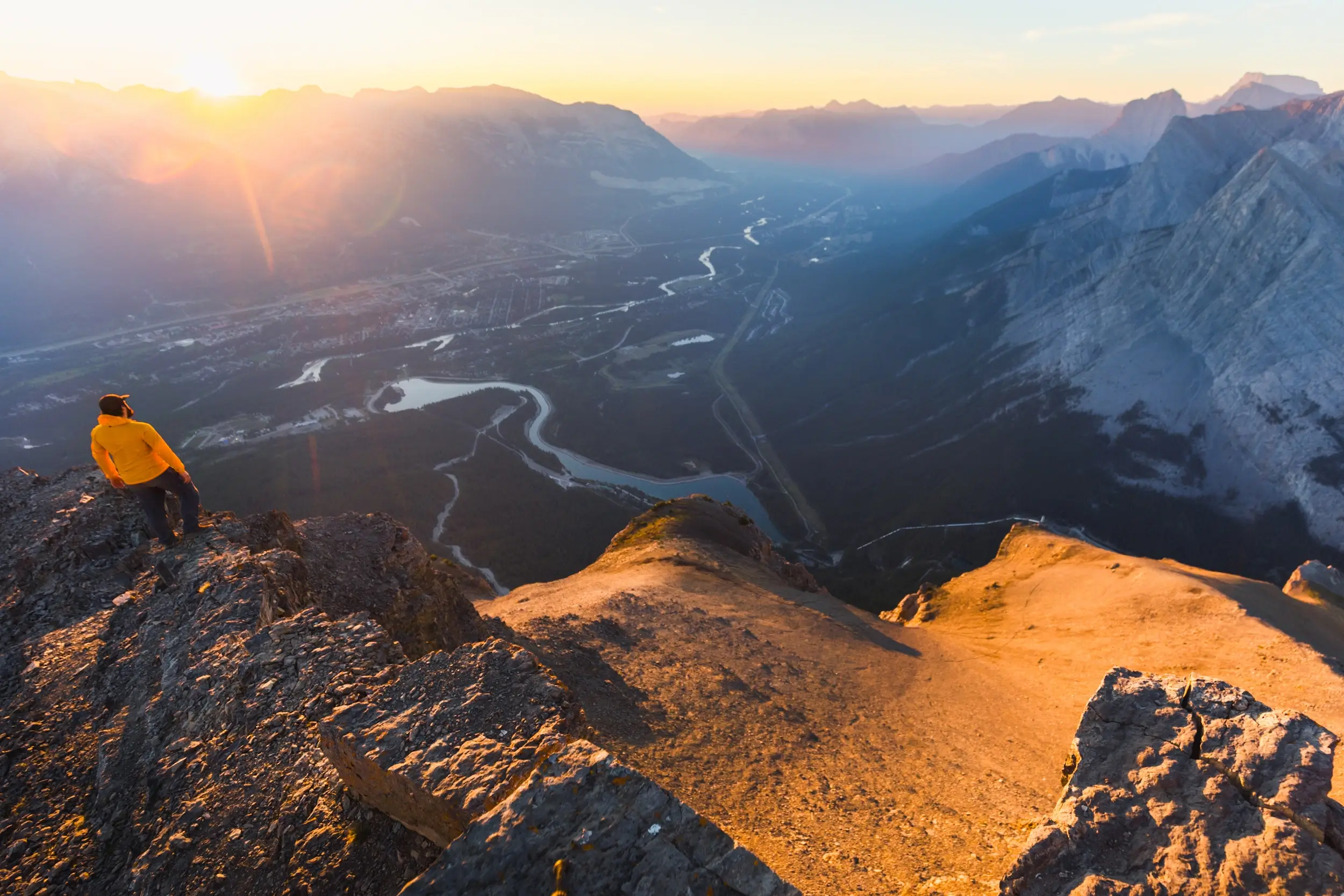
East End of Rundle, usually shortened to EEOR, is the eastern end of the long Mount Rundle massif that runs between Canmore and Banff. Mount Rundle itself is named for Robert Rundle, a Methodist missionary who worked in parts of what is now Alberta in the 1840s, while EEOR has become the local shorthand for the steep scramble rising above Whitemans Pond on the Canmore side, across from Ha Ling Peak. The route is perfect for more experienced hikers, with a loosely-defined trail and some exposed scrambling near the top, making it my favourite scramble in the region. Inexperienced hikers beware.
19. Shop Project A
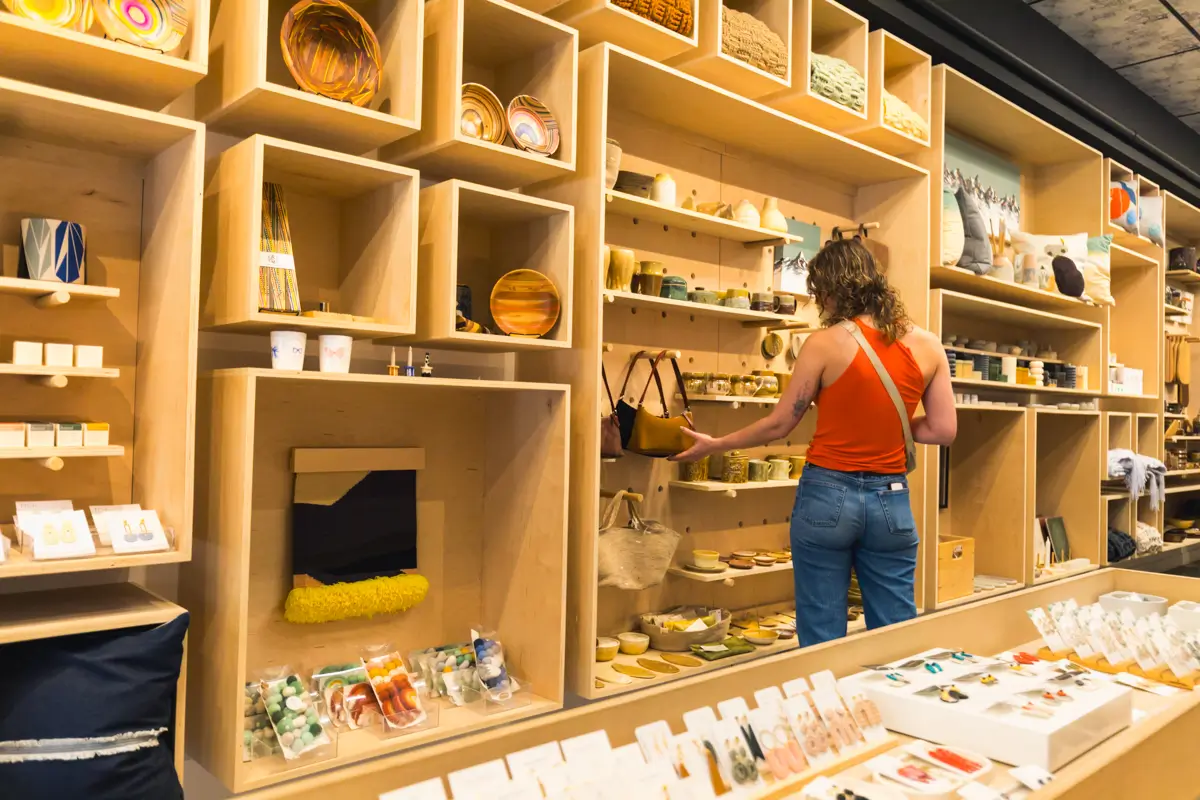
Project A started in 2015 as pop-up in Fredericton, then Canmore in 2017, finally opening a Canmore brick-and-mortar in 2018 as a fine craft shop focused on handmade work by emerging Canadian artists. The shop carries ceramics, jewellery, leather goods, slow fashion, kitchen items, home decor, and wall art from makers across Canada, though there’s somewhat more of a focus on jewellery than nearby Alberta’s Own Marketplace. While there’s a little overlap between the two stores, each has enough unique products that it’s definitely worth visiting both.

20. Take a Dip at the Canmore Reservoir
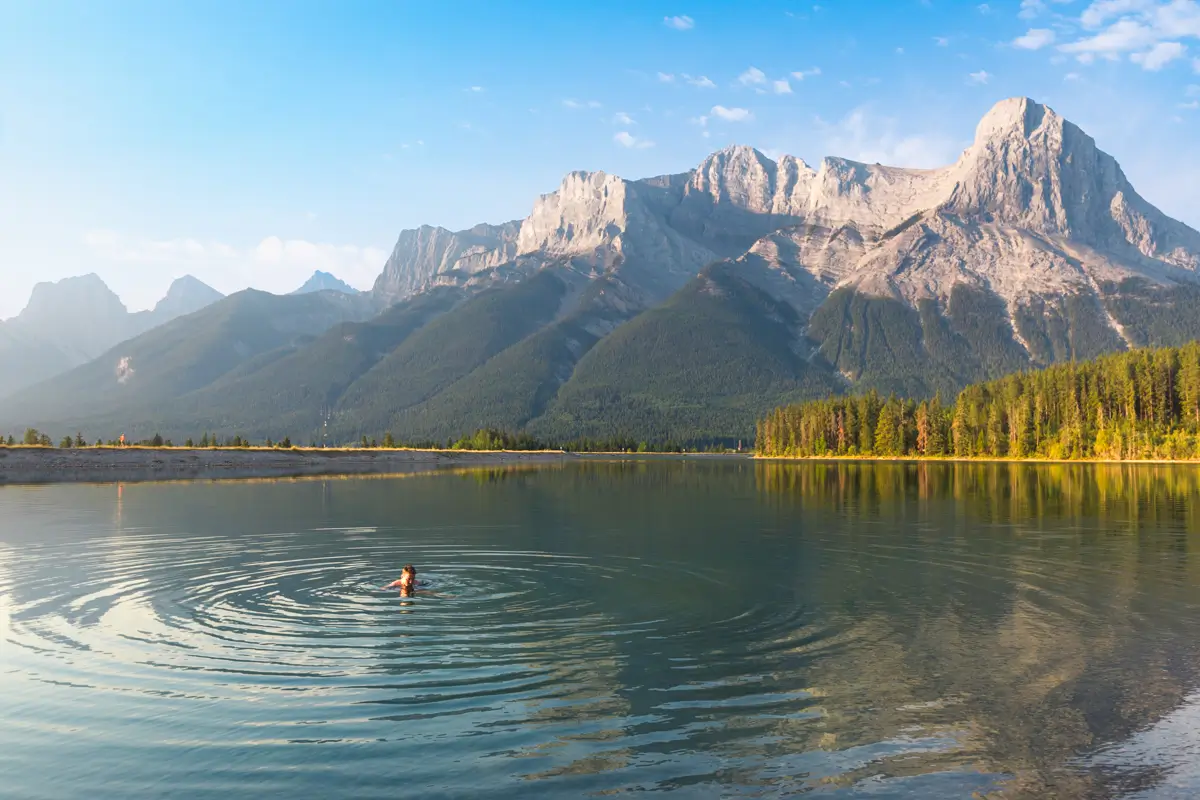
The Canmore Reservoir, more commonly known as Rundle Forebay, is part of the hydroelectric system that moves water from the Spray Lakes side of Kananaskis toward the Bow River. Sexy right? It sits below the Canmore Nordic Centre and has become a familiar local spot for walking, paddling, and taking in views of Ha Ling, Mount Rundle, and the slopes above town. On calm days, the long narrow shape makes it popular for stand-up paddleboarding and kayaking, and best of all, unlike Quarry Lake all there are no parking fees.
21. Explore Rat’s Nest Cave
Rat’s Nest Cave sits under Grotto Mountain and can only be visited on a guided tour with Canmore Cave Tours. The cave has more than four kilometres of known passages and is protected as a Provincial Historic Resource for its geological formations and long record of human and animal use. The name comes from bushy-tailed wood rats, also called packrats, which left middens near the cave entrance. You hike to the entrance, put on a helmet, headlamp, gloves, and caving gear, then move through dark limestone passages that involve crawling, squeezing, climbing, mud, and uneven rock. It runs year round.
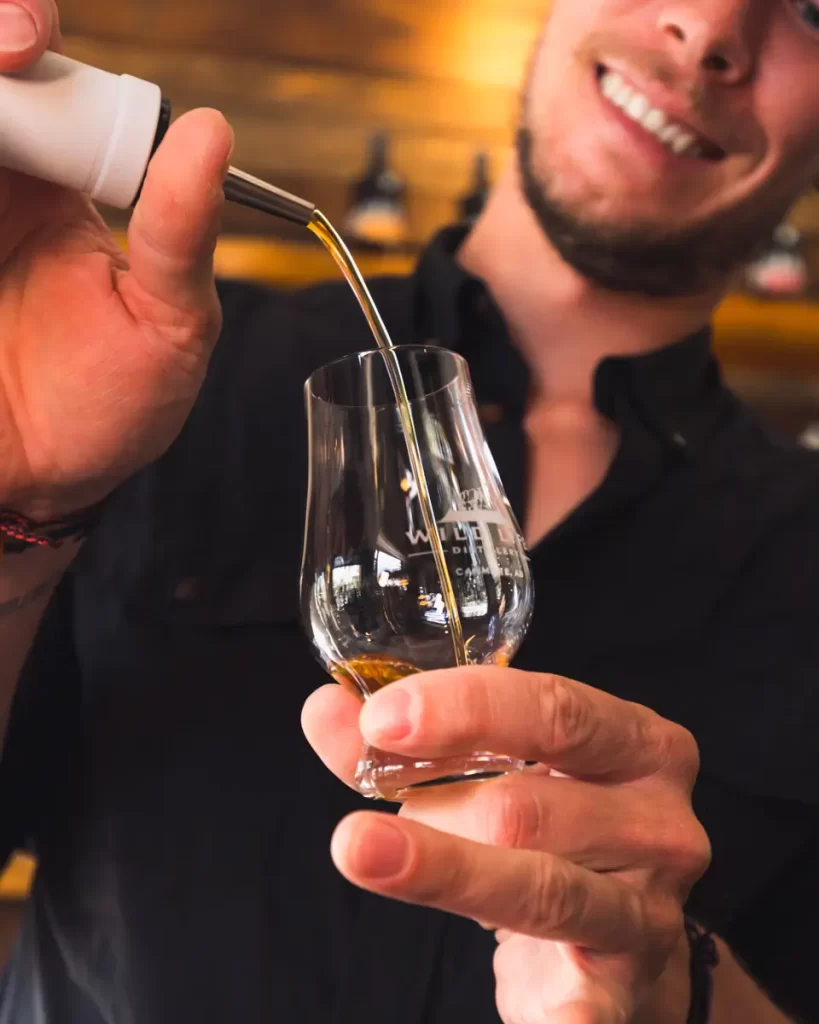
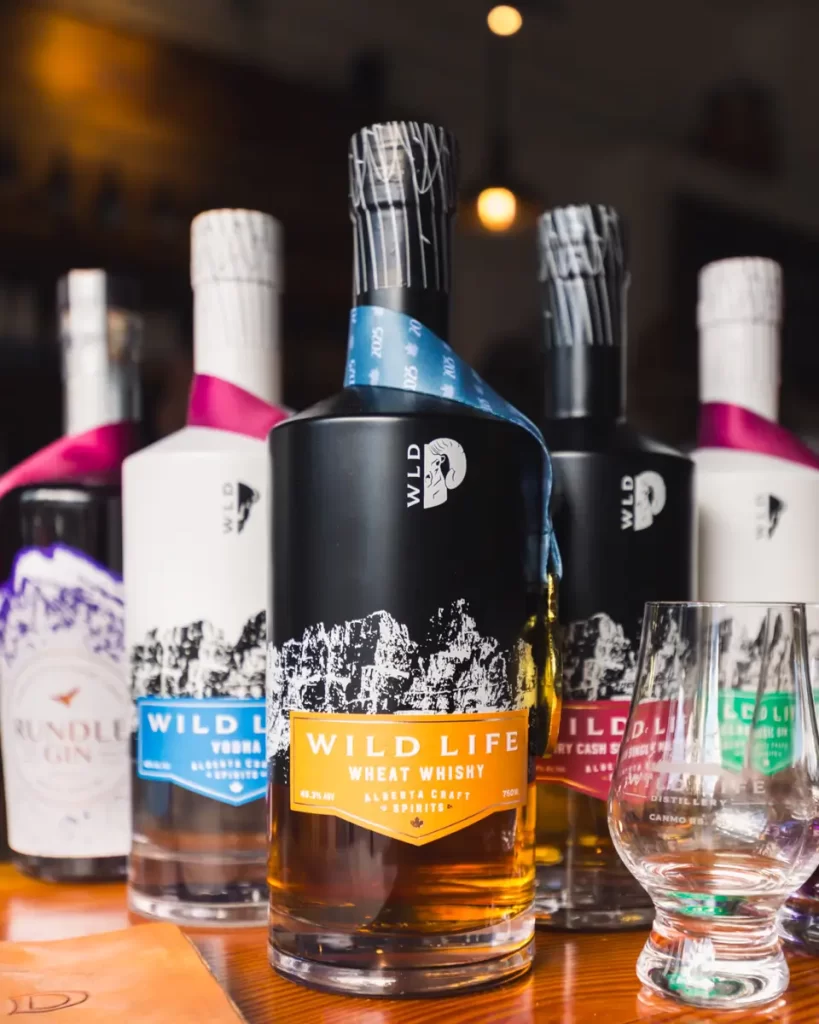
22. Taste Spirits at Wild life Distillery
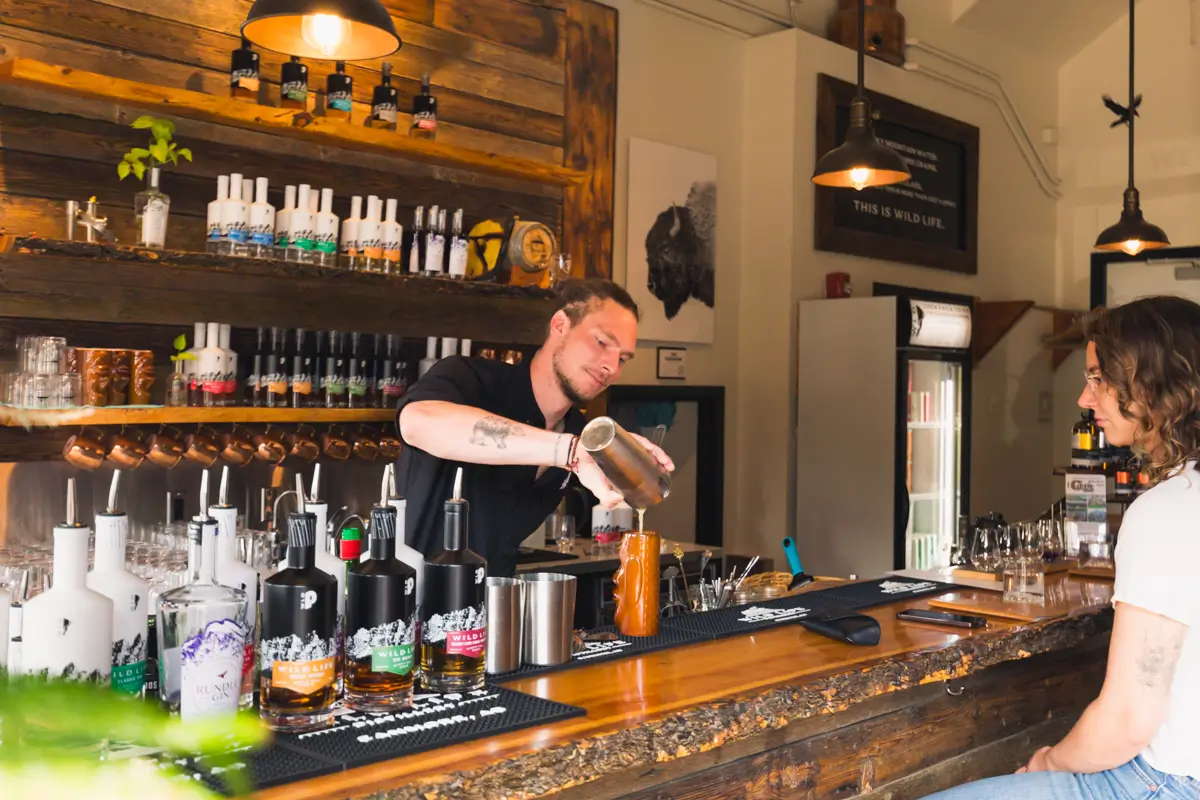
Wild Life Distillery was opened in Canmore in 2017 by Matt Widmer and Keith Robinson, who built the distillery around small-batch spirits made with Alberta grain and mountain water. The lineup includes vodka, several gins, rye whisky, single malt whisky, amaro, cocktail bitters, and canned cocktails, so it’s worth a visit even if you’re not a spirits nerd like me. Try a cocktail or two, or settle on a flight of spirits. Plus, the distillery is just around the corner from Sheepdog Brewing, my favourite brewery in Canmore.
23. Dine Bridgette Bar
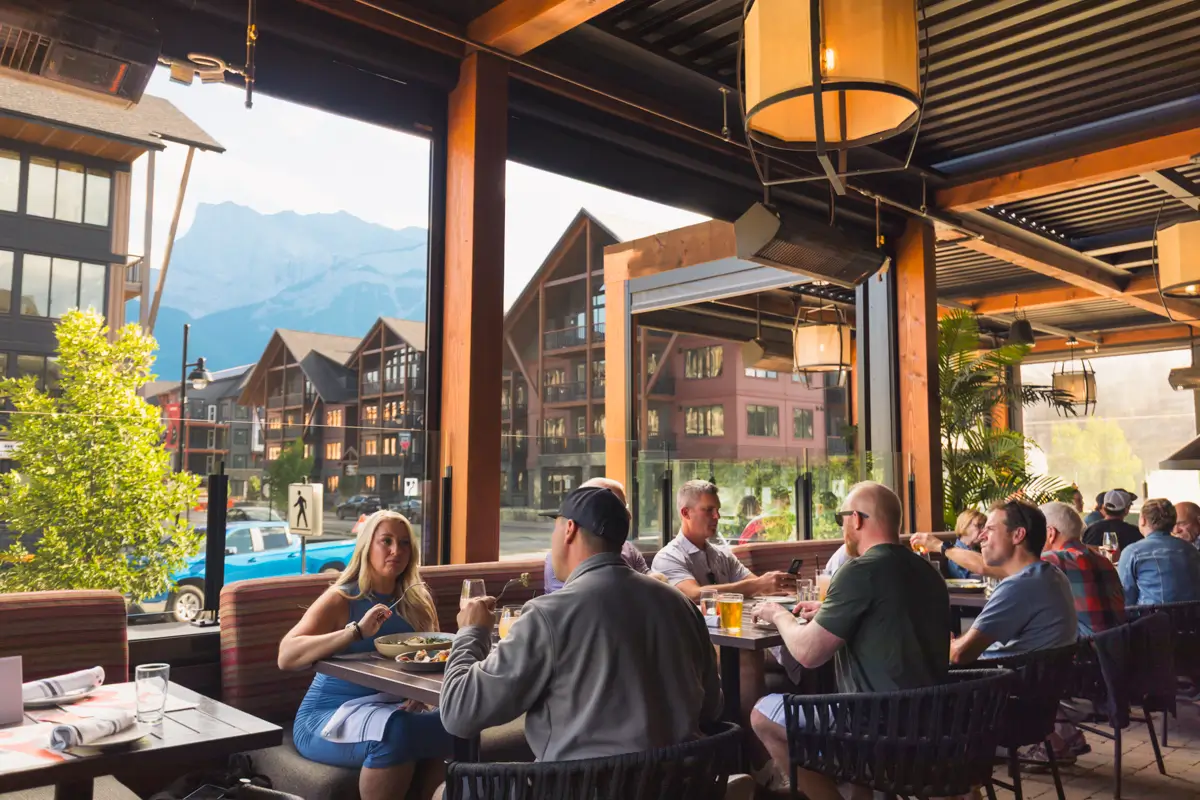
Bridgette Bar is an upscale Calgary restaurant owned by Concorde Group that recently expanded to Canmore, where it now operates in the Spring Creek area just south of downtown. The upscale restaurant is built around share plates like garlic bread with cheese curd, roasted cauliflower, burrata, wood-fired pizza, seasonal seafood, pasta, and grilled meats, with the banana cream pie being a highlight. Food and service are consistently on point, though the whole upscale atmosphere feels a little out of place in this small mountain town.
24. Hike Mount Lady MacDonald
The Mount Lady MacDonald hike is one of the lesser done Canmore hikes, especially as it was recently closed for three years. The mountain was named in 1886 for Susan Agnes Macdonald, wife of Canada’s first prime minister, John A. Macdonald, after the Macdonalds travelled through the Rockies by rail. The hike also has one of Canmore’s stranger modern tourism relics: the remains of a never-finished teahouse project that was supposed to bring visitors up the mountain by helicopter. Most hikers now use the helipad area as the main objective, with wide views over Canmore, Grotto Mountain, Ha Ling, the Bow Valley, and the Fairholme Range. The route is consistently steep, climbing through forest before opening onto rockier slopes, and the section beyond the helipad becomes a narrow, exposed scramble with loose rock suitable only for the very experienced.
25. Have Dinner at Änkôr
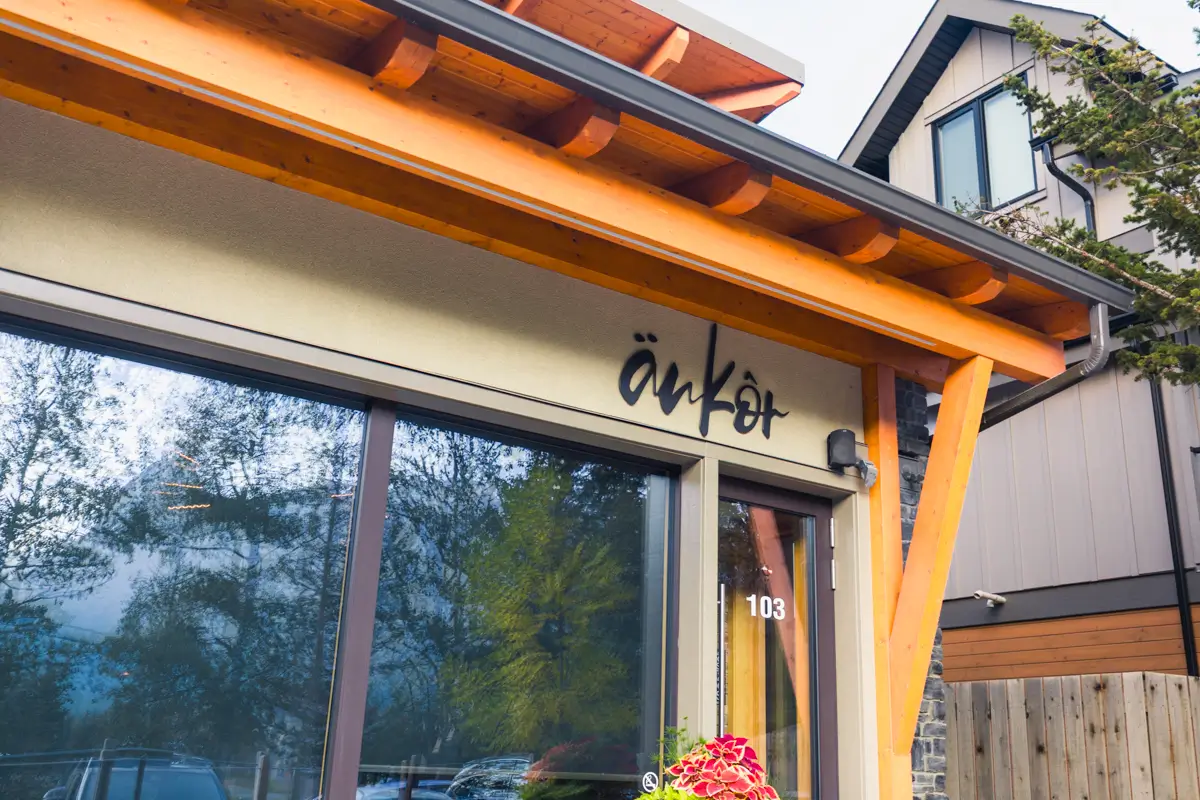
Änkôr opened in Canmore in November 2020, with chef-owner Danny Beaulieu building the restaurant around contemporary Canadian cooking and seasonal ingredients. Beaulieu is originally from Sherbrooke, Quebec, and the menu reflects a broad approach to Canadian food, with Alberta meats, seafood, mushrooms, preserved ingredients, foie gras, and Japanese-influenced preparations appearing across the à la carte menu and six-course tasting menu. You’ll want to make a reservation.
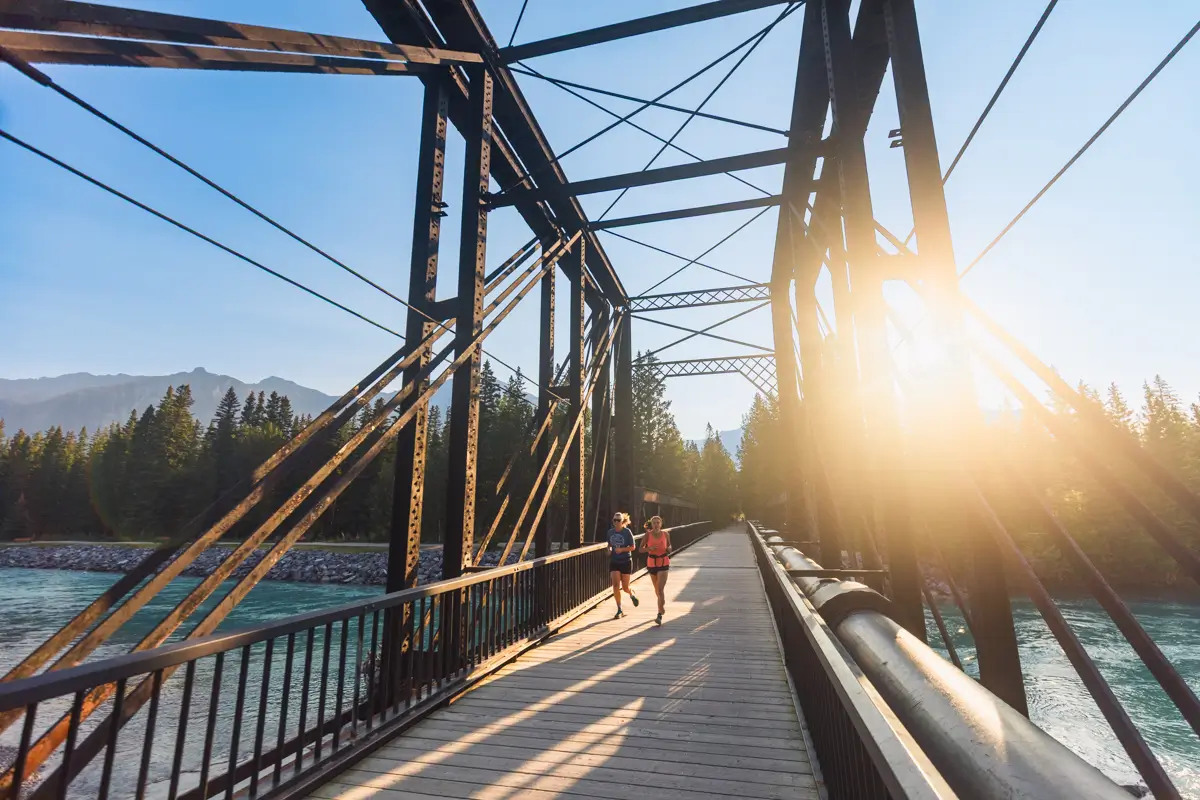
26. Cross the Canmore Engine Bridge
The Canmore Engine Bridge was built in 1891 by the Canadian Pacific Railway to carry coal trains across the Bow River from the Canmore mines to the main rail line. The bridge is now part of the town’s walking and cycling network, connecting the Spur Line Trail with the Bow River pathways. The bridge sits just off the Bow River trails and can be reached easily from downtown, Riverside Park, or the Policeman’s Creek area. From the deck you get views along the Bow River toward Mount Rundle, the Three Sisters, and the forested riverbanks below town. It’s a popular spot for photos, especially since being seen in an episode of The Last of Us.
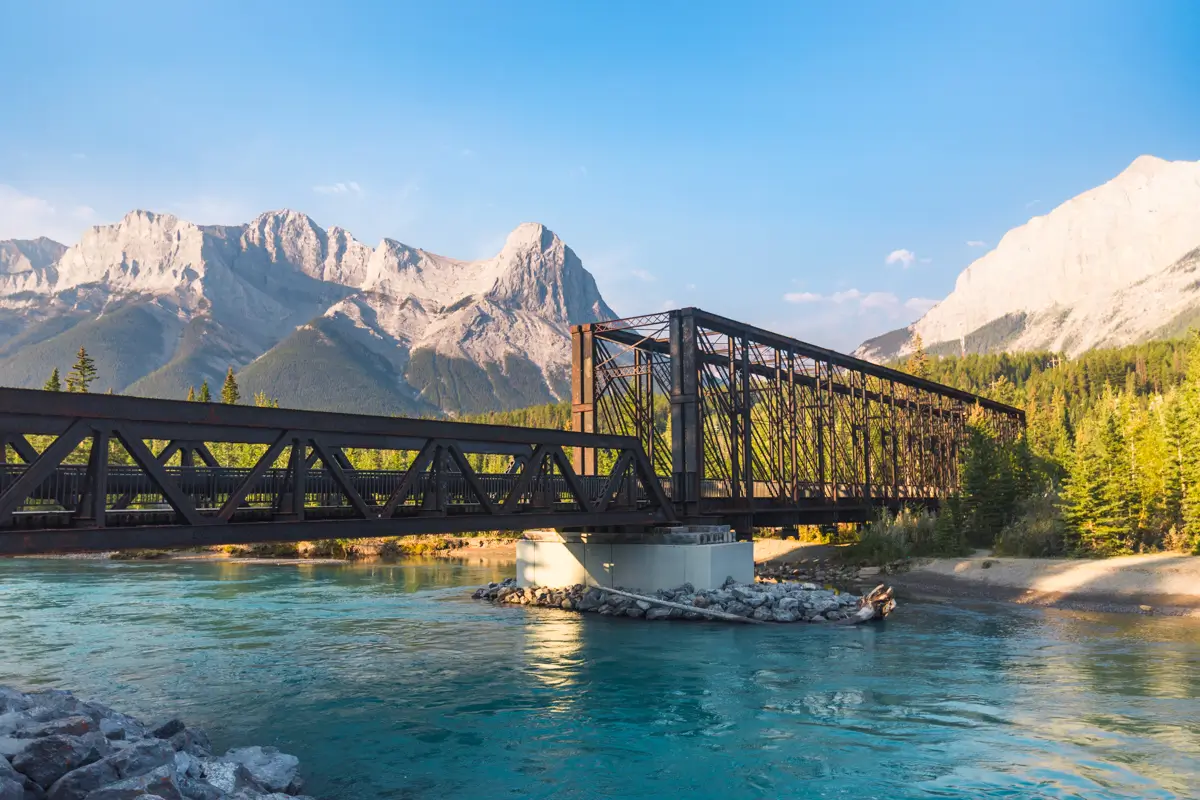
27. Drink at Where the Buffalo Roam Saloon
Where the Buffalo Roam was opened in Canmore in 2014 by Oona Davis, and is the best place for cocktails in town. The bar sits on Main Street and focuses on craft cocktails, Canadian spirits, local beer, wine, and shareable food. Keep an eye out for Alberta and Canadian bottles from distilleries such as Wild Life, Eau Claire, Confluence, Park, and Odd Society. It’s the kind of place where I wouldn’t normally spend money on food (the more you spend on food the less you have for cocktails is my philosophy) but, having tried the food here, I have to admit that it’s excellent and well worth trying as well. Think share plates and nothing too heavy.

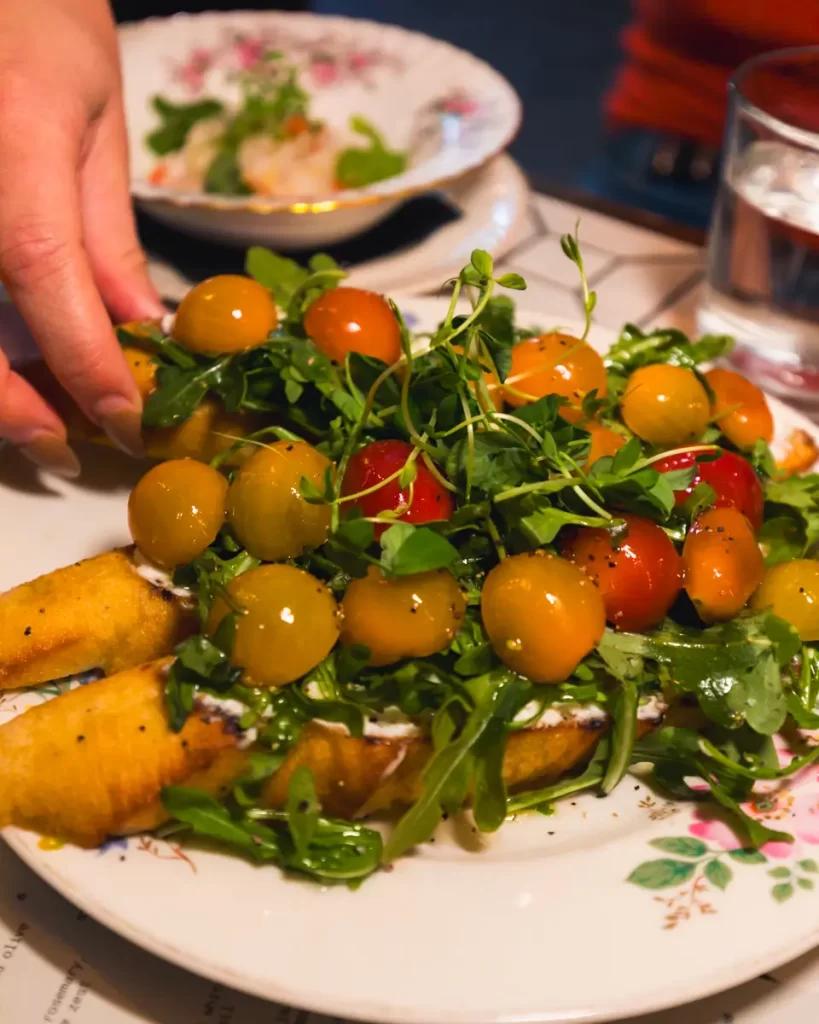
28. Go Canyoning in Heart Creek Canyon
Bow Valley Canyon Tours was established in 2015 as a guided canyoning operator based in the Canmore and Banff area. Their trips take visitors into narrow canyons where you move through waterfall rappels with a guide handling the technical setup. The beginner Heart Creek Canyon trip is the most accessible option, with an approach from the Heart Creek area and a route that introduces rappelling, scrambling, creek travel, and moving through a limestone canyon without needing previous canyoning experience, though the company also runs longer and more technical trips in the area.
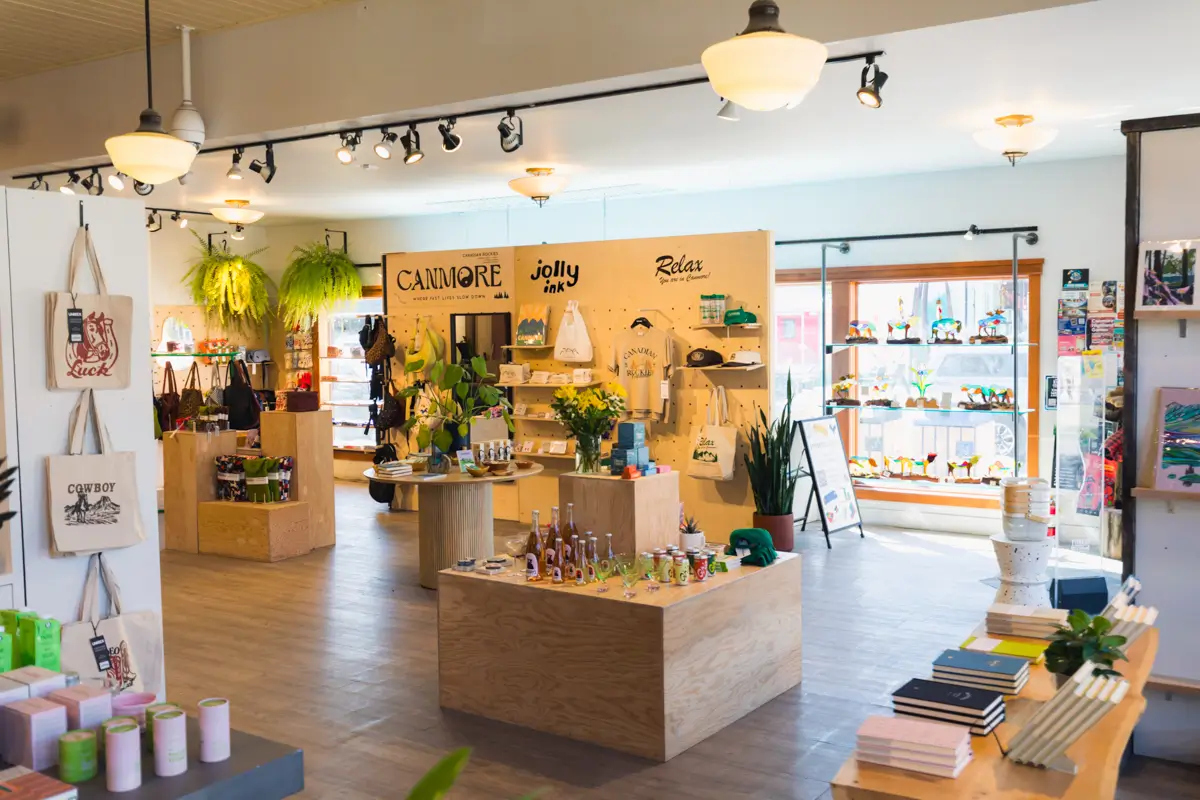
29. Get Lost in Stonewaters
Stonewaters was launched in Canmore in 1999 by childhood friends Tim Nokes and Mike Gordon, with a focus on design, home goods, and giftable items. The Main Street shop carries candles, cards, bath products, textiles, bags, hats, prints, playing cards, children’s items, clothing, accessories, Canmore-themed goods, and mountain-inspired housewares. Basically it’s a really big store full of cool stuff, that’s a bit of a must-stop if you’re browsing the shops of Main Street.
30. Eat at Crazyweed Kitchen
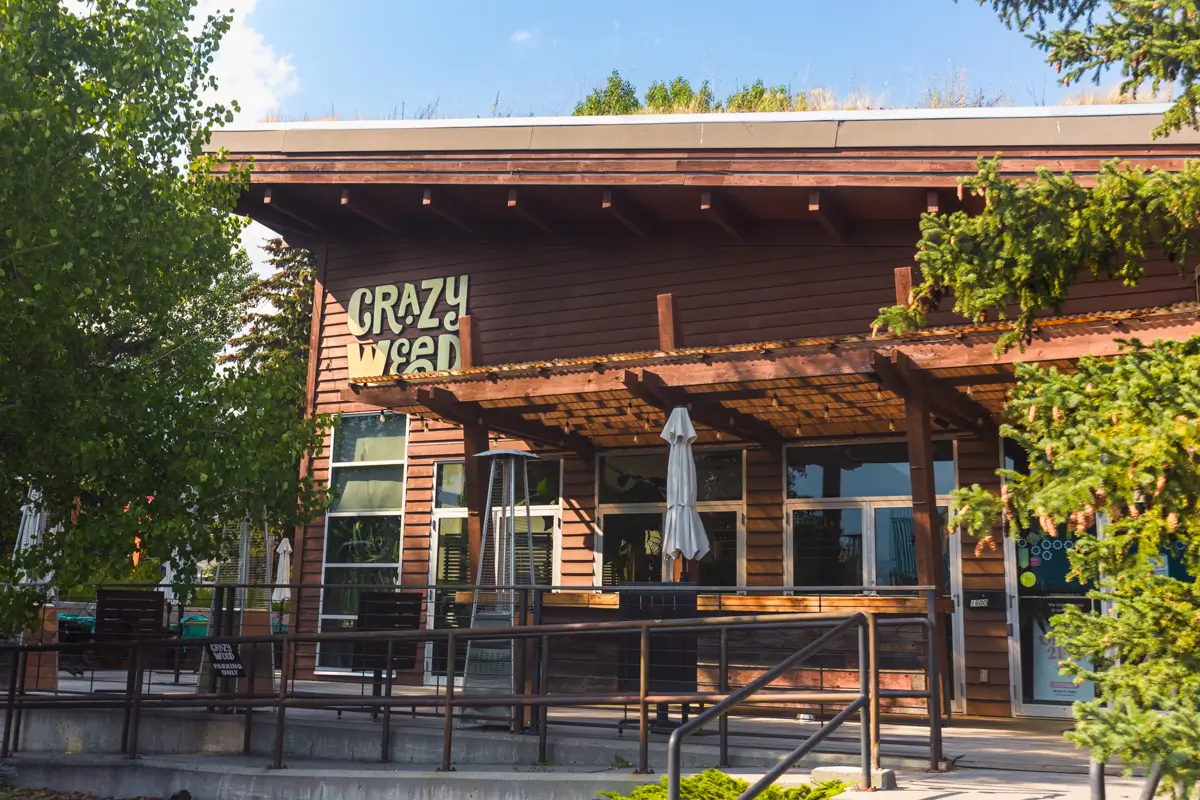
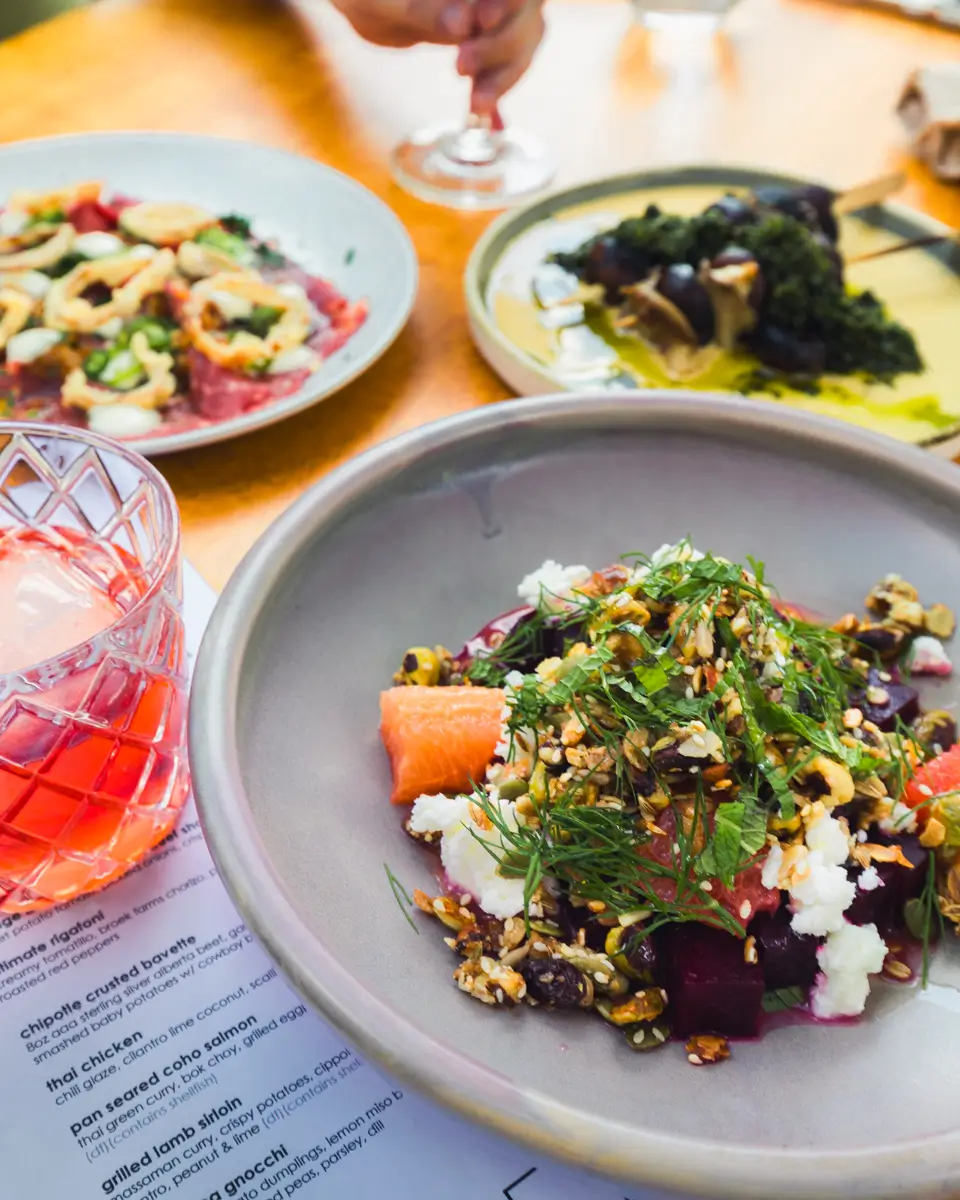
Crazyweed Kitchen was opened in Canmore in 1997 by Jan and Richard Hrabec, and it has stayed in the family, with Eden Hrabec and Wyatt Hrabec now part of the kitchen’s next generation. The restaurant is known for an eclectic globally-inspired menu built around local ingredients, and is probably my favourite restaurant in Canmore. I’m especially a fan of the beef tartare and the prawn ceviche, but it’s also woth mentioning that they make a lovely cocktail as well. Opt for the outdoor patio if you can in summer.
31. Hike Wind Ridge
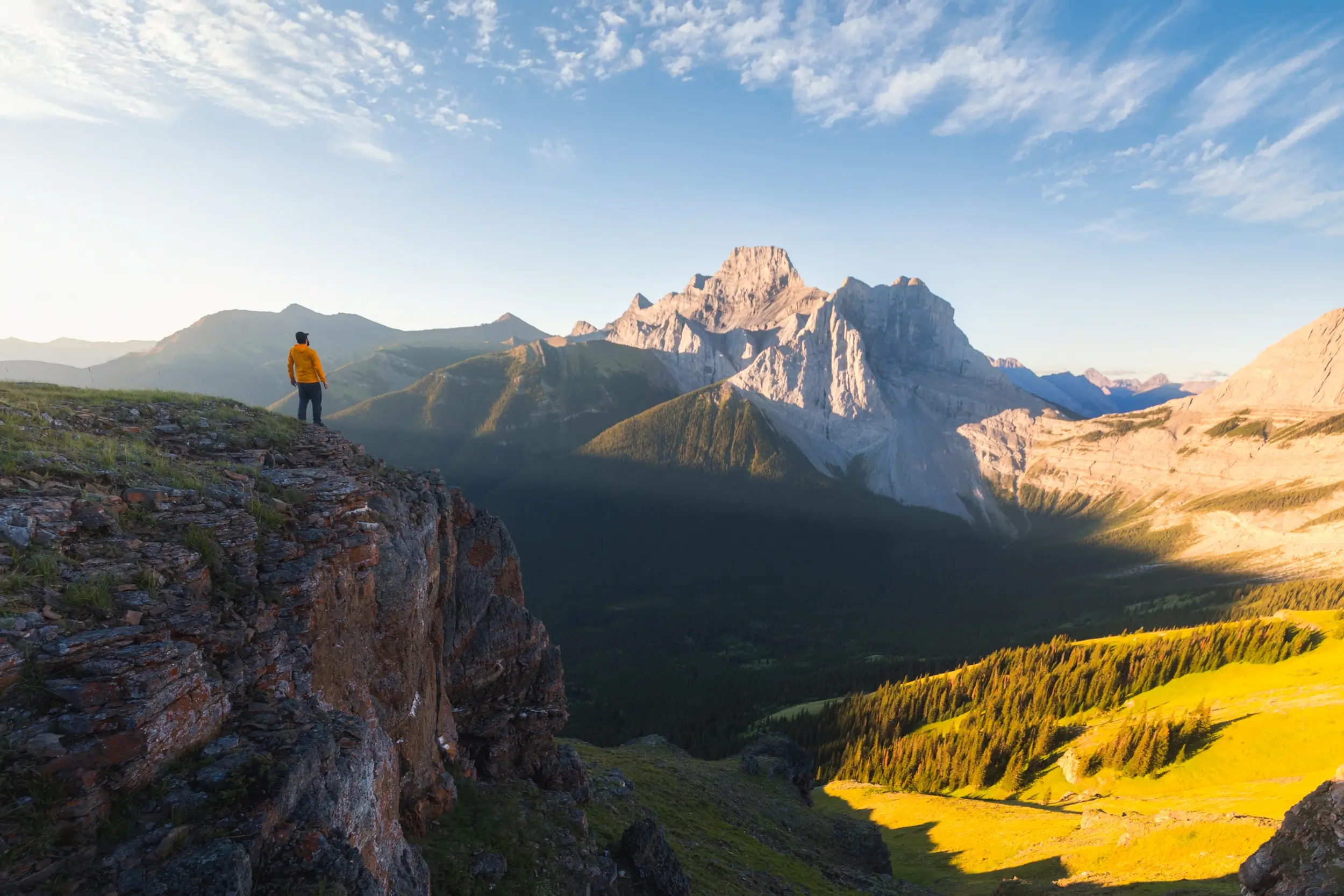
Wind Ridge sits above the Wind Valley area near Dead Man’s Flats, east of Canmore, and the name is fairly literal. This side of the Bow Valley has a whole cluster of windy names, including West Wind Pass, Windtower, and nearby Mount Lougheed, which was called Wind Mountain in early survey records. The hike is a bit of a slog as it climbs from forest into open ridge terrain, where the views widen toward the Bow Valley, Mount Lougheed, Rimwall, Windtower, the Three Sisters, and the peaks around Canmore. The Wind Valley and Wind Ridge area closes annually from December 1 to June 15 to protect winter range for elk and bighorn sheep, so this is a summer and fall objective.
32. Browse Canmore’s Art Galleries
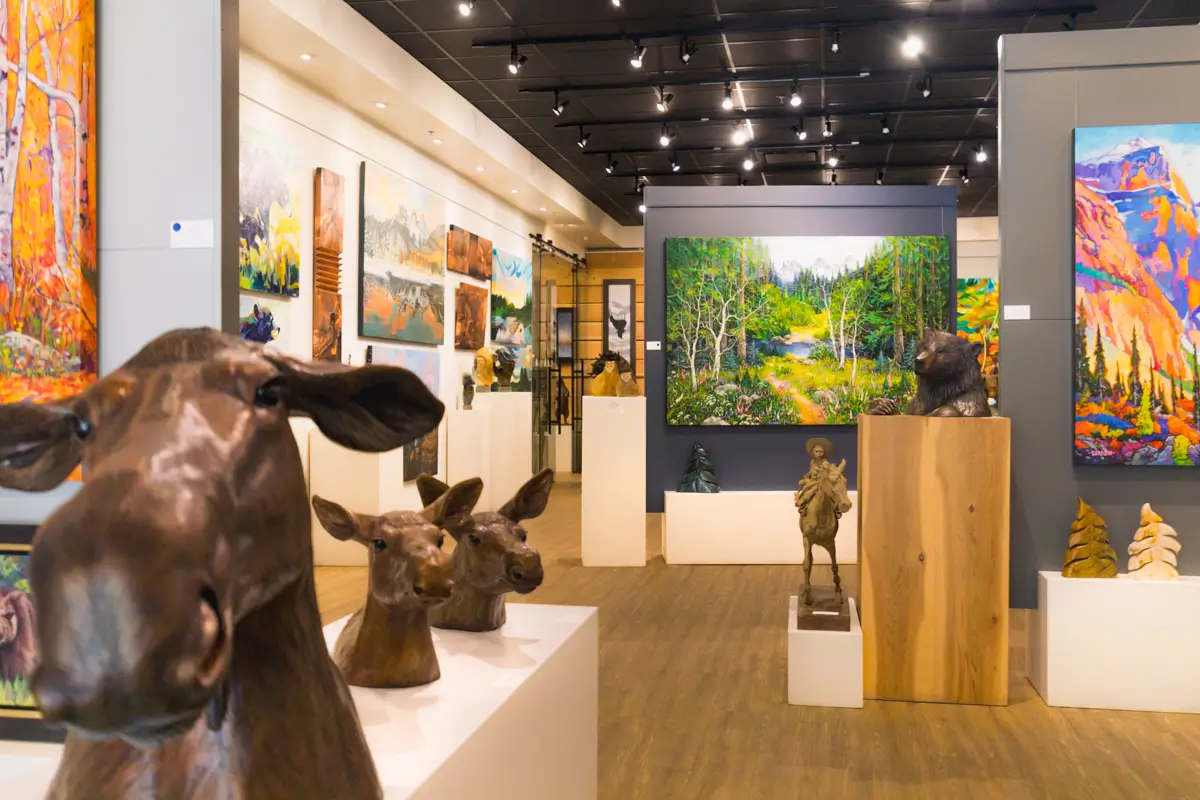
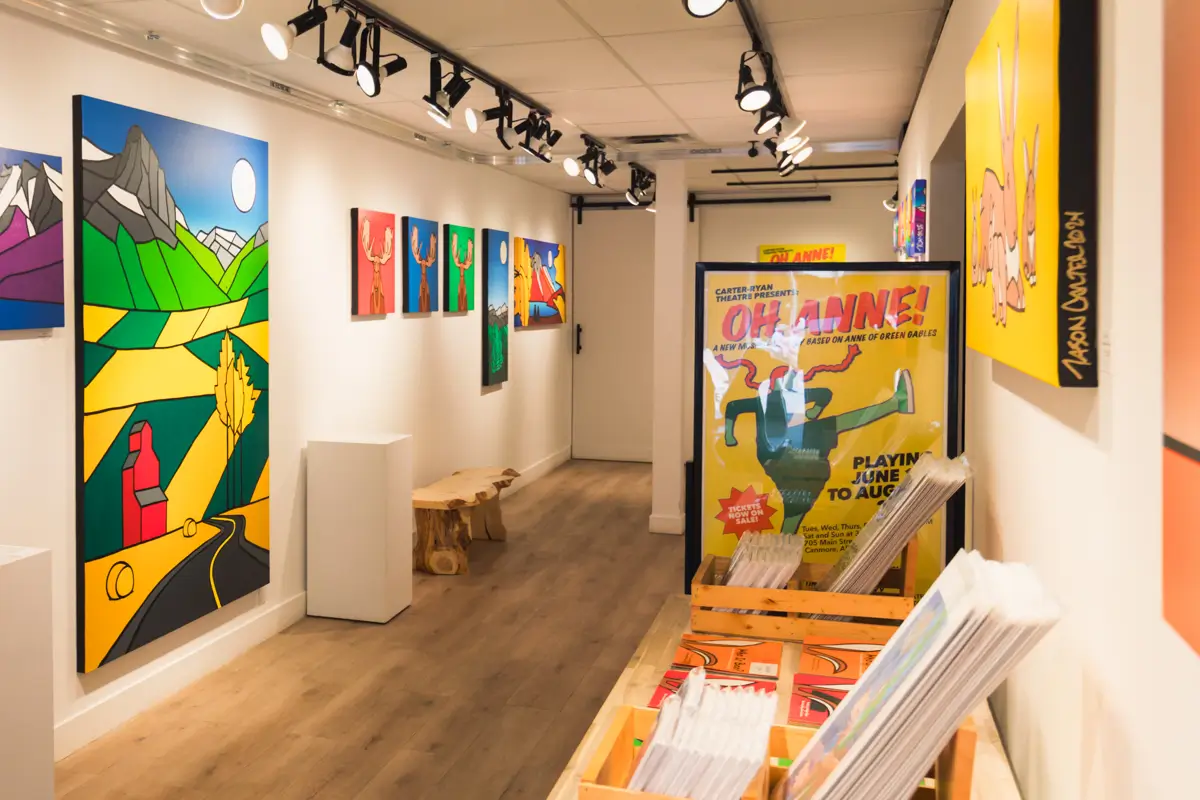
Canmore’s Main Street has a spread of small but worthwhile galleries, which makes it easy to add some local art browsing between coffee, lunch, and wandering through downtown, especially if you like pictures of mountains. Avens Gallery has been open since 1986 and represents more than 40 local and Western Canadian artists, with paintings, sculpture, bronze, soapstone, mixed media, mosaics, copper, steel, and wood-based work. Carter-Ryan Gallery focuses on the paintings and soapstone sculpture of Jason Carter, an Indigenous artist from Little Red River Cree Nation, and also operates as a small live theatre venue. Jeff Walker Gallery has a focus on Walker’s own Rocky Mountain landscape photography, including large-format prints of Canmore, Banff, Kananaskis, and the wider Canadian Rockies. There are also several more galleries and studio spaces around town that you’ll stumble upon as yiou stroll, and even if you’re clearly not buying I’ve never been greeted with anything other than friendliness while looking around.
33. Take a Dog Sled Tour
If you’re visiting Canmore in winter, then taking a dog sled tour is on high on the list of seasonal must-dos. A few local companies run tours that head into the Spray Lakes and Kananaskis area, with options ranging from shorter two-hour outings to half-day trips and longer overnight-style adventures. The winter tours are of course the main draw, but there are also dryland dog-carting tours in warmer months, along with kennel tours where visitors can spend time with the dogs outside the snow season. The dog-carting trips use wheeled carts instead of sleds and usually run in the Kananaskis area from mid-June into fall.

34. Have Brunch at The Bro’Kin Yolk
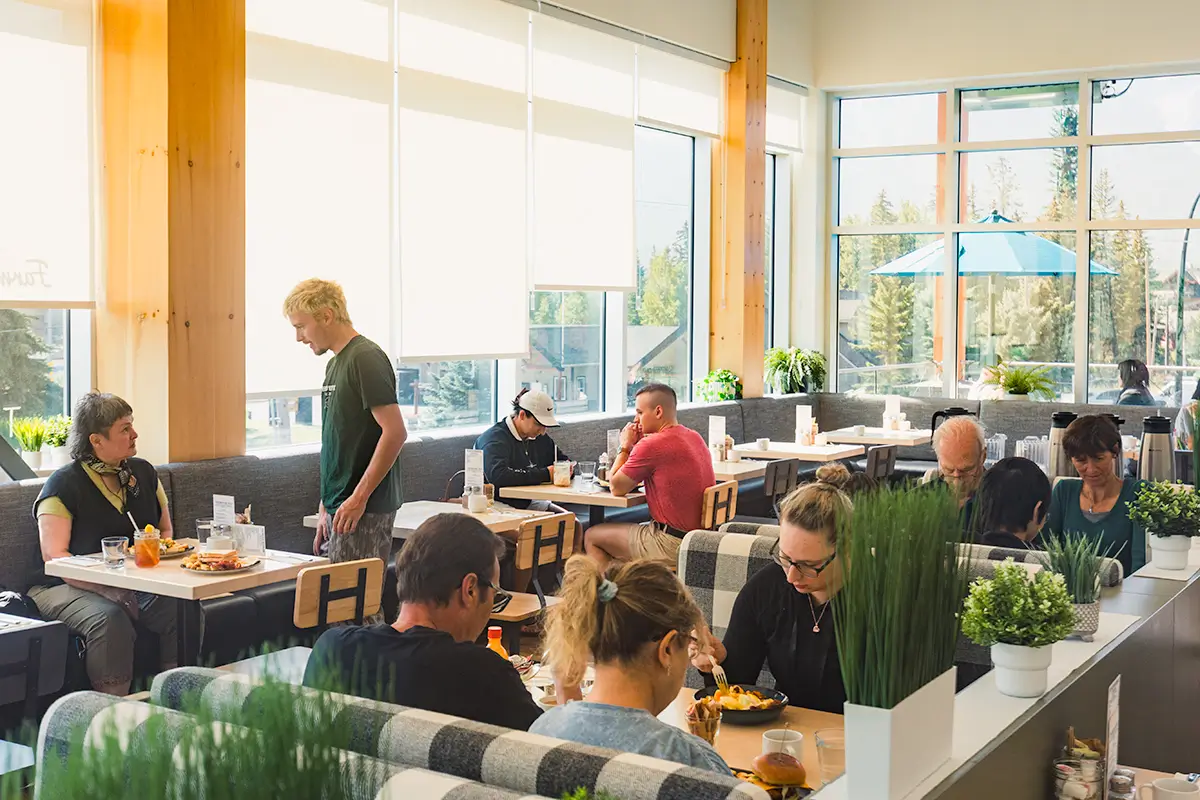
The Bro’Kin Yolk was started in Calgary before expanding into several Alberta locations, including Canmore. The restaurant is all breakfast and lunch. Expect bennies, breakfast skillets, chicken and waffles, avocado toast, burgers, pancakes, and sandwiches. Basically if you’re looking for somewhere to start your day, this is it.
35. Climb Grotto Mountain
Grotto Mountain rises on the north side of the Bow Valley, east of Canmore, and is named for a cave found in the mountain by Eugène Bourgeau and James Hector in 1858. The mountain is also home to Rat’s Nest Cave, the guided wild-cave system beneath Grotto Mountain, and to Grotto Canyon, where the creek narrows between limestone walls below ancient pictographs. From town, it’s one of the more imposing peaks on the Canmore skyline.
The main hiking route usually starts near the Alpine Club of Canada clubhouse and climbs steadily through forest before reaching the upper ridge. From there, the route follows a long, open traverse toward the summit, with wide views over Canmore, the Bow Valley, the Three Sisters, Mount Lady MacDonald, and the Fairholme Range. It’s a full-day objective that isn’t necessarily super technical, it’s just a long slog.
36. Explore Heart Creek Bunker
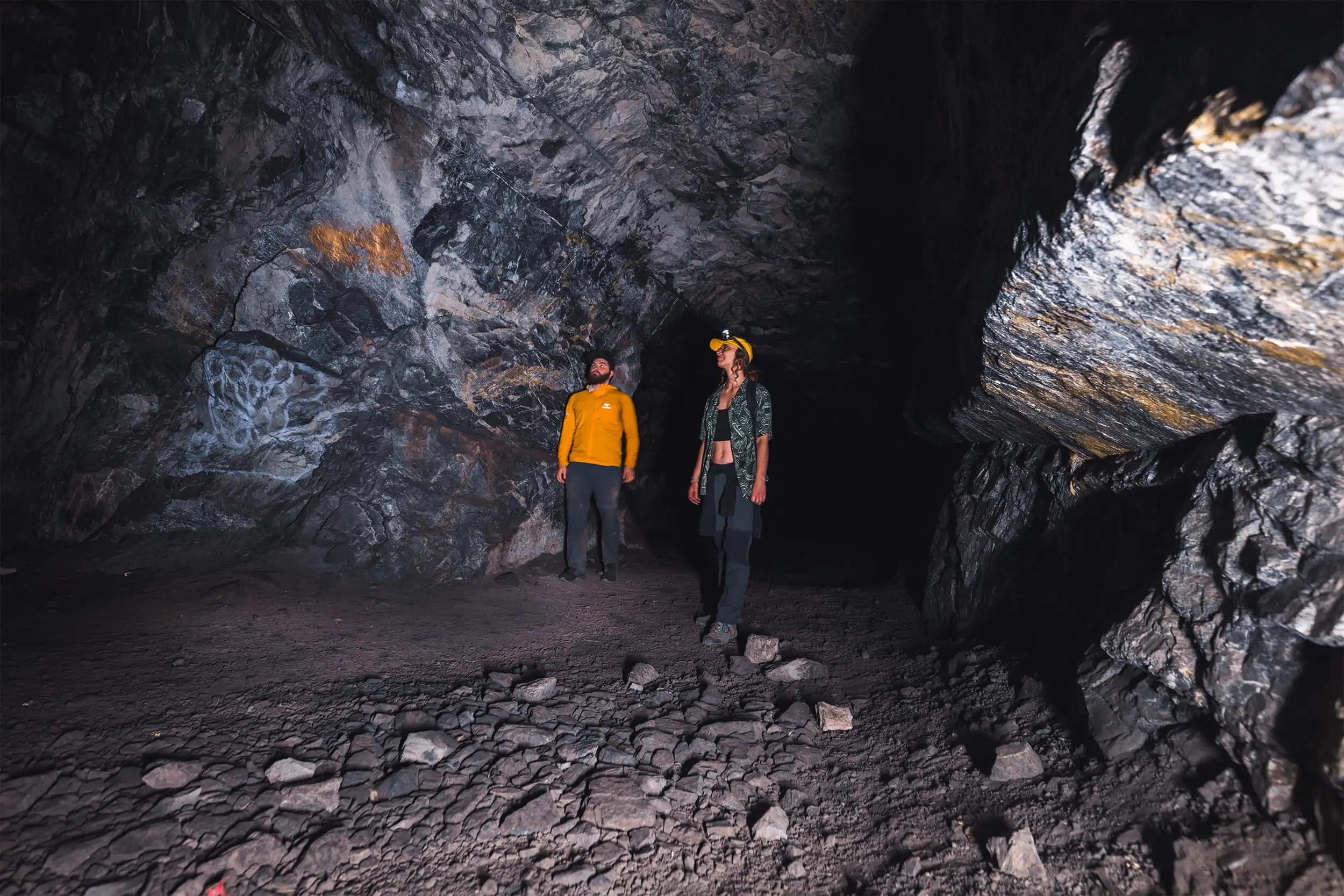
The Heart Creek Bunker is an abandoned Cold War-era tunnel built into the side of McGillivray Mountain near the Heart Creek day-use area, about 15 minutes east of Canmore. The bunker was intended as a secure storage site for documents during the Cold War, but the project was abandoned before it became a functioning facility. What’s left is a long, dark rock tunnel cut into the mountain.
The hike itself isn’t particularly scenic, and roughly starts from the Heart Creek parking area, following the Trans Canada Trail before climbing toward the bunker entrance. The trail is fairly short, but the final approach is a little steeper. The tunnel itself is completely dark once you get past the entrance, so bring a headlamp or flashlight if you want to go inside without getting super creeped out.
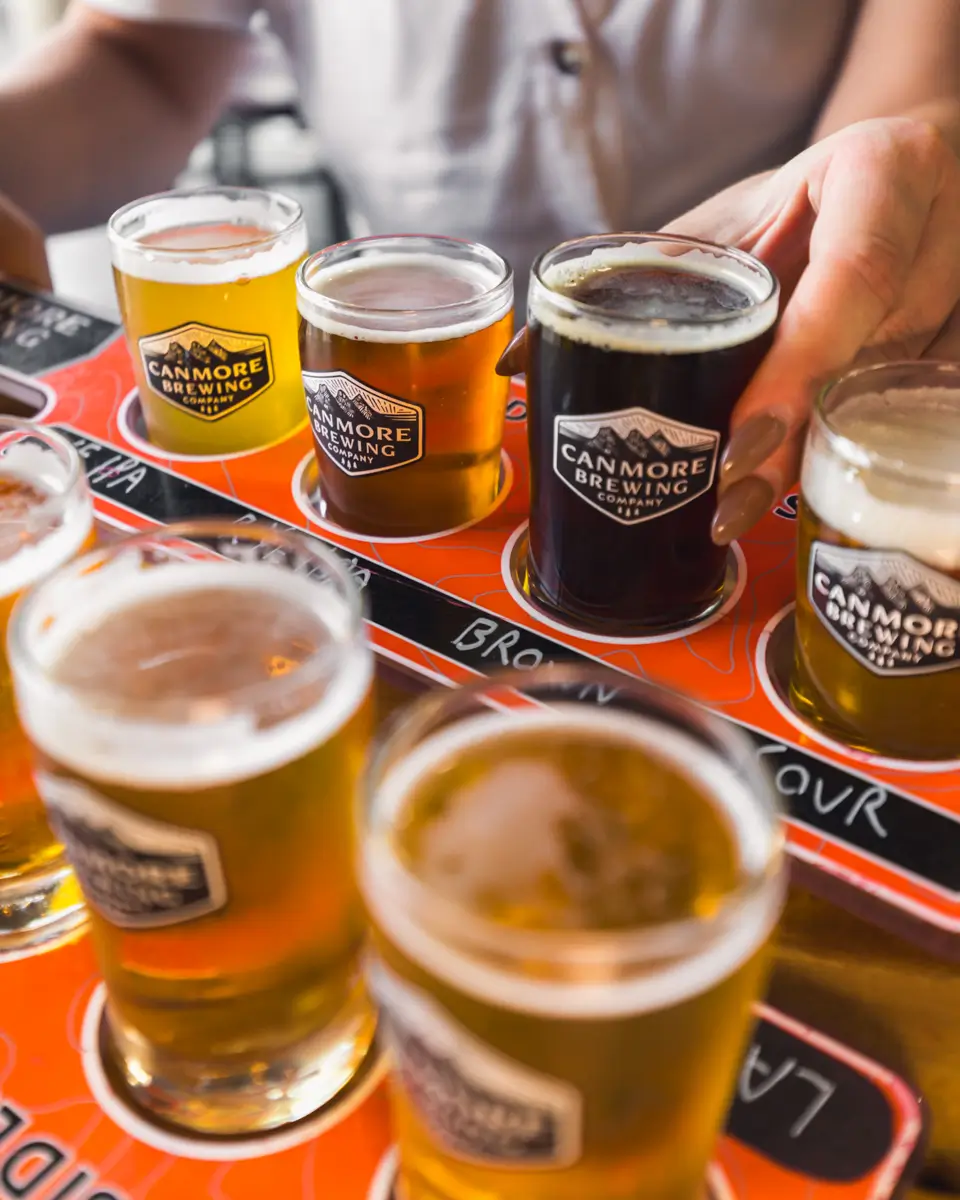
37. Drink at Canmore Brewing Co.
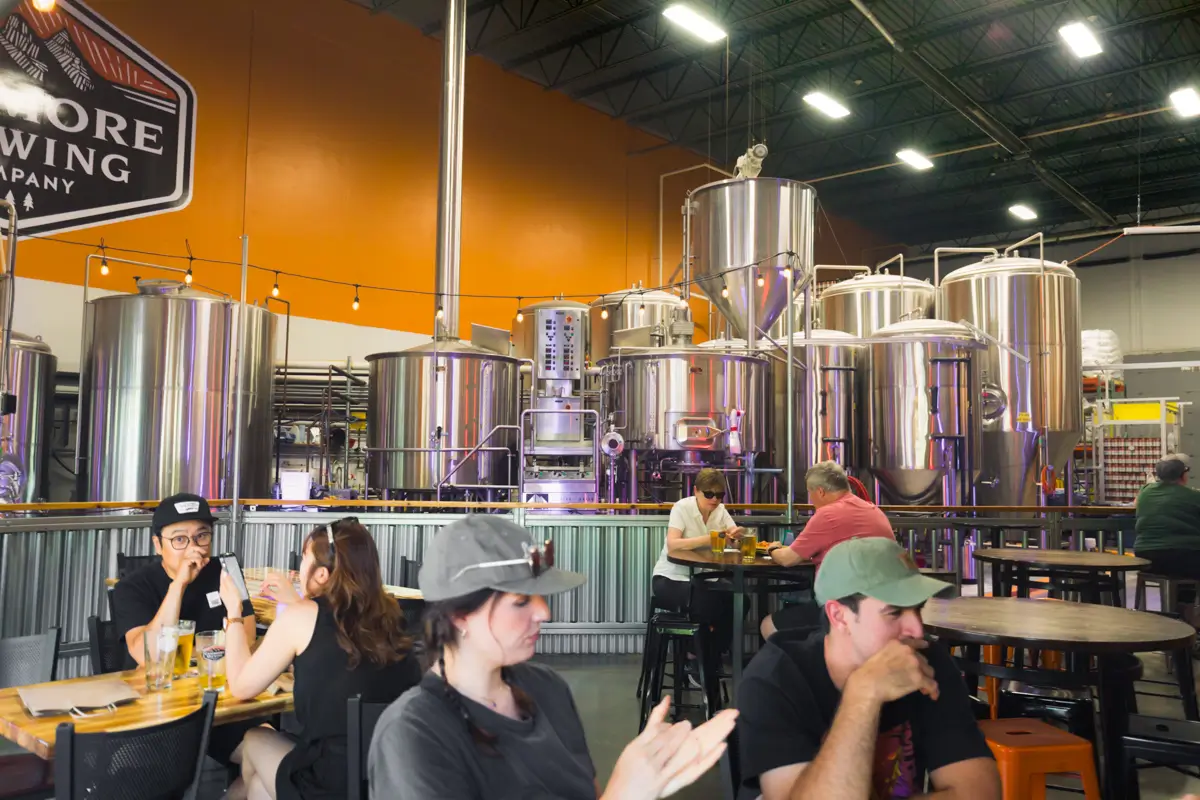
Canmore Brewing Company was founded in 2015 by Brian Dunn, starting with homebrewing in a garage before opening its Railway Avenue brewery and taproom in early 2017. The taproom is just around the corner from Core Values Cider and Crazyweed just off of Railway Ave, making it ideal to hit up these spots together. The large seating area is nicely designed to really feature the brewing floor, which always wins points from me.
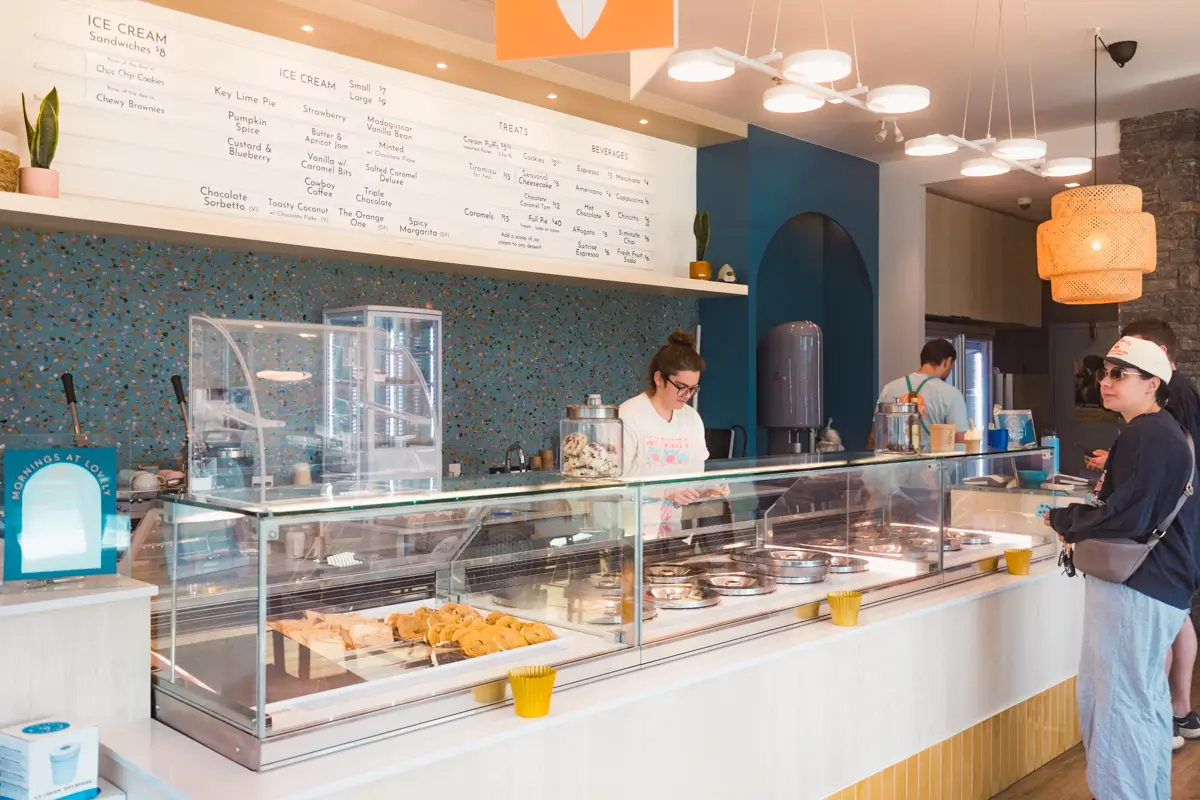
38. Cool Off at Lovely Ice Cream
Lovely Ice Cream operates out of the Shops of Canmore, giving the town a small-batch ice cream shop that makes its flavours in-house, though they’re known for their ice cream sandwiches in particular. Despite being one of the newest businesses on this list, they’ve amassed quite a cult following and can become quite busy. Fortunately the beautifully designed shop has plenty of seating. Flavours change, but examples include Custard Blueberry, Roasted Banana, Strawberry Balsamic, Minted, Cookie Dough, Salted Caramel, Lemon Squeeze, Pina Colada, and Chocolate Gelato.


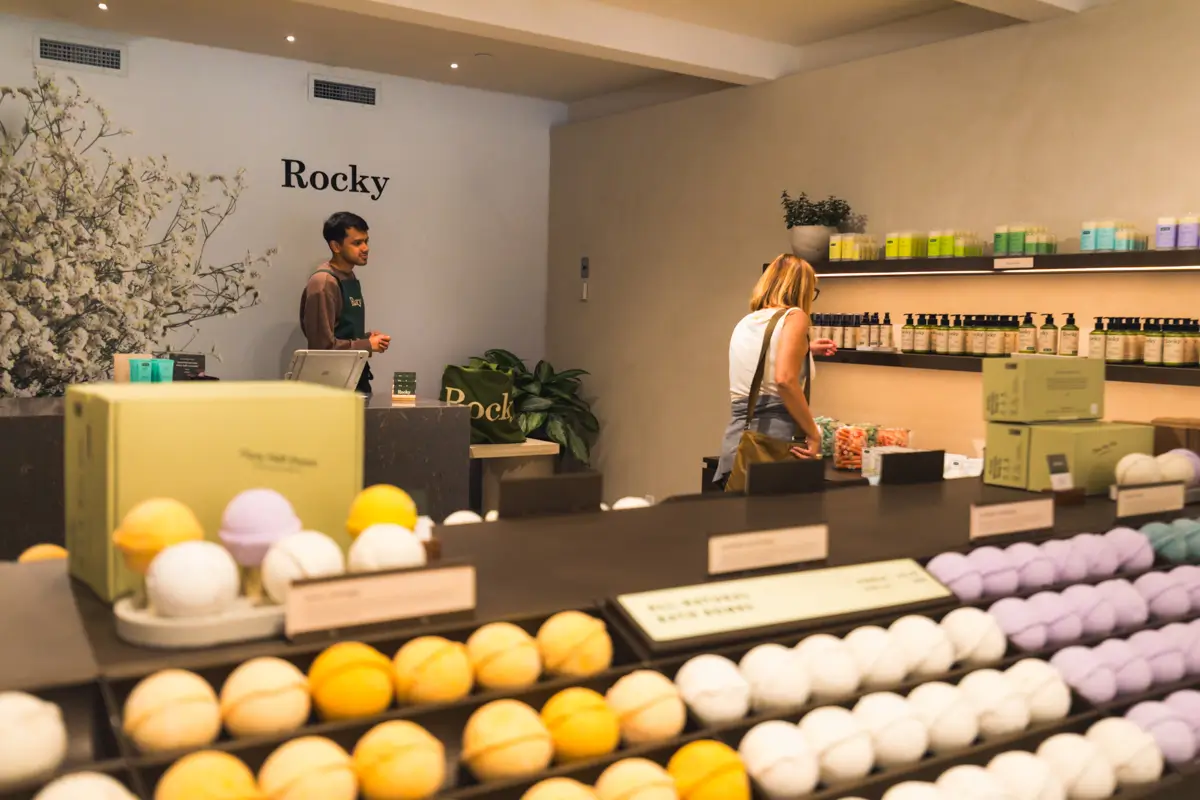
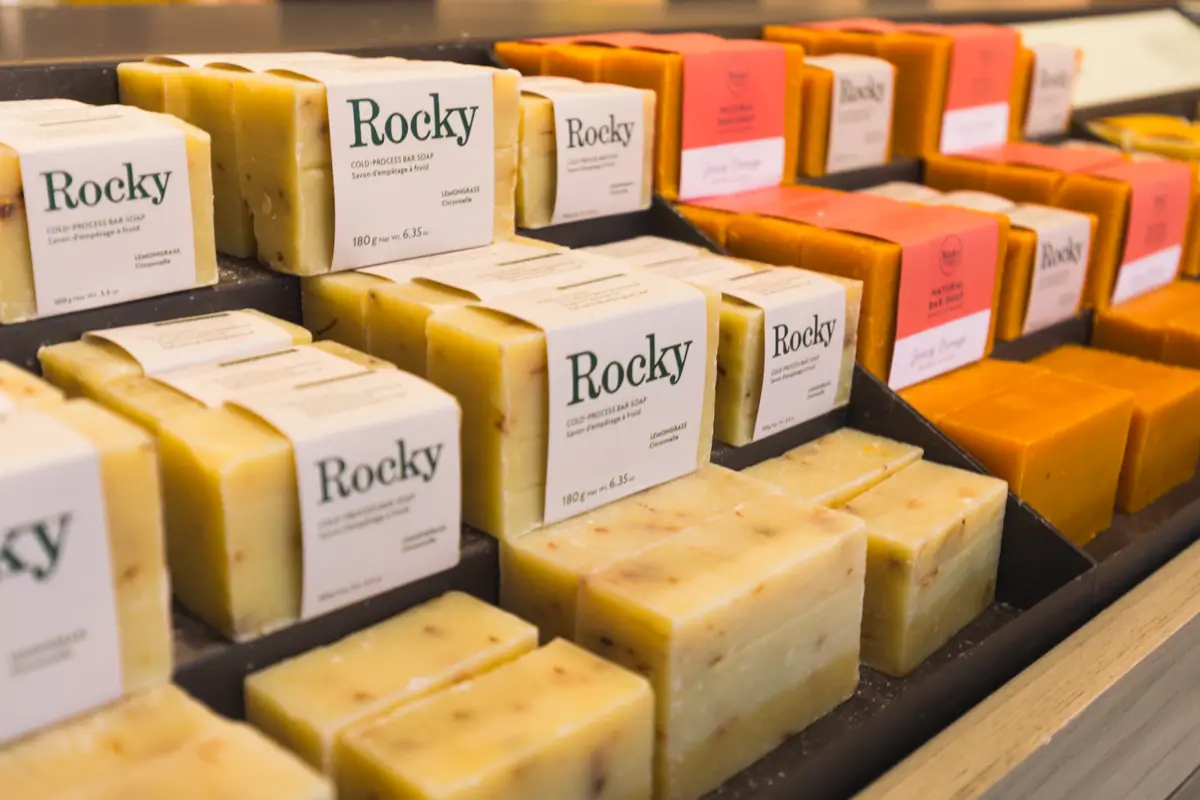
39. Shop at Rocky Mountain Soap Co.
Rocky Mountain Soap Company was founded in Canmore in 2000 by Karina Birch and Cam Baty, growing from a small local soap maker into one of the better-known natural body-care brands in Western Canada. The shelves cover bar soaps, body wash, shampoo and conditioner, hand cream, body butter, lip balm, deodorant, bath bombs, facial skincare, shaving products, essential oils, and gift sets.
40. See the Canmore Hoodoos
This is one spot that doesn’t end up on many travel blogs for some reason. The Canmore Hoodoos sit on the east side of town, where a short viewpoint walk leads to a small cluster of eroded sandstone pillars overlooking the Bow Valley. Hoodoos form when softer sedimentary rock erodes around harder caprock, leaving narrow columns that can look almost sculpted from a distance. Canmore’s hoodoos might be modest compared with the larger formations in Drumheller, but from this spot you also get a clear look across town toward Ha Ling, Mount Rundle, the Three Sisters, and the Bow River corridor.
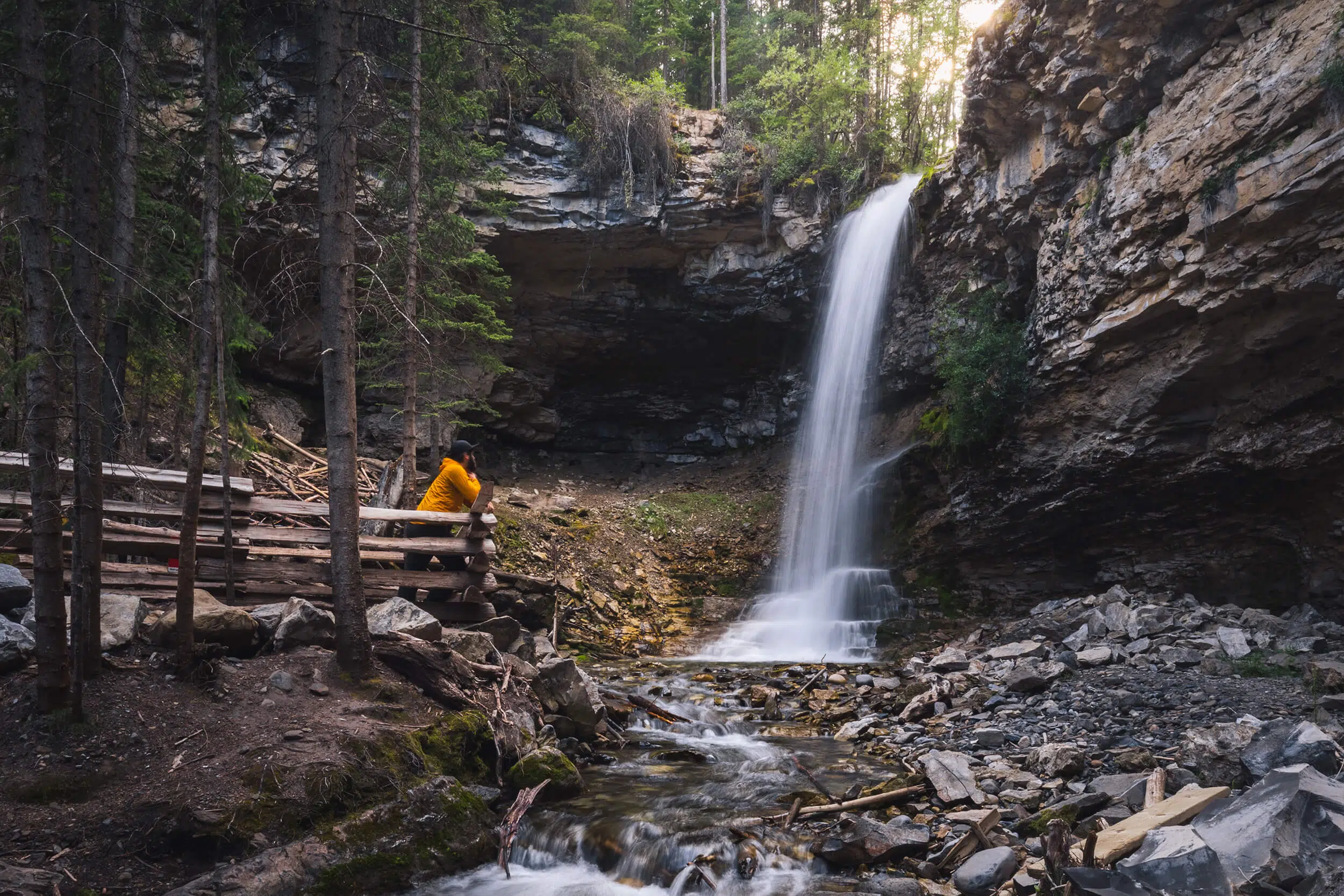
41. Explore Kananaskis Country
Kananaskis is the main reason staying in Canmore gives you more than just easier access to Banff. The region stretches south and east of town across provincial parks, wildland areas, public land, valleys, ridges, lakes, and high passes, with trails ranging from short walks like Troll Falls and Cat Creek Falls to bigger days on Tent Ridge, West Wind Pass, Rawson Lake, Sarrail Ridge, Wasootch Ridge, and Yates Mountain. A Kananaskis Conservation Pass is required for vehicles parked at provincial park and public land sites in Kananaskis and the Bow Valley.
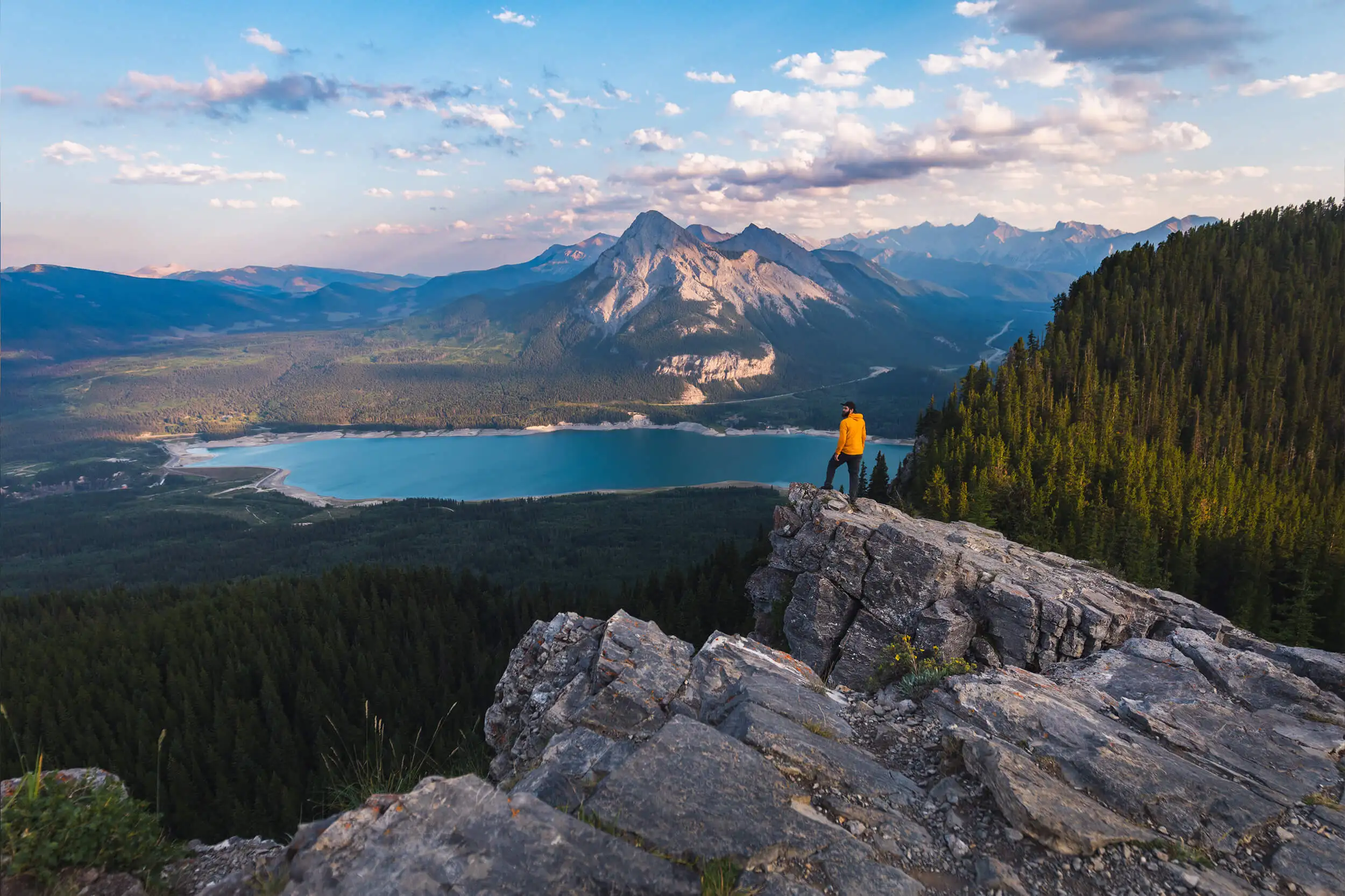
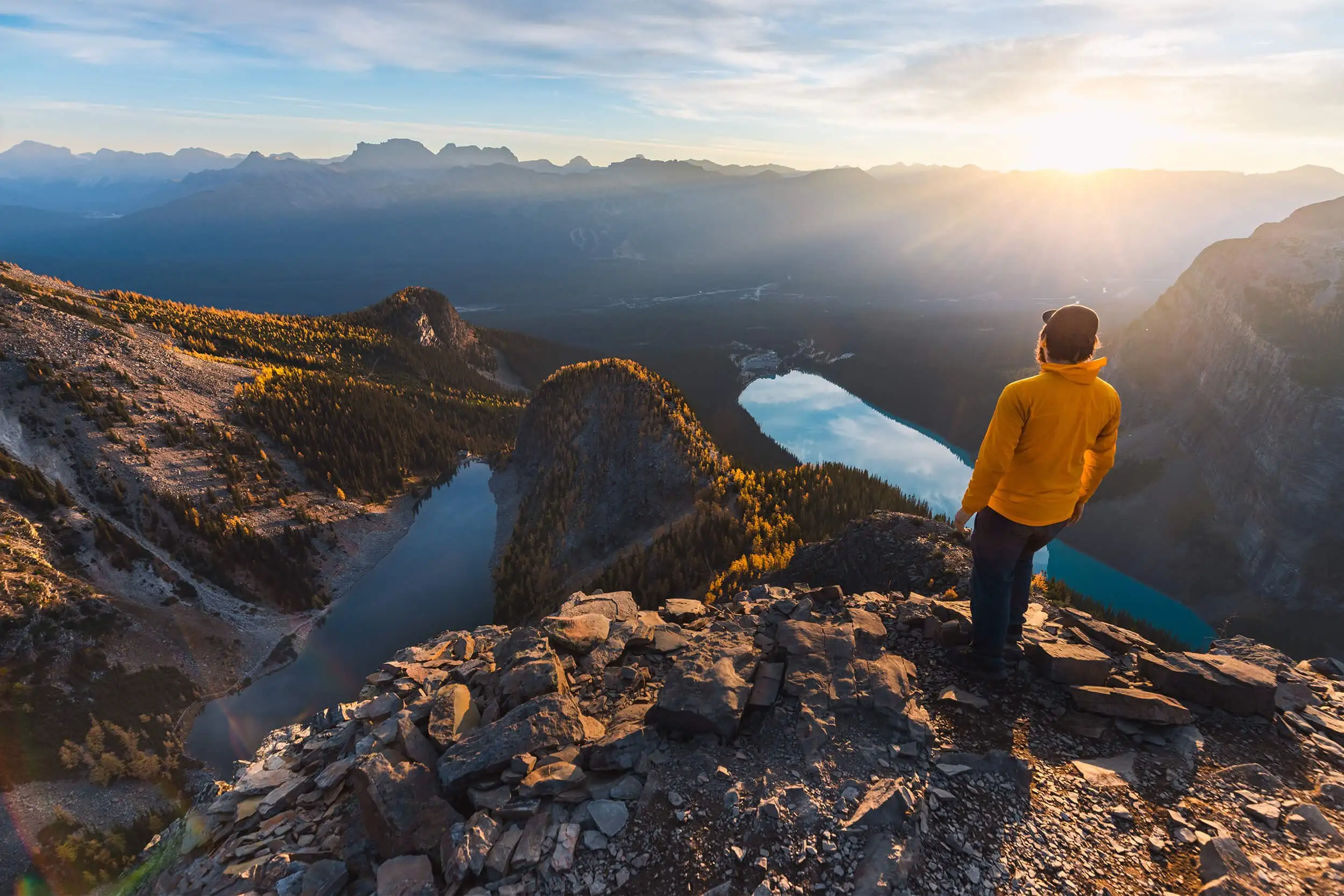
42. Head Up to Banff
Banff National Park is only about 15 minutes from Canmore, which makes it easy to visit without basing yourself in the Banff townsite. Staying in Canmore gives you more space, cheaper and better food and drink options, and quick access to Kananaskis, while the Banff townsite gives you the classic national park sights: Banff Avenue, Cascade Mountain, the Bow River, the Banff Springs, Sulphur Mountain, a million tourists crawling everywhere, etc. The two towns are close enough that logistically it matters little where you stay, with the only exception being that finding parking in Banff can be a hassle if you’re driving in later in the day. Of course, I suggest putting in the driving time to explore Banff further than the townsite, with spots like Lake Louise, Moraine Lake, and Johnston Canyon being on most people’s to-do list.