
Weather in the Philippines shifts sharply between its dry and wet seasons – this month-by-month travel guide breaks down the best and worst times to visit.
The best time to visit the Philippines is from December to May, when most of the country enjoys drier, sunny weather and calm seas. January to March are the coolest and most comfortable months, while April and May bring hotter days perfect for beaches and diving. From June to October, the southwest monsoon – known locally as Habagat – brings rain and humidity to much of the country, though conditions vary widely between islands.
The Philippines has a tropical climate, meaning it’s warm all year, with average daytime temperatures around 30 °C and only small differences between seasons. Instead of spring, summer, fall, and winter, the country has two main weather patterns shaped by the monsoons: Amihan, the northeast monsoon, which brings cool, dry air from November to May; and Habagat, the southwest monsoon, which carries warm, moist air from June to October. Both the wet season and the hot season influence everything from fishing and farming to festivals and surf seasons.
One of the biggest mistakes travellers make when planning their trips to the Philippines is thinking that the hot season isn’t wet, and the wet season isn’t hot. Regardless of what month you visit, it will be wet, and it will be hot – just probably one more than the other.
Here’s a breakdown of what to expect each month – covering weather, travel conditions, and local events – so you can plan your trip with confidence.
- Philippines Climate Overview
- Philippines Weather by Month
- Weather in the Philippines in January
- Weather in the Philippines in February
- Weather in the Philippines in March
- Weather in the Philippines in April
- Weather in the Philippines in May
- Weather in the Philippines in June
- Weather in the Philippines in July
- Weather in the Philippines in August
- Weather in the Philippines in September
- Weather in the Philippines in October
- Weather in the Philippines in November
- Weather in the Philippines in December
Philippines Climate Overview
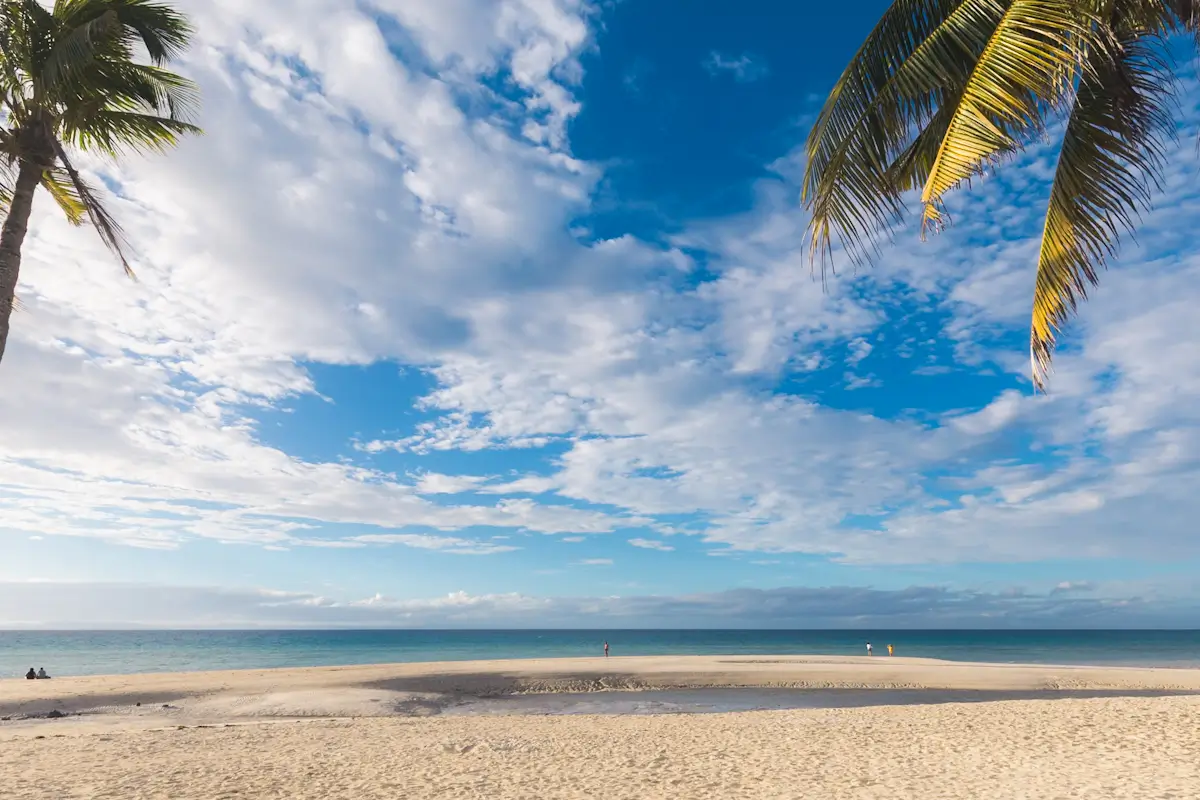
Weather in the Philippines isn’t uniform, and understanding the country’s basic geography helps explain why. The archipelago is divided into three main island groups: Luzon in the north, the Visayas in the centre, and Mindanao in the south. Luzon is home to the capital, Manila, along with the cooler mountain provinces of Banaue, Sagada, and Baguio. TheVisayas include popular islands like Cebu, Bohol, and Siquijor, known for beaches and diving. Mindanao, the largest and southernmost region, includes Davao and the surf island of Siargao.
The western islands – Palawan, Cebu, Bohol, and much of Luzon – follow the classic dry-season pattern from November to May, with rain arriving mid-year. The eastern coasts – Siargao, Samar, and Bicol – often experience the opposite, staying drier during the Habagat months when the west gets rain. The highlands of northern Luzon stay cooler year-round, while Mindanao’s southern lowlands are warm and humid in every season.
Philippines Weather by Month
Because the weather changes so much across the islands, the best way to plan your trip is to look at conditions month by month. Below, I’ve put together a breakdown of what to expect in each period of the year – covering rainfall, temperatures, travel conditions, and major festivals – to help you choose the ideal time for your visit.
Weather in the Philippines in January
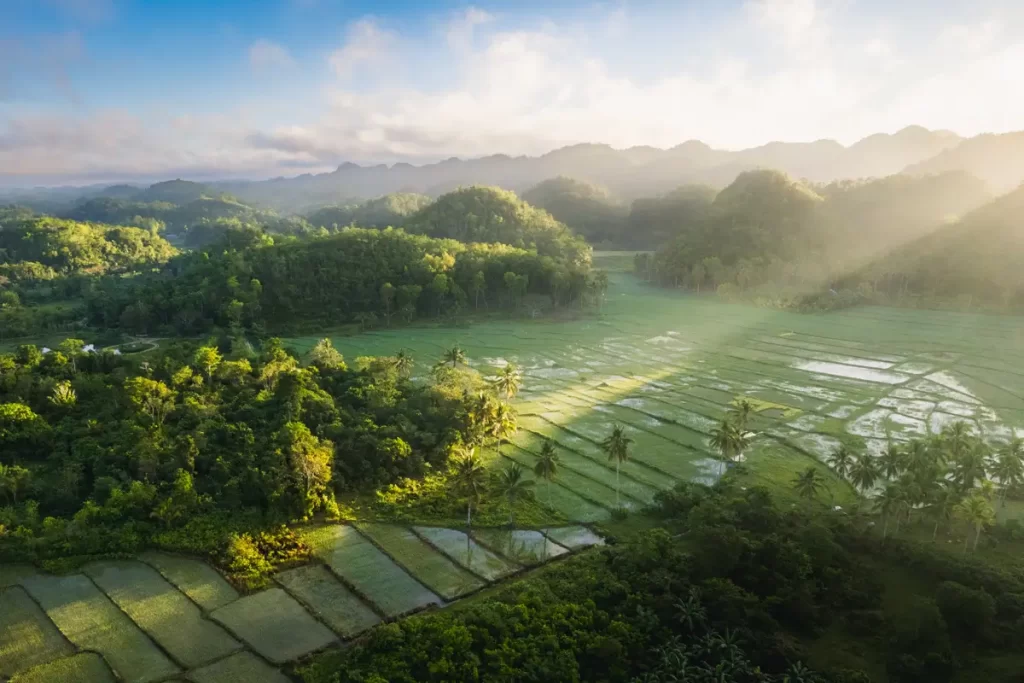
January is one of the very best months to visit the Philippines. Amihan (the northeast monsoon) brings cool, dry air from the north, keeping temperatures comfortable and humidity low across most of the country. Luzon and the Visayas enjoy long stretches of clear skies, light winds, and calm seas – ideal for island-hopping, diving, and overland travel. Manila, Cebu, and Bohol are consistently sunny, while Palawan and Siargao stay warm and dry. Only the far eastern coasts of Mindanao and Samar still see the occasional passing shower from the fading monsoon winds.
It’s the peak of the tourist season, so expect busy airports, booked-out ferries, and high hotel occupancy, especially around major festivals. Diving conditions are excellent around Moalboal, Panglao, and Apo Island near Dumaguete, while the calm seas make longer boat routes between Palawan, Cebu, and Bohol dependable. Inland, cooler mountain destinations like Sagada, Banaue, and Tagaytay offer crisp mornings and clear hiking conditions. This combination of steady sunshine and light winds makes January the most reliable month for exploring both coastlines and uplands.
Cebu City hosts the Sinulog Festival, Aklan celebrates Ati-Atihan, and Iloilo follows with Dinagyang, each centred on local devotion to the Santo Niño. In Metro Manila, the International Bamboo Organ Festival begins toward the end of the month, featuring concerts inside the historic St. Joseph Parish Church. Flights and ferries in Cebu City sell out quickly around Sinulog weekend, so it’s worth booking well in advance.
Weather in the Philippines in February
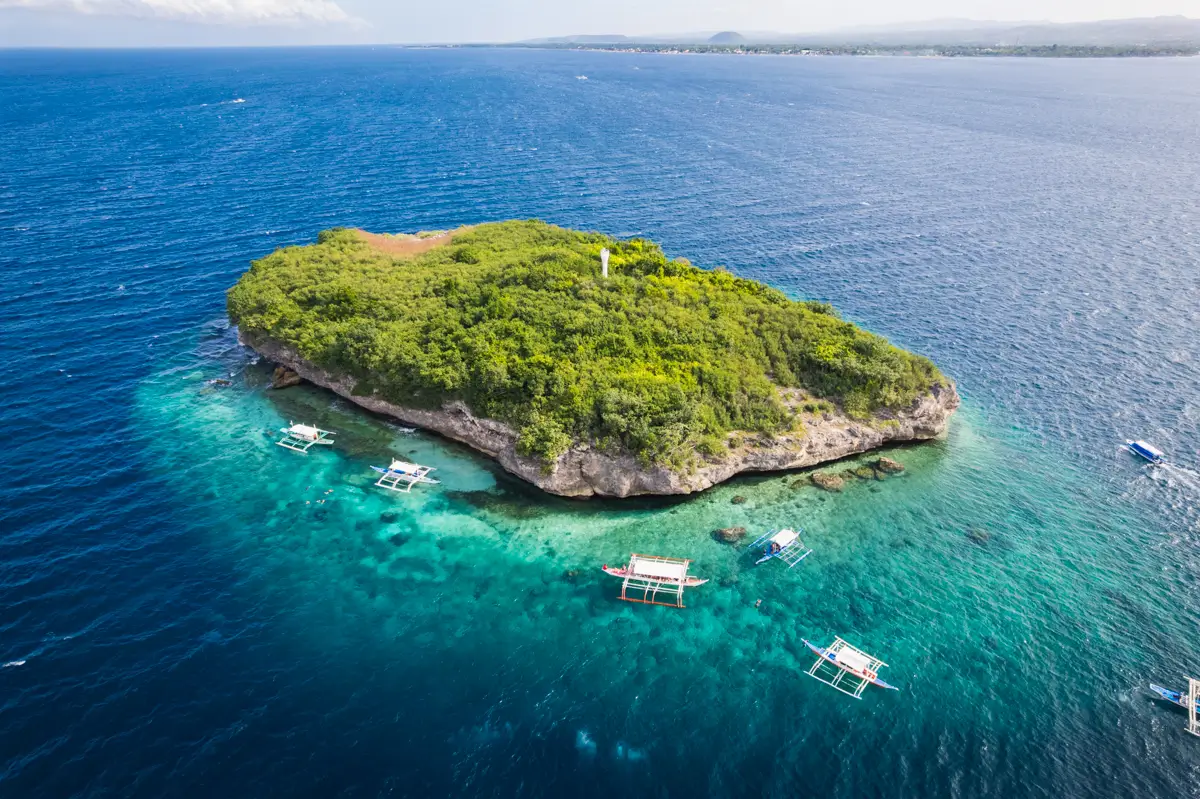
February is another excellent month to visit the Philippines, offering some of the most predictable weather of the year. Amihan keeps skies clear and humidity low across most regions, with daytime temperatures around 30°C and comfortable evenings in the low 20s. Rain is minimal, seas are calm, and travel conditions are ideal for both island-hopping and long-distance ferry routes. Luzon, the Visayas, and northern Mindanao all see bright, stable weather – perfect for moving between Manila, Cebu, Bohol, Palawan, and Siquijor without disruption. Boracay’s beaches begin to see algae blooms, often referred to as lumot season.
Outdoor activities are at their best this month. Hiking trails in Batad, Mt. Pinatubo, and Sagada stay dry and clear, while diving conditions remain exceptional in Moalboal, Panglao, and Apo Island. Surfing continues in Siargao and La Union, and cooler highland towns like Tagaytay and Baguio are comfortable all day. February marks the final stretch of the country’s most pleasant travel window before the hotter months arrive, making it an ideal time to enjoy both beaches and cultural sites under consistently good weather.
Baguio hosts the month-long Panagbenga Festival, filling the city with floral floats, parades, and street dancing while in Metro Manila, Art Fair Philippines draws leading contemporary artists and galleries. Valentine’s week drives up demand in near-to-Manila getaways like Tagaytay and Baguio, so it’s best to secure accommodation early.
Weather in the Philippines in March
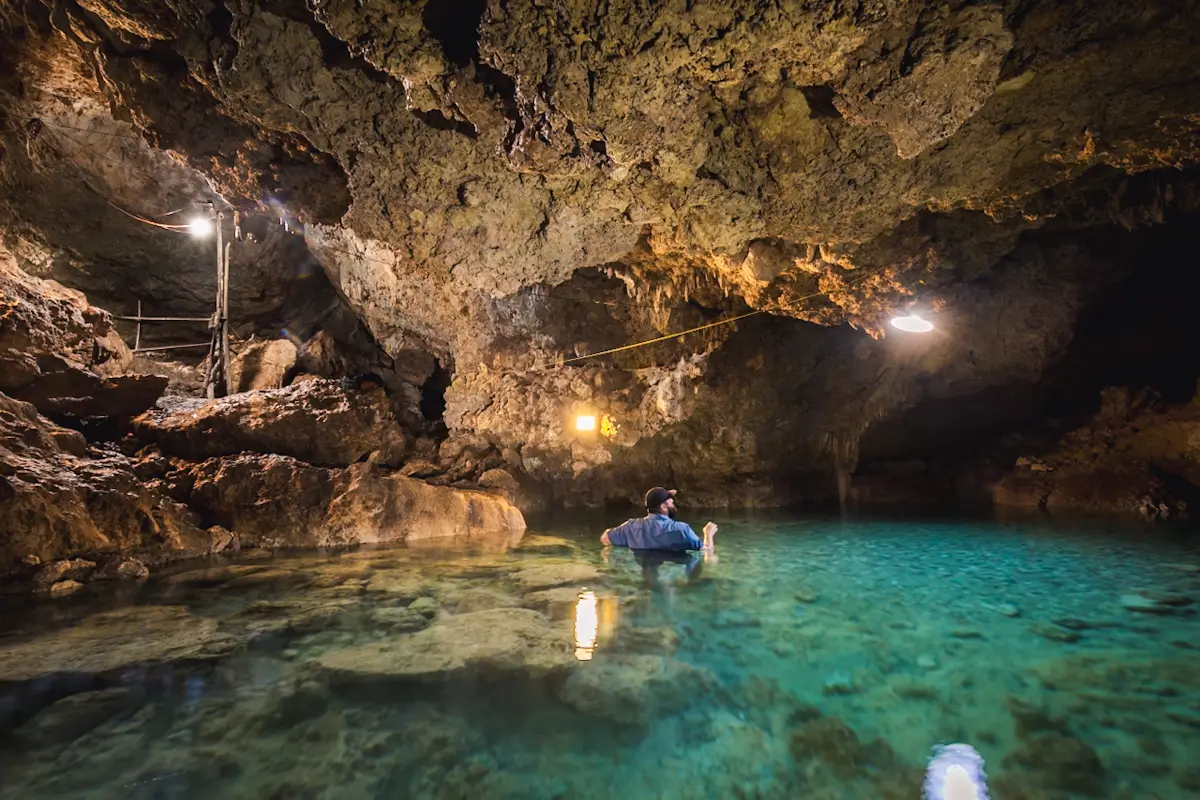
March is one of the best months to visit the Philippines, sitting at the tail end of the northeast monsoon when the weather remains dry but noticeably warmer. Temperatures climb into the low 30s during the day as humidity starts to build, and the steady winds of Amihan begin to fade. Across most of the country, skies stay clear and seas remain calm – making it one of the most dependable months for smooth inter-island travel.
This is the final stretch of the country’s most comfortable travel window, ideal for beaches, hiking, and diving before the summer heat peaks. Palawan, Cebu, and Bohol enjoy long sunny days, while Siquijor and Dumaguete see excellent underwater visibility. The rice terraces in Banaue and Batad turn a vivid green, and trails in Sagada and Mt. Pulag stay dry. By this time of year, many of the waterfalls in the Visayas are getting drier, and by the end of the month some may not be worth visiting. The Tañon Strait between Cebu and Negros is active with dolphins, and Boracay’s water is at its clearest. March is perfect for first-time visitors – it combines stable weather, manageable heat, and lighter crowds than January or February.
The Malasimbo Music and Arts Festival takes place early in the month, often in Puerto Galera or Quezon City, blending live music, visual art, and environmental programs. Several cities begin staging Lenten processions as Holy Week approaches, particularly in central Luzon. Domestic tourism is lighter than earlier in the year, but Malasimbo tickets and coastal lodging around Puerto Galera sell out quickly near festival dates.
Weather in the Philippines in April
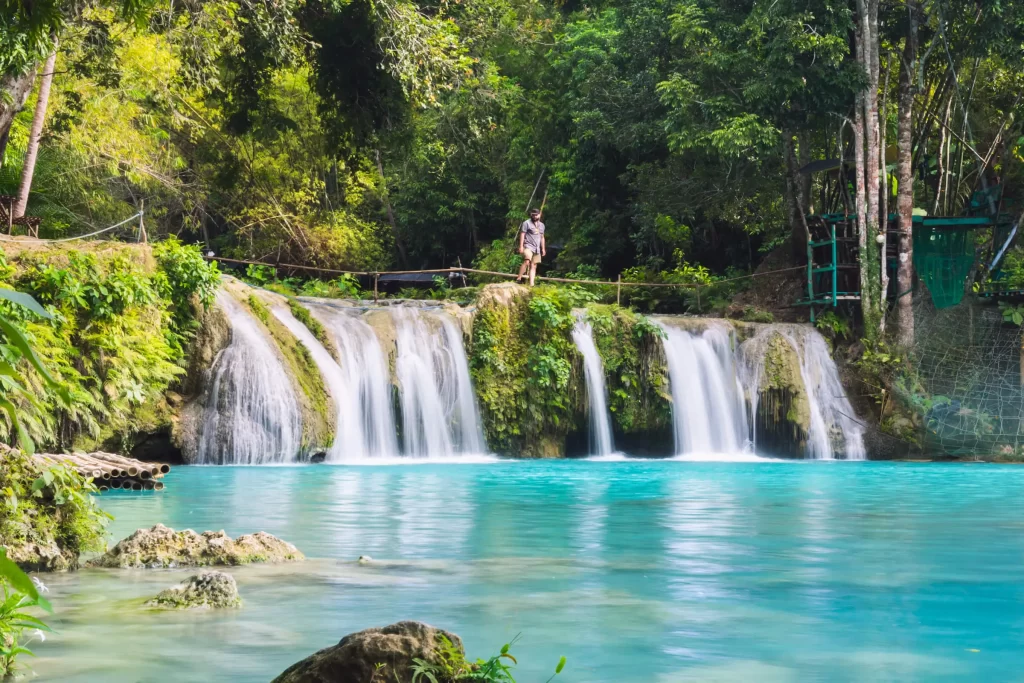
April is a great month to visit the Philippines if you can handle the heat. It’s the height of the dry season, with almost no rain anywhere in the country and daytime highs that can exceed 34°C, especially in the cities and lowlands. The skies are consistently clear, and the seas stay calm, but the heat and humidity can make inland travel uncomfortable in the middle of the day. Mornings and evenings are more pleasant, and coastal destinations benefit from light breezes that make the temperatures feel slightly cooler.
For beach travel, April is excellent. Palawan, Cebu, Bohol, and Siquijor all enjoy long sunny days, perfect for island-hopping and diving. Inland, Banaue and Sagada stay cooler and less crowded than during the holidays. In Donsol, April is the best time of year to see whale sharks. The weather is as dry and dependable as it gets, though the heat can be exhausting for travellers unaccustomed to the tropics. Many waterfalls are fairly dry by now, and grassy hills (including the Chocolate Hills) have fully turned from green to yellow or brown.
Semana Santa (Holy Week) dominates April, one of the country’s most important religious observances. Pilgrimages, processions, and passion plays take place nationwide, with large crowds in cities like Manila, Cebu, and Vigan. Many Filipinos head home or to the beach – Bantayan Island especially – during the long holiday, leading to packed buses, ferries, and highways in the days before Good Friday. Prices spike at major resorts, so it’s best to book early or travel immediately after the holiday.
Weather in the Philippines in May
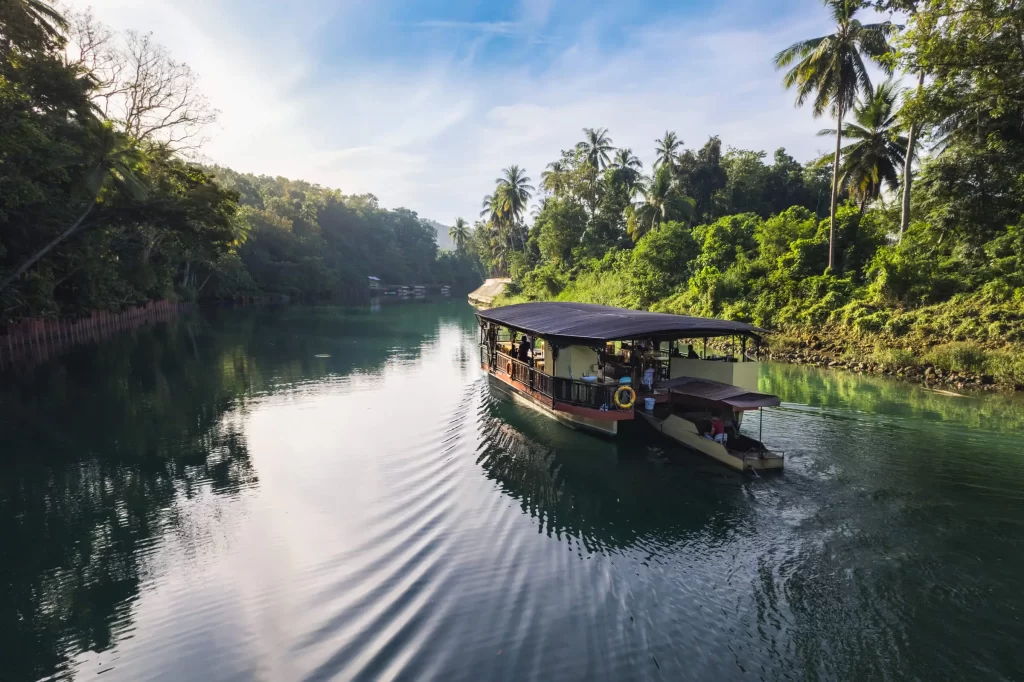
May is generally not an ideal month to visit the Philippines unless you can tolerate intense heat and humidity. It’s the final stretch of the dry season, and daytime temperatures can reach 35°C or higher across much of the country. Humidity climbs sharply, especially in the afternoons, and the air can feel heavy even in shaded areas. Short, powerful bursts of rain begin toward the end of the month, signalling the approach of Habagat. Whale shark numbers reach their peak in Donsol before dropping off, and lumot season in Boracay also reaches its end.
Coastal areas still enjoy long sunny days and calm seas early in the month. Palawan, Bohol, Cebu, and Siquijor remain good choices for beach trips, while cooler inland spots like Tagaytay, Sagada, and Banaue offer some relief from the heat. Travellers who prefer milder weather should plan for earlier in the year – by May, conditions are hot enough that sightseeing and hiking become uncomfortable by midday.
Towns across the country celebrate Flores de Mayo and Santacruzan, floral processions held in honour of the Virgin Mary that mark the close of summer. Streets fill with arches, flowers, and community parades, while in Manila, the MaArte Fair showcases Filipino craftsmanship, jewellery, and design. School holidays begin this month, increasing domestic travel and filling popular resorts – especially over long weekends.
Weather in the Philippines in June
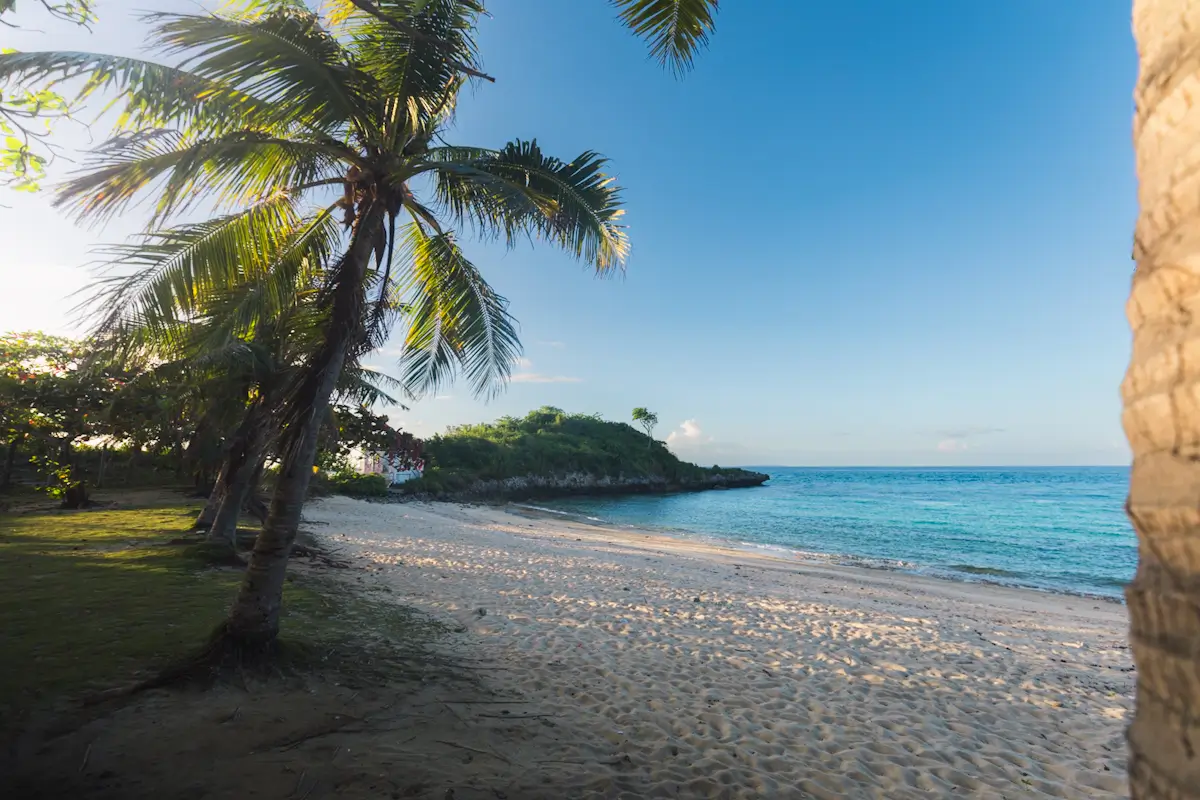
June is generally not a good month to visit the Philippines, as it marks the start of Habagat. The weather turns humid and unpredictable, with frequent afternoon downpours and a sharp rise in rainfall across Luzon and the Visayas. Temperatures remain high, but sunshine gives way to cloudy skies, and travel disruptions become more common. Mornings are often clear, but heavy rain can arrive suddenly and last for hours, especially in western regions like Manila, Palawan, and Cebu.
For travellers who don’t mind wet conditions, June has its rewards. The countryside is becoming lush and green again, and waterfalls in Bohol, Negros, and Cebu are at their most powerful. Siargao and other Pacific-facing islands see the start of the surf season, and accommodation prices drop sharply as foreign visitors thin out. However, this is also the beginning of typhoon season in the north, and ferry delays are common. Travellers in June should plan flexibly, pack waterproof gear, and expect to adjust itineraries around rainstorms.
In Tacloban, Leyte, the Pintados-Kasadyaan Festival fills the streets with parades and traditional body paint honouring the region’s tattooed pre-colonial warriors. Independence Day on June 12 brings nationwide celebrations, including flag-raising ceremonies and military parades in Manila.
Weather in the Philippines in July
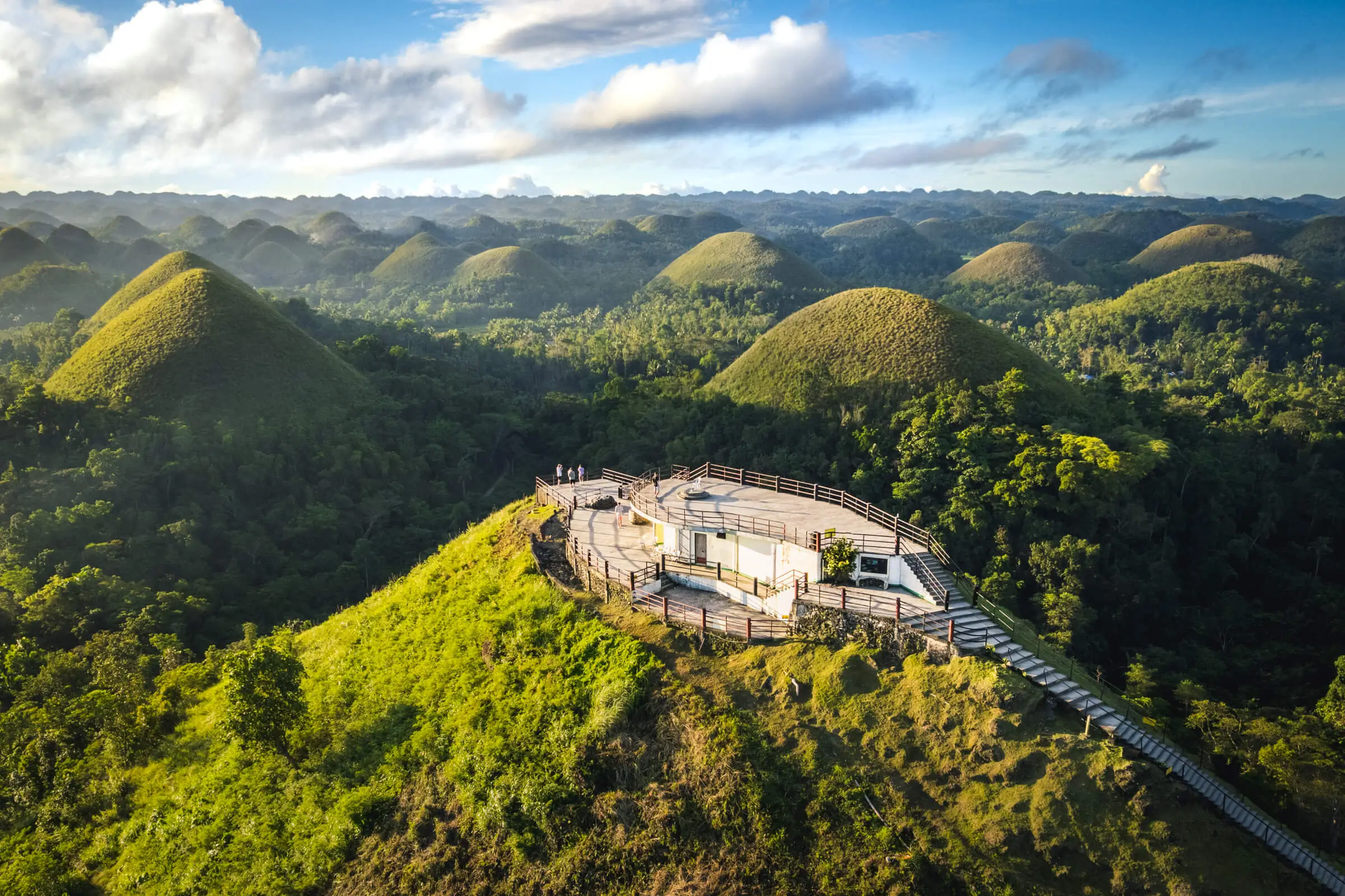
July is one of the worst months to visit the Philippines, with Habagat in full force. Heavy rain, high humidity, and the risk of typhoons affect much of Luzon and the western Visayas. Downpours can last for hours and frequently flood low-lying areas in Manila and other major cities. Travel disruptions are common, with flight and ferry cancellations during strong storms. Average daytime temperatures sit around 31°C, but the humidity makes it feel hotter.
For travellers, July means limited outdoor activity and unpredictable logistics. Beach resorts in Palawan and the Visayas operate at reduced capacity, though Siargao and Baler remain reliable surf spots. In northern Luzon, the rice terraces in Banaue and Batad are at their most vivid green, and photographers will find dramatic skies between rain showers. For most visitors, however, this is a challenging month for general sightseeing and best avoided unless you’re specifically chasing surf or stormy landscapes.
In Bohol, the Sandugo Festival commemorates the 16th-century peace treaty between Spanish explorers and local chieftains through historical re-enactments and street parades. Visayas Art Fair in Cebu City showcases regional artists and designers in indoor venues safe from the rain. These events attract local visitors despite the weather, but heavy downpours often cause transport delays, so flexible travel plans are essential.
Weather in the Philippines in August
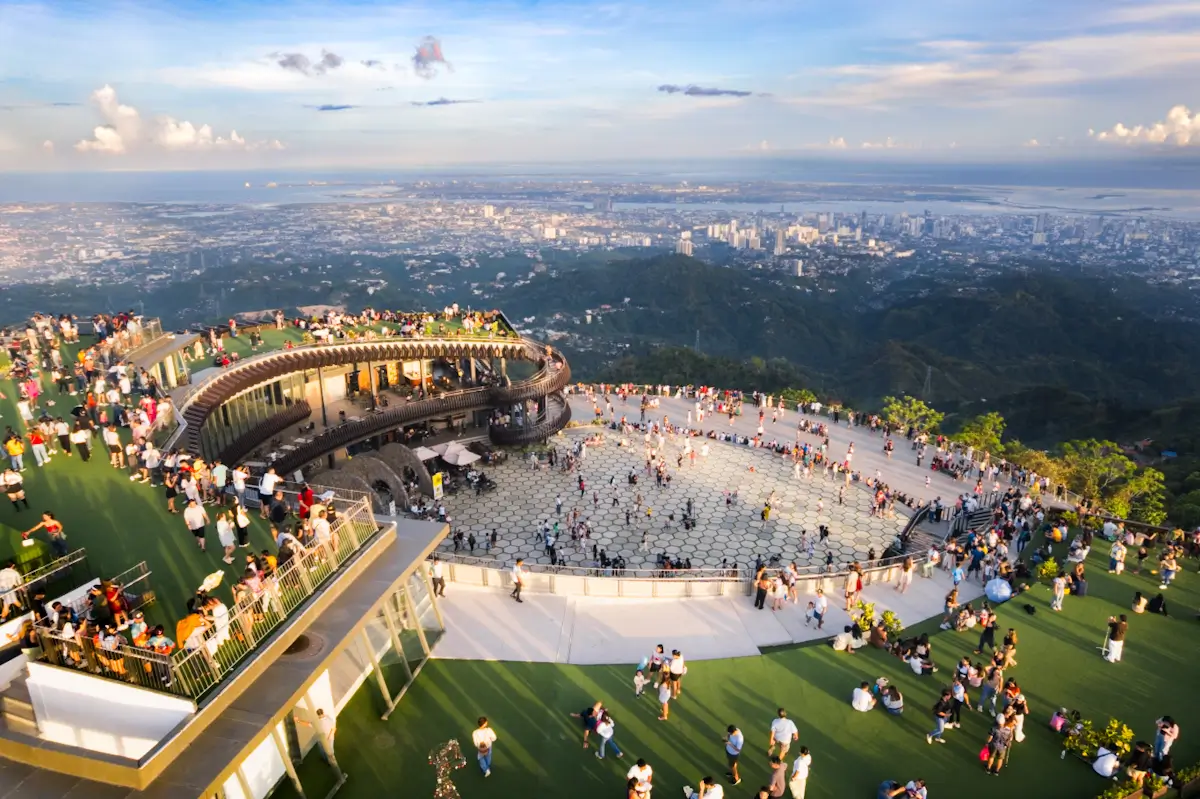
Wet, stormy conditions continue through August, making this another poor month for travel. Habagat remains strong, and typhoons frequently pass over northern Luzon, disrupting flights and ferry schedules across the country. Rainfall is still heavy, especially in western Luzon and the Visayas, though short sunny breaks occasionally appear between systems. Humidity stays high, and daytime temperatures hover around 31°C.
For most travellers, it’s best to avoid visiting in August unless you’re focused on specific regions. The Pacific-facing islands – Siargao, Samar, and Leyte – see less rain and consistent surf, while inland areas across Negros and Bohol are lush and photogenic. Fruit season is at its peak, with markets overflowing with durian, lanzones, and mangosteen, and accommodation prices stay low. Still, August offers few advantages beyond quiet travel and surfing; for reliable weather, it’s better to wait until the dry season returns in November.
In Davao City, the Kadayawan Festival celebrates the region’s Indigenous heritage and harvest season with street parades, cultural performances, and fruit markets. In Cebu City, the Tubo Art Fair opens in late August or early September, showcasing contemporary artists and galleries from across the Visayas. These events continue rain or shine, though travel disruptions are common, so flexible schedules are strongly advised.
Weather in the Philippines in September
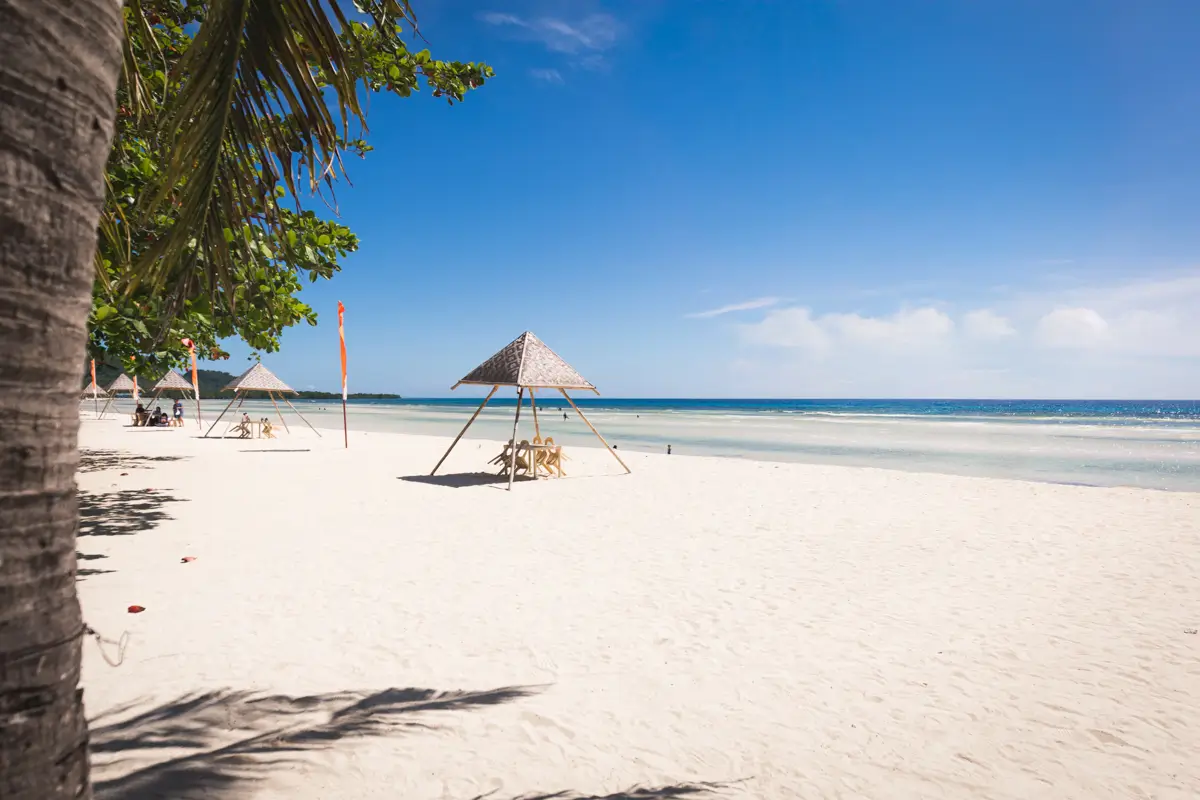
September is still a poor month to visit the Philippines, with Habagat continuing to bring heavy rain and frequent storms. Typhoons remain a serious risk, particularly in northern Luzon and the Batanes group, where travel can grind to a halt for days at a time. Rainfall is widespread across the country, and humidity stays high, though there are occasional clear breaks between systems. Temperatures average around 31°C, but the muggy air and grey skies make it feel warmer. Ferry delays and flight cancellations are still common, especially on inter-island routes.
For most travellers, this is one of the least reliable times to move around the country. Some regions begin to dry slightly toward the end of the month – particularly the central Visayas and Mindanao. Cebu, Bohol, and Siquijor can offer short sunny windows between rainstorms, and Siargao’s surf season peaks with large, consistent swells. In northern Luzon, the rice terraces of Banaue and Batad turn golden at harvest, and the surrounding countryside is lush and photogenic. Still, with storms likely and typhoon activity unpredictable, September is best avoided for general sightseeing.
In Naga City, the Peñafrancia Festival – one of the Philippines’ largest Marian celebrations – culminates in a massive river procession carrying the image of Our Lady of Peñafrancia through the Bicol River. Smaller towns across the country also host local harvest and patron-saint fiestas this month, though rain often affects outdoor events. Finally, Christmas starts this month. (In the Philippines all of the “-ber months” are considered Christmas season). Travellers heading to Naga or nearby regions should plan carefully, as flooding and typhoon warnings can cause last-minute transport cancellations.
Weather in the Philippines in October

October is a transitional month for travel in the Philippines. Habagat is finally fading, but weather remains unpredictable, with scattered rain and the occasional late-season typhoon – especially in northern Luzon. Early in the month can still be wet and humid, but by the second half, skies begin to clear, humidity drops, and sunshine hours increase. Temperatures stay around 31°C, and the gradual shift toward Amihan brings more stable weather to the Visayas and northern Mindanao.
For travellers, October marks the start of improvement after the long wet season. Palawan, Cebu, Bohol, and Siquijor begin to dry out, making island-hopping and diving dependable again. Apo Island and Malapascua offer calm seas and excellent underwater visibility, while Donsol starts to see the return of whale sharks. Inland, the rice terraces of Batad and Banaue are quiet after harvest, and hiking trails are fully accessible. While not as consistently dry as November or December, October is a strong shoulder month for those seeking lower prices and fewer crowds – though it’s still wise to monitor weather forecasts when travelling through northern or coastal Luzon.
In Bacolod City, the MassKara Festival runs through much of the month, featuring elaborate masks, parades, and live music. In Metro Manila, ManilART brings together leading Filipino artists and galleries for one of the country’s largest contemporary art fairs. Both events signal the start of the country’s cultural high season as the weather continues to improve.
Weather in the Philippines in November
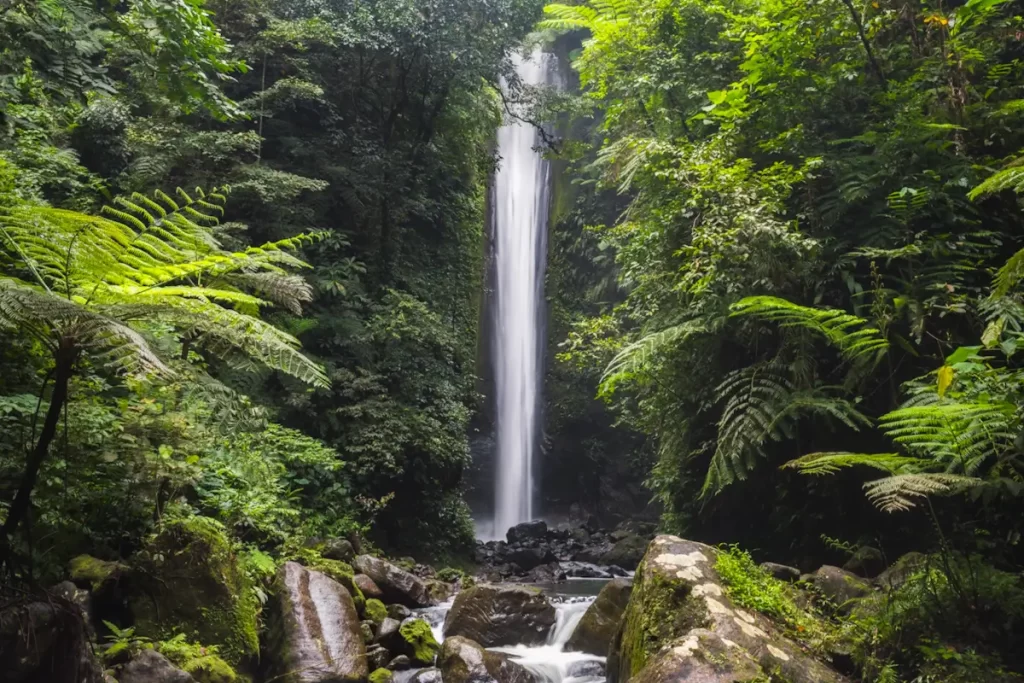
November is one of the best months to visit the Philippines. Amihan takes full effect, bringing cooler, drier air and clear skies across most of the country. Humidity drops noticeably, and the heat becomes easier to handle, with daytime temperatures around 31°C and comfortable evenings in the low 20s. The wet season has ended in most regions except along the eastern coasts of Luzon and Samar, where light showers may still appear. Calm seas and predictable weather make this one of the most dependable months for inter-island travel.
This is the start of the long dry season, ideal for both first-time visitors and those planning multi-destination trips. Palawan, Bohol, Cebu, and Siquijor all enjoy relatively steady sunshine, while cooler upland areas like Tagaytay, Banaue, and Sagada are perfect for hiking. Diving visibility peaks around Moalboal and Apo Island, and ferry routes through the Visayas run smoothly. November also offers a rare balance of clear weather and moderate visitor numbers – excellent conditions without the high-season crowds or prices.
In Angono, Rizal, the Higantes Festival fills the streets with enormous papier-mâché figures, honouring the town’s patron saint and its artistic heritage. In Sorsogon, smaller KatHina Buddhist ceremonies mark the end of the monastic rains retreat, while Manila continues to glow with Christmas markets, parades, and open-air art events.
Weather in the Philippines in December
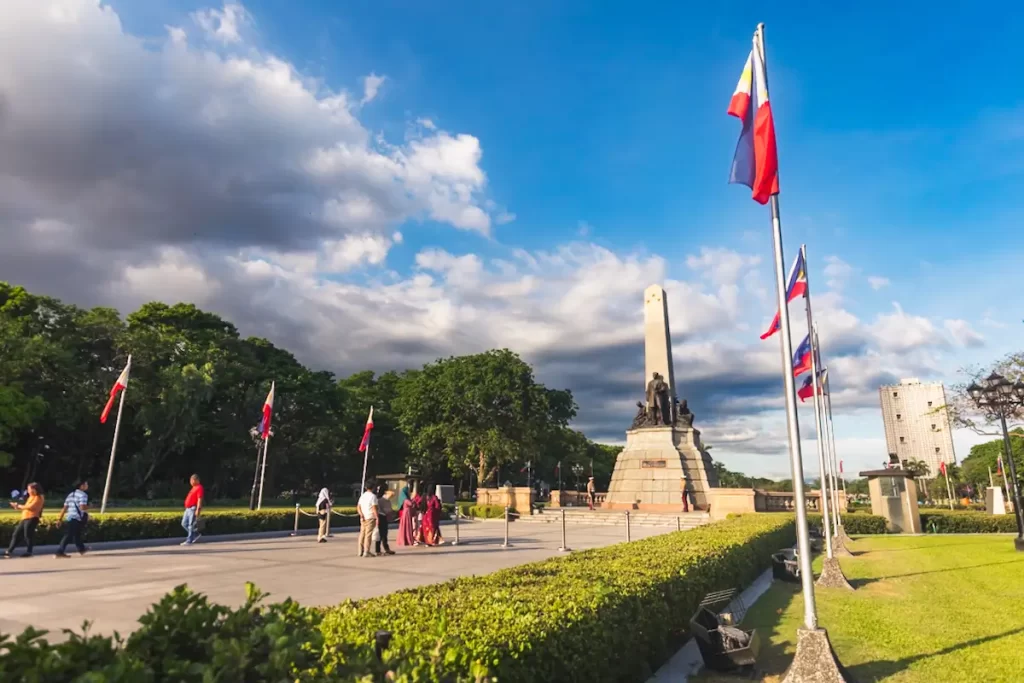
December is one of the very best months to visit the Philippines. Amihan brings cool, dry air from the north, keeping skies clear and humidity low across most of the country. Daytime temperatures sit around 30°C and drop into the low 20s at night, making it one of the most comfortable times for outdoor travel. Luzon, the Visayas, and northern Mindanao all enjoy steady sunshine, with Palawan, Cebu, Bohol, and Siquijor seeing their most reliable weather of the year. Only the eastern seaboard occasionally gets light rain as the monsoon winds shift offshore.
Calm seas make inter-island travel smooth, and diving conditions are excellent around Apo Island, Moalboal, and Panglao. The highlands of Sagada, Banaue, and Tagaytay stay cool and misty, ideal for hiking or quiet retreats. In the cities, temperatures are mild enough for walking tours and outdoor dining, while Manila and Cebu City glow with festive lights and Christmas markets. This is peak season, with hotels and flights filling weeks in advance, especially over the holidays.
In San Fernando, Pampanga, the Giant Lantern Festival showcases enormous illuminated parols, while the big cities host nightly light shows, concerts, and street fairs. Simbang Gabi dawn masses begin on December 16 and lead into New Year’s Eve fireworks that light up every city and town. Travel surges sharply during the final two weeks of the month, so book flights and ferries early and avoid travelling on Christmas Eve or New Year’s Day if possible.