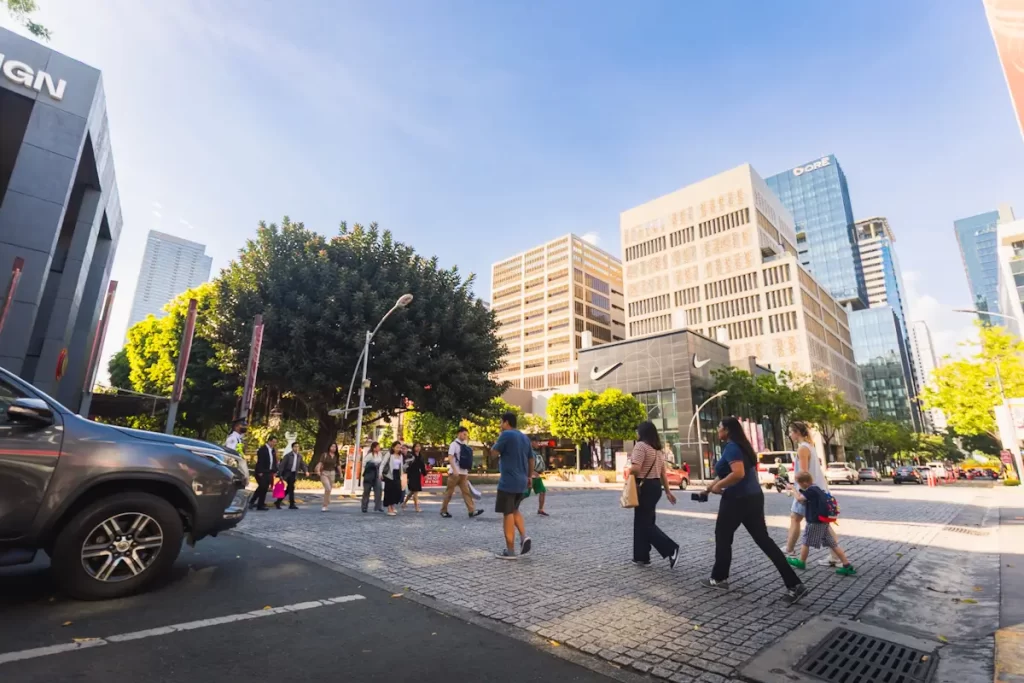
Metro Manila is a dense, sprawling patchwork of 16 cities stitched together by rivers, highways, and traffic jams. It sits on the western edge of Luzon, looking out towards Manila Bay, and functions less like a single city and more like a loose conglomeration of neighbourhoods, districts, and business hubs.
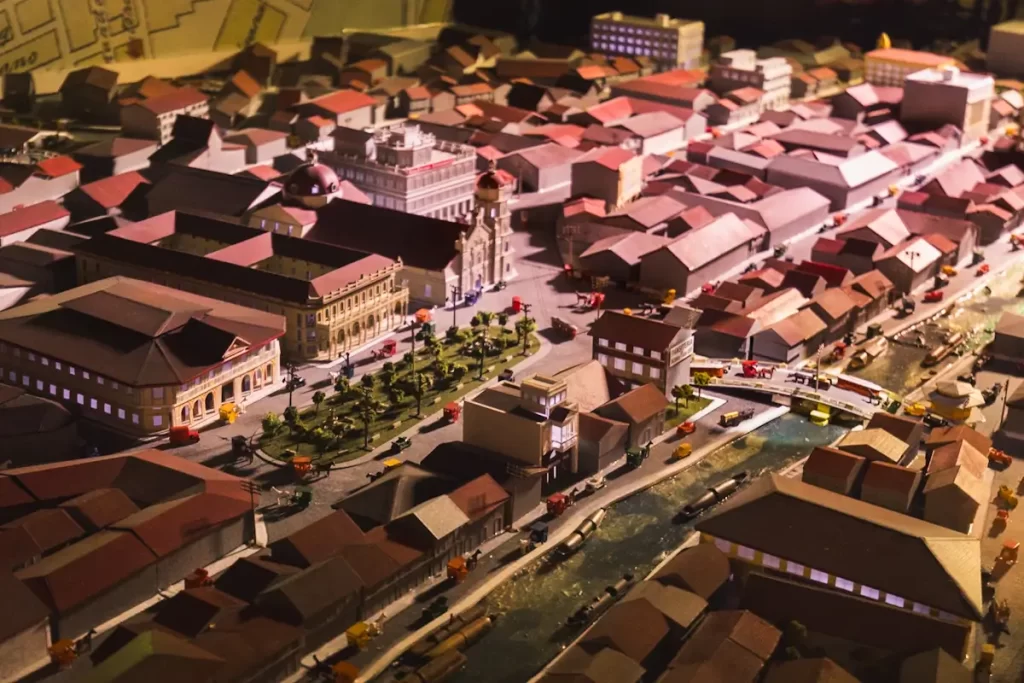
Long before colonization, this was a major trading region, especially around the natural harbour at the mouth of the Pasig River. Spanish forces captured the area in 1571, establishing Intramuros as their walled colonial capital. Later, the Americans expanded the city and reshaped the surrounding region into Metro Manila. During World War II, the city was heavily bombed, and few prewar buildings remain outside Intramuros. Most of what stands today reflects the fast-paced, poorly regulated growth of the late 20th century.
Most tourists skip the Metro entirely, treating it at best as a necessary evil on the way from the airport to the islands, eager to get to Cebu
In this guide, I’ve detailed all the best things to do in Metro Manila. If I’ve missed something (and I probably have), feel free to let me know.
Manila is best visited between December and February, when it’s dry, relatively cool, and less humid than usual. These months offer the most comfortable weather for walking around the city or sitting in traffic without completely melting. Avoid March through May if you can – temperatures peak during this stretch, often hitting 35°C with high humidity, and the city becomes especially unpleasant in the heat.
The wet season runs from June through October, with short, heavy afternoon rains that can disrupt plans but usually don’t last all day. Typhoons occasionally pass through, but Manila isn’t hit as often as some coastal provinces. Even during rainy months, it’s possible to explore the city – just stick to indoor attractions or plan around the forecast.
My Tips for Visiting Manila
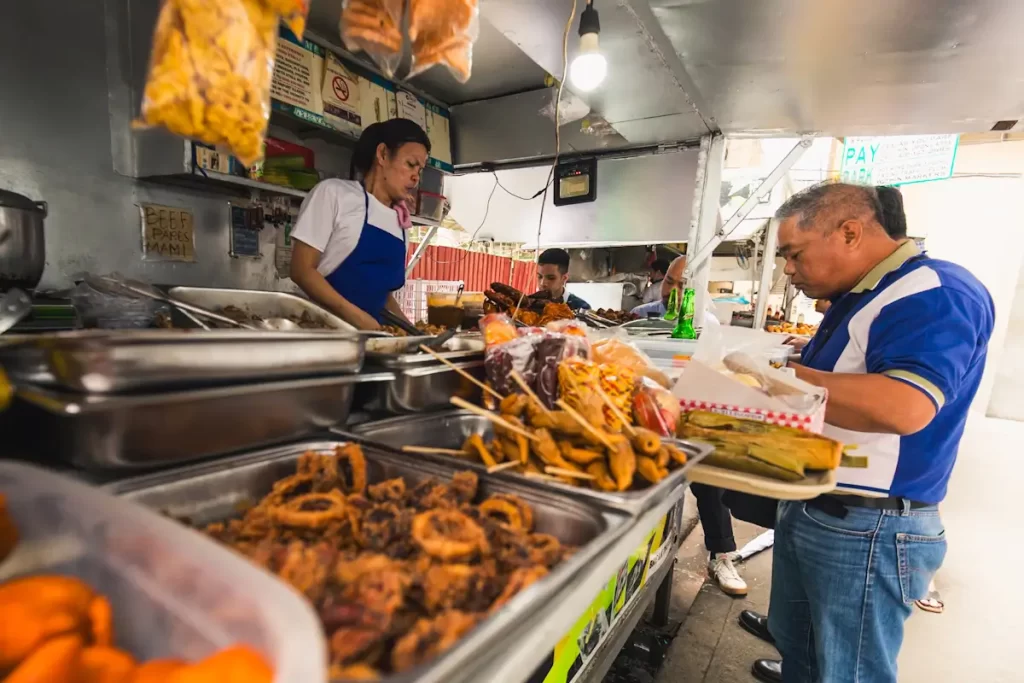
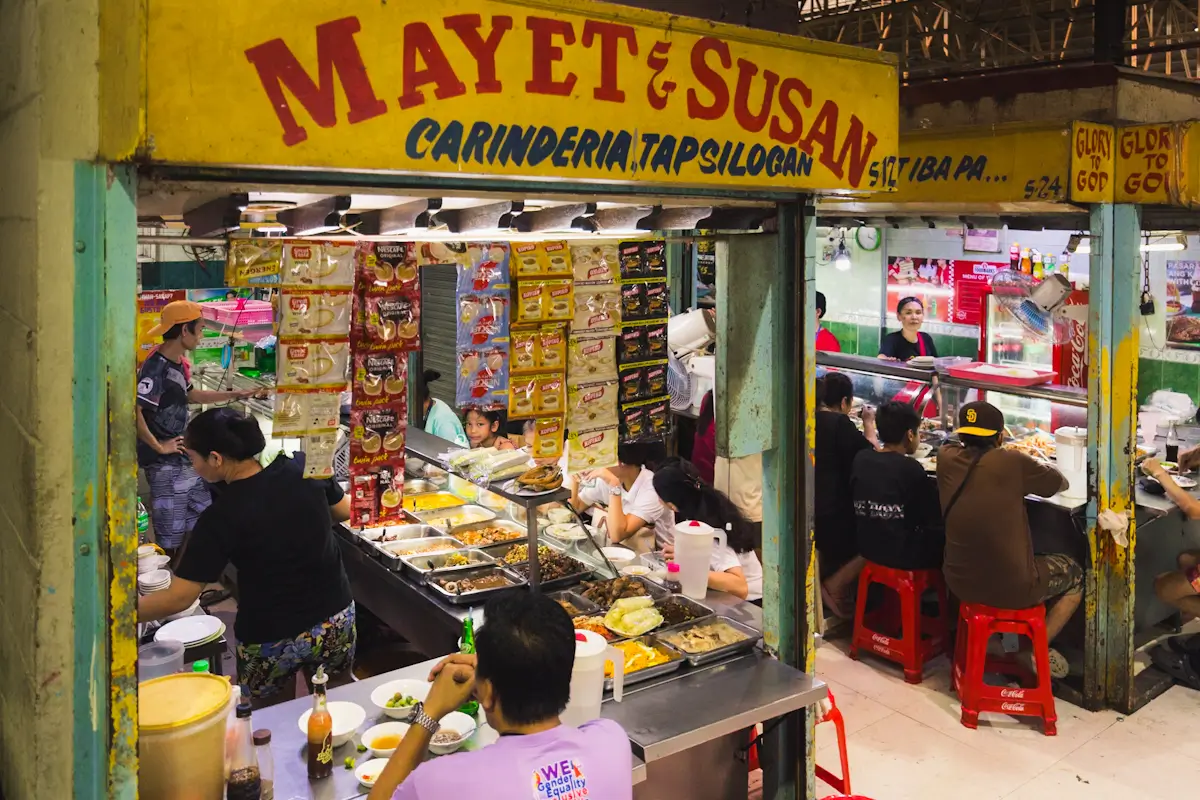
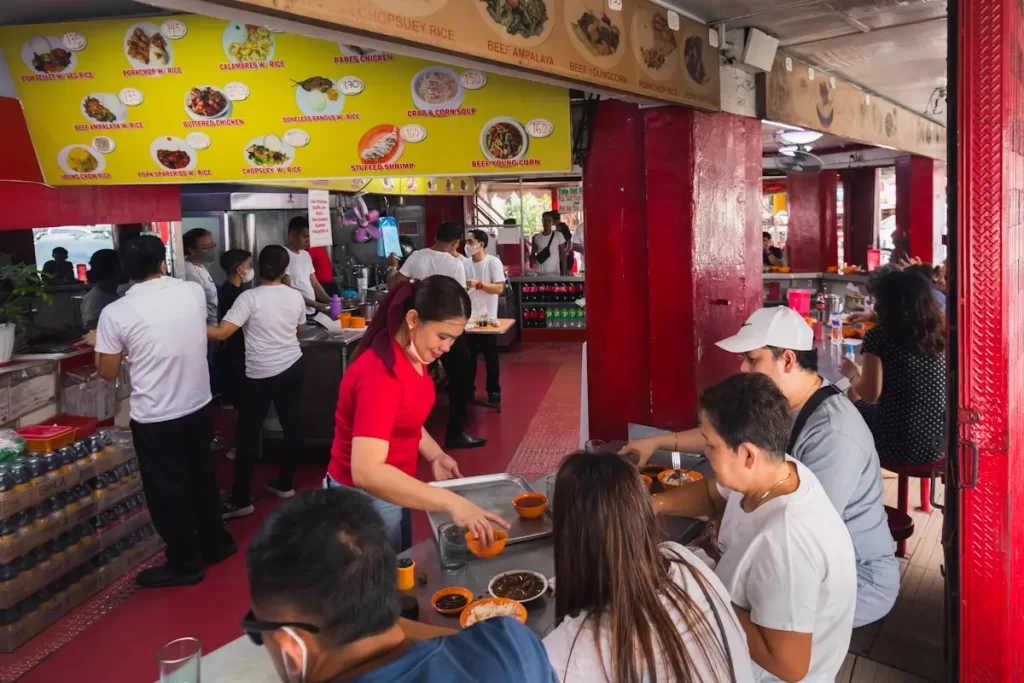
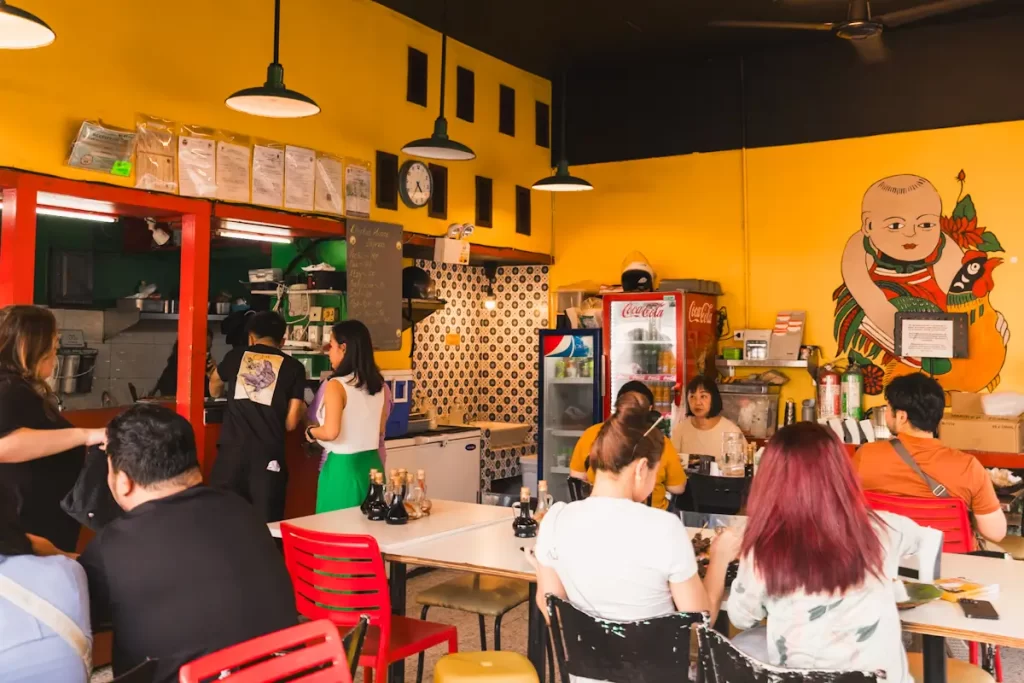
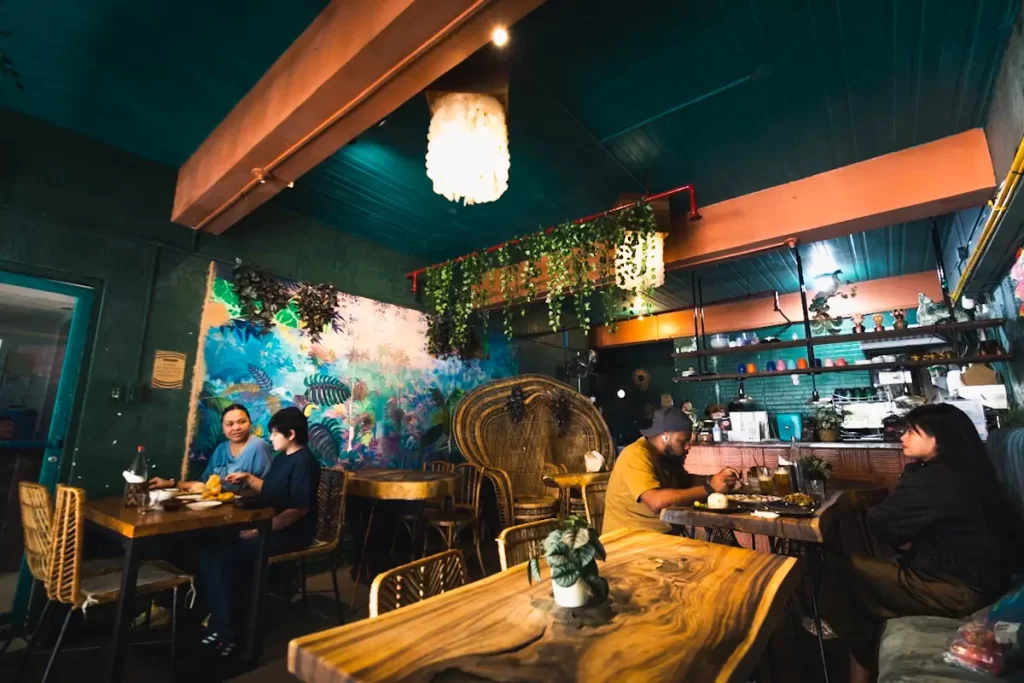
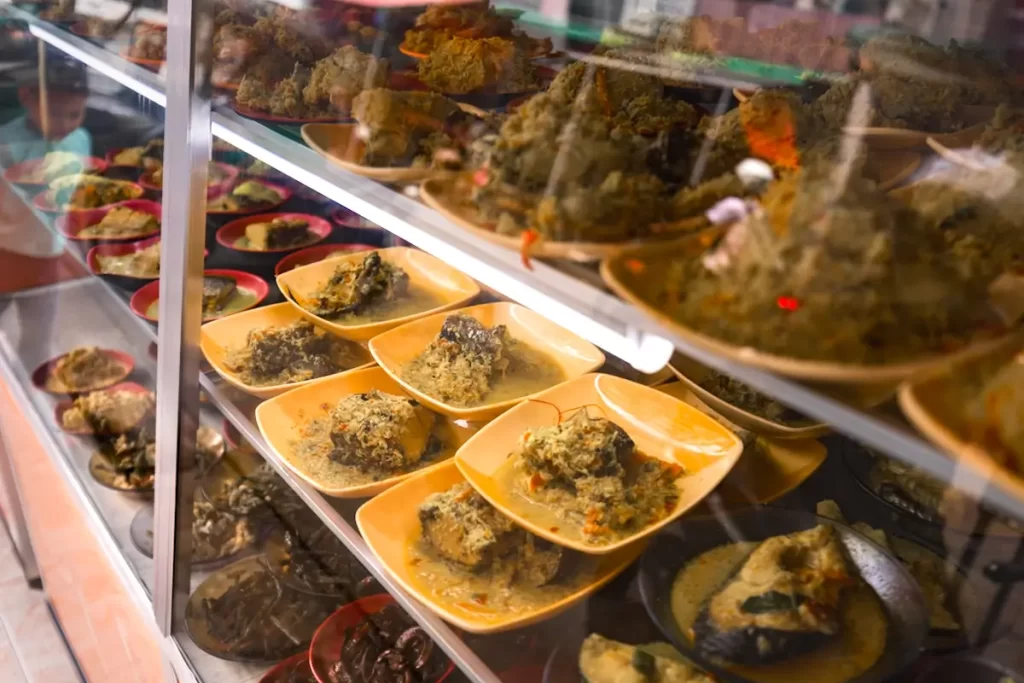
1. Skip restaurants, eat at carenderias . There’s a lot of delicious food in Manila, but there’s also at least as much terrible food. Mid-range restaurants and fast food places tend to sell poor imitations of American food, and the quality is lacking. It’s surprisingly easy for a business to thrive here solely on being “instagrammable”, so honestly the more “aesthetic” a restaurant is (especially cafés), the more skeptical I’d be that the food is any good. Carenderias , or small local eateries, offer delicious local dishes at a fraction of the cost of restaurants, and in many cases the quality is higher. Keep on reading for some my specific food recommendations.
2. Maybe skip Manila? The most common advice between foreigners for visiting the Philippines is to skip Manila, and depending on the type of traveller you are, it might be good advice for you. The city is smelly, crowded, noisy, and the traffic is awful. I love Manila and have lots of fun every time I visit, but I’d be dishonest if I didn’t also mention that it can be a challenging city. If you’re just in the Philippines for a beach getaway, then maybe skip Manila. If you’re genuinely interested in learning about the history and culture of the Philippines, making local friends, and existing in an environment that hasn’t been built for tourists from the ground up, then I would highly recommend making time for the city. Just make sure to plan in advance, which brings me to my third tip…
3. Have a plan (and factor traffic into it.) – Okay, as I mentioned, Manila is great, I love the city, but I would never describe visiting here as easy. It is absolutely not the type of laid-back city where you can just check in at your hotel and wander around the neighbourhood expecting to have an improvised and satisfying experience. Honestly, I suspect that 99% of the foreigners complaining about Manila have had such bad experiences for this exact reason. You’ll need to plan out exactly which areas you want to visit each day, expect to deal with traffic while travelling between them, and do everything in your power to avoid being trapped in a vehicle during rush hour.
Best Manila Tourist Spots
1. Fort Santiago
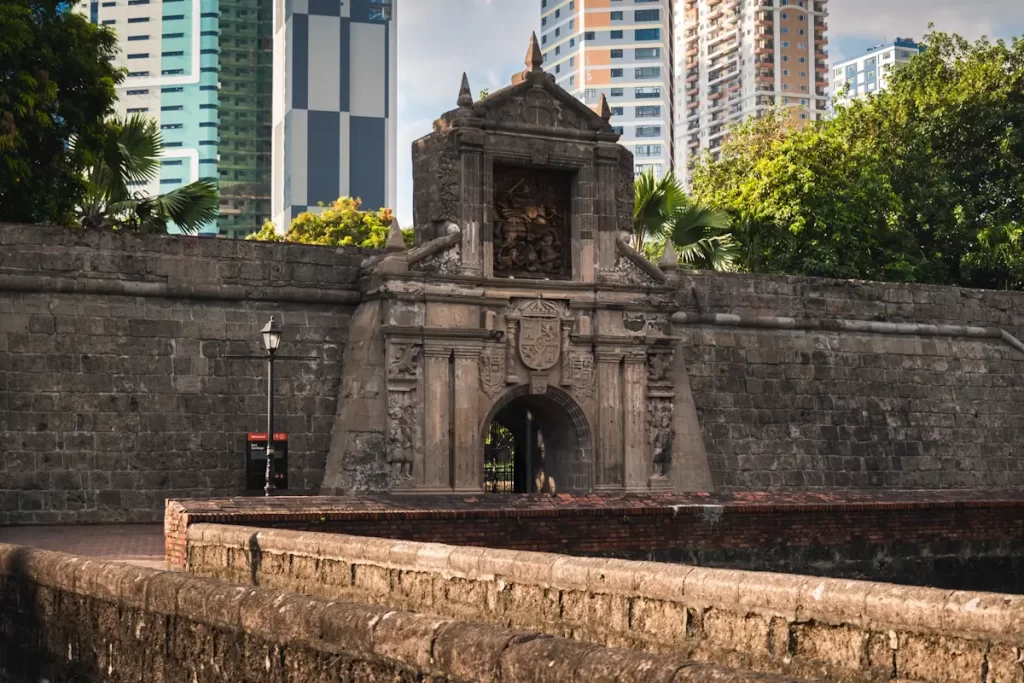
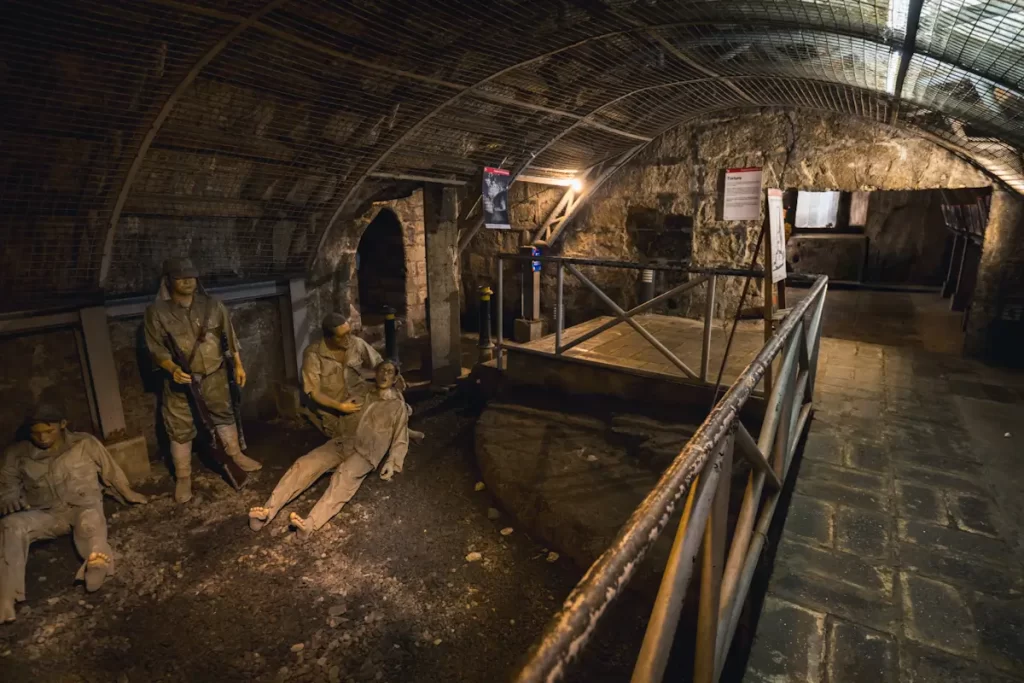
Located at the edge of Intramuros along the Pasig River, Fort Santiago was originally built in 1571 as the seat of Spanish military power in the Philippines. Its massive stone walls, moats, and bastions were designed to protect the city from both foreign invasion and local uprisings. During the Spanish era, it served as a military headquarters, prison, and execution site, and under American and later Japanese occupation it continued to be used as a detention center – most famously holding national hero José Rizal before his execution in 1896.
The site is open to visitors to explore and well maintained, with manicured lawns, paths, and restored sections of the original citadel. Rizal’s final footsteps are marked in bronze leading from his prison cell to the execution site, and the on-site Rizal museum contains personal items, writings, and displays about his life and legacy. Entry is 75 PHP . It’s worth giving yourself plenty of time to explore the walls, climb the bastions, and walk through the dungeons at a relaxed pace. The grounds get hot and exposed by midday, so come early or late and bring water.
2. Baluarte de San Diego
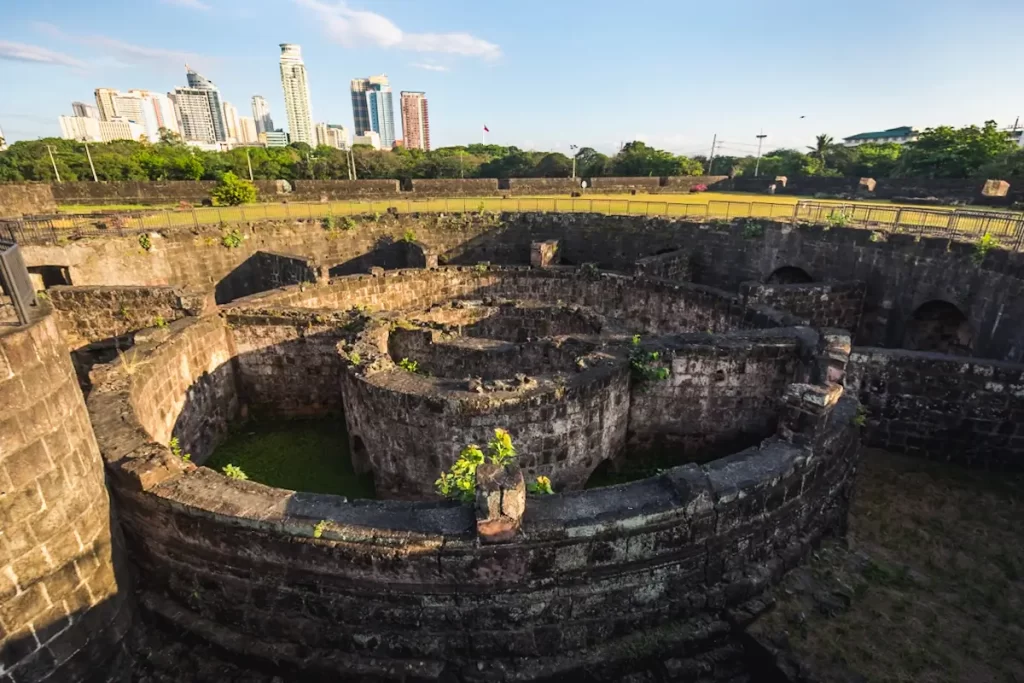
Baluarte de San Diego is the oldest stone fortification in Intramuros, originally laid out in the late 1500s as a circular watchtower before being absorbed into the city walls. It was designed by Jesuit priest Antonio Sedeño, who wasn’t a military engineer, and the resulting structure – while elegant – wasn’t particularly defensible. It collapsed more than once over the centuries, either from earthquakes or cannon fire, and much of what’s visible today is a 20th-century reconstruction based on historical plans.
The site sits at the southwestern edge of Intramuros, with open views toward Rizal Park and the old golf course that replaced much of the walled city after World War II. Visitors can walk the outer and inner walls, descend into the central courtyard, and spot the outlines of the original circular tower foundations. It’s quieter than Fort Santiago and rarely crowded. Entry is 75 PHP .
3. Rizal Park
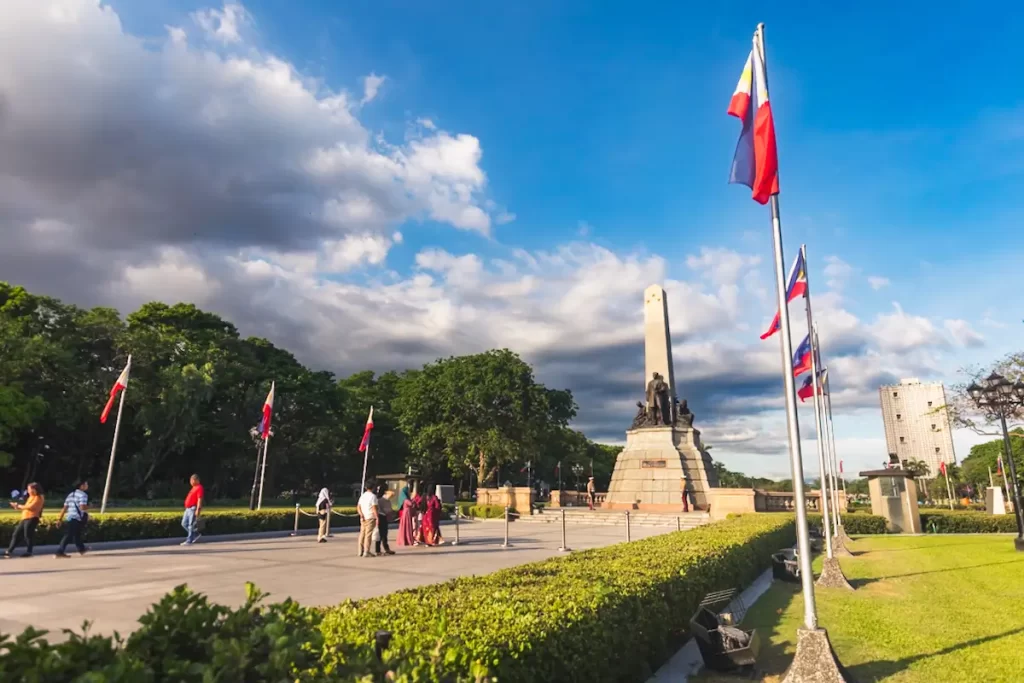
Rizal Park stretches out between Intramuros and Manila Bay, a flat expanse of gardens, fountains, and open lawns dedicated to José Rizal. His bronze monument at the center, guarded day and night by a pair of silent soldiers, marks the spot where he was executed by firing squad in 1896 – an event that helped galvanize the Katipunan revolution and turn him into the country’s most revered national hero.
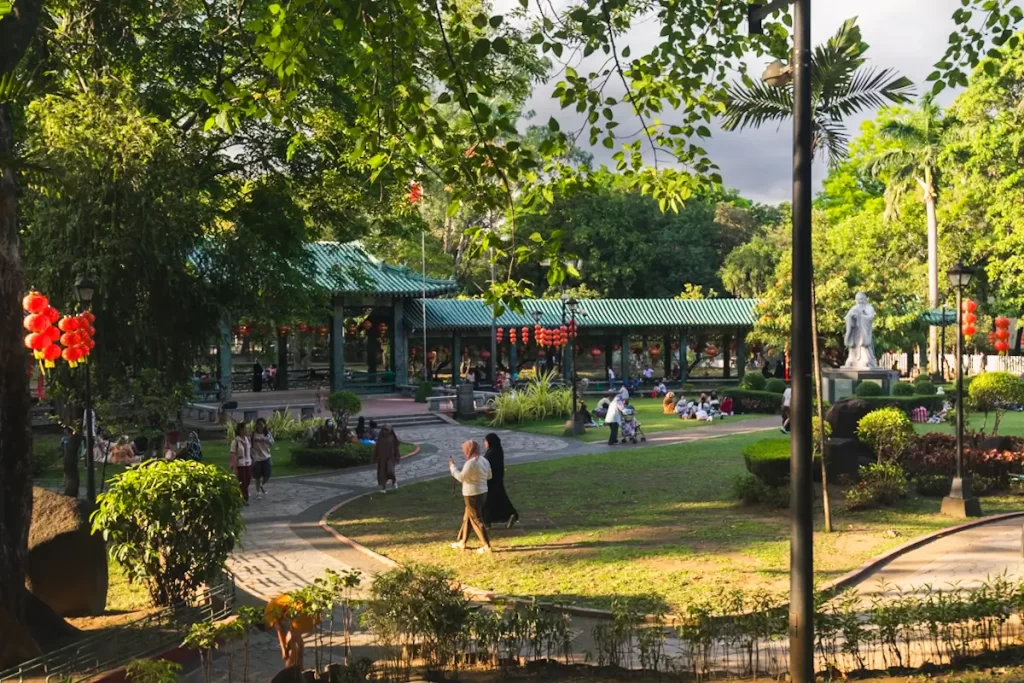
The park is one of the few large green spaces in central Manila, and it fills up with families, joggers, and school groups in the mornings and late afternoons. Among the highlights are the Chinese Garden, featuring traditional pavilions and koi ponds, and the Japanese Garden, with its serene pathways, stone lanterns, and water features. These tranquil spots provide a peaceful retreat amidst the bustling city. The park also includes the Open-Air Auditorium, which hosts cultural performances, and the Relief Map of the Philippines, an outdoor feature that offers an interactive way to visualize the country’s geography. Entrance to Rizal Park is free , though I believe there may be fees for some of the individual gardens.
4. Proudly Promdi
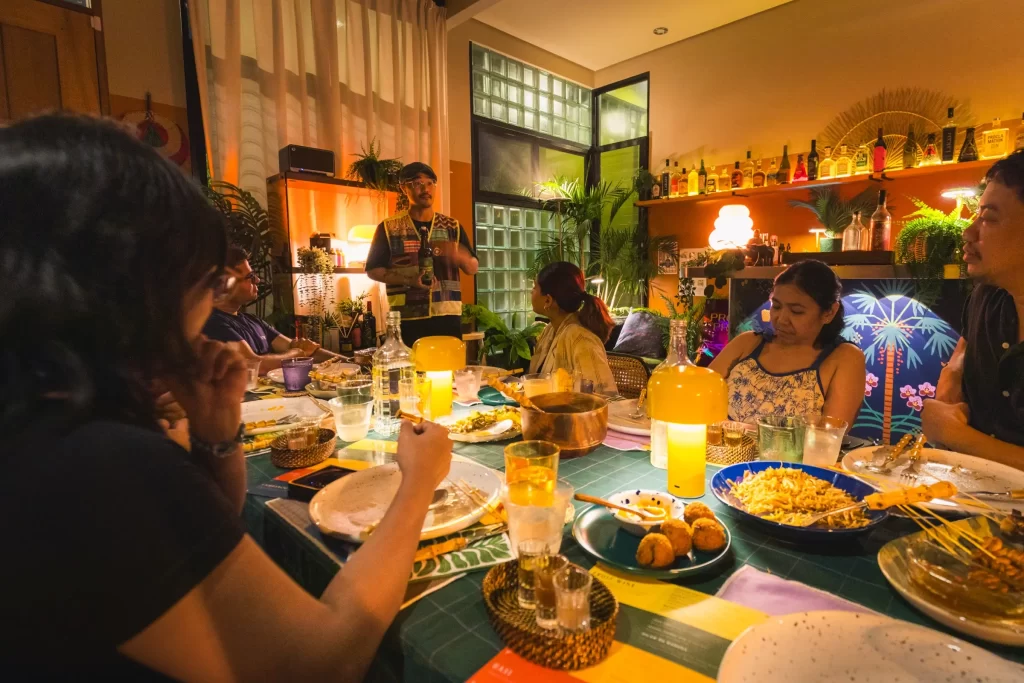
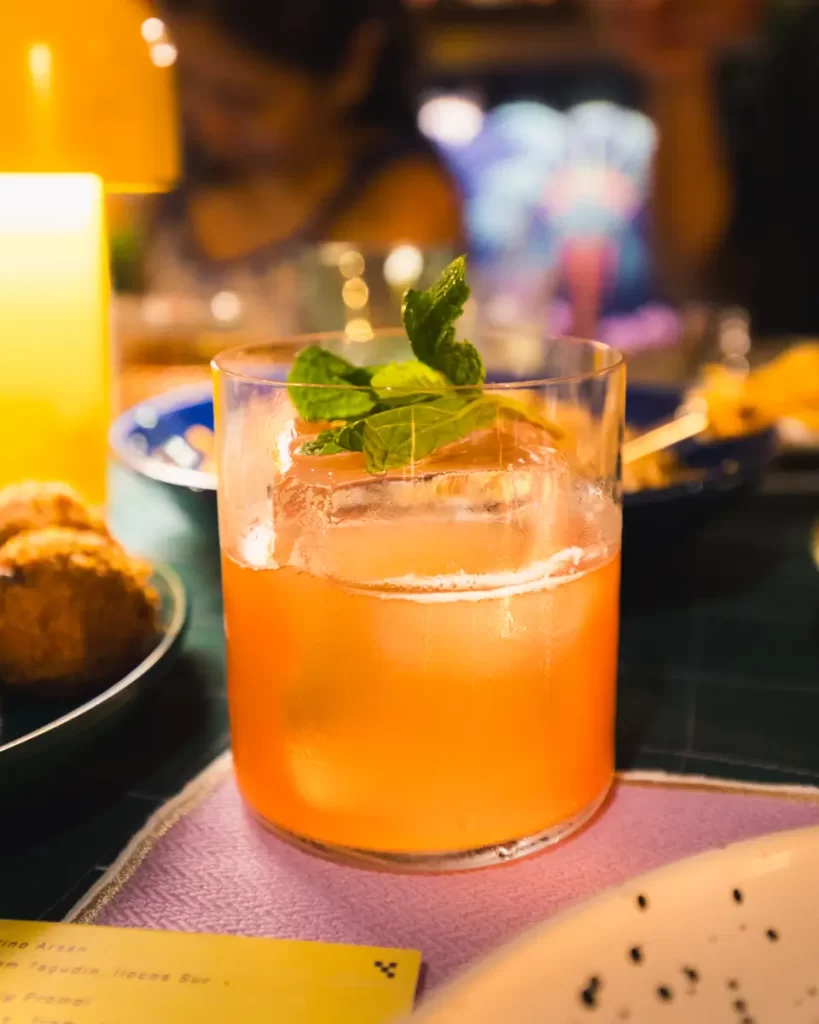
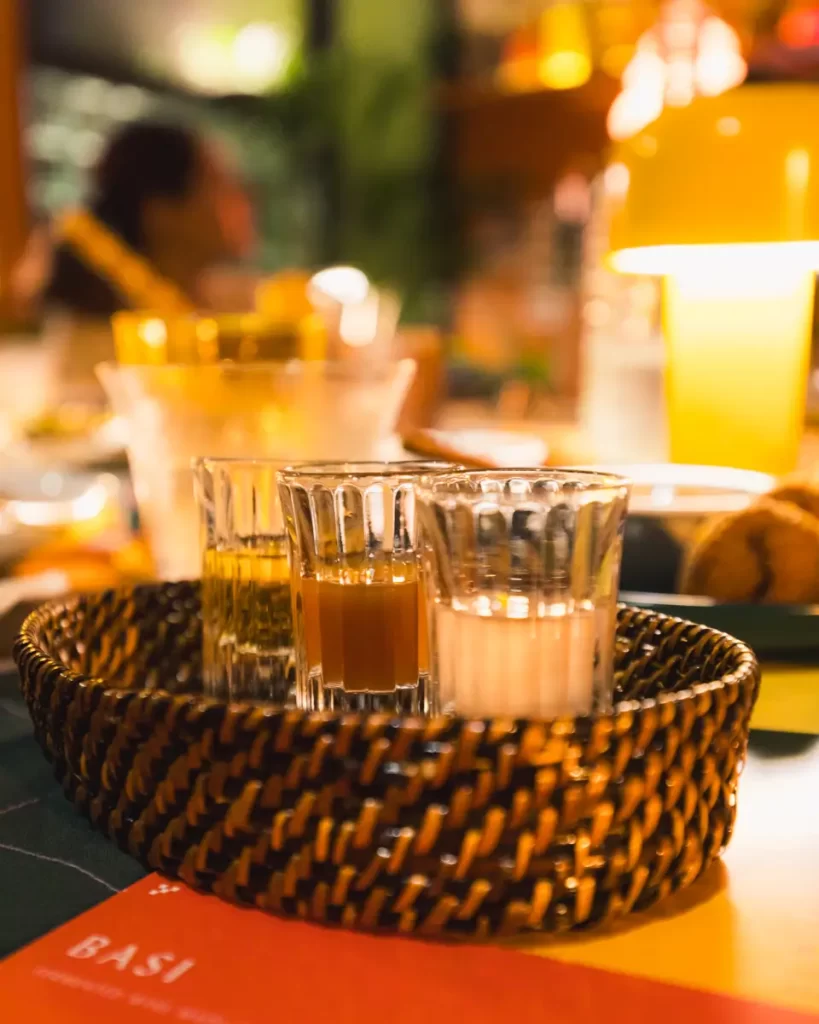
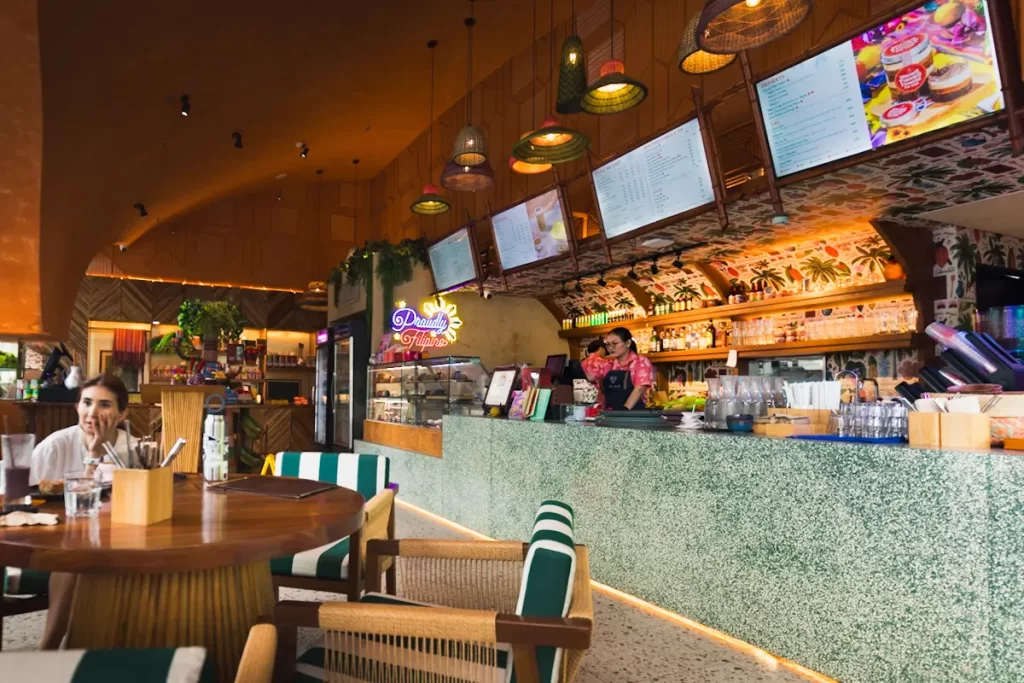
Proudly Promdi started as Ken Alonso’s effort to give provincial drinks like bugnay fruit wine and tapuey (rice wine) a wider audience, and it has since grown into one of the best spots in Manila to learn about Filipino spirits. The name flips the old insult promdi (referring to the accented pronunciation of “from the province”) into a celebration of what rural producers have been making for generations, from lambanog (coconut palm sap liquor) and basi (sugarcane wine) to tuba (coconut palm sap wine) . What makes it especially fun for visitors are their HOHOL nights – short for “hang out, hang out lang” – where guests sit down in the Alonso home for a casual evening built around these local spirits. Food comes from neighborhood spots like pancit and pandesal shops, and the samples of the raw spirits are punctuated by the best cocktails I’ve had anywhere in the Philippines. It’s less a bar and more like being invited into someone’s house for drinks, which in this case, it literally is. Ken has such a knowledge and an enthusiasm for Filipino spirits, and the drinks and everything about the night and the space are so perfectly designed – this is the best thing to do in Manila. Hands down. Contact Proudly Promdi on Instagram to reserve your seat at HOHOL, or shop from their website.
5. Jollijeeps
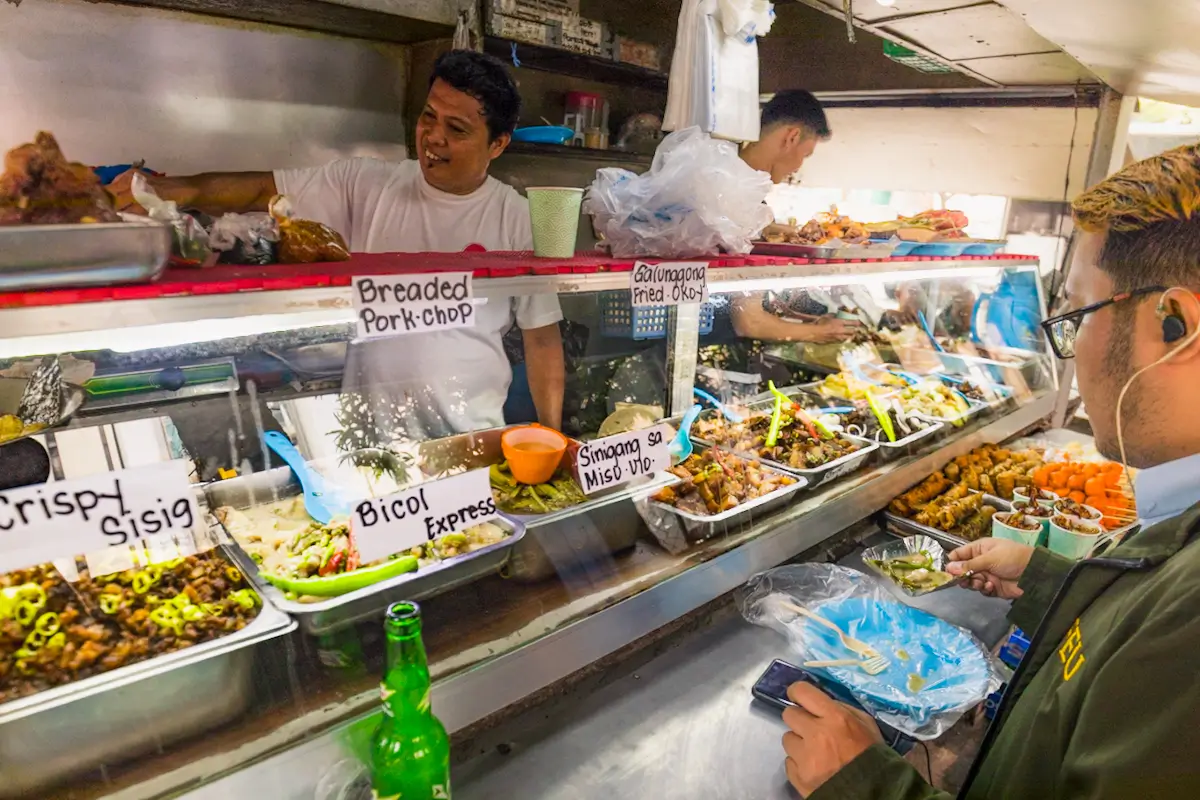
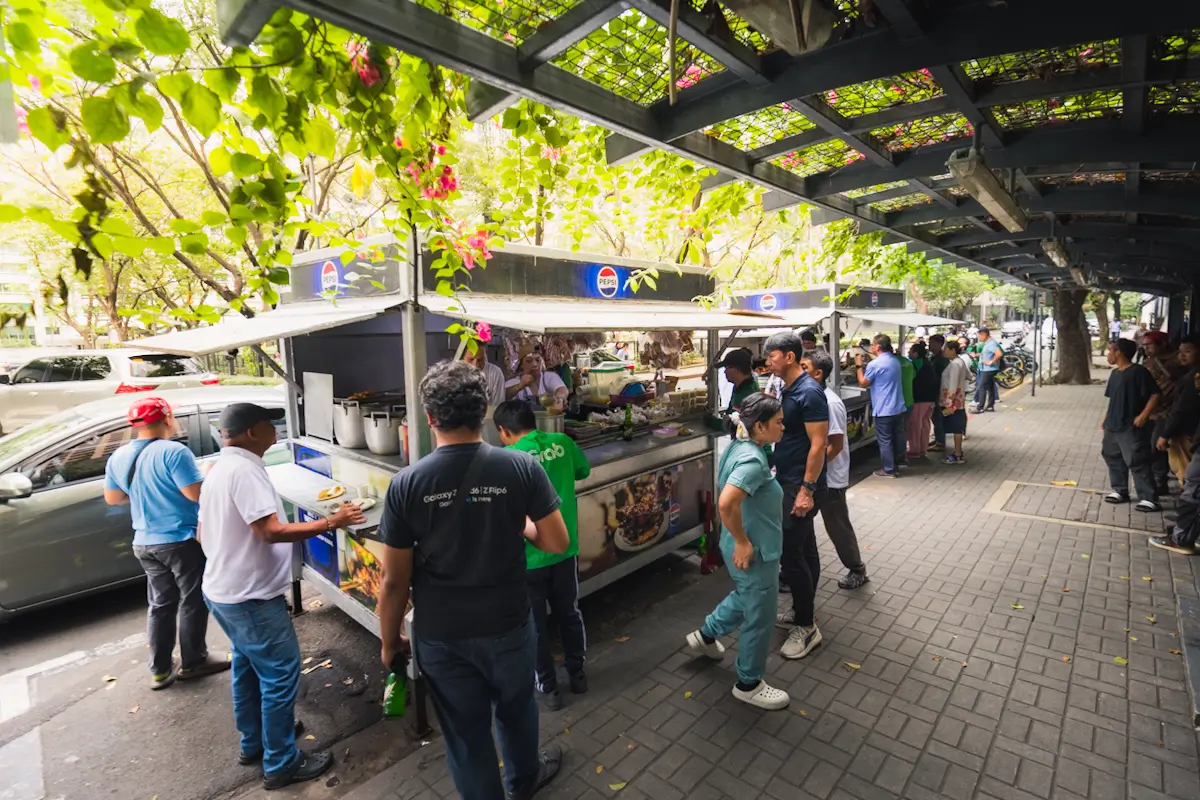
Jollijeeps are basically Makati’s version of a carinderia – the low-cost, family-run home-cooked food stalls you’ll find on nearly every corner in other parts of Manila. They serve the same lineup of ulam over rice – adobo , sinigang , bopis , ginisang ampalaya – but instead of occupying a fixed stall or small eatery, they operate out of stainless steel carts lined up along sidewalks. They exist because street-level food stalls aren’t permitted in the central business district, so vendors adapted by putting the whole operation on wheels. There are several that are particularly well-known, but honestly it’s worth just wandering around Makati at lunchtime and just following the crowds.
6. Binondo
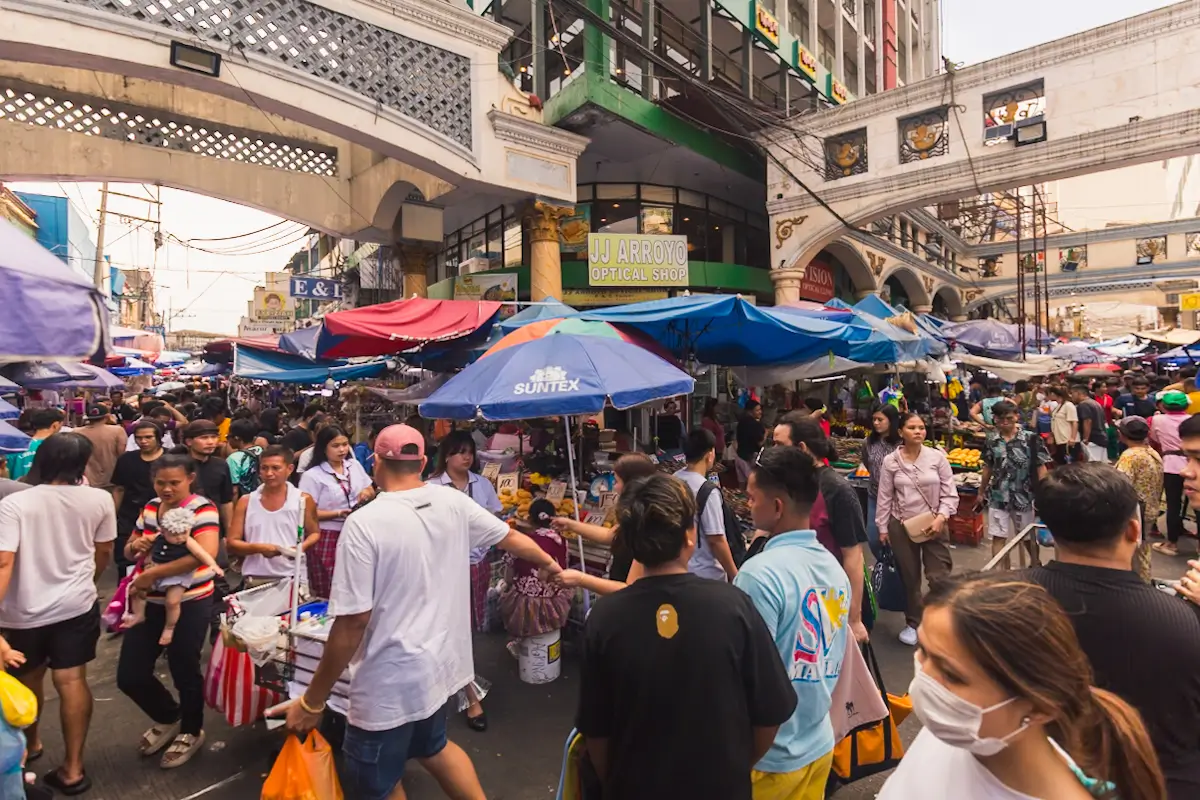
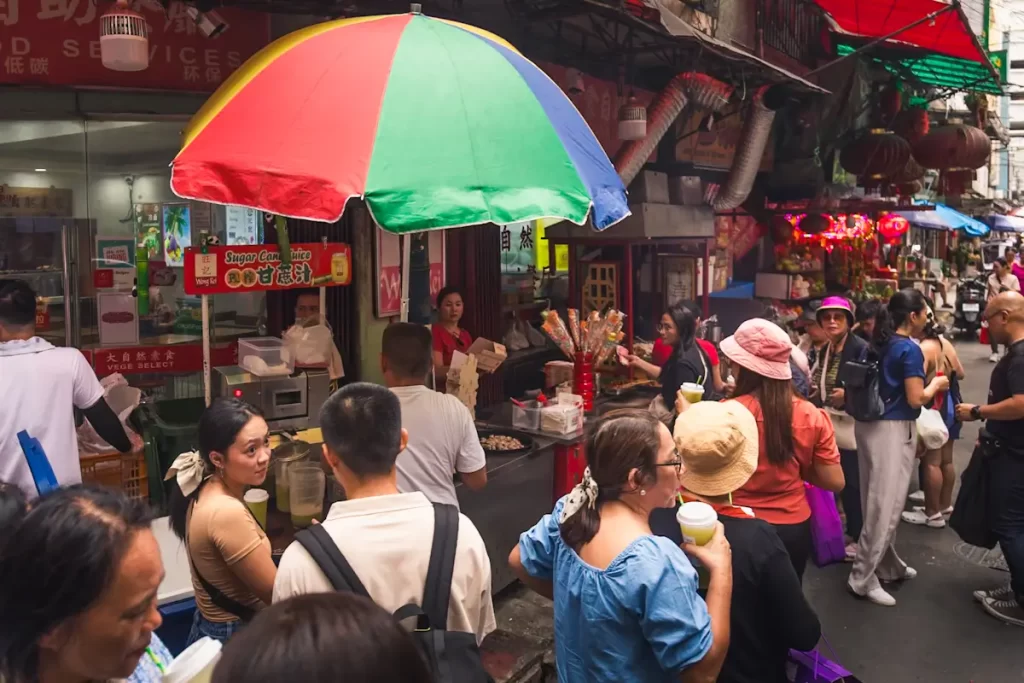
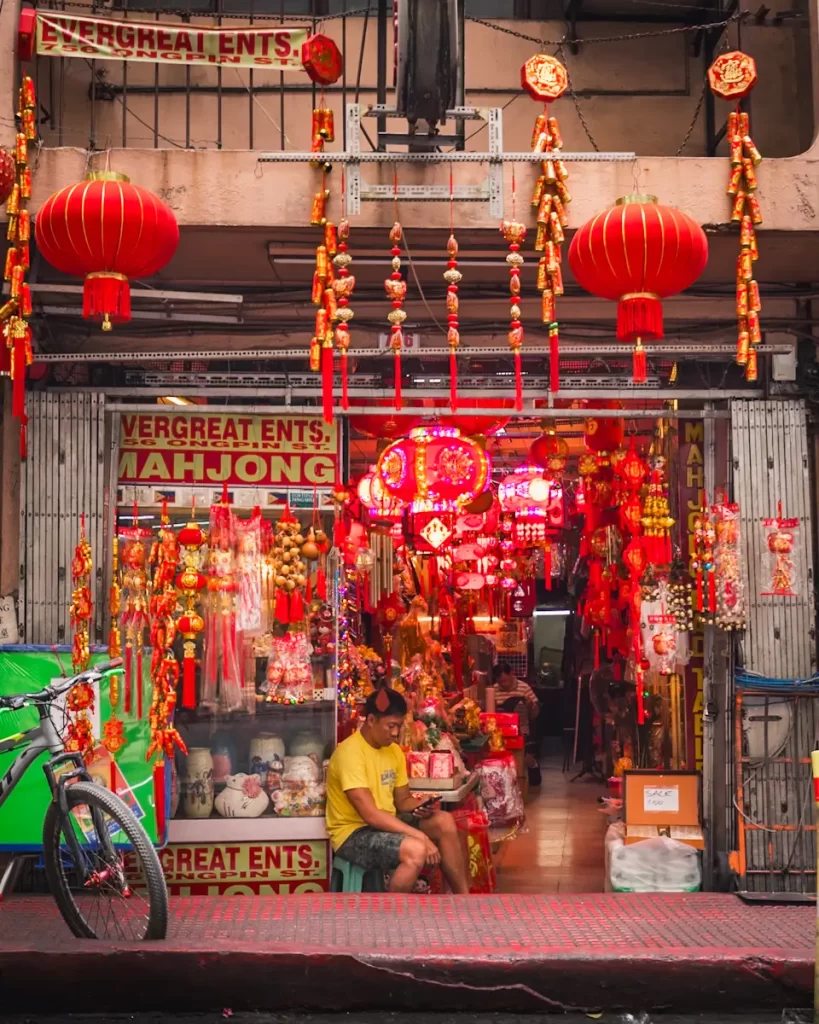
A day trip to Binondo, Manila’s historic Chinatown and the oldest in the world, is a must for visitors to Manila. Foreigners might raise an eyebrow at the idea of coming to the Philippines to eat Chinese food, but what’s served here isn’t exactly Chinese food – Fil-Chi cuisine, shaped by centuries of Chinese presence in Manila and blended with Filipino tastes. Think of it the same way American-Chinese food is it’s own thing. Binondo isn’t like the Chinatowns you might know elsewhere either; this is still Manila, and it’s crowded, hot, and noisy, so the earlier you come the better.
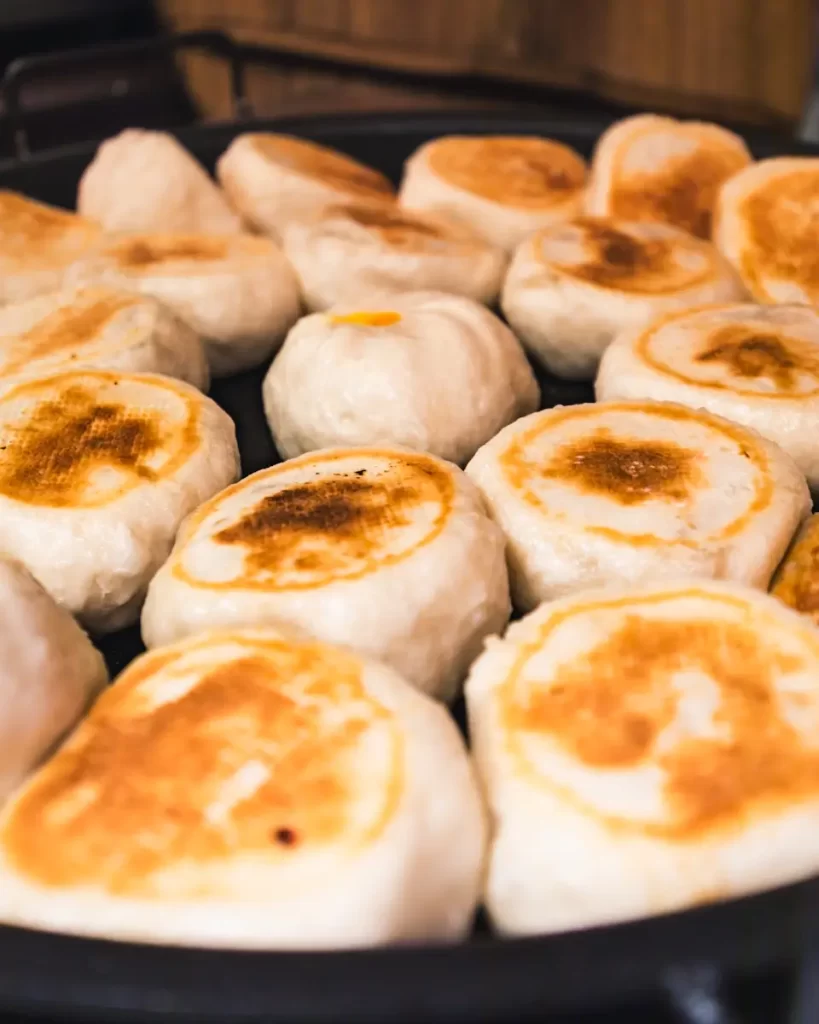
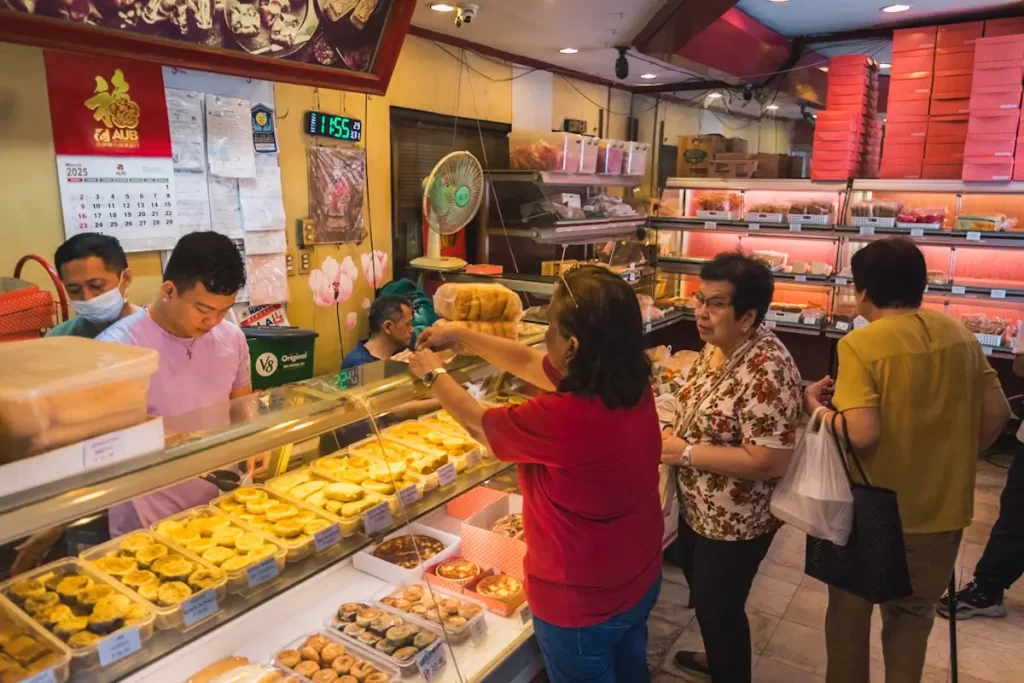
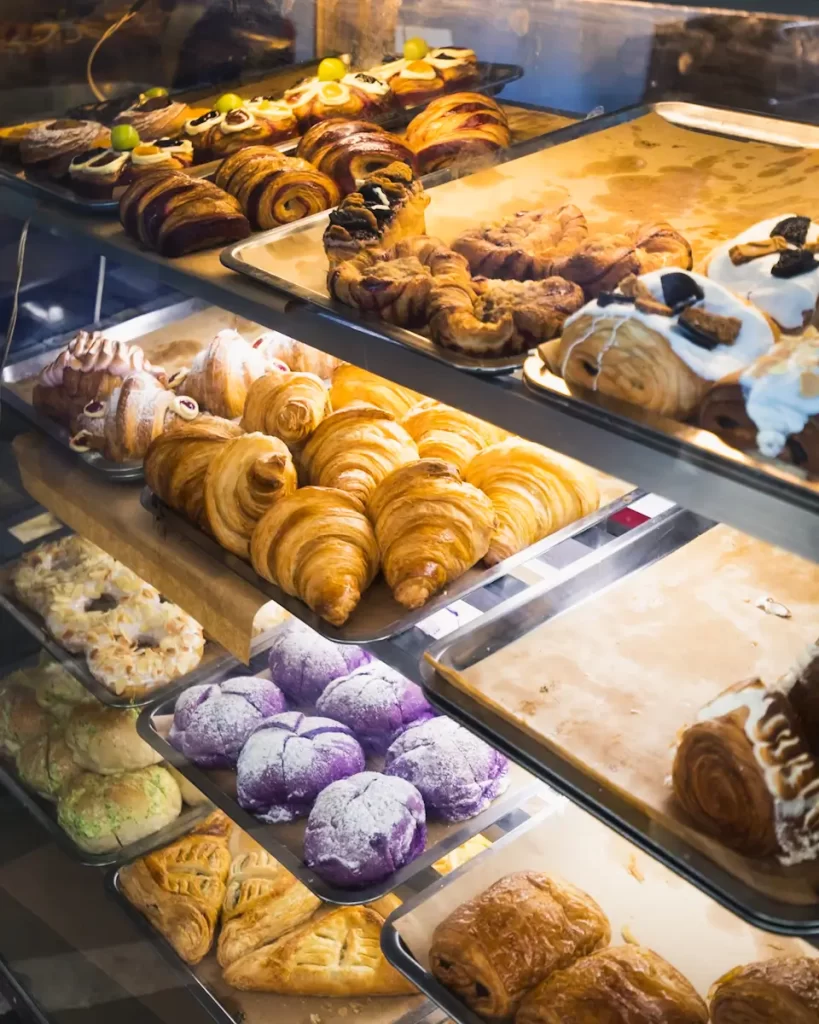
Start with the Chinatown Arch and follow Ongpin Street, passing Binondo Church before diving into the food circuit. At Wai Ying Fast Food you can dig into affordable dim sum and roast meats, while Shanghai Fried Siopao is famous for its pan-fried buns with crisp bottoms and juicy pork filling. Polland Hopia has been baking bean- and ube-filled pastries for decades, and Oishiekun Chinese Bites is a reliable stop for oyster cake or fried siomai.
7. Hapag
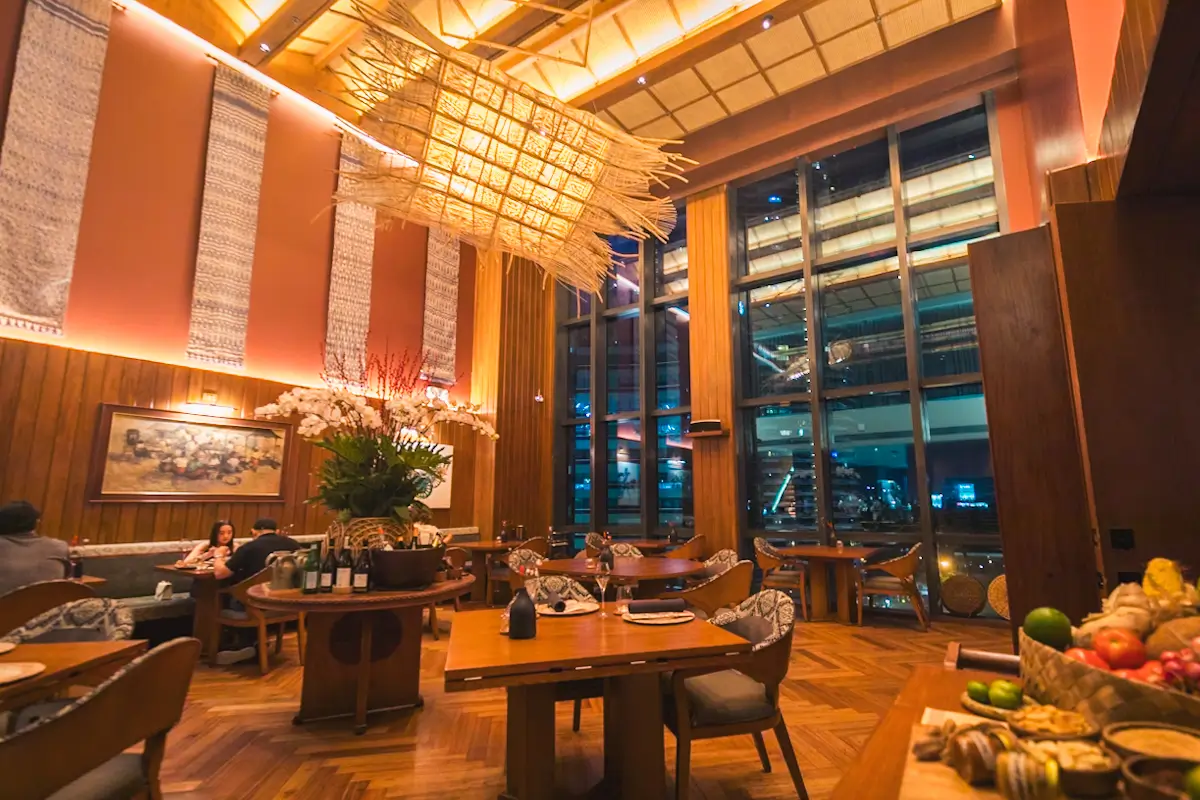
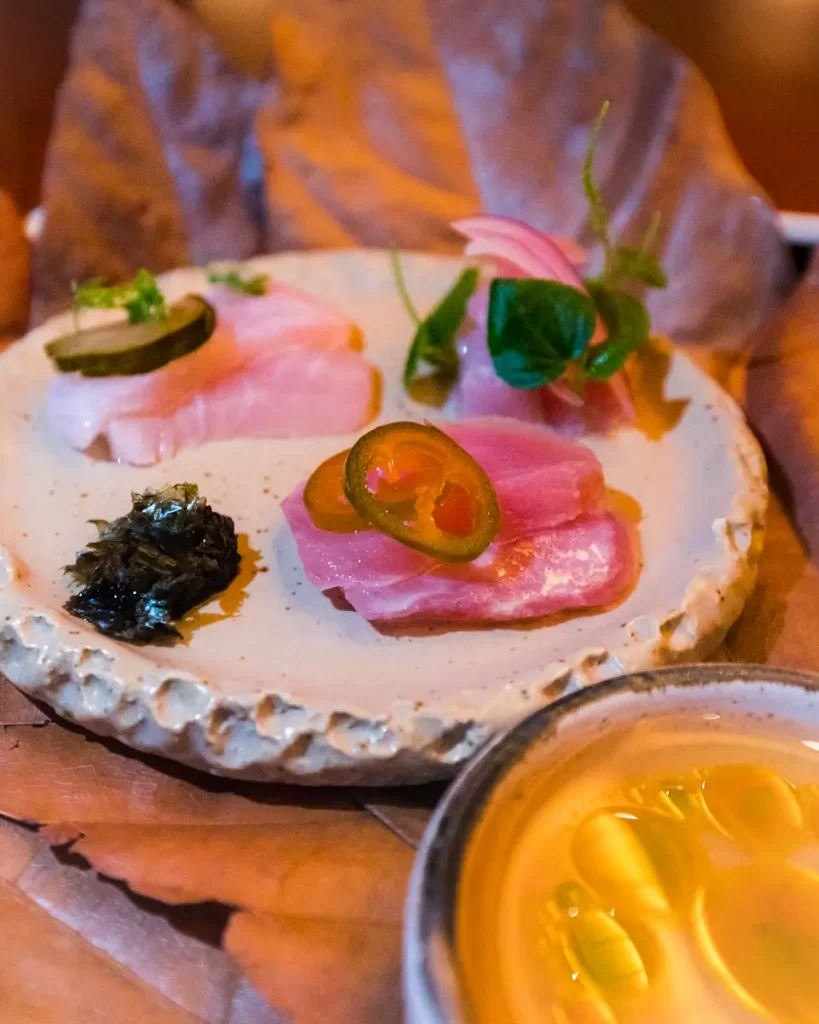
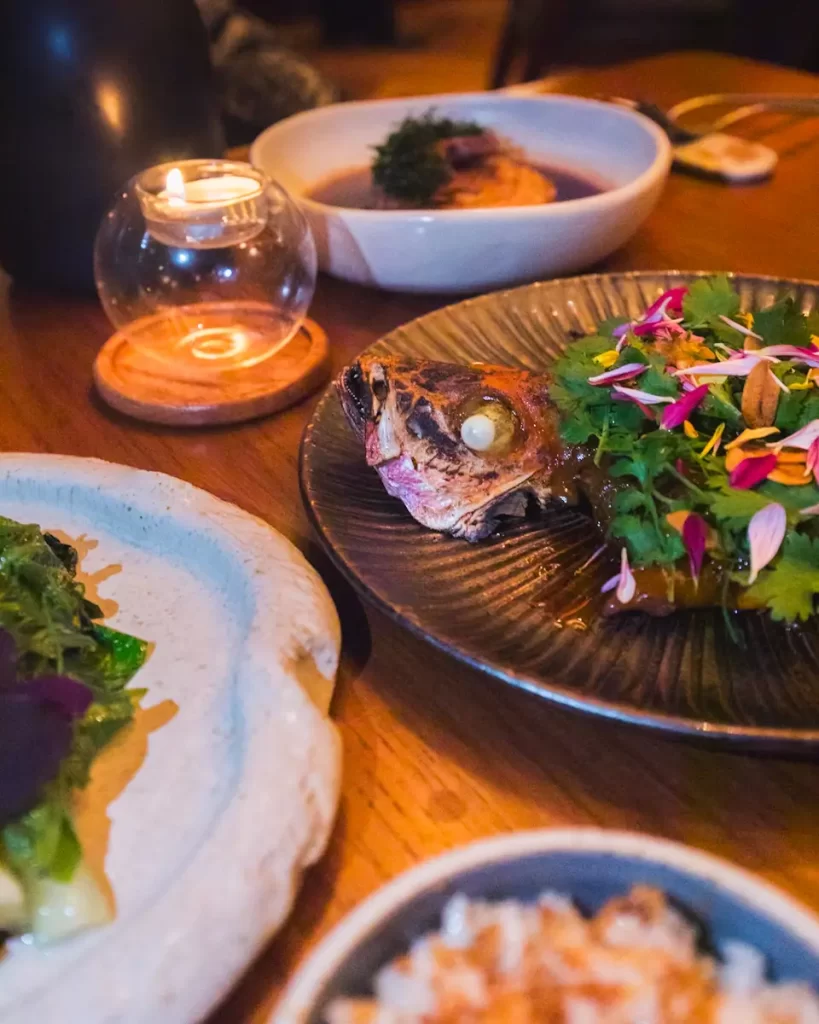
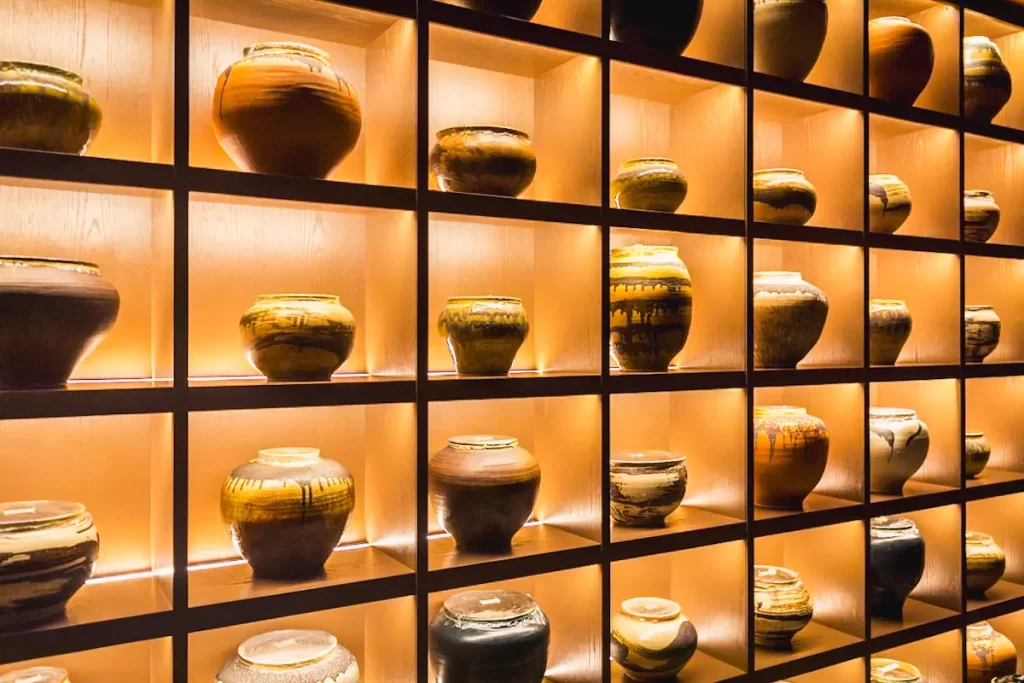
Hapag was founded in 2019 by chefs Thirdy Dolatre and John Kevin Navoa, beginning as a private dining project in Quezon City but since relocating to the 7th floor of Rockwell Center in Makati. Hapag builds each tasting menu around a different region of the Philippines, with the chefs spending months researching ingredients, cooking methods, and local food traditions before reimagining them for the table. Past menus have drawn from Visayan flavors and more recently from the cuisines of Western Mindanao. As you walk in, you’ll see shelves of earthernware jars filled with ongoing ferments that give a glimpse into the kitchen’s process, and the space is beautifully filled with locally made furniture, T’nalak fabrics, and a light fixture made of undulating pieces of bamboo meant to represent lambat or the net that fisherfolk cast over the water to catch fish.
In addition to its main dining area, Hapag also has an upstairs bar AYÀ, a lounge concept derived from the Filipino word “anyaya,” meaning a formal invitation. AYÀ focuses on Filipino small plates, wines, and cocktails featuring local ingredients.
8. Barbara’s Heritage Restaurant
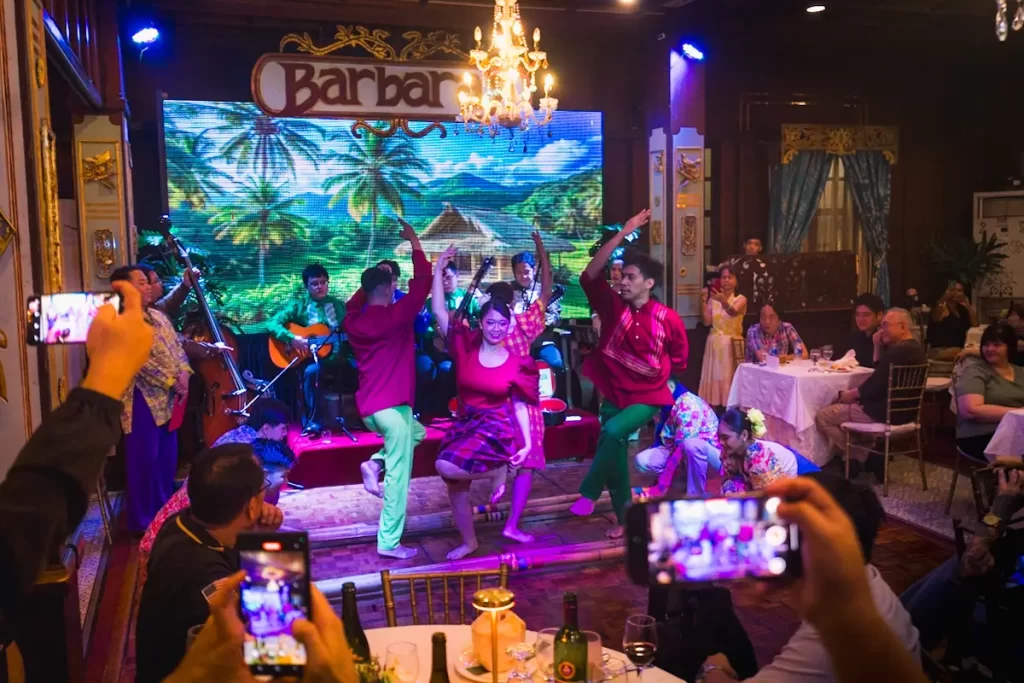
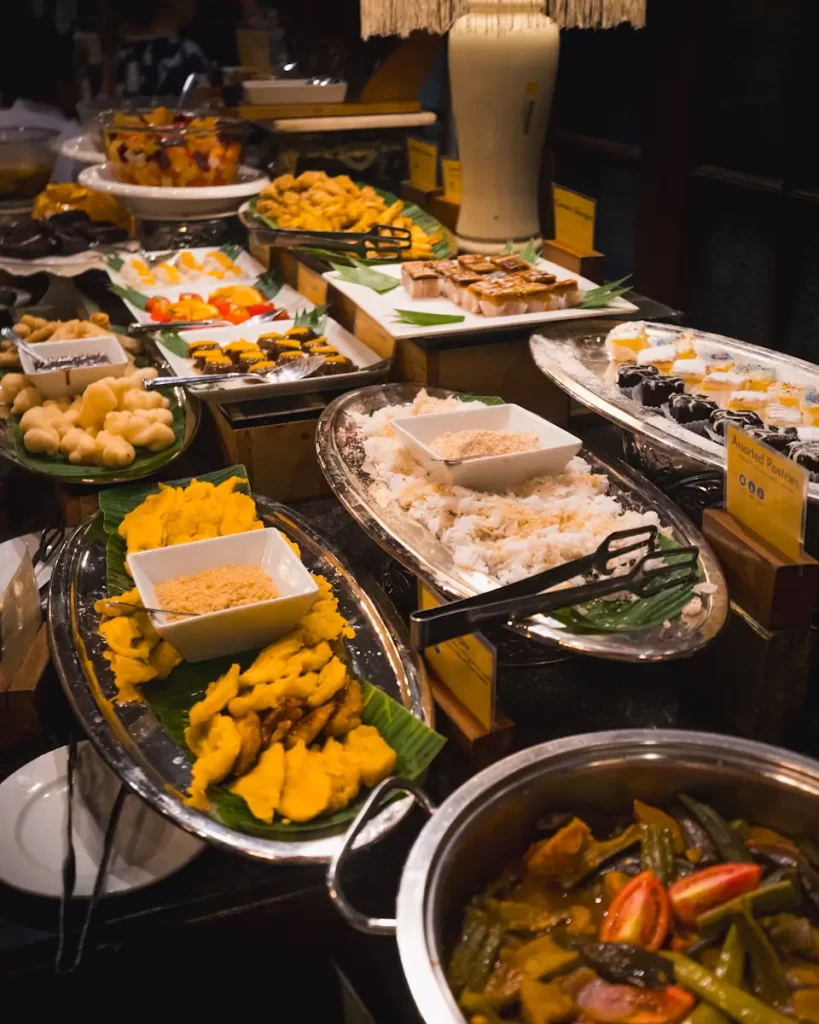
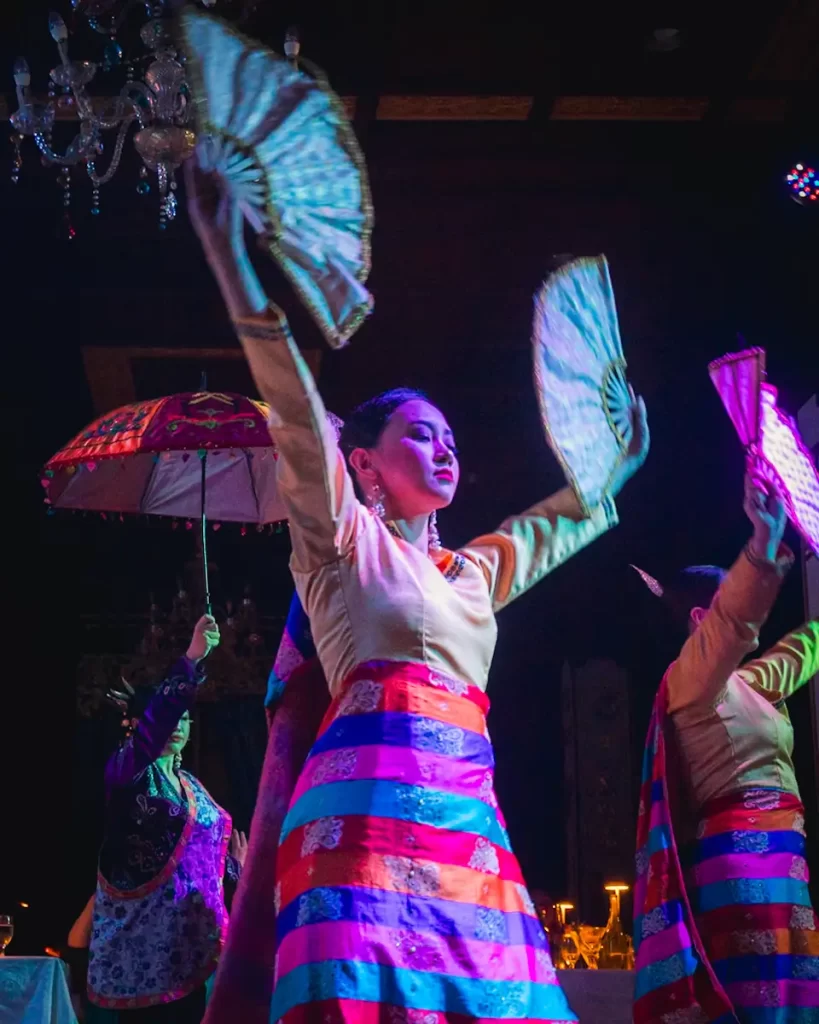
Barbara’s Heritage Restaurant in Intramuros is best known for its evening cultural show, where dinner is paired with live performances of traditional Filipino dances. The program runs through staples like the bamboo-pole Tinikling , the balancing act of Pandanggo sa Ilaw , and regional folk dances performed in full costume, with audience participation often invited near the end. The dining room itself is housed in a Spanish-era building beside San Agustin Church, furnished with heavy wood tables, capiz windows, and period chandeliers that add to the old-Manila atmosphere. The food is a sprawling buffet of Filipino classics – lechon kawali, kare-kare, pancit, adobo , and loads of dessert. Reservations are suggested, but usually always a necessity – I walked in last minute no problem. The fee for the buffet with the show is 1650 PHP .
9. Ninoy Aquino Parks and Wildlife Center
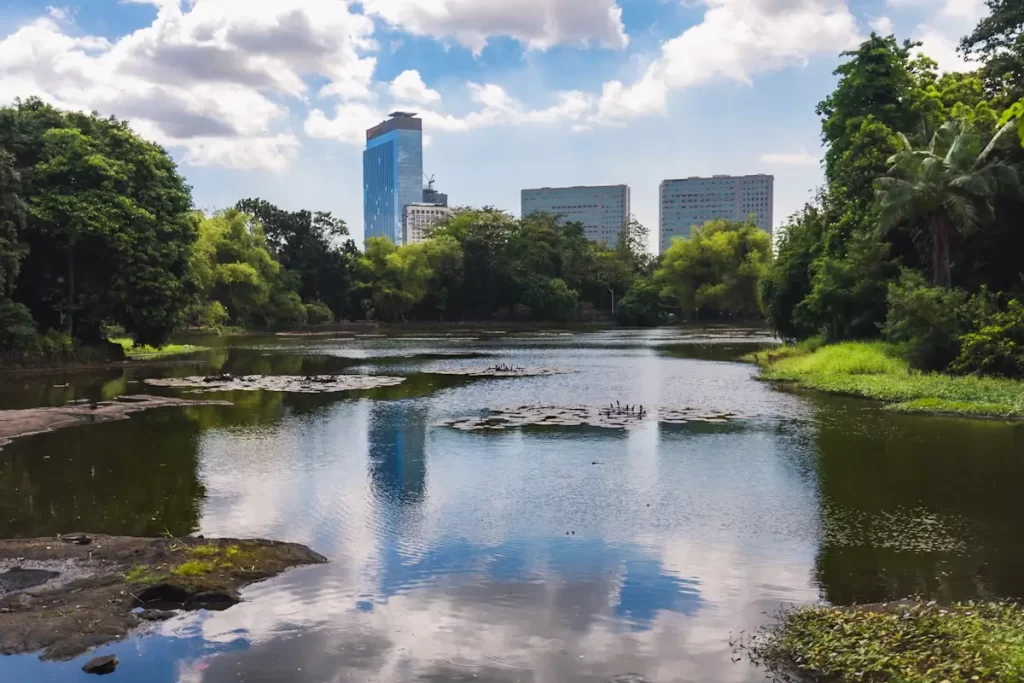
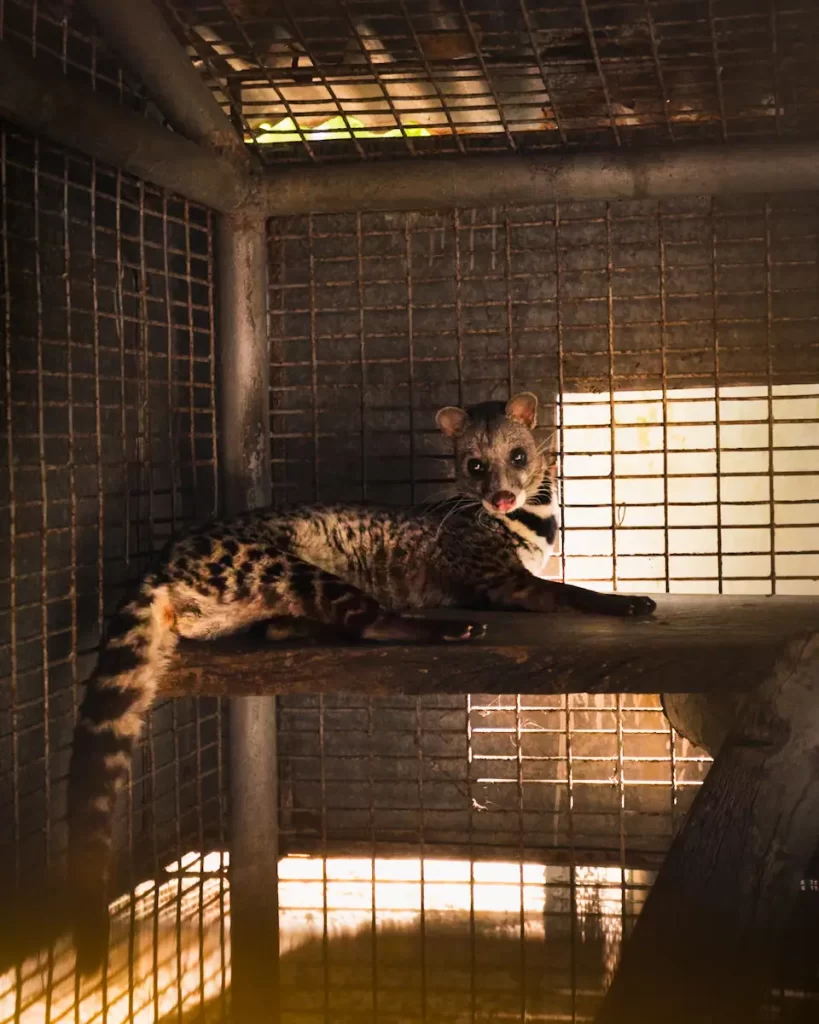
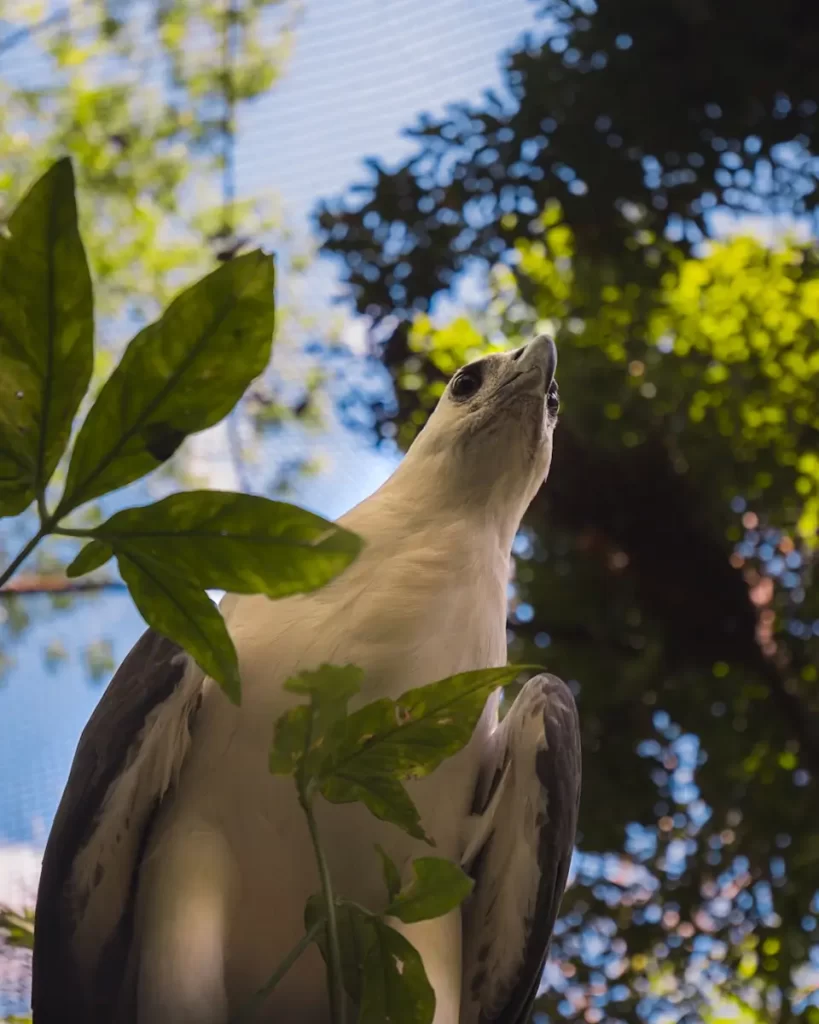
The Ninoy Aquino Parks and Wildlife Center in Quezon City is a 23.85-hectare urban park and nature reserve that serves as a green sanctuary in Metro Manila. Managed by the Department of Environment and Natural Resources (DENR), the park is home to a diverse collection of native trees and plants, as well as various species of rescued wildlife, including birds, reptiles, and mammals. The Wildlife Rescue Center within the park houses rescued and rehabilitated animals, offering guests an opportunity to learn about native species and the importance of protecting their habitats. It’s wroth walking around the various paths through the park past the lagoon – after a few days in Manila you’ll be much in need of the green space. Entrance is 30 PHP .
10. Local Coffee
The Philippines is one of the few countries in the world that grows all four main commercial coffee varieties: Arabica, Robusta, Liberica, and Excelsa. And yet, at home most Filipinos just stir 3-in-1 powder sachets into water, while malls are packed with people holding Starbucks cups as status symbols. Foreign brands are lifestyle statements here in the Philippines.
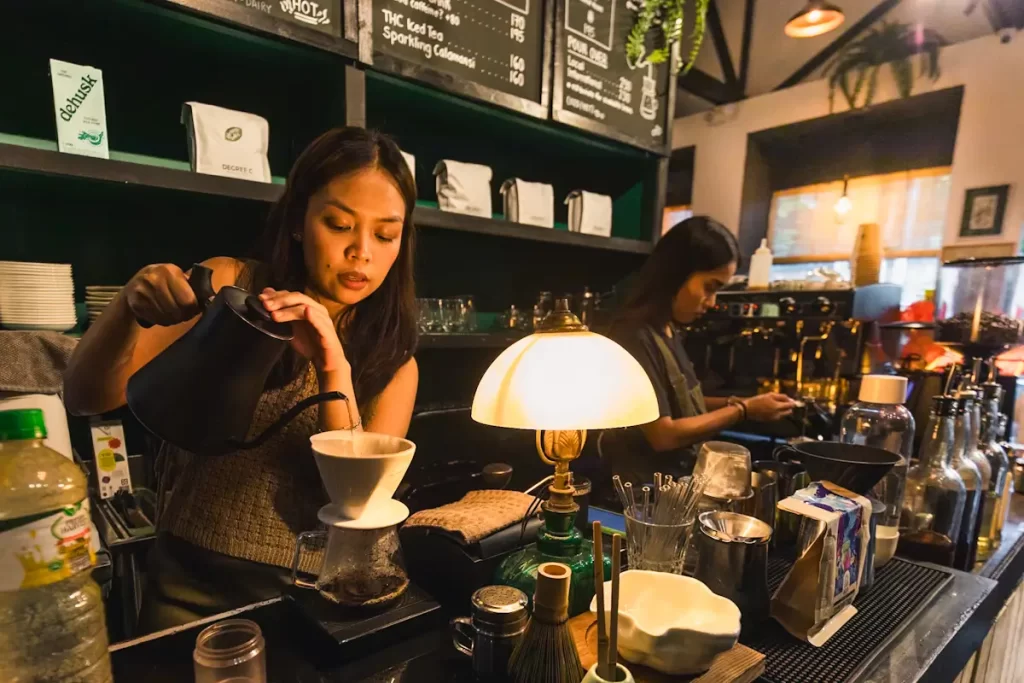
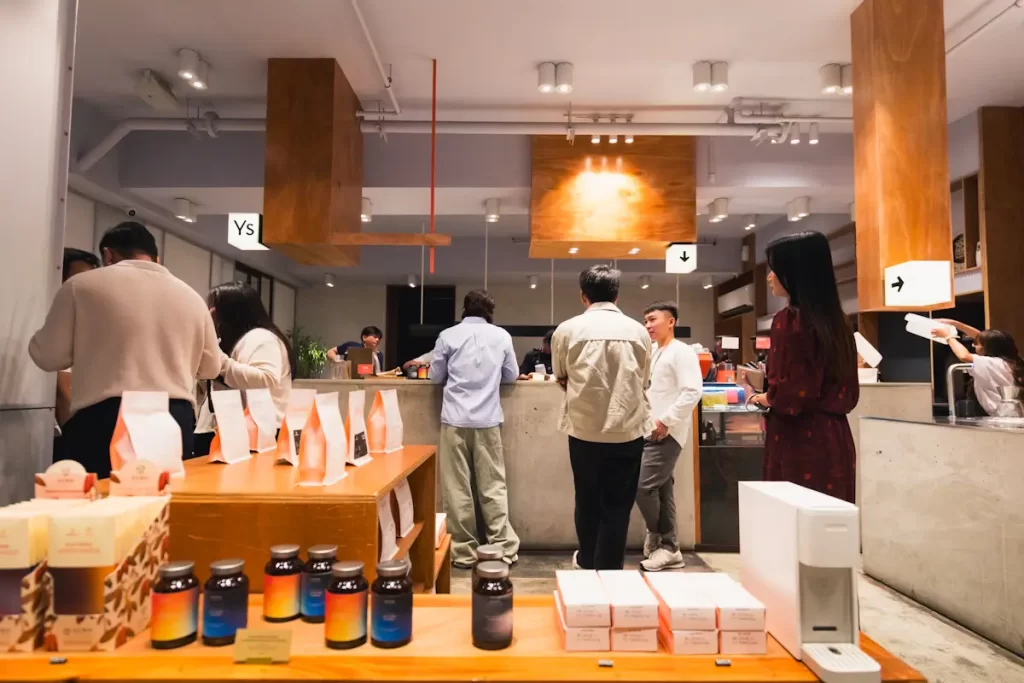
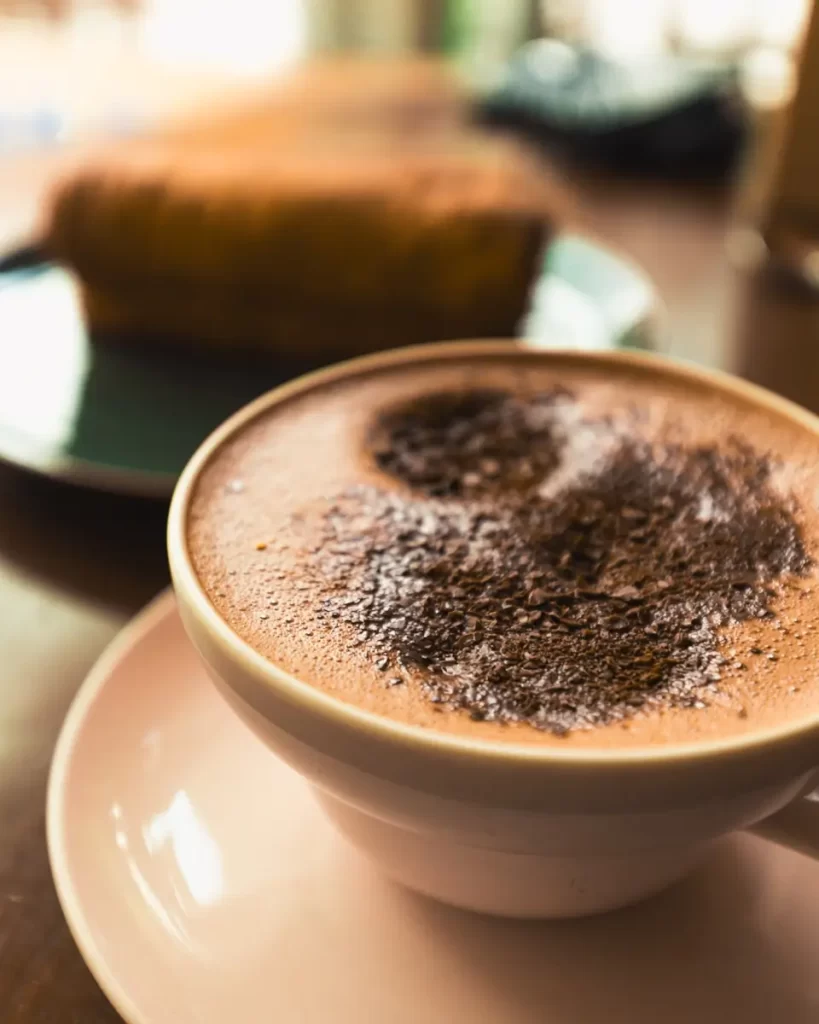
Despite a long history as a coffee-producing country, the local industry has been underdeveloped for decades, but Manila has also developed the country’s most serious café scenes. Over the past decade the city has seen a steady rise of specialty shops sourcing directly from Philippine farms, investing in better roasting, and training baristas to competition standards. Neighborhoods like Poblacion, BGC, and Quezon City now host cafés where single-origin pour-overs sit alongside more accessible drinks. Among the standouts are Yardstick Coffee in Legazpi Village, The Curator in Makati (part café, part cocktail bar), Assembly Hall in Makati CBD, and Chapter Coffee Roasters in Quezon City. Be aware that the boom has also produced plenty of “Instagrammable” cafés where the product, ahem, takes a back seat to decor, so it’s worthwhile to be selective.
11. Local Chocolate Brands
The Philippines has been cultivating cacao since the 1600s, introduced via the galleon trade from Mexico, and today it’s one of the few Asian countries producing cacao at scale. For centuries most of it has been exported in bulk, but a new generation of young Filipinos are building a bean-to-bar industry that treats local cacao as a premium product.
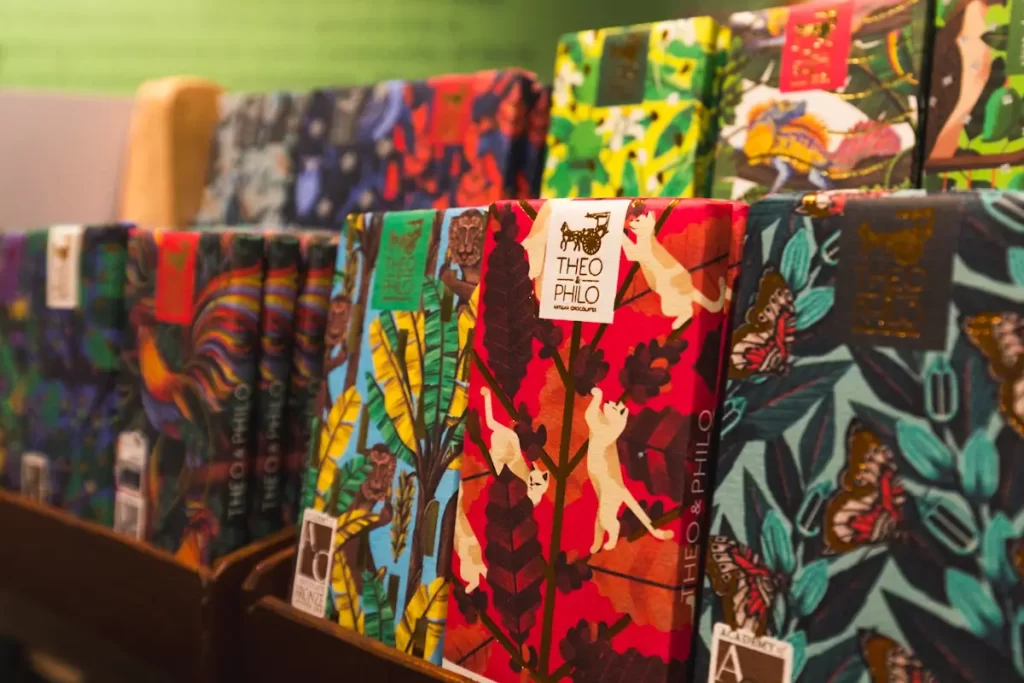
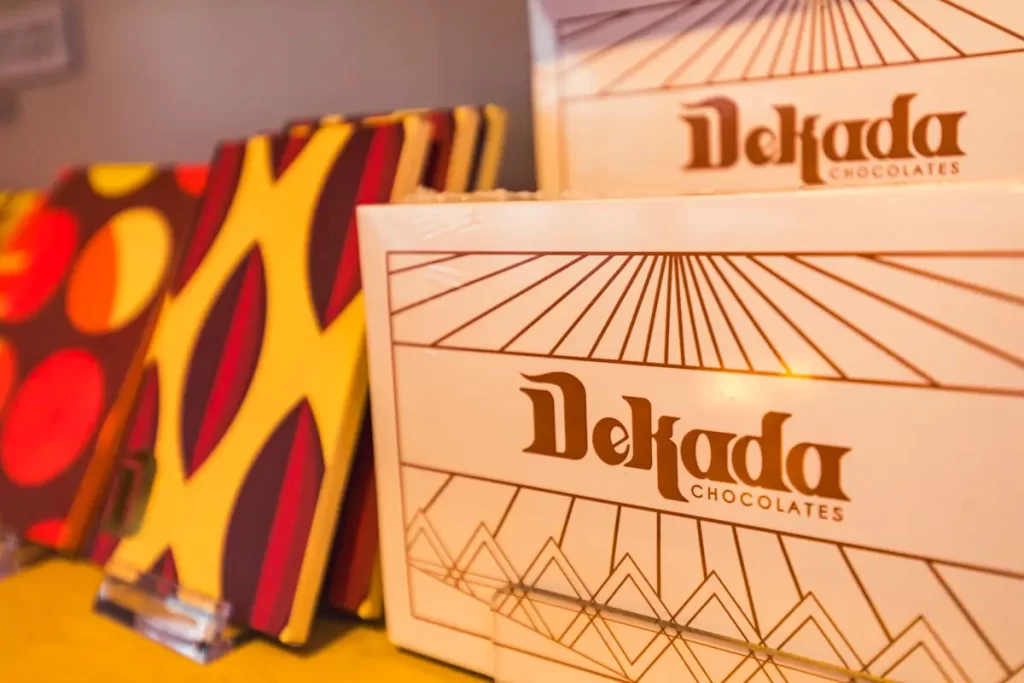
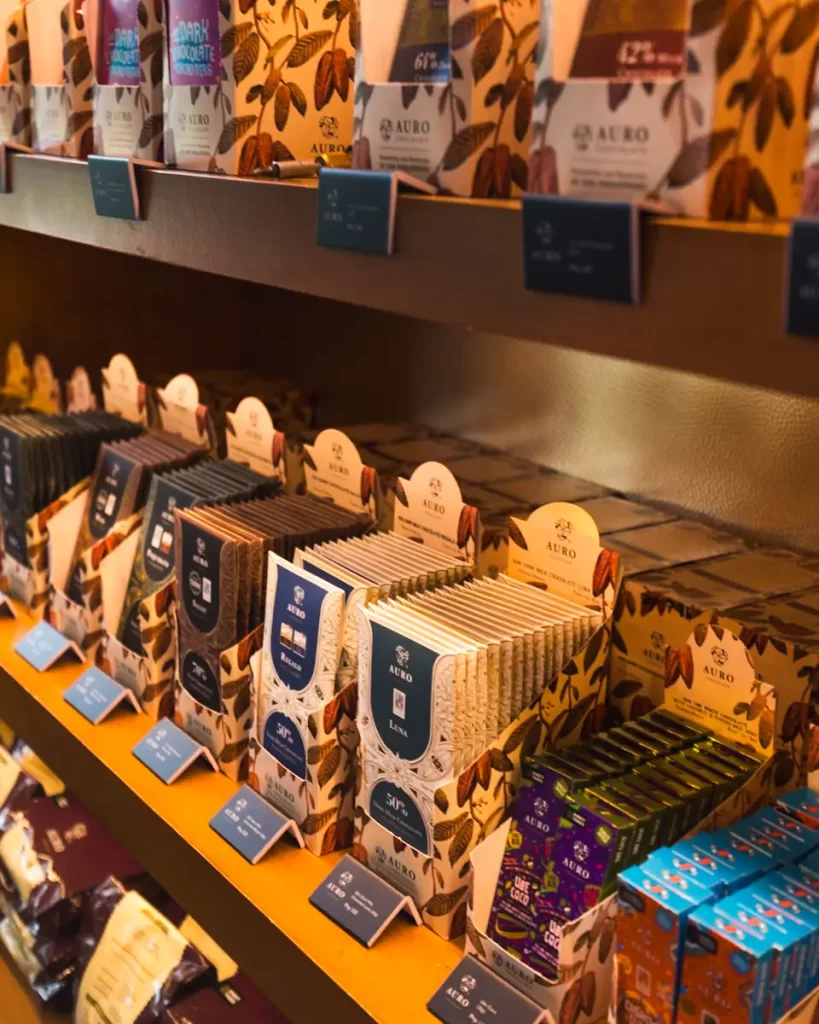
Trying chocolate in Manila means tasting bars made entirely from Philippine beans, which often carry notes of tropical fruit, nuts, and spices that reflect the growing regions of Davao and Mindanao. What makes it worth seeking out is that these bars are crafted start to finish in the country. In Manila you’ll easily find them at cafés, specialty stores, and brand shops, with labels like Auro, Theo & Philo, Dekada, and 1919 among the most common.
12. National Museum of Natural History
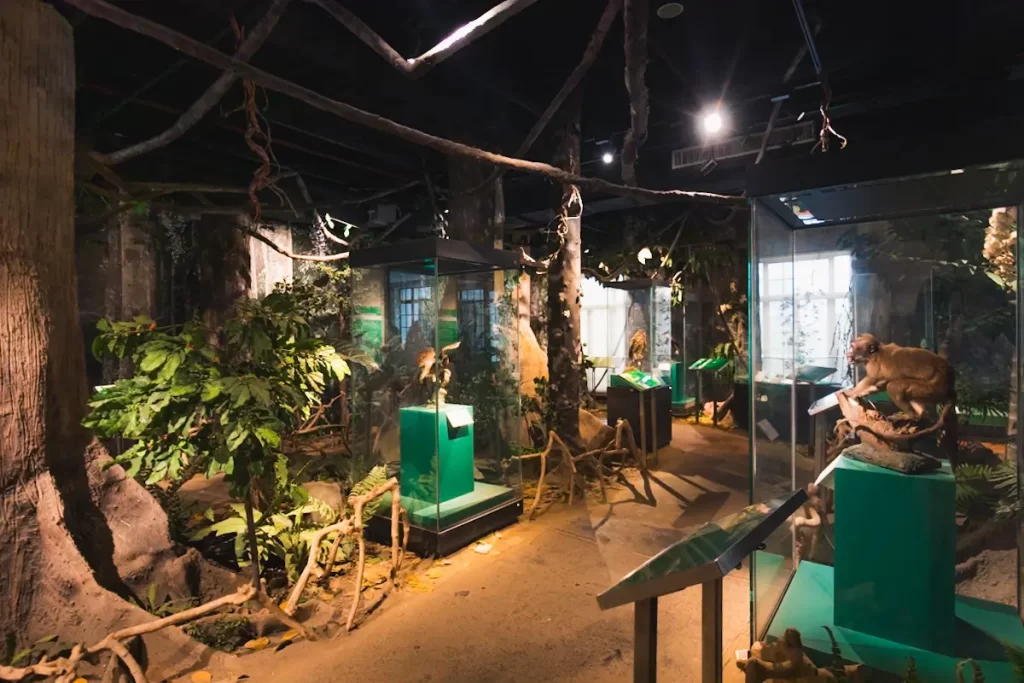
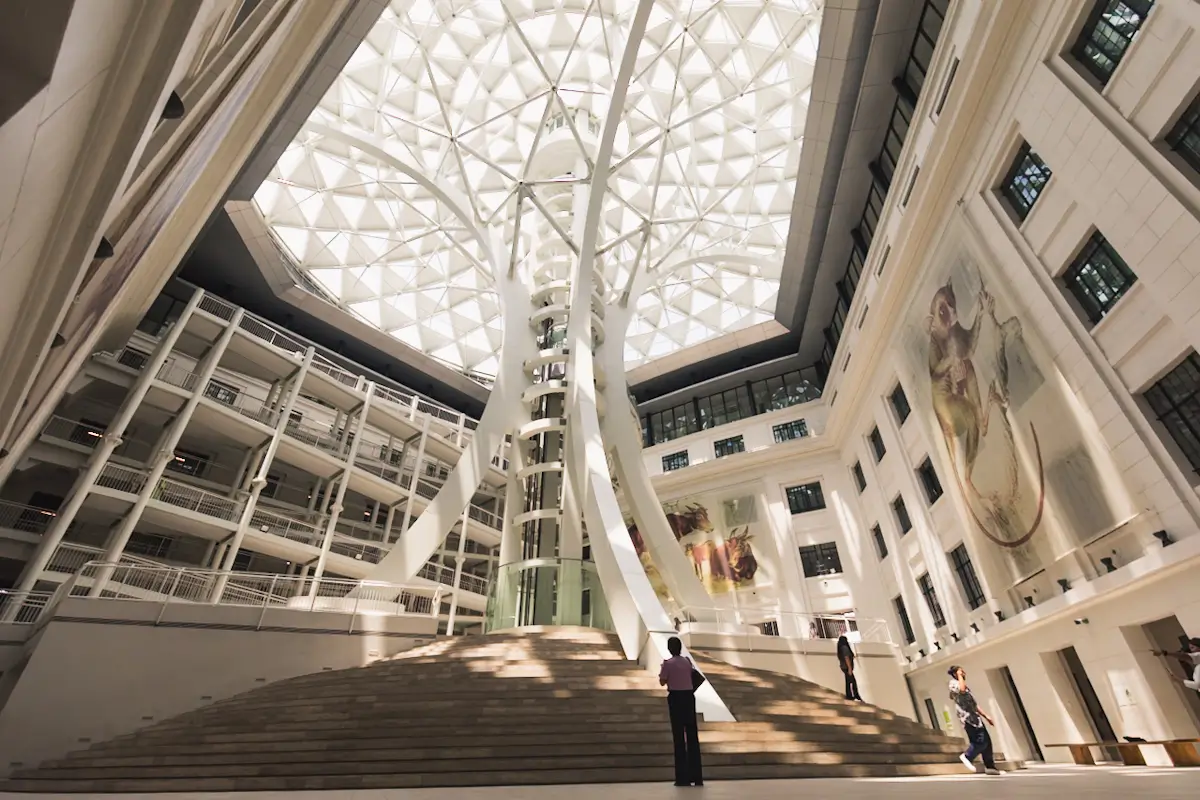
The National Museum of Natural History in Manila, near Rizal Park, is housed in a beautifully restored neoclassical building that was once the Agriculture and Commerce Building. Its architectural centerpiece is the “Tree of Life,” a striking glass-and-steel structure that serves as the central atrium’s elevator system.
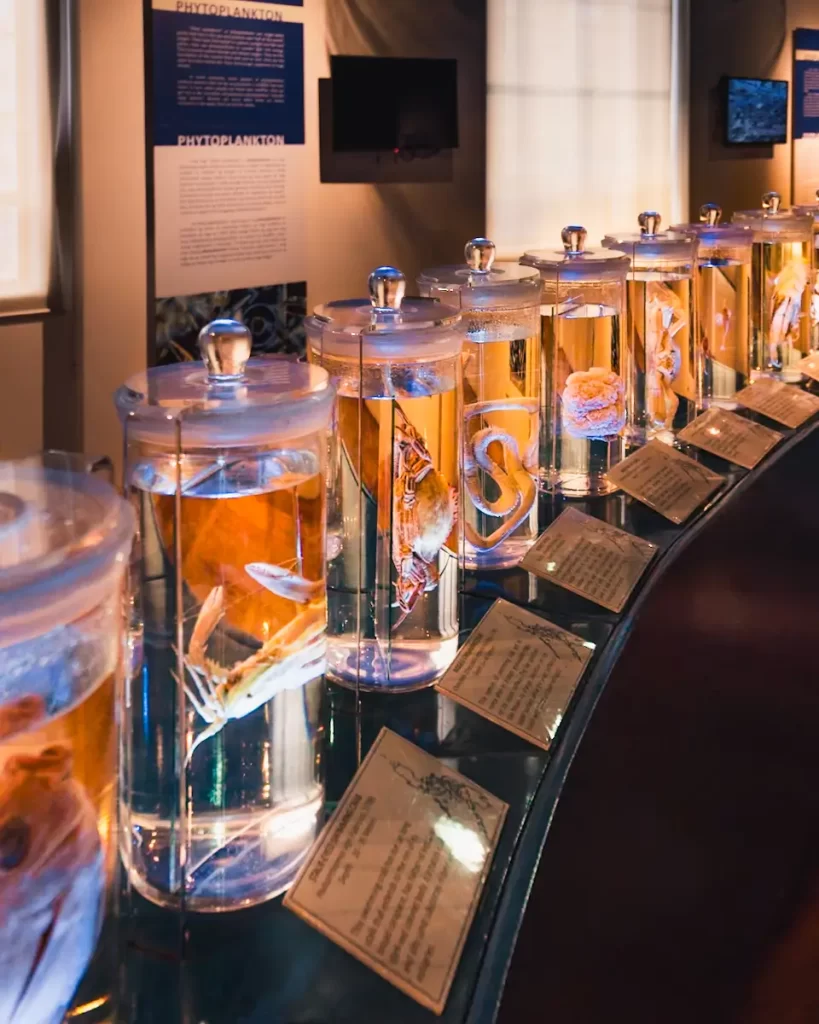
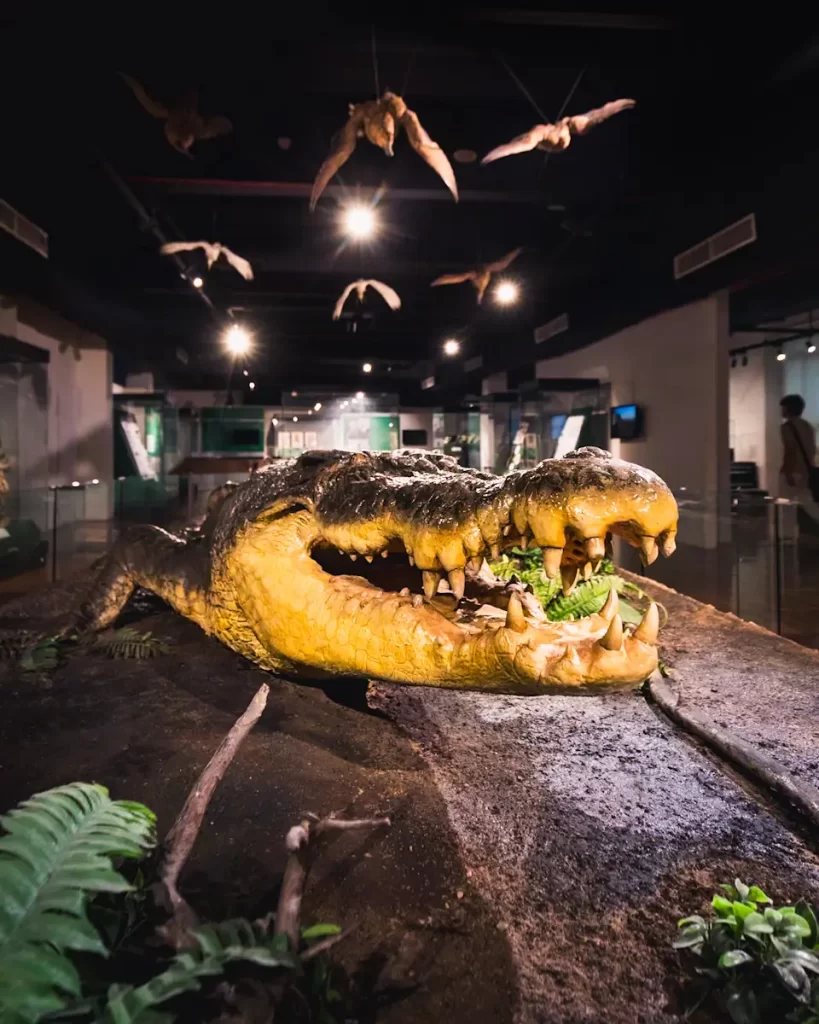
The museum features a wide array of exhibits showcasing the country’s unique ecosystems, flora, and fauna. Highlights include dioramas of the Philippine rainforests, marine life exhibits, and interactive displays that educate visitors about the nation’s conservation efforts. The museum’s most famous attraction is the preserved skeleton of Lolong, once the world’s largest captive crocodile, which is displayed alongside information on wetland ecosystems.
If your visit to the Philippines is also going to include time spent exploring its beautiful islands, mountains, and underwater ecosystems, I would highly suggest visiting the museum to learn about them first. Like the other museums in the National Museum Complex, the National Museum of Natural History is free to enter .
13. National Museum of Anthropology
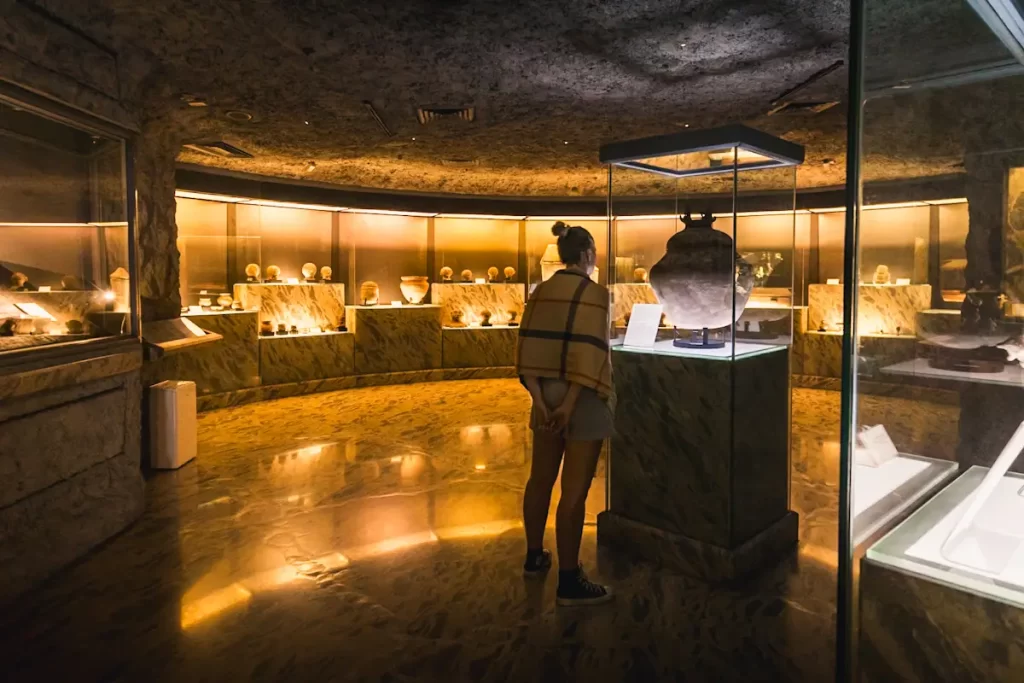
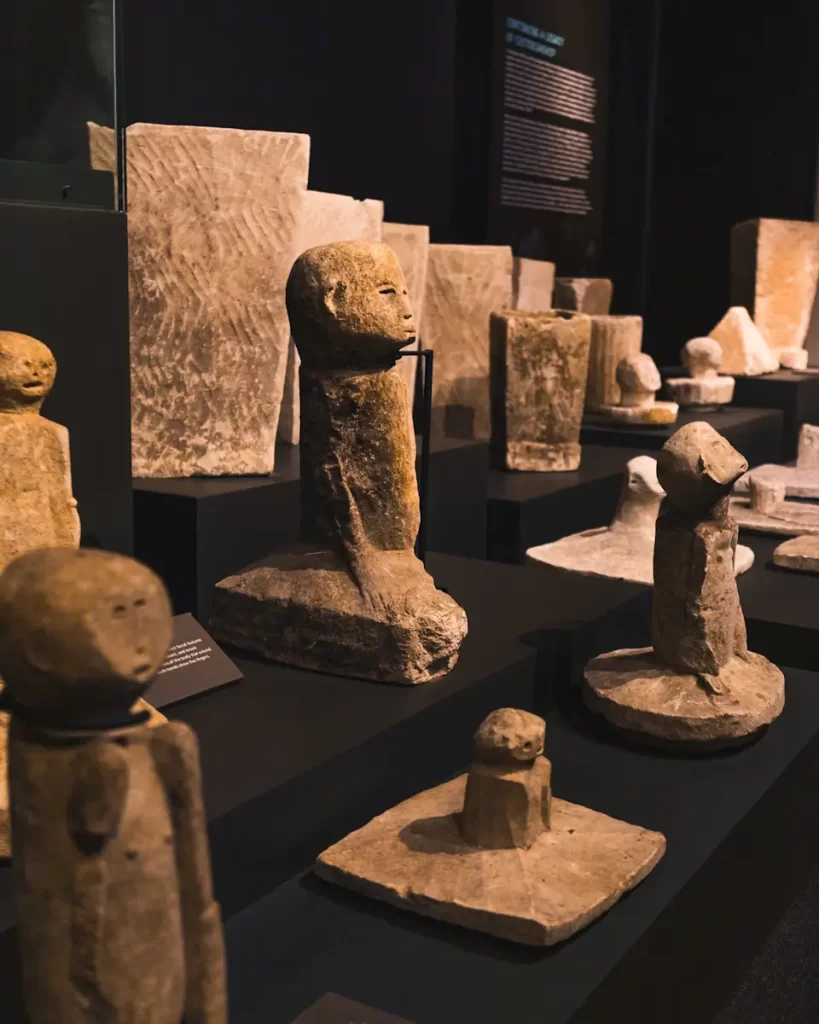
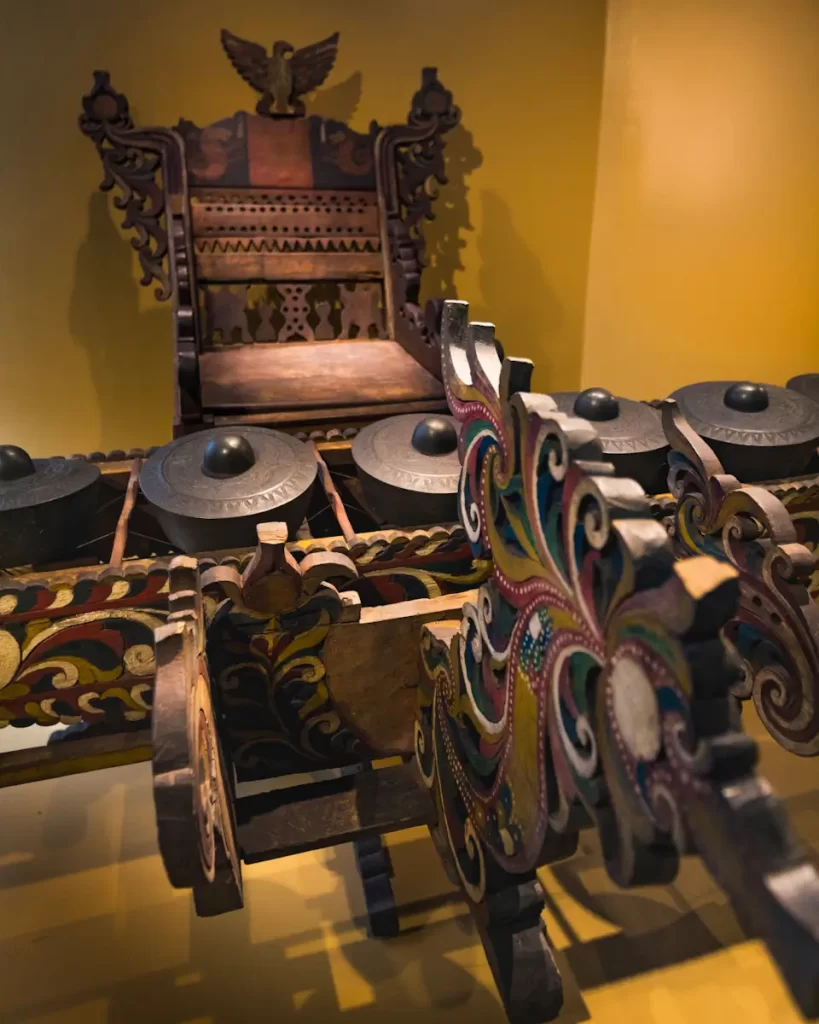
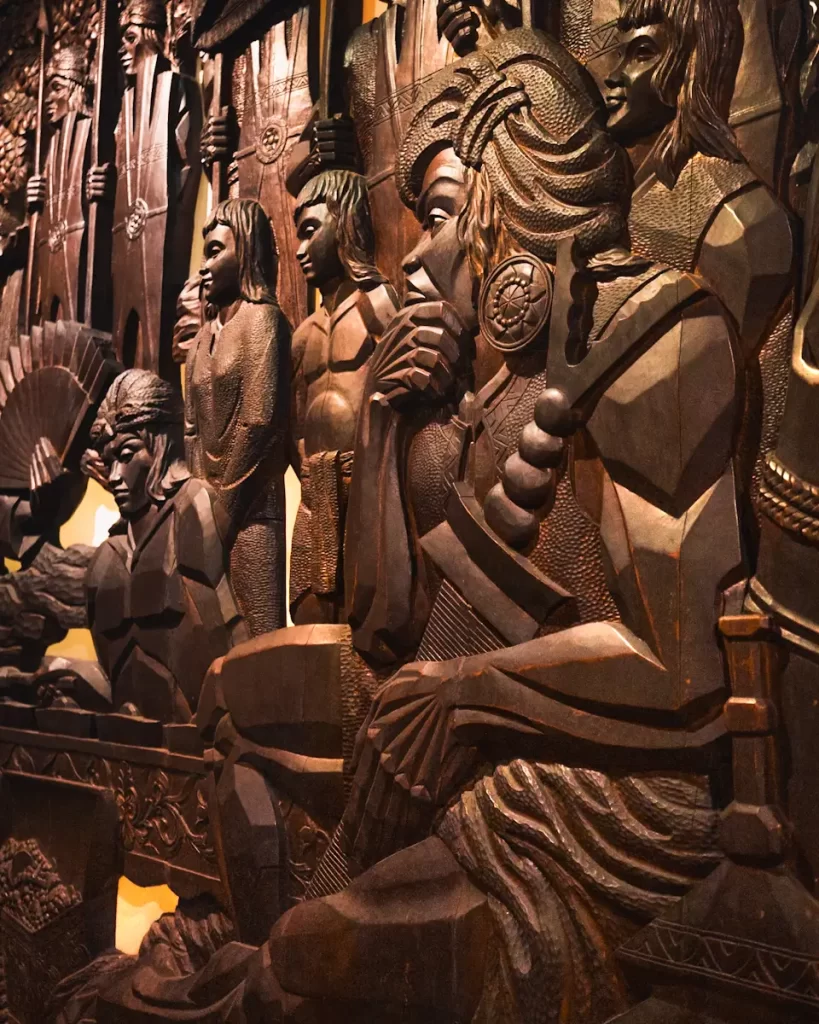
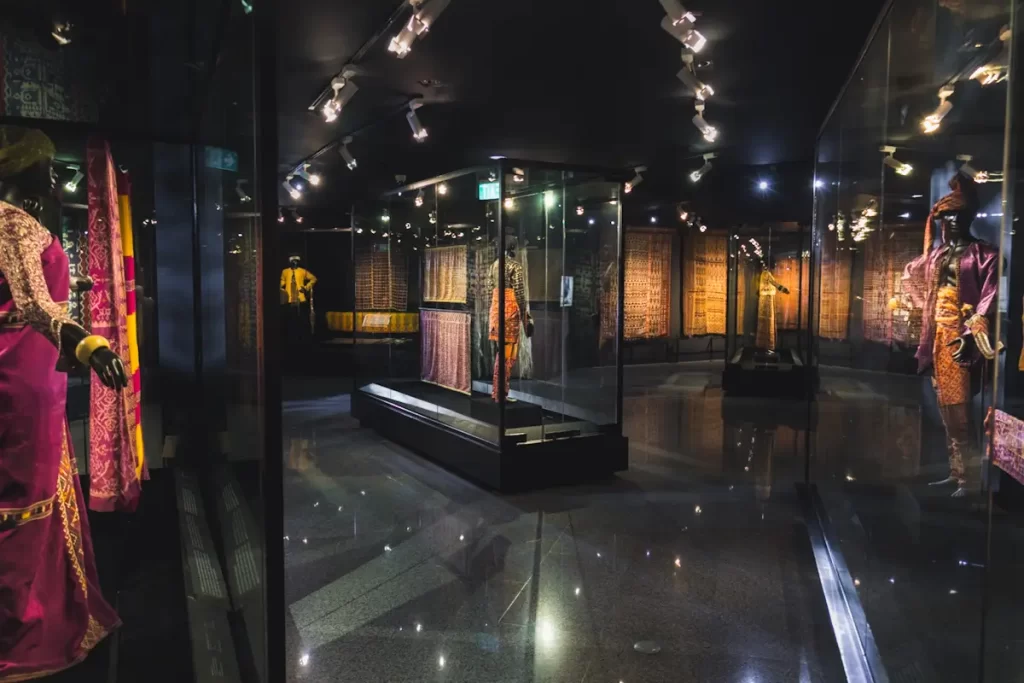
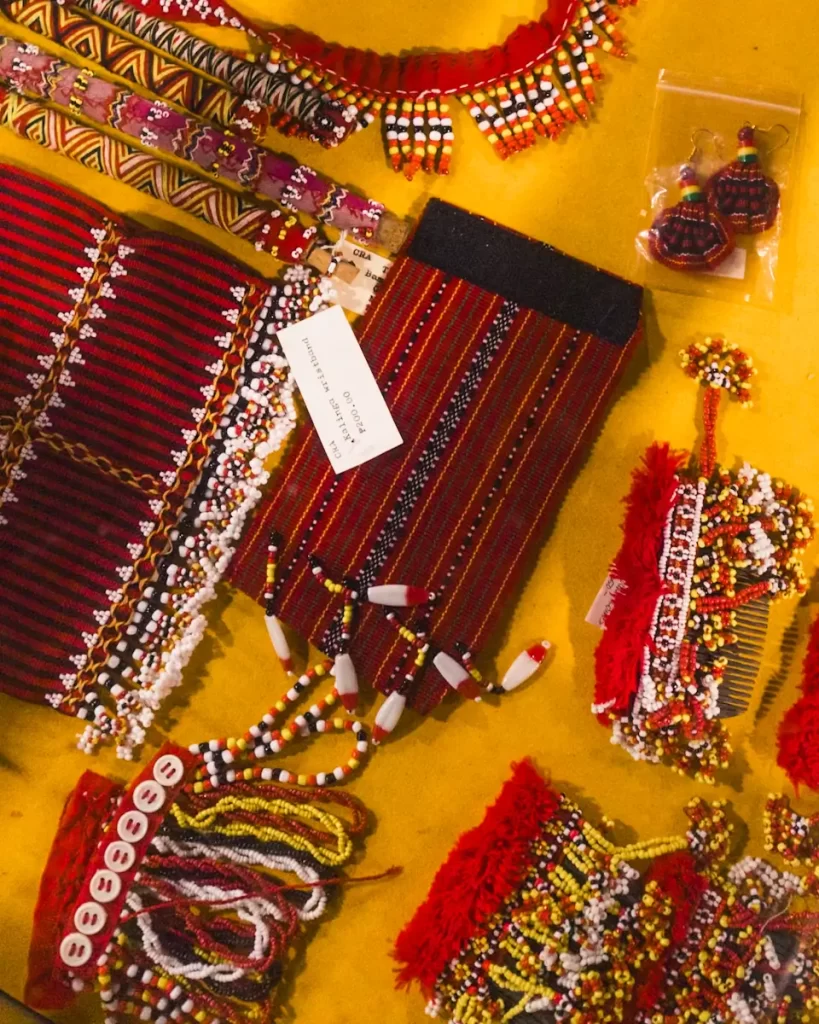
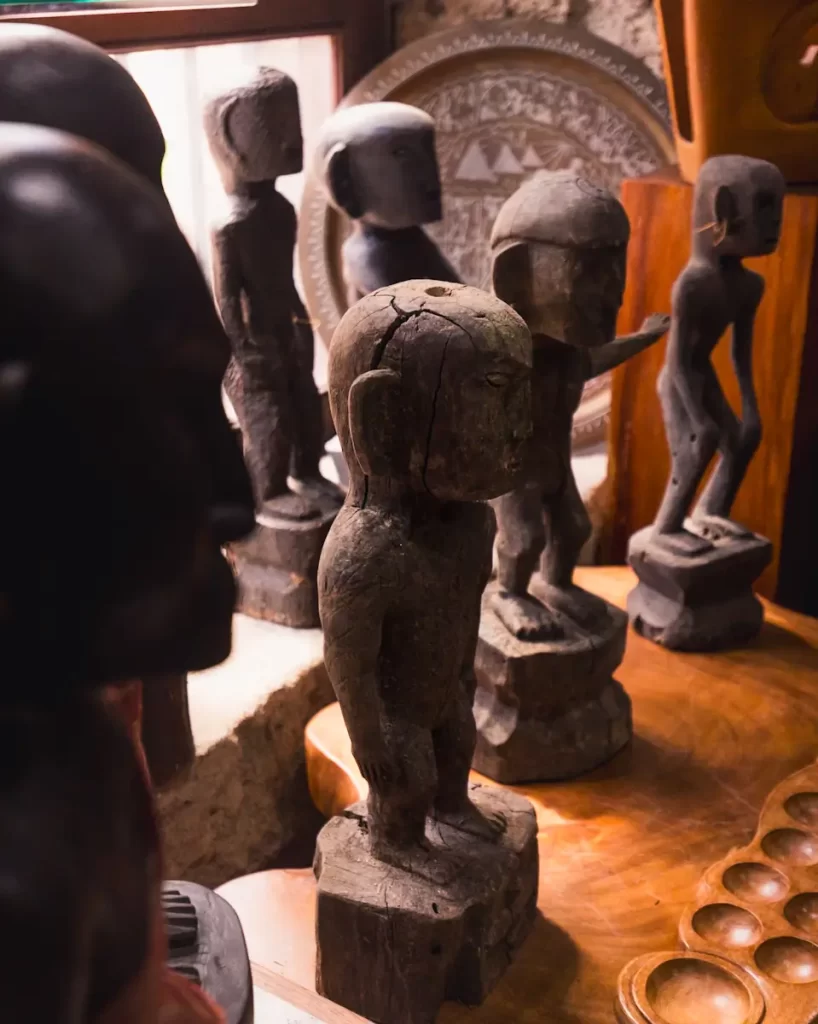
The National Museum of Anthropology is the most rewarding of the three museums in the National Museum Complex near Rizal Park. Housed in the former Department of Finance building, it focuses on the Philippines’ many ethnolinguistic groups and their material culture. The exhibits span several floors, moving from precolonial gold and textiles to everyday tools, weapons, and ritual objects. Notable highlights include intricately woven piña and abaca fabrics and carved bulul figures from the Cordillera. The Baybayin gallery explores indigenous writing systems, while other sections display jewelry, pottery, and basketry from Luzon, Visayas, and Mindanao. If there’s only one museum that you’re going to visit in Manila, this is the one. Entrance is free .
14. National Museum of Fine Arts
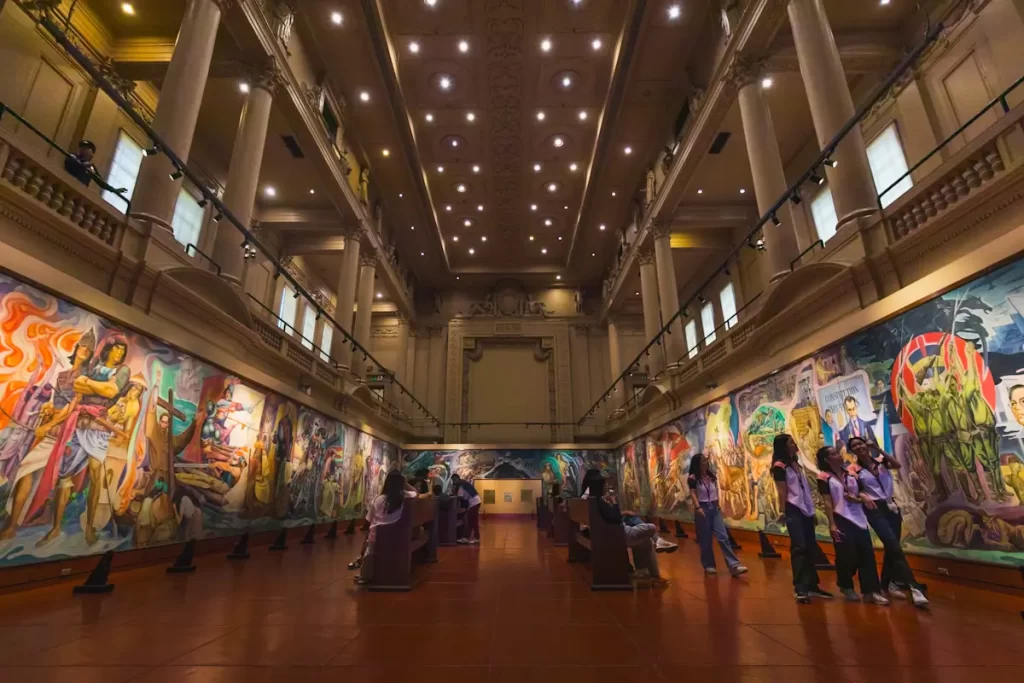
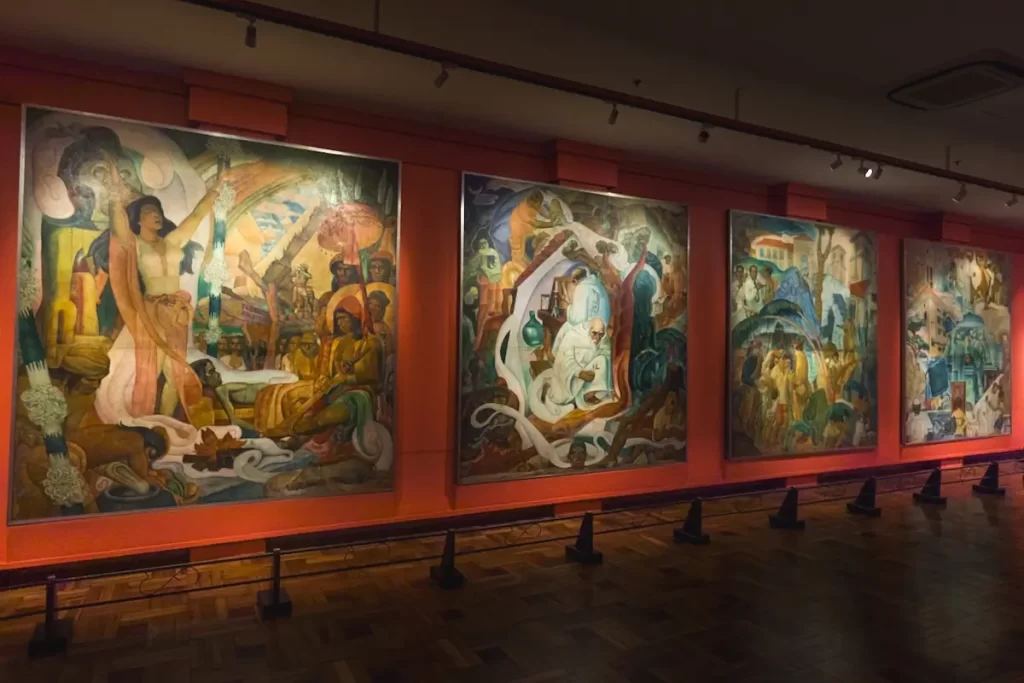
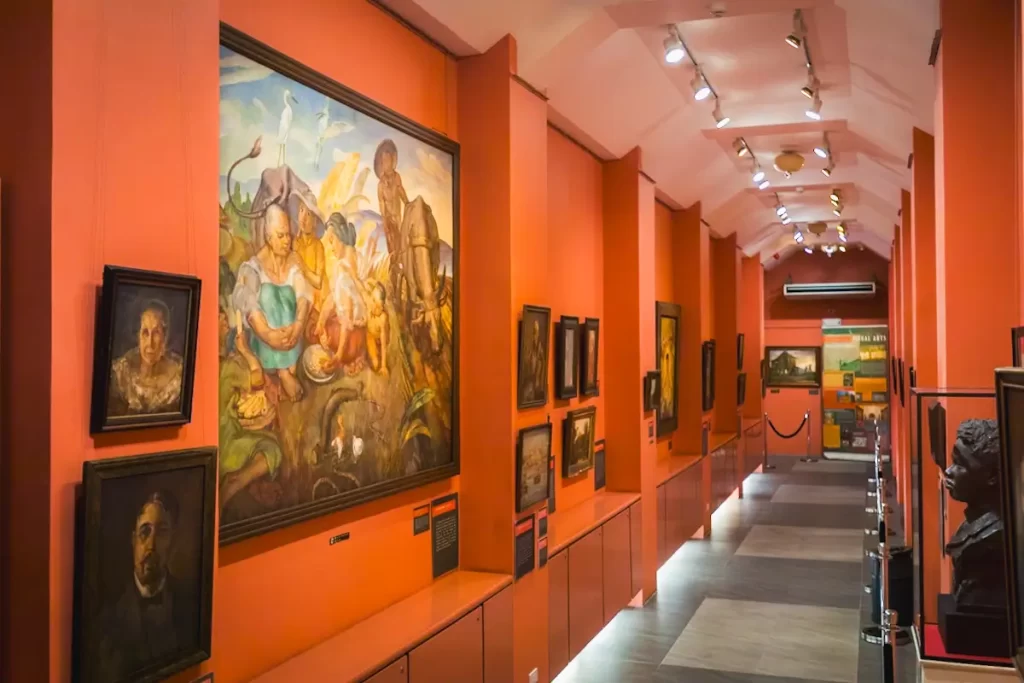
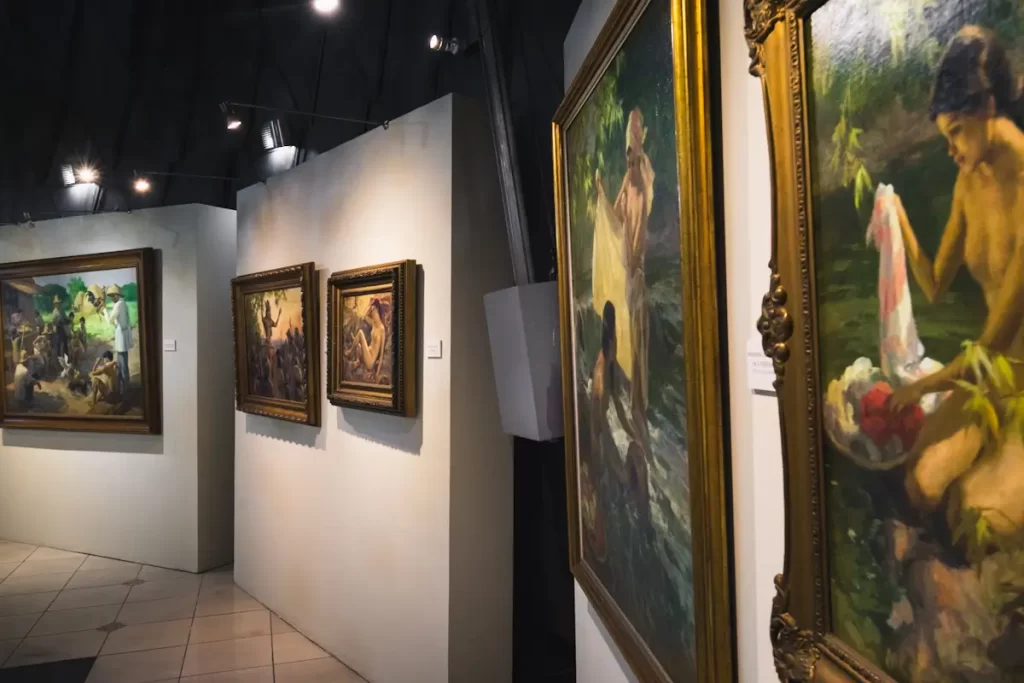
The National Museum of Fine Arts, located in the former Legislative Building, is the third of the museums located in the National Museum Complex. The museum’s galleries showcase an extensive collection of Filipino art, spanning centuries and featuring works that reflect the country’s history, culture, and creative evolution. It’s a huge collection of gallery rooms that just seem to keep on going, with highlights including Juan Luna’s Spoliarium, an enormous 1884 painting that dominates the main hall; works by Félix Resurrección Hidalgo and other 19th-century Filipino masters; and galleries devoted to the modernists of the postwar era. You’ll also find religious art from the Spanish period, contemporary installations, and rotating exhibitions that highlight both established and emerging Filipino artists. Entrance is free .
15. Kultura Filipino
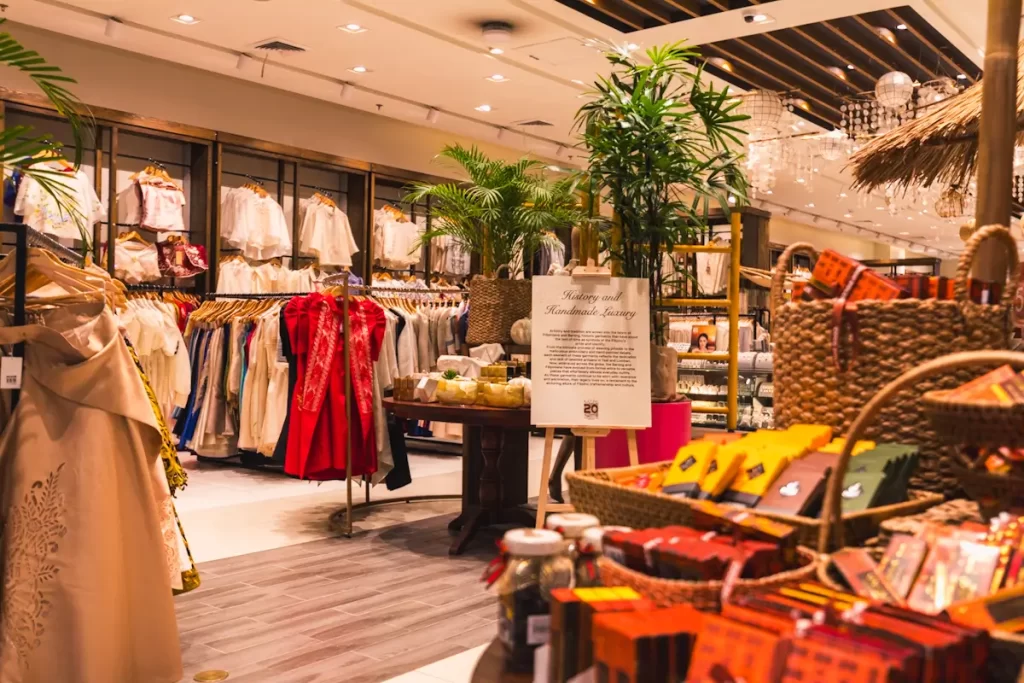
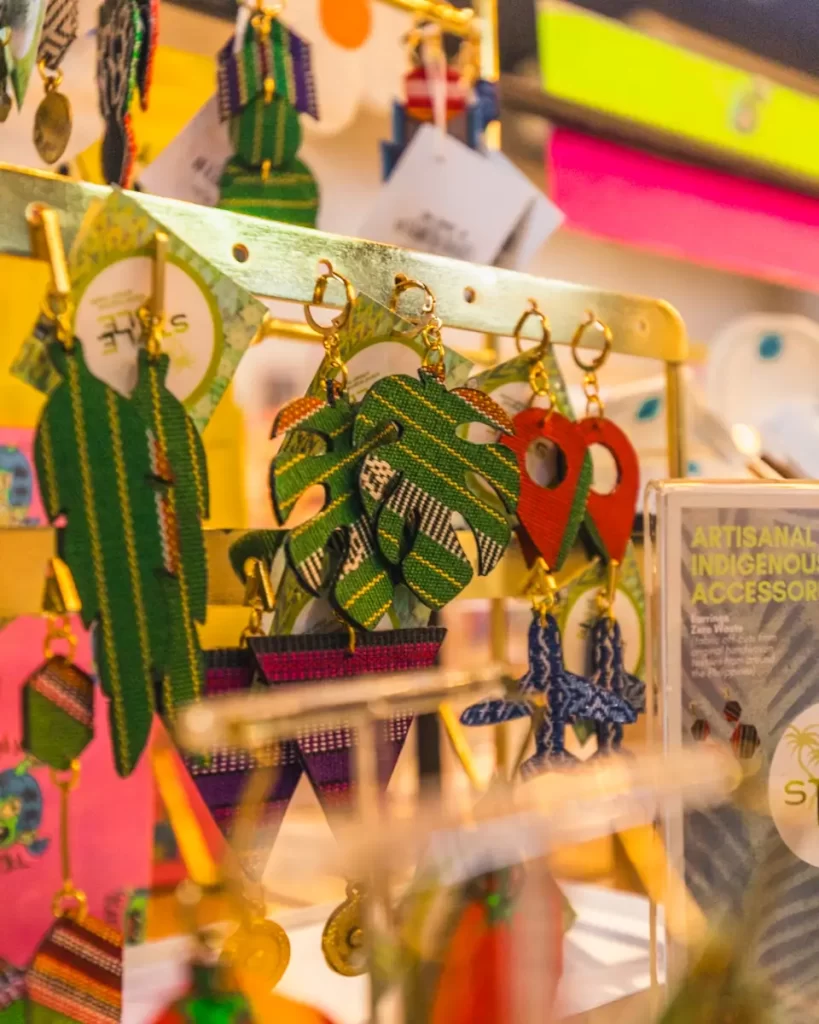
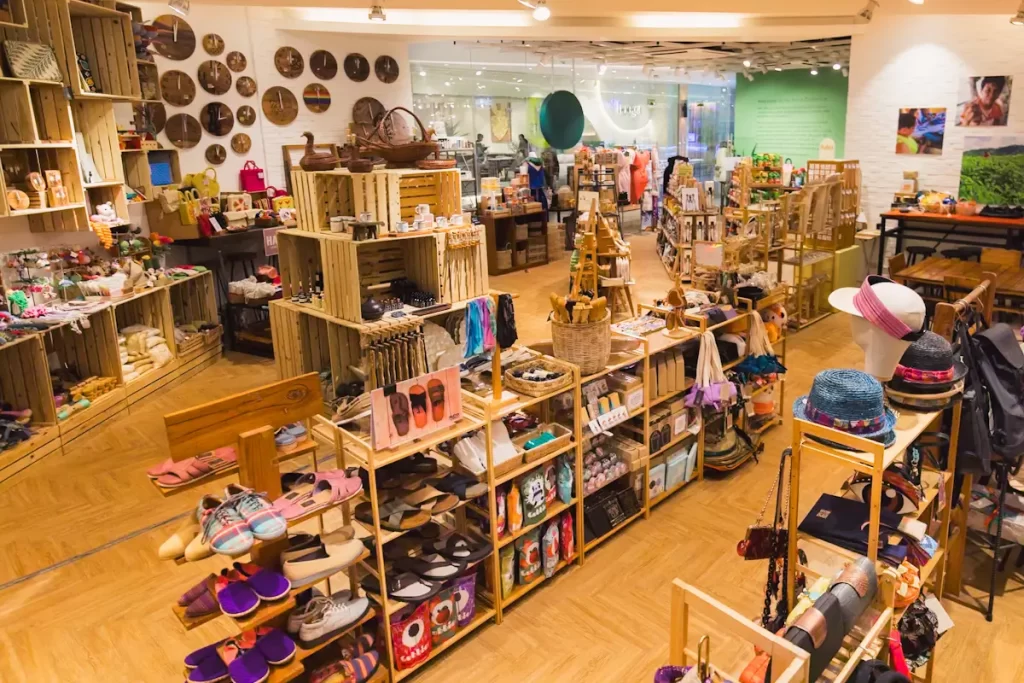
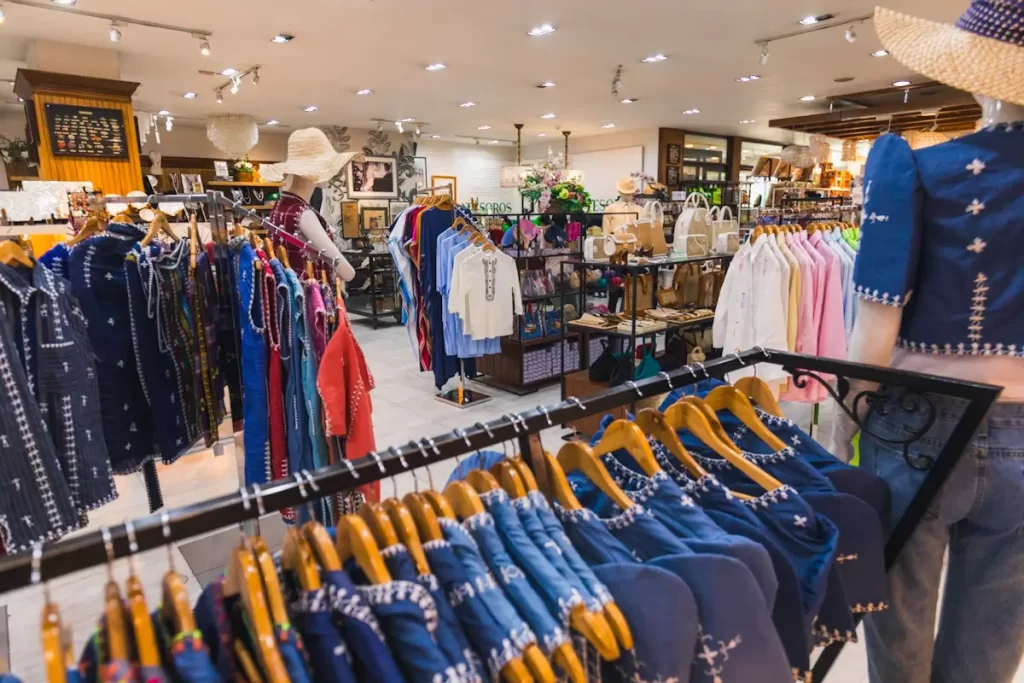
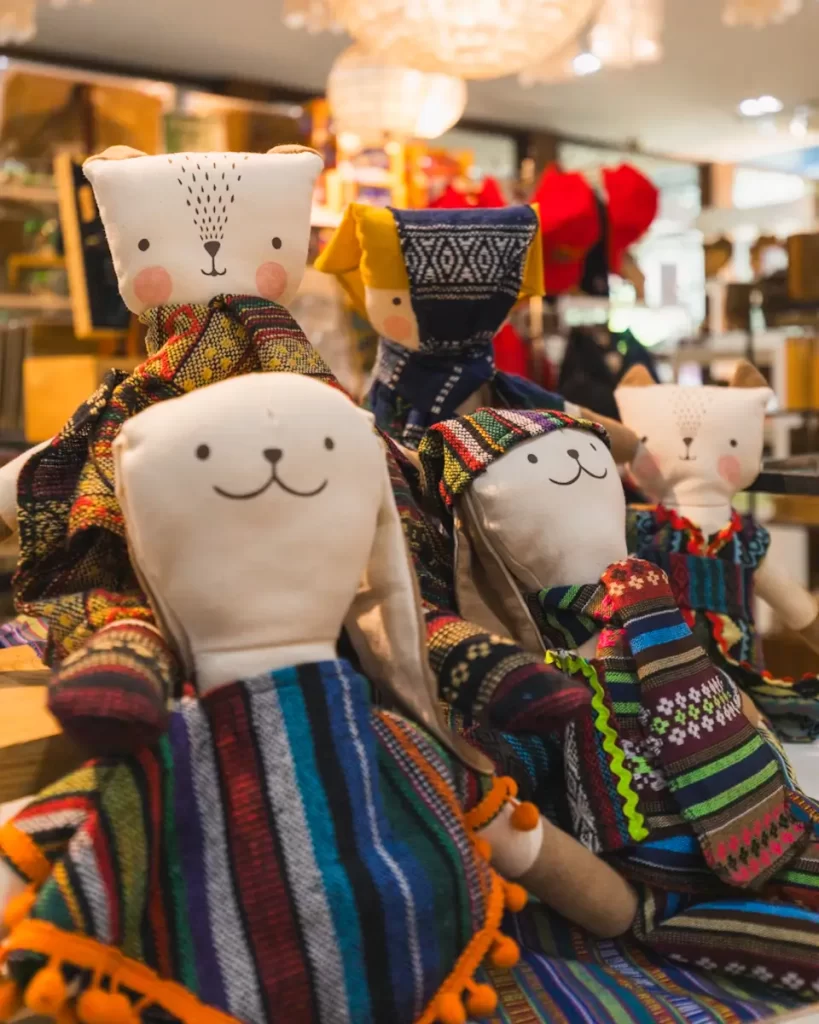
If you’re looking for a pasalubong (souvenir) from your time in the Philippines, I can’t think of many better places to shop than at Kultura Filipina. Unlike most souvenir shops which specialize in mass-produced Chinese garbage with a filipino flag sticker slapped on top, these are genuine Filipino products made by Filipinos.
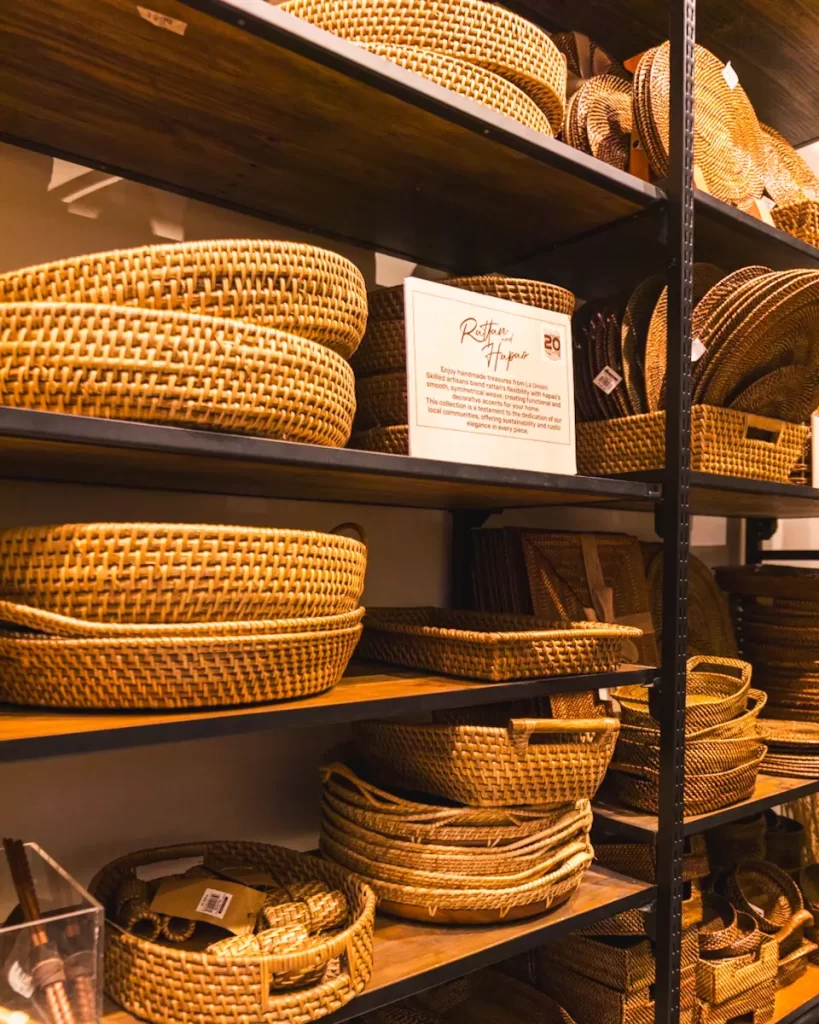
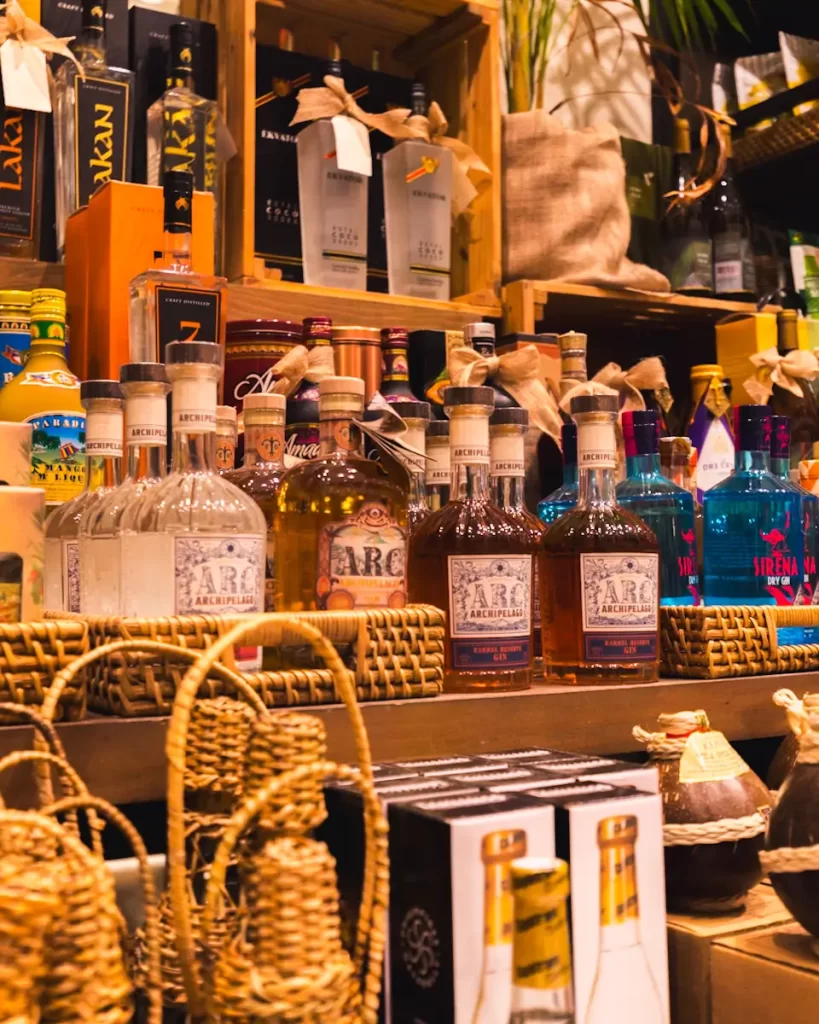
Kultura Filipina stocks everything from handwoven bags and piña barongs to locally distilled traditional spirits, small-batch food products, handmade jewelry, native home décor, and books by Filipino authors. Highlights for me include chocolates by Filipino bean-to-bar producers Auro and Theo & Philo, as well as tuba (wine from fermented coconut palm sap) by Vino Isla. There’s one located in most SM Malls, so they’re located all across the city.
16. Marikina Public Market
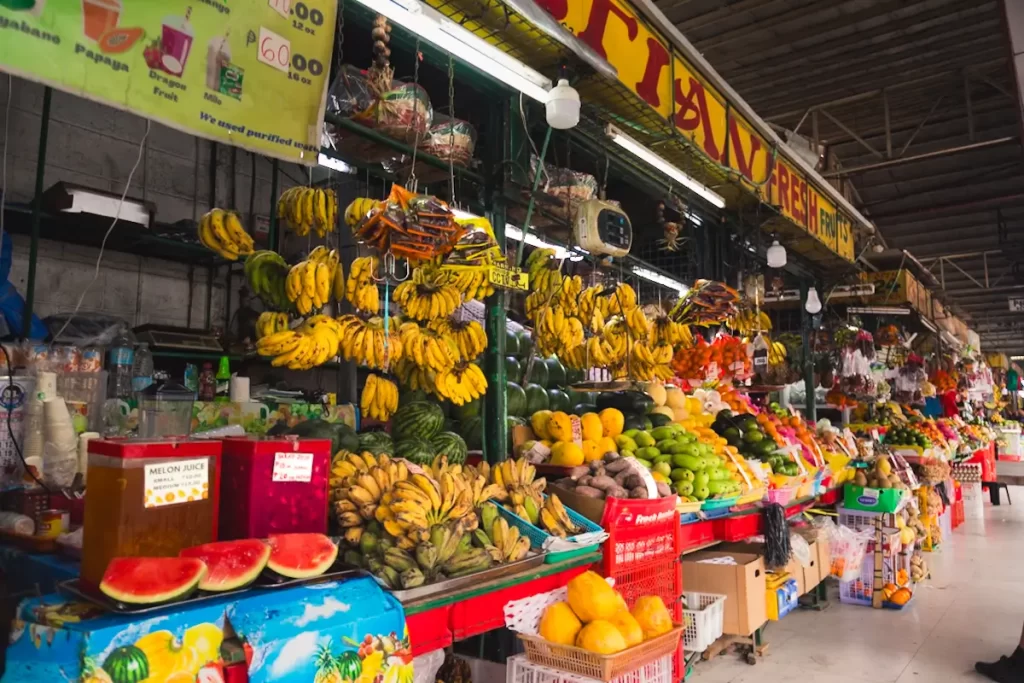
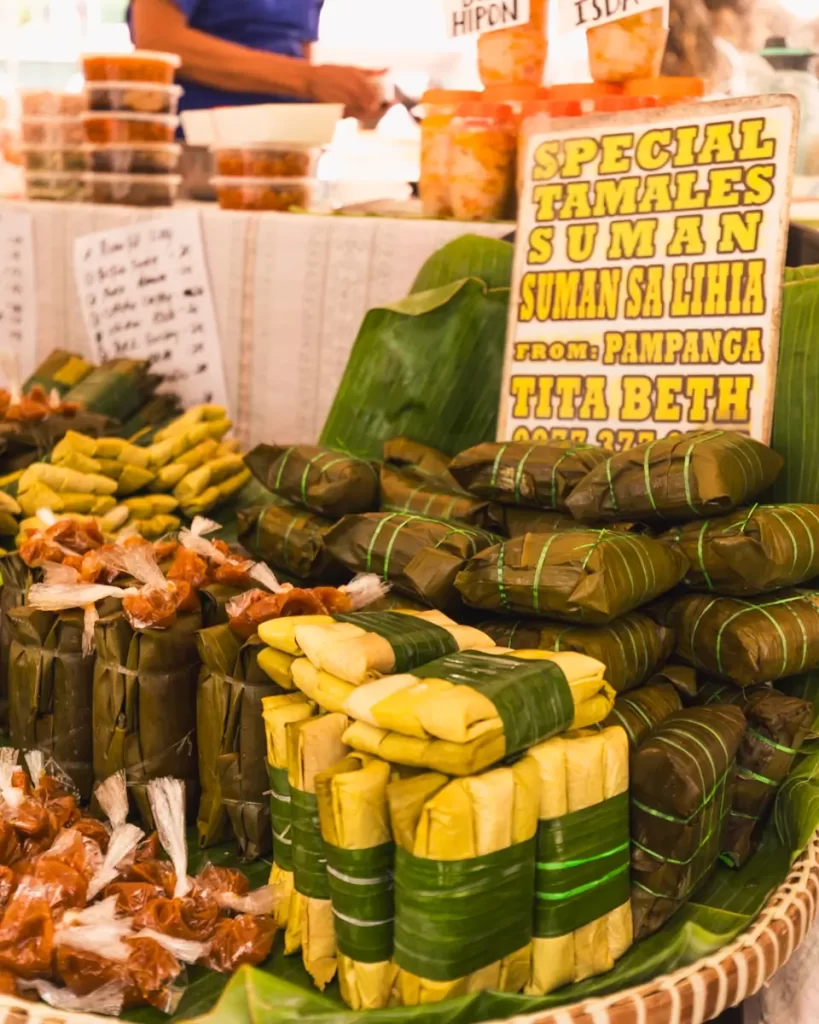
Wherever you are in the Philippines, it’s worth stopping by a public market for fresh fruit, a quick meal at the carinderias , and kakanin (rice cakes) to take away. Metro Manila has dozens, some more inviting than others, but the Marikina Public Market is often considered the best organized. Stalls are divided into neat sections for meat, friot, fish, and vegetables, while one wing is lined with carinderias serving affordable local dishes. You’ll notice that the carinderias still have the lovely hand-painted signs that are so distinctly filipino. Dry goods range from woven baskets to the leather shoes and sandals that Marikina is famous for.
17. Pares from the Original Pares Mami House / Jim’s Pares
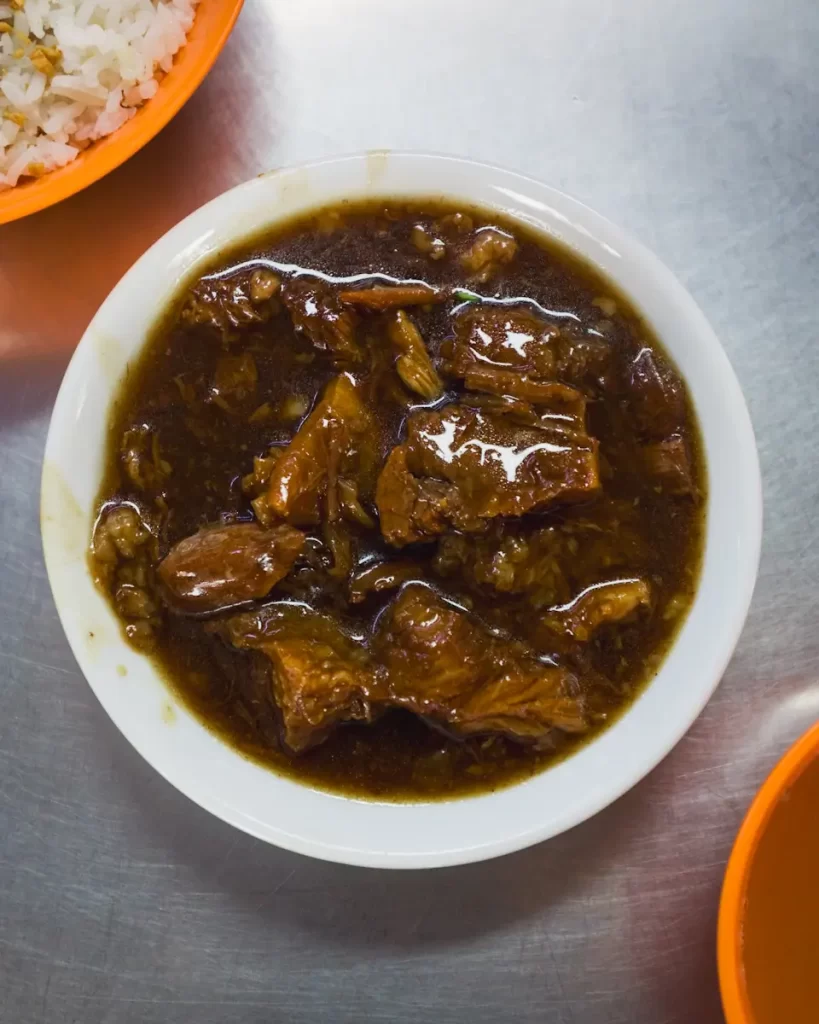
Pares is one of Manila’s most beloved comfort foods, a plate of braised beef, garlic fried rice, and a bowl of clear beef soup served on the side. The name literally means “pair,” referring to how the elements come together as a set meal. The beef is slow-cooked until tender in a soy sauce–based broth flavoured with star anise and sugar, giving it a sweet-savory richness that’s distinct from adobo or tapa . It’s typically topped with chopped scallions and fried garlic, and many diners spoon the broth over the rice for extra flavour. The dish first took off in the 1970s around Quezon City, and humble pares houses have since spread across Metro Manila, from 24-hour roadside stalls to higher-end eateries. Jim’s Pares and the Original Pares Mami House are two local favourites, but you’ll find versions everywhere.
18. Metropolitan Museum of Manila
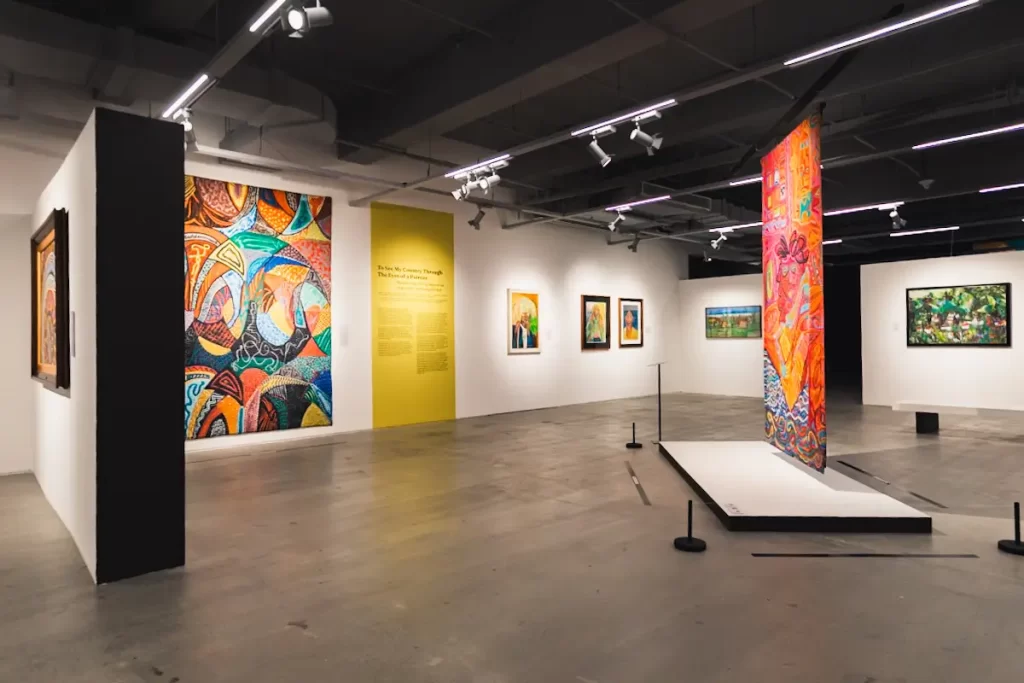
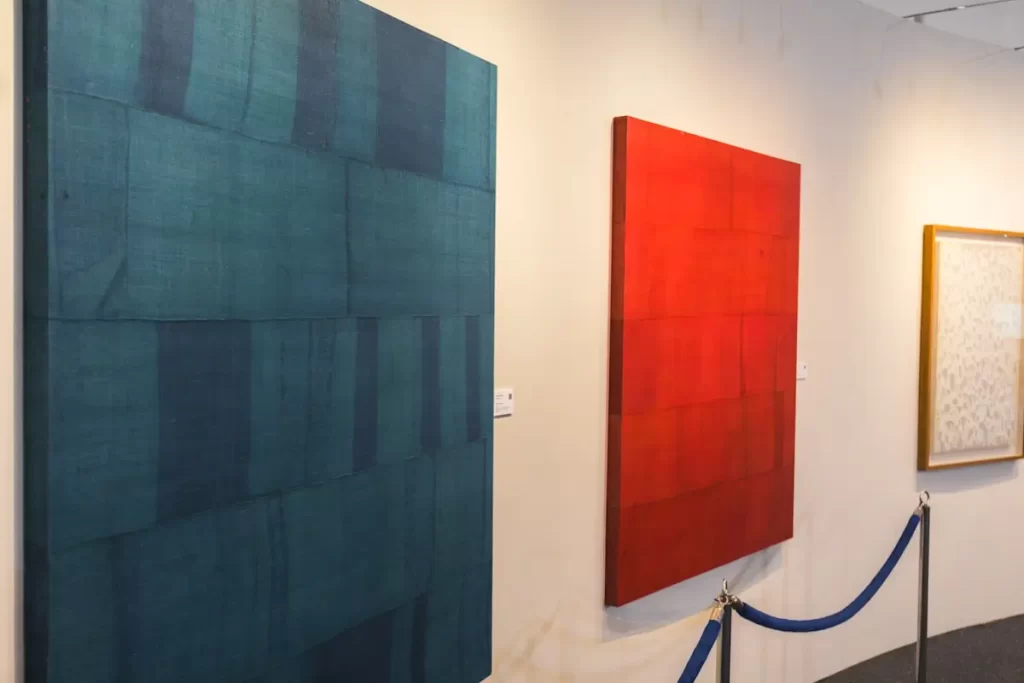
The Metropolitan Museum of Manila, or The M, is one of the city’s leading spaces for modern and contemporary art. Originally established in the 1970s to showcase international art alongside Philippine works, it has since refocused entirely on Filipino artists, with an emphasis on postwar to present-day practice. The museum moved to Bonifacio Global City in 2021, where its multi-floor galleries now host rotating exhibitions that range from painting and sculpture to photography, installation, and video art. Shows often spotlight both established names and emerging voices, making it a good place to see what’s going on in the country’s art scene. The building itself is bright and modern, making it one of the nicest art galleries in the city. Entrance is 550 PHP .
19. Local Craft Breweries
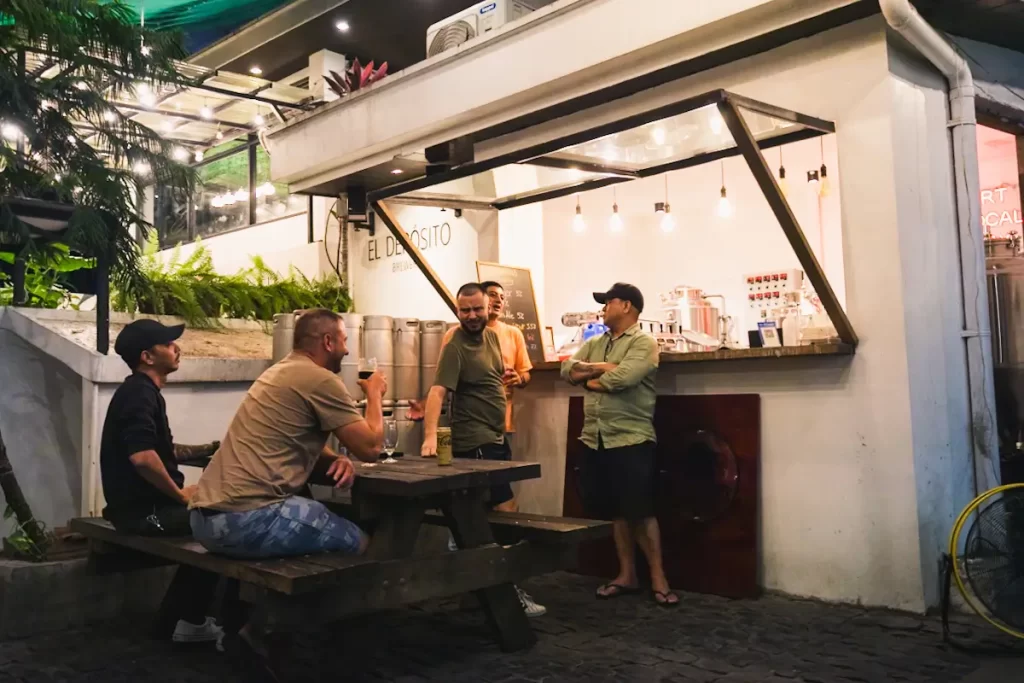
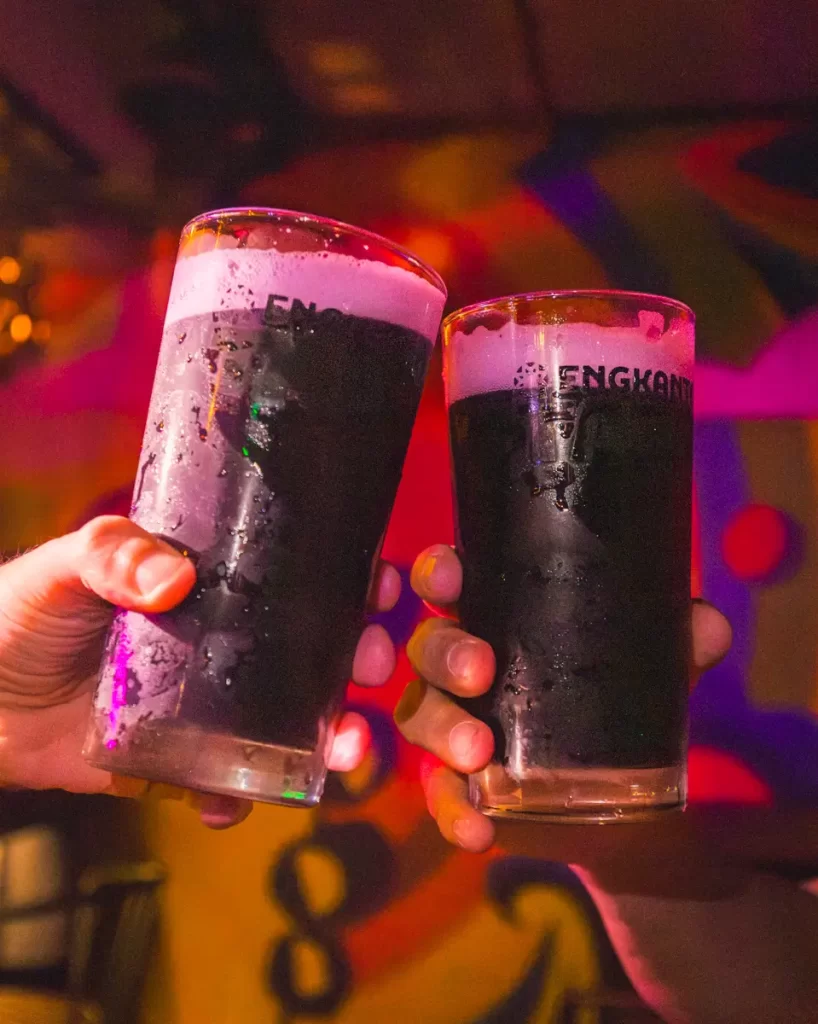
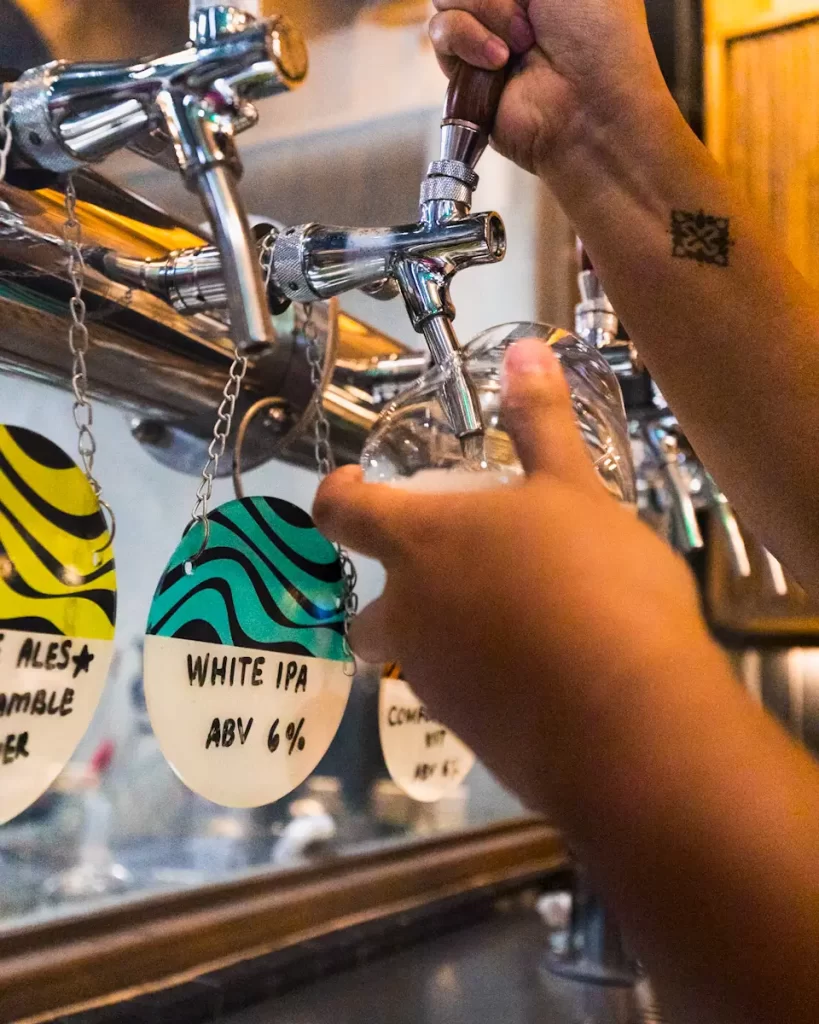
Manila’s craft beer scene has grown quickly over the past decade, shifting from a handful of experimental homebrewers to a city with its own taprooms, brewpubs, and specialty bars. While San Miguel and Red Horse still dominate the mainstream, young Filipinos and expats are increasingly seeking out alternatives, and local breweries have stepped up to meet that demand. Most focus on approachable, well-executed styles – pale ales, IPAs, light lagers – without venturing too far into experimental territory. Given the Filipino palate’s love of sweet and sour flavors, I’m surprised frankly that more brewers haven’t leaned into sours with local fruit, which would feel both accessible and distinctly Filipino. But hey what do I know. Highlights include Engkanto Brewery , who are onto something with their ube lager, Palm Tree Abbey , who have every single one of their beers dialed in, as well as the perfect taproom atmosphere and friendliest staff, and El Depósito , and Treeline Ales , both of which are also producing some of the best beers in the city.
20. Reading Club 2000
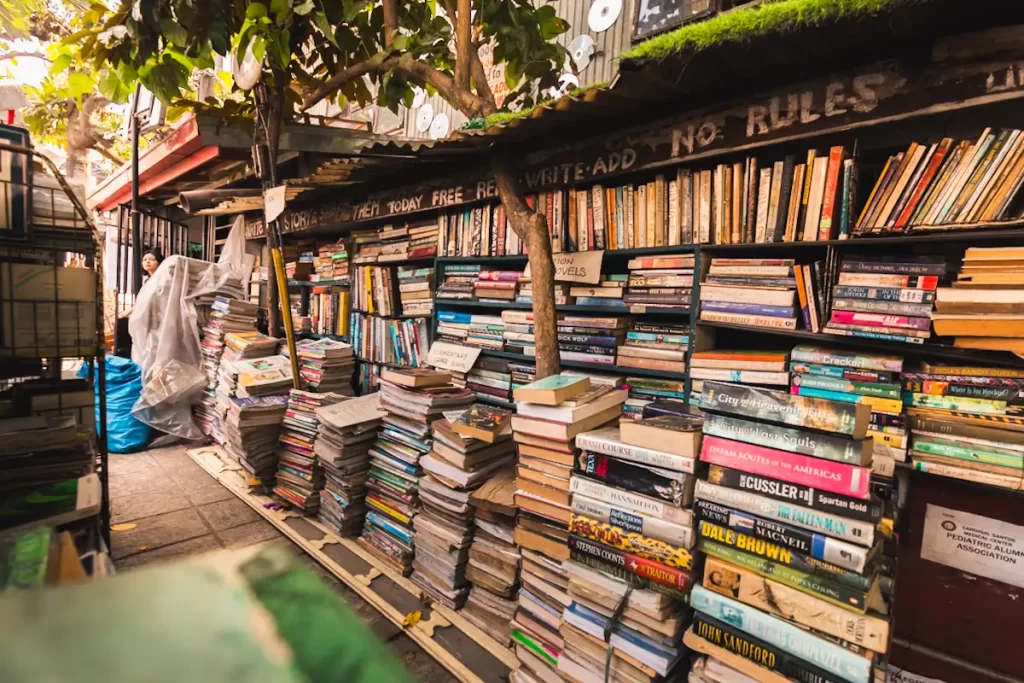
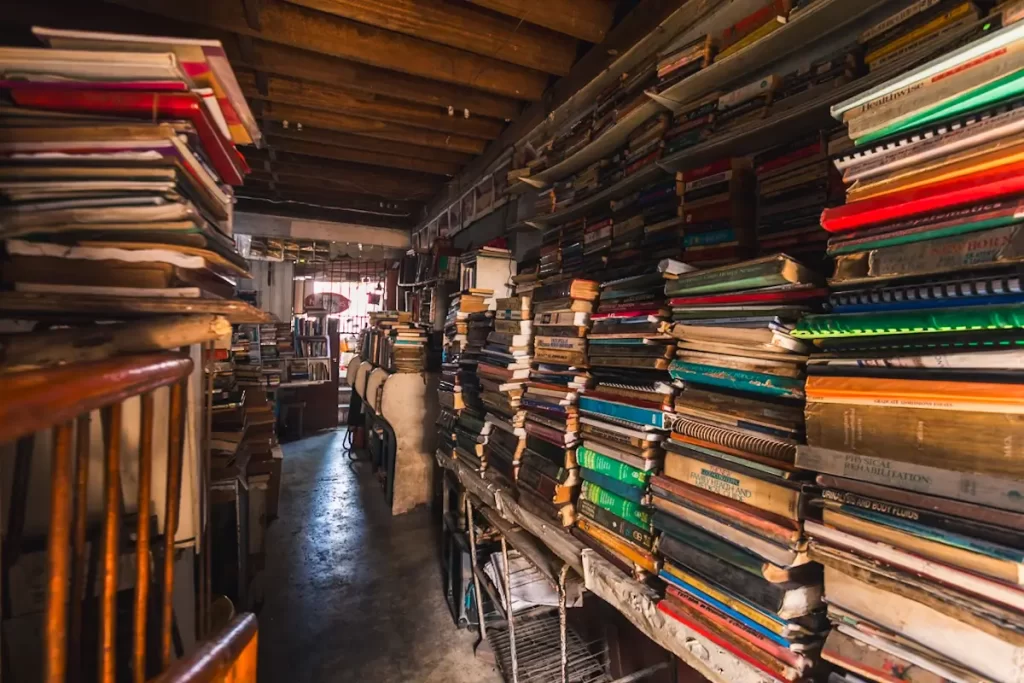
Reading Club 2000 in Barangay La Paz, Makati, is a unique community library founded by Hernando “Mang Nanie” Guanlao in 2000. Hernando “Mang Nanie” Guanlao started by putting a few of his own volumes outside for neighbors to borrow, but the initiative has since grown into thousands of donated titles stacked through the porch, stairwell, and living room. There are no rules – anyone can take as many books as they want without returning them – and no catalog, just piles of schoolbooks, romance novels, cookbooks, and magazines shaped by whatever the community leaves behind. Every afternoon, students from La Paz Elementary wander over after dismissal to search for textbooks or storybooks, and adults pick out something to read on the jeepney home. Mang Nanie has since used the project to send books as far as Tawi-Tawi and the Cordilleras, and has inspired similar initiatives across the Philippines. If you visit, the best thing you can do is bring a book to leave – the locals will appreciate it.
21. Palm Grill
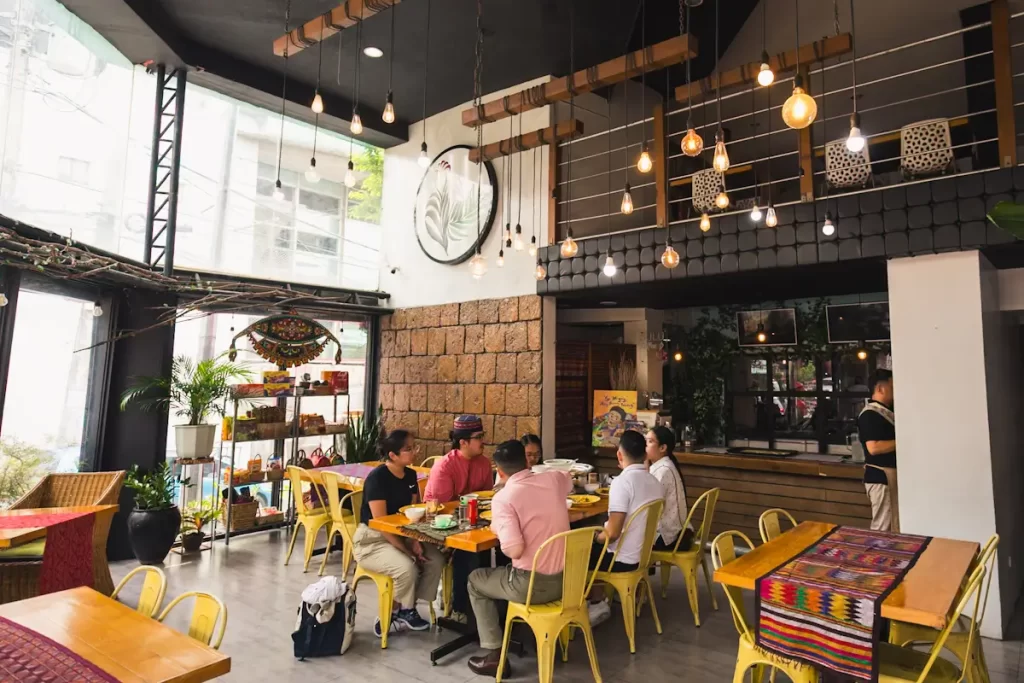
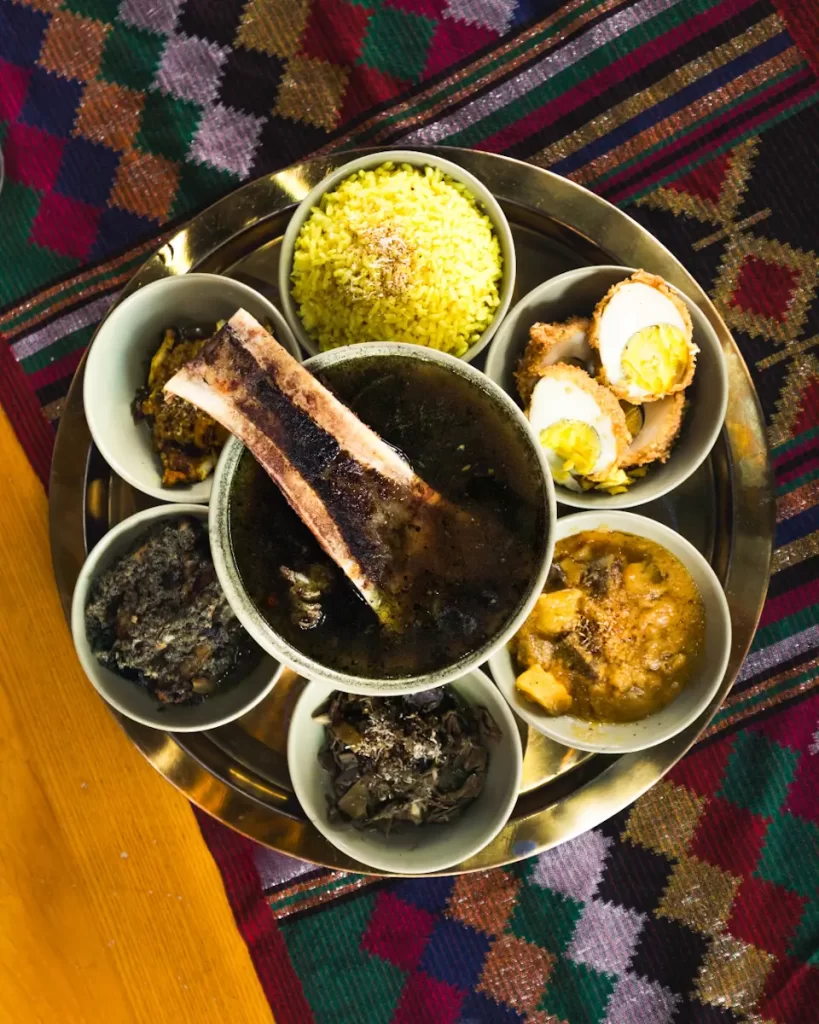
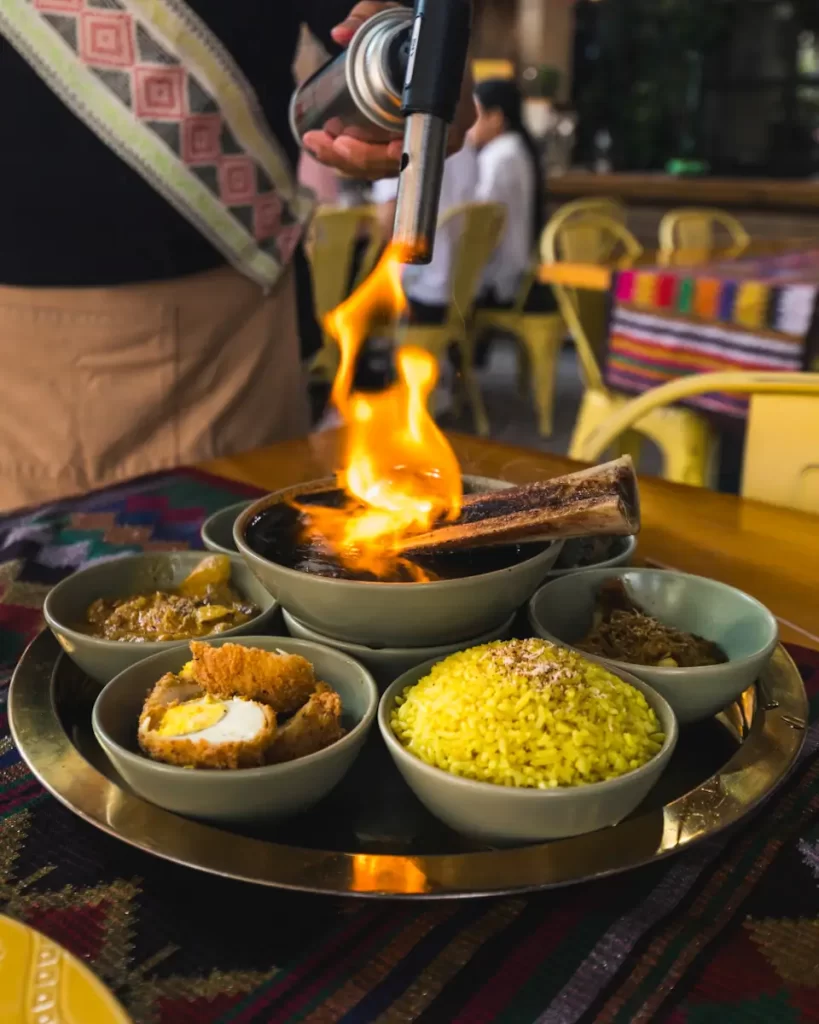
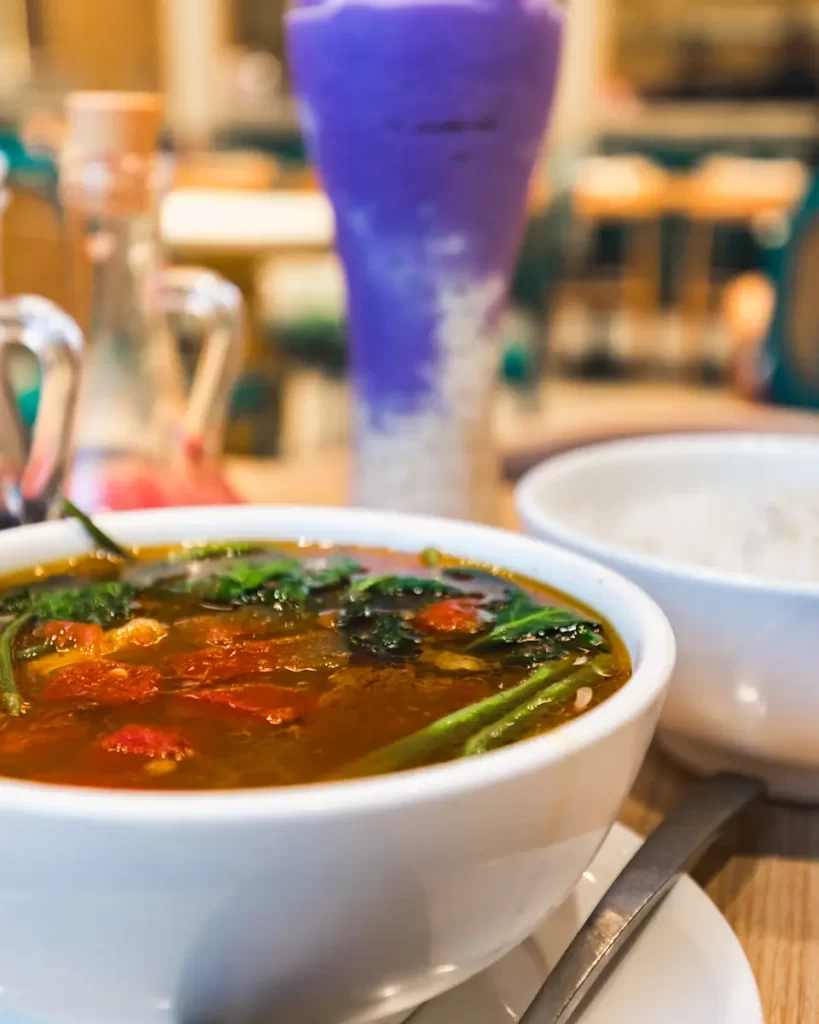
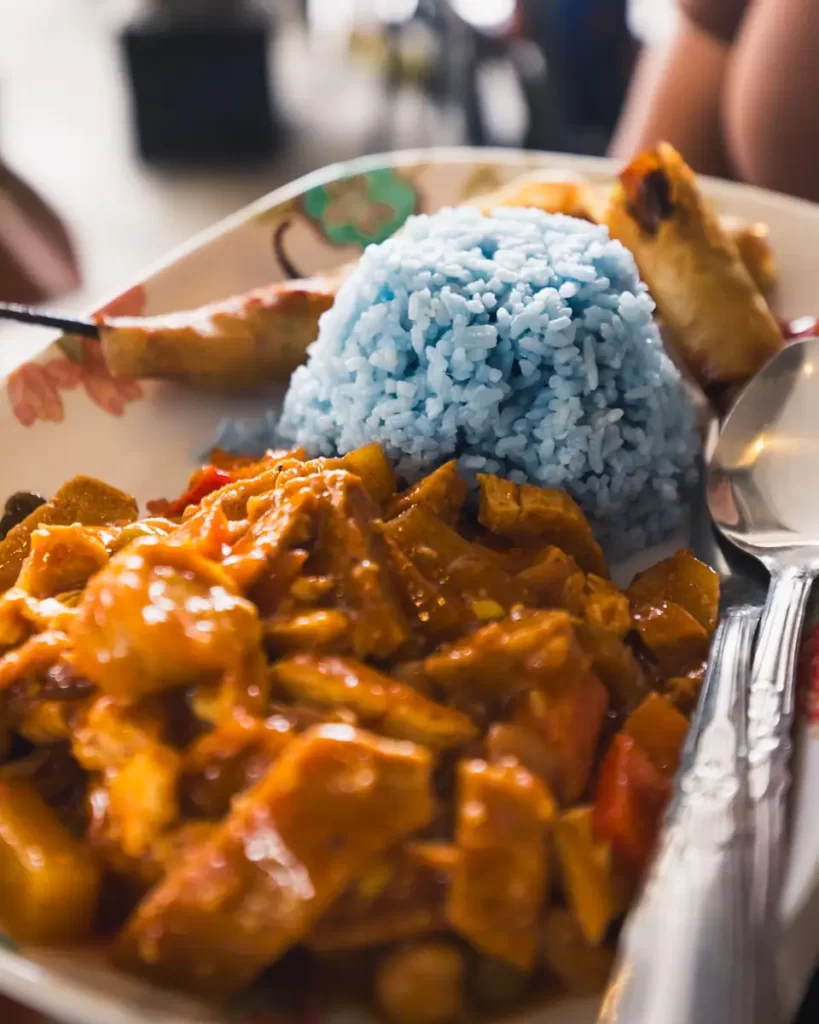
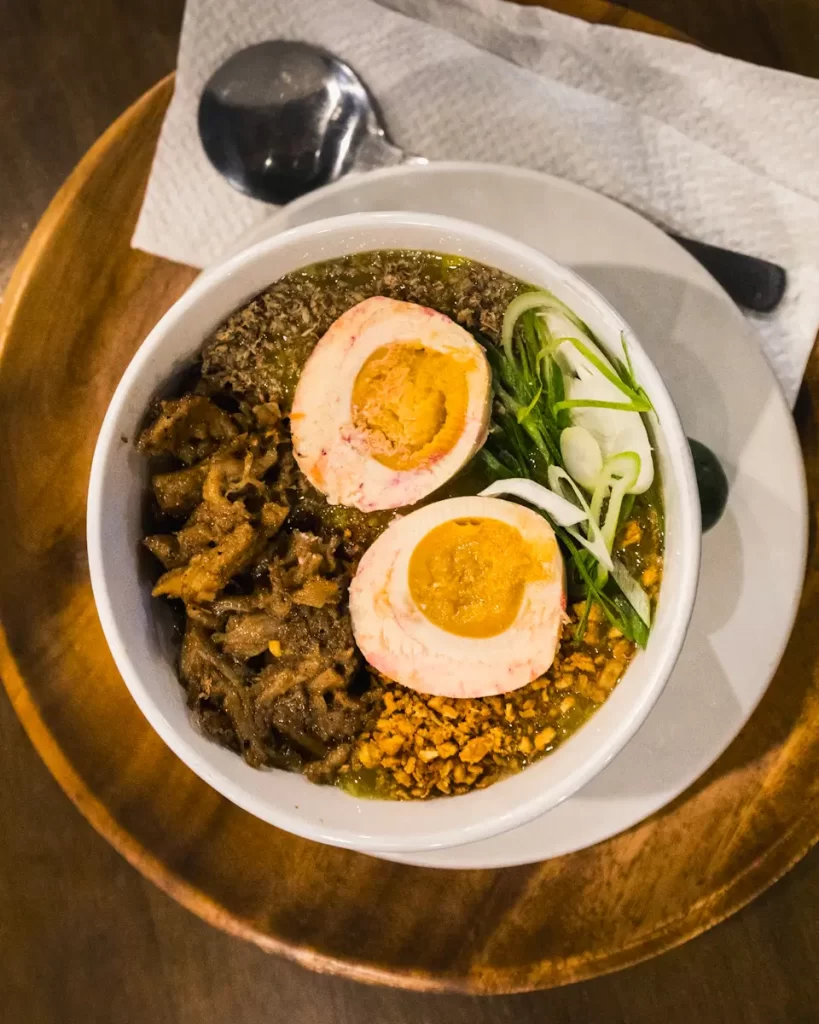
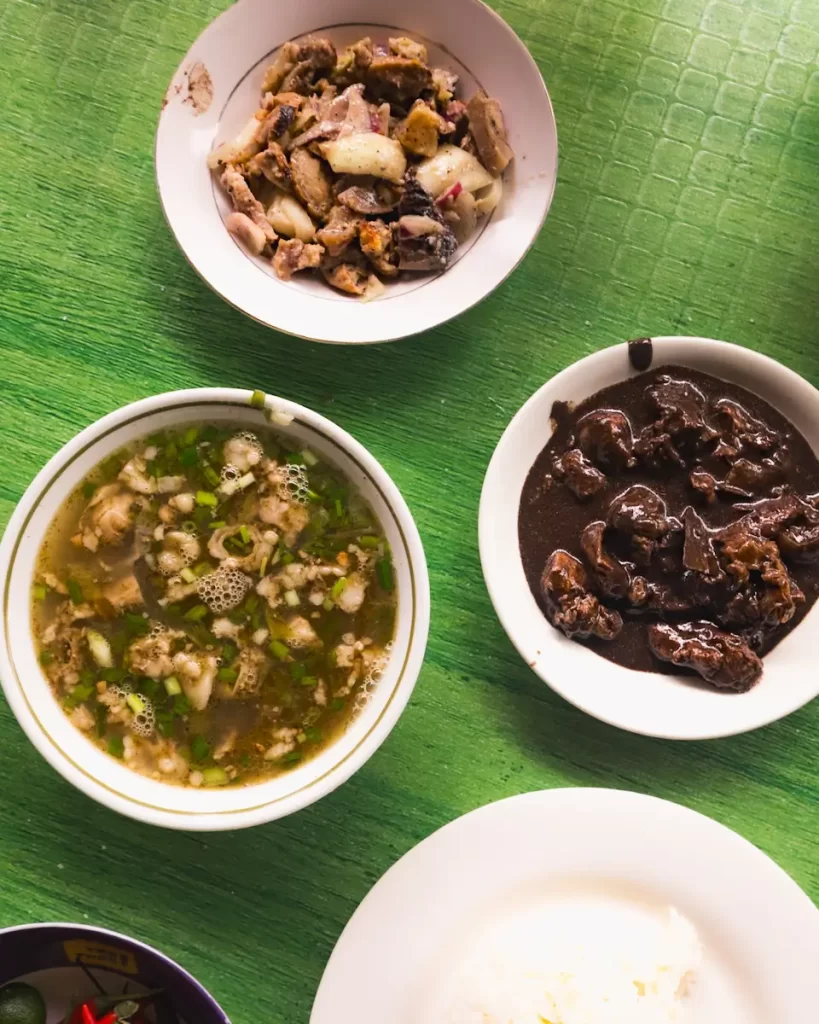
ZamBaSulTa cuisine – short for Zamboanga, Basilan, Sulu, and Tawi-Tawi – is one of the Philippines’ least represented food traditions in Manila, despite being among the most distinctive. The cooking of this southwestern corner of Mindanao leans heavily on burnt coconut, lemongrass, galangal, and turmeric, with dishes that are more spice-driven than the food most Filipinos in Luzon grow up with. Palm Grill in Quezon City is the only restaurant in Manila dedicated to serving it, founded by Miguel Moreno, whose family is from Jolo, Sulu. Their signature dishes include pianggang manok , a Tausug chicken dish blackened with burnt coconut and seven spices; tiyula itum , a beef soup that looks like bulalo turned jet black, again from burnt coconut; and the house favorite green chicken, stewed with coconut milk, turmeric, and chilies. What you really want to do order though is the dulang , a sharing platter that brings together several ZamBaSulTa specialties. This was without a doubt my favourite meal I had anywhere in Manila – and possibly in the Philippines. Try it, or you’re missing out.
22. Tapsilog from Tapsi ni Vivian
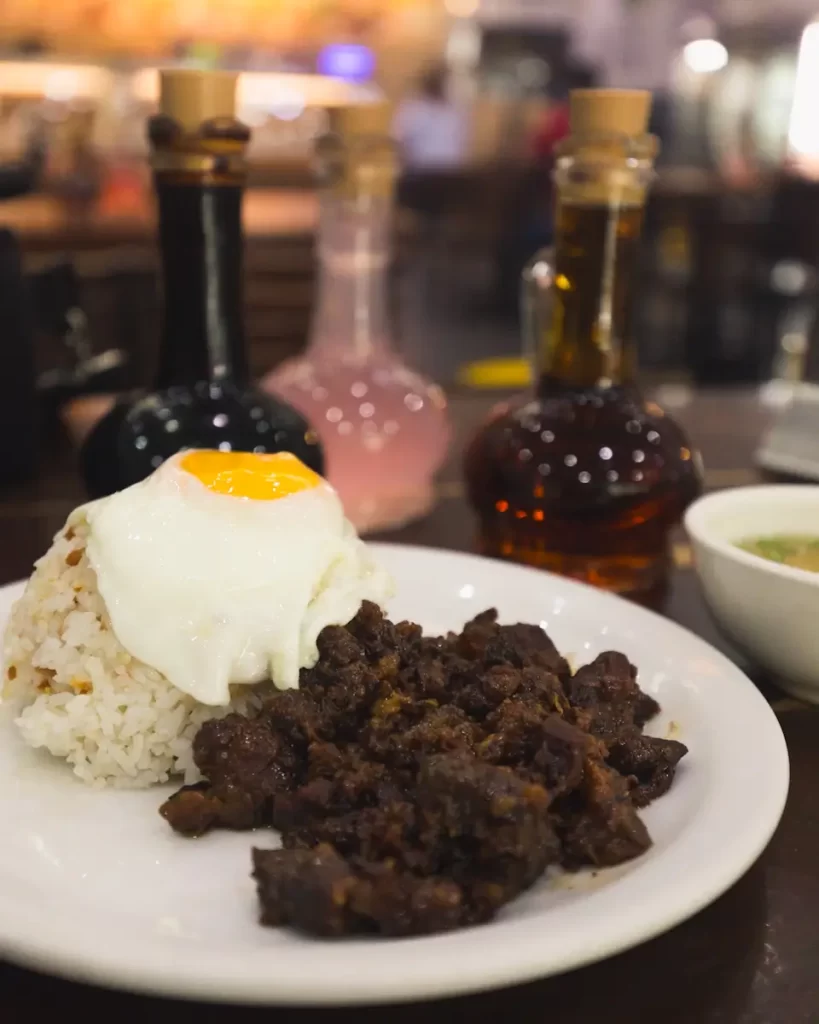
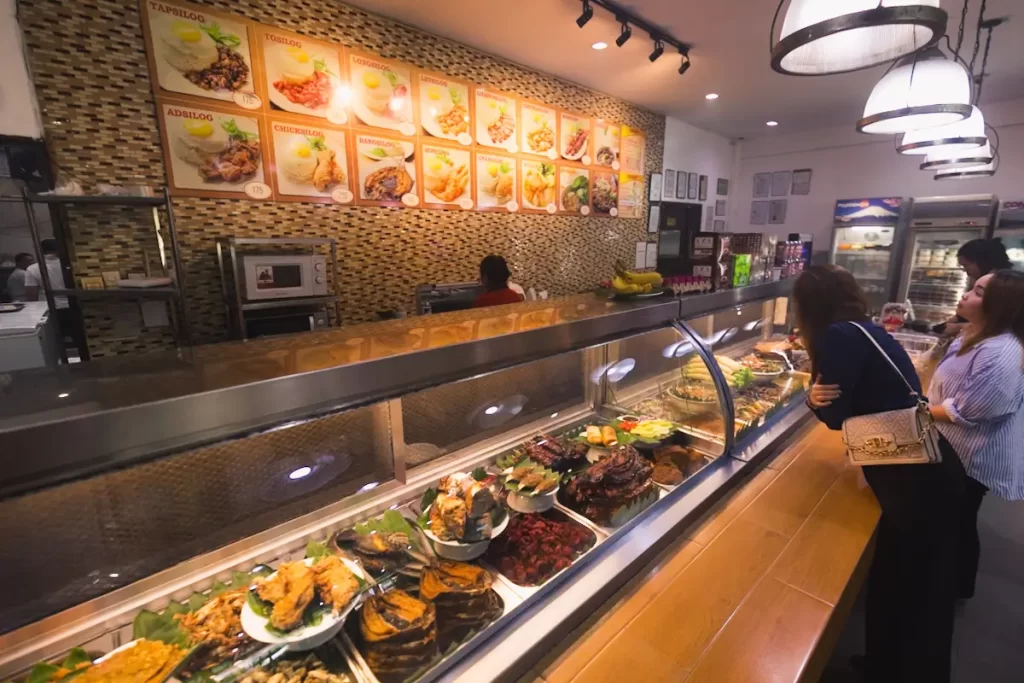
Tapsi ni Vivian started as a small carinderia opened by Vivian Del Rosario in 1984 and has since grown into a household name for silog meals in Metro Manila. The “tapsi ” in the name refers to their best-seller, tapsilog – beef tapa , garlic fried rice, and fried egg – but the menu has expanded to include nearly every Filipino comfort food you can think of. Diners come for the generous plates of tapa but stay for big bowls of bulalo , crispy pata , and adobo , all served in a straightforward, no-frills setting that’s now air-conditioned but still feels like a neighborhood eatery – plus it’s open 24 hours.
23. Manam
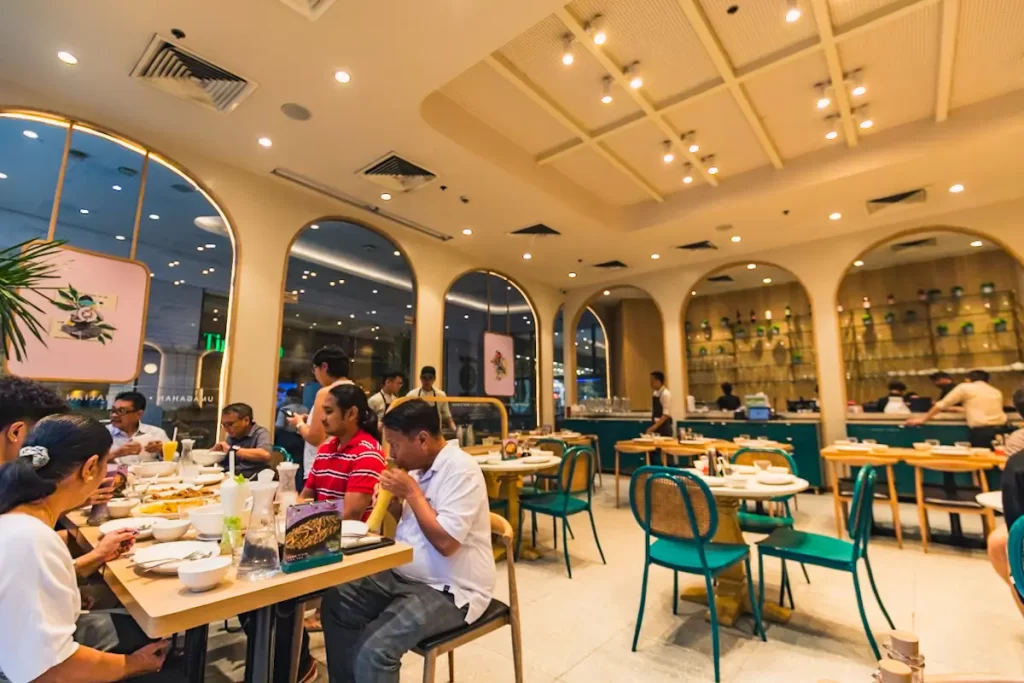
Manam is one of Manila’s most popular modern Filipino restaurant chains, launched by the Moment Group in 2013, and since growing to about a dozen branches throughout the city. Known for serving both traditional recipes and creative updates side by side, the portions come in small, medium, making it easier to try things if you’re solo. Highlights include the sinigang na beef short rib & watermelon, crispy pansit palabok , and of course the ube sago . Depending on the branch you go to, they can get pretty packed at mealtimes, so it’s worth timing things well or being prepared to wait.
24. Ayala Museum
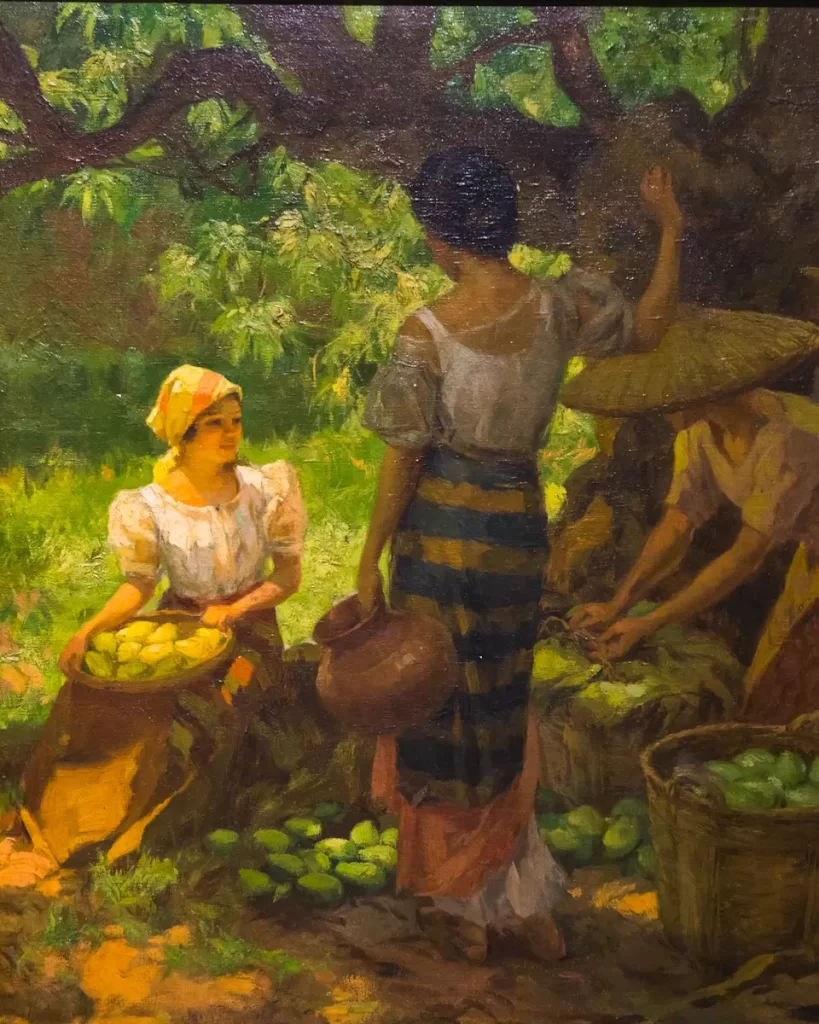
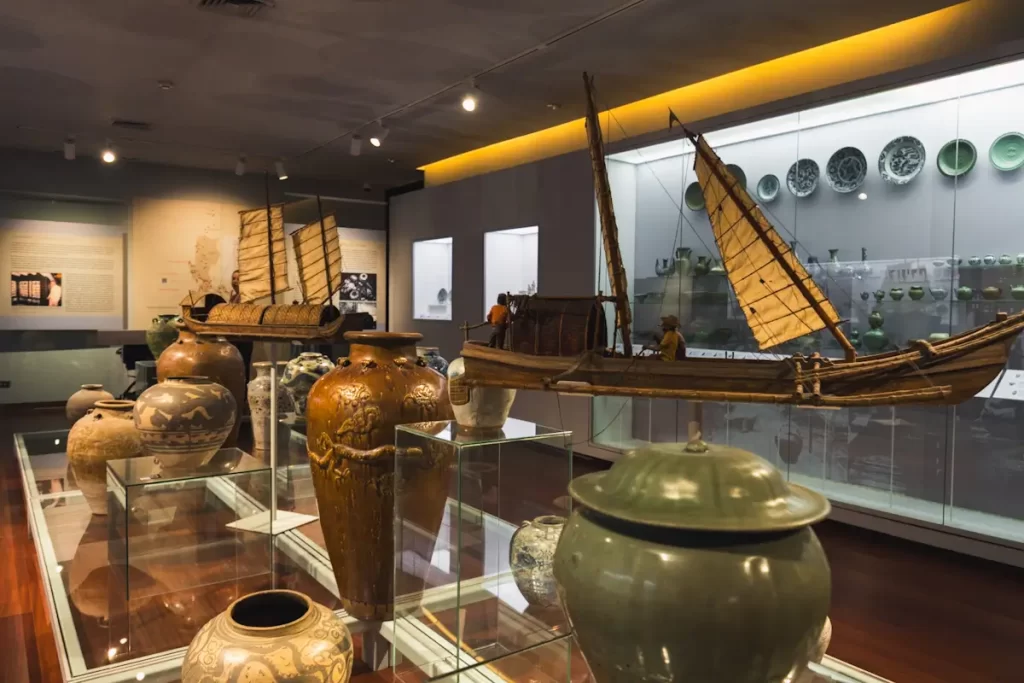
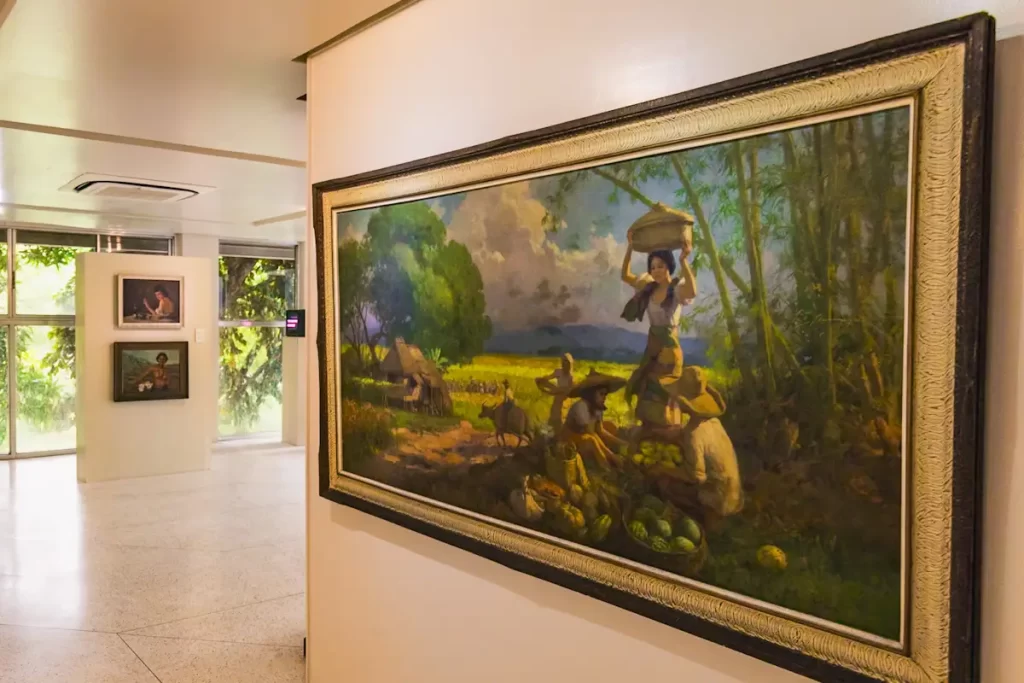
The Ayala Museum in Makati is the city’s most modern and polished, with exhibits that cover both Philippine history and contemporary art. The ground floor houses rotating shows from Filipino and international artists, while the permanent collection upstairs includes dioramas that walk through Philippine history from precolonial times to the Marcos years. Another highlight is the Gold of Ancestors gallery, which displays more than a thousand pre-Hispanic gold artifacts – jewellery, ritual objects, and regalia that show the sophistication of early societies in the islands. Other sections feature precolonial ceramics traded across Asia, indigenous textiles, and works by masters like Fernando Amorsolo. Admission is 650 PHP for adults, making it pricy for the the Philippines. That said, it’s definitely worth a visit, especially for those unfamiliar with Filipino history and looking for an overview.
25. Dampa Seaside Market
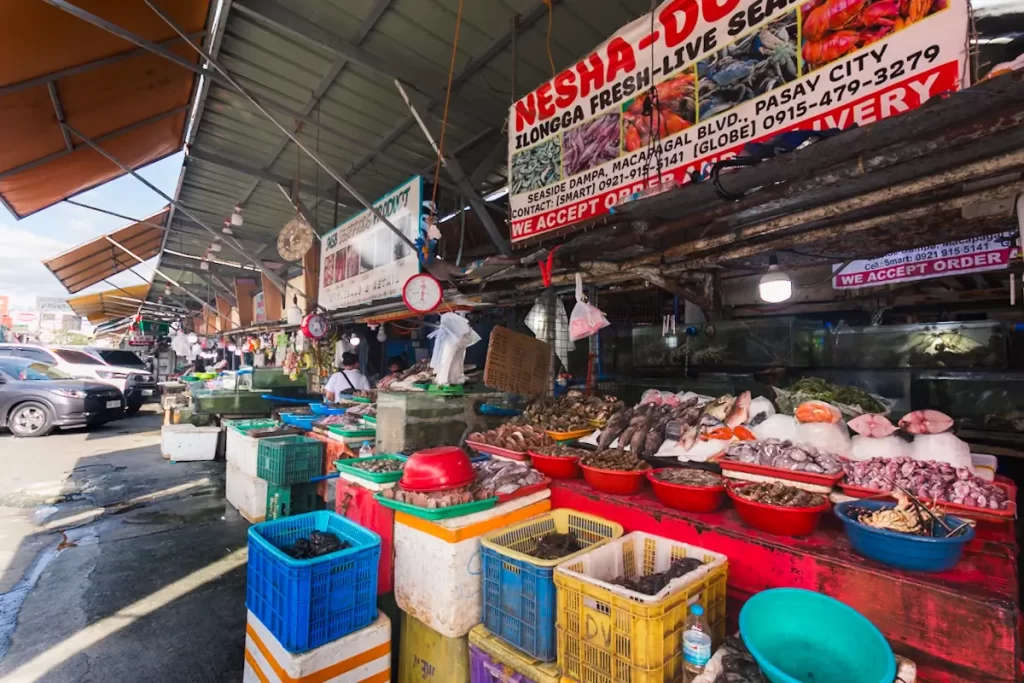
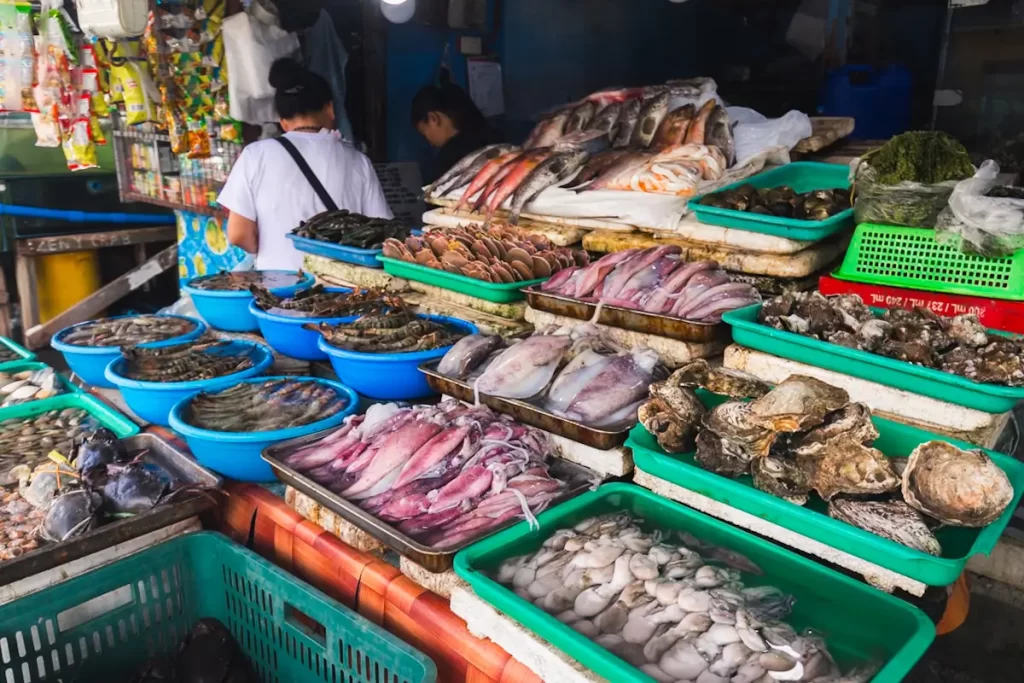
Dampa Seaside Market is one of Manila’s best places to eat fresh seafood, where you buy seafood at the wet market and then take it to a nearby paluto restaurant to be cooked. Stalls line the entrance with live crabs, prawns, shrimp, squid, mussels, and fish like lapu-lapu, and you can haggle with vendors before carrying your catch over to the kitchens. Restaurants typically charge around ₱250–₱300 per kilo to cook it, with options ranging from garlic butter shrimp and baked mussels with cheese to steamed lapu-lapu, sinigang na hipon , and grilled tuna. It gets especially crowded on weekends and evenings, so arriving early is the best way to secure fresh seafood and a good table.
26. Good Food Sundays
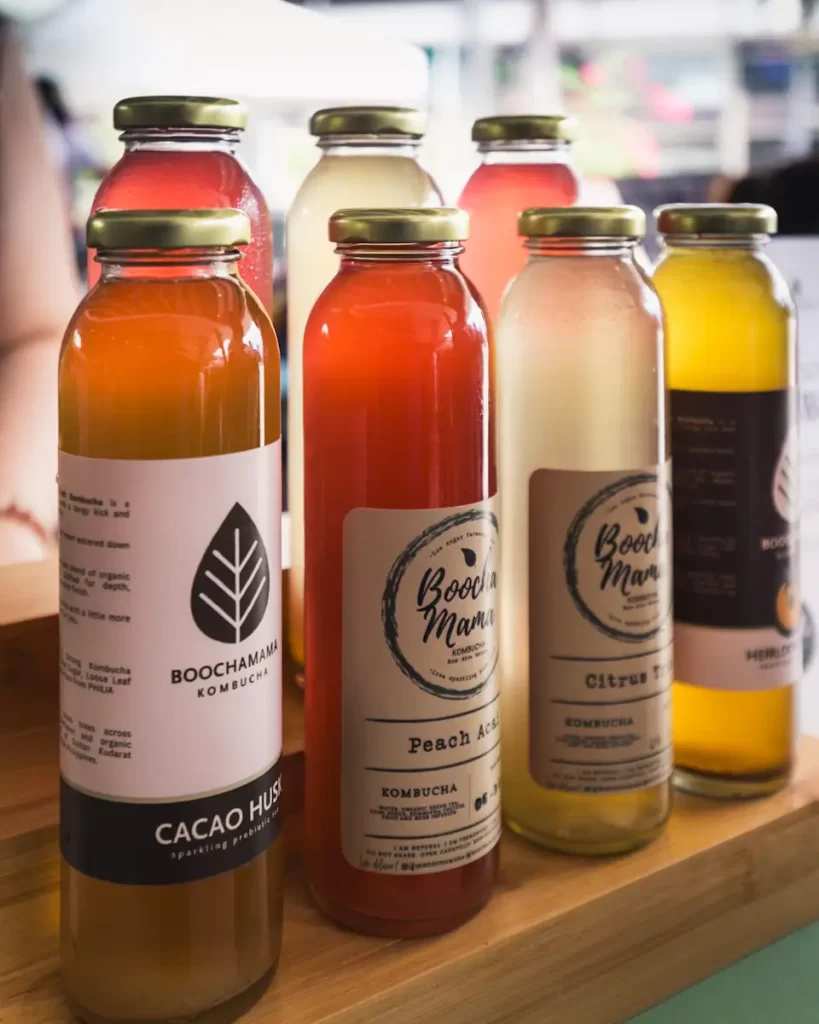
Good Food Sundays is a weekly community market at Mandala Park in Mandaluyong that grew out of Good Food Community’s mission to connect smallholder farmers with city shoppers through pamayanihan , or community-shared agriculture. Launched in 2016 after years of running vegetable subscription packs, the market gives farmers a direct outlet and creates space for personal connections between producers and consumers. While not originally intended as a vegan market, it has become one of the city’s strongest hubs for plant-based food, with regular vendors like Vutcher, Wildthyme, and The Real Happy Cow serving meat-free takes on Filipino classics, alongside vegan pizzas, burritos, kombucha, and desserts. The market is proudly zero-waste, so bring containers if you plan to buy more than a meal.
27. Manila Creamery
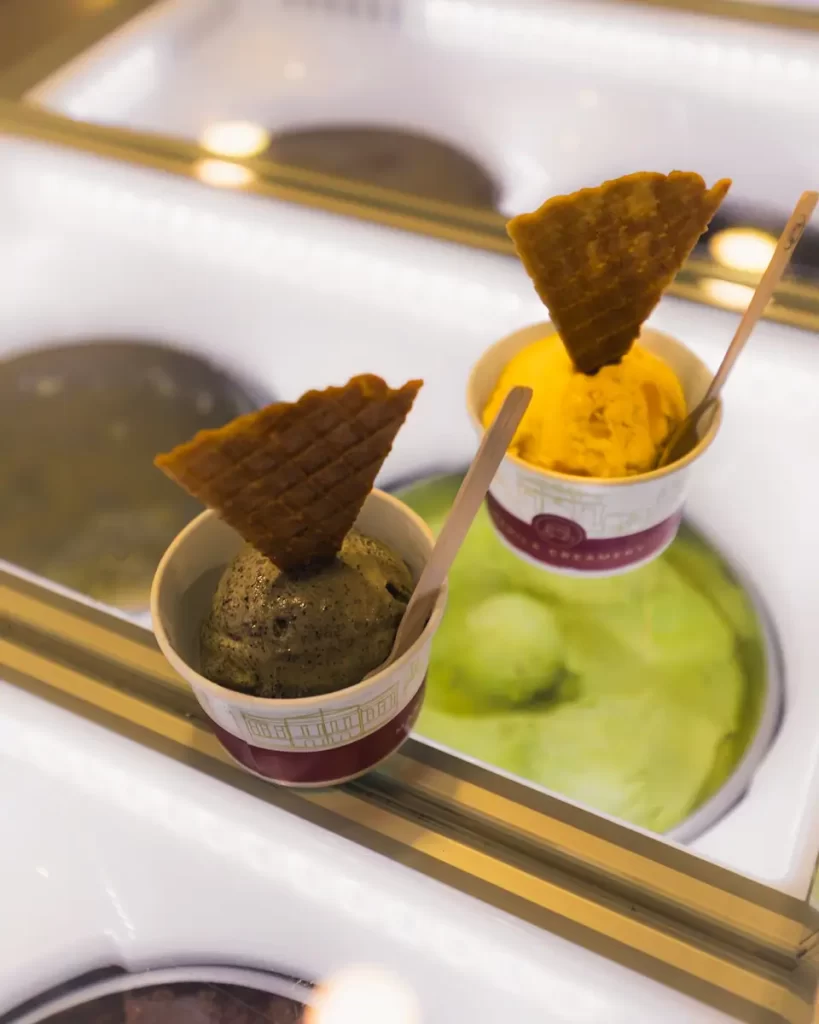
Manila Creamery is a homegrown gelato brand that takes Italian technique and infuses it with distinctly Filipino flavours. Founded by Paolo Reyes and Jason Go, who both trained in gelato-making in Italy, the first shop opened in 2014 and quickly stood out for showcasing local ingredients in a style usually reserved for imported brands. Instead of just the standard chocolate or pistachio, get a cup of of mangga’t suman (mango with sticky rice), champorado at dilis (chocolate rice porridge with anchovies), kesong puti with calamansi curd, and ube salted egg. They also do small-batch seasonal creations featuring cacao from Davao, coffee from Benguet, or carabao’s milk from Nueva Ecija. Manila Creamery has expanded from its original SM Aura stall to branches around the city, but it has kept its reputation for pushing Filipino flavours forward in a format usually dominated by imported chains.
28. San Augustin Convent Museum
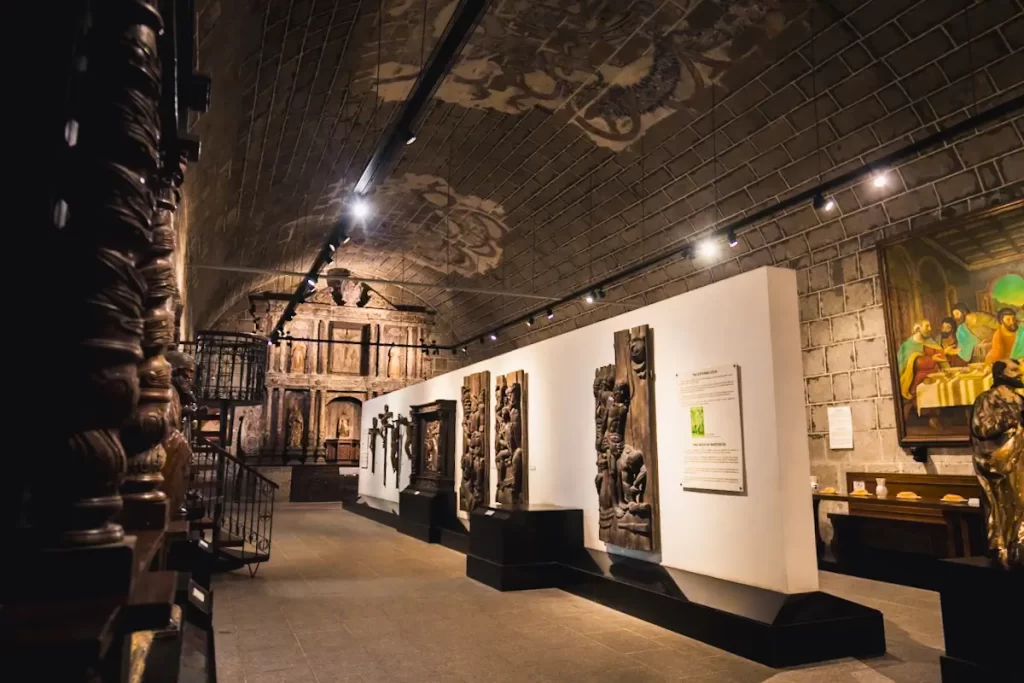
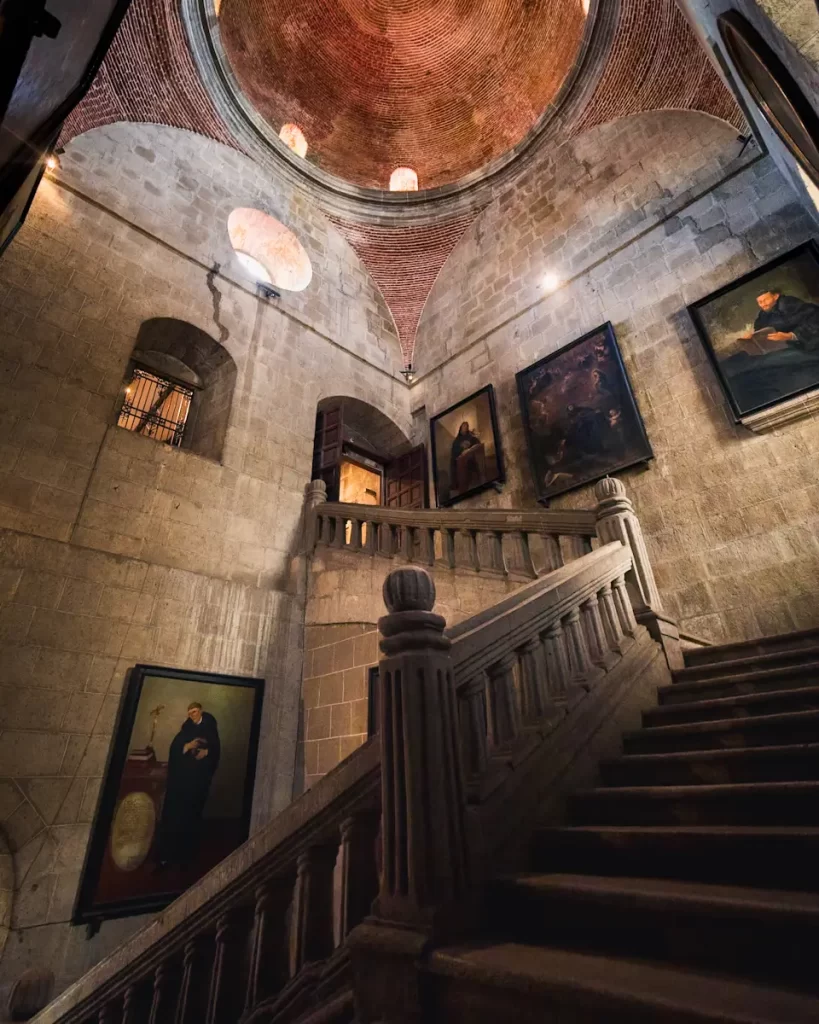
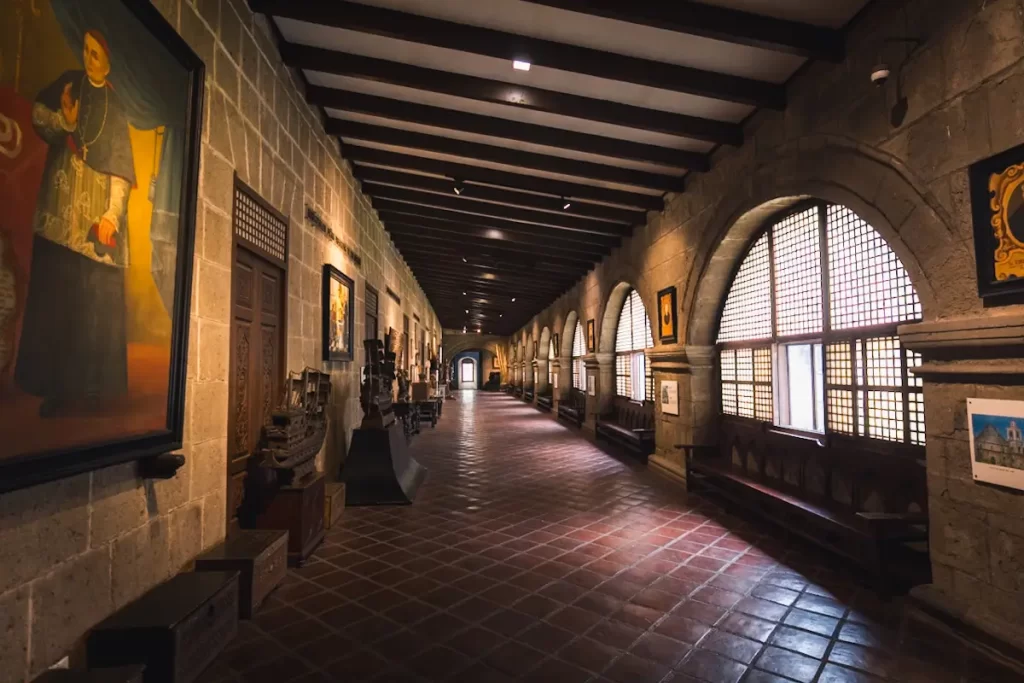
The San Agustin Convent Museum sits beside the UNESCO-listed San Agustin Church in Intramuros, the oldest stone church in the Philippines, completed in 1607 by Augustinian friars. The convent was built at the same time as the church and originally served as the friars’ residence, library, and administrative center. It has survived earthquakes, fires, and even the destruction of most of Intramuros during World War II, making it one of the few remaining structures from the Spanish colonial period. Walking through the museum today, the building itself is as much a highlight as the collection inside, with massive adobe walls, vaulted ceilings, a cloistered courtyard, and grand staircases that give a sense of its age and endurance.
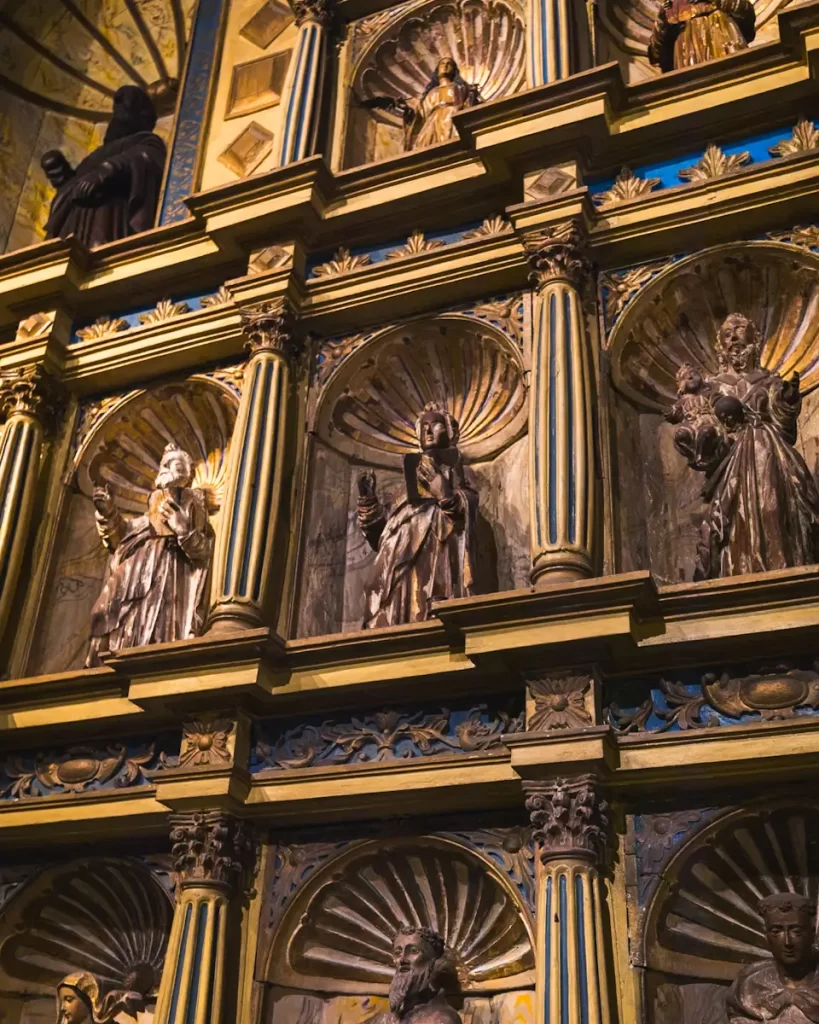
The galleries are filled with religious art and artifacts collected by the Augustinians over the centuries: massive oil paintings of saints, ivory santos , gilded altarpieces, carved choir stalls, and hymnals dating back 300 to 400 years. Rooms display liturgical vestments, botanical lithographs made by friars studying local flora, and manuscripts in fragile condition. The museum presents all of this from a church-centered perspective, framing the Spanish conquest as a mission of faith and “sharing love,” all while omitting the suppression of indigenous beliefs and practices, so don’t mistake it for the full picture of Manila’s history. Entrance is 200 PHP .
29. Manila Cathedral
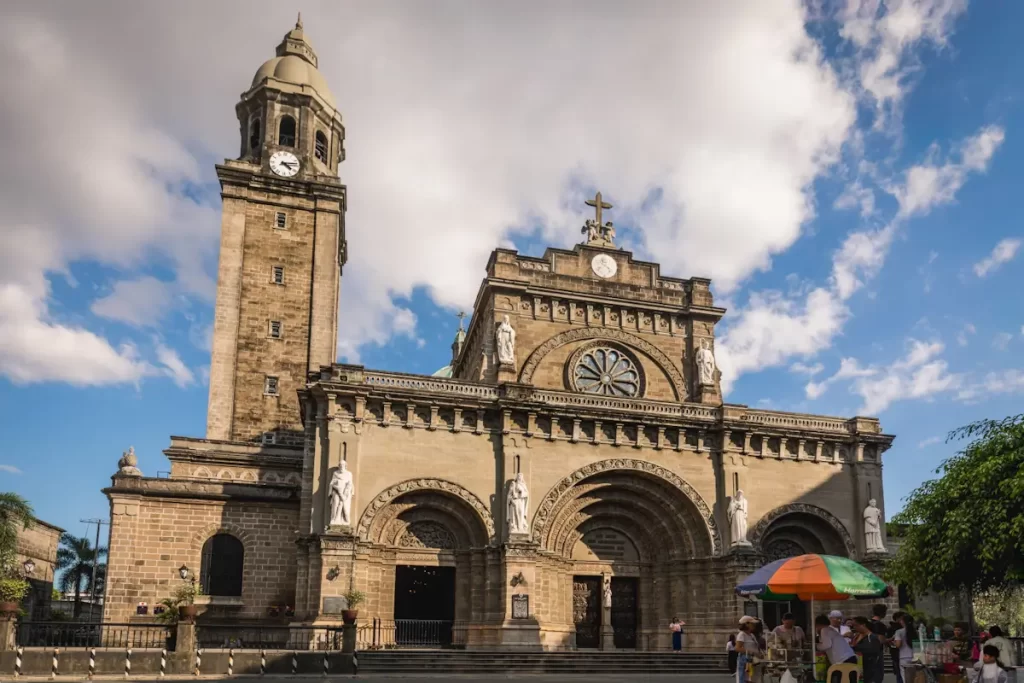
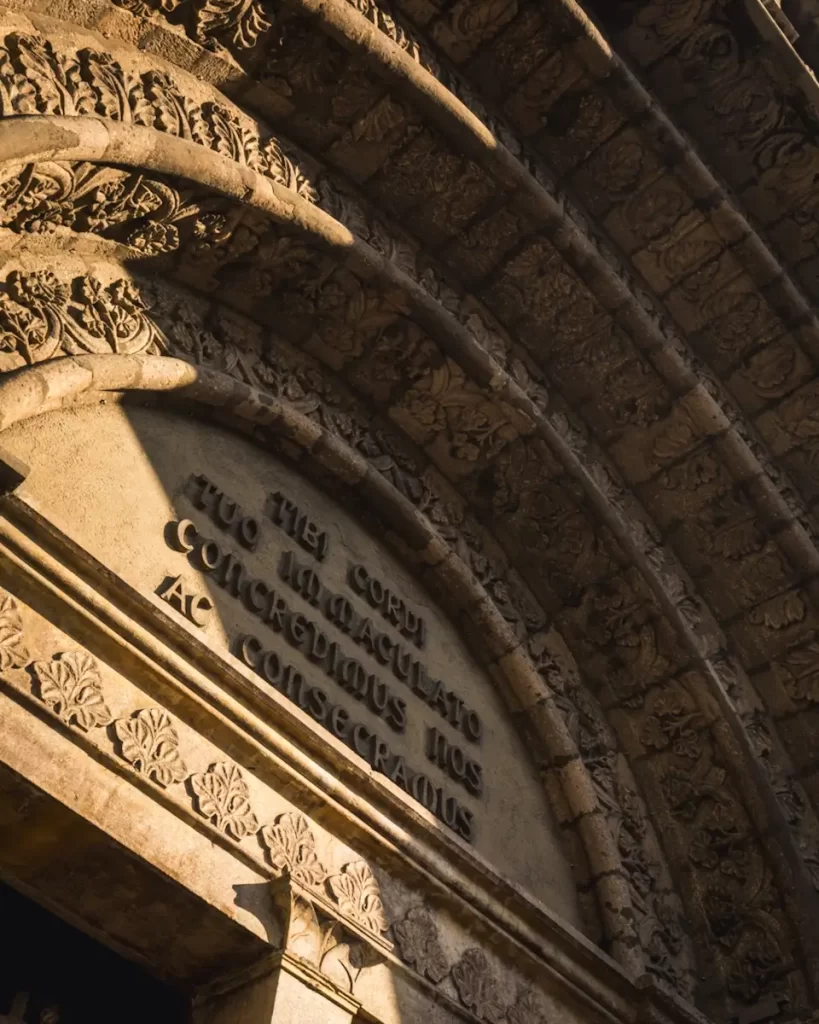
The Manila Cathedral sits at the heart of Intramuros and has long been the symbolic center of Catholicism in the Philippines. The first church on this site was built in 1581, and the cathedral you see today is the eighth version, rebuilt multiple times after typhoons, fires, earthquakes, and the near-total destruction of Intramuros in World War II. The present structure, completed in 1958, is a mix of neo-Romanesque and neo-Renaissance design, with a grand façade of carved stone, bronze doors cast in Italy, and stained glass windows by Filipino artist Galo Ocampo. Inside, you’ll find soaring arches, a 4500-pipe organ, and side chapels dedicated to different saints, including one that houses the remains of Cardinal Jaime Sin, a key figure in the People Power Revolution. While the cathedral is an active place of worship, it’s also a national landmark often used for state ceremonies, papal visits, and high-profile weddings. Visitors can freely walk inside to see its interior, but note that it’s still primarily a functioning church, so time your visit outside of mass if you want to explore.
30. Bamboo Bike Tour
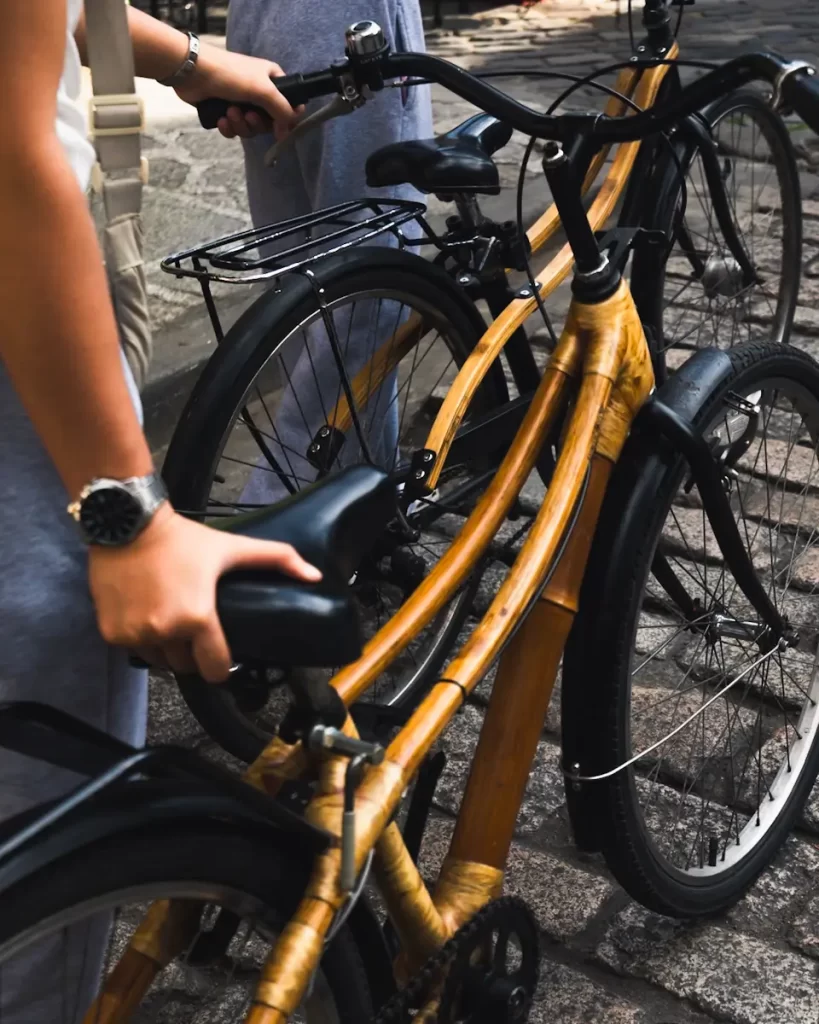
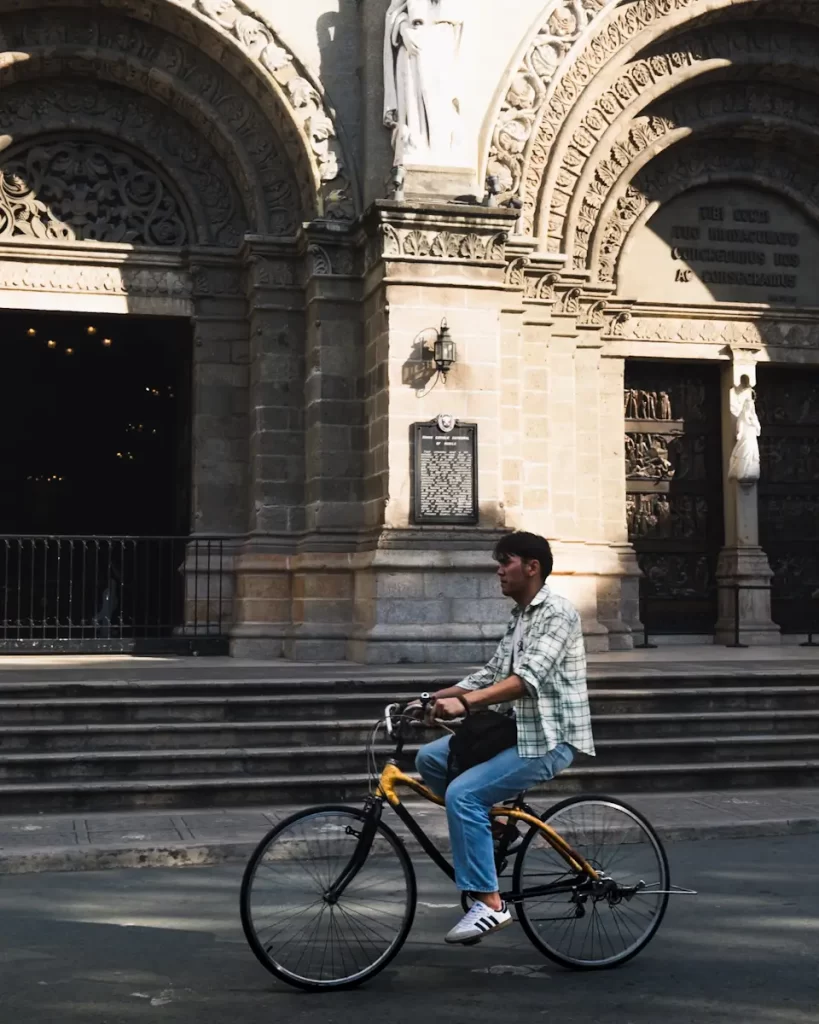
If you want to explore Intramuros in a way that’s both fun and socially responsible, rent a bamboo bike from Bambike Ecotours. They’re handmade in Victoria, Tarlac by a Gawad Kalinga community, giving local craftsmen sustainable livelihoods. The Intramuros tours have become their signature, with 1.5 and 2.5 hour tours taking riders through Fort Santiago, San Agustin Church, Baluarte de San Diego, and other landmarks, with guides who mix history lessons with biking. If you’d rather go at your own pace, you can simply rent a bike by the hour and cruise the cobblestone streets on your own. The bikes themselves are sturdy and comfortable, and the tours come with ice cream, water refills, and a cold towel at the end. Tours start at 1200 PHP .
31. Casa Manila
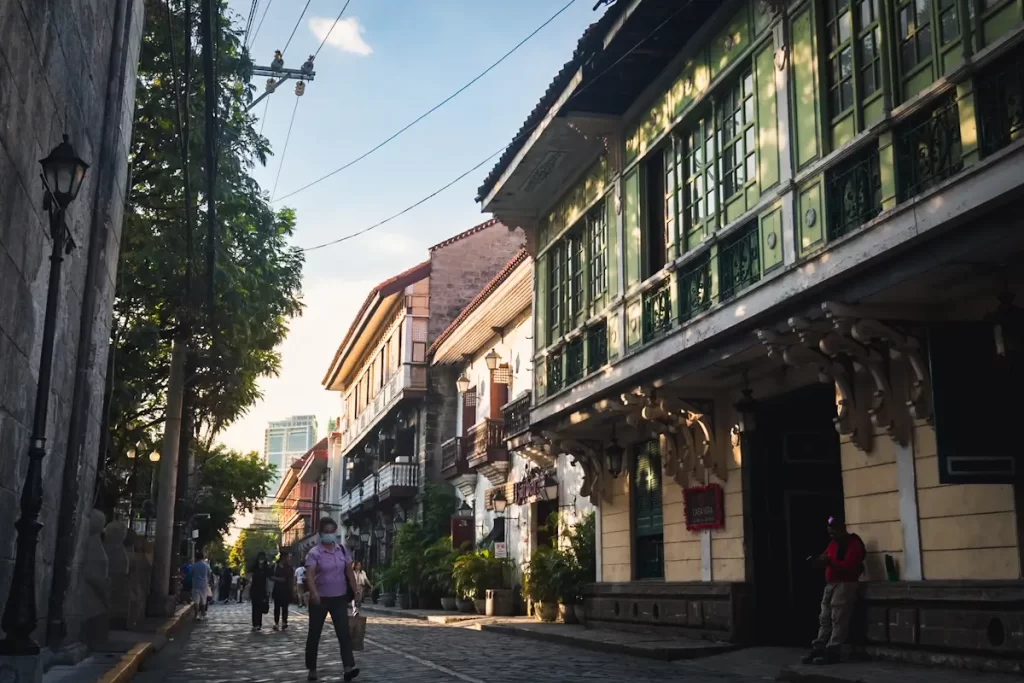
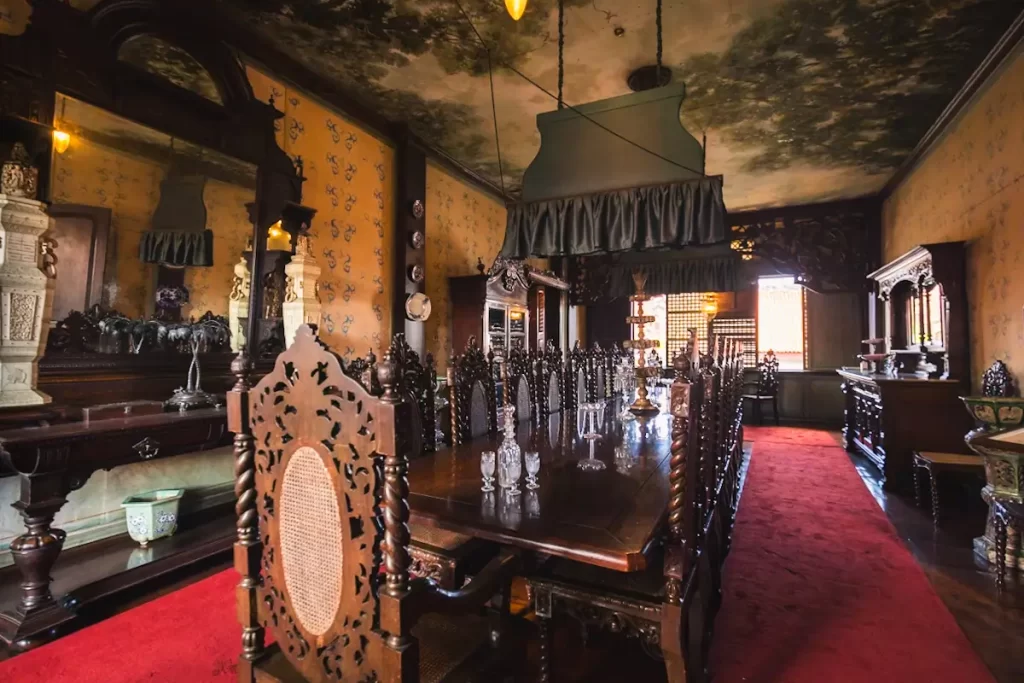
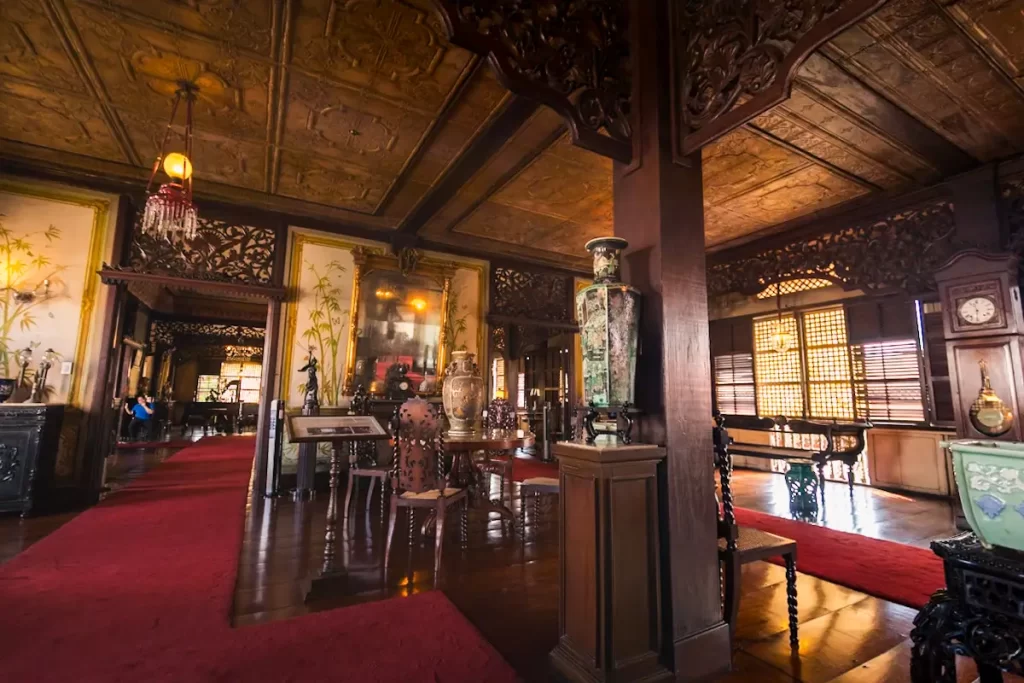
Casa Manila is a reconstructed Spanish colonial house in Intramuros, built in the 1980s to show how the wealthy mestizo class lived during the 19th century. The building itself is a replica of a bahay na bato , with stone on the ground floor and wood upstairs, complete with capiz shell windows, hardwood furniture, chandeliers, and religious imagery in almost every room. Walking through the house takes you past a formal sala, dining room set for a feast, bedrooms with four-poster beds and mosquito nets, and a kitchen outfitted with clay stoves and heavy iron pans. The aim is to present the domestic life of colonial elites, and while it reflects a romanticized version of Spanish-era living, it’s one of the more atmospheric stops in Intramuros. The house forms part of the Plaza San Luis Complex, where you’ll also find cafés, shops, and courtyards built in the same period style. Entrance is 75 PHP .
32. Chicken Inasal from C.H.E. Bacolod Chicken House
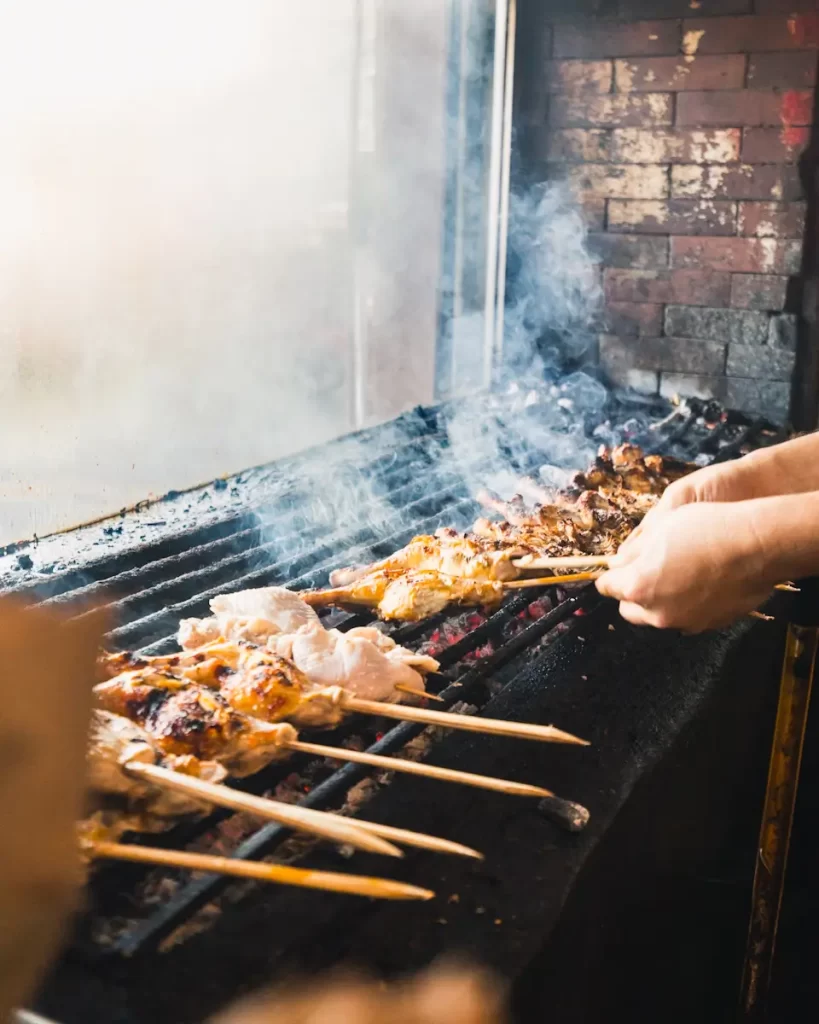
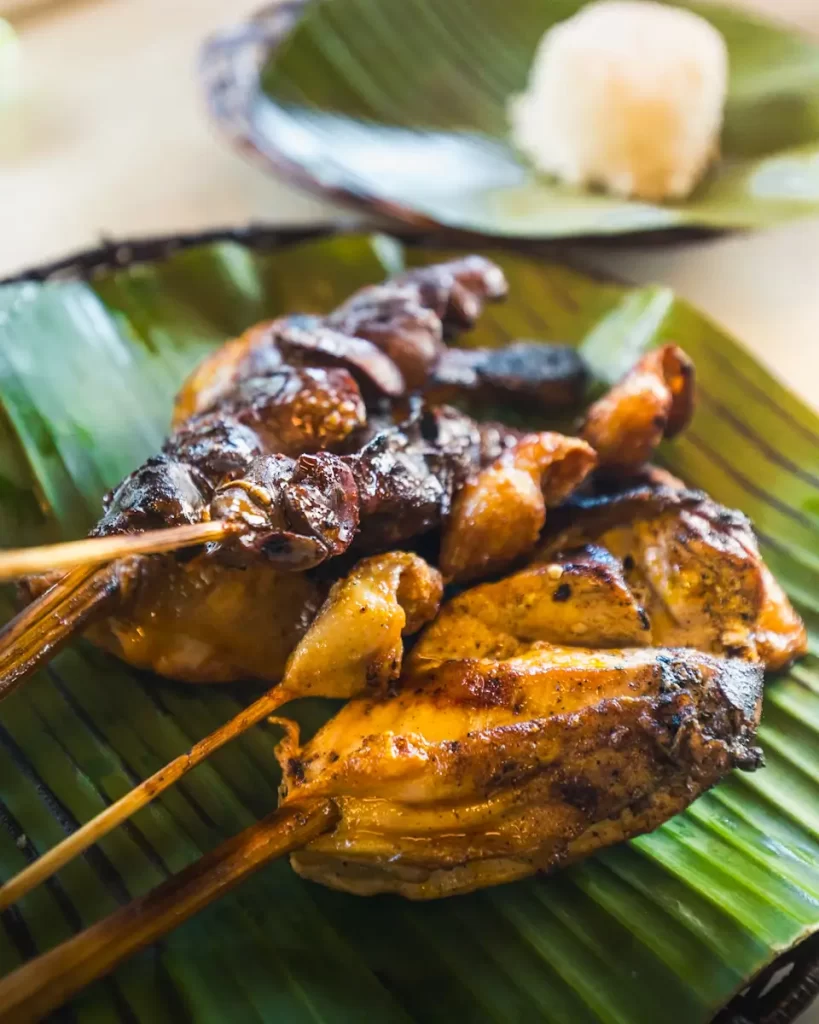
C.H.E. Bacolod Chicken House is the Metro Manila branch of the well-loved Bacolod chain, owned by the son of Chicken House’s founders, and it delivers as close to the original inasal experience as you’ll find outside Negros. Inasal , from the Hiligaynon word asal meaning skewered, is marinated in calamansi, garlic, ginger, and sinamak (coconut vinegar) before being grilled over charcoal and brushed with chicken oil made from rendered skin. At C.H.E., the staples are all here: paa (leg quarter), pecho (breast), and pakpak (wing), served with garlic rice slicked in bright orange chicken oil. Skewers of isol (tail), atay (liver), and baticolon (gizzard) add variety, and everything comes with the proper dipping mix of sinamak, calamansi, soy, and chili. The setup is straightforward and unpretentious, and the food is what keeps people coming back. For anyone who hasn’t made it to Manokan Country in Bacolod, this is a chance to taste inasal that locals will recognize as the real thing.
33. Galerie Joaquin
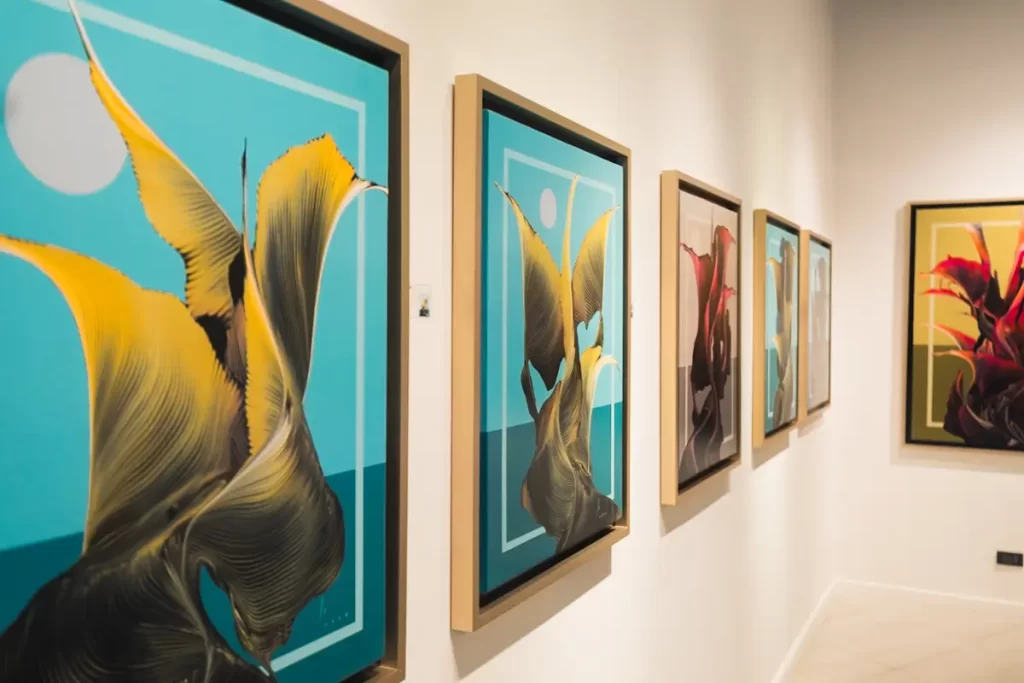
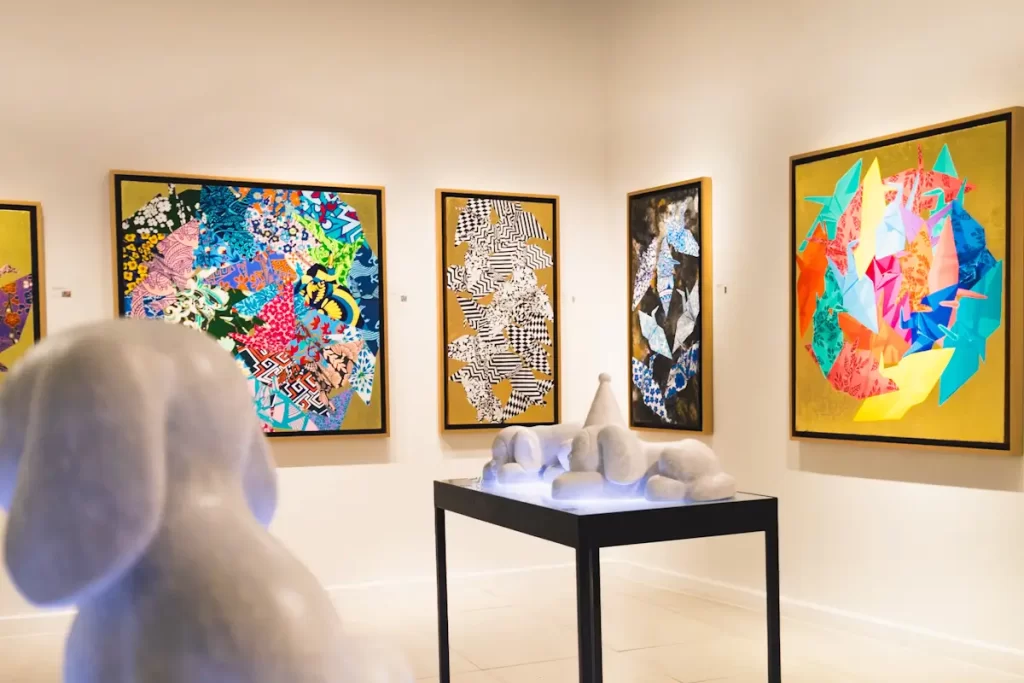
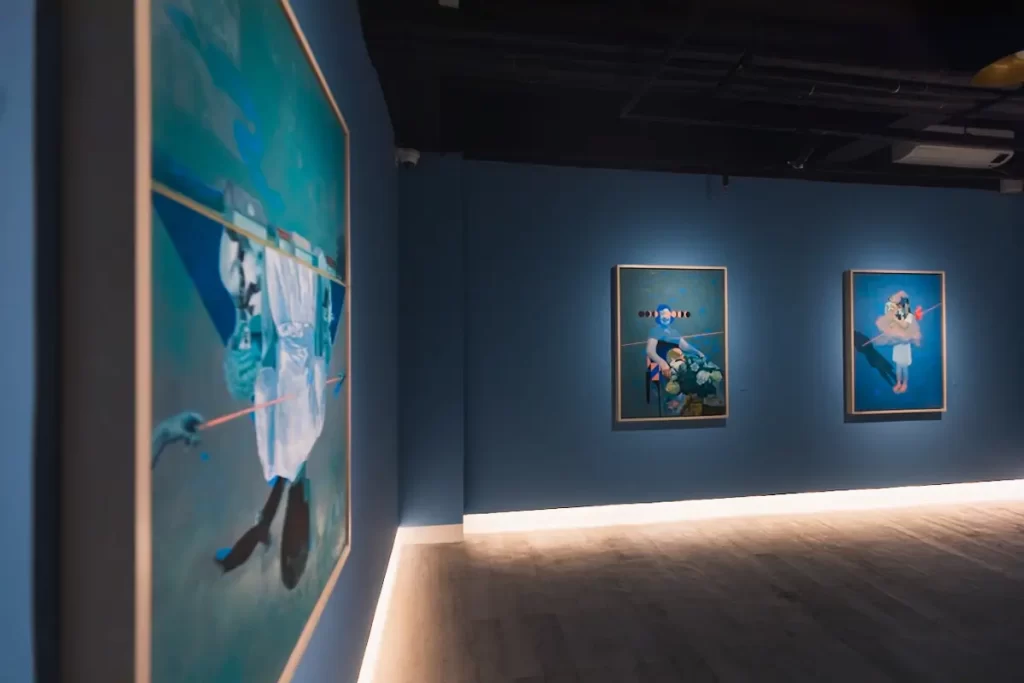
Galerie Joaquin is one of Manila’s leading contemporary art galleries, with small branches all over the city but its flagship in San Juan serving as the main hub. Established in 2002, the gallery has built its reputation on showcasing modern and contemporary Filipino artists, balancing established names with up-and-coming painters and sculptors. Exhibits rotate frequently, with shows covering everything from figurative realism and abstraction to more experimental mixed-media work. The galleries are compact but that’s not a bad thing – you can spend about five minutes checking out the art before moving on. Galerie Joaquin also represents artists internationally, making it a place where local work is often prepared to travel abroad for major fairs. Don’t expect too much from the staff though – interested in one of the paintings I saw I asked the man behind the desk about the artist’s process – he reluctantly put down his video call with his friend and told me “Just a normal art sir”. Wow. Thanks so much. All Galerie Joaquin locations are free to enter .
34. University of Santo Tomas Museum
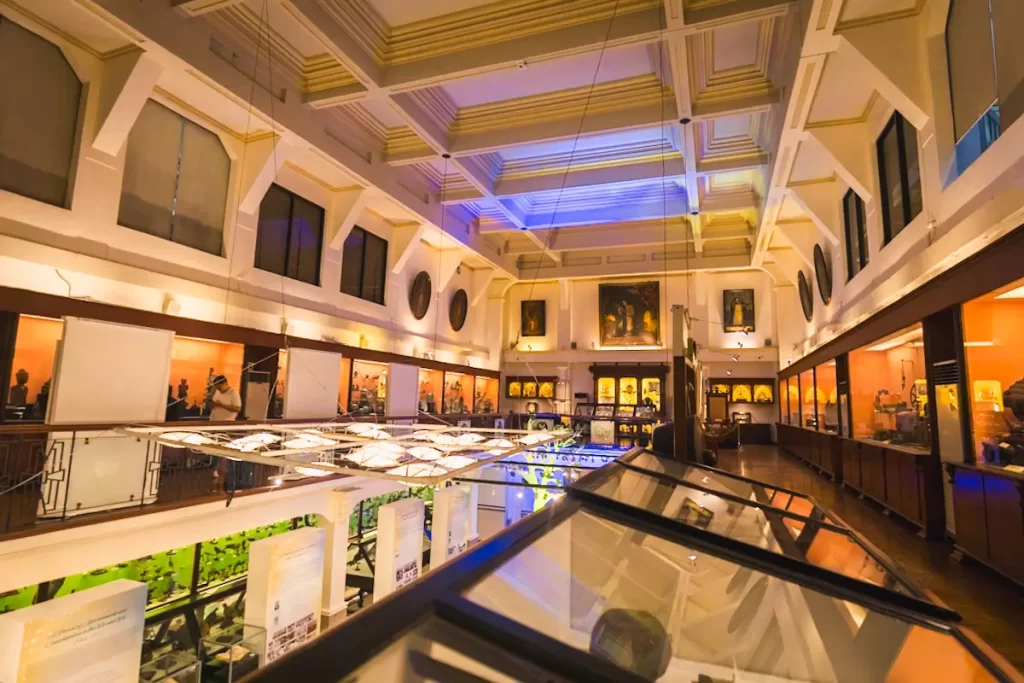
The University of Santo Tomas Museum, founded in 1869, is the oldest existing museum in the Philippines and sits inside the main building of the historic UST campus in Sampaloc, Manila. Originally established as a gabinete de física to house natural history specimens used for teaching, its collection has grown into a mix of scientific, ethnographic, and artistic holdings that reflect both the university’s long history and the broader colonial context in which it developed. Visitors can expect to see taxidermy specimens of Philippine fauna, geological samples, ethnographic artifacts from various indigenous groups, and a fine arts collection featuring works by prominent Filipino painters like Fernando Amorsolo and Carlos “Botong” Francisco. The museum also maintains religious relics and ecclesiastical objects tied to the university’s Catholic roots.
I really enjoyed the UST Museum, but walking through the campus to the museum felt like running a gauntlet of security guards, each one demanding another piece of ID. I told the second guy I’d already given mine to the first, and he just shrugged and asked for another one. I had to put my foot down a little and insist that no I wasn’t going to hand over every single piece of ID from my wallet. Entrance is 50 PHP .
35. Common Room
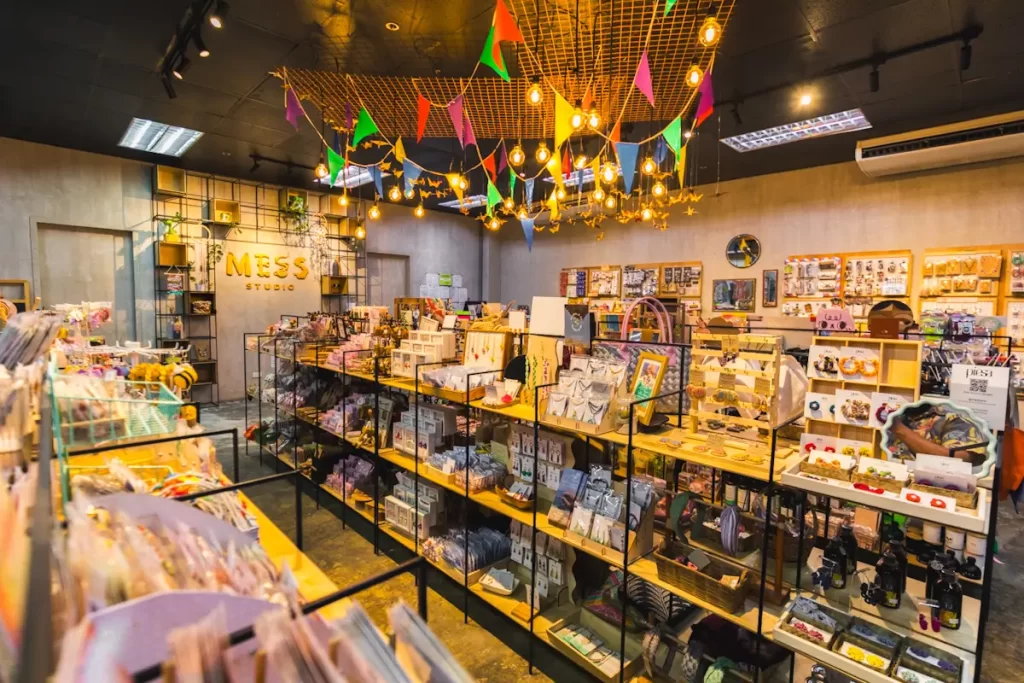
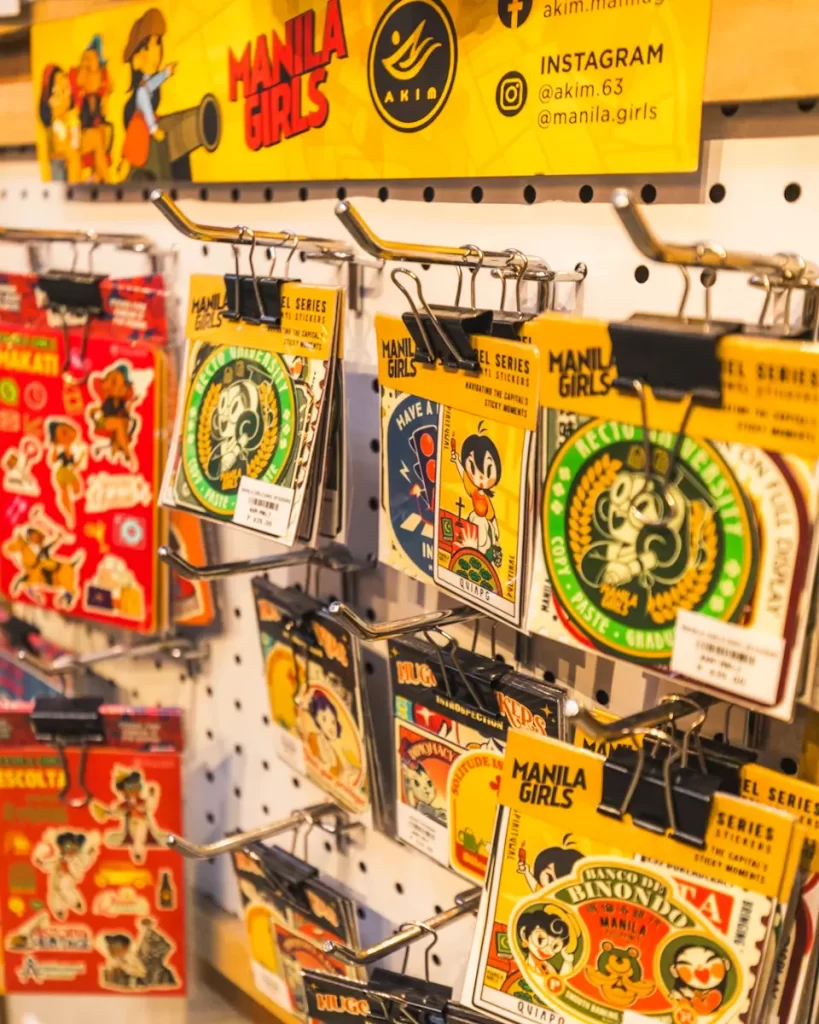
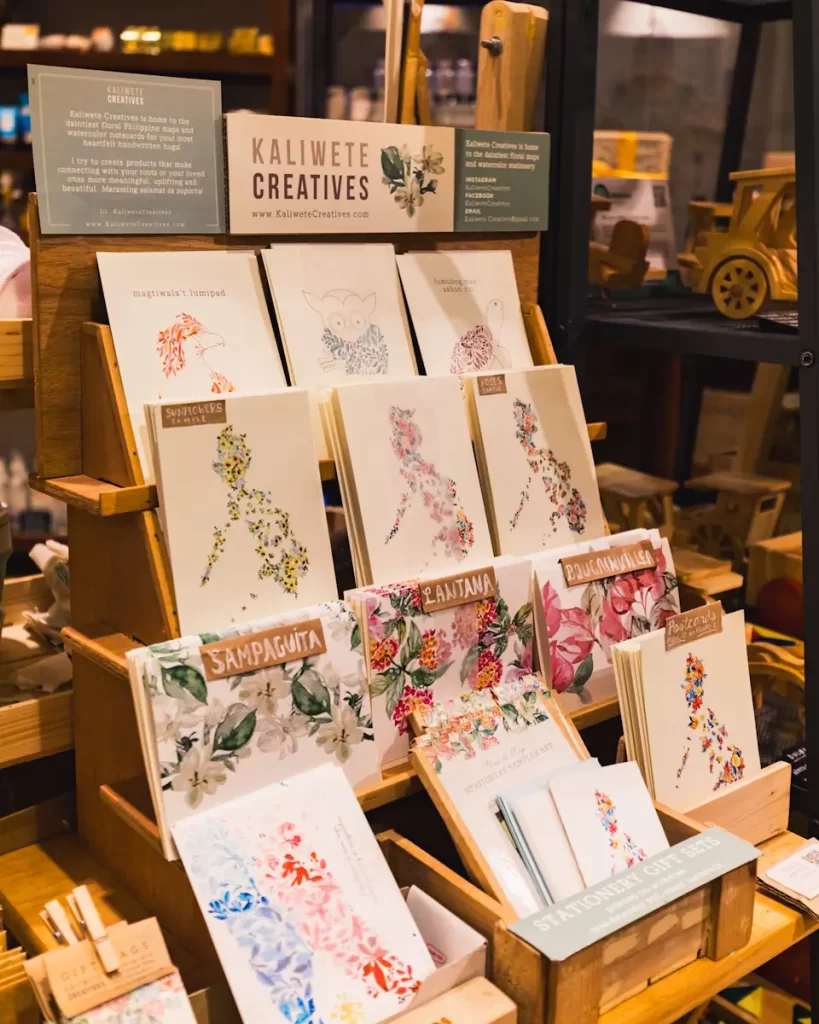
Common Room is a Manila-based collective shop that brings together the work of dozens of local makers under one roof. Started in 2015 by sisters Roma and Maan Agsalud, the idea was to give independent artists, crafters, and designers a physical space to sell their products without having to run their own stores. Today, its many branches carry everything from handmade notebooks, zines, and stickers to soaps, jewelry, bags, and quirky home décor – all from over 200 Filipino artisans.
36. Manila Baywalk
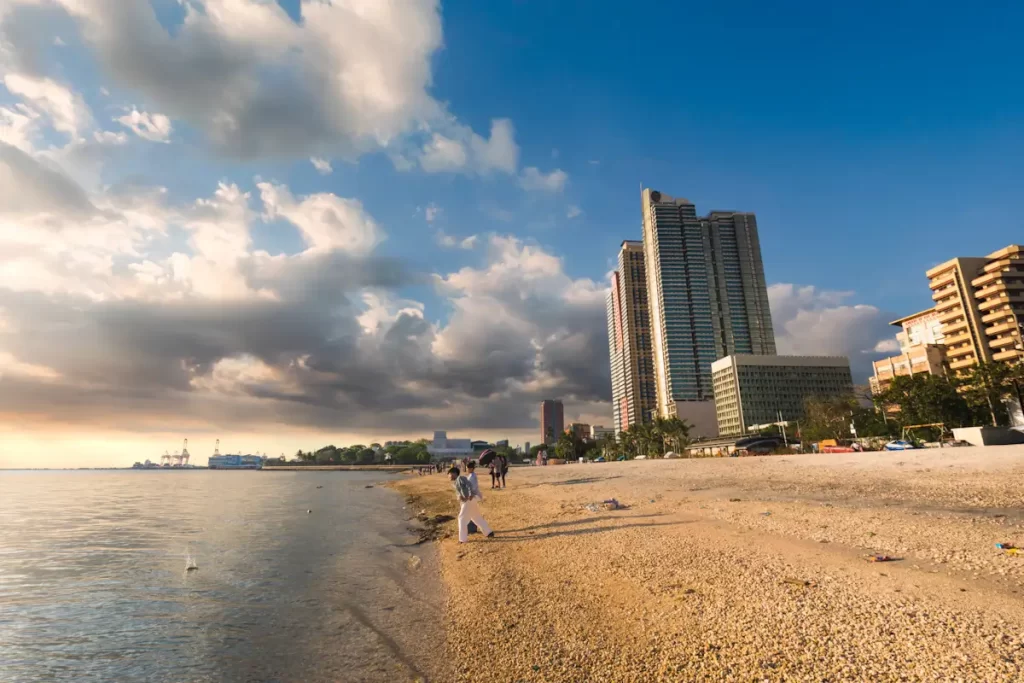
Manila’s Baywalk stretches along Roxas Boulevard from the US Embassy down toward the Cultural Center of the Philippines, offering one of the few open waterfront promenades in the city. It became a popular place to watch the sunset in the 1990s and early 2000s, with stalls, buskers, and evening crowds, but it has also gone through cycles of neglect and renovation. At the northern end of the Baywalk is Dolomite Beach, a recent and controversial addition created in 2020 by covering a reclaimed stretch of foreshore with crushed dolomite rock imported from Cebu. Promoted by the Department of Environment and Natural Resources as a “beach nourishment project,” it was billed as a way to improve the area’s aesthetics while long-term rehabilitation of Manila Bay was underway. Critics argued that the artificial beach did little to address deeper issues of water quality, flooding, and waste management, but it has nonetheless drawn crowds of locals eager to stroll on sand in the middle of the city. Like all good beaches, it has a security checkpoint and limited hours, but I’d be lying if I said it wasn’t one of the better places in Manila to enjoy a sunset. Dolomite Beach is free to enter .
37. The Mind Museum
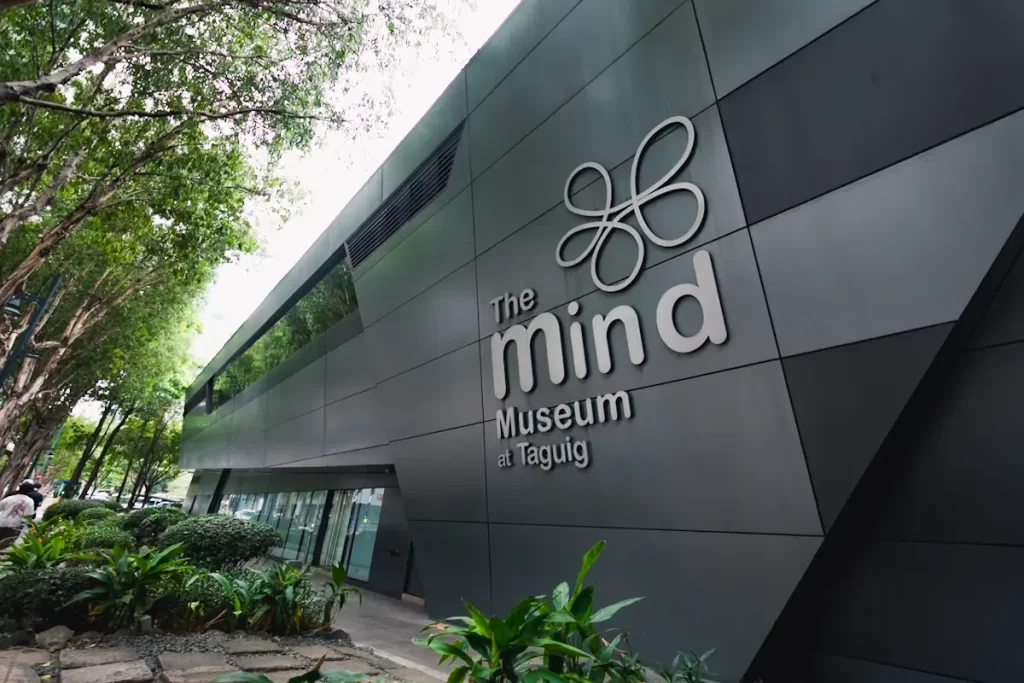
The Mind Museum in Bonifacio Global City is Manila’s main science museum, opened in 2012 with over 250 exhibits spread across galleries on atoms, life, earth, the universe, and technology. The space is designed to be fully interactive, with buttons to push, levers to pull, and models to climb through, so it’s especially popular with children and school groups. Highlights include a full Tyrannosaurus Rex skeleton, a walk-through solar system, and a planetarium-style dome theater. There’s also an outdoor Science-in-the-Park where kids can run around with hands-on experiments. While adults may enjoy tagging along, this is very much a family-oriented attraction, and solo travellers without kids are unlikely to find it as rewarding as Manila’s cultural or history museums. Entrance for adults is 625 PHP , and 550 PHP for kids.
38. Salcedo Weekend Market
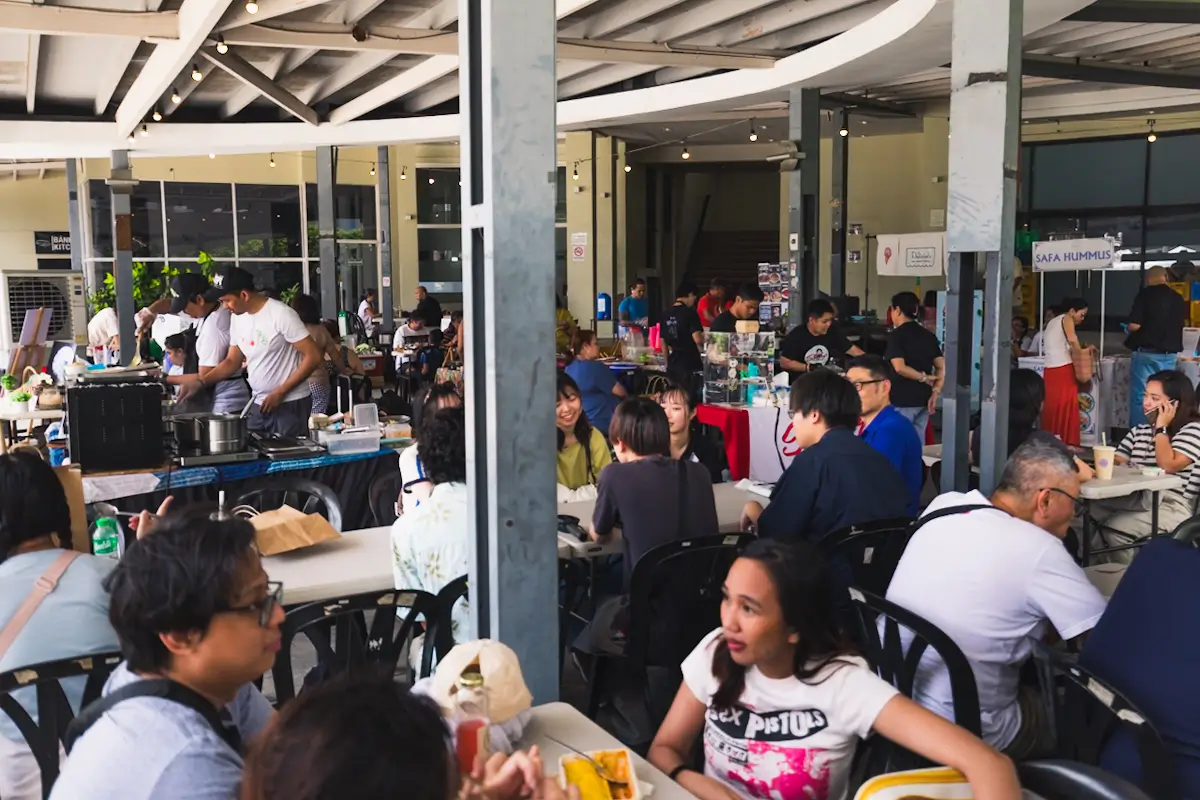
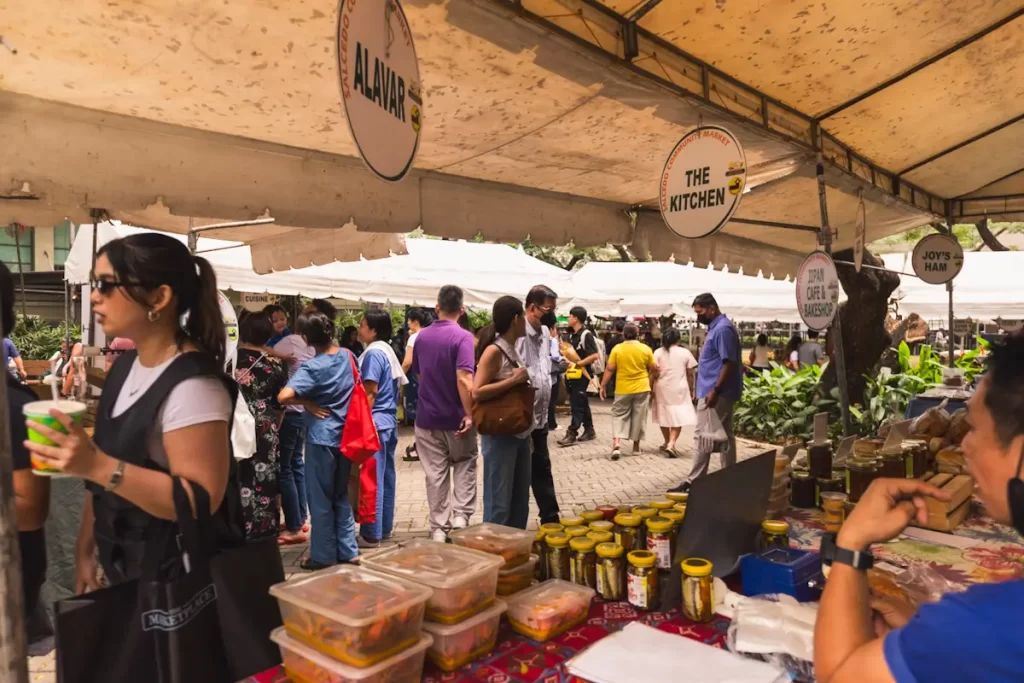
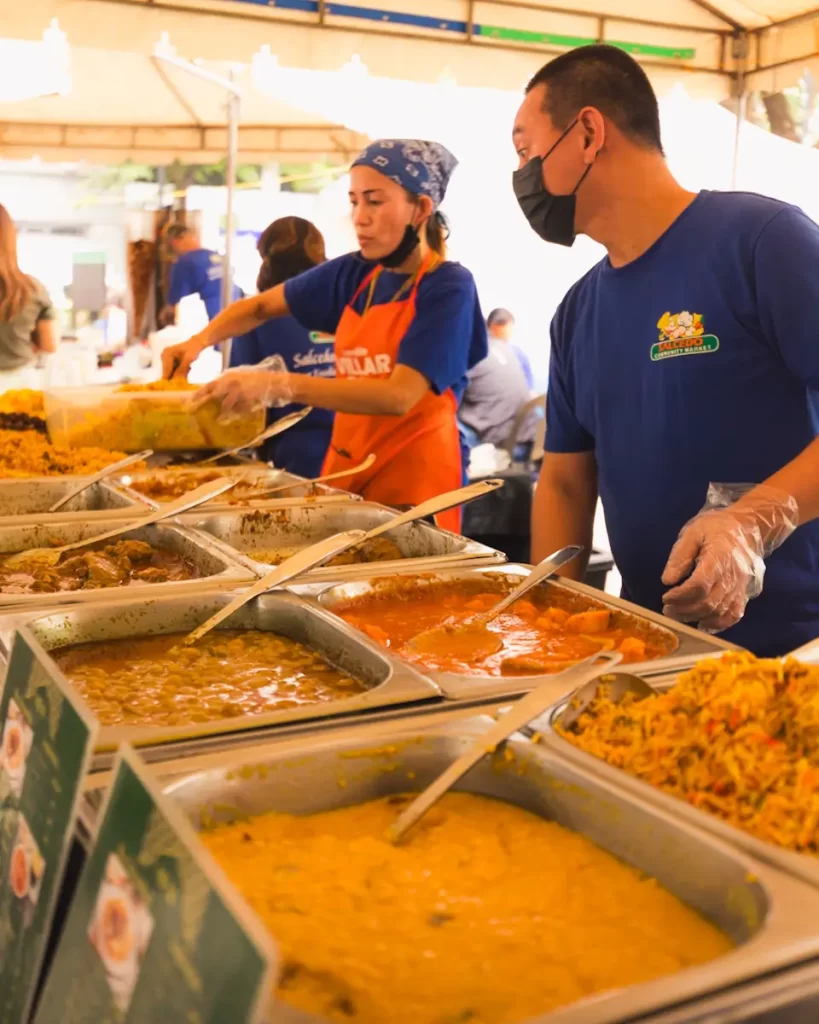
Salcedo Saturday Market has been running since 2004, when residents of Salcedo Village organized a community event in Jaime Velasquez Park that was meant to bring neighbours together. What started as a handful of stalls has grown into one of Manila’s most established weekend markets. Over the past two decades, its mix has steadily expanded – what was once a handful of local specialties now covers paella, lechon , halal dishes, vegan meals, regional Filipino fare, international cuisines, and plenty of baked goods, preserves, and produce.
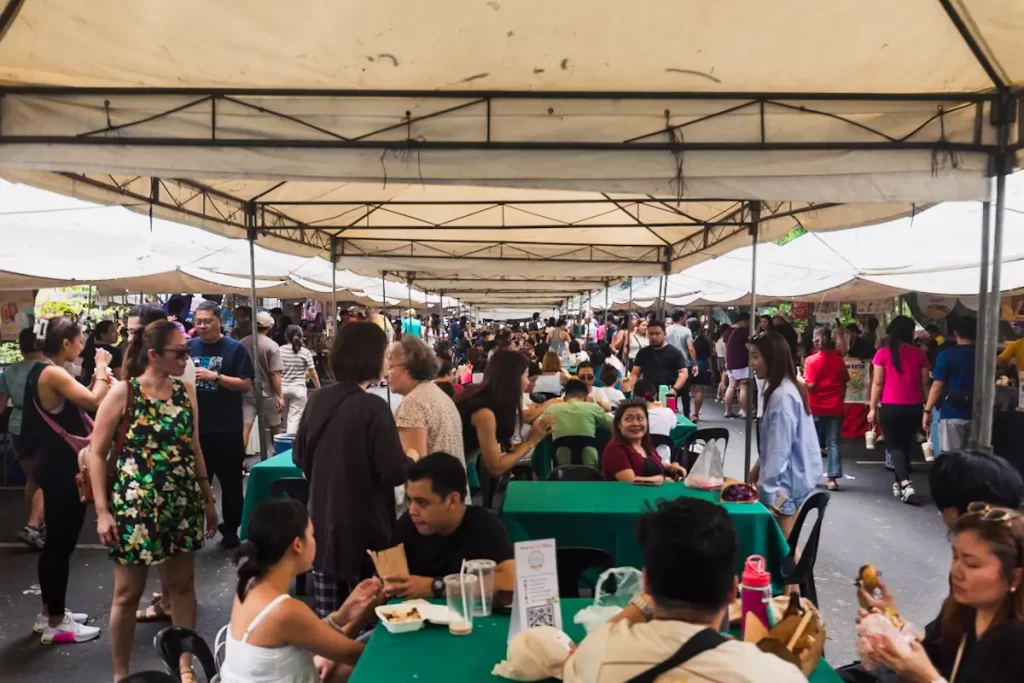
The market fills the park every Saturday morning with a lively, organized sprawl of stalls and shaded seating. Longtime favorites like Ineng’s Special BBQ sit alongside newer vendors catering to changing tastes, including healthy and plant-based food options, while flower sellers do brisk trade with visitors looking for the perfect photo backdrop. Like other weekend markets in Manila, you’ll find a mix of ready-to-eat dishes, pantry staples, as well as non-food items, but the emphasis here is on hot meals – so it’s best to arrive hungry.
39. Vargas Museum
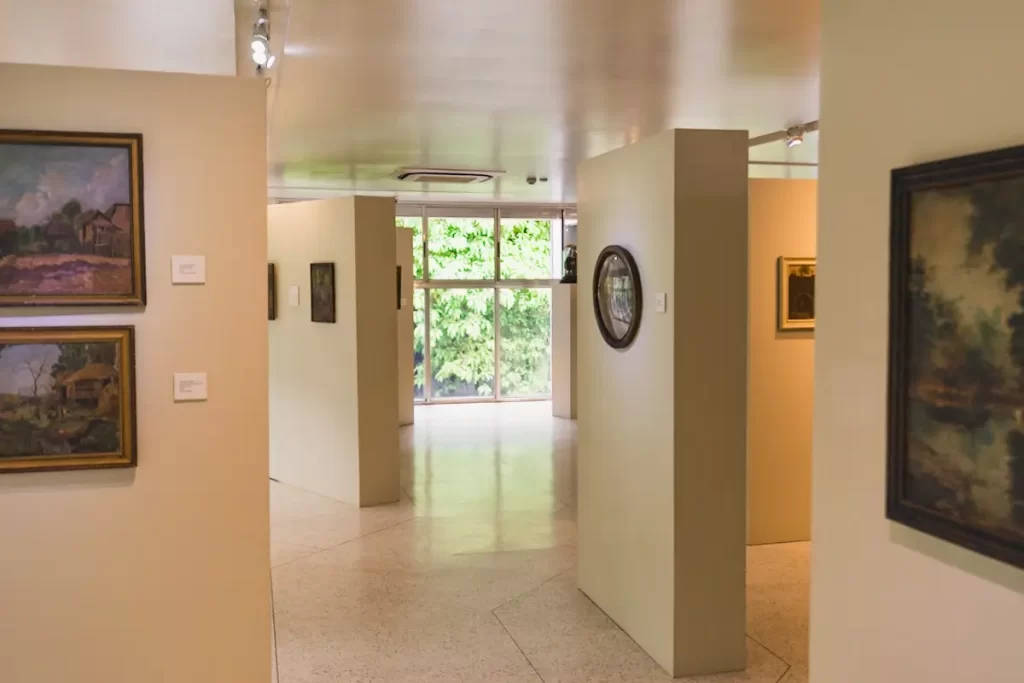
The Jorge B. Vargas Museum and Filipiniana Research Center, located inside the University of the Philippines Diliman campus, houses the personal collection of Jorge Vargas, the country’s first executive secretary under Manuel Quezon. Opened to the public in 1987, the museum preserves his donations of art, books, and historical documents, while also functioning as a contemporary art venue. The second floor gallery is laid out in order by time, so you can walk through Filipino art as it develops. It begins with 19th-century painters like Juan Luna and Félix Resurrección Hidalgo, then moves into Fernando Amorsolo’s bright countryside scenes and Guillermo Tolentino’s sculptures from the early 20th century, before ending in more modern, abstract works. Even if you’re not usually into art, the setup makes it easy to see how styles changed over the years, giving you a straightforward introduction to how Filipino art evolved. I’d call it one of the more underrated galleries I visited in Manila, and its proximity to the UP Sunken Garden makes for a great two-in-one. Entrance is 30 PHP .
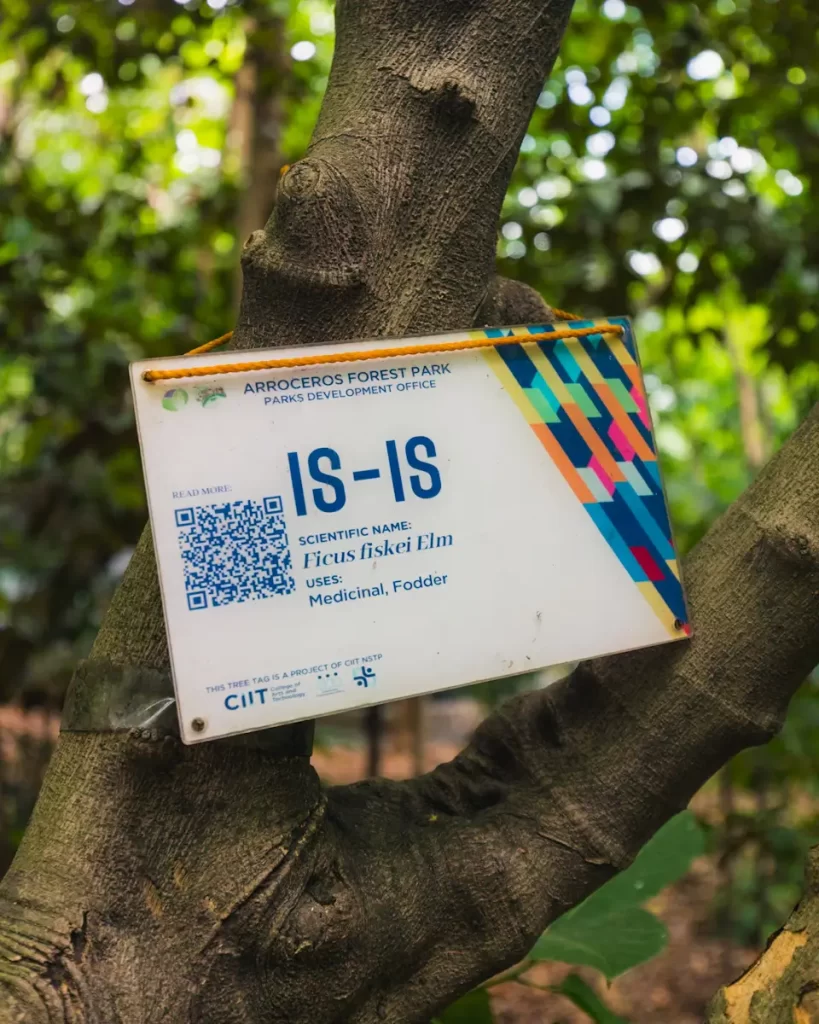
40. Arroceros Forest Park
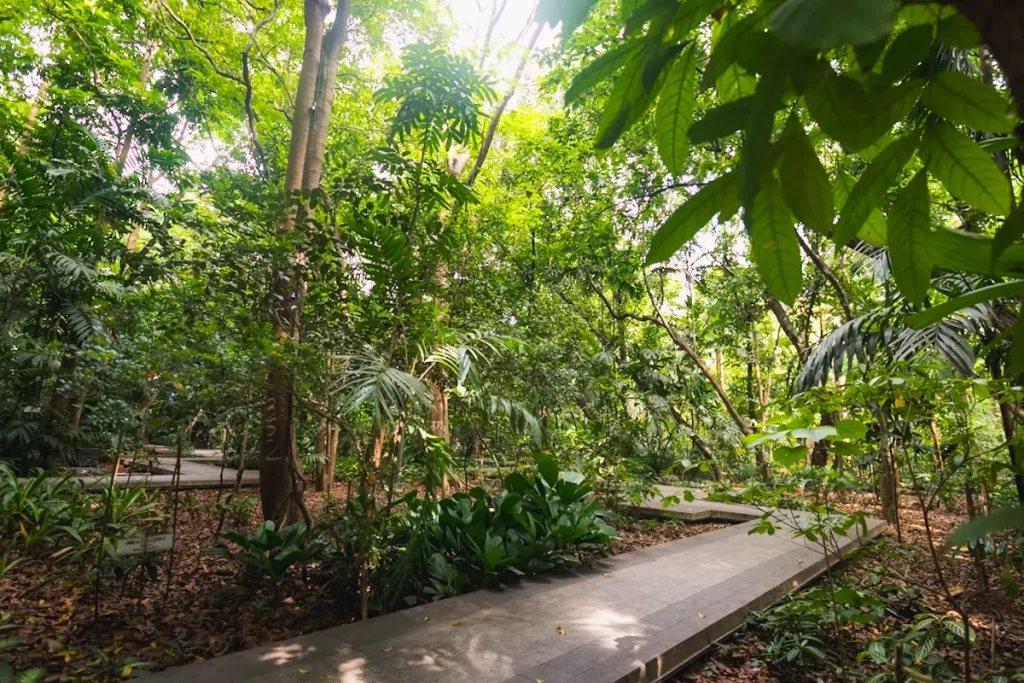
Arroceros Forest Park is one of the few real green spaces in the heart of Manila, tucked between the Pasig River and the busy streets near Lawton. First established in 1993 on the site of a former military garrison, it covers just under three hectares but holds more than 60 tree species and nearly 10,000 individual trees, earning it the nickname “Manila’s last lung.” The park has had a turbulent history – at one point in the early 2000s parts of it were cleared for a planned government building, and for years it was closed off to the public. Local advocacy groups fought for its preservation, and in 2017 the city passed an ordinance declaring it a permanent forest park.
Today it’s open again, with paved paths, gazebos, and shaded benches where locals come to jog, practice tai chi, or simply take a break from the noise outside. The canopy provides a level of coolness that feels almost out of place in downtown Manila, and birds and butterflies are common sightings. It’s walking distance from Intramuros, making it easy to pair with a visit to the historic district if you want a breather in between. Arroceros Forest Park is free to enter .
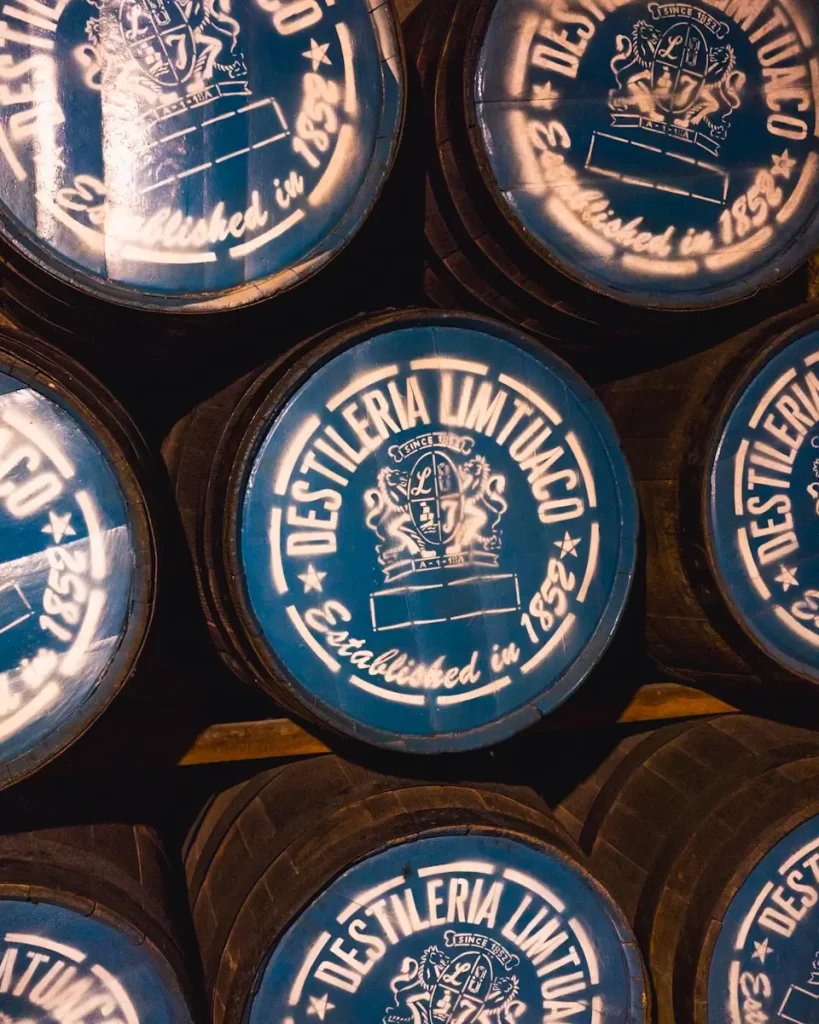
41. Destileria Limtuaco Museum
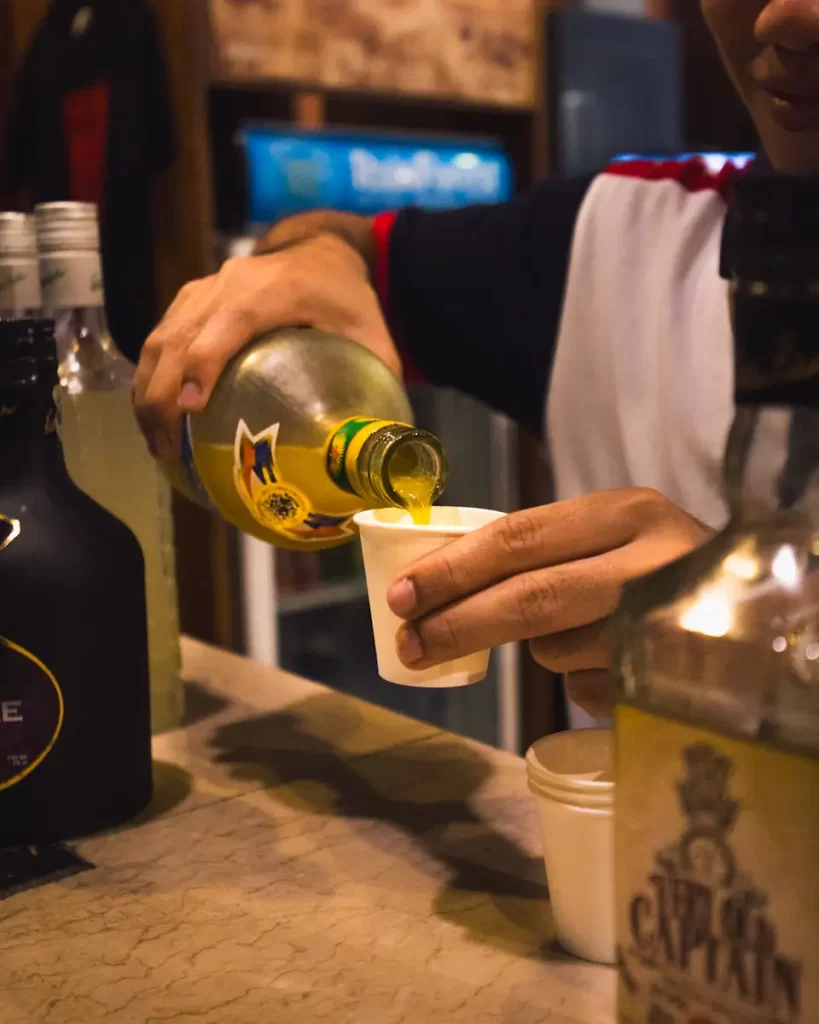
Destileria Limtuaco Museum, which opened in 2018 inside a restored bahay na bato in Intramuros, showcases the 170-year history of the country’s oldest distillery. Founded in 1852 by Chinese immigrant Bonifacio Lim Tua Co, the business began with a medicinal Chinese wine called sioktong and grew into a household name with brands like White Castle Whisky before expanding into fruit liqueurs such as Manille calamansi and dalandan. The museum itself is laid out across two floors: the ground level tries its best to explain the distilling process with barrels, fermenting vats, and old equipment, while upstairs is devoted to family history and vintage advertising, including retro White Castle calendars and packaging that track how Filipino drinking culture has shifted over time. The building’s machuca tiles, carved woodwork, and antique furniture make it as much a heritage house as a company archive. Unfortunately the employees didn’t seem very familiar with the distilling process at all, so my barely technical questions were met with blank stares. The tasting at the end was worth it, with the herbal wines and liqueurs being the highlights, while the vodka, gin, whisky, and “tequila flavoured spirit” are all ultimately just poor imitations of Western products made to be sold at a price point that is economically viable in the Philippine market. Entrance is 100 PHP , or 200 PHP with the tasting .
42. Roots Collective
Roots Collective started out in Katipunan in 2016 as a co-working space and café but has since evolved into a retail hub and incubator for Filipino social enterprises. Their current shop in Uptown Bonifacio stocks goods from more than a hundred local brands, most of which tie their products to fair trade, sustainability, or community livelihood projects. On the shelves you’ll find cacao and coffee sourced direct from farmers, reef-safe sunscreen, water hyacinth leather goods, handwoven textiles from Samar and Negros, natural cleaning products, and plenty of zero-waste lifestyle items. What sets Roots apart from other “local” stores is that it doubles as a support system for the entrepreneurs themselves, providing market access but also training and funding help.
43. Everything’s Fine
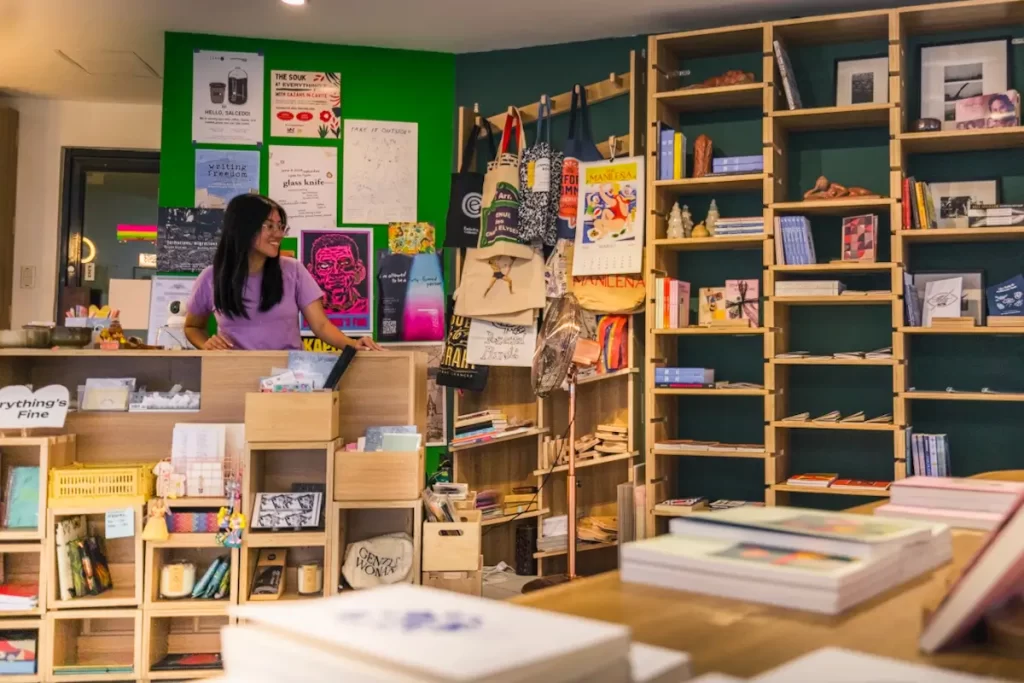
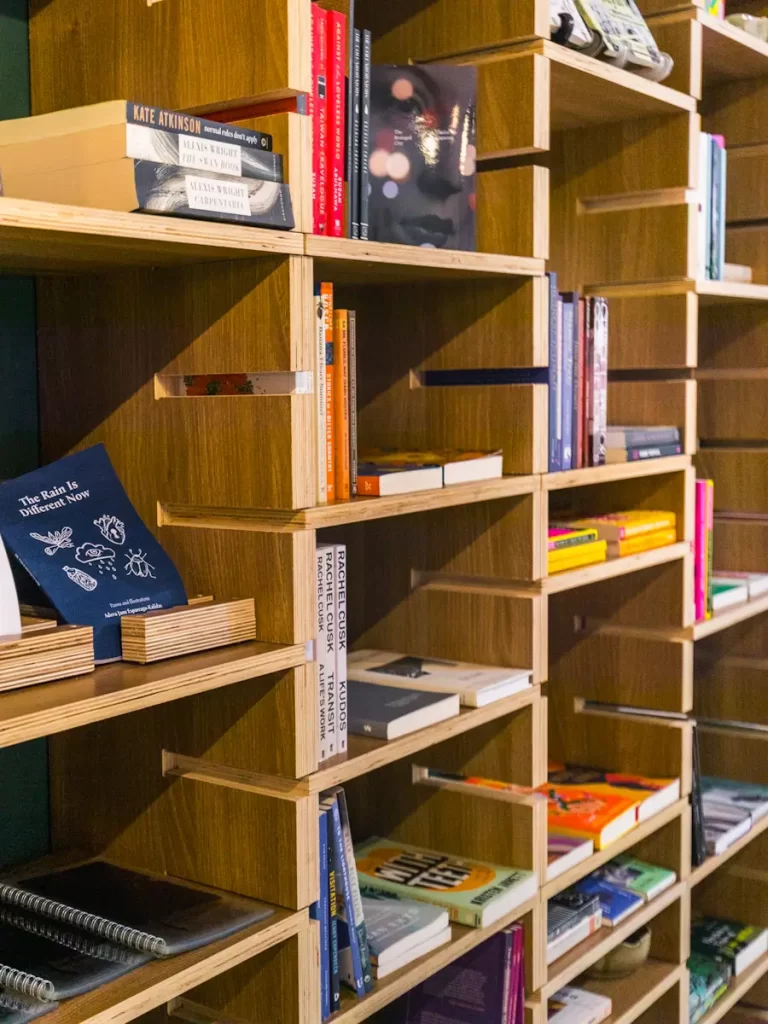
Everything’s Fine is a small independent bookstore and gallery in Salcedo Village, run by writer Katrina Stuart Santiago and designer Oliver Ortega. The shelves lean toward independent and small press titles, including artist books you won’t see in mainstream stores, along with a handful of bigger releases. They also publish their own editions and host small exhibitions and talks, so it works as both a bookshop and cultural space. The shop itself is small, so you won’t spend hours browsing, but the benefit is that every single title has been hand-picked, and the staff will enthusiastically answer any questions or make a recommendation. Picking up a book from a local author is great for the bus rides and airport waits that punctuate a trip to the Philippines, and it’s a great way to get a deeper look at the country’s culture.
44. Ritual
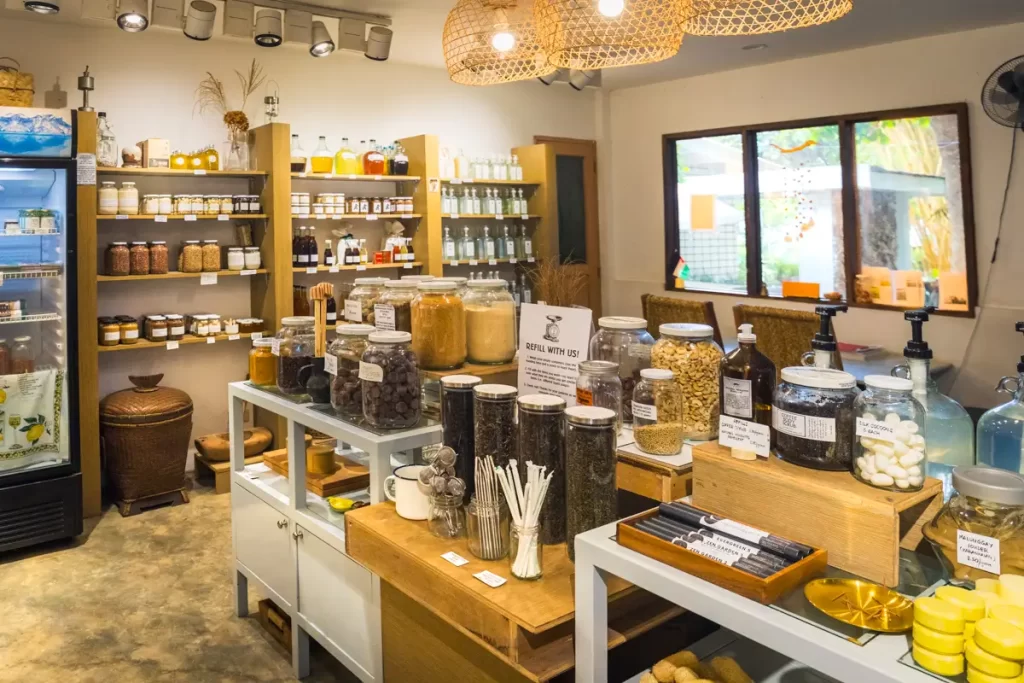
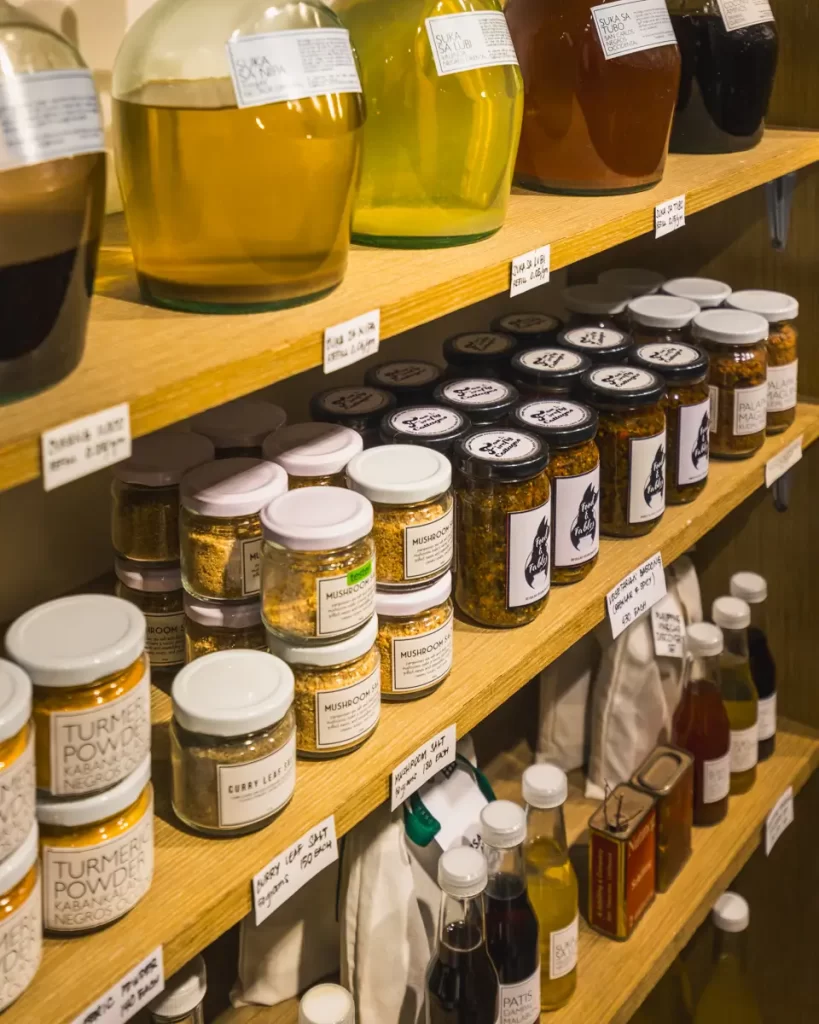
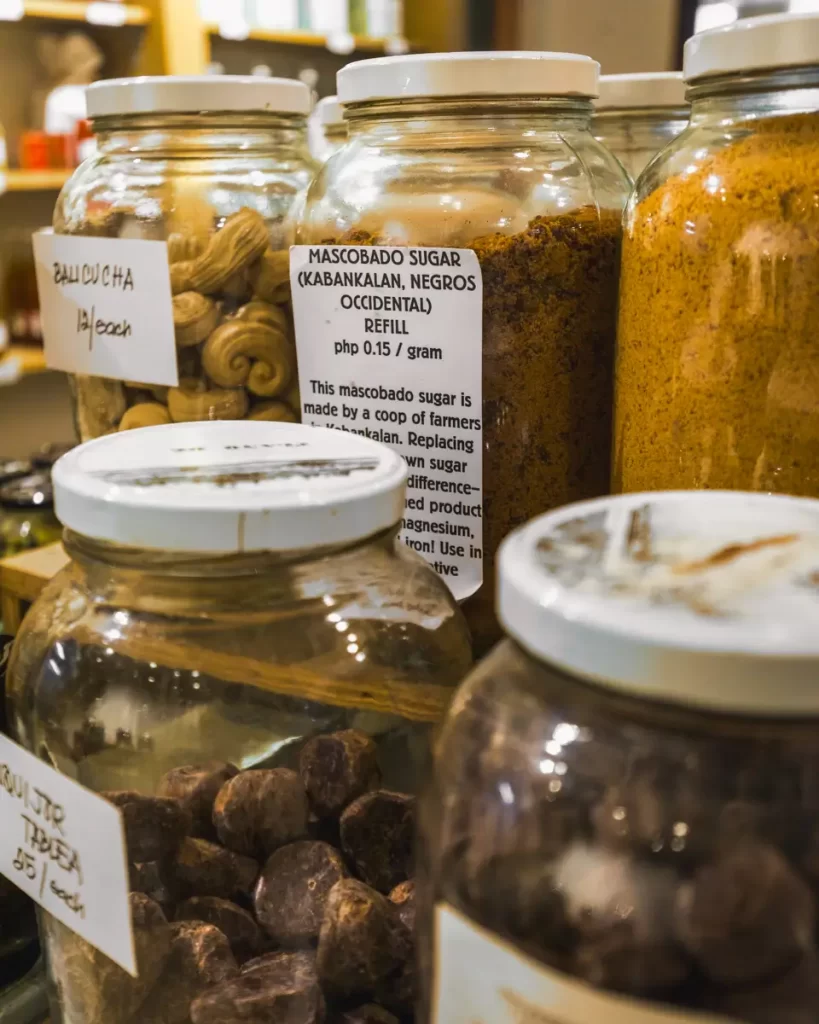
Ritual in Makati is a specialty shop dedicated to Filipino ingredients and pantry staples, all sourced from local farmers and artisans. If you’re a home cook interested in bringing unique Filipino products back home to experiment with, it’s worth a visit. Shelves are lined with regional ingredients rarely seen outside the country: asin tultul from Guimaras and asin tibuok from Bohol; vinegars like sukang Iloco and sukang sasa ; and flours such as nipa starch and saba banana flour. For those into sweets and drinks, there’s unsweetened cacao tablea from Davao, Negros, and Siquijor, fermented cacao beans, and small-batch wines and liqueurs like bugnay fruit wine, tapuey from Ilocos Norte, and cinnamon liqueur. Shoppers can also find muscovado sugar, palapa na Maguindanaon , dried gamet seaweed, and native spices like kalingag (cassia bark).
45. Cosmic
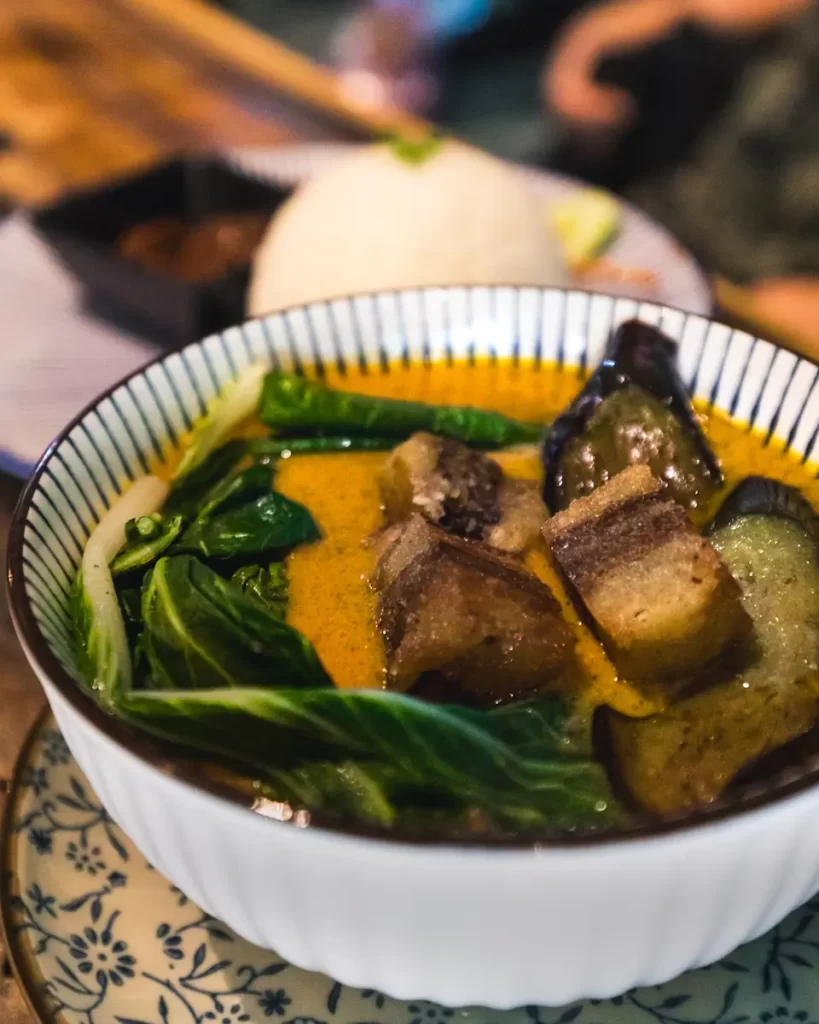
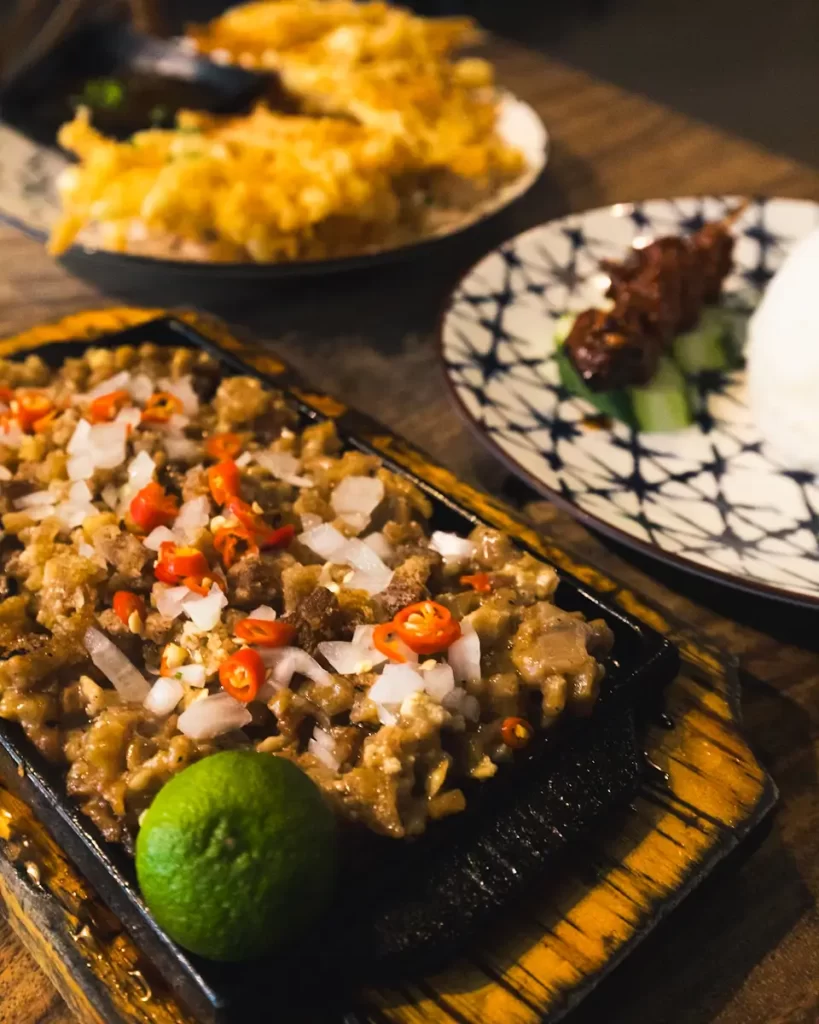
Cosmic was opened in 2018 by three friends who wanted to make Filipino food more accessible to vegans without losing the flavors people grew up with. Hidden above a Ministop Luna in Poblacion, it quickly became one of the district’s most talked about restaurants. The menu reworks Filipino staples into convincing plant-based versions, from crispy “bagnet ” made with soy and starch to sisig with chewy wheat protein, kare-kare thick with vegetables and peanut sauce, and a salty bean-based bagoong that pairs with their kare-kareng bagnet . Even classics like sinigang , isaw , and leche flan get their own vegan interpretations. I’m not vegan, so I can’t say a vegan Filipino restaurant was at the top of my list of things I was most excited to do in Manila, but this isn’t just great vegan food – this is great food, period, and worth recommending to vegan and non-vegan friends alike.
46. Hab-Haban sa Poblacion
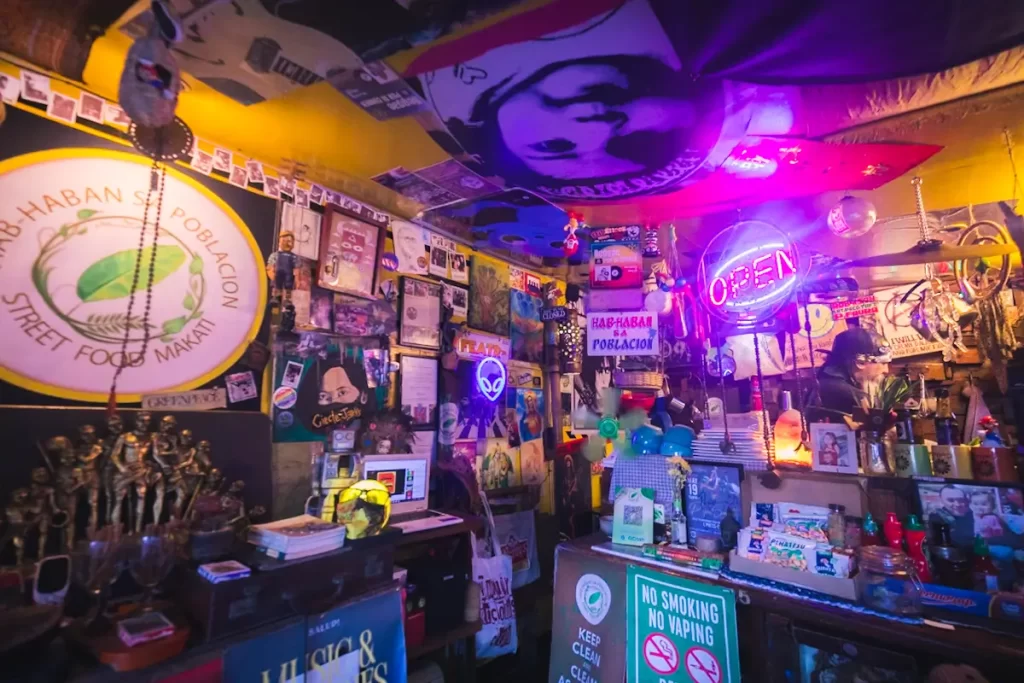
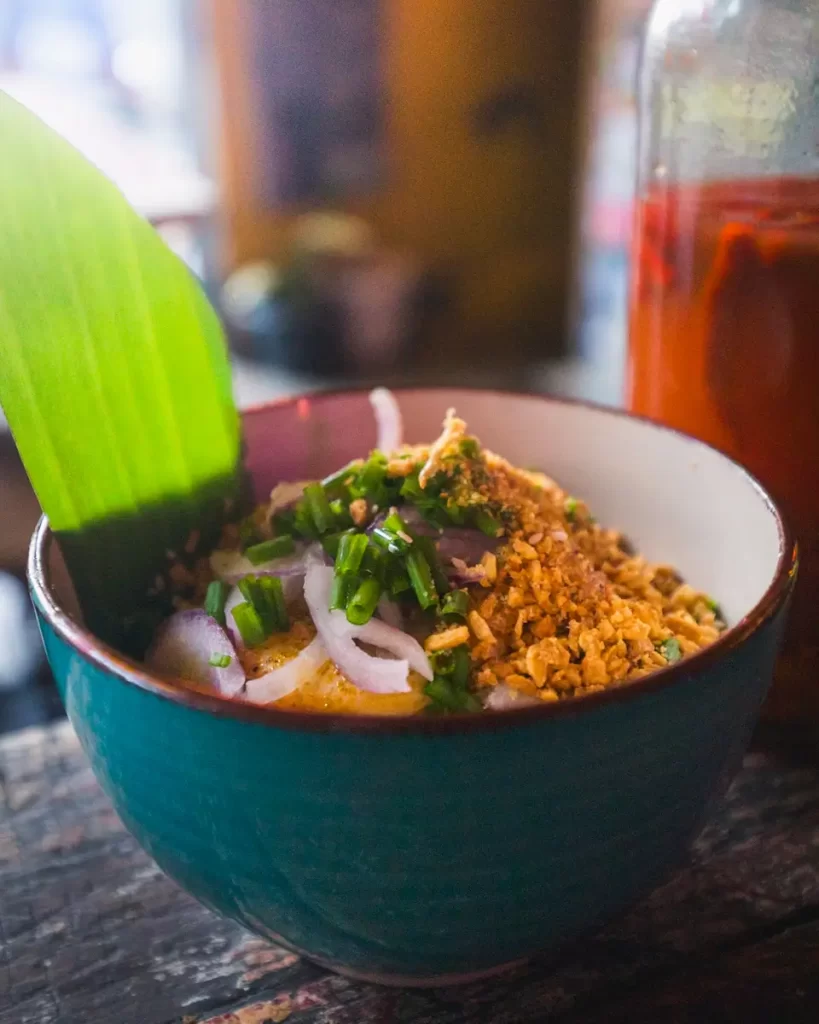
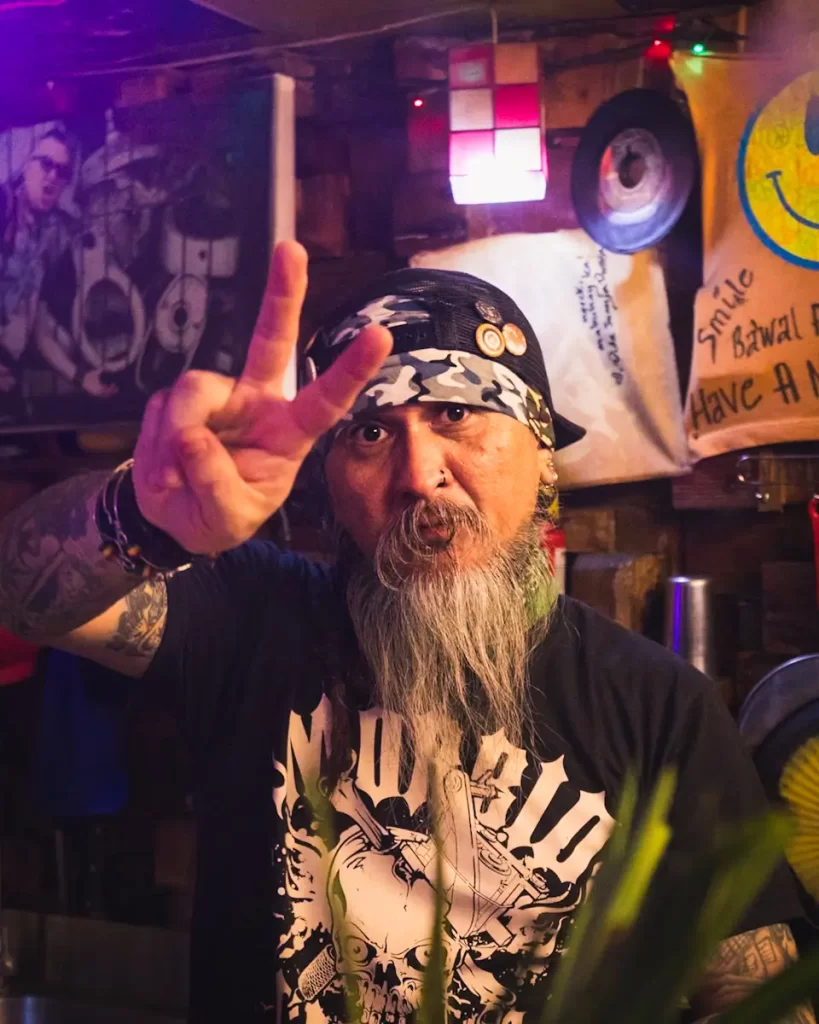
Hab-Haban sa Poblacion is run by Roland “Chef Punk” Alvarez, a former rockstar who set up shop on a corner in Poblacion serving pancit hab-hab , the Quezon noodle dish that’s usually eaten straight off a banana leaf with no utensils, though they are provided here. Chef Punk is as much a draw as the food – he’s charismatic and funny, and always chatting up customers while working the wok. The place feels like a mash-up of his life – random gifts from customers, odd trinkets, and band memorabilia crowd the walls. There doesn’t seem to be a formal menu – he makes you what he thinks you’ll like, and chances are, you will.
47. Spruce Gallery
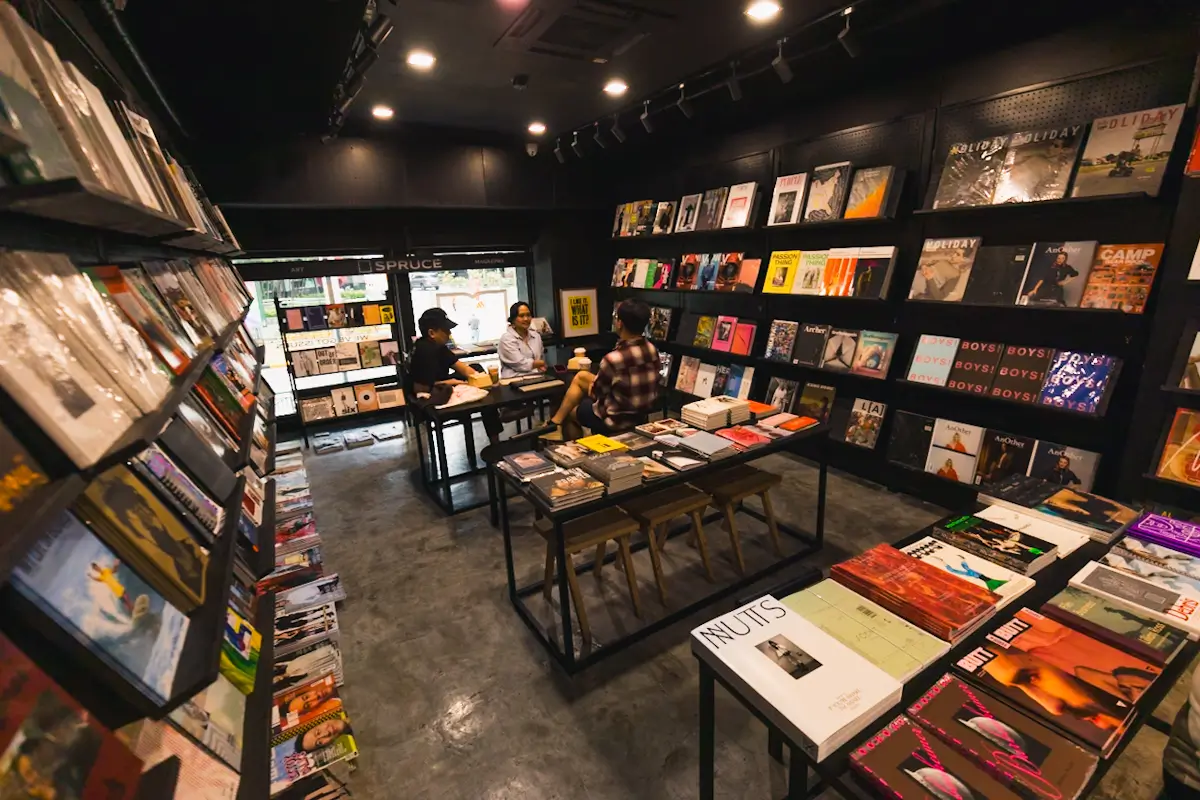
Spruce Gallery opened in late 2023 in Ortigas Center, started by longtime friends and collaborators Ric Gindap and Bonnapart Galeng after Manila’s big bookstores stopped carrying most foreign magazines during the pandemic. Both are designers who grew up hunting obscure titles for inspiration, and they created Spruce as a way to give Manila the kind of print space they’d relied on when starting their careers. The shop mixes international magazines like Monocle and Sablos with Filipino zines such as Novice from Nueva Vizcaya, sold without markup so proceeds go straight to the makers. Covers are displayed face-out like art pieces, while paintings by local artists rotate through the walls, turning the compact black-walled room into part gallery, part reading lounge.
48. Cocktail Bars
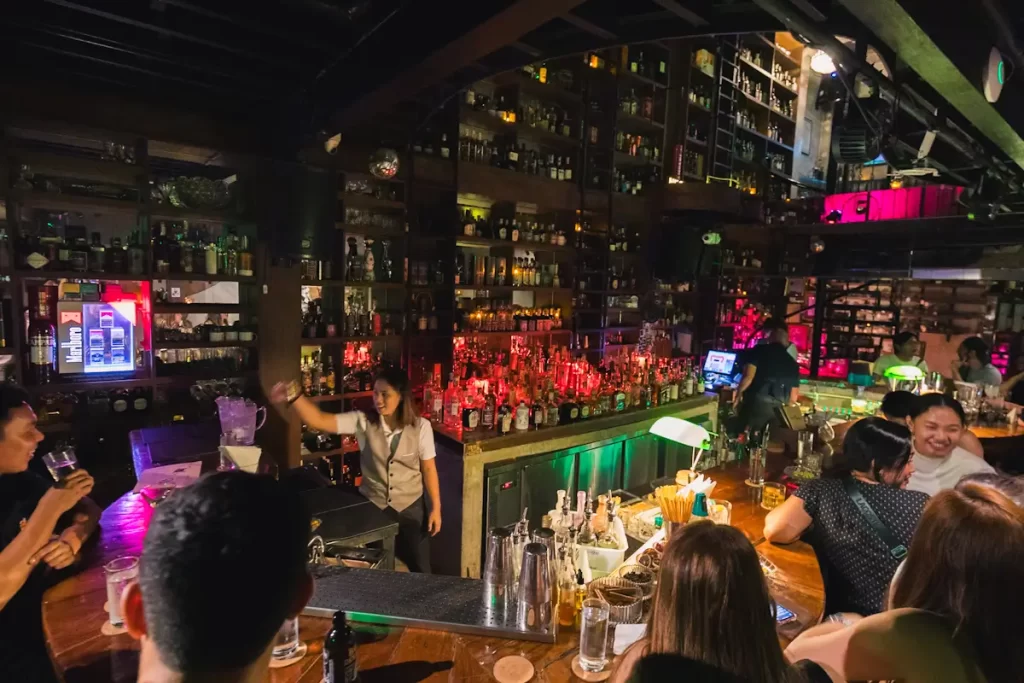
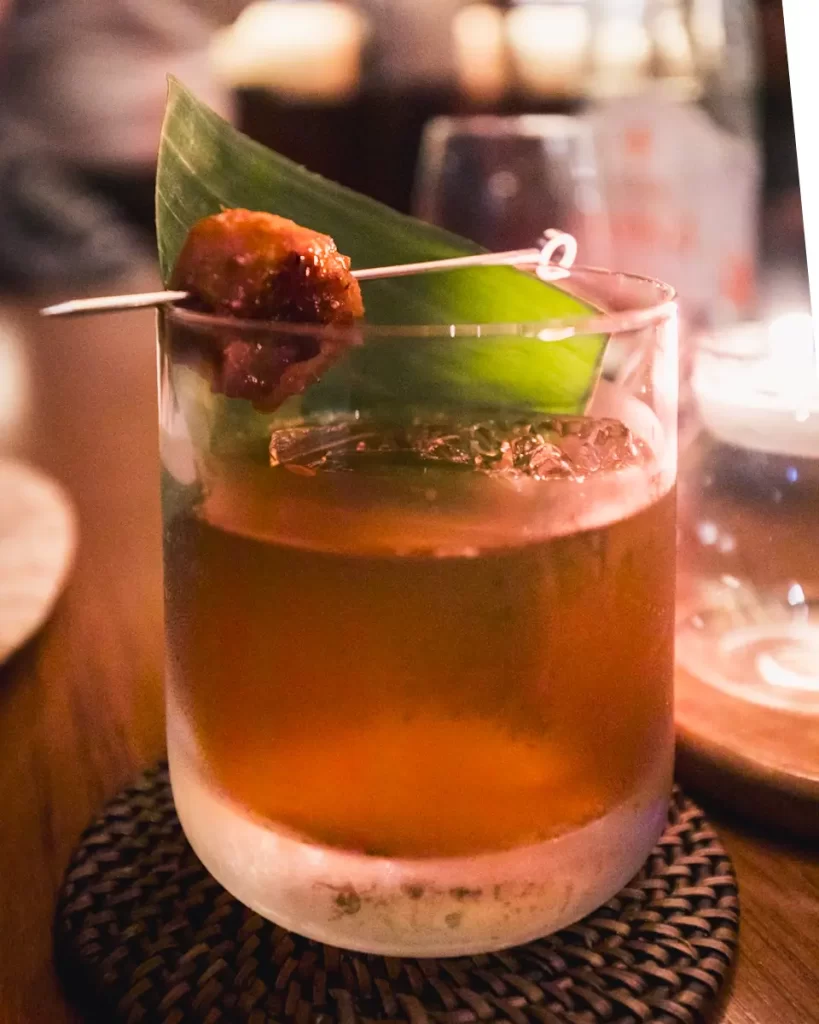
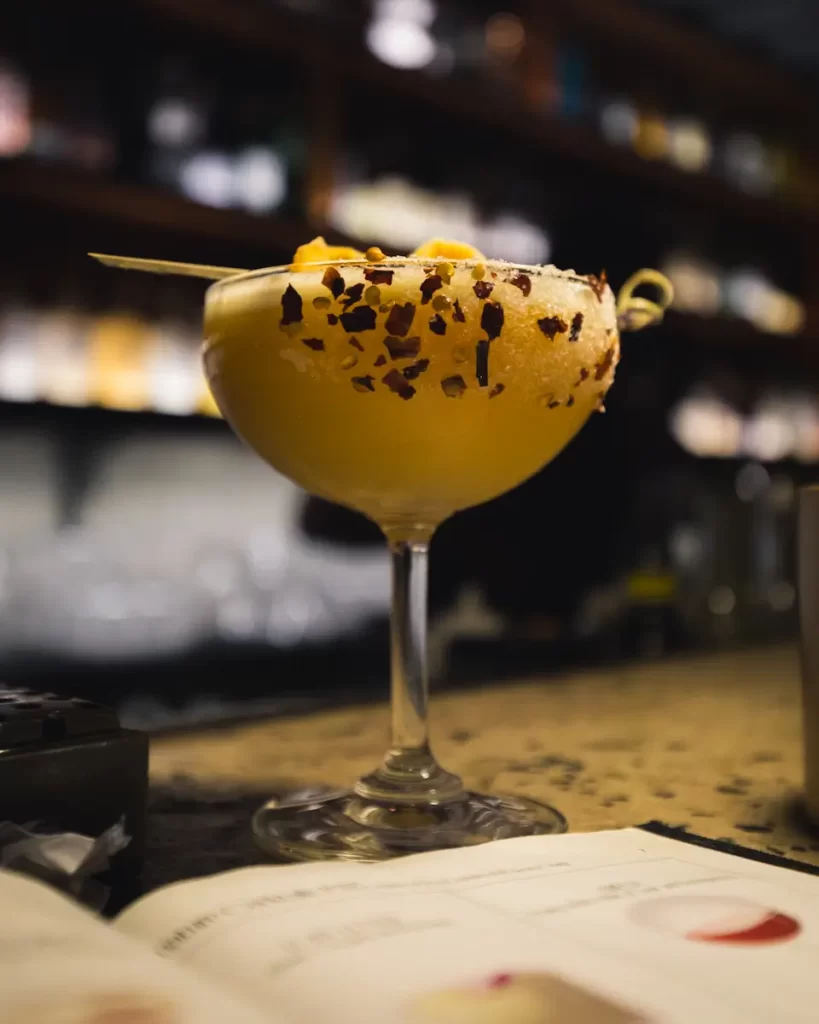
Manila’s cocktail scene has expanded rapidly over the past decade, moving from simple rum-and-Coke nights to bartenders confidently mixing drinks at the standard of any regional capital. The first wave in the early 2010s leaned heavily on speakeasies, and that style still dominates here even if it’s gone out of fashion elsewhere. Today, internationally recognized spots like The Curator , Southbank , and Oto sit alongside a steady stream of new cocktail bars scattered across the city, with my personal highlights also including Ito and The Grasshopper Bar . Classics are generally executed well and modern techniques like fat-washing, clarification, and house-made tinctures are common, but the scene is still finding its footing when it comes to making local ingredients and spirits central rather than occasional instagrammable novelties that impress the sosyals . The bars I’ve mentioned as well as a few others are pushing in that direction, though knowledge isn’t always consistent – I recently visited one of Manila’s cocktail bars most well known for utilizing local ingredients, and ordered a cocktail that contained local tapuey (rice wine). Despite having just made my drink with it, when I asked the bartender which tapuey she had used, she looked confused and asked “What’s that?”. I explained it was Filipino rice wine, pointed out where it said that on the menu, and after five minutes of awkwardly convincing her that yes it was a thing and yes she had just used it to make a drink, she finally showed me the bottle. Manila has clearly arrived as a cocktail city; the next step is for it to lean more confidently into its own flavours.
49. Legazpi Sunday Market
Legazpi Sunday Market has been running since 2005 in Jaime Velasquez Park in Makati’s Legazpi Village, turning a small neighborhood effort into one of Manila’s most popular weekend markets. Every Sunday morning the park fills with food stalls, handicrafts, and shaded seating areas, and while it’s technically a farmer’s market, most people come to eat. Expect long lines at stalls serving paella from massive pans, lechon kawali with rice, shawarma wraps, vegetarian curries, and plenty of baked goods; regular vendors also sell organic vegetables, fresh fruit, and homemade preserves. Non-food stalls cover clothing, woven bags, soaps, and eco-friendly household goods, much of it produced by small-scale Filipino makers. It gets hot quickly, so arriving early means both fresher choices and a better shot at finding a seat under the trees.
50. Goto from Goto Monster
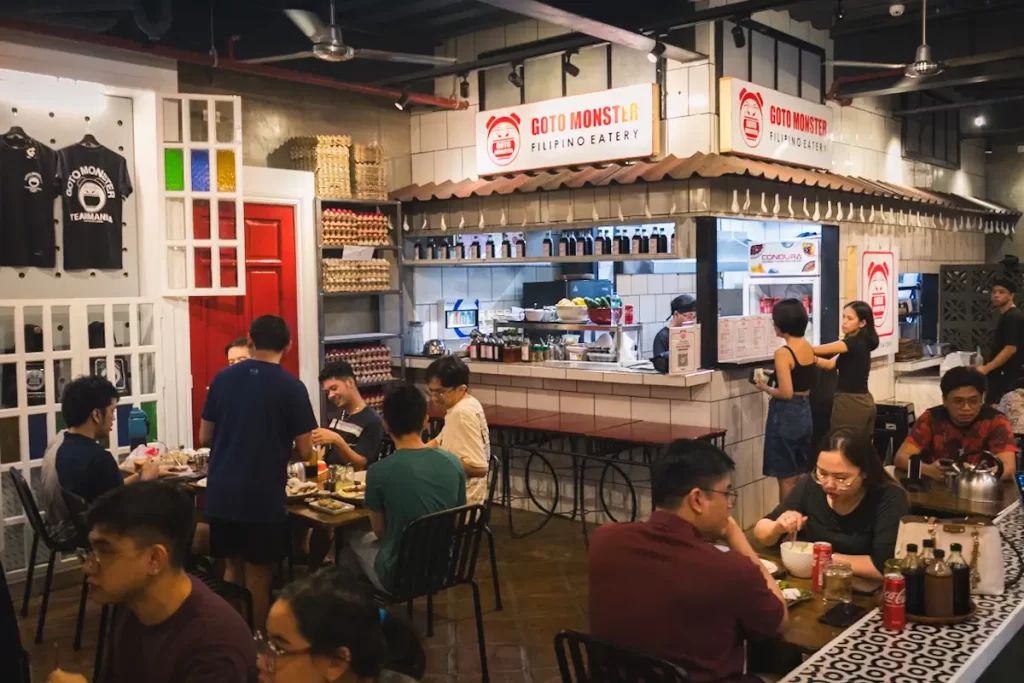
Goto Monster opened in 2013 in Makati, with the simple idea of taking goto (rice porridge) and treating it like something worth going out for instead of just a late-night fix. The base is a thick, gingery lugaw topped with beef tripe, ox tongue, bagnet , or whatever add-ons you want to pile on, with sides of tokwa’t baboy and crispy lumpia if you’re still hungry. Still hungry? They’ve also got ice cream with flavours like ube halaya and mango sticky rice. The space itself is casual with open-air seating that fills up late into the night. It’s the kind of spot you come to after drinking, so it’s pretty convenient that it’s right next door to Palm Tree Abbey, my favourite Manila brewry.
51. Auro chocolate Café
While I have mentioned trying Filipino bean-to-bar chocolates already on this list – Auro Chocolate Cafe is worth mentioning independently. I actually tried Auro’s chocolates before even coming to the Philippines, as they export to Canada. Auro Chocolate Café was opened by Mark Ocampo and Kelly Go, the founders of Auro Chocolate, who launched the company in 2015 to work directly with cacao farmers in Davao and push Philippine cacao onto the world stage. At the cafe, everything on the menu is made with chcoolate – drinks include single-origin tablea whisked thick in batirol pots, iced cacao husk tea, and a cold brew with cacao nibs. Desserts include dark chocolate sans rival, tablea brownies, and seasonal creations using Benguet coffee or carabao’s milk. Their are savory options too – sandwiches and silog , with chocolate cleverly integrated into the dishes. Shelves carry their full bar lineup, letting you compare different origins side by side.
52. Tesoros Philippine Handicrafts
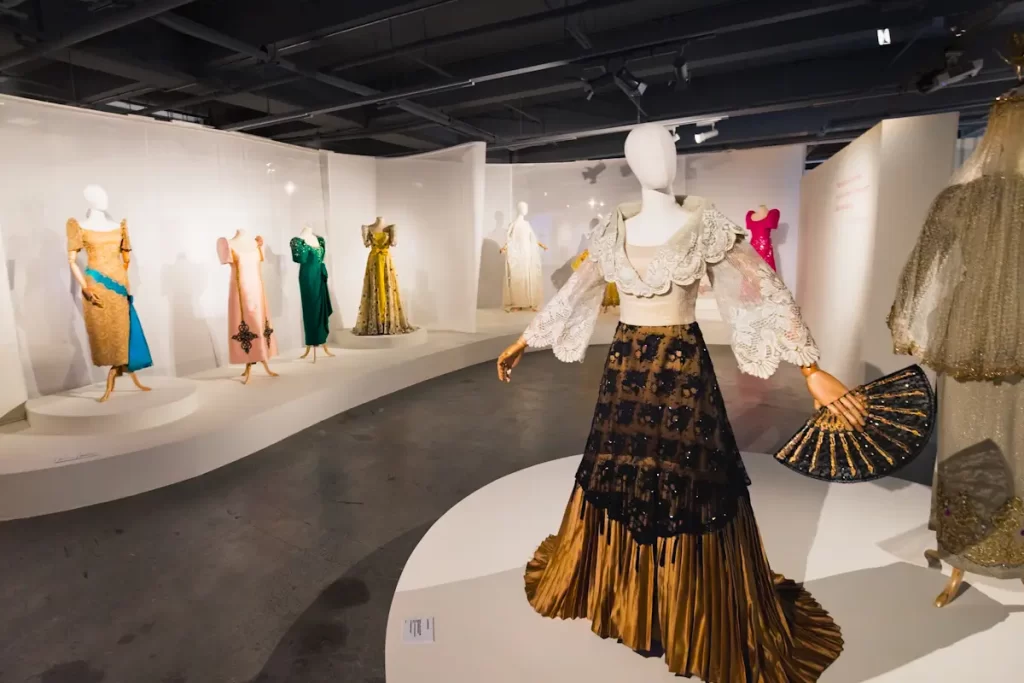
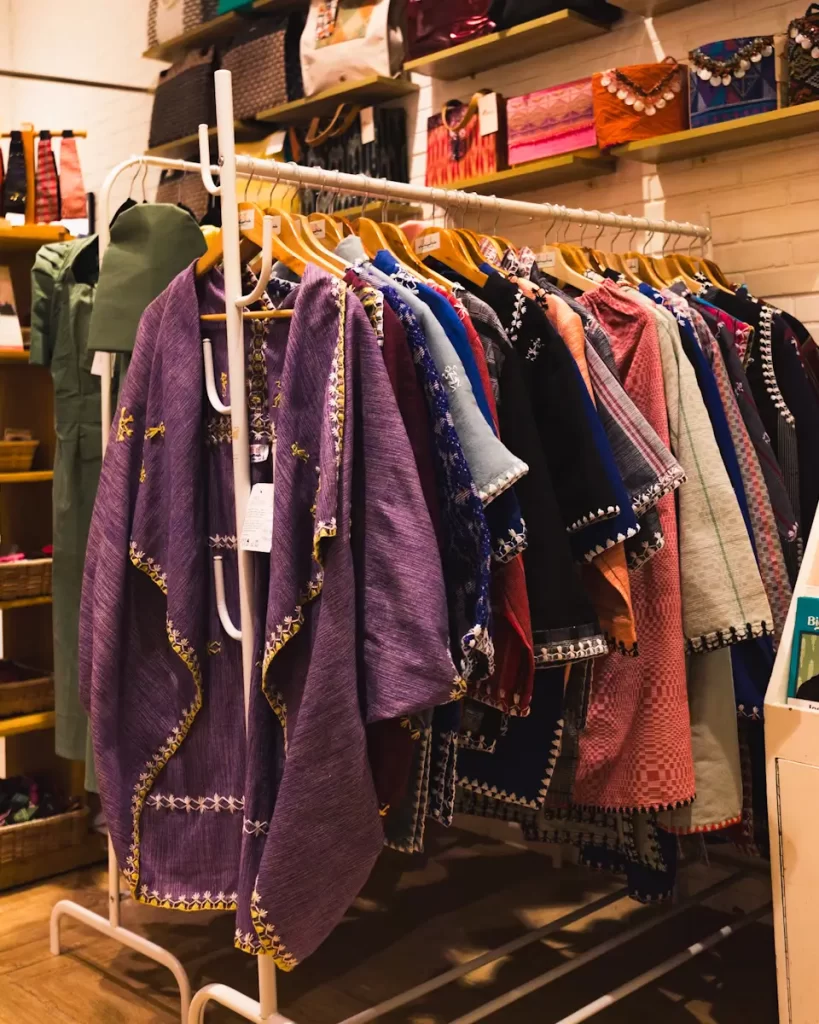
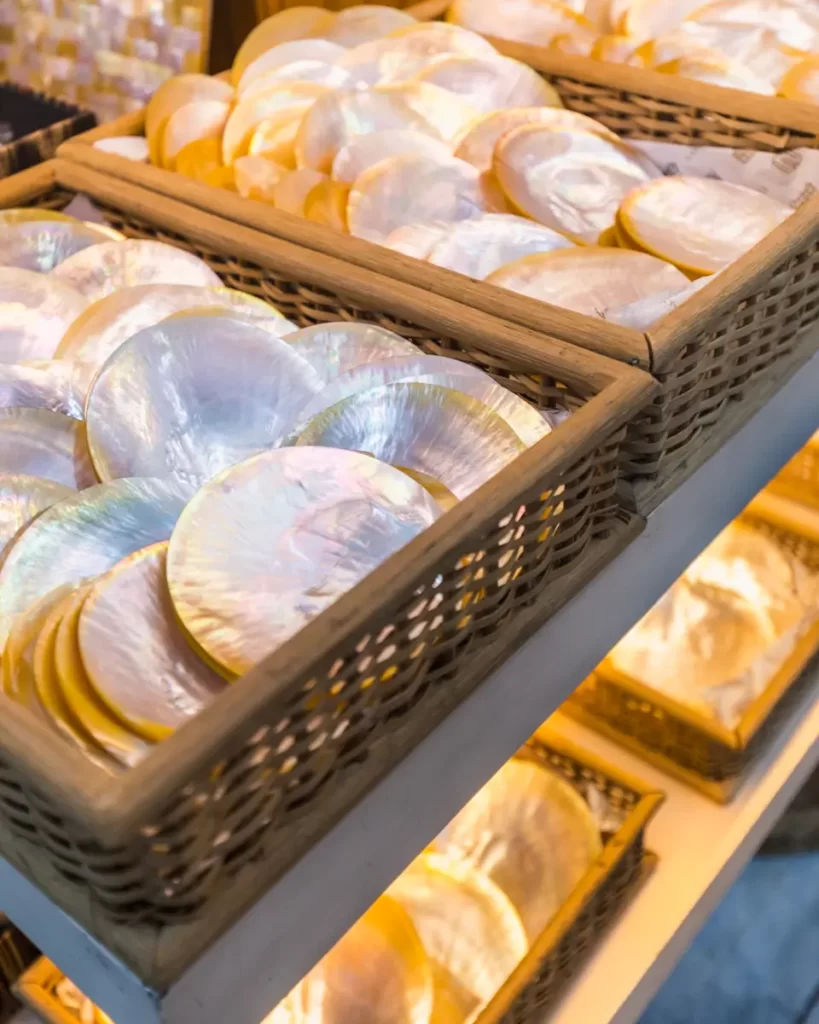
Tesoros Philippine Handicrafts, opened in 1945 by Salud and Nestor Tesoro, has to be Manila’s most established shops for Filipino-made goods. The Makati flagship stocks a little of everything – the barong tagalog , the formal men’s shirt made of translucent handwoven fabrics like piña (pineapple fiber) or jusi (banana or silk blends), is available here in both classic and modern cuts, with tailoring offered for custom fits. Women can find alampay shawls reworked into contemporary cuts, embroidered christening gowns in cotton or piña , and children’s formal wear including colorful gowns and miniature barong . For younger buyers, pieces like fitted jackets made from Maguindanao inaul fabrics show how heritage textiles can be adapted into modern wardrobes. Accessories extend the same approach, from minaudières made of snakeskin or sinamay to kamagong wood handbags and South Sea pearl necklaces. Beyond clothing, the store is packed with home goods – lacquered capiz shell trays, mother-of-pearl spoons, carved kamagong salad bowls, and napkin holders wrapped in copper wire – as well as delicatessen items like tablea, mango otap, ginger cookies, and herbal teas. There’s even a small book section with titles ranging from cookbooks to rare Filipiniana.
53. Greenfield Weekend Market
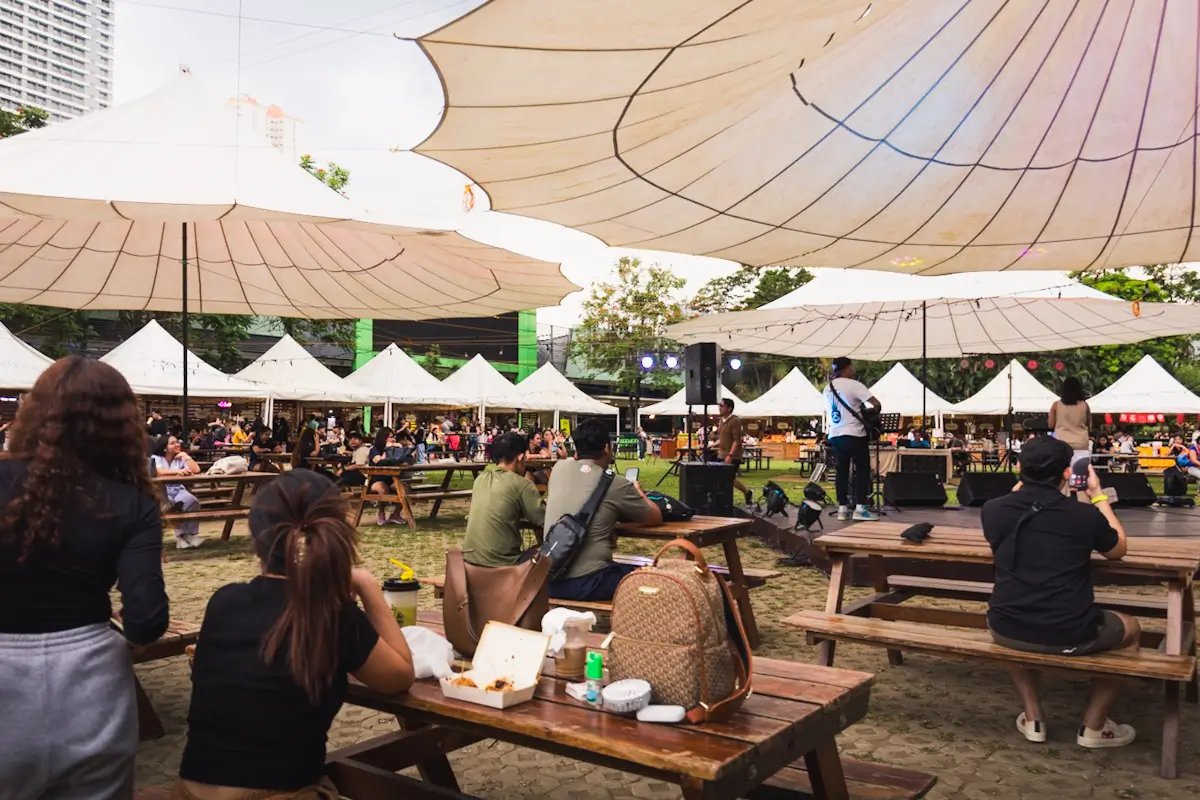
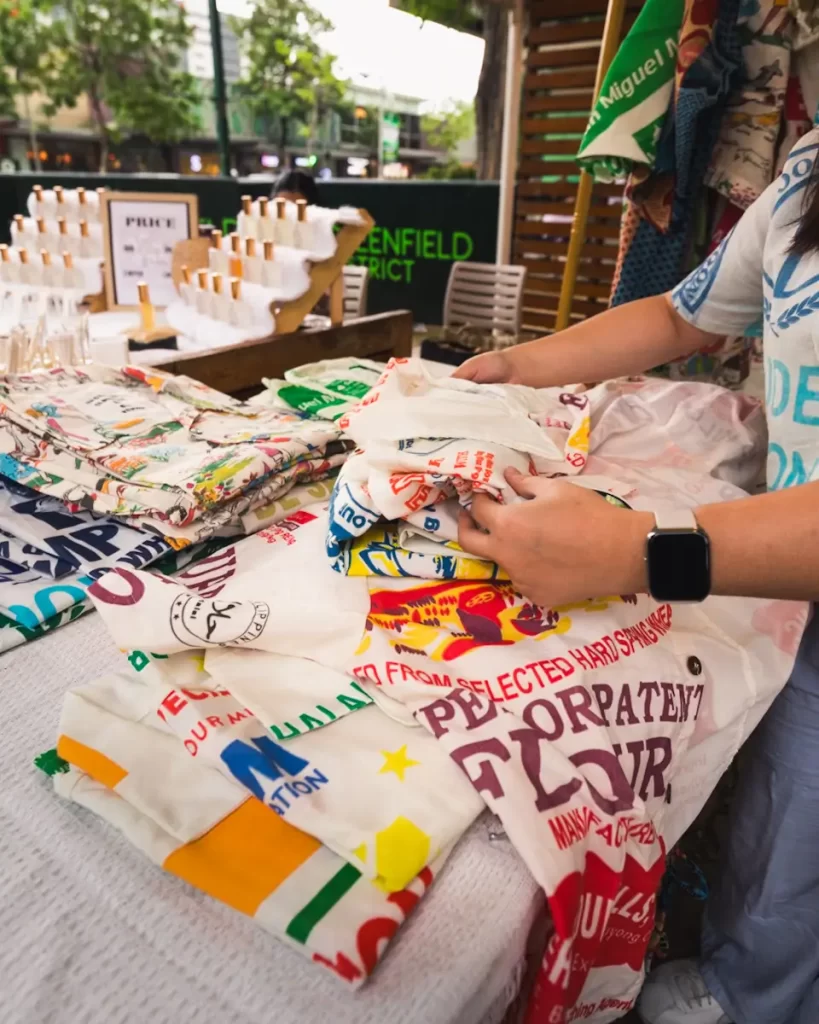
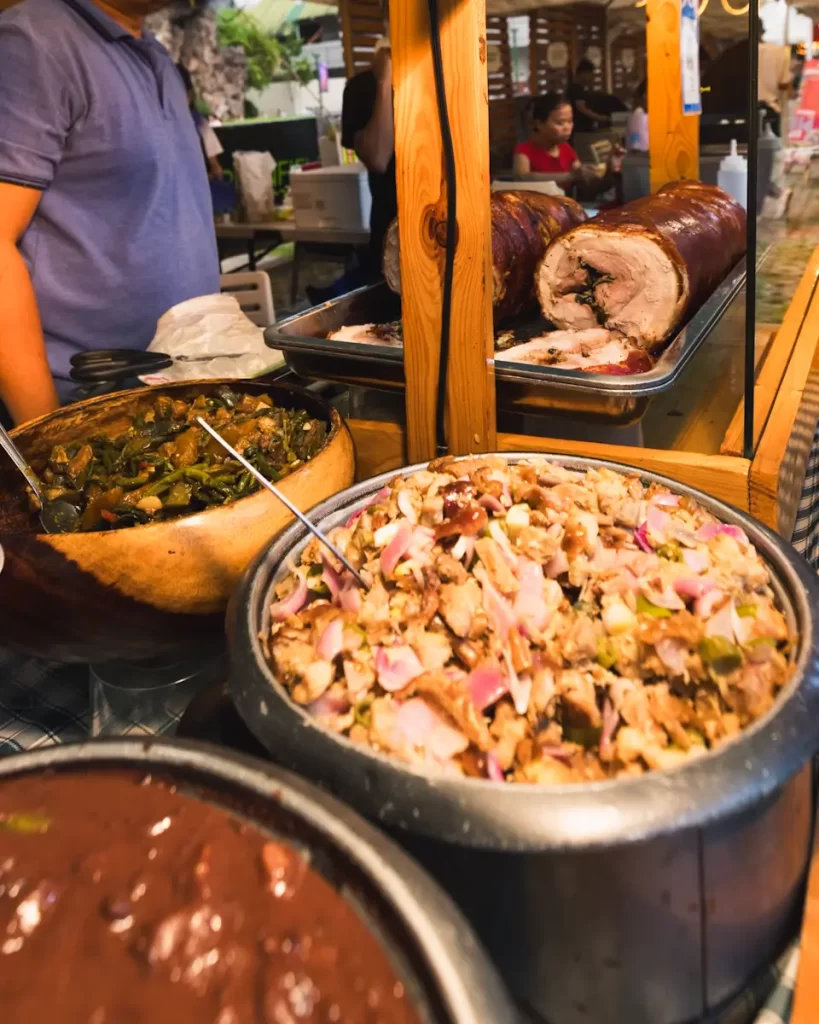
Greenfield Weekend Market in Mandaluyong’s Greenfield District Central Park, has been running since 2014 and turns the park into a lively open-air fair every Saturday and Sunday evening. The setup mixes food stalls, vintage sellers, local crafts, live art, and a stage for bands, and has a very different vibe to the other weekend markets that run earleir in the day. Expect ihaw-ihaw skewers smoking on the grill, lechon belly chopped to order, shawarma and takoyaki stalls, plus vegan and vegetarian vendors in the mix. Tables fill up, but people spread out picnic-style on the grass with fruit shakes, beer buckets, and whatever plates they’ve gathered from the stalls. Beyond food, you’ll find small booths with books, plants, handmade jewelry, and handmade flour sack shirts.
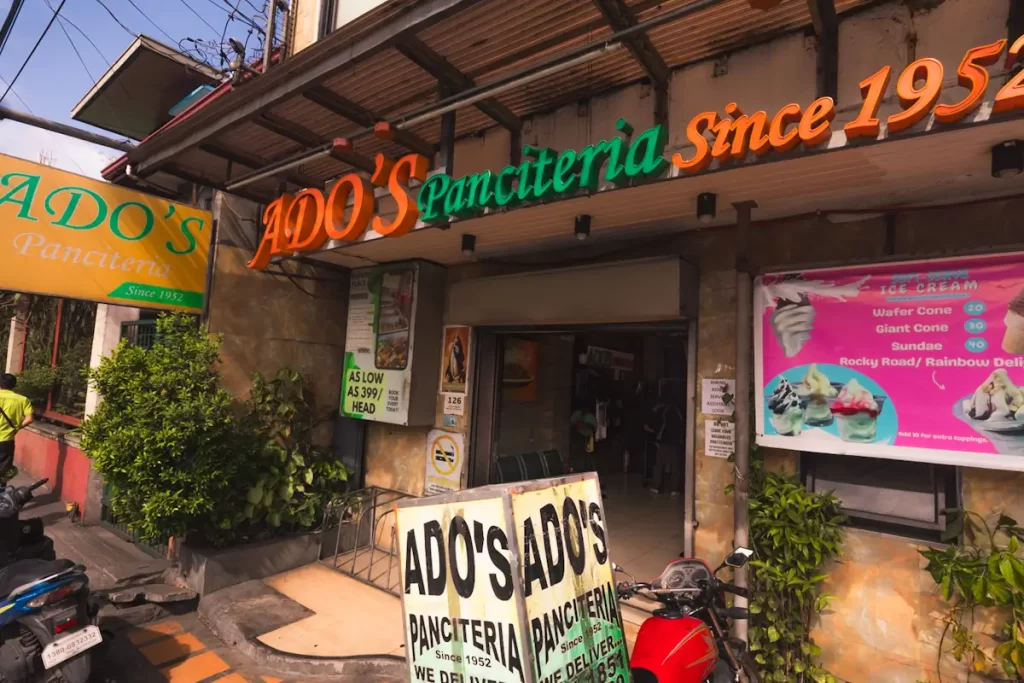
54. Pancit from Ado’s Panciteria
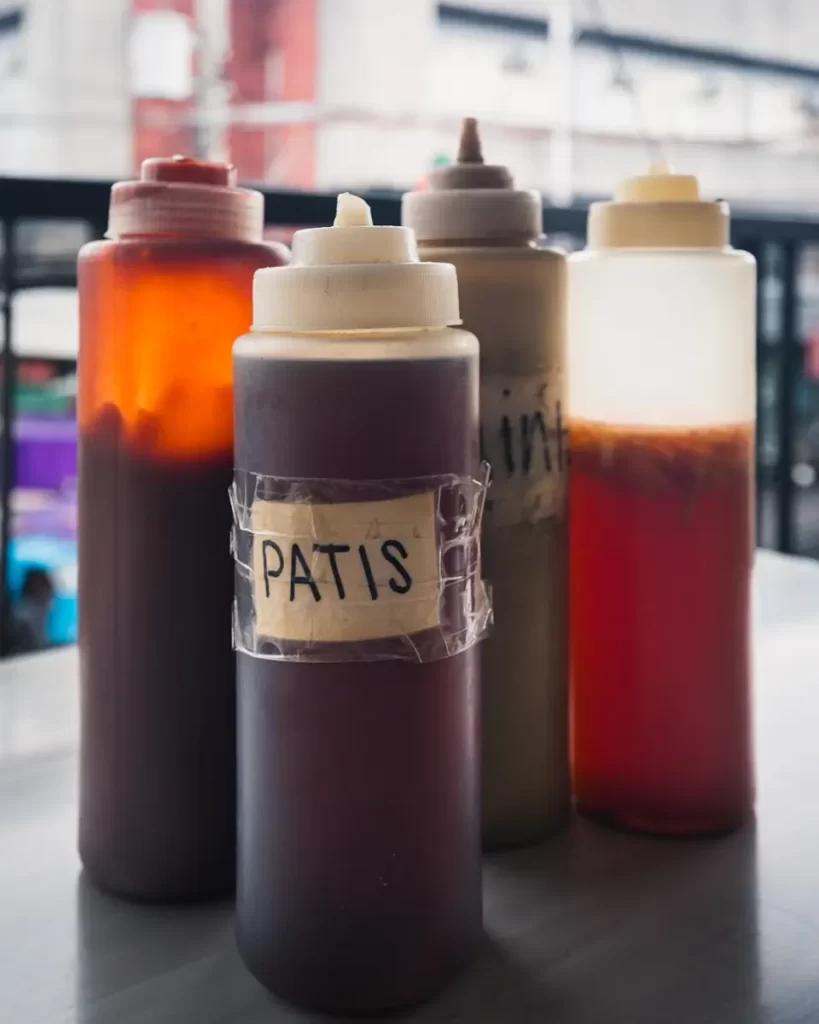
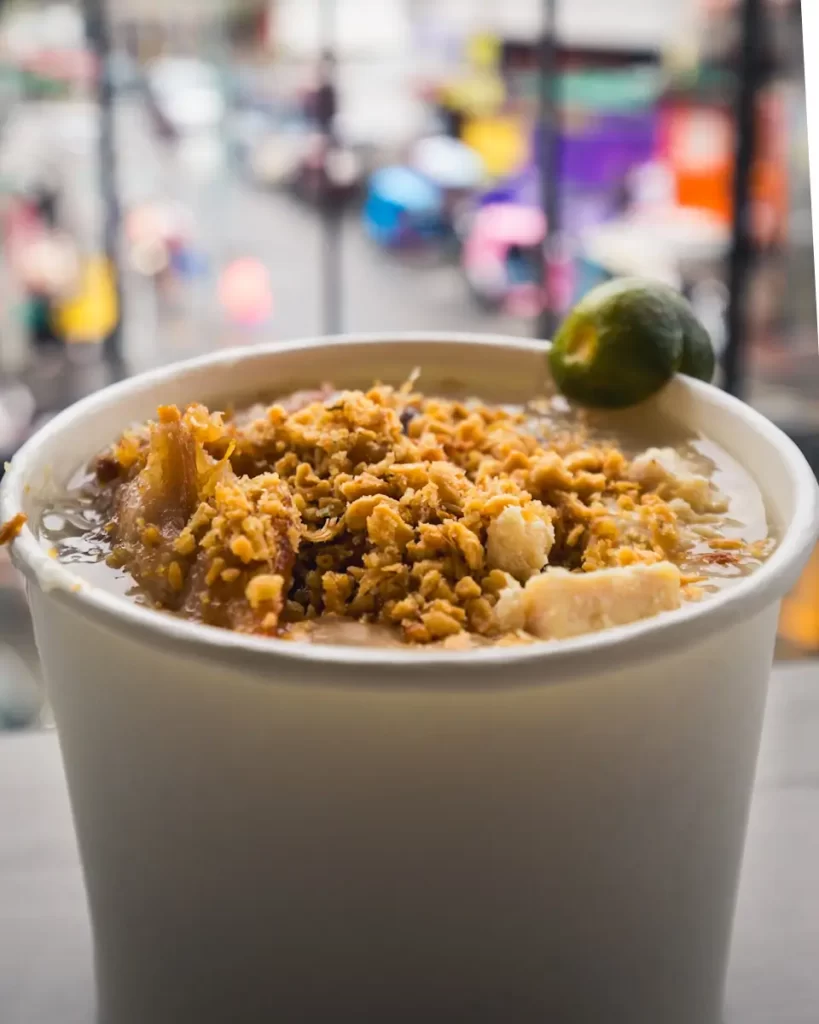
Ado’s Panciteria, tucked into San Andres, Manila, has been serving pancit since 1952 and is one of those old-school institutions that looks much the same as it did decades ago. Originally a modest family-run eatery, it has evolved into a local landmark, celebrated for its flavorful noodles generously topped with crispy chicharon (pork cracklings). The menu features a variety of pancit options, including bihon (thin rice noodles), canton (egg noodles), and lomi (thick egg noodles), stir-fried in large woks with generous amounts of pork, chicken, shrimp, and vegetables, all slicked with a soy-based sauce that clings to the noodles. Dishes are available in multiple sizes, making it perfect if you’re solo or part of a group.
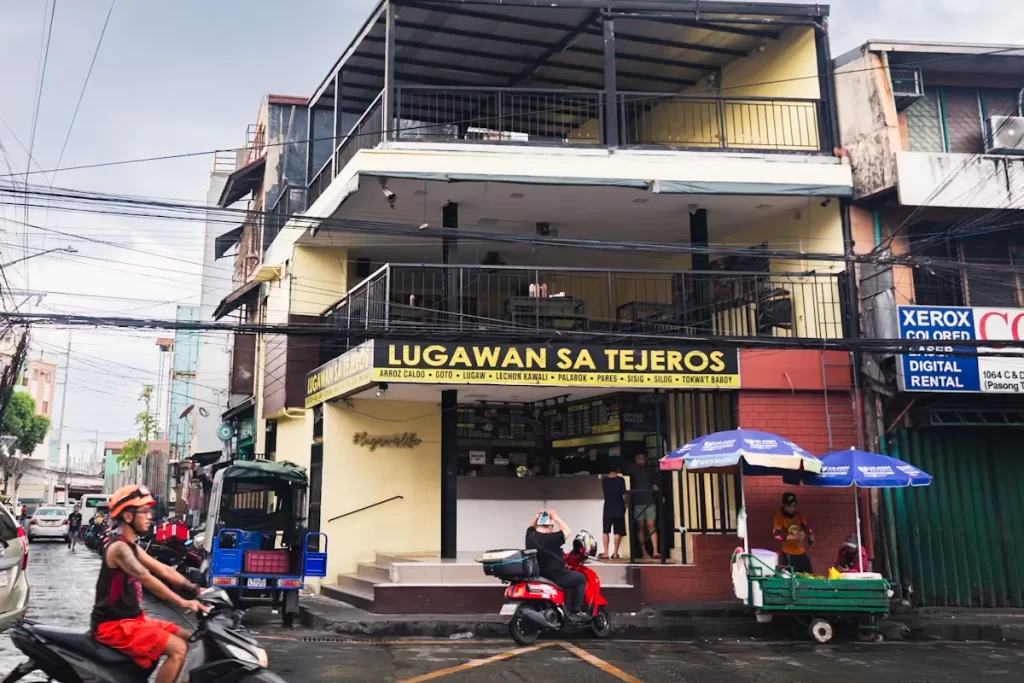
55. Lugawan sa Tejeros
Lugawan sa Tejeros is a classic 24-hour lugaw (rice porridge) eatery in Tejeros, Makati, famous as a go-to spot for locals and visitors seeking hearty meals at any hour. It started as a small carinderia and has grown into a two-story spot. The specialty is lugaw topped with egg and crispy lechon kawali (deep-fried pork belly)—an unusual twist since porridge is more often paired with tokwa’t baboy or chicken; they also serve goto (lugaw with tripe) and arroz caldo . Daytime visits mean quicker service, while after midnight the place hums with groups fresh from nearby bars, students nursing cheap comfort food, and tricycle drivers grabbing a quick meal before heading back out.
56. Museo de Intramuros
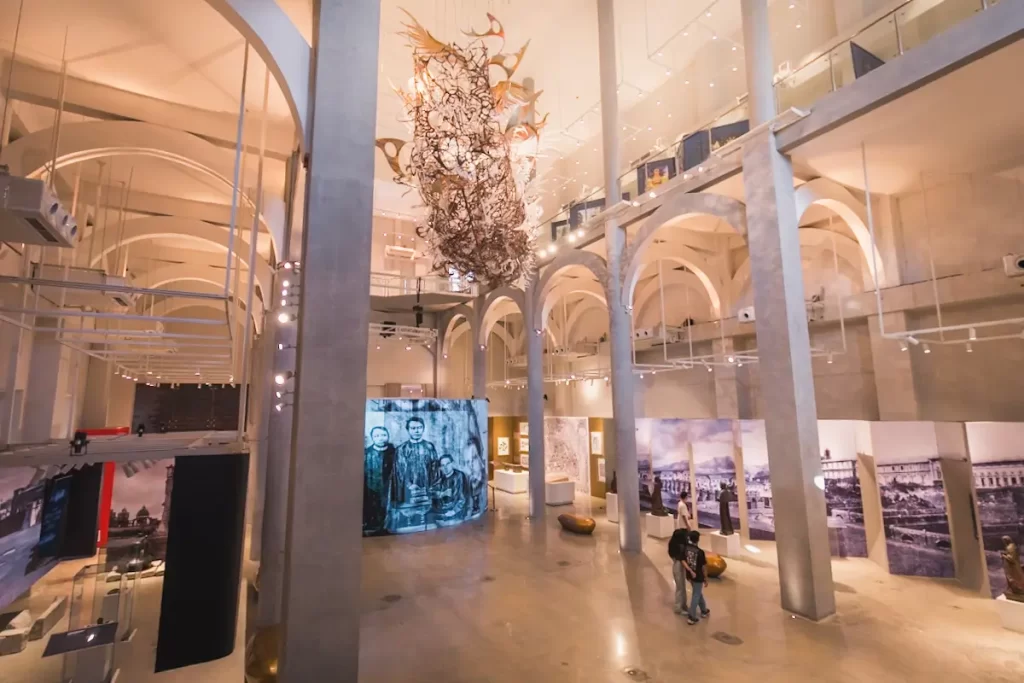
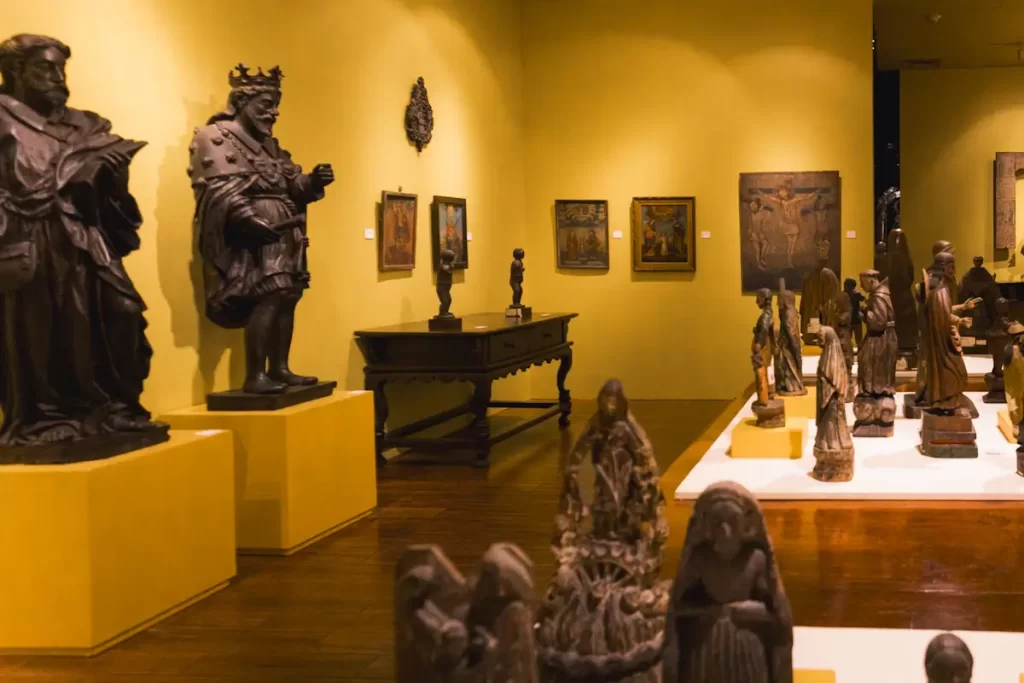
Museo de Intramuros and Centro de Turismo Intramuros share one ticket and are connected by a hallway inside the reconstructed San Ignacio Church in Intramuros. Museo de Intramuros, opened in 2019, feels like a traditional museum with dimmer galleries laid out with colonial-era santos , gilded retablos , ivory figures, and centuries-old vestments. Step through to the Centro de Turismo, opened in 2024, and the mood shifts completely. It’s a bright, open hall with polished floors and projection screens, more like if Ayala Malls built a church. The multi-floor gallery hereis less about artifacts and uses displays to tell Intramuros’ broader story, from precolonial Manila to wartime destruction and current redevelopment plans. Entrance is 75 PHP .
57. Banana Rhum-a from Mang Tootz
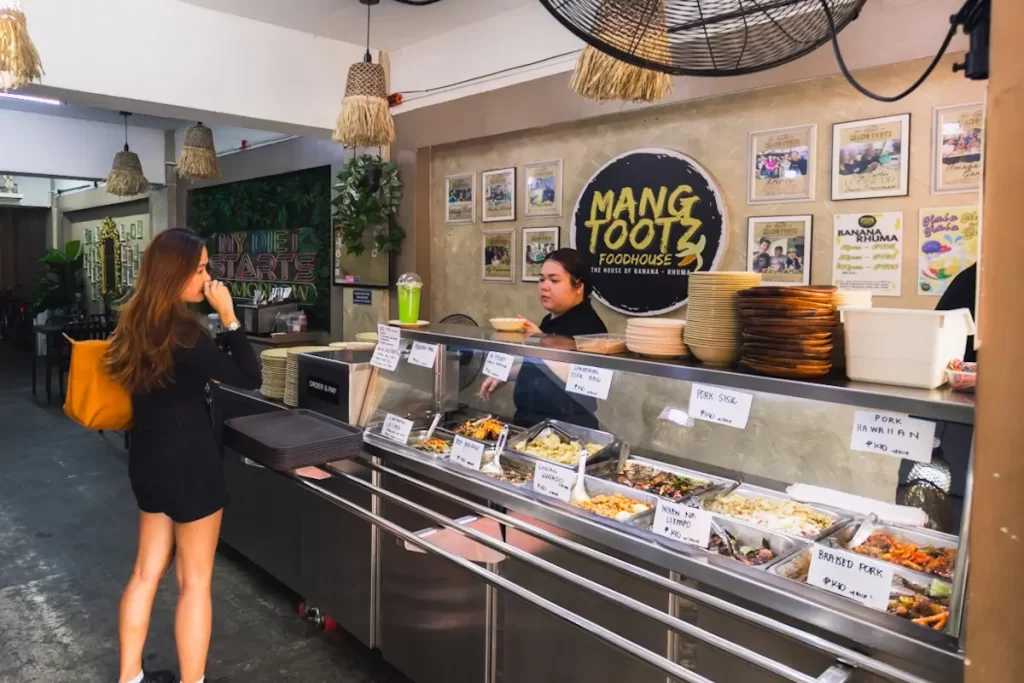
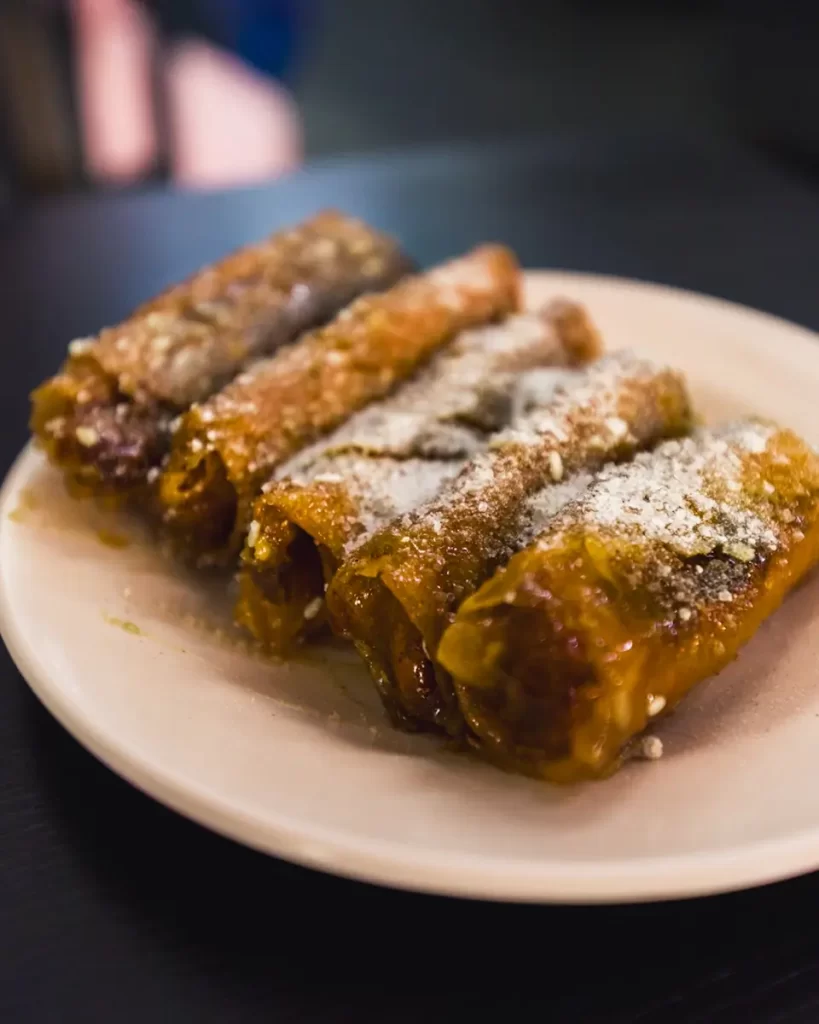
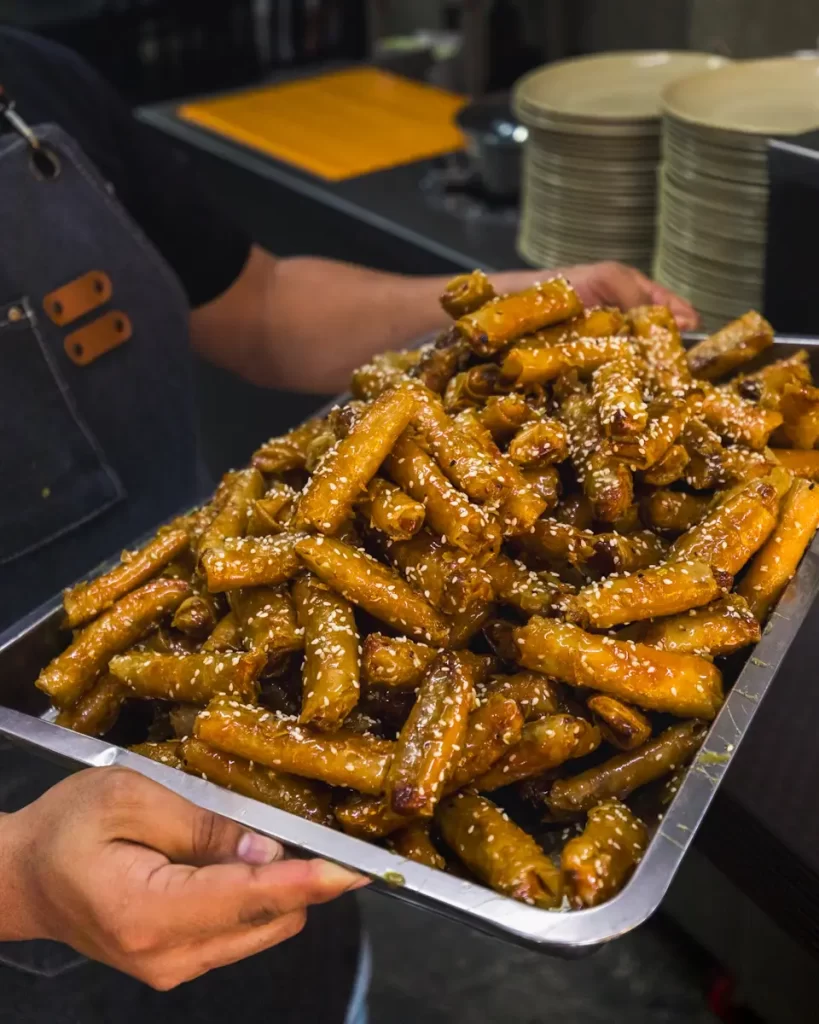
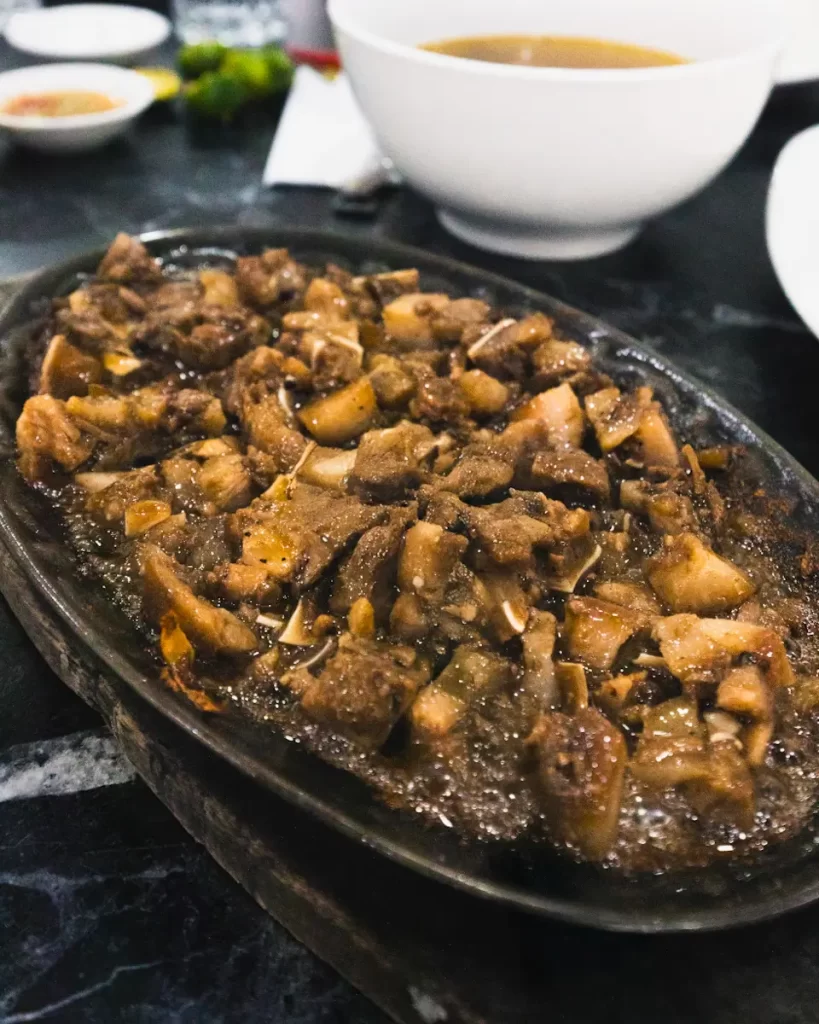
Mang Tootz Food House near the University of Santo Tomas was opened in 1991 by Edwin “Mang Tootz” Vergara, who built it into a student favorite over three decades. The claim to fame is the banana rhum-a, bite-sized turon glazed in a caramel-rhum sauce that blends Vergara’s background in both bartending and cooking – 10,000 pieces leave the counter on a busy day. The menu is typical carinderia fare, with sisig, pancit, and liempo, all served point-to-order at the counter.
58. Bahay Tsinoy
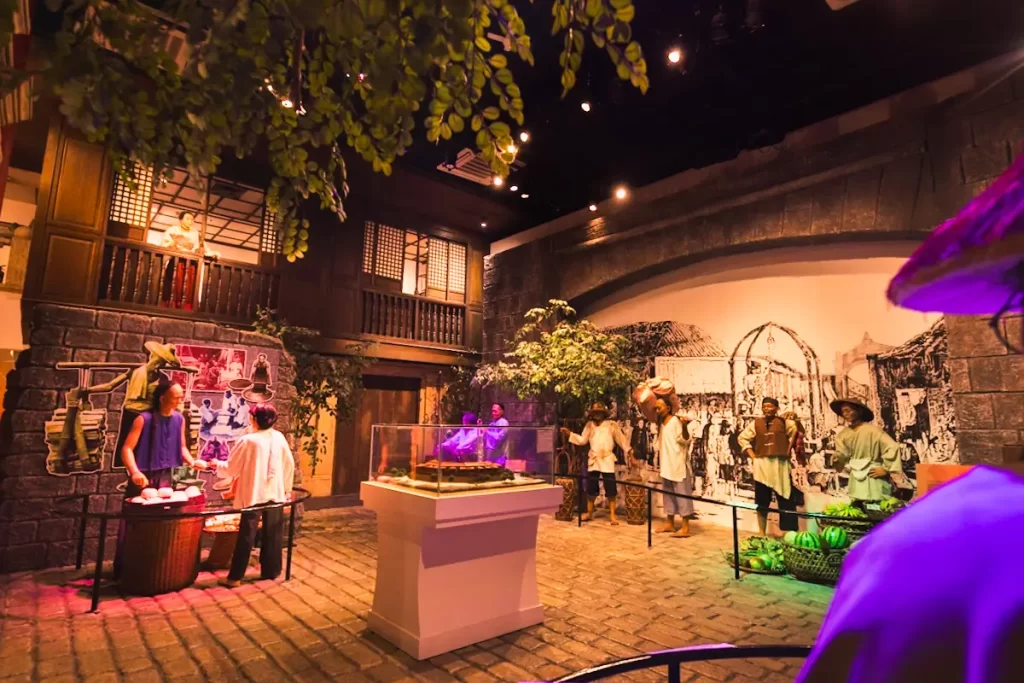
Bahay Tsinoy in Intramuros is a social history museum focused on the Chinese presence in the Philippines. Opened in 1999 by the Kaisa Heritage Foundation, it documents the role of the Chinese community from pre-colonial traders through the Spanish colonial period to present-day Filipino-Chinese life. Inside, there are dioramas showing galleon trade routes, reconstructions of Chinese settler homes that you can walk through, and galleries of antique ceramics and religious icons that illustrate centuries of cultural exchange. Upstairs, exhibits highlight Chinese contributions to Philippine business and politics, plus displays on the persistent prejudice the community faced. Entrance is 100 PHP .
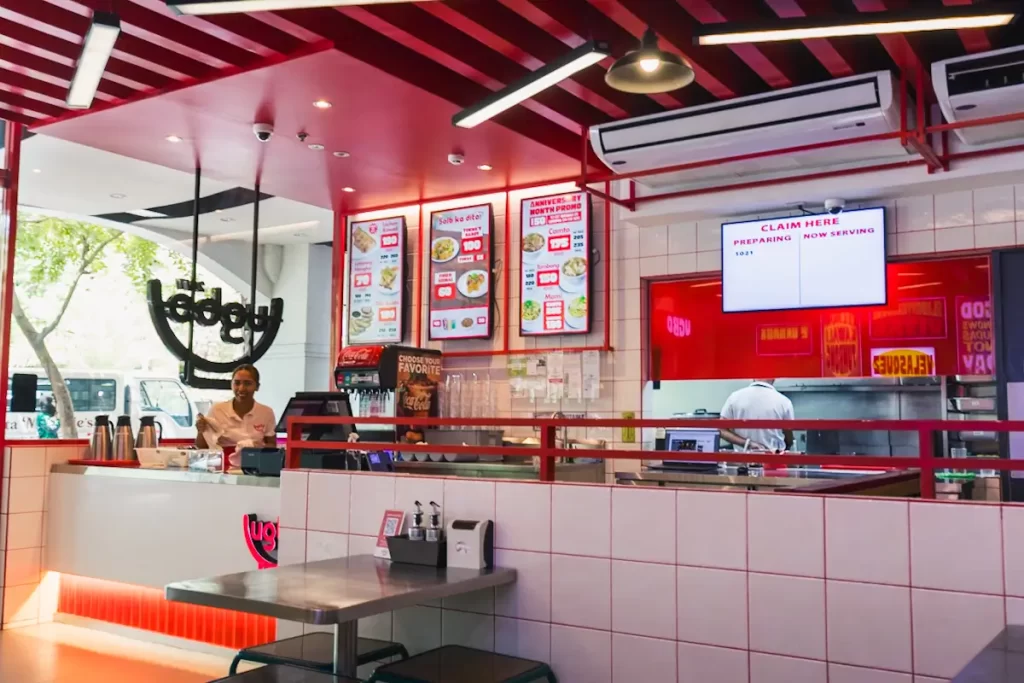
59. Tumbong Soup from Ugbo 24/7
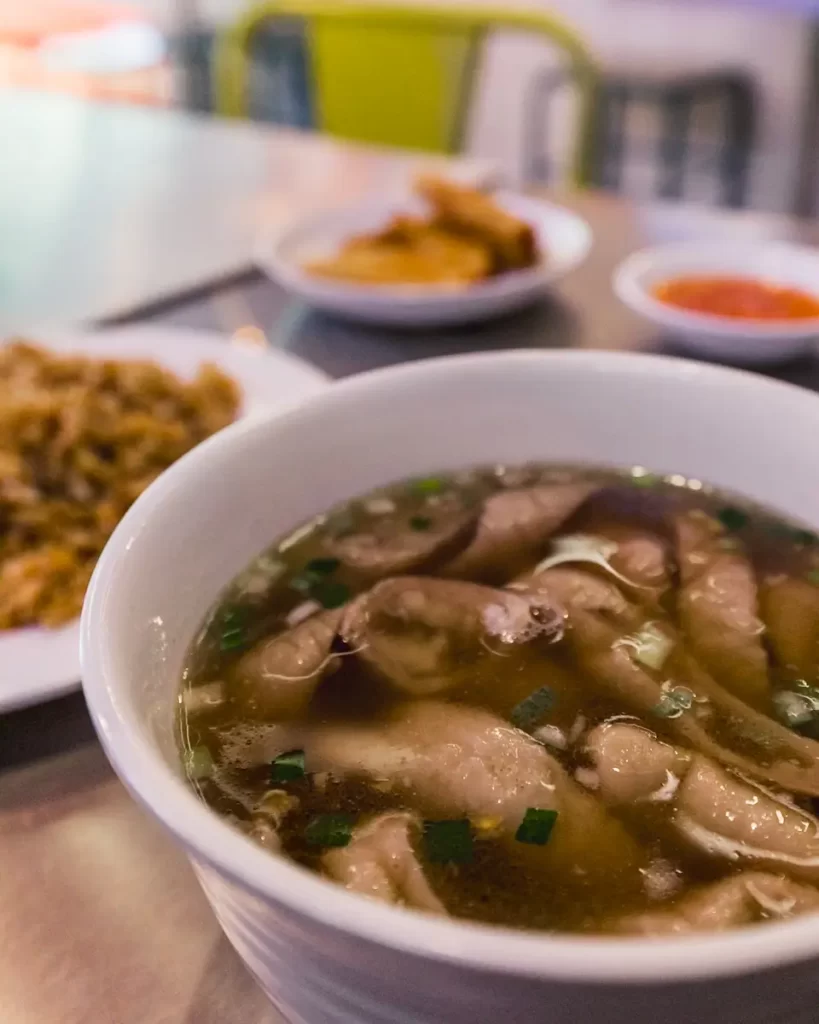
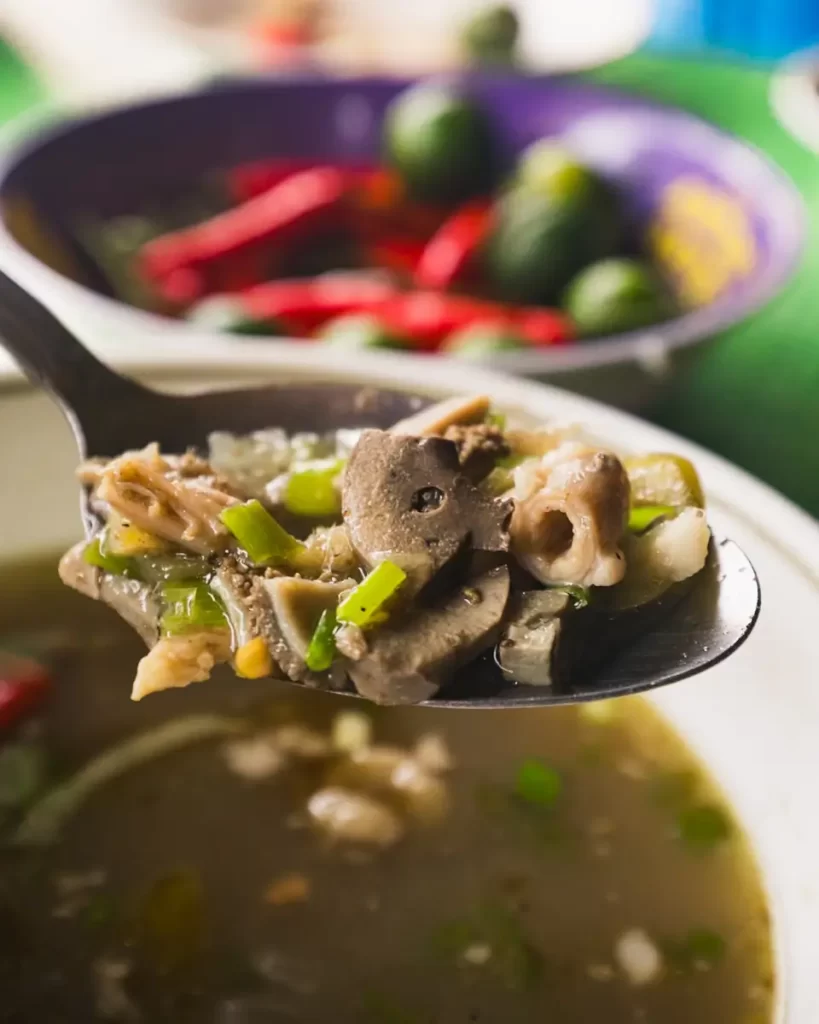
Tumbong soup is a dish made from pork large intestines, most commonly associated with Tondo’s Ugbo Street, an area that can gritty and can feel intimidating to outsiders, especially after dark. This hearty soup features a clear broth seasoned with garlic and chives, offering a rich and savory flavor that has become a local staple. The preparation involves thoroughly cleaning the intestines, boiling them to achieve tenderness, and serving them sliced in a flavorful broth. Opened in 2023 by former mayor Isko Moreno, Ugbo 24/7 in BGC takes the Tondo staple and drops it into one of Manila’s glossiest districts. Orders come with rice, unlimited refills of soup, and toppings of fried garlic and onion chives.
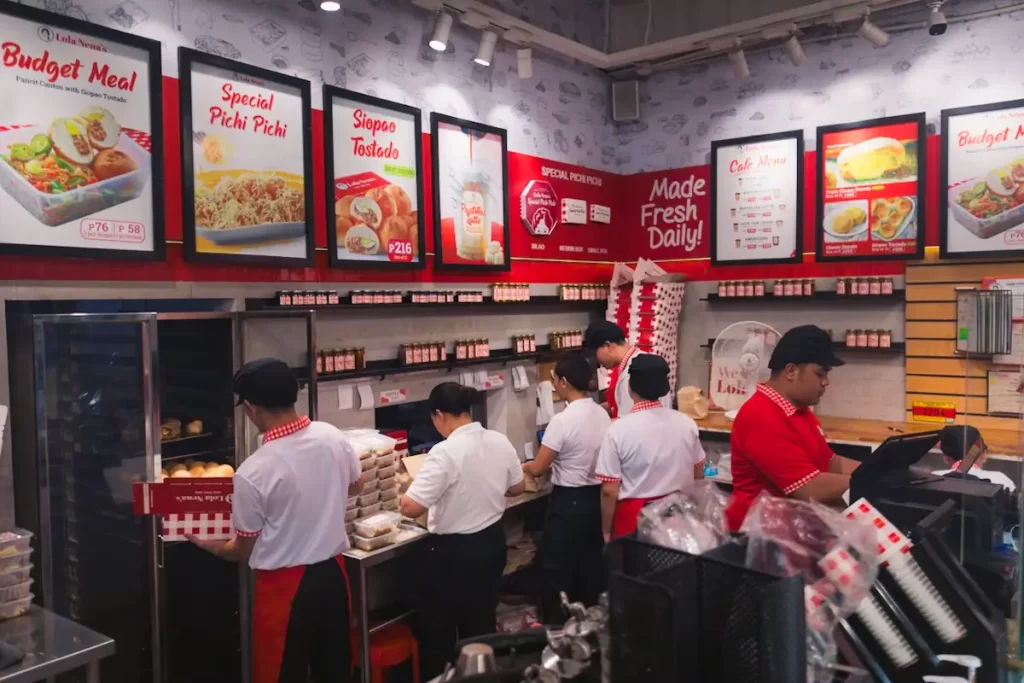
60. Pichi Pichi from Lola nena’s
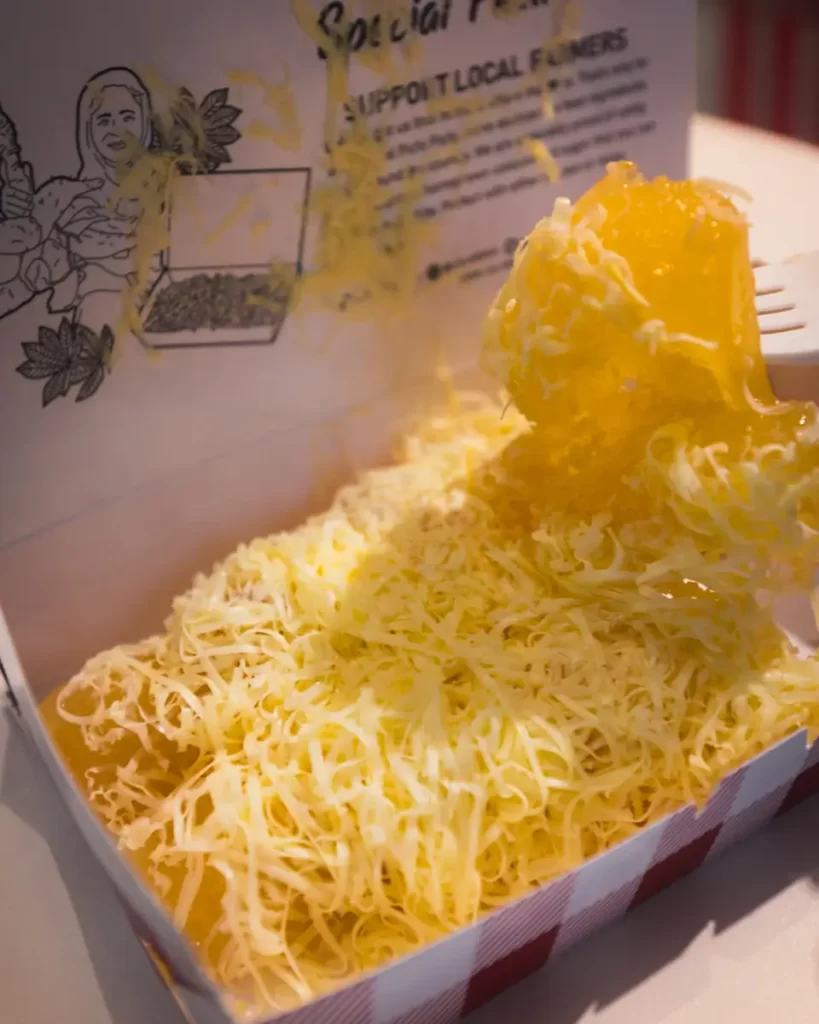
Lola Nena’s began in Quezon City in 2012 with a single product: pichi-pichi, but has since expanded to locations across the Metro. The chewy cassava kakanin , steamed and rolled in grated coconut, has long been a staple at Filipino birthdays and fiestas, but Lola Nena’s made it a daily merienda by selling it in trays big enough for sharing. Their version is dense, sticky, and slightly sweet. The business later introduced its cult favourite triple cheese donuts, which are fried golden, rolled in sugar, and stuffed with a gooey blend of three cheeses that melts straight into the dough.
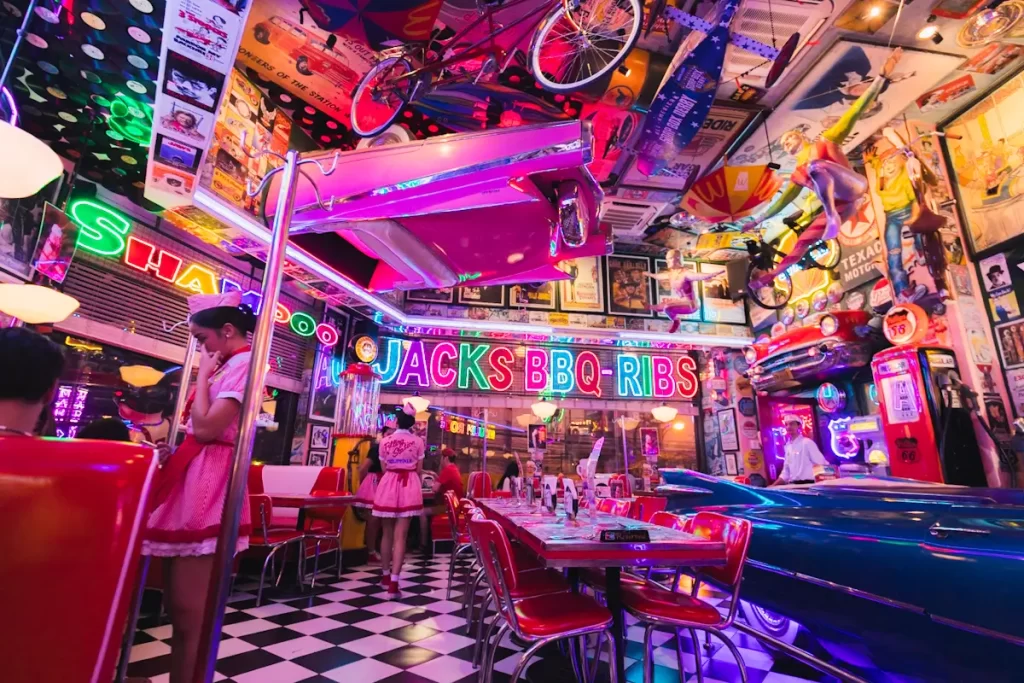
61. Filling Station
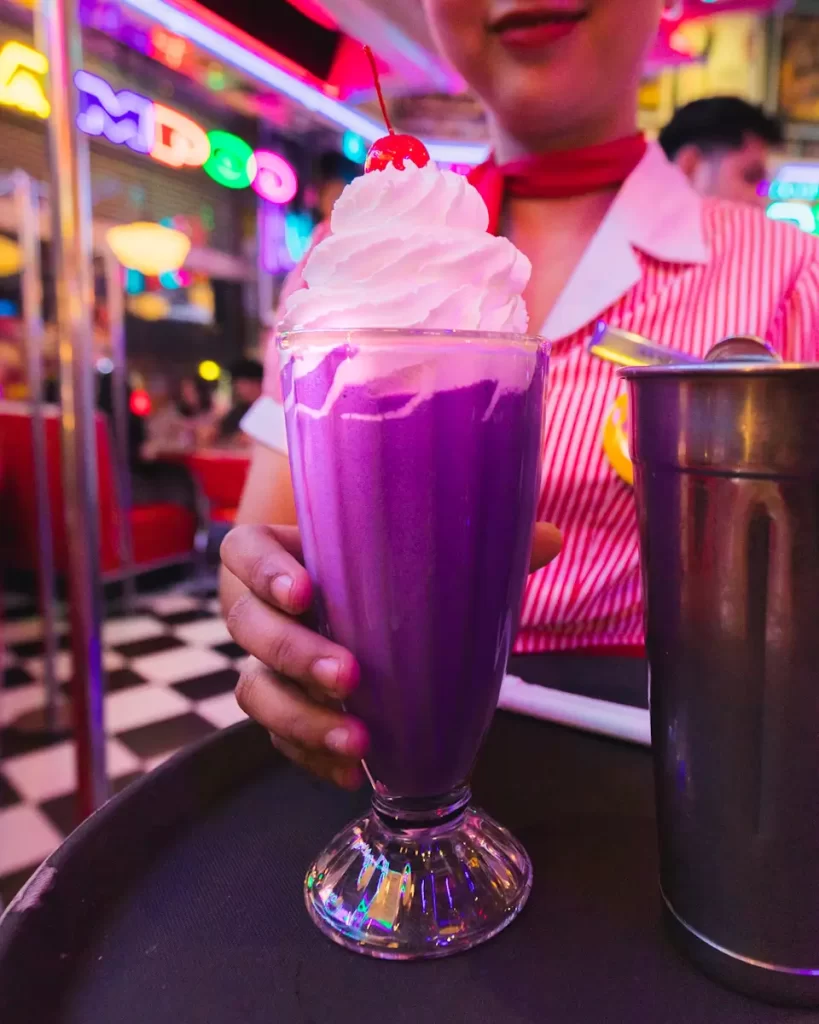
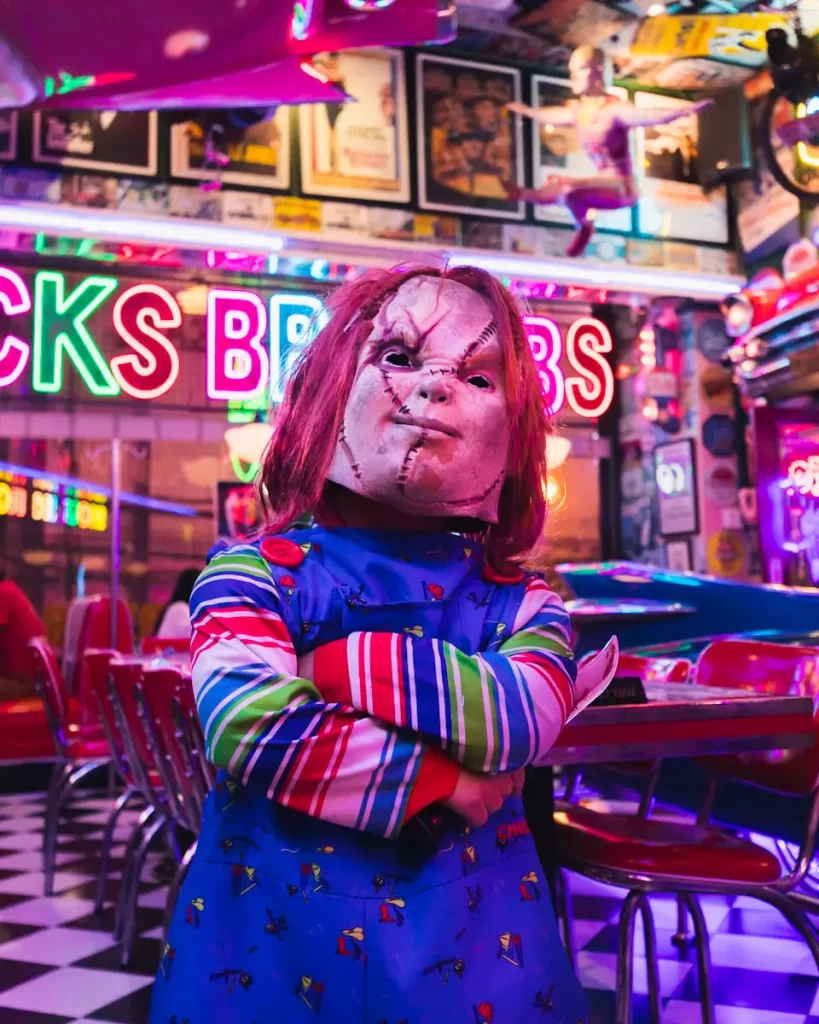
Opened in the late 1990s by former Hollywood set designer Ralph Joseph, Filling Station place is modeled after a 1950s diner and a retro gas station rolled into one. Neon signs glow across the walls, Elvis and Marilyn stare from posters, and even the furniture is straight out of mid-century America. Old jukeboxes, gasoline pumps, and movie memorabilia clutter every corner, and Filipino Elvis walks around taking photos with visitors, making it as much a themed attraction as it is a restaurant. This is exactly the kind of kitsch that I would typically roll my eyes at, but in reality, Filling Station was actually loads of unironic fun. On top of the unique and memorable experience, the food was genuinely solid – it’s not the cheapest burger I’ve had in the philippines, but genuinely one of the best. This guide is focused on authentic Filipino experiences, and while Filling Station might not fit that box neatly, who cares it’s fun enough it goes on the list anyway.
62. Pat-Pat’s Kansi
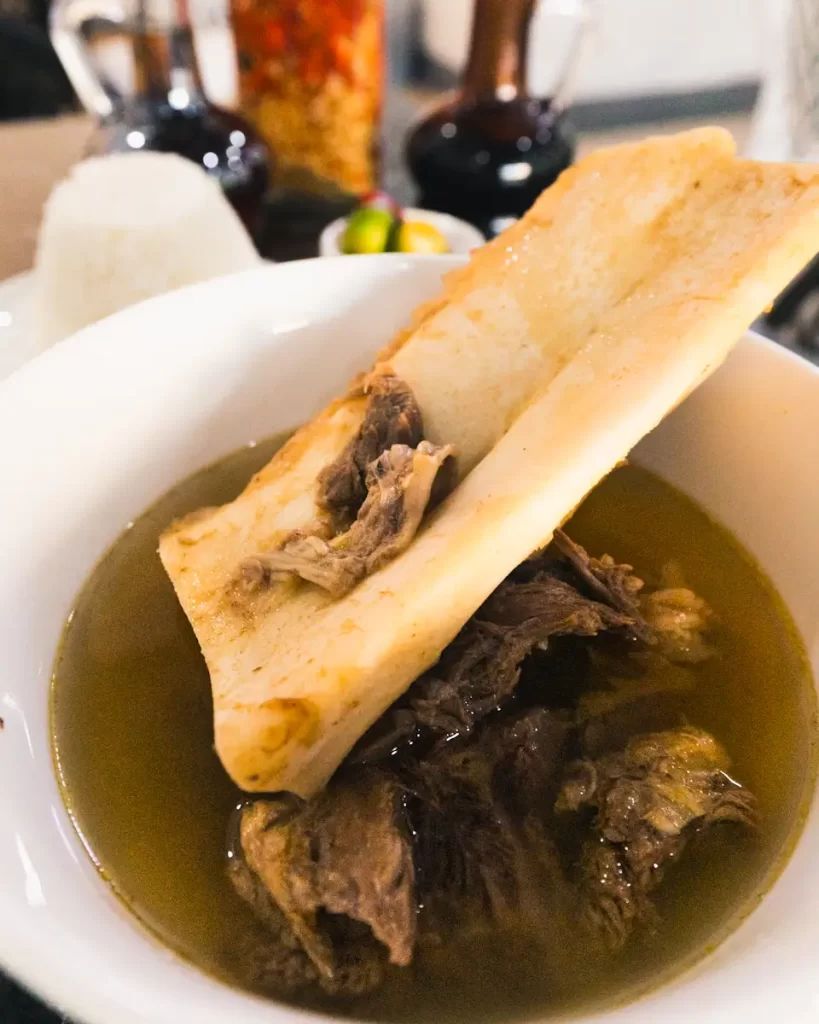
Pat-Pat’s Kansi has been serving Bacolod-style beef kansi in Makati since the early 2000s, bringing a Negros Occidental specialty into the heart of Manila. Kansi is somewhere between bulalo and sinigang – beef shank and bone marrow simmered until tender in a tangy broth soured with batwan , a Visayan fruit that gives it a distinct tartness you won’t find in Luzon. Pat-Pat’s makes theirs in huge cauldrons, and the broth comes out rich, slightly oily, and sharp with flavor, with marrow melting into the soup to thicken it. The beef is served in hefty chunks, falling off the bone, with the option to scoop out the marrow straight from the bone onto your rice. Other menu offerings, such as crispy kansi and sizzling kansi , provide creative takes on the classic dish for those looking to try something different.
63. Saan Saan
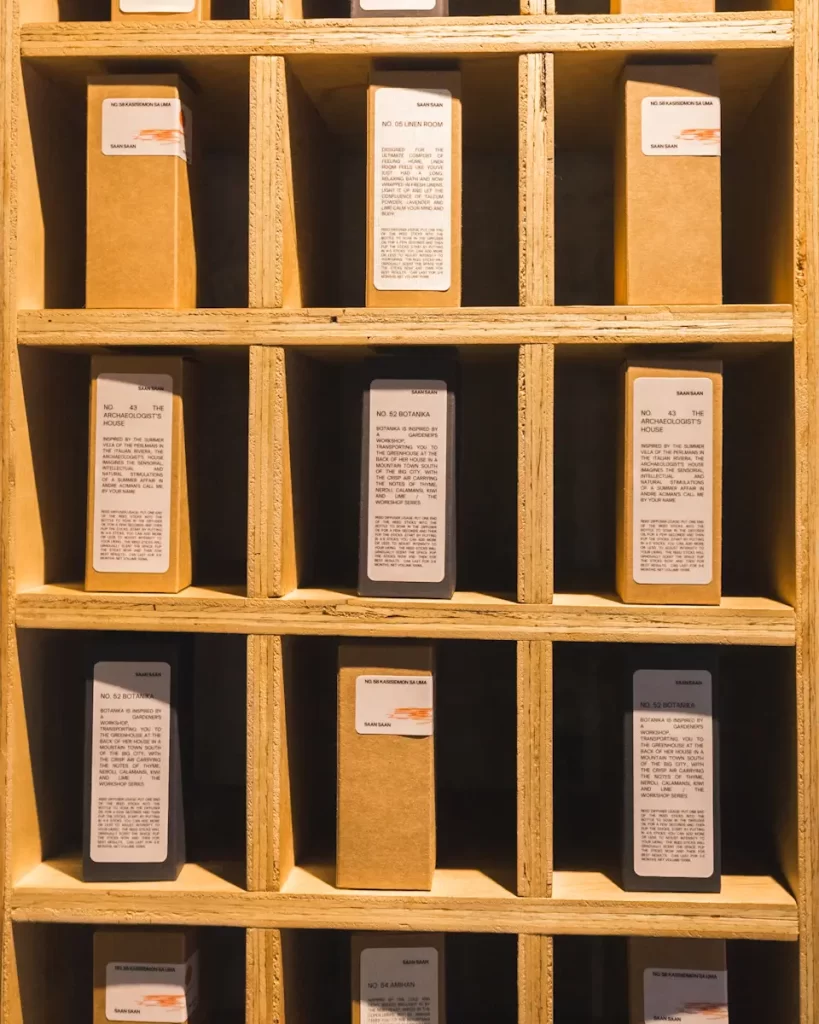
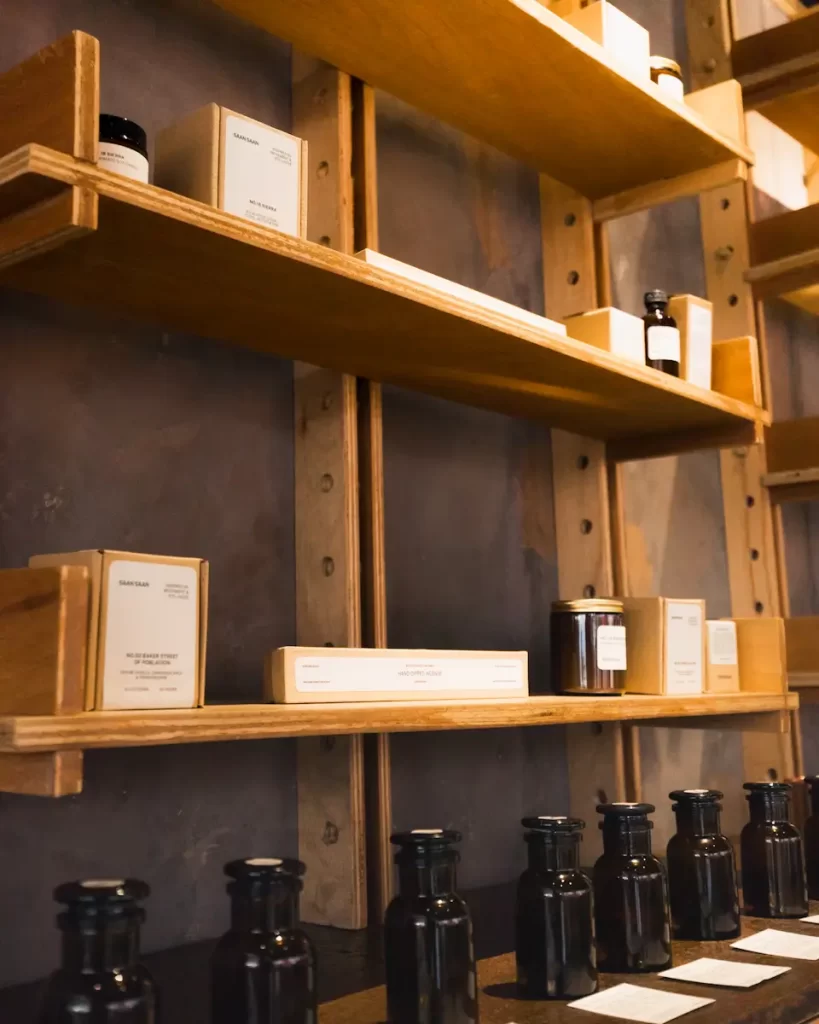
Saan Saan is a soy candle studio in Pasig founded in 2018 by Mark Zavalla, who left a tech career to capture Filipino places and memories through scent. Each small-batch candle is tied to specific locale, memories, and literary works: No. 19 Old Manila recalls talcum and linen rooms, No. 36 Mindoro Coast smells of sea breeze and salt, and seasonal blends like Simbang Gabi bring back the aroma of dawn masses and kakanin stalls. The shop also carries incense, soaps, and limited-edition collaborations with local artists, all of which make for fantastic long-lasting souvenirs.
64. genesis hot pandesal
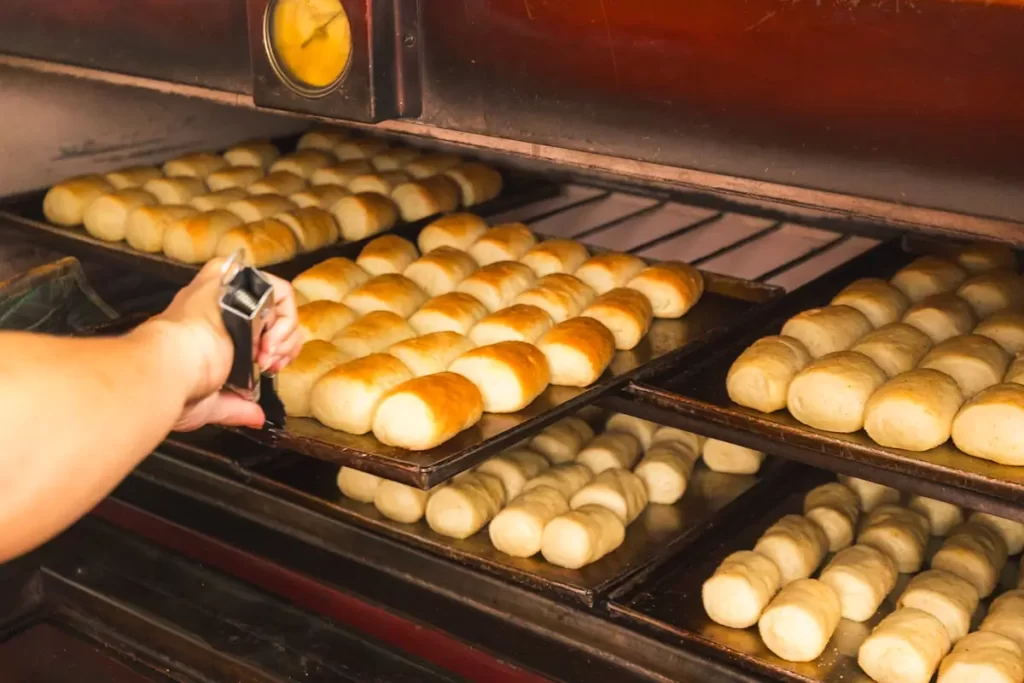
Pandesal is the quintessential Filipino bread roll – lightly sweet, dusted with breadcrumbs, and best eaten warm from the bakery with coffee or tsokolate . Found in nearly every neighborhood panaderia , it’s often paired with coffee or tsokolate , spread with margarine or peanut butter, or stuffed with fillings like kesong puti , sardines, or corned beef.
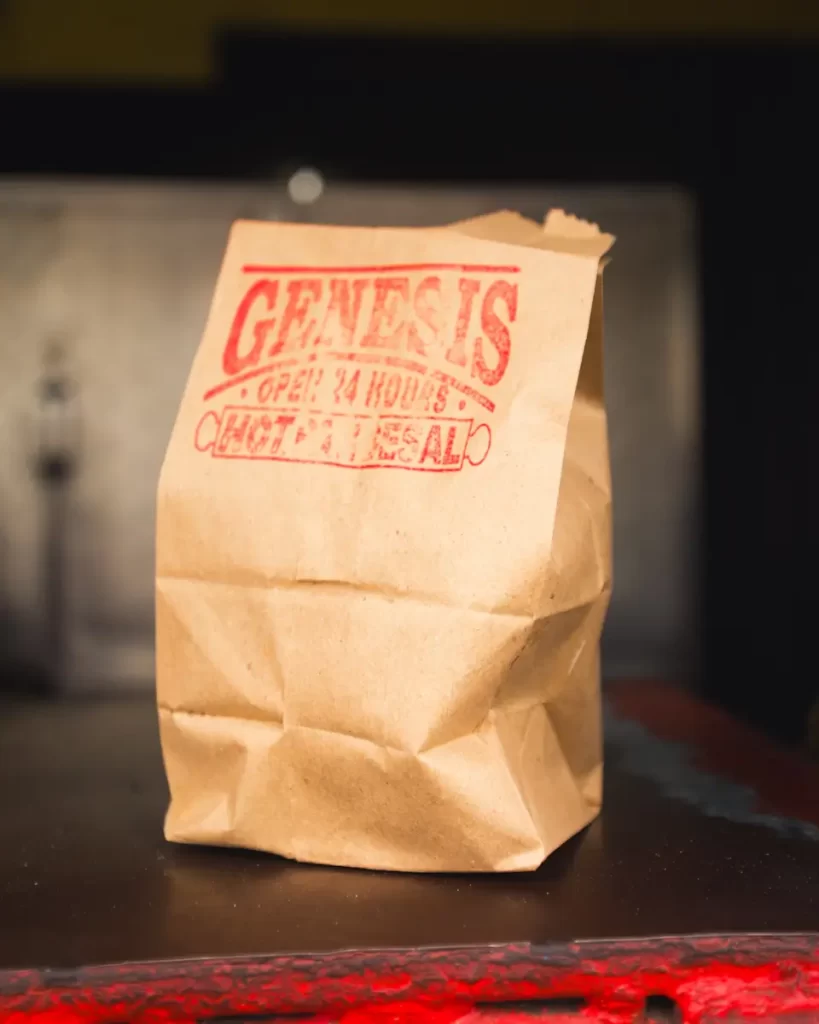
Ask any Marikina local where to find the best pandesal , and you’ll get one answer: Gensis Hot Pandesal. Founded in 2011 by Helino and Ciarra Tiamzon, the bakery built a reputation for keeping trays of pandesal coming out of the oven throughout the day so every piece is hot and fragrant when sold. The rolls have exactly the texture people crave: crunchy on the outside, chewy inside, and flavorful enough to be eaten plain. Word spread quickly from the original Parang branch, and today Genesis has multiple outlets across the city, all open 24/7. Each shop bakes on-site, producing about 8,000 rolls daily, so there’s no commissary stockpile – only fresh bread straight from the oven
65. Yuchengco Museum
The Yuchengco Museum sits inside RCBC Plaza in Makati, a private art museum opened in 2005 by the Yuchengco family to honor the legacy of diplomat, businessman, and art collector Alfonso Yuchengco. The collection mixes Philippine modern art, Chinese antiques, and contemporary exhibitions, reflecting the family’s history and ties between the Philippines and Asia. Permanent displays include works by national artists like Fernando Amorsolo, Carlos “Botong” Francisco, and Juan Luna, alongside Chinese ceramics, religious santos , and family memorabilia that trace Philippine history through the Yuchengco lens. Entrance is 200 PHP .
66. Maranao Food from June-Nairah Halal Food Restaurant
Halal Filipino Muslim cuisine is a side of the country’s food culture that many visitors never encounter, shaped by the Maranao, Tausug, and other communities from Mindanao. Curries rich with coconut milk, beef rendang simmered in spice pastes, and piaparan stewed with grated coconut and turmeric are staples of the tradition. In Manila, one of the best places to try it is Quiapo, home to one of the city’s largest Muslim communities and the Golden Mosque, where halal eateries and shops cluster around the streets. June-Nairah Halal Food Restaurant has been part of this landscape since the 1980s. Started by a Maranao family who settled in the city, it has grown into the go-to spot for halal meals in central Manila, serving rendang, curries, piaparan, and more to students, workers, and mosque-goers alike.
67. Silahis Center
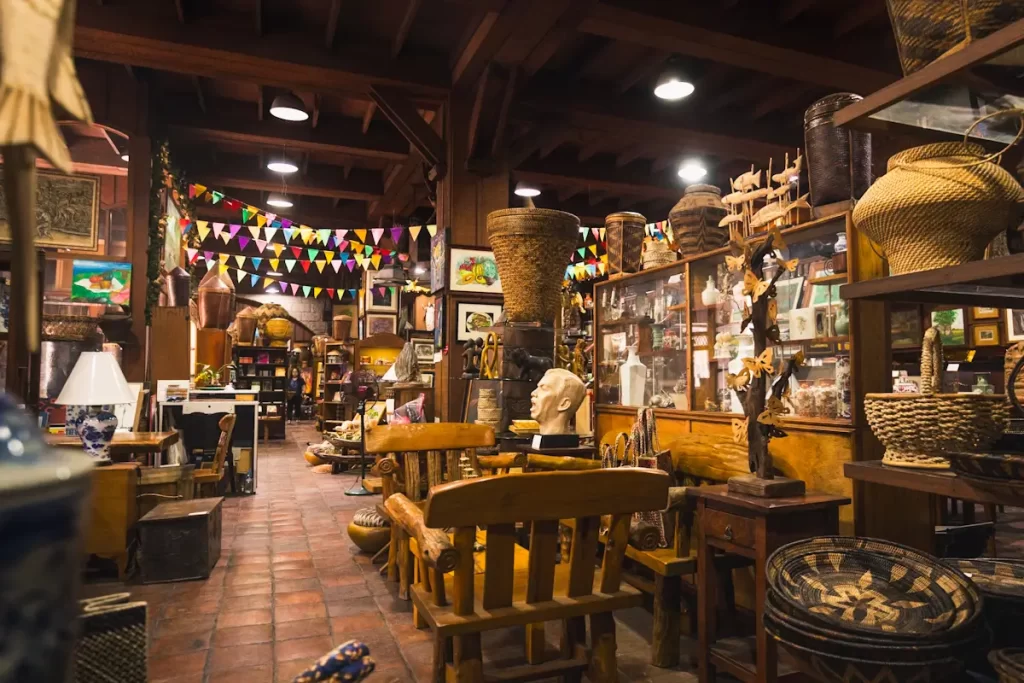
Silahis Arts and Artifacts has been around since 1966, selling and exporting handmade Filipino products from a three-storey bahay na bato on in Intramuros. The building itself is worth stepping into, with creaking wooden floors and old stone walls that frame room after room packed with crafts, antiques, and art. The ground floor is Silahis Arts and Artifacts, filled with folk art, wood carvings, woven trays, and capiz shell boxes. Upstairs, Chang Rong Antique Gallery displays old ceramics, textiles, and maps, while Galeria de las Islas shows paintings, sculpture, and prints by Filipino artists. There’s also Tradewind Books, carrying everything from rare maps and out-of-print titles to newer books on Philippine and Asian history and culture.
68. Museo ng Muntinlupa
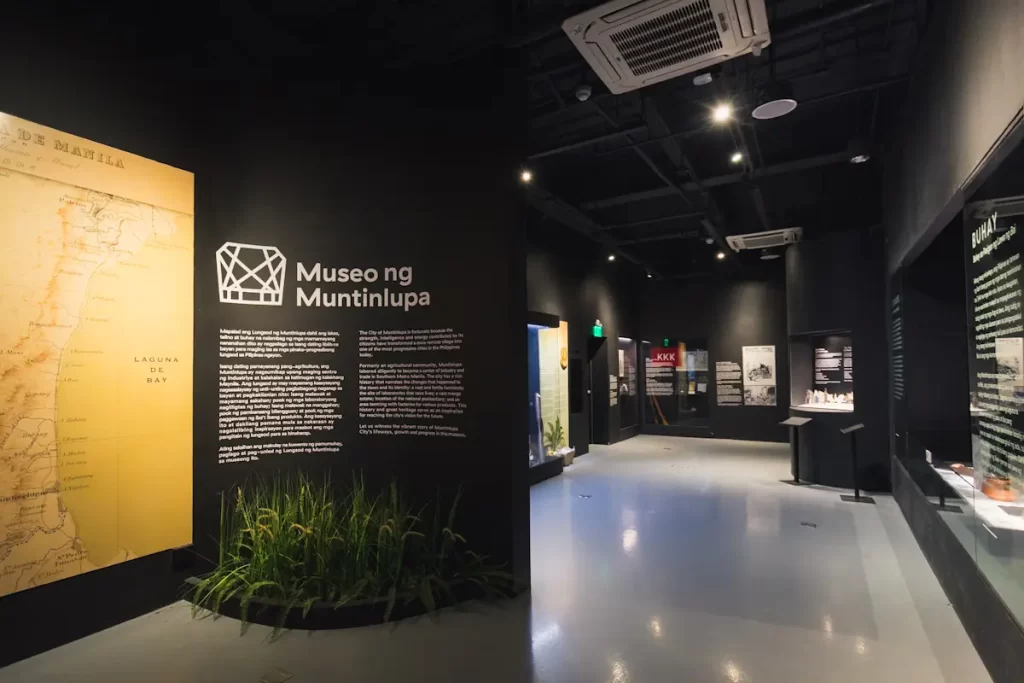
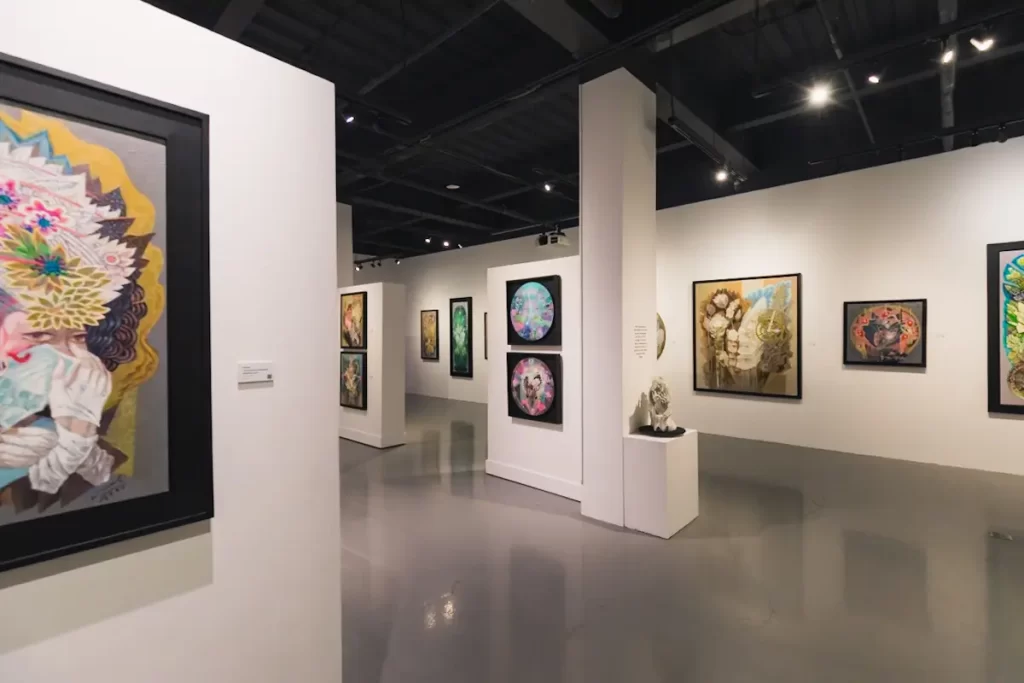
Museo ng Muntinlupa sits right across from the Muntinlupa city hall, and serves as Muntinlupa City’s main heritage space. Opened in 2019, the five-story building is strikingly modern, with a facade accented by wood slats inspired by the salakab or fish traps once used along Laguna de Bay. Permanent exhibits cover the city’s history, from archaeological finds on the lakeshore to its fishing and farming past, the colonial period, and the postwar decades, and the top floor is set aside as a contemporary gallery featuring rotating exhibitions from local artists. Its location at the southern edge of Metro Manila means it’s a further trip than most museum visits in the capital, but its well worth the stop if you’re already in the area. Entrance is free .
69. Bamboo Organ Museum
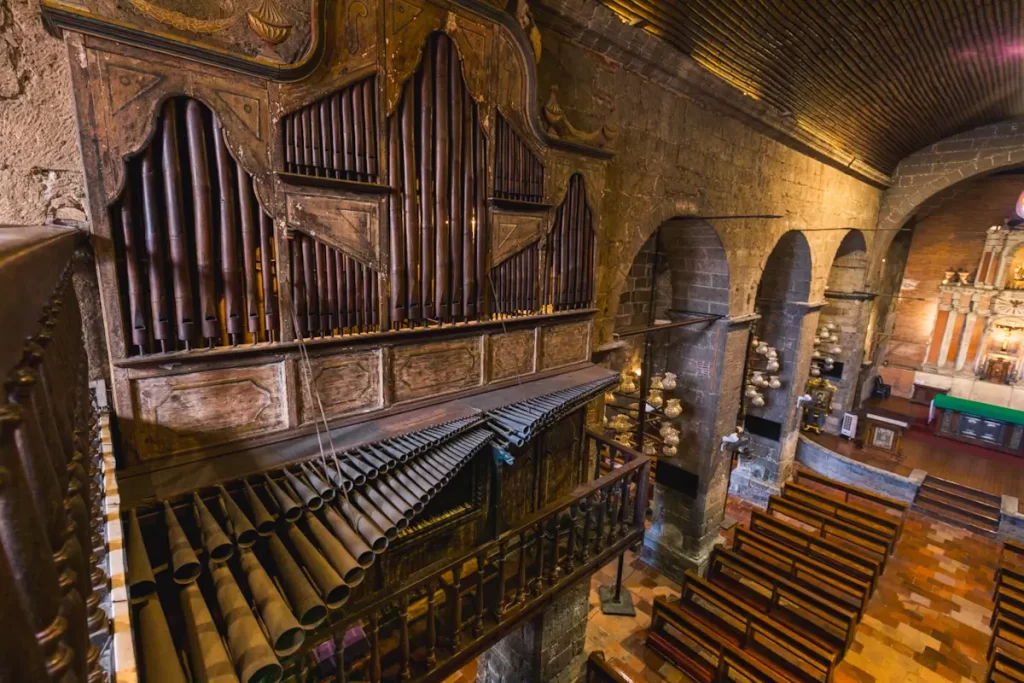
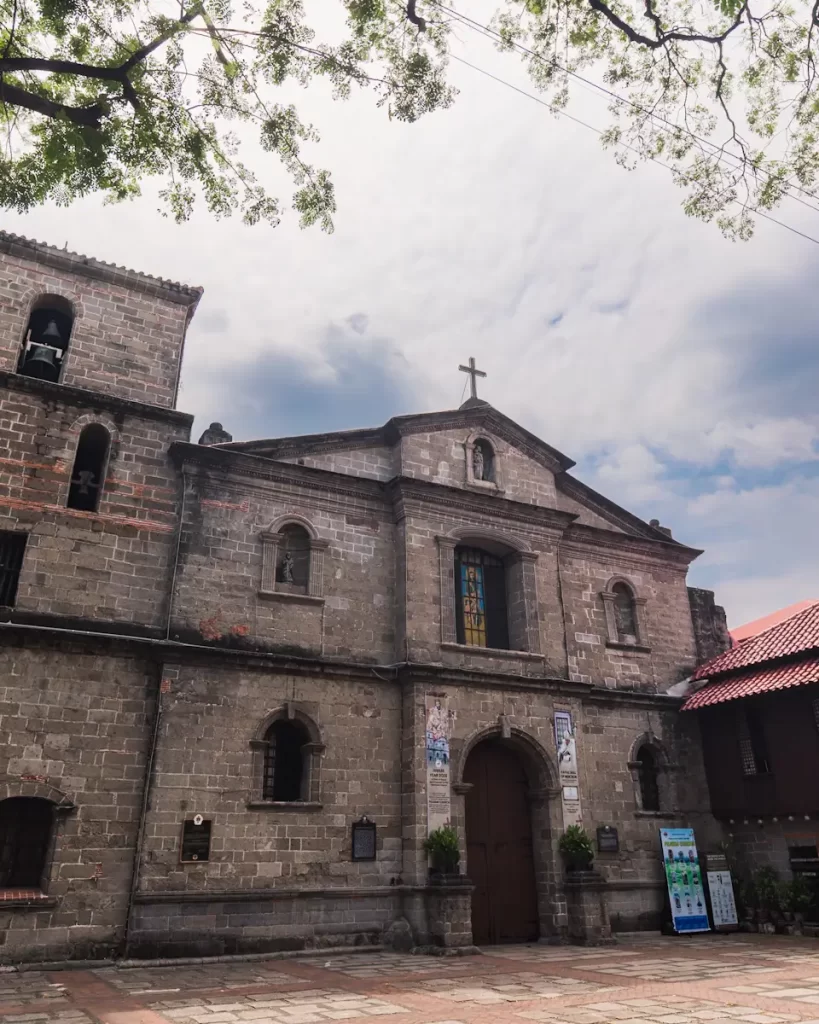
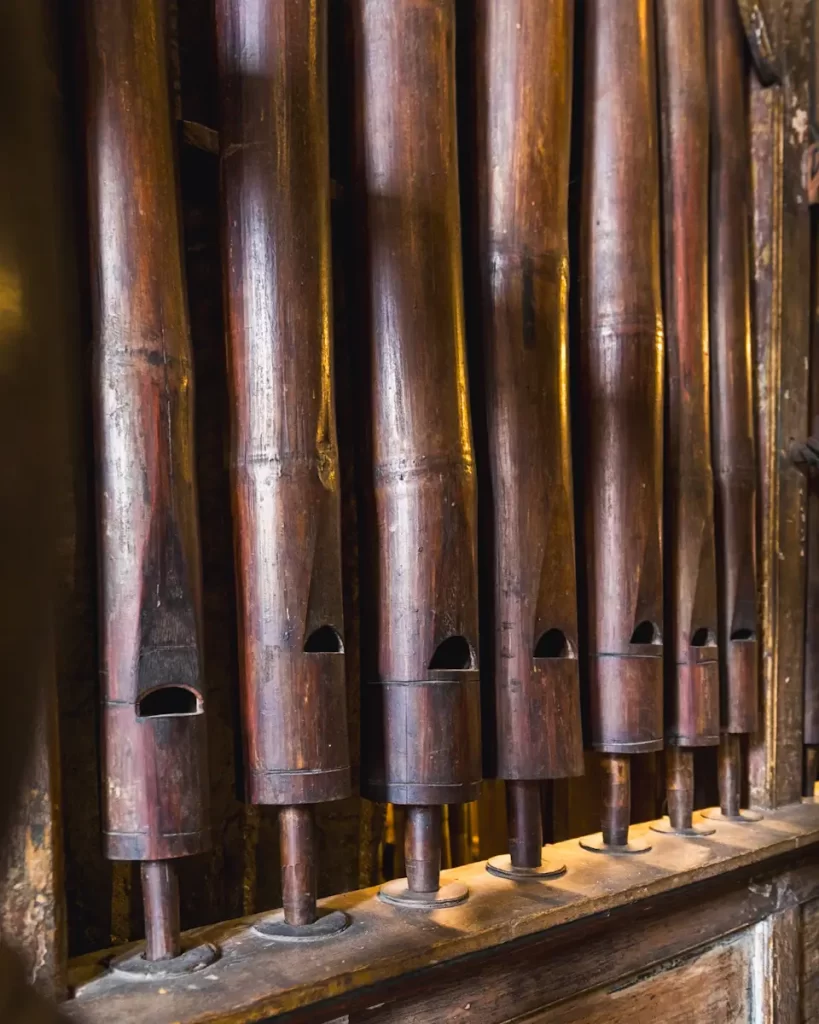
The Bamboo Organ Museum in Las Piñas centers on one of the most unusual instruments in the world: the Bamboo Organ of St. Joseph Parish, built between 1816 and 1824 by Spanish friar Diego Cera. Instead of relying primarily on metal pipes, Cera crafted over 900 of its 1,031 pipes from locally harvested bamboo, which he treated and cured to withstand the humid Philippine climate. It’s considered the only fully functional bamboo pipe organ in existence and is a National Cultural Treasure.
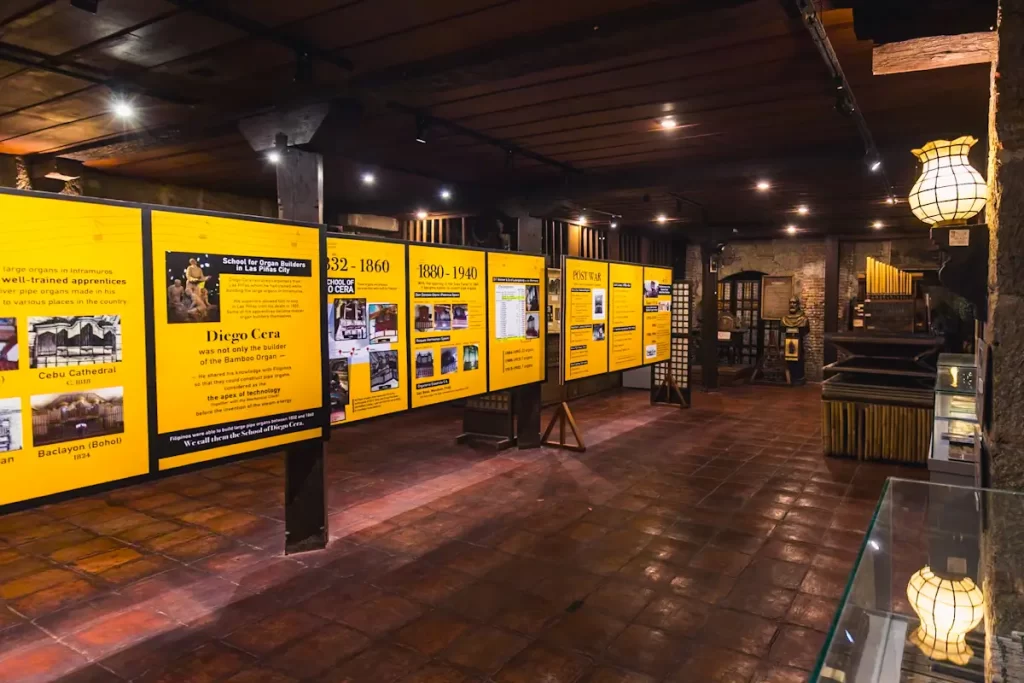
The museum beside the church walks visitors through its story, from construction in the early 19th century to its deterioration after flooding and typhoon damage, and its painstaking restoration in Germany in the 1970s. Exhibits include original tools, photos, and details of how each pipe was brought back to life. The top highlight is the chance to hear it in action, either during daily mass or at the annual Bamboo Organ Festival each February, when international organists come to perform on it. Entrance is 100 PHP .
70. Tandang Sora Women’s Museum
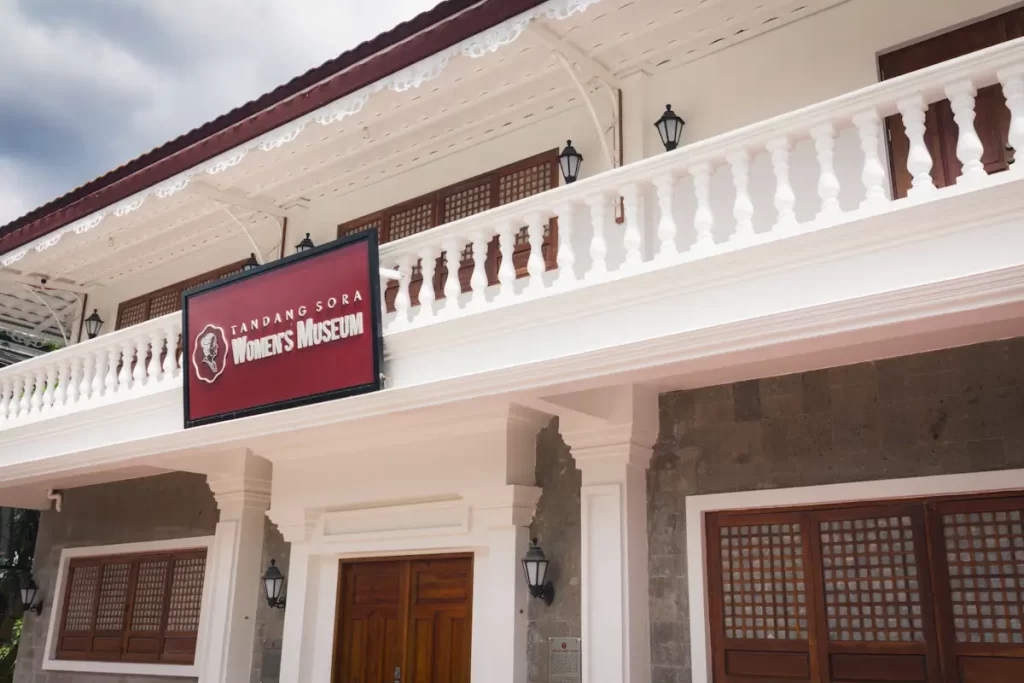
The Tandang Sora Women’s Museum in Quezon City opened in 2025 on the birthplace of Melchora Aquino, remembered as the “Mother of the Philippine Revolution” for aiding the Katipunan with food, supplies, and shelter during the 1896 uprising against Spain. She was arrested and exiled to Guam for refusing to betray the rebels, and her story anchors the museum’s focus on women’s roles in nation-building. The ground floor hosts the “Babaylan Ascending” exhibit, which shows how women have long held roles as spiritual leaders and community figures. Upstairs, a timeline traces women’s involvement across history. Revolutionaries like Gregoria de Jesús, who safeguarded the Katipunan’s papers and organized support for its fighters, and Teresa Magbanua, one of the few female commanders in battle, are placed alongside early 20th-century advocates like Concepción Felix de Calderón, founder of the first women’s rights group, and Pura Villanueva Kalaw, a journalist and activist for suffrage. Another section highlights working-class women in 19th-century Manila – tobacco workers, embroiderers, and teachers. Entrance is 50 PHP .
71. Linya-Linya
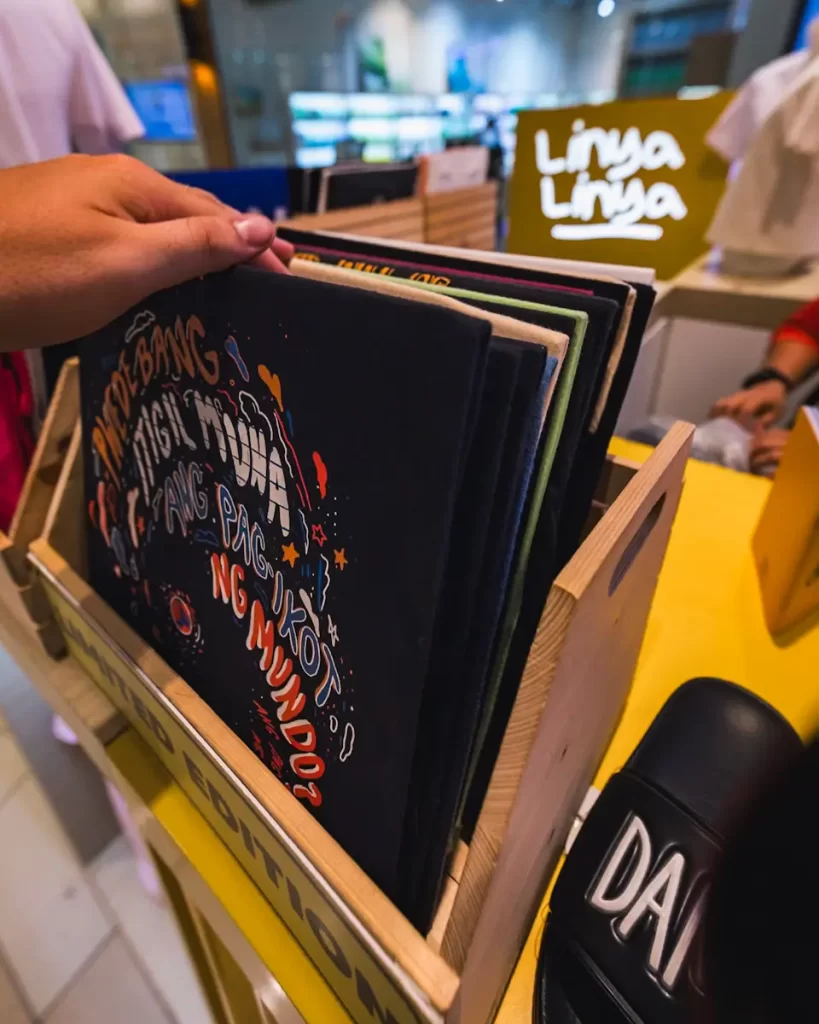
Started in 2012 by writer Ali Sangalang and illustrator Panch Alvarez, Linya-Linya is a homegrown clothing brand built around Filipino wordplay, turning everyday jokes and hugot lines into shirts, mugs, and stickers. What began as one-liners scribbled in a notebook and shared online has since grown into a full lifestyle label. Over the years, Linya-Linya has collaborated with musicians like Ebe Dancel and the Itchyworms, as well as writers, comic artists, and advocacy groups for education, LGBTQIA+ rights, and animal welfare. For visitors, the appeal is that these shirts are what young Filipinos actually buy and wear, printed with phrases you’ll spot on the MRT or at a gig. Instead of a generic Chinese souvenir that says “I heart Philippines,” a Linya-Linya shirt is a souvenir rooted in daily life and current culture.
72. Morning Sun Eatery
Ilocano cuisine from northern Luzon is built on vegetables, goat, and pork, with seasoning that leans on bagoong (fermented fish paste), vinegar, and bile rather than sugar or heavy sauces. Meals are often simple but punchy: pinakbet brings together okra, ampalaya, eggplant, and squash in bagoong; dinengdeng is a light broth with leafy greens and grilled fish; and papaitan is a goat or beef soup sharpened with bile for its trademark bitterness. These dishes come from a tradition of stretching ingredients and making the most of what’s available, so vegetables and offal play as big a role as meat.
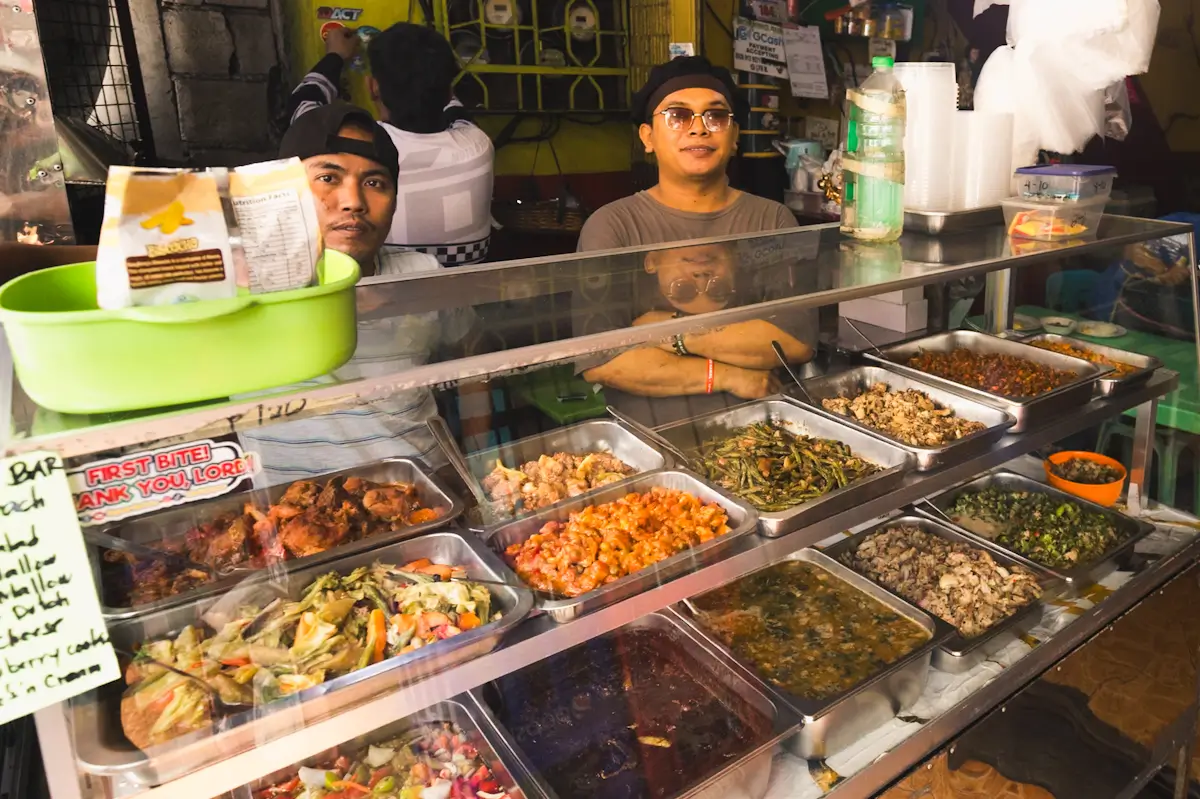
Morning Sun Eatery in Quezon City serves these dishes canteen-style, with metal trays of dinakdakan – grilled pig’s ears and jowl chopped fine and tossed with calamansi and onions – set beside kilawing kambing marinated in vinegar, ginger, and chilies. The soups arrive steaming in bowls, with papaitan on one end of the spectrum and vegetable-heavy dinengdeng on the other. As much as I would recommend hungry travellers visit northern Luzon for themselves, Morning Sun Eatery is still the best way to try Ilocano food without leaving Metro Manila, and one of my favourite carinderias in the city.
73. Museum of Contemporary Art and Design
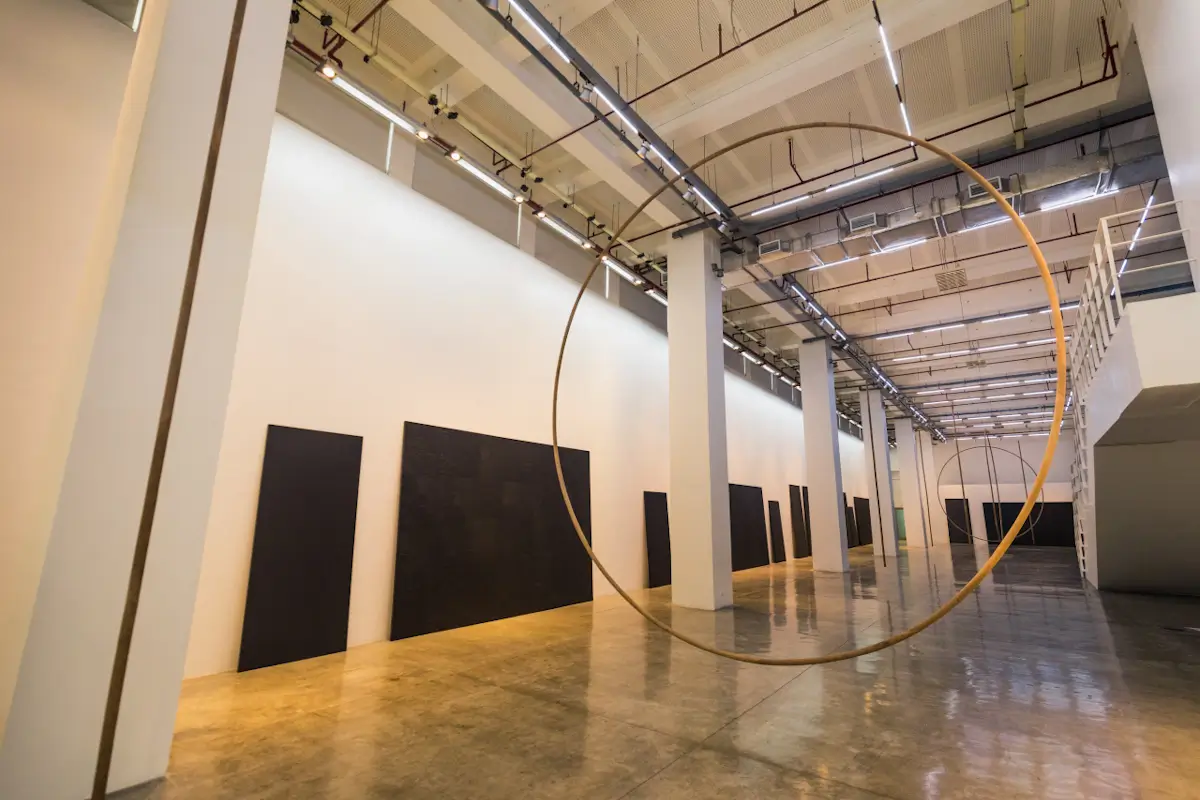
The Museum of Contemporary Art and Design (MCAD) is a dedicated contemporary art space, housed inside De La Salle–College of Saint Benilde’s School of Design and Arts. Unlike the colonial-era collections elsewhere in the city, the focus here is installation, video, photography, and large-scale mixed media. International artists like Bruce Conner have shown alongside local names, and the upper gallery often highlights student and independent projects that reflect current social and political conversations in the Philippines. The main hall is a stark, open space where sound and video pieces echo across concrete floors, while smaller side rooms allow for quieter viewing. The msueum is free to enter .
74. Balikbayan Handicrafts
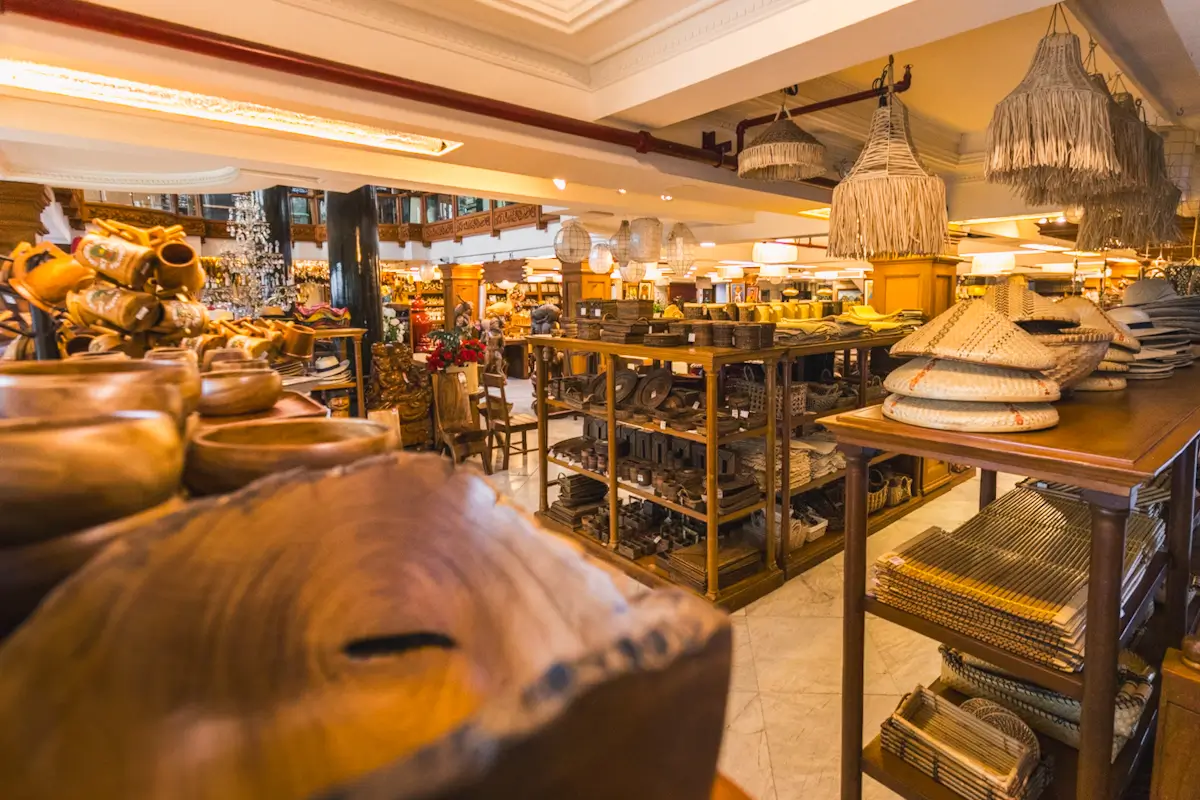
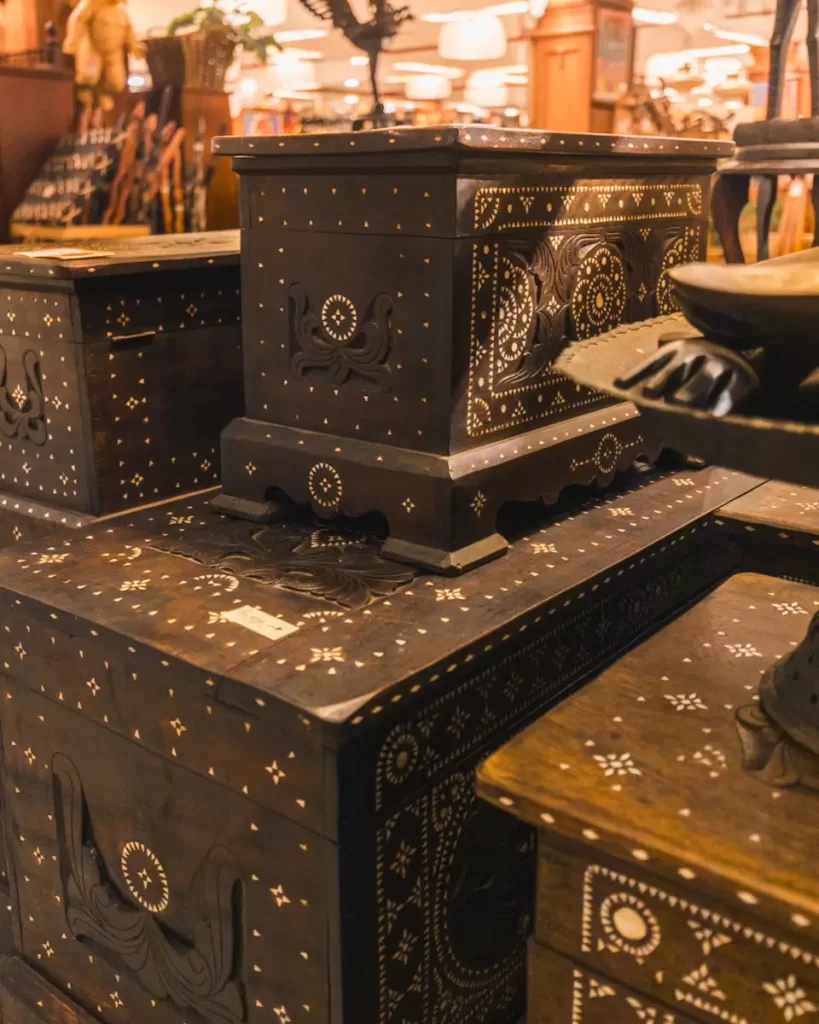
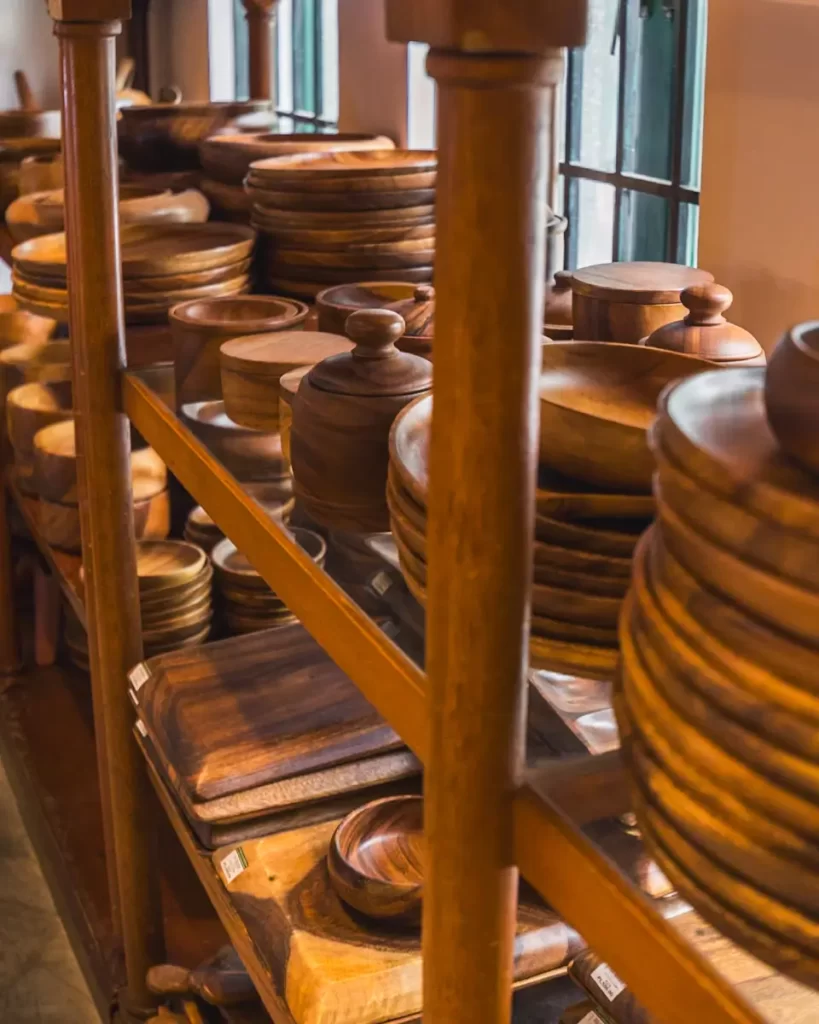
Balikbayan Handicrafts is one of Manila’s biggest souvenir emporiums, founded in 1968, and originally named Wooden Heart. Unlike its neighbor Tesoros, which leans toward clothing and textiles, Balikbayan built its reputation on woodcraft, and the scale is immediately clear: entire floors are stacked with kamagong and acacia bowls, hand-carved salad servers, ornate trays, and large furniture pieces, from console tables to one-piece dining slabs. Smaller shelves carry carved figurines, picture frames, and rattan baskets, while the upper floors glow with capiz-shell lamps, shell-inlaid trays, and home décor made from bamboo, resin, and clay. To balance the heavy items, there are lighter pasalubong staples like tablea, dried mango, and shell keychains. Much of the stock comes from regional artisans supplying specialties from their home provinces.
75. Cubao Expo
Cubao Expo in Quezon City is a cluster of old shoe shops that’s been repurposed into one of Metro Manila’s most distinctive creative hubs. The horseshoe-shaped compound now houses secondhand bookshops, vintage clothing stores, independent galleries, cafés, and bars, all packed into low-rise storefronts that look much the same as they did in the 1970s. It’s one of the few places in the city where you can browse vinyl records, ukay finds, and handmade jewelry before settling in for a drink or live music, and the mix of tenants shifts often enough that repeat visits feel different. Evenings and weekends are busiest, when artists, students, and musicians spill into the central courtyard.
76. Art Underground
Open since 2014, Art Underground is a contemporary gallery in Addition Hills that gives space to both established and up-and-coming Filipino artists. Exhibits rotate every few weeks and can range from large-scale paintings to experimental installation, mixed media, and new media pieces, often the same work that later appears at regional art fairs in Hong Kong, Tokyo, or Seoul. The gallery’s focus on younger artists makes it one of the better places in Manila to catch names before they break wider, while still keeping ties with mid-career figures. Art Underground is free to enter .
77. Sunken Garden
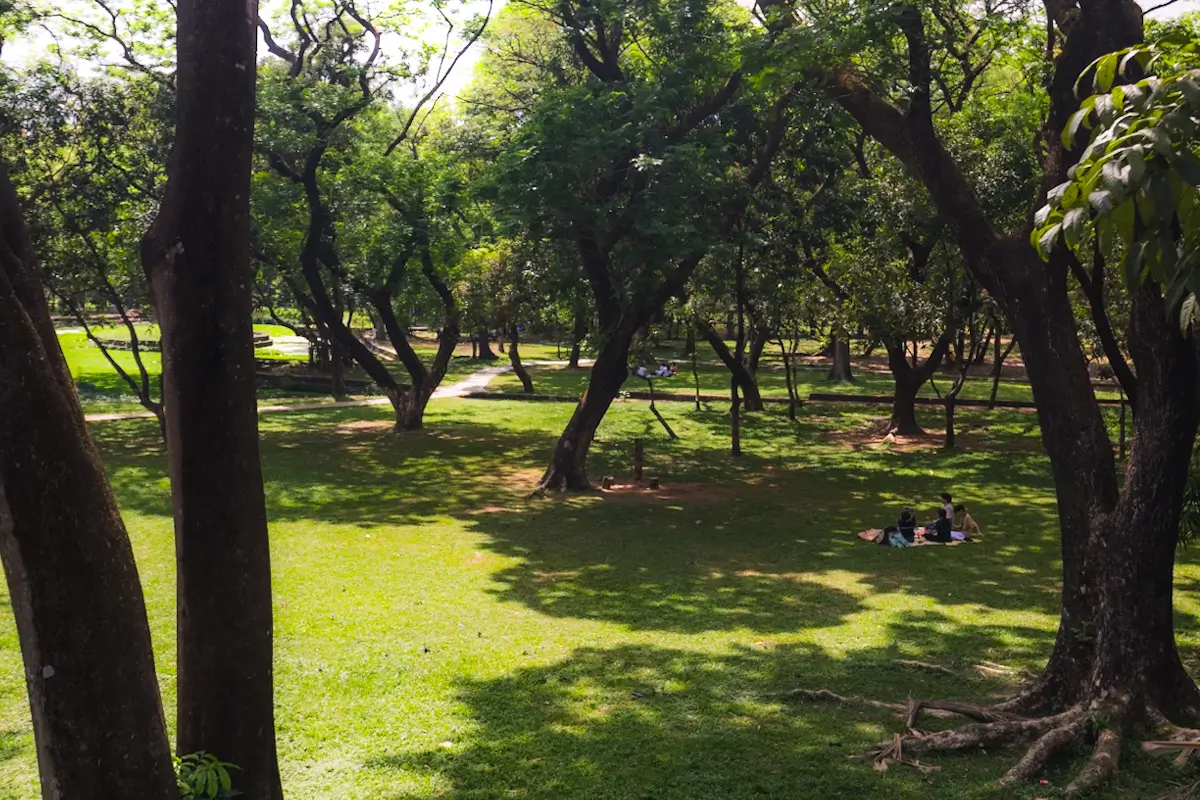
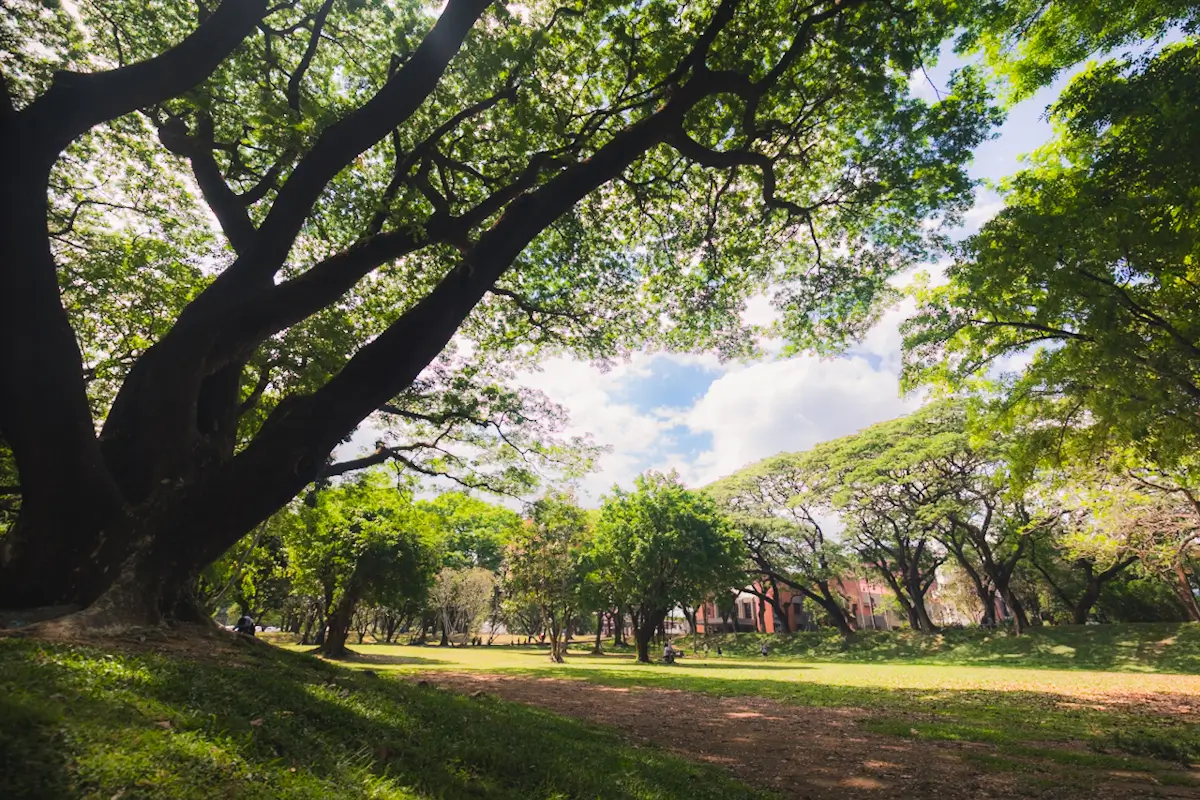
The Sunken Garden at the University of the Philippines Diliman campus is one of the few genuinely open and green public spaces in Metro Manila. The five-hectare oval dips slightly below ground level, a design that helps drain the campus during the rainy season, but for most visitors it’s just a wide grassy field surrounded by acacia trees and a jogging path. Students play frisbee and football here, locals come for morning and evening runs, and in the late afternoon the place fills with groups lounging under the trees. Compared to Luneta or other city parks, it feels quieter and less commercial, with no entry fees, stalls, or rides.
78. Trips from Manila
Manila can feel overwhelming, but it’s also a perfect base for side trips that open up the rest of Luzon. Within a couple of hours you can be in Tagaytay, looking out over Taal Volcano, or on Corregidor Island, where WWII ruins still stand among the trees. Day trips also reach the Angono-Binangonan Petroglyphs, the oldest known rock art in the Philippines, or Antipolo’s Pintô Art Museum and nearby Full Circle Craft Distillers, where local botanicals flavor small-batch gin. Go farther and you’ll find landscapes that feel a world away from the capital: hiking into the turquoise Pinatubo Crater Lake, trekking through Tutulari Gorge in Zambales, or journeying to Buscalan village in Kalinga to meet the last mambabatoks (traditional tattooists). For longer escapes, Vigan’s cobblestones, La Union’s surf breaks, and Baguio’s mountain air all offer a very different pace. Traffic makes timing important – leave before sunrise if you’re heading north, or budget an overnight to make the most of it.