
After years of living and travelling in the Philippines, I’ve gathered the essential Philippines travel tips every first-time visitor should know – practical advice on planning your trip, what to expect, and how to make the most of your time here.
The Philippines is a country that rewards preparation. With over 7,000 islands and a mix of bustling cities, resort hotspots, and quiet provinces, it’s easy to get overwhelmed if you don’t know what to expect. I first visited the country in 2018, and not long after decided to live there for several years. I’ve since spent time exploring everywhere from the busy streets of Manila and Cebu to tourist hotspots like Palawan and Bohol, as well as off-the-beaten-path destinations like Sipalay and Bantayan, and this guide pulls together the lessons that matter most.
This guide brings together my most useful tips for travelling in the Philippines: essential tips for before you even land, what to expect once you do, where to find the best food, and the cultural details that make a trip smoother and more rewarding. The goal is simple: to help you arrive prepared instead of overwhelmed, so you can spend your time enjoying the best experiences in the Philippines.
- 1. Prepare the eTravel App and Proof of Onward Travel Before You Land
- 2. Organize Your Internet Before You Land
- 3. Use Ride-Hailing Apps to Get Around Cities
- 4. Break Your Big Bills Strategically
- 5. Learn a Few Local Words
- 6. Use the CR When You Get a Chance
- 7. Don’t Waste Your City Time in Malls
- 8. Eat Like a Local…
- 9. …But Don’t Be a Dick About It
- 10. Expect to Hear “Not Available Ma’am/Sir”
- 11. Don’t Wait for Your Server to Come to You
- 12. Vegetarians Need a Plan
- 13. Maybe Avoid “Selfie Sites”
- 14. Don't Give Money to Kids
- 15. Littering is Bad (Who Knew)
- 16. Don't Trust the Fixers at Terminals
- 17. Get to the Airport Early and Prepare to Suffer
- 18. Rent a Scooter, But Don’t be Stupid
- 19. Book Flights and Rooms in Advance
- 20. Everything Runs Through Facebook
- 21. If You’re Like Me, Buy a Fan
- 22. Eat Fruit
- 23. Don’t Be a Creep
- 24. Buy Pasalubong, Not Junk
- 25. Tourist Restaurants Aren’t Great
- 26. Skip the Zoos and Unethical Tours
- 27. Bring a Waterproof Bag for Island Hopping
- 28. Keep Your Fins Off the Coral
- 29. Know When to Tip
- 30. Make a Difference
1. Prepare the eTravel App and Proof of Onward Travel Before You Land
Most visitors to the Philippines don’t need a visa in advance, as you get 30 days visa-free when you land, though you need proof of onward travel within those 30 days. Even if you plan on extending, they still require it, so be ready. Plenty of travellers use “throwaway” tickets or fake onward bookings, which work fine if you’re not ready to lock in real plans yet. Something you might not be aware of though, is that you do need to fill out the eTravel form in the eGov app before you go through immigration. A lot of people only learn about it once they’ve landed at the airport, stuck fighting with bad wi-fi, so just do it ahead of time and save yourself the stress. Watch out – if you Google “Philippines eTravel App” often the first results are scam webpages that will try and charge you to fill out the form for you. Make sure you’re using the official government webpage or app – if there’s a fee then you’re on the wrong one.
If you want to stay longer than a month, you can actually fairly easily extend for another 29 days online. The first extension costs about ₱3,000, and any extensions beyond that do require visiting an immigration office in person.

2. Organize Your Internet Before You Land
Look. The internet in the Philippines is terrible. Data is certainly slower than what you’re used to back home, and public wi-fi basically doesn’t exist. Airports might officially have free wi-fi, but I’ve never actually succeeded in connecting to any of those somewhat suspicious airport wi-fi networks. (maybe for the best). Sort out your internet before you land, because trying to book a Grab at the airport without it is a nightmare. The easiest thing to do is to download and install an eSIM for the Philippines ahead of time. In the cities you’ll usually have service, but once you’re in the province it’s a coin toss. Always download maps and directions before you head out, because you can’t count on a signal once you leave town.
3. Use Ride-Hailing Apps to Get Around Cities
Traffic in Philippine cities is famously brutal, and you’ll feel it the moment you land. Download Grab before you arrive and use it to get from the airport to your hotel – it’s the easiest way to avoid being overcharged by taxi drivers. Just make sure that you have your eSIM set up for when you land, otherwise getting around will be more of a challenge. For getting around the city once you’re settled, motorcycle taxi apps like Move It and Angkas are my personal preference. During peak hours they’ll cut your travel time down to a quarter of what it would be in a car, slipping through the gridlock while you get some air on your face instead of sweating in a hot backseat. Be aware that around 5-7 the main arterials lock up in traffic, so plan strategically so that you don’t need to travel far around that time.
4. Break Your Big Bills Strategically
Managing money in the Philippines can be one of the trickiest and most frustrating things in the country. Most ATMs spit out ₱1000 notes, which are a headache outside the cities. Try handing one over for an ₱80 meal in the province and you’ll be told they don’t have change. The key is to use your big bills whenever you can – more expensive restaurants, malls, supermarkets – so you have smaller notes on hand for daily spending. As long as you spend at least ₱300, it’s worth trying to get change for a thousand. Card is sometimes accepted in some rare cases in cities, especially Manila, but it’s wise to always plan to pay in cash. ATMs charge around ₱250 per withdrawal, so I prefer to take out larger amounts at once. (The max is usually ₱10,000). Before heading to the province, withdraw everything you’ll need as ATMs are rare outside cities, and even when you find one, there’s no guarantee it‘s working.
5. Learn a Few Local Words
Tagalog is the language commonly spoken in Manila, but plenty of other regions have their own languages which are spoken instead, like Cebuano in much of the Visayas and Mindanao, Ilocano in northern Luzon, Hiligaynon in parts of the Visayas, Kapampangan near Pampanga, and many more. English is widely spoken in the Philippines, especially in the cities, so you’ll almost never be stuck in a situation where no one understands you. In rural areas and with older people, English can be less common, but it’s never been an issue. That said, learning a few local words goes a long way.
Even if you don’t need them, a few Filipino words will smooth interactions regardless of where in the Philippines you are: salamat (thank you), po (a polite word at the end of your sentence that shows respect), ate (ah-teh, used to address an older woman), and kuya (koo-yah, for an older man or brother). Filipinos notice when foreigners use these terms, and it’s worth making the effort.
6. Use the CR When You Get a Chance
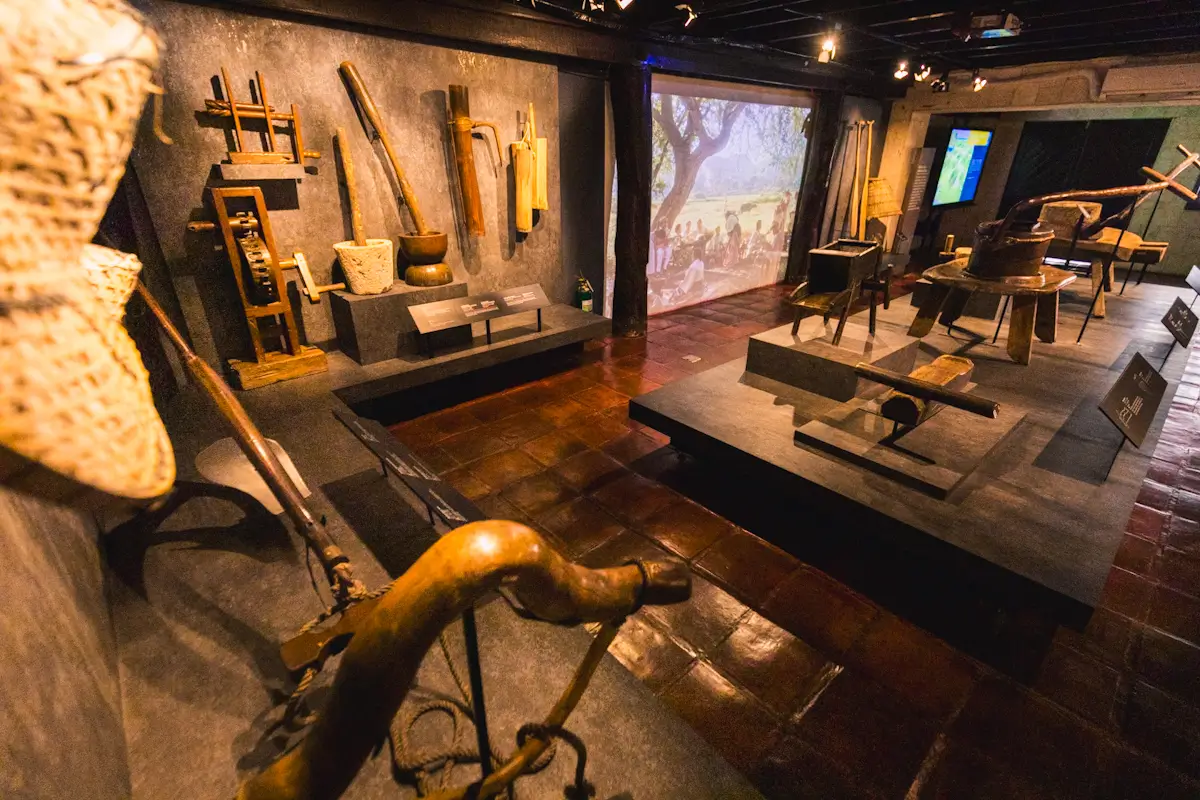
Bathrooms in the Philippines are usually called the CR, short for comfort room, and they can be hard to come by. Even places like McDonald’s may or may not have one available, and if they do, don’t expect toilet paper, soap, or even a seat. Nicer malls and higher-end restaurants that serve tourists are your best bet for a clean and reliable CR, though some public bathrooms charge a small fee so keep coins handy. Once you leave the city, don’t count on finding a usable bathroom at all – outside urban areas you should assume the only CR you’ll have access to is the one in your hotel room. Always carry your own toilet paper or wipes, which are easy to buy at 7-Elevens and corner shops, because most CRs won’t provide any.

7. Don’t Waste Your City Time in Malls
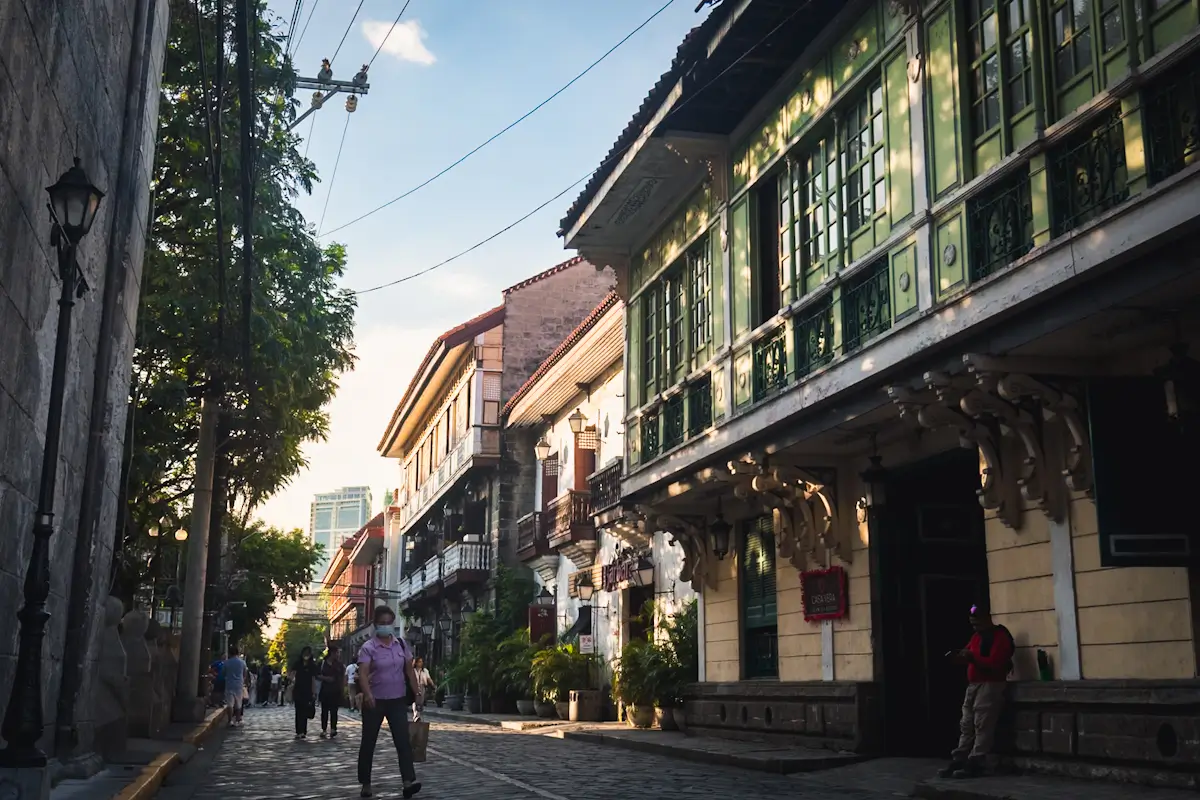
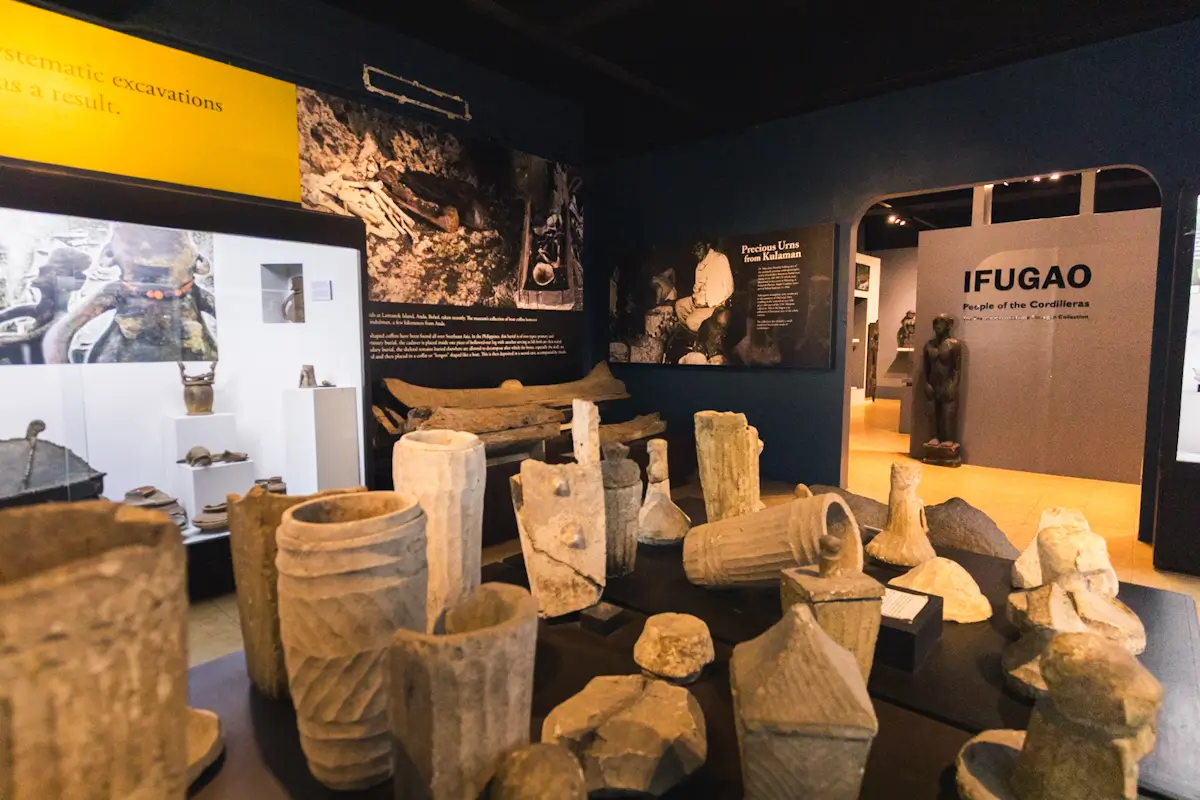
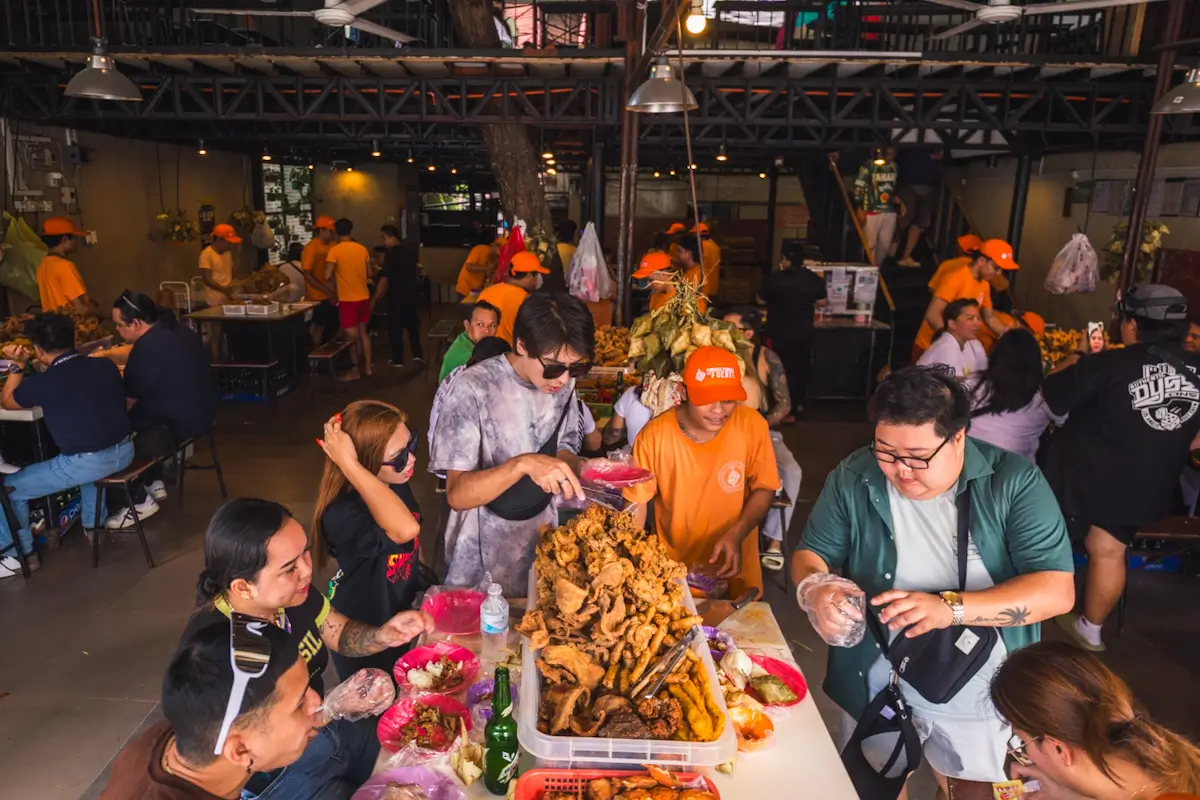
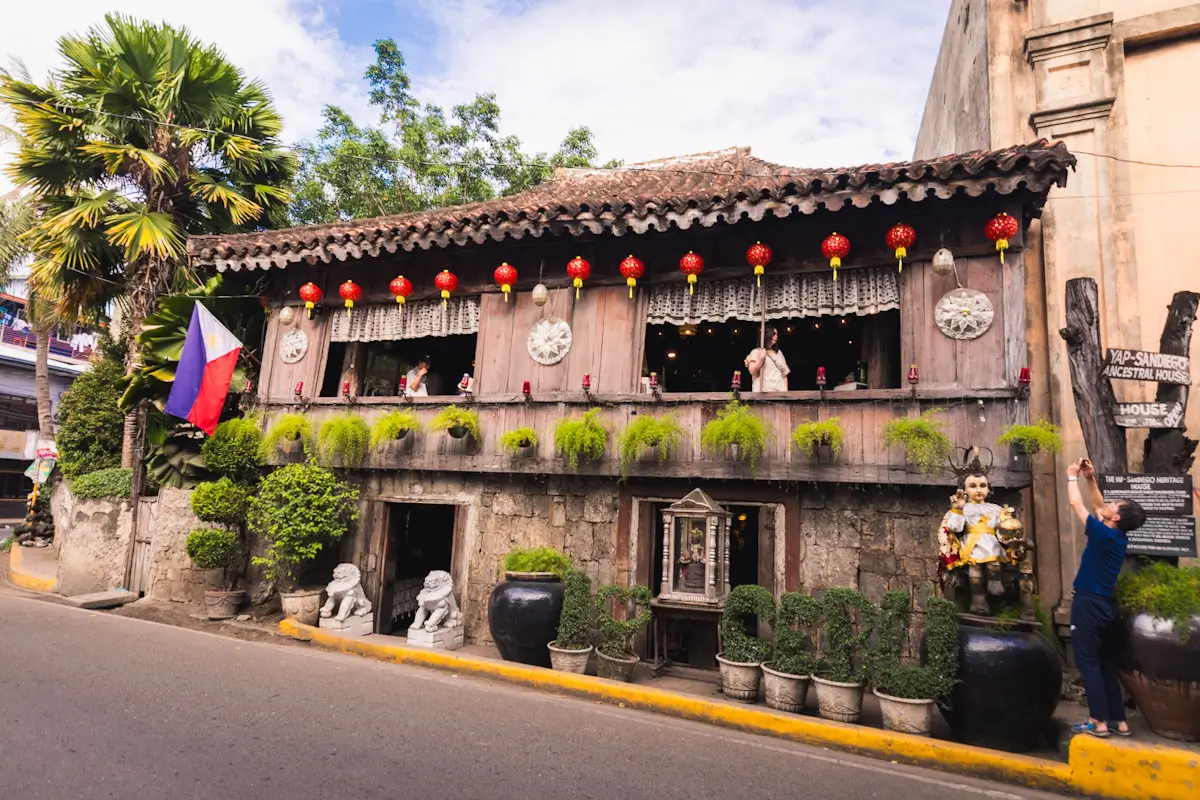
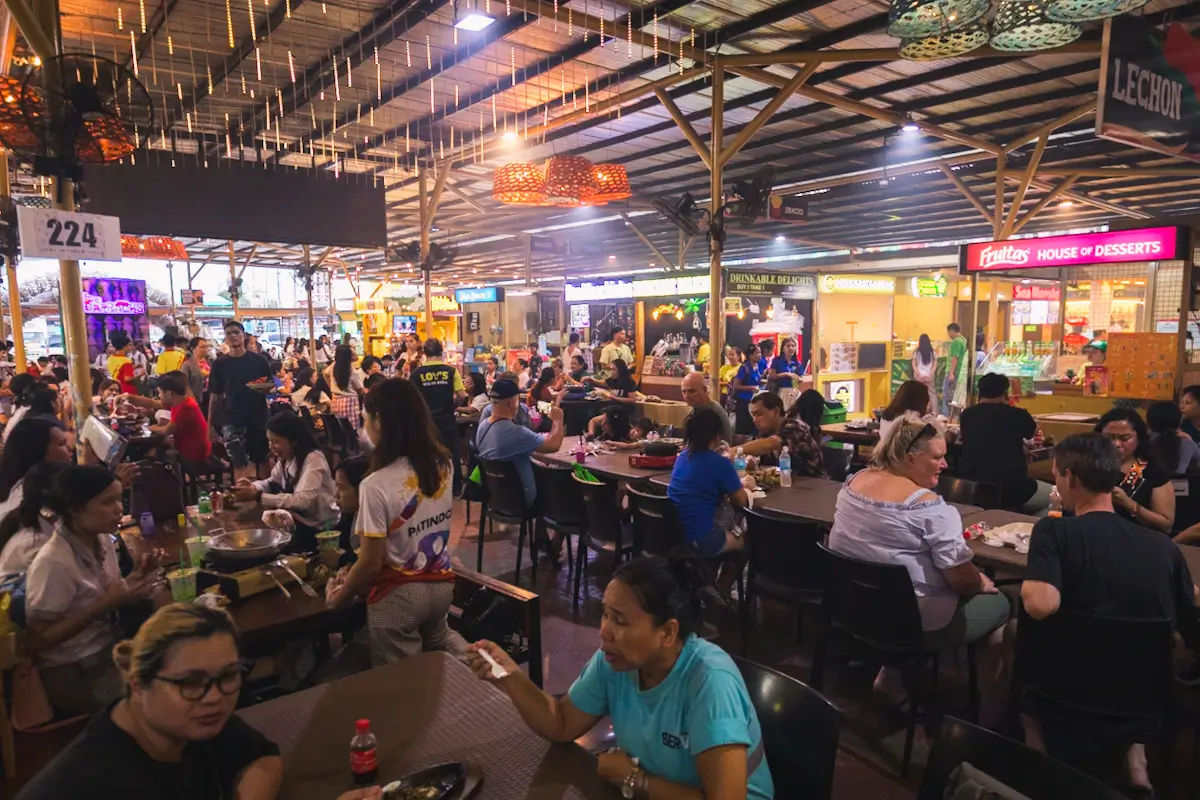
A lot of travellers completely skip Filipino cities, which makes sense if all you want is a beach vacation. But if you do choose to spend time in the city, or even if you’re just passing through, don’t waste it the way most people do. Too many tourists end up buying into the idea that literally the only thing worth doing in Filipino cities is sitting in mall food courts. Trust me, it’s not. The cities are where you’ll find the country’s best food, museums, art, and cafes. Do your research and plan out your time in the cities – make a list of street food you want to try, cafes, breweries, or restaurants you want to visit, and pick out a couple of galleries or heritage sites. A little planning goes a long way in making city time feel like part of your trip and not just a layover.
8. Eat Like a Local…
Start the day with a proper Filipino breakfast. A silog meal (garlic rice, a fried egg, and your choice of protein) is a staple you’ll find everywhere. Pair it if you can with barako coffee or a thick cup of tsokolate made from tablea cacao, both far better than the instant 3-in-1 packets you’ll see everywhere.
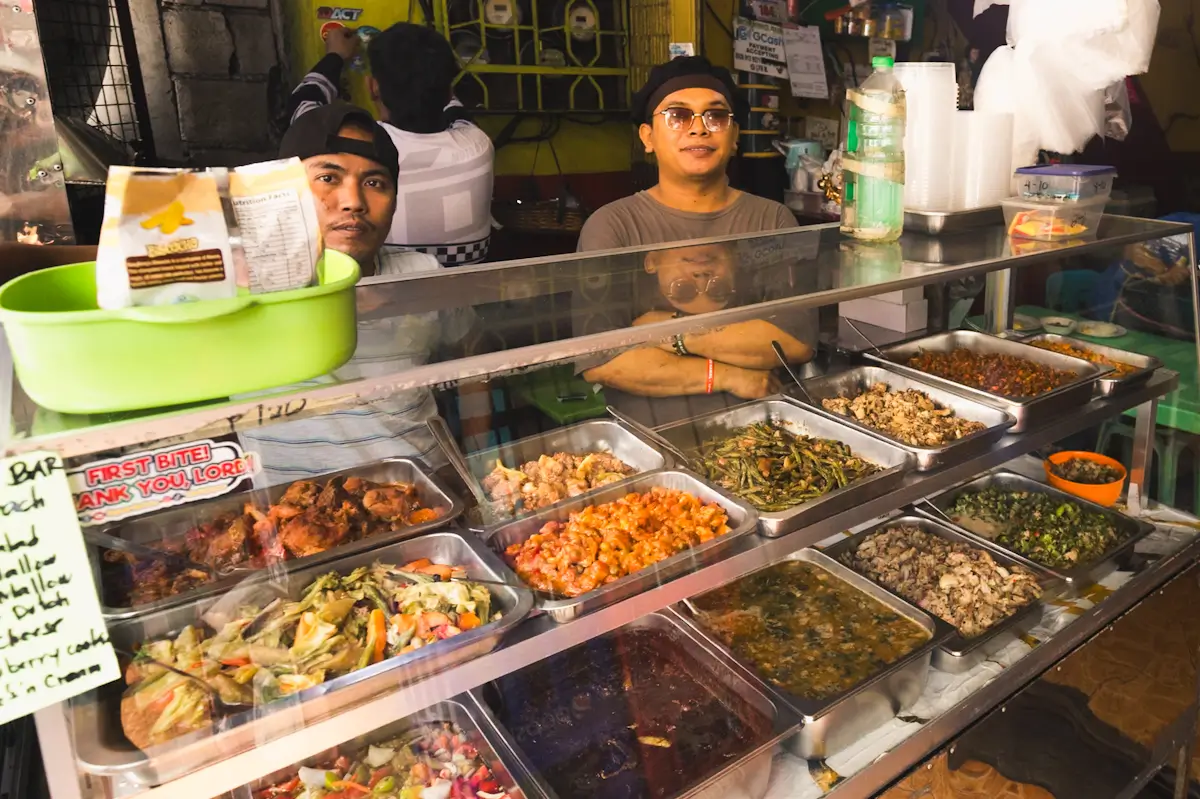
For lunch, head for a carinderia. These small family-run eateries serve food turo-turo style, meaning “point-point.” The day’s dishes are cooked in advance and laid out in trays, and you simply point to what you want – maybe adobo, menudo, pancit, or Bicol express. Prices are low and if you pick a busy spot where locals are eating, the food is genuinely fresher and better than what you’ll find in many restaurants.
For snacks or a quick bite anytime, stop at a panaderia. These neighborhood bakeries sell cheap breads like pandesal, ensaymada, and Spanish bread, always best eaten warm from the tray.
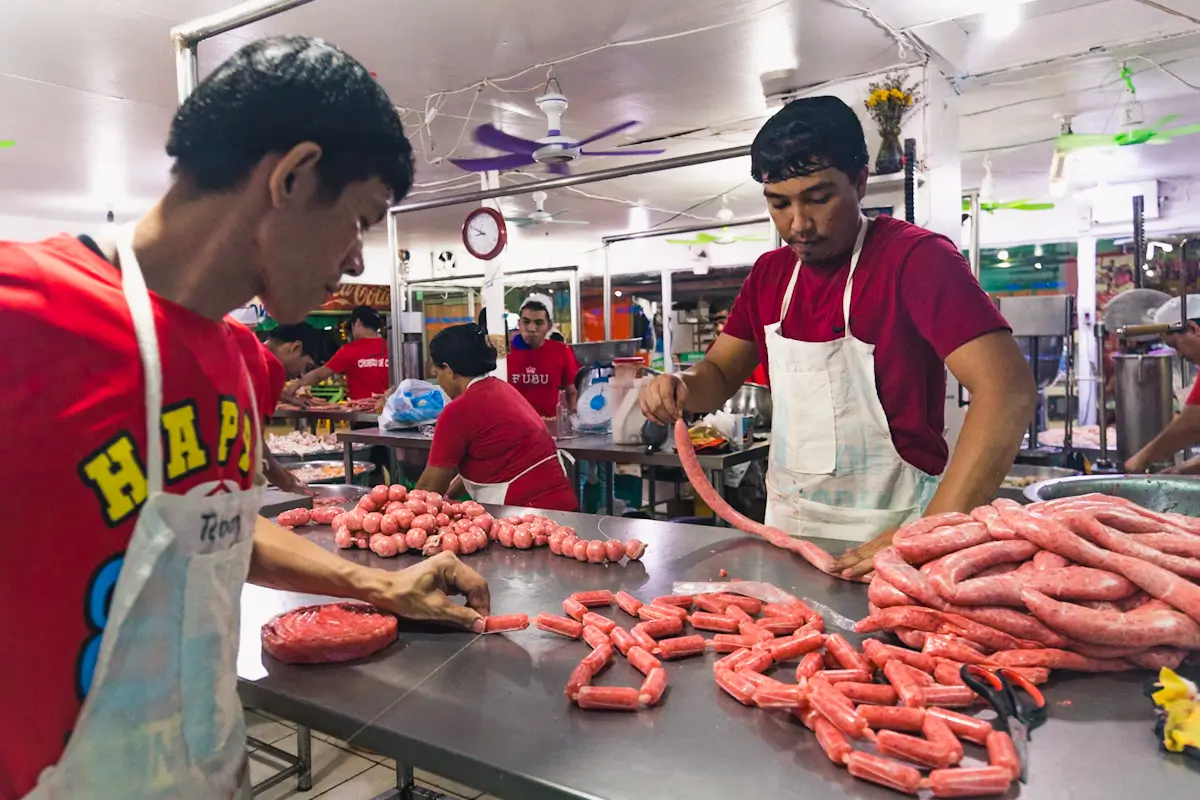
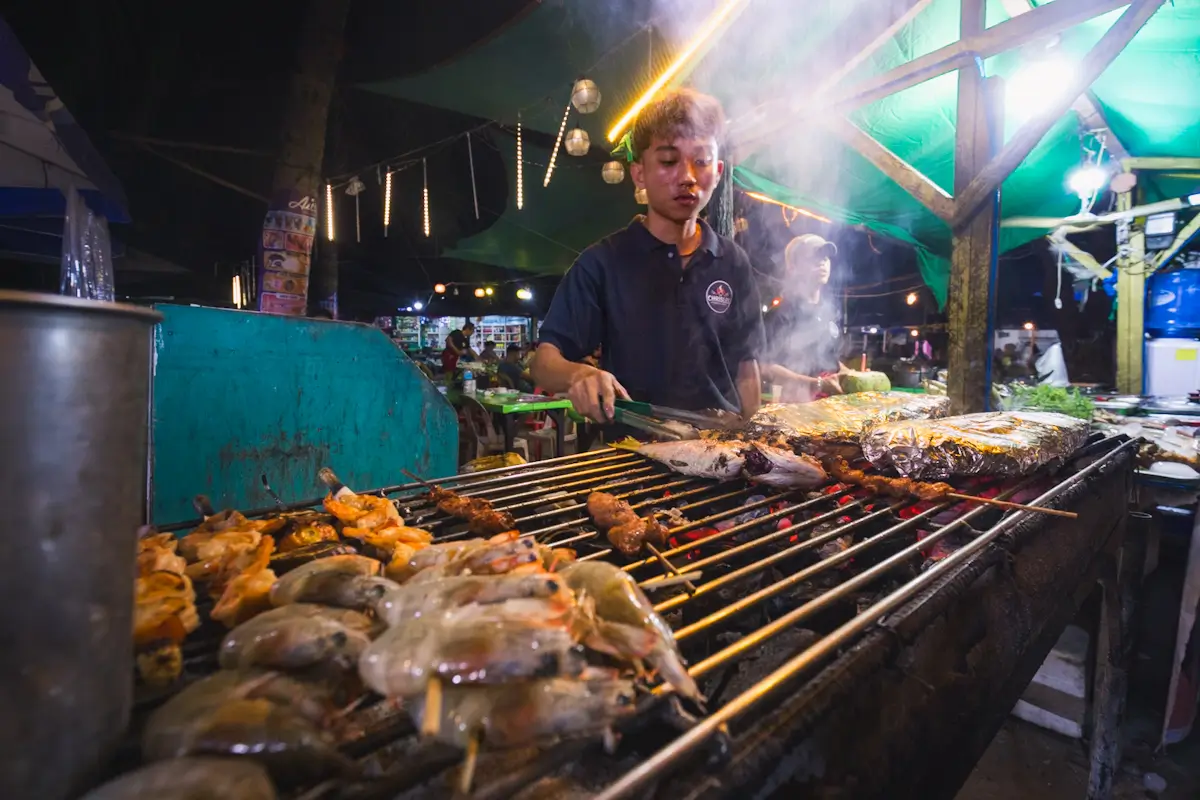
In the evening, follow the smoke to a BBQ stall. Inihaw, (Filipino-style barbecue) is everywhere, from night markets to makeshift grills set up on street corners. Meat skewers are glazed with a sweet, tangy marinade, and you can find anything from pork and chicken to organ meats like gizzard, intestine, and heart. Make sure you try isaw (chicken intestine). Everyone I’ve ever given it to has loved it.
And If you want to see how far Filipino cooking can go, Manila (and now Cebu) has fine-dining restaurants that take local ingredients and traditional methods and push them in new directions. Places like Toyo Eatery, Gallery by Chele, or Metiz serve multi-course tasting menus built around flavours you’ll recognize from the streets and markets, elevated through modern techniques.
9. …But Don’t Be a Dick About It
Imagine visiting a Filipino friend’s home. They offer you a choice between something Western they cooked just for you and the Filipino food they normally eat. You choose their food, take a bite, and then make a big show of how disgusting it is. Yikes.
Eating in someone else’s home comes with a responsibility to respect the food you’ve chosen to try, and the Philippines is the Filipinos’ home. Nobody’s forcing you to eat anything, but if you do, keep your reaction in check and don’t be a dick. This goes double for dishes that might be unfamiliar, like balut or organ meats. Just because it’s out of your personal comfort zone or to your taste doesn’t make it objectively gross or weird, and it definitely isn’t fodder for social media with a hashtag like #extremestreetfood.
You don’t have to love it, and you don’t have to finish it. But making a spectacle of how disgusting you find it in front of people who actually enjoy it is disrespectful. If it’s not for you, just quietly pass and move on.
10. Expect to Hear “Not Available Ma’am/Sir”
The Philippines runs on shaky infrastructure and unreliable supply chains, and as a result restaurants often have a number of dishes unavailable on a given day. It’s not even crazy for McDonald’s to be out of burgers. When you sit down at a restaurant and order don’t be shocked if you hear “Not available, ma’am/sir” in response. So then you try to order something else and are met with the same response. It might even happen a third time.
Annoying? Yes, definitely. But it’s the way things are here so all you can do is laugh it off and move on.
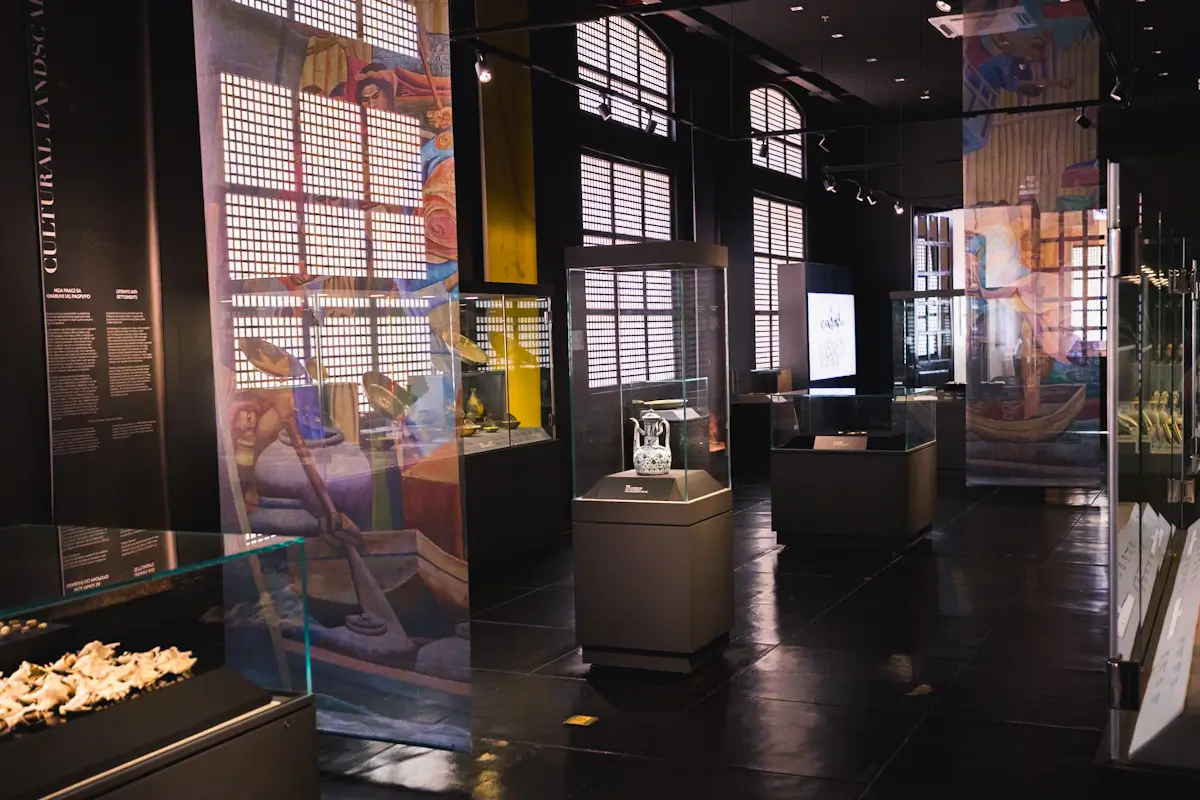
11. Don’t Wait for Your Server to Come to You
Customer service in the Philippines is hands-off. Unlike what I’m used to in Canada where servers always come up and check on you while your mouth is full, once your food is served in the Philippines, expect to be left alone. If you need the bill, more rice, or water, you’ll have to flag your server down. (“service water” is what tap water is referred to as FYI.) Getting a server’s attention requires being a little assertive and patient, but that’s just how it works.
Another note: It’s not unusual for restaurants to have dishes that are meant to be shared between four or five people, and portion size isn’t always clear. Servers typically don’t step in to help you out by volunteering the information that you’re ordering too much or too little, so it’s worth asking them outright if portion size isn’t clear.
12. Vegetarians Need a Plan
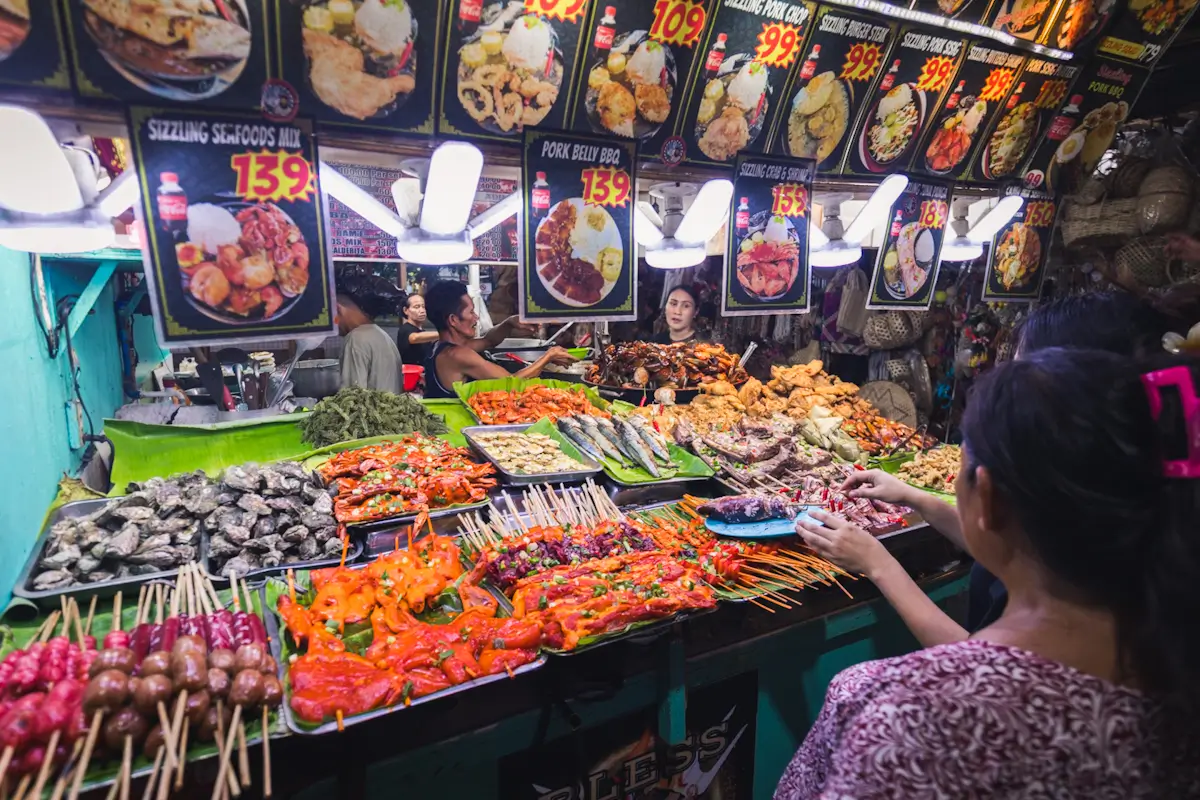
The Philippines isn’t the easiest place to be vegetarian or vegan, since most dishes are built around meat or fish, but it’s not impossible either. You’ll find plant-based staples like vegetable lumpia, pinakbet ,tortang talong, or chop suey, though it’s always worth clarifying you want them without fish sauce or shrimp paste. Public markets for simple ingredients are the safest bet: fresh fruit, peanuts, tofu, and kakanin (rice cakes) are cheap, filling, and available everywhere. Manila has a growing vegan scene, with dedicated restaurants and even a vegan weekend market, and you’ll also find a small scattering of vegetarian and vegan spots through the rest of the country. Once you get into the province, options thin out, so it helps to carry your own snacks and be ready to explain clearly what you can’t eat.
13. Maybe Avoid “Selfie Sites”
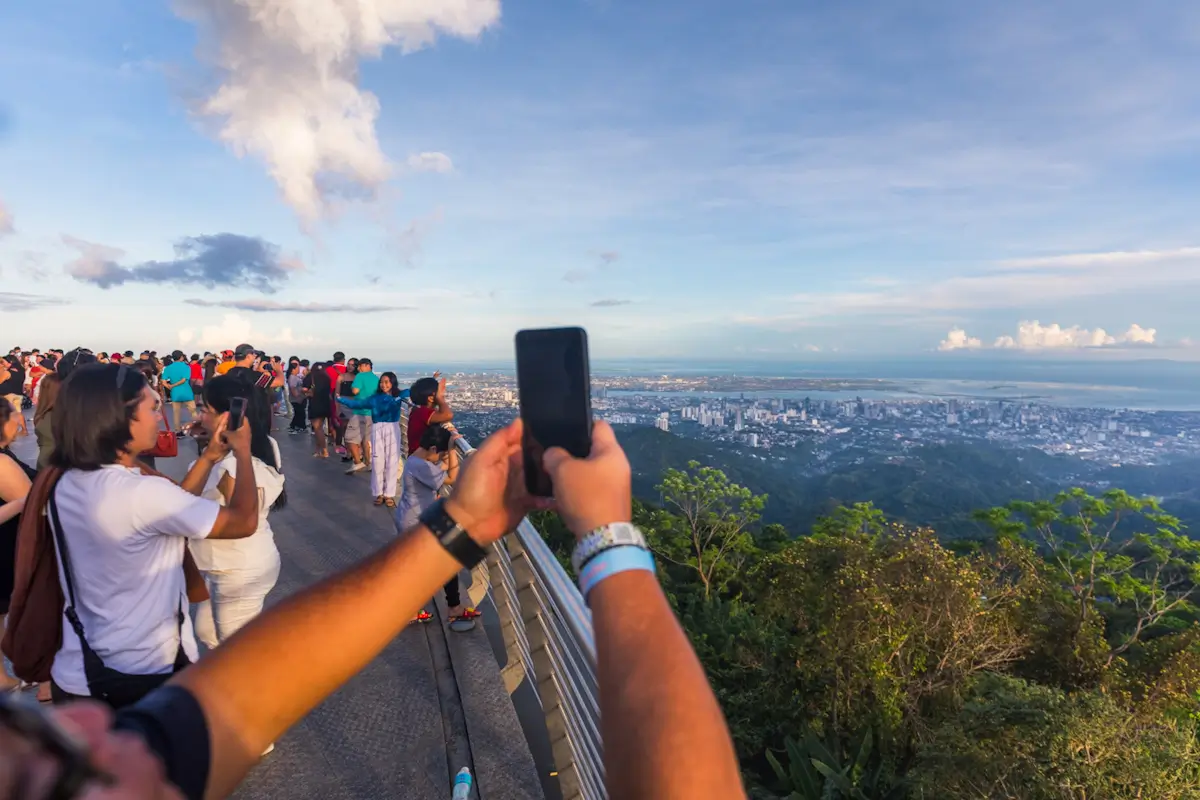
Filipinos love to take selfies, and because of that you’ll find a whole category of attractions built for domestic tourists to take photos. These range from “selfie gardens” with colourful props to cheap concrete knock-offs of European castles and landmarks. They’re wildly popular with Filipinos, which means they often get bundled into tour packages aimed at foreigners too. If you’re hoping for attractions with cultural depth, you might come away disappointed—so check your itinerary in advance if you’ve booked a package, and ask for changes if needed. The same thing happens with restaurants, cafés, and cocktail bars – places blow up among locals because they’re Instagrammable, but the food or drinks don’t measure up. Don’t judge a place by how pretty it looks – do a little research first, or you risk wasting time and money on style over substance.

14. Don’t Give Money to Kids
In the Philippines you’re going to see poverty, and sometimes that means kids begging near tourist areas. It feels harsh to walk past them, and handing over a few pisos might look like a way to help with food for the night, but NGOs generally advise against it. Children rarely get to keep that money, and once families see that kids can bring in income on the street, school stops being a priority. Without education, those kids are trapped in the same cycle of poverty as their parents. If you want to help kids eat, the better way is through charities that run feeding programs and make it easier for kids to go to school – this way children get meals without being incentivized to beg on the street. Some of my favourite charities doing good work in the Philippines include Project Pearls, which provides food, classes, and health care in poor communities. Humanility takes in children from the streets and provides them with stable housing and education. World Vision Philippines runs sponsorship programs that cover school fees and family support. The Haribon Foundation focuses on conservation projects that also create sustainable jobs in local communities.
15. Littering is Bad (Who Knew)
Garbage is hard to miss in the Philippines – you’ll see it on sidewalks, in rivers, even along beaches. That doesn’t mean you should add to it. The issue is often a lack of bins and infrastructure, so be ready to hang on to your trash until you find somewhere to throw it out. It can feel inconvenient, especially if you’re carrying bottles or food wrappers around longer than you’d like, but suck it up. Don’t contribute to the problem.
16. Don’t Trust the Fixers at Terminals
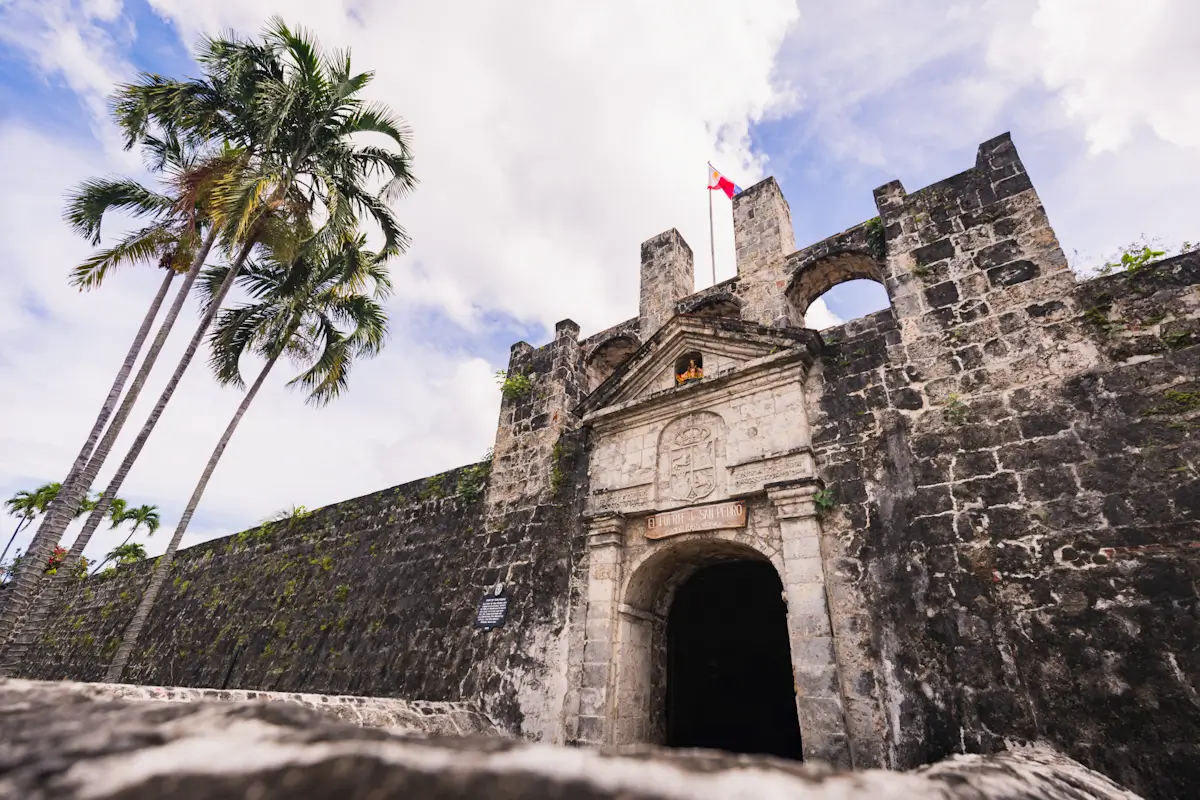
When you step out of a taxi at a bus or ferry terminal, expect to be swarmed by Filipinos frantically asking you where you’re going and telling you that you’re too late, the boat’s full, or that you won’t get a ticket without their help. These are fixers. What they’ll actually do is tell you that they know a back door way to get a ticket, they’ll buy your ticket from the counter and then hand it to you at double the price. They thrive on panic, especially during weekends and holidays when lines are long and boats really do sell out. Remember that actual employees will never run up to you – they’ll be behind a counter looking bored and as if they actively don’t want to interact with you. The strategy is simple: walk straight past the fixers, and head straight to the counter.
17. Get to the Airport Early and Prepare to Suffer
Airports in the Philippines suck, and so do the airlines. Delays are normal, check-in counters crawl because there’s only one staffer handling a line of two hundred people, and the terminals themselves are uncomfortable and stuffy. Don’t expect working air-con, decent seats, or anything to make the wait easier. Get there early, have a movie downloaded, and be ready to tough it out. On top of that, you’ll need to pay terminal fees: around ₱390 for domestic flights and ₱950 for international. Keep some pisos on hand when you fly out, because you don’t want to get stuck scrambling for cash at the airport. (ATMs? Why would they have those?)
18. Rent a Scooter, But Don’t be Stupid
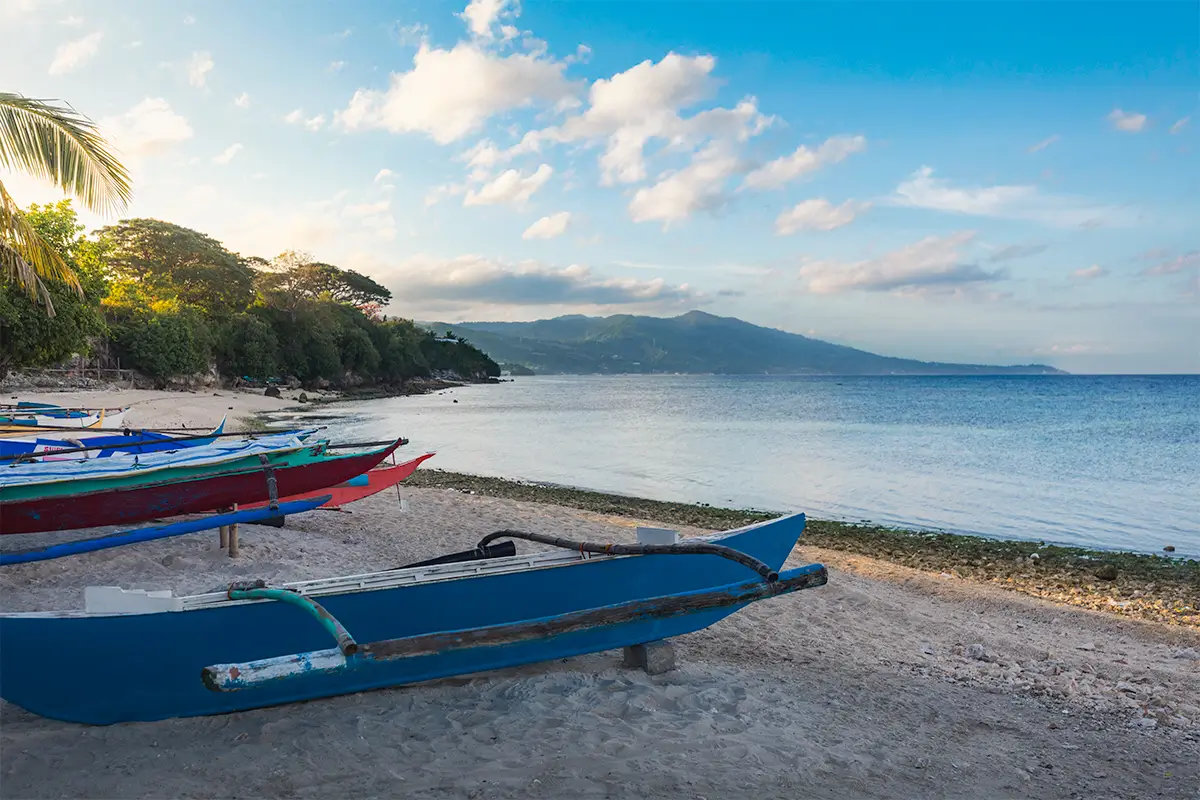
Renting a scooter in the province is one of the best ways to see the Philippines. Depending where you are, prices run from ₱300–₱500 a day (though you can usually negotiate a little if you’re renting for a week plus), and it’ll give you the freedom to explore instead of being stuck on a van tour that only hits the obvious stops. It’s usually not difficult to organize a rental through your accommodation, but there are also rental shops as well, and people waiting to rent scooters when you arrive at most ferry terminals. You’ll need to leave ID and show a license, and before you drive off, and it’s wise take a full video of the bike so you don’t get charged for old damage when you bring it back. Always wear a helmet when you park, lift up and close the seat over the helmet strap so it can’t be stolen. Don’t underestimate the risks – it’s a vehicle, on the road, and you can die. Common advice is to keep an eye out for dogs on the road, which are one of the most common causes of accidents. Personally I’ve been in a pretty bad accident with a chicken, so I guess the lesson is danger can come from everywhere.
19. Book Flights and Rooms in Advance
The Philippines isn’t like Thailand or Vietnam where you can just show up and wing it – last-minute options are usually more expensive or already full. You’ll save yourself money and stress by booking flights and accommodation in advance. This means that plans often have to set ahead of time, which may be annoying, but it is what it is. I like to use Booking.com as much as possible when booking stuff, as most places allow you to cancel up to 48 hours in advance, meaning that I still get some flexibility in my plans. Scooters and island hopping tours can also be arranged ahead of time by contacting your accommodation or Facebook messaging private shops or island hopping guides. It can be nice to have these things locked in but they’re also not strictly necessary; they can also almost always be organized with just a days notice for the same price.
20. Everything Runs Through Facebook
Don’t expect businesses in the Philippines to have websites, because they don’t. Everything runs through Facebook. Meta partnered with local telecom companies to make Facebook free, so in the Philippines Facebook basically is the internet. That means businesses live and die on their pages, but the pages themselves are often a mess. A place might have closed last year but still shows as “open,” or it could reopen after months and not bother posting about it. Some don’t update menus or prices for years, if they share these things online at all.
21. If You’re Like Me, Buy a Fan
I run hot, and even with air-con in a hotel room I still end up needing a fan. The good news is you don’t have to lug one from home – every town in the Philippines has a public market, and you can buy just about anything there. Markets sell the usual snacks and sunglasses, but they’re also the place to pick up a cheap foldable fan that plugs into the wall and clips onto your bedside. They cost very little, last your whole trip, and make a big difference when the air-con is shared with the rest of your hostel room and someone keeps on setting the temperature to something stupid hot and you wake up covered in sweat AAARGH. I usually pick one up at the start of my trip and use it everywhere I go before passing it along to someone in a hostel just before I leave the country. Share the love.
22. Eat Fruit
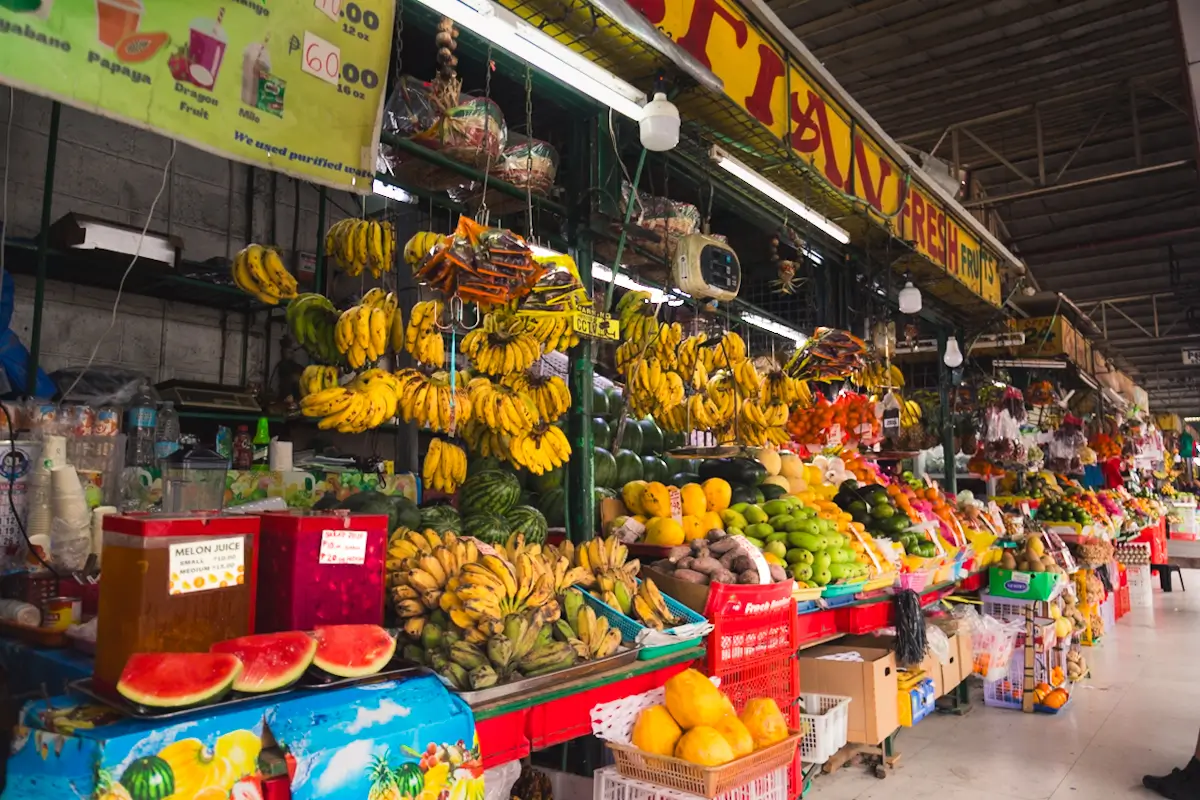
If you don’t try the delicious and fresh fruit the Philippines has in abundant supply then you’re doing something really really wrong. Roadside fruit stands and public markets are hard to miss with their colourful displays of fruit laid out for astonishing prices. Try the mangos of course, and the bananas, but also try whatever fruit you don’t recognize. (Actually, if you’re unfamiliar with a fruit it’s not out of the ordinary that the vendor might offer you one to try for free). Mangosteen, lanzones, chico, star apple, and rambutan are all seasonal highlights worth trying if you spot them. Fruit shakes are also commonly available with meals – usually you can find mango and banana, sometimes buko (coconut). I highly highly suggest venturing a little further and checking out the fruit shake stalls that can be found in every single mall in the country – they usually have at least a dozen additional options you can choose from, from avocado to green mango to grape to lychee.
23. Don’t Be a Creep
If someone walked into a park back home and started photographing children they didn’t know that would be pretty creepy right? But put those same kids in another country and make them brown and suddenly travellers think it’s fine. It isn’t. You’ve seen the posts of creepy foreigners posing with groups of local kids, captions about how “authentic” the experience was, all for likes. It’s exploitative and weird. Children here are not props for your feed. If you want to take a photo of someone for your feed, generally ask first. And if they’re a minor, maybe just don’t. If you wouldn’t do it at home, don’t do it abroad. Actually, that’s a good rule for everything.
24. Buy Pasalubong, Not Junk
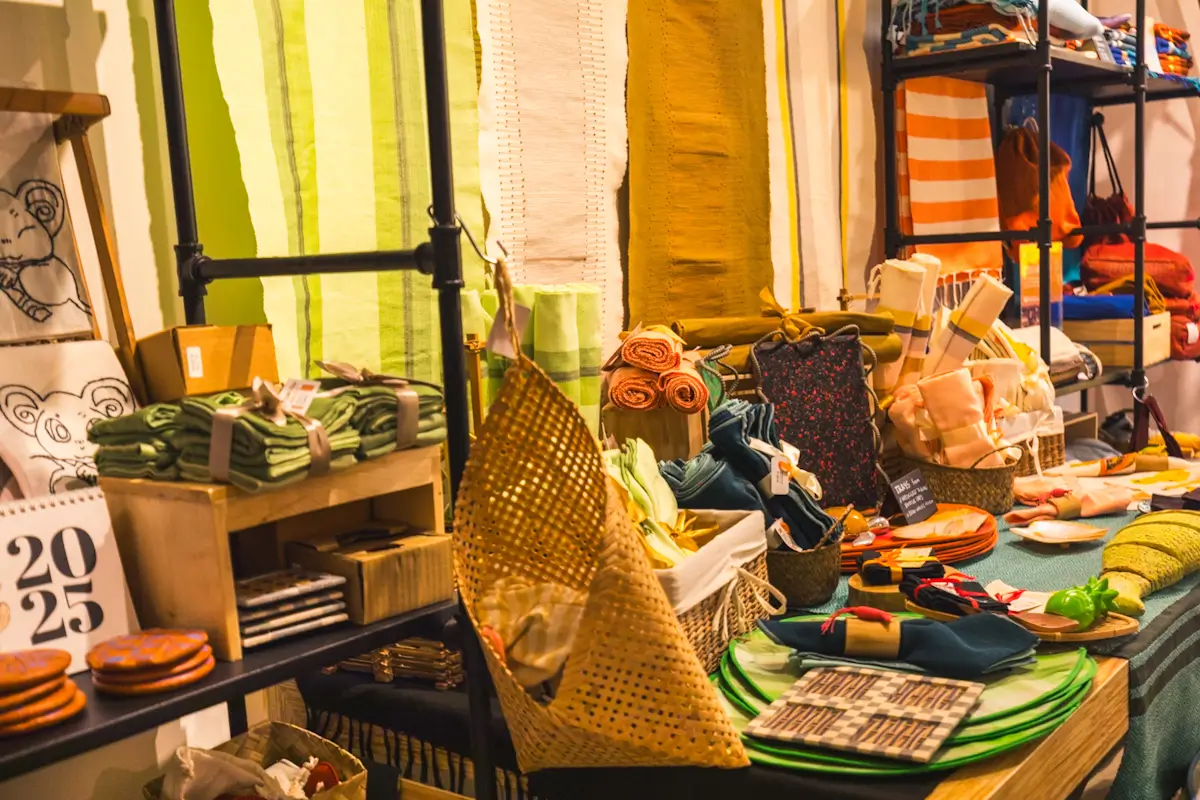
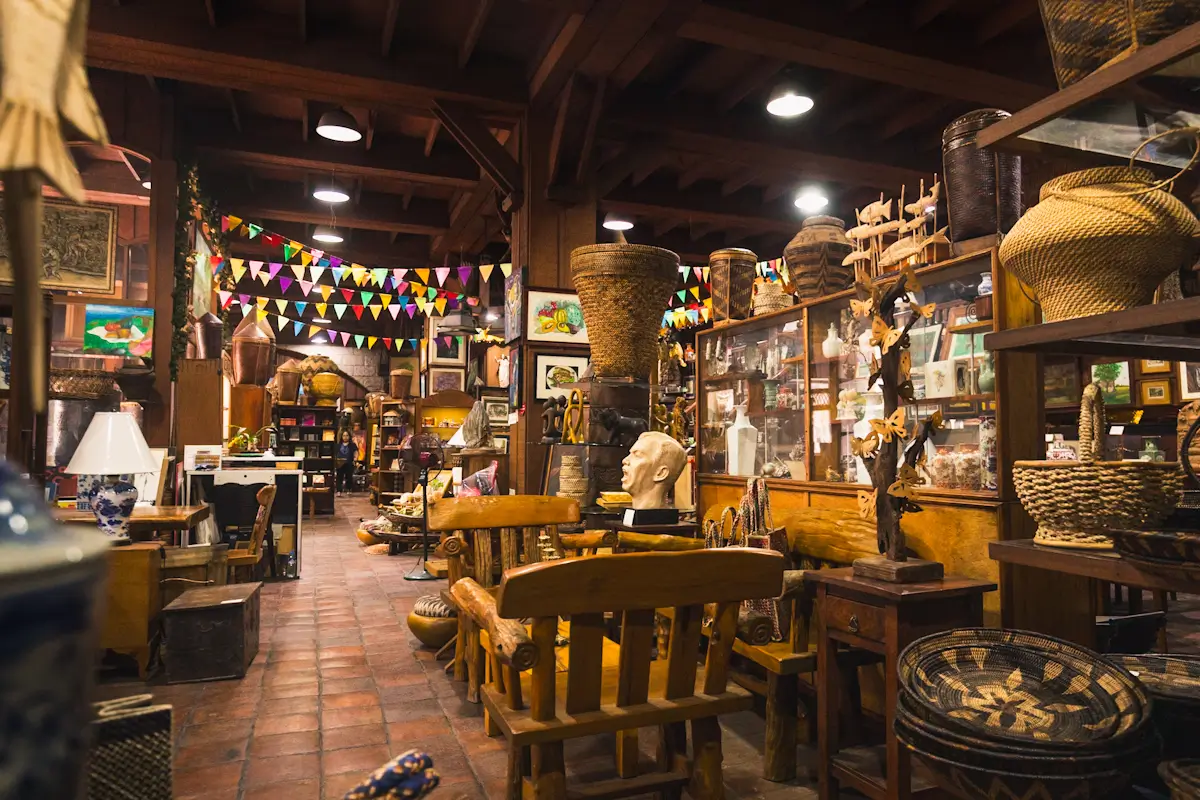
Don’t waste your money on the same cheap, made-in-China trinkets you’ll see everywhere. Souvenirs in the Philippines are pasalubong, and the good stuff is made locally. Coffee from the Cordilleras, tablea chocolate from Cebu, artisanal sea salt from Ilocos, small-batch lambanog (coconut sap liquor) or tapuey (rice wine), hand-woven textiles, shell or silver jewelry, wood carvings – these are the things worth packing in your bag. Every big city has a Kultura Filipina store, which makes it easy to find Filipino products under one roof, but smaller markets and independent shops like Ritual in Dumaguete, HoliCOW in Cebu, or Purveyr Plaza in Manila are just as good and often better. Buying local pasalubong means you take home something unique, and the money goes back to the people who made it.
25. Tourist Restaurants Aren’t Great
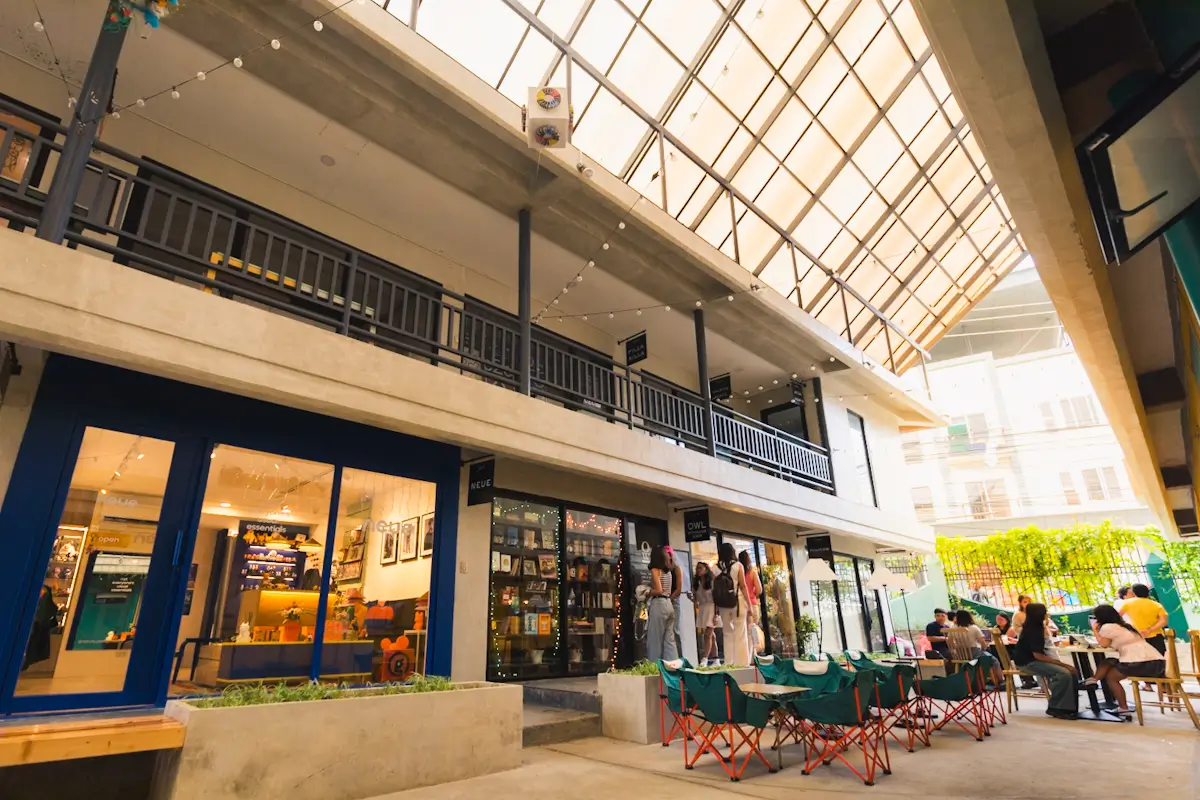
Restaurants in tourist towns with expansive picture menus that serve a bit of everything – pizza, burgers, Thai, Korean, and then a section labelled “Filipino food” – are almost always bad. The clue is right there in the menu: if they have to tell you it’s “Filipino food,” it’s not a place locals are eating. And if you’re selling food to people who are only passing through, getting repeat customers with quality food is a waste of effort. While the international stuff on the menu might suck, the Filipino dishes are more often than not completely inedible. After all, non-filipinos probably don’t know the difference? I don’t know the rationalization here, it’s just a pattern that I’ve noticed time and time again Too many first-time visitors make the mistake of trying their first adobo or sinigang in one of these spots and leave thinking the whole cuisine is bland. It isn’t – they’ve just chosen one of the worst restaurants in the country. If you want to try Filipino food (please do!) seek out Filipino restaurants – no burgers on the menu.
26. Skip the Zoos and Unethical Tours
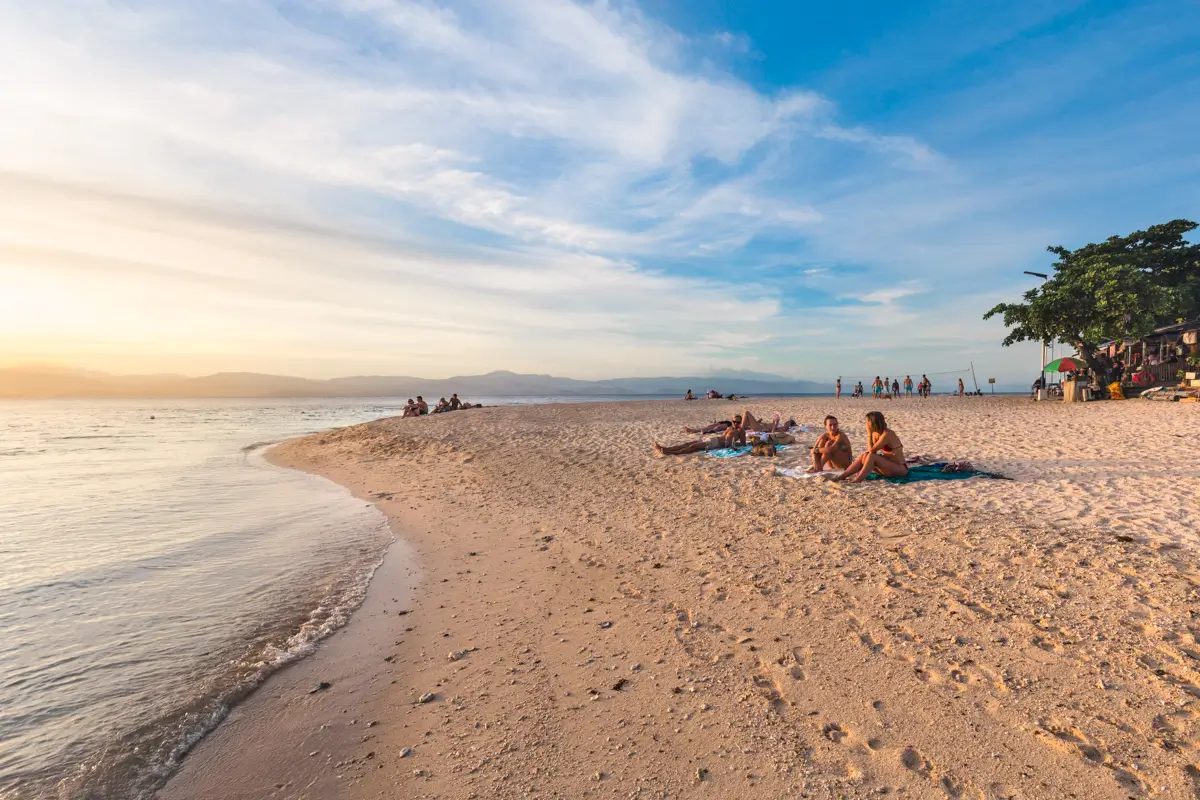
Zoos in the Philippines are not something you need to visit. They’re usually underfunded roadside attractions with concrete cages, sick animals, and instagrammable experiences that are just animal abuse. A common gimmick is letting tourists pose with baby crocodiles, monkeys, or civet cats – animals that are often drugged or yanked away from their mothers. It might make you look like a super cool animal lover on Instagram, but it’s cruel and depressing once you know what’s going on. These places stay open because foreigners and local tourists especially keep paying to see them. If you want a real wildlife experience in the Philippines, skip the zoos and spend your time snorkelling, diving, or visiting marine sanctuaries where the animals are actually in their natural environment. That way your money goes to conservation, not exploitation.
Considering diving with whale sharks? Whale shark tours in much of the country are just as bad. The sharks are hand-fed every day to guarantee sightings, which wrecks their migration patterns and keeps them from roaming and breeding naturally. It also teaches them to approach boats, and nearly every shark ends up covered in scars from propellers and hulls. Open cuts make them vulnerable to infection, and the stress changes their behaviour permanently.
27. Bring a Waterproof Bag for Island Hopping
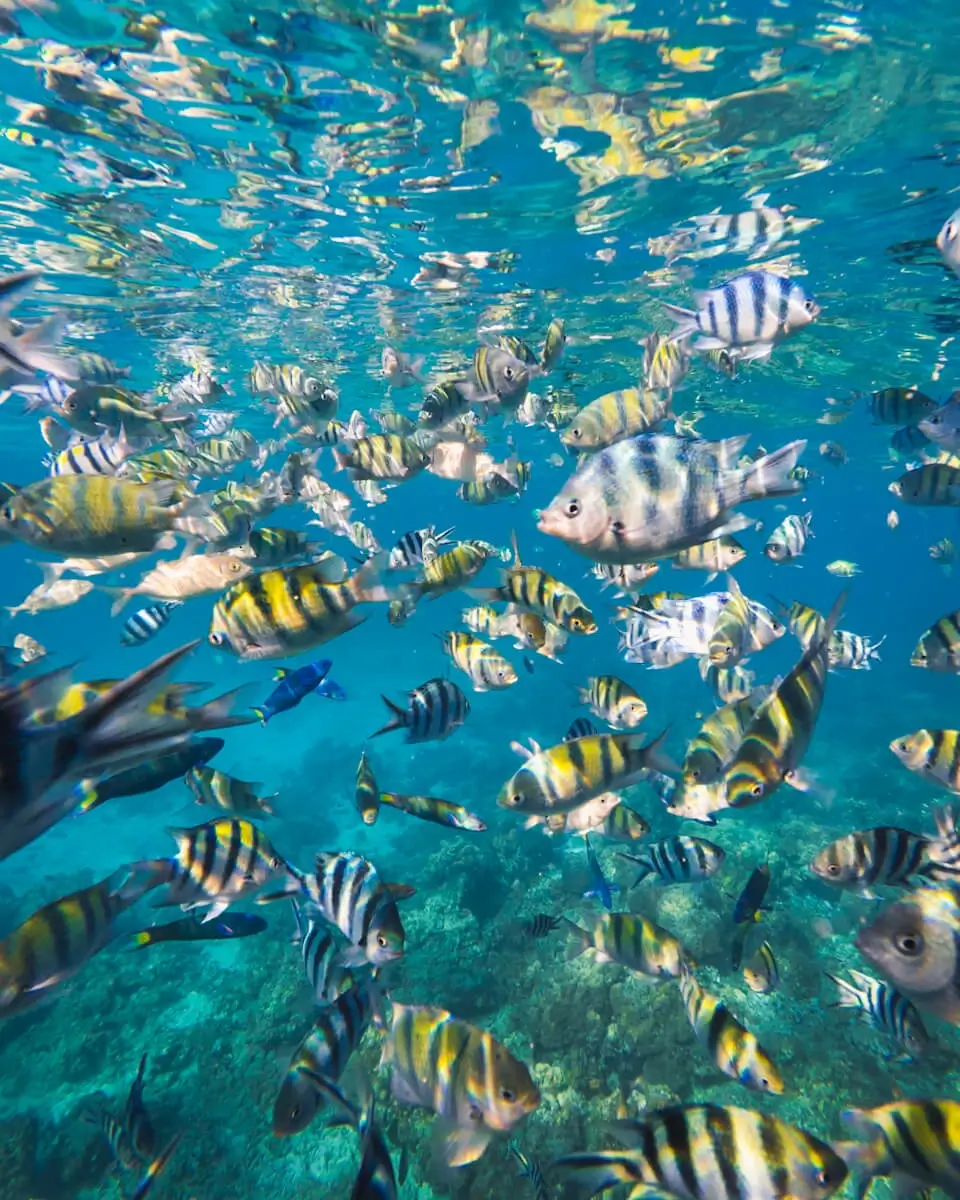
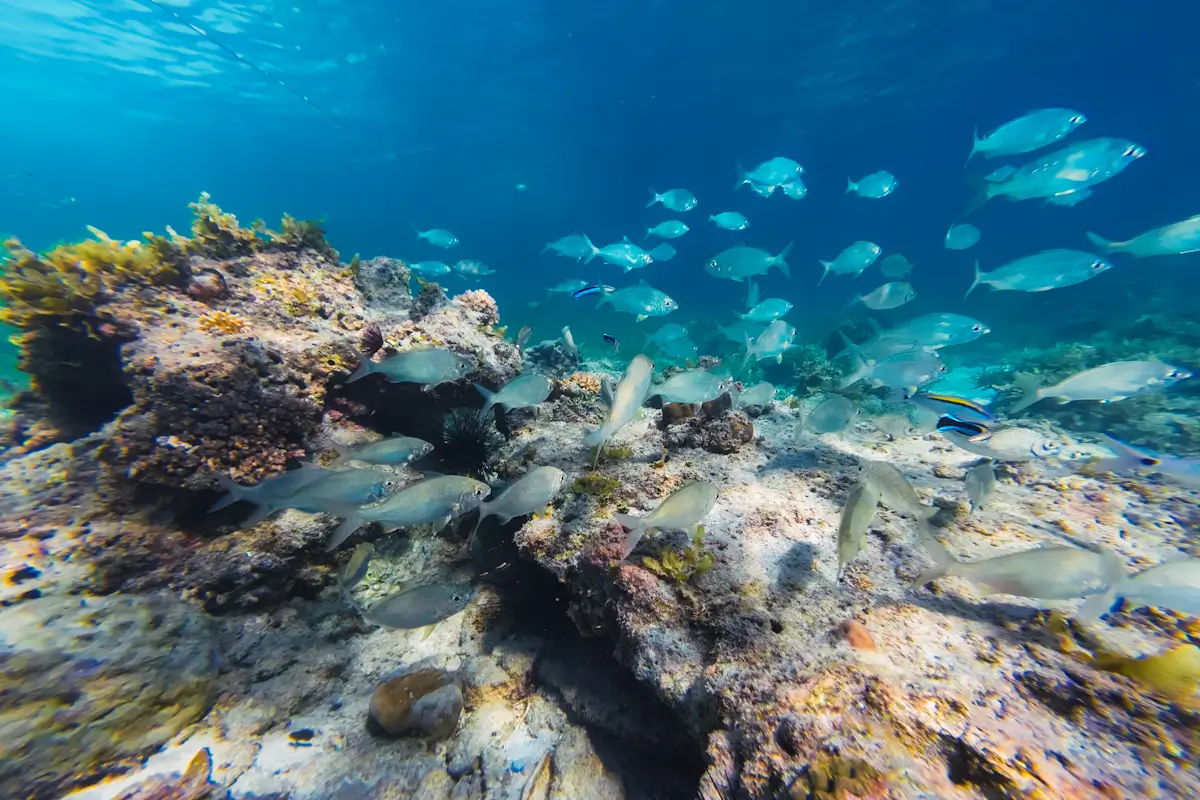
Island hopping is one of the best things to do in the Philippines, even if the name is a little misleading – it’s a general name for a boat tour so not every stop will necessarily be it’s own island. You’re going to get soaked from ocean spray, so bring a waterproof bag for your phone, camera, and anything else that can’t get wet. Wear a rash guard too. The sun bounces off the water and will fry you fast, and a day out on the boat can leave you looking like a cooked tomato. Snorkels and flippers are usually available from the boat captain for a small extra fee, so you don’t need to lug your own gear unless you really want to.
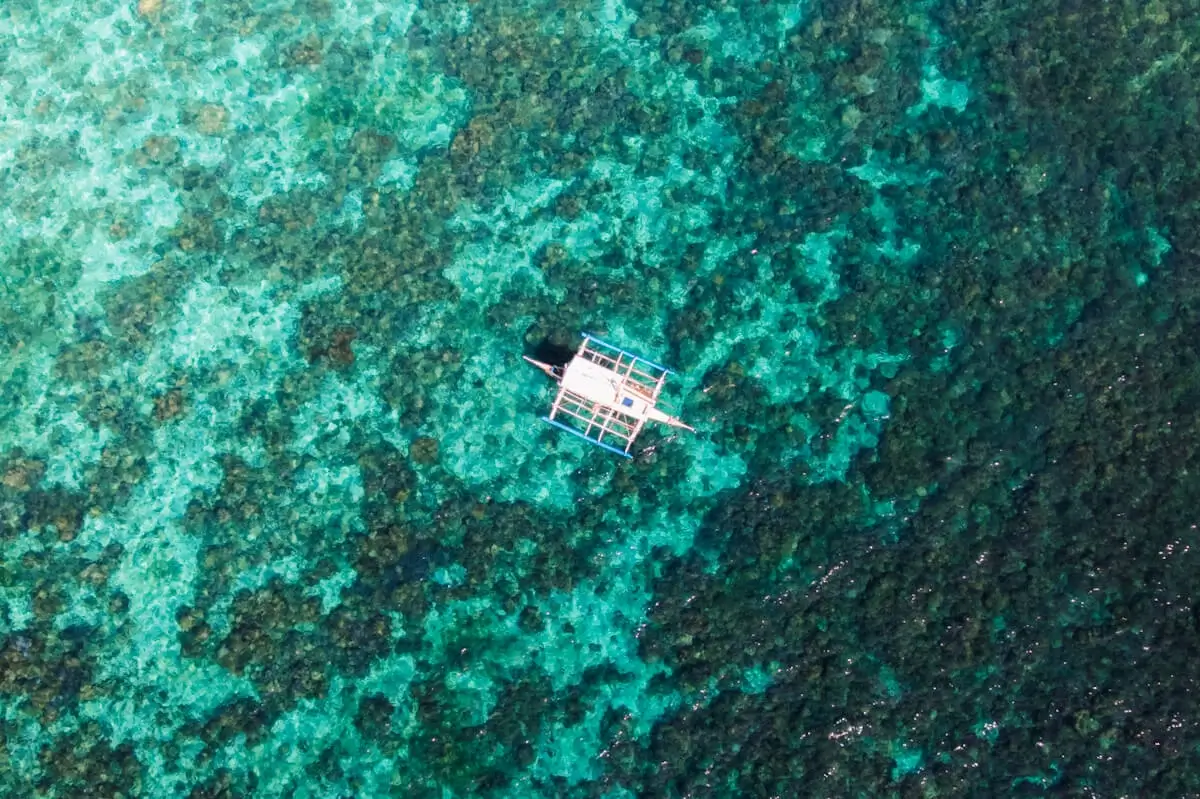
28. Keep Your Fins Off the Coral
The Philippines still has coral reefs worth seeing, but they’re fragile and disappearing fast. A lot have already been wiped out by anchors, dynamite fishing, and careless tourists. The biggest rule is simple: don’t touch the coral. Don’t stand on it for photos, don’t grab it, and don’t kick it with your fins. Even a small bump is enough to kill it. If you’re not a strong swimmer, wear a life jacket so you float above instead of crashing down on the reef. A rash guard is the easiest way to protect yourself from the sun without harming the reef, since sunscreen of any kind washes off into the water. “Reef-safe” sunscreen is a marketing gimmick – there’s no regulation on that label, and studies show even so-called safe formulas still damage coral. Cover up instead and keep the lotion out of the ocean.
29. Know When to Tip
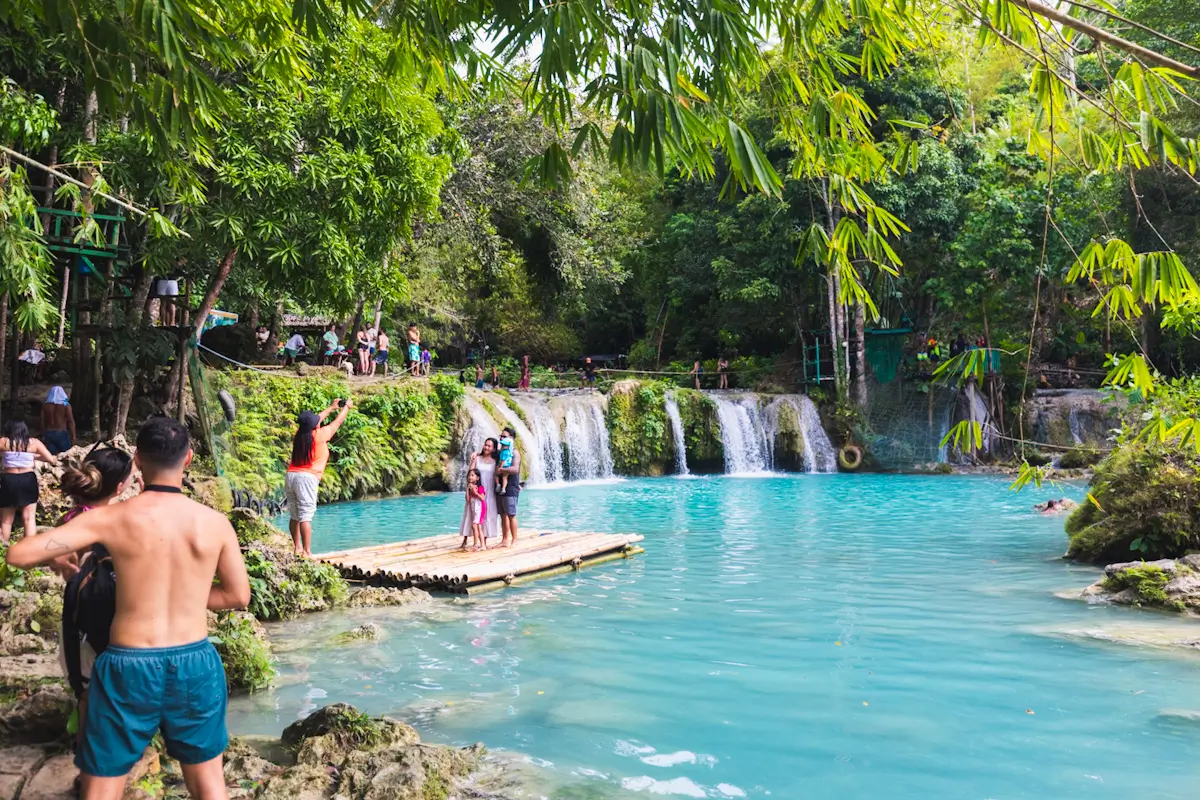
Tipping isn’t standard in restaurants in the Philippines, but it is expected for guides. On a boat tour or a hike to a waterfall, ₱50 per person is the absolute minimum, but I usually give a hundred or two, more if it’s private or the guide really put in the effort. With scooters, you’ll often come back to find someone has covered the seat to keep it from baking in the sun, helped you park, or kept an eye on the bike. Hand them ₱20–₱50 and toss out a “salamat po”.
30. Make a Difference
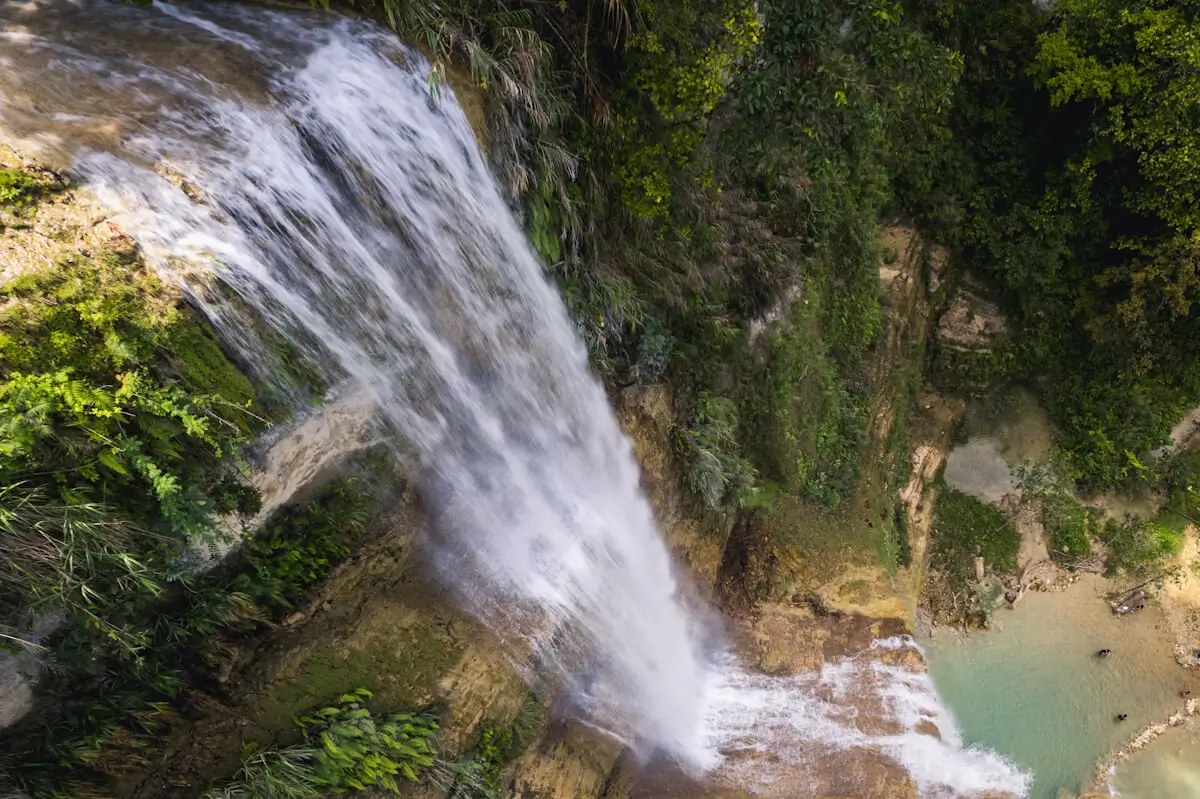
Locals will often try to give visitors the experience they think tourists want, and sometimes that’s not a good thing. If travellers act like all they want is a pretty Instagram shot, then locals will pour concrete around waterfalls, feed fish to lure them in, or cut down trees to build tacky restaurants – because that’s what sells. As a visitor, you set the standard. If you show that you value the natural beauty and authenticity of a place, locals are more likely to protect it instead of exploit it. Always pay entrance and guide fees – these usually fund local conservation and provide jobs. Take it further by giving a small donation and clearly saying it’s for preservation. Even a couple hundred pesos can make a difference, and asking how the money is used shows people that tourists actually care.
One of the worst examples of tourism gone wrong is fish feeding on boat tours. It might look harmless, but it does have an impact on an already-threatened ecosystem. Feeding fish changes their behaviour and pulls them away from their normal diets. That means algae that should be eaten can grow out of control and smother coral. It also leaves nests unguarded while fish rush to the food, and predators move in. When people throw bread or rice in the water, fish can’t digest it properly and can actually starve. On top of that, feeding fish lets coral predators like crown-of-thorns starfish grow unchecked, since the fish that normally eat their eggs aren’t grazing the reef anymore.
Ask for the experiences you want, and don’t be shy about refusing the ones you don’t. If tourists stop paying for practices that damage the environment and start rewarding conservation, the industry will shift. You have more power than you think in shaping how tourism works in places like the Philippines.