Framed by iconic peaks and known for biking, skiing, and a strong sense of local life, this Kootenay town holds onto its authentic charm even as it draws a steady stream of outdoor travellers.
Fernie sits in the heart of the Elk Valley in southeastern British Columbia, surrounded by sharp peaks and deep forests. It’s maybe my favourite BC mountain town – tourist-friendly but not fake, with a downtown that serves locals as much as visitors. While it’s best known for deep winter snow and steep ski runs, Fernie is just as much of a draw in summer and fall, when the trails, rivers, and ridgelines open up for hiking, biking, and exploring without the crowds you’ll find in the more overdeveloped resort towns. Cough cough Banff.
This valley has been home to the Ktunaxa Nation for thousands of years, long before the arrival of European settlers. The Ktunaxa followed the Elk River and its tributaries seasonally, hunting, fishing, and gathering along well-traveled routes that connected what is now British Columbia, Alberta, and Montana. The colonial history of Fernie, like many mountain towns, began with resource extraction – first through coal mining and later through forestry – which reshaped the valley and brought waves of workers from around the world.
These days, Fernie balances its working-class roots with a strong outdoor recreation culture. There’s world-class skiing and snowboarding in the winter, and in the warmer months, a huge network of trails for hiking and mountain biking. The Elk River is popular for fly fishing and floating, and the old-growth cedar groves in nearby valleys are worth the detour. Downtown, you’ll find Fernie Brewing Co., Fernie Distillers, and plenty of cozy cafes and shops to round out a day outdoors.
In this guide, I’ve detailed all the best things to do in Fernie. If I’ve missed something (and I probably have), feel free to let me know.
When to Visit Fernie
The best time to visit Fernie depends on whether you’re coming for hiking or skiing, because unlike many mountain towns, Fernie has two distinct high seasons. Summer runs from late June through September, when alpine trails are mostly snow-free, mountain bike networks are at their best, rivers are warm enough for paddling, and patios fill up with hikers and cyclists. July and August bring the warmest weather and busiest trails, while September offers cooler temperatures, fewer people, and some of the year’s best hiking conditions. October is when the Elk Valley’s larches usually turn gold, though Fernie doesn’t see the larch craze that Kananaskis does.
Winter is every bit as important to Fernie as summer. Fernie Alpine Resort is one of the largest ski resorts in the Canadian Rockies, and the town fills with skiers and snowboarders from December through March. Deep snowfall, tree skiing, snowshoe trails, fat biking, and cross-country skiing keep the valley active throughout the season, giving Fernie a winter energy that many mountain towns only experience during summer.
Spring and late autumn are the shoulder seasons. April, May, and November can bring a mix of rain, snow, mud, and rapidly changing conditions as the valley transitions between seasons. Lower elevation trails often open first in spring, while November marks the start of ski season as snow begins accumulating in the surrounding mountains.
Where to Stay in Fernie
Best Things to Do in Fernie
1. Hike to Fairy Creek Falls
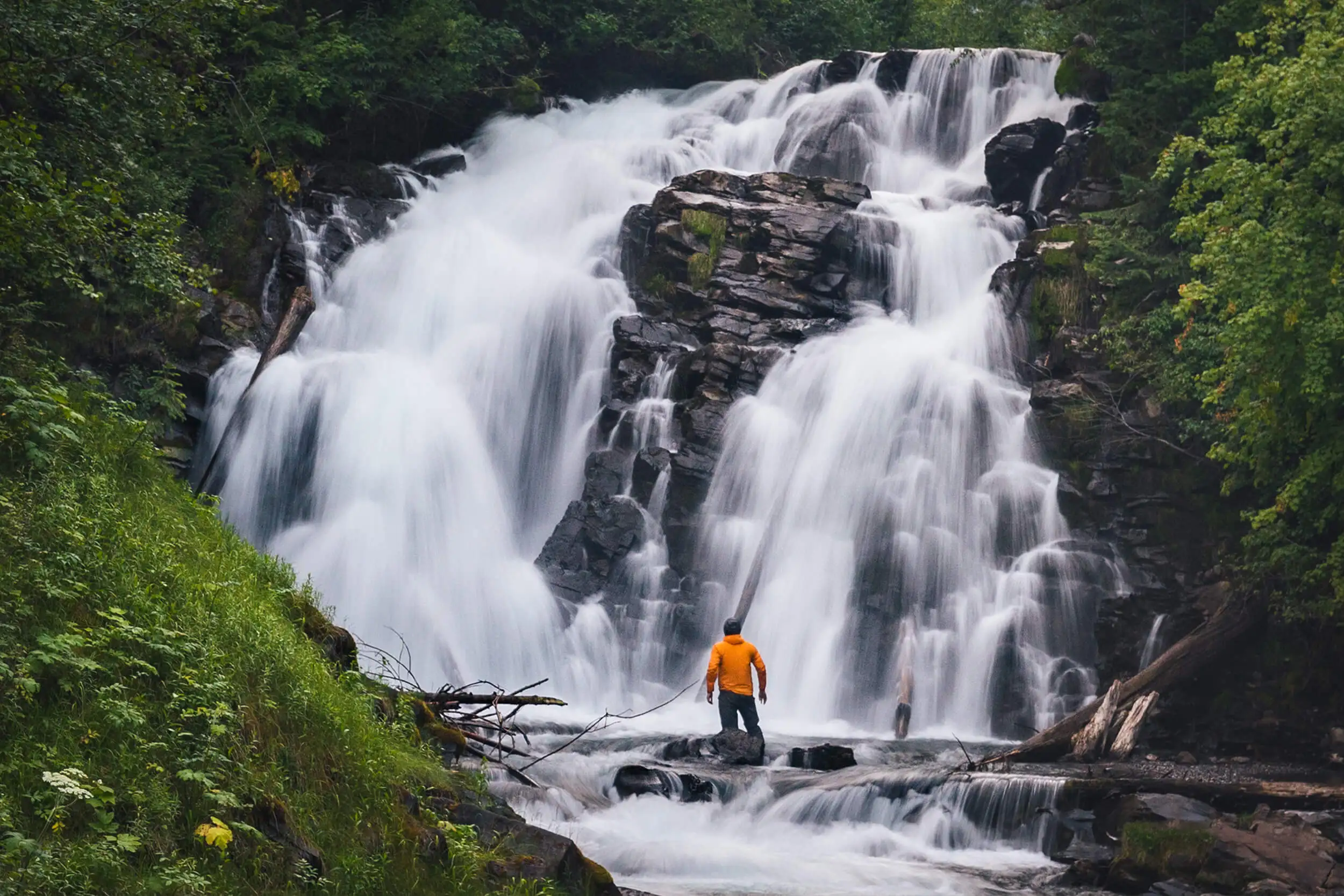
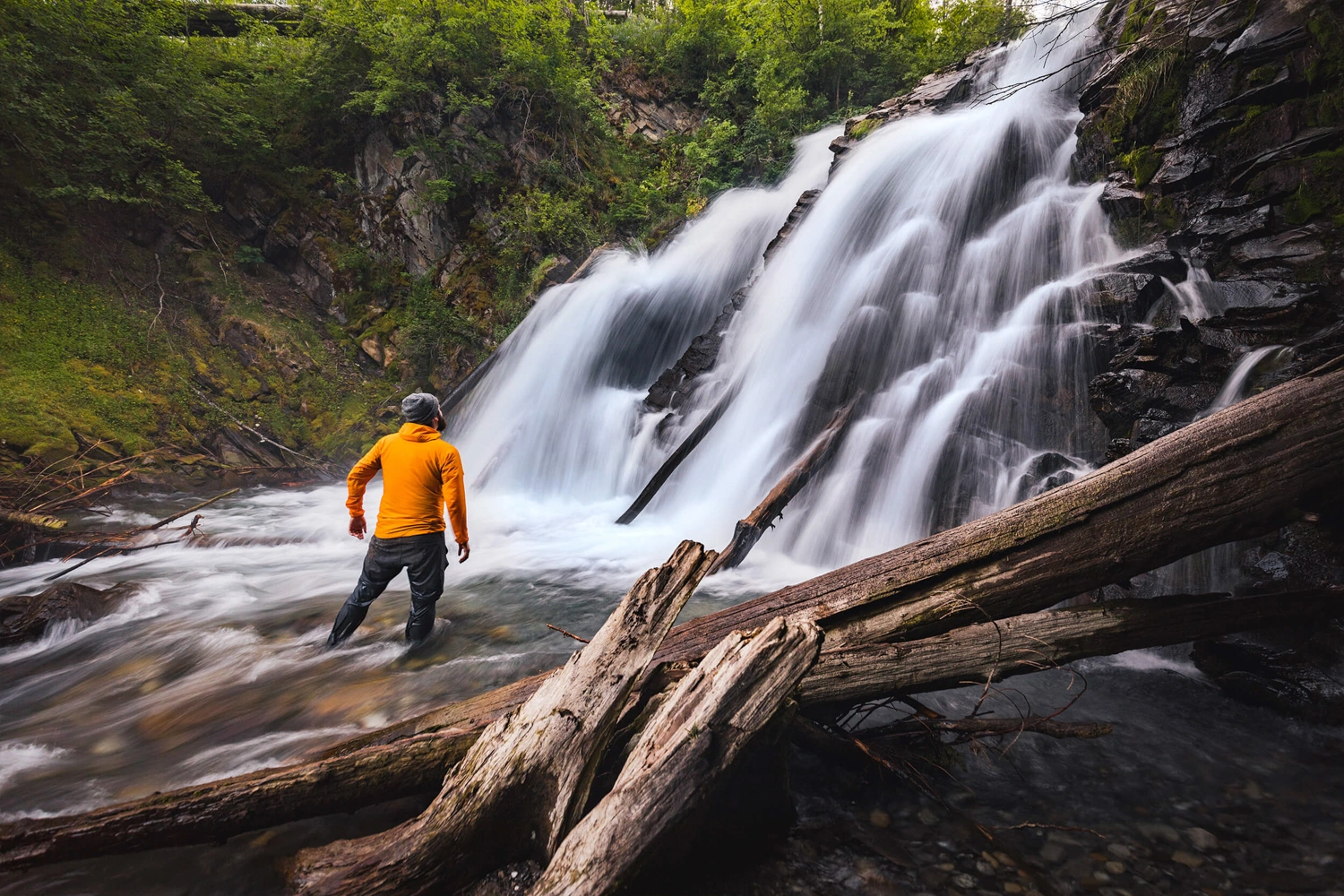
Ask any local for a hike recommendation any Fairy Creek Falls will be at the top of the list. This waterfall is one of the easiest hikes to work into a Fernie trip, starting right by the Fernie Visitor Information Centre on Highway 3. The largely level trail follows Fairy Creek through forest on the lower slopes below Mount Proctor, with a few roots and slightly uneven sections, and takes less than an hour to reach the waterfall, so you’ll see plenty of families and other visitors on the trail. The base of the waterfall is nice and shallow, making it he perfect place to take a dip especially on a nice summer day.
2. Have a Flight at Fernie Brewing Co
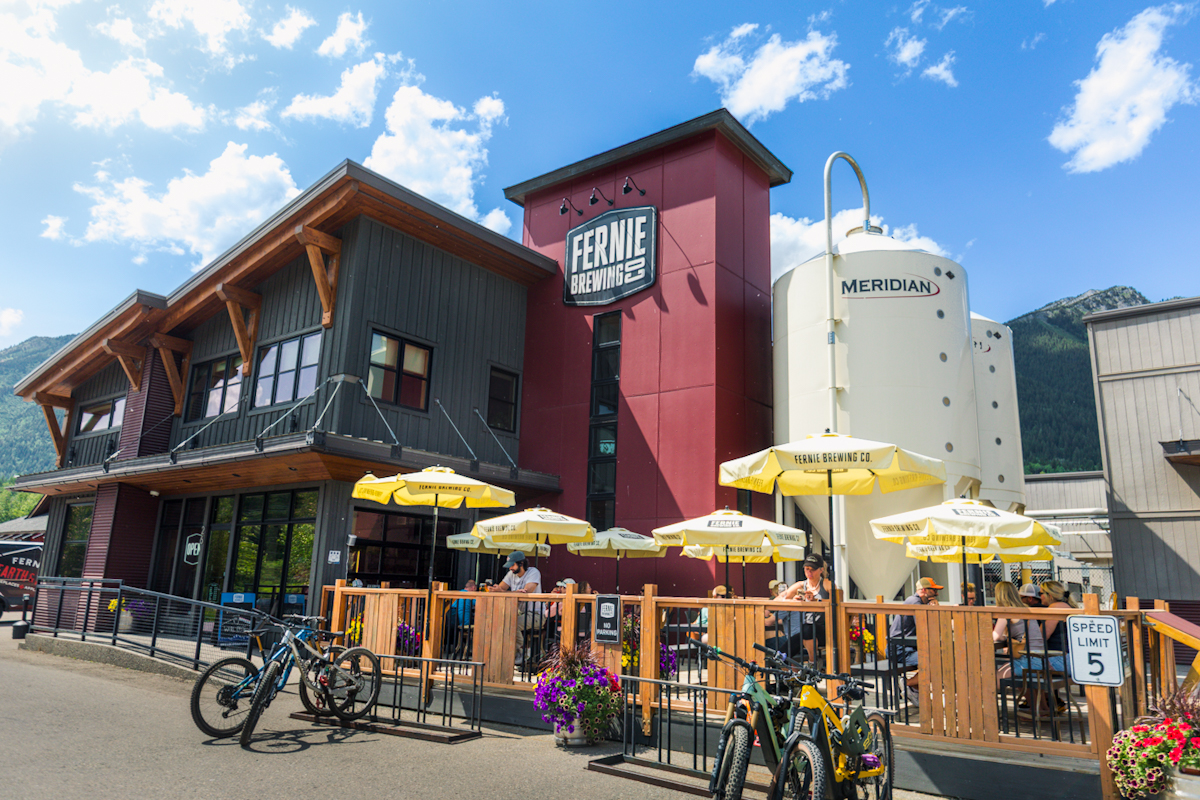
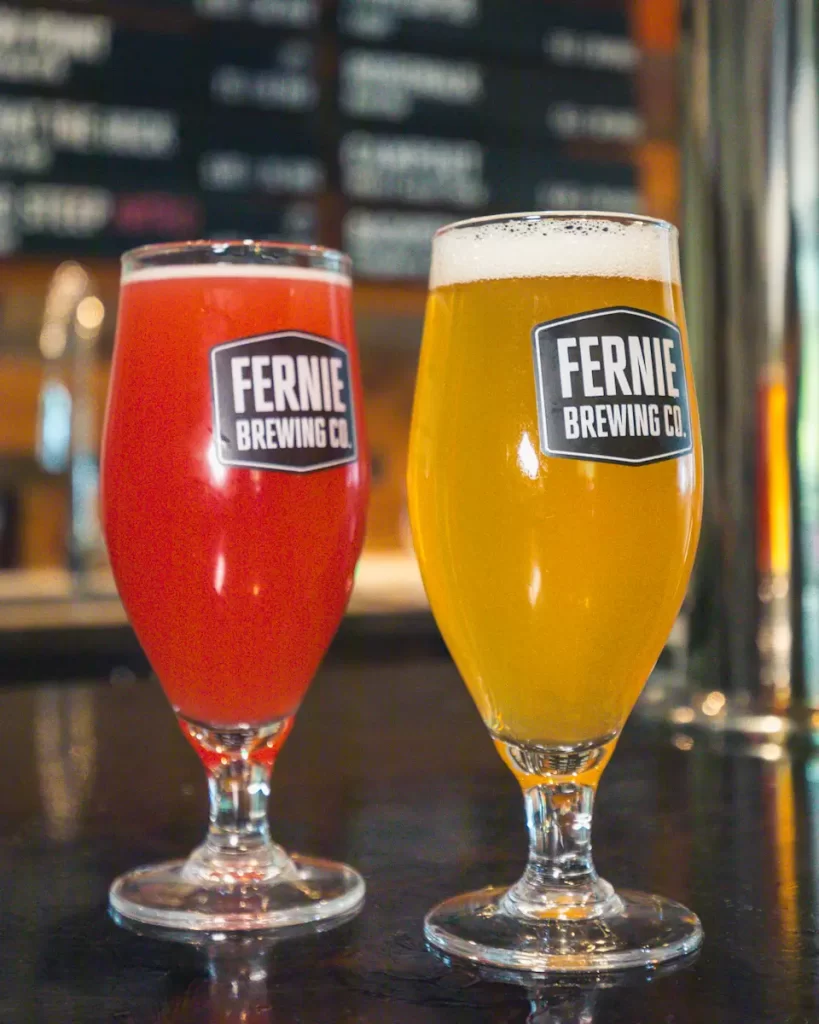
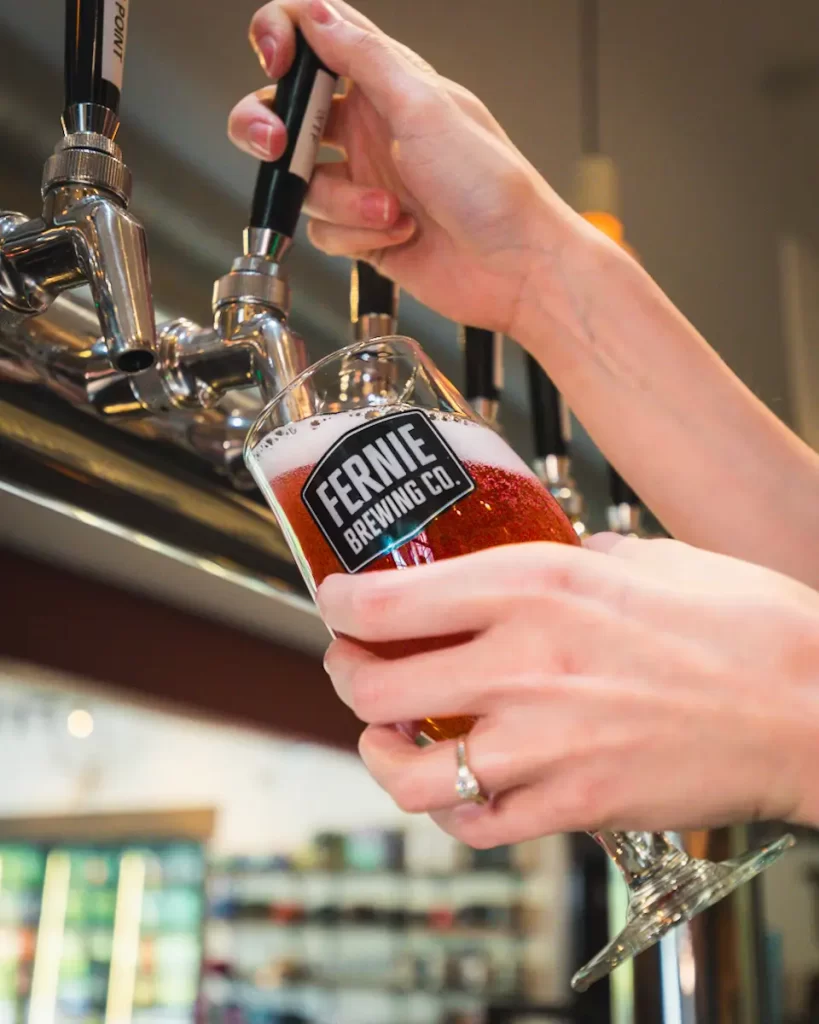
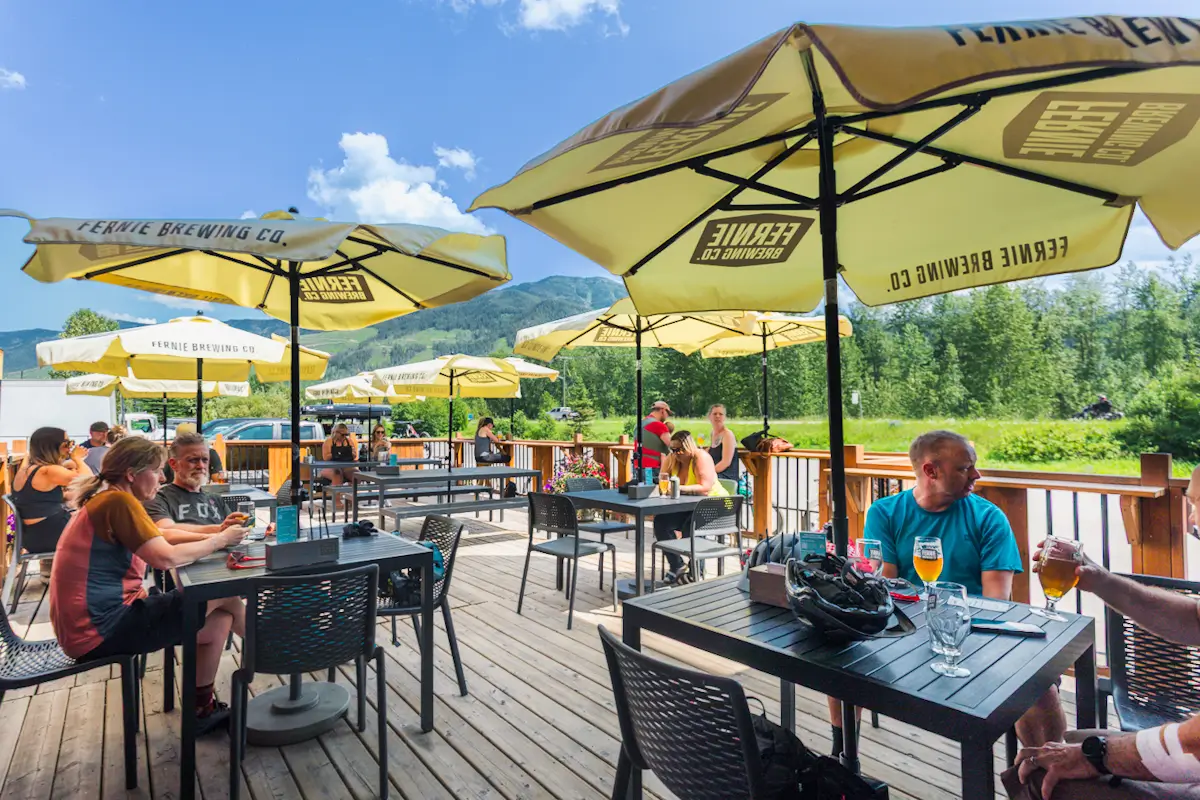
Fernie Brewing Co. was started in 2003, first operating out of the Pask family barn before moving in 2007 to its purpose-built brewery just off the highway outside Fernie. The brewery is now one of BC’s most recognizable, with its beers being sold nearly all the way across Canada to people who couldn’t find Fernie on a map. The lineup covers easy-drinking trail and ski-town beers as well as rotating seasonal releases, with the most popular being the What the Huck Huckleberry Wheat Ale, Project 9 Pils, and Hit the Deck Hazy IPA. The tasting room is consistent with many of BC’s small town brewery tasting rooms – nicer and larger than you’d expect for such a small town, but as warm and friendly as you’d hope. In fact, I’ve yet to find any brewery that locals are as fiercely loyal to – this is very much the place for locals to stop in after work.
3. Ride World-Class Mountain Biking Trails
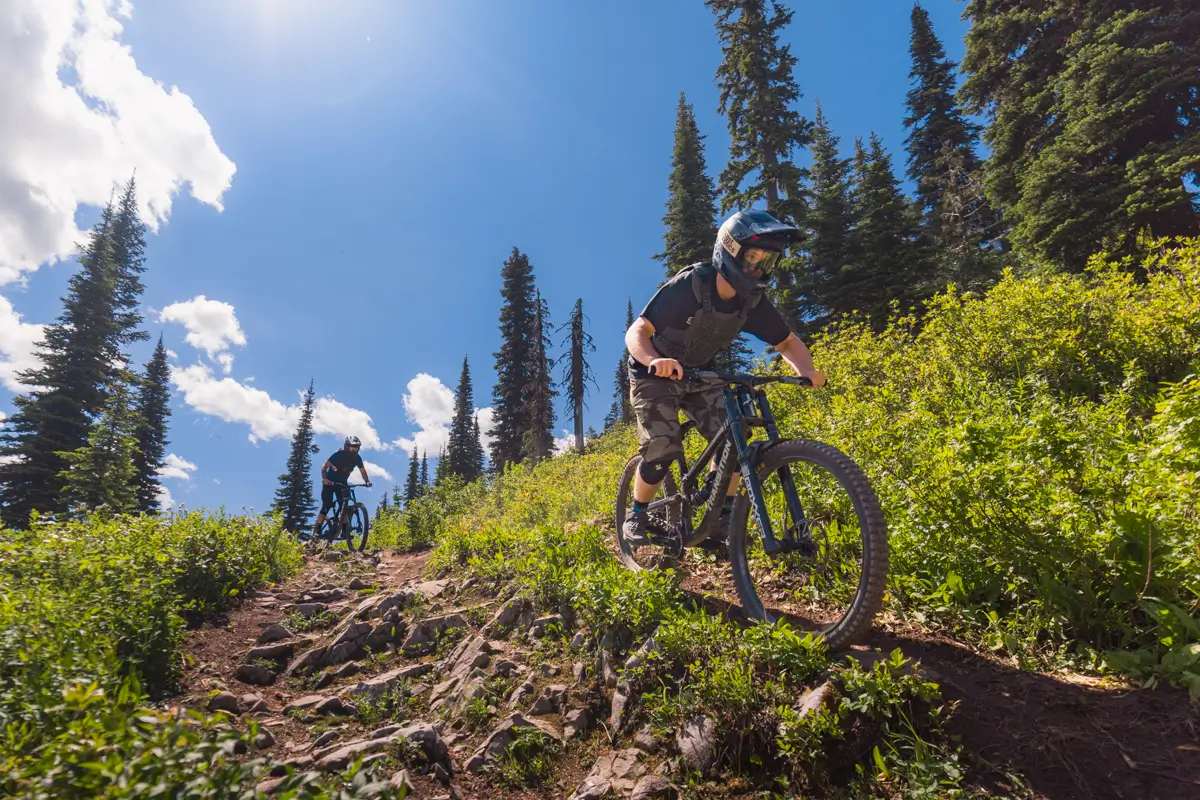
Mountain biking is one of the main summer draws, though you can expect to see locals and visitors getting around by bike everywhere – not just on the trails. The local trail network has more than 300 km of trails spread across areas like Mount Fernie Provincial Park, Ridgemont, Castle Mountain, Montane, and the resort, with riding that ranges from mellow forest singletrack to steep technical descents, rooty climbs, flow trails, and lift-accessed downhill. Fernie Alpine Resort runs a summer bike park with chairlift access, rentals, lessons, and downhill trails, while the valley trails give you more of the classic Fernie experience: pedalling through cedar forest, crossing creeks, climbing old roads, and dropping into hand-built singletrack with views of the Lizard Range and Three Sisters.
4. Take on the Challenge of Heiko’s Trail
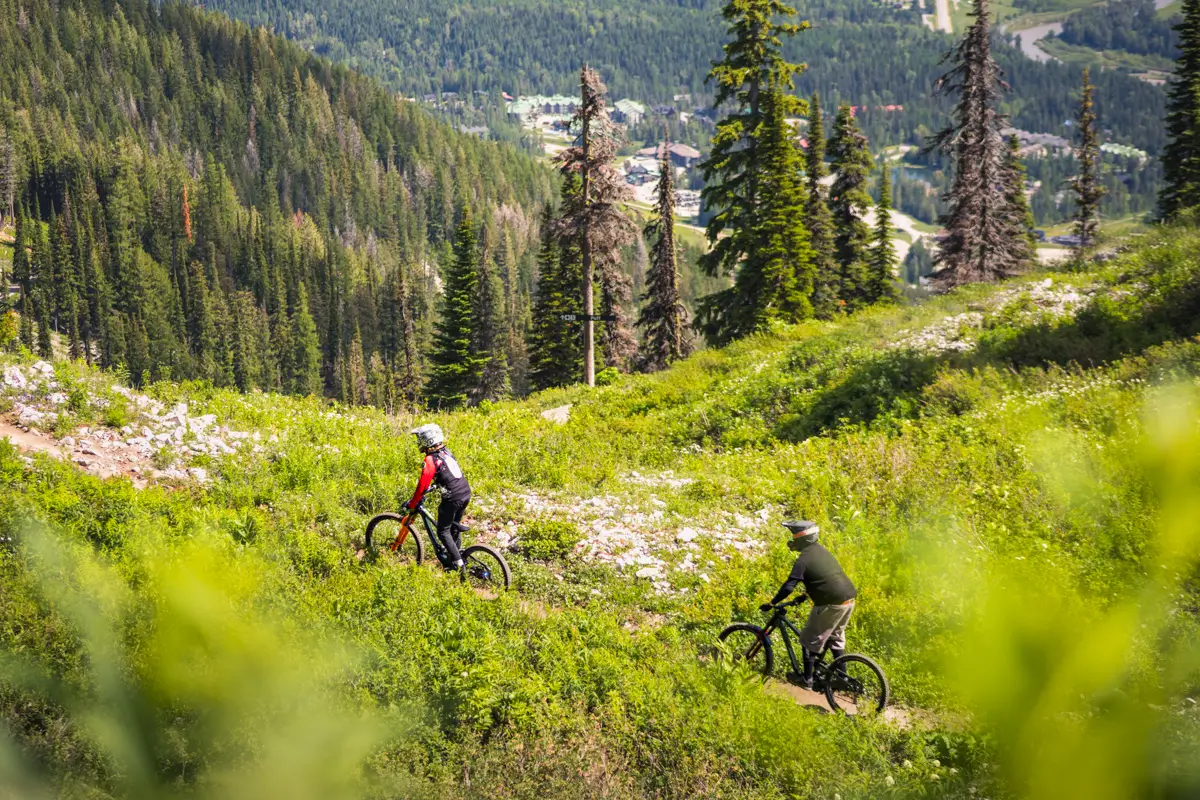
Heiko’s Trail was built by longtime Fernie local Heiko Socher, who helped shape much of Fernie’s modern outdoor culture through skiing, trail work, and tourism. The route was originally called the Mountain Lakes Trail before being renamed to recognize him, and it runs from the Hartley Lake side of the valley toward Island Lake Lodge, crossing a big piece of limestone country behind the Three Sisters. It’s Fernie’s signature multi-day hike because it strings together several distinct features in one route: Bisaro Cave, waterfalls, alpine meadows, Three Sisters Pass, mountain lakes, and long views across the Lizard Range.
5. Soar Above the Slopes on the Sightseeing Chairlift
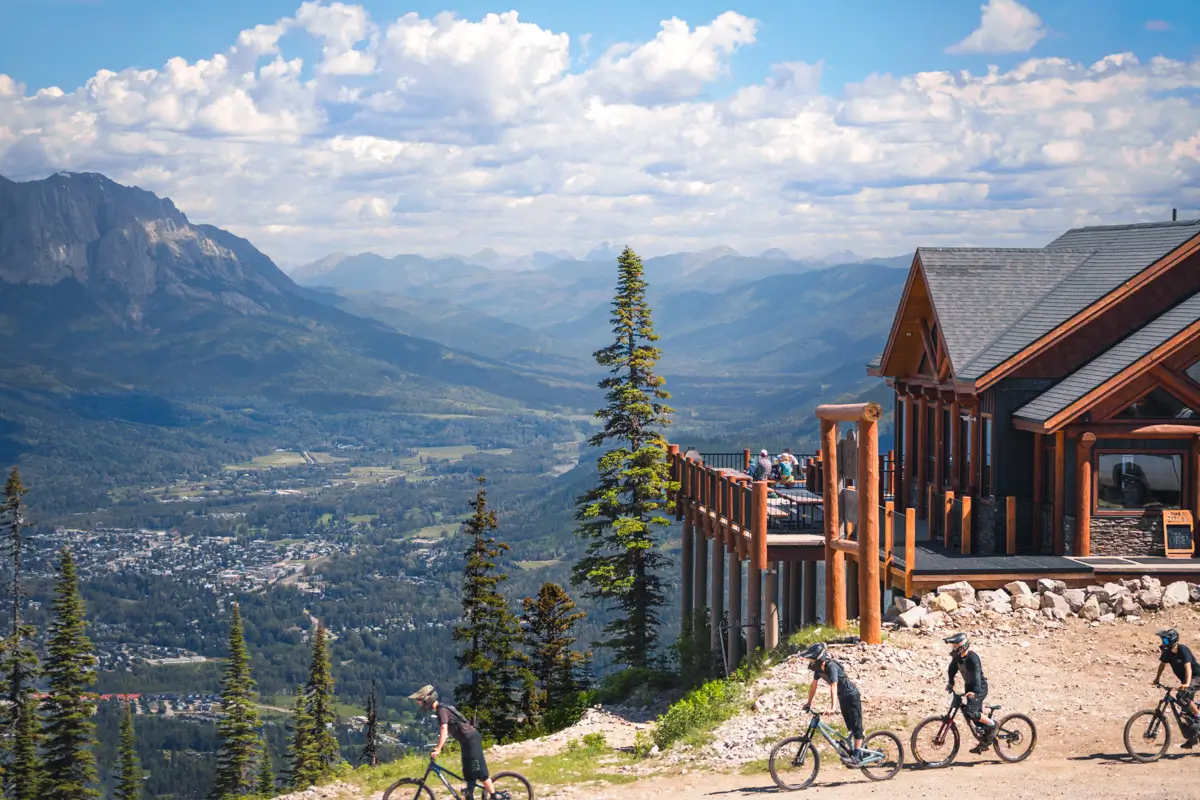
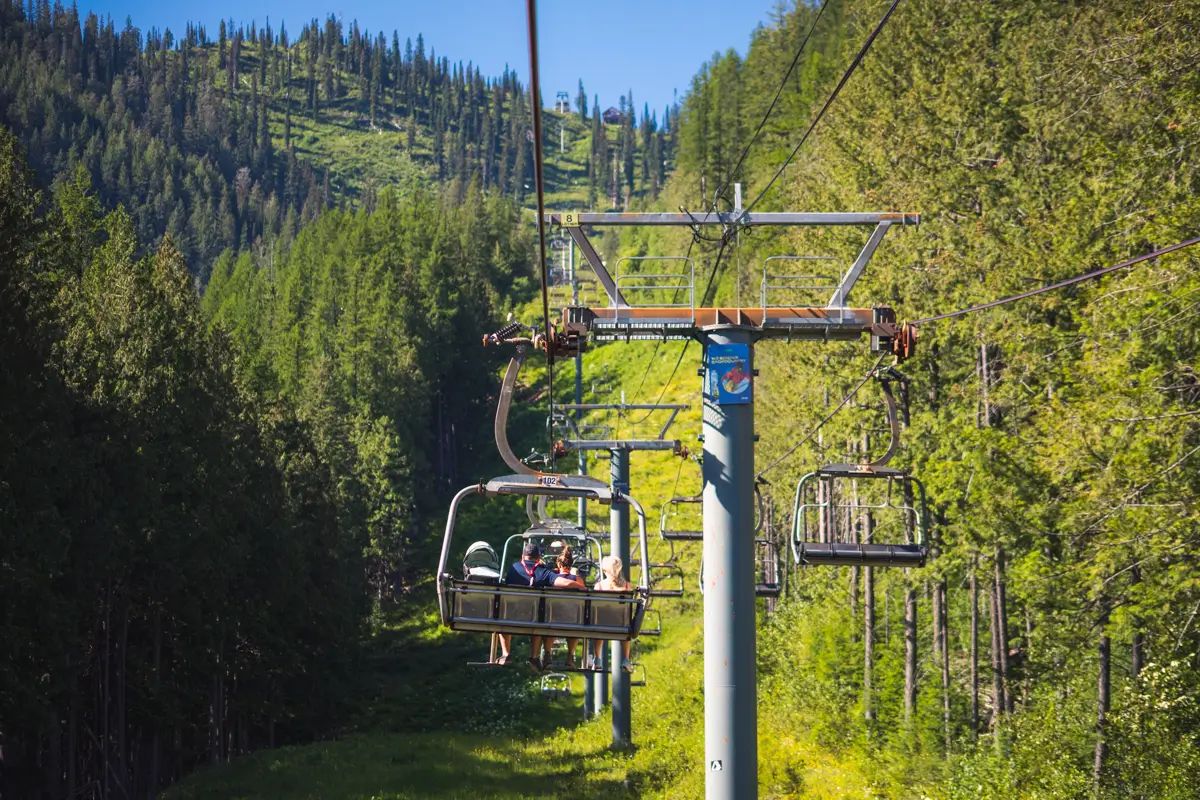
Taking the sightseeing chairlift up to Lost Boys Café is one of the Fernie experiences that somehow doesn’t get written about often. You ride the lift from the base of Fernie Alpine Resort to the top of the North Bowl – fifteen minutes of smooth, scenic ascent with nothing but mountain air and views of the Lizard Range. At the top, Lost Boys Café is tucked between chairlift terminals, with large windows framing the valley. The menu is simple – but you know you’re here for the view anyway. From the terminal, there are several trails you can follow to fantastic viewpoints high above Fernie.
6. Wander Beneath Old-Growth Giants
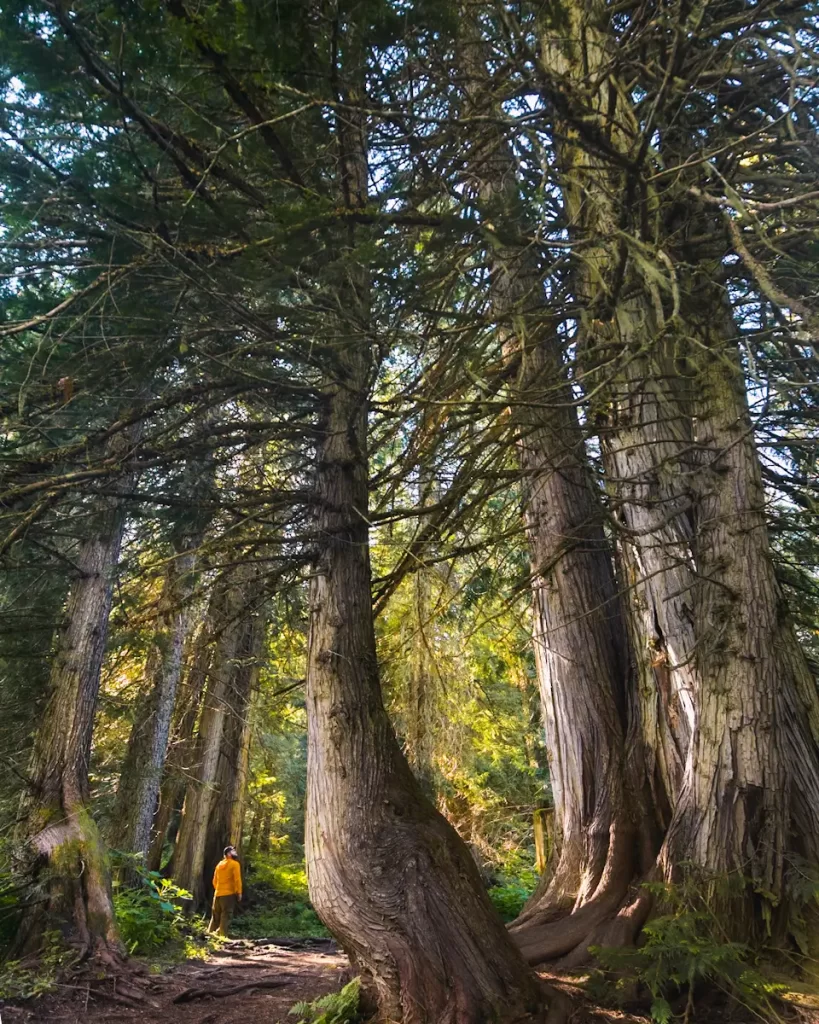
The Old Growth Trail is the place to step into the wet, cedar-heavy forest that makes this corner of the East Kootenays feel different from the drier slopes and lodgepole pine forests common elsewhere in the Rockies. Fernie sits near the southeastern fringe of B.C.’s inland temperate rainforest, a globally unusual ecosystem where Pacific moisture still reaches the interior after crossing several mountain ranges. That moisture gets lifted over the Columbia Mountains and Interior Wet Belt, feeding forests that seem more like the rainforests of Vancouver Island even though they sit hundreds of kilometres from the ocean.
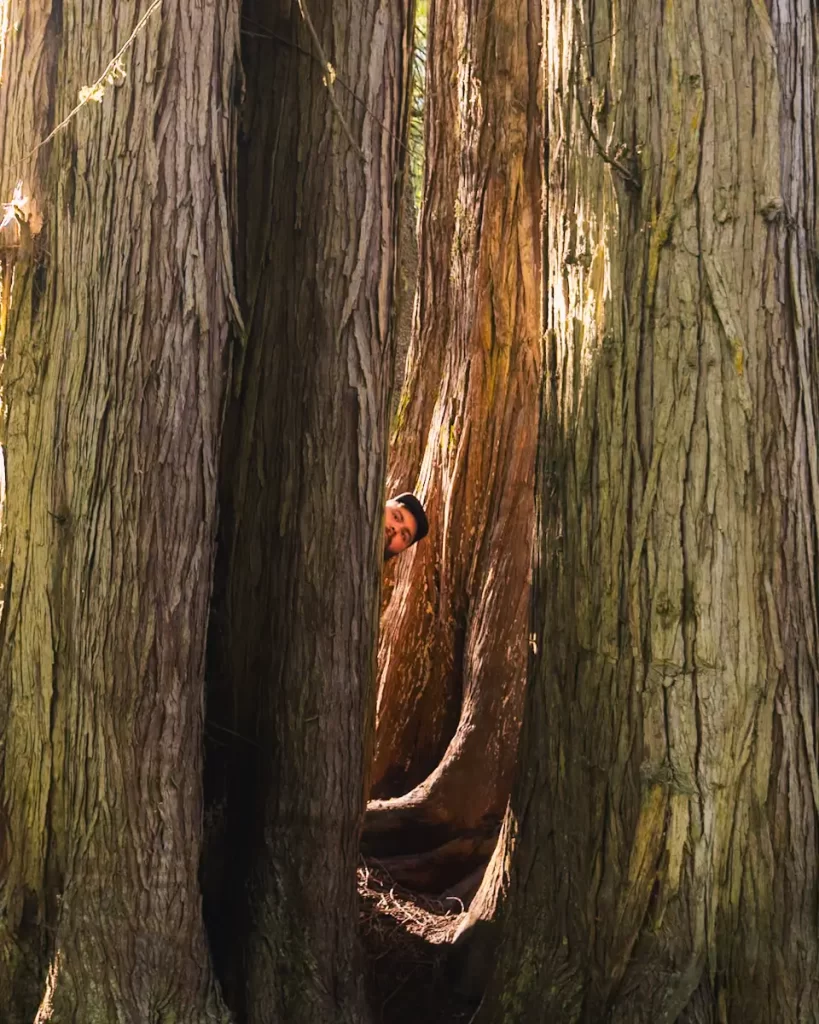
The trail winds gently through a stand of old-growth western red cedar and Douglas fir just a short drive from town, with some of the largest trees several centuries old. The canopy keeps the air cool and damp, and the forest floor is layered with nurse logs, exposed roots, moss, fungi, and fallen trunks slowly breaking down into soil. From Island Lake lodge the out-and-back hike heads slightly downhill, or head up from the lower trailhead to grab lunch at the lodge before heading back down.
7. Sample Craft Spirits at Fernie Distillers
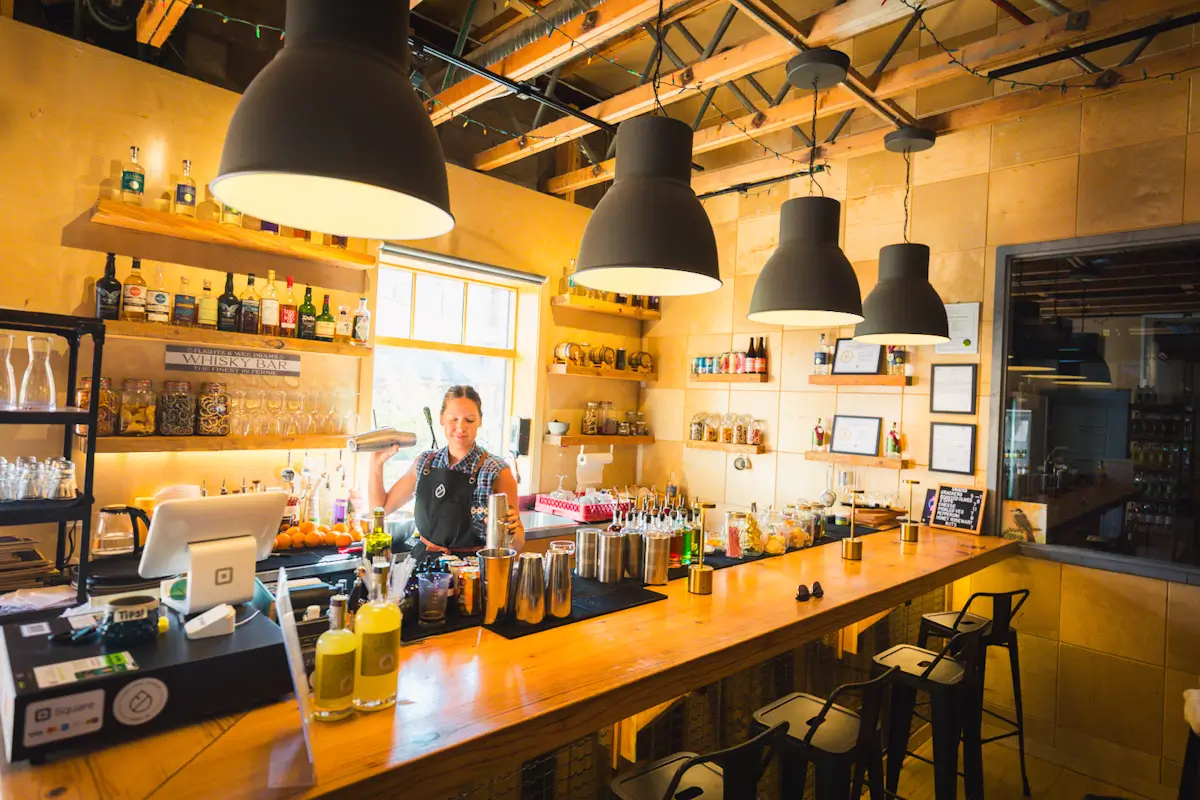
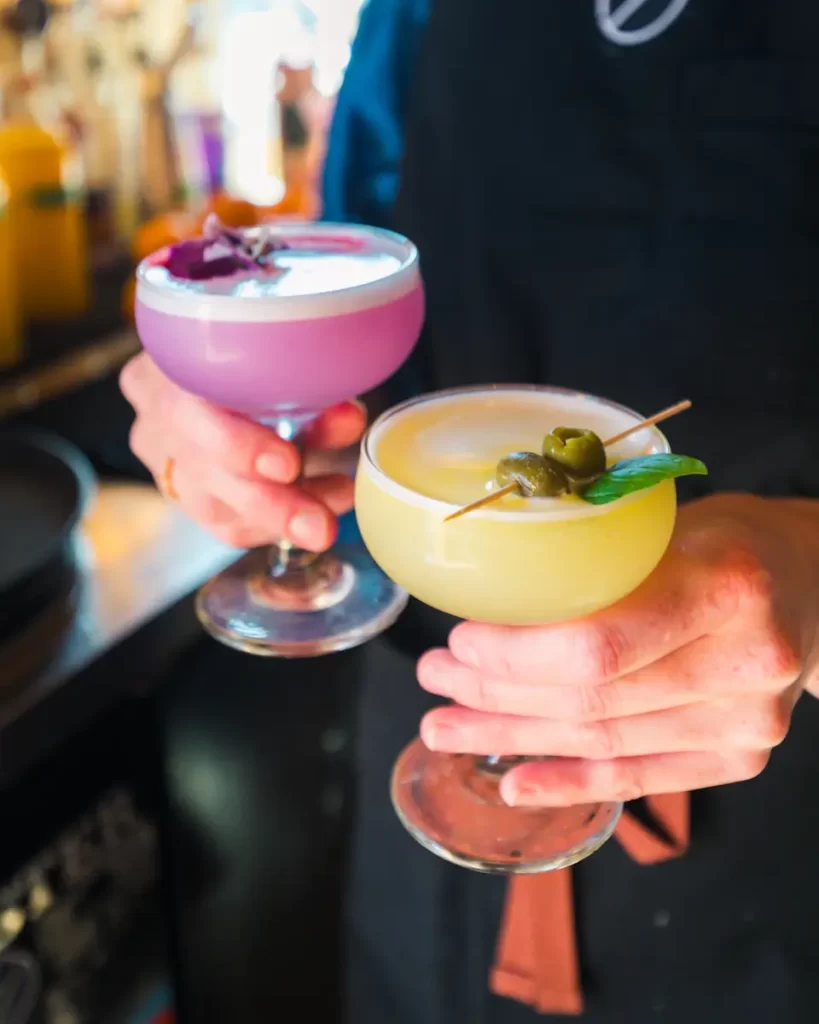
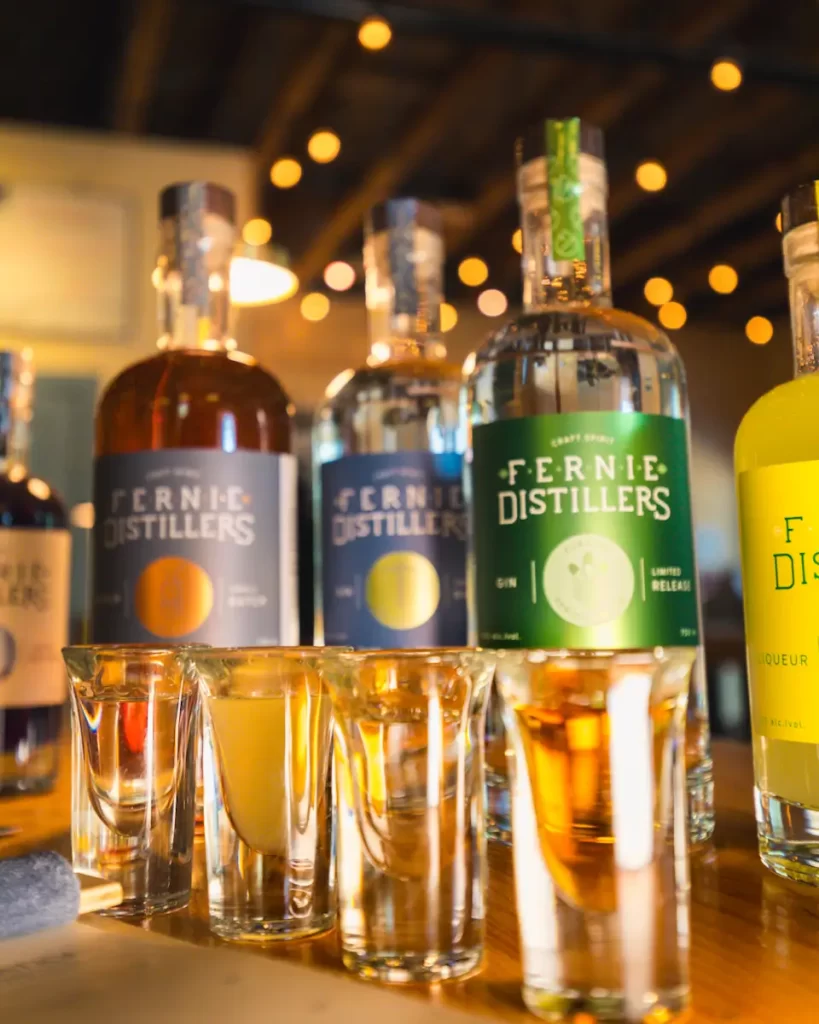
Fernie Distillers was opened in 2018 by husband-and-wife team Jillian Rutherford and Andrew Hayden, with Rutherford leading production as one of the few female distillers in Canada. The distillery makes small-batch spirits in downtown Fernie, with regular products including No. 9 Mine Vodka, Prospector Gin, and Fernie Fog, an Earl Grey tea-infused liqueur. They also produce seasonal spirits are currently aging a whisky.
The charming tasting room is on 1st Avenue, just a block off the main street, so it’s easy to fit into a downtown Fernie wander. You can stop in for cocktails, tastings, bottle sales, and tours, with the stills visible from inside the room. I’m always a fan of trying a flight of a distilleries spirits by themselves, but this is also probably the best spot in Fernie for cocktails if that’s your appetite.
8. Explore History at the Fernie Museum
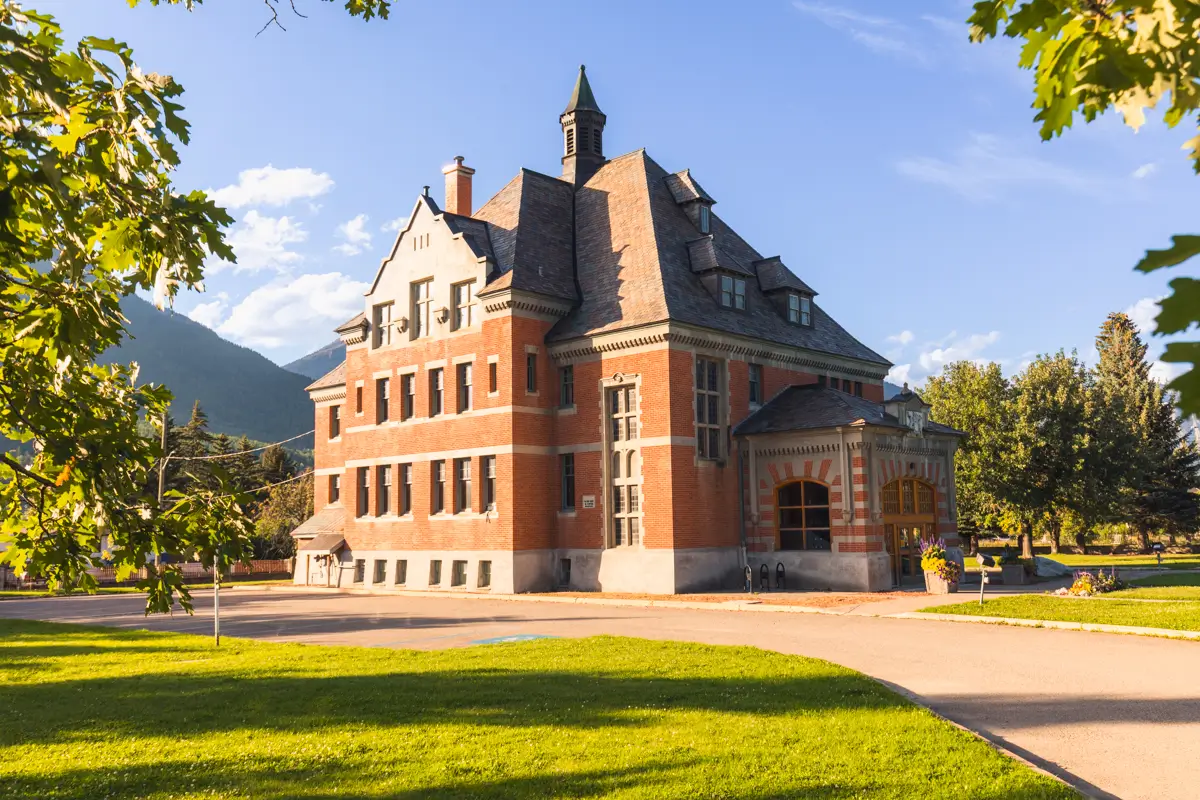
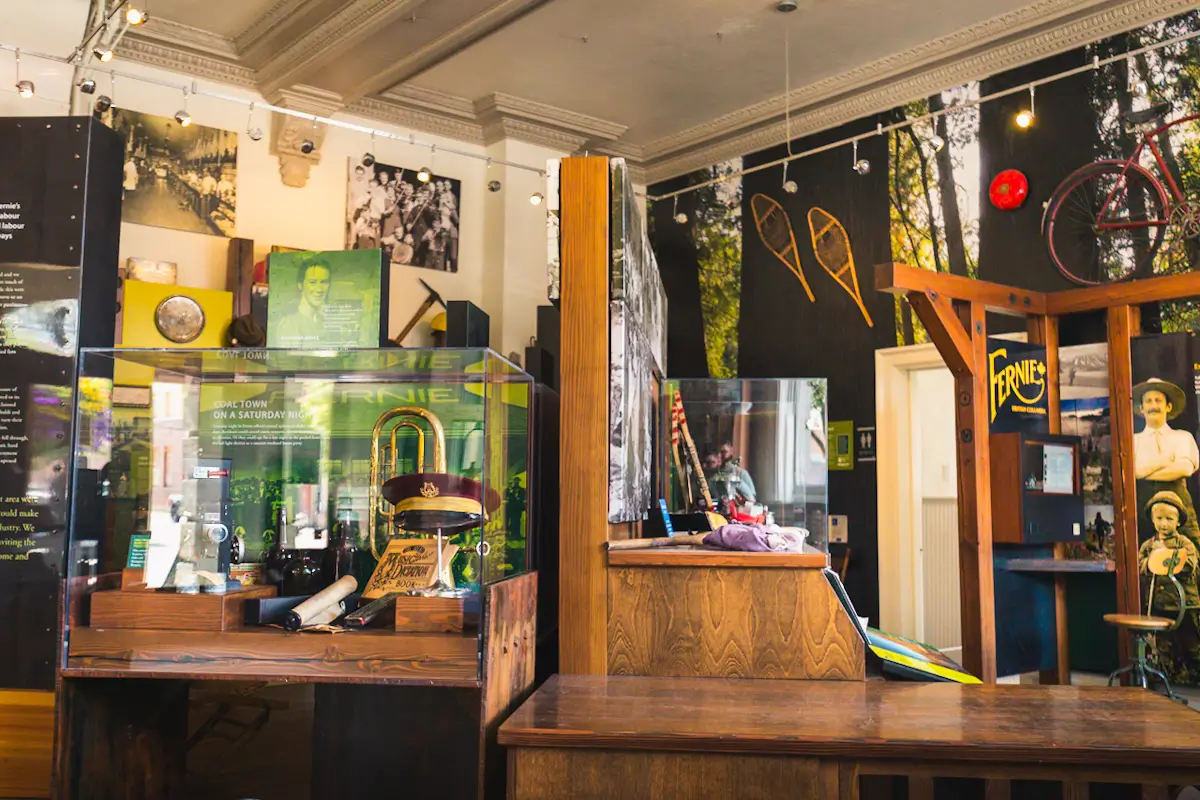
The small Fernie Museum opened in its current home in 2013 inside the restored former Home Bank building on 2nd Avenue, a 1909 heritage building in the middle of historic downtown. The main exhibit gives visitors the local context they need before wandering the town: Ktunaxa territory, coal discovery, mining, railway development, downtown fires, boom years, labour history, and Fernie’s later shift into a year-round recreation town. Money has clearly been invested here, as despite its small footprint the museum surpasses many other small-town museums I’ve been to.
9. Tackle Fernie’s Mountain Peaks
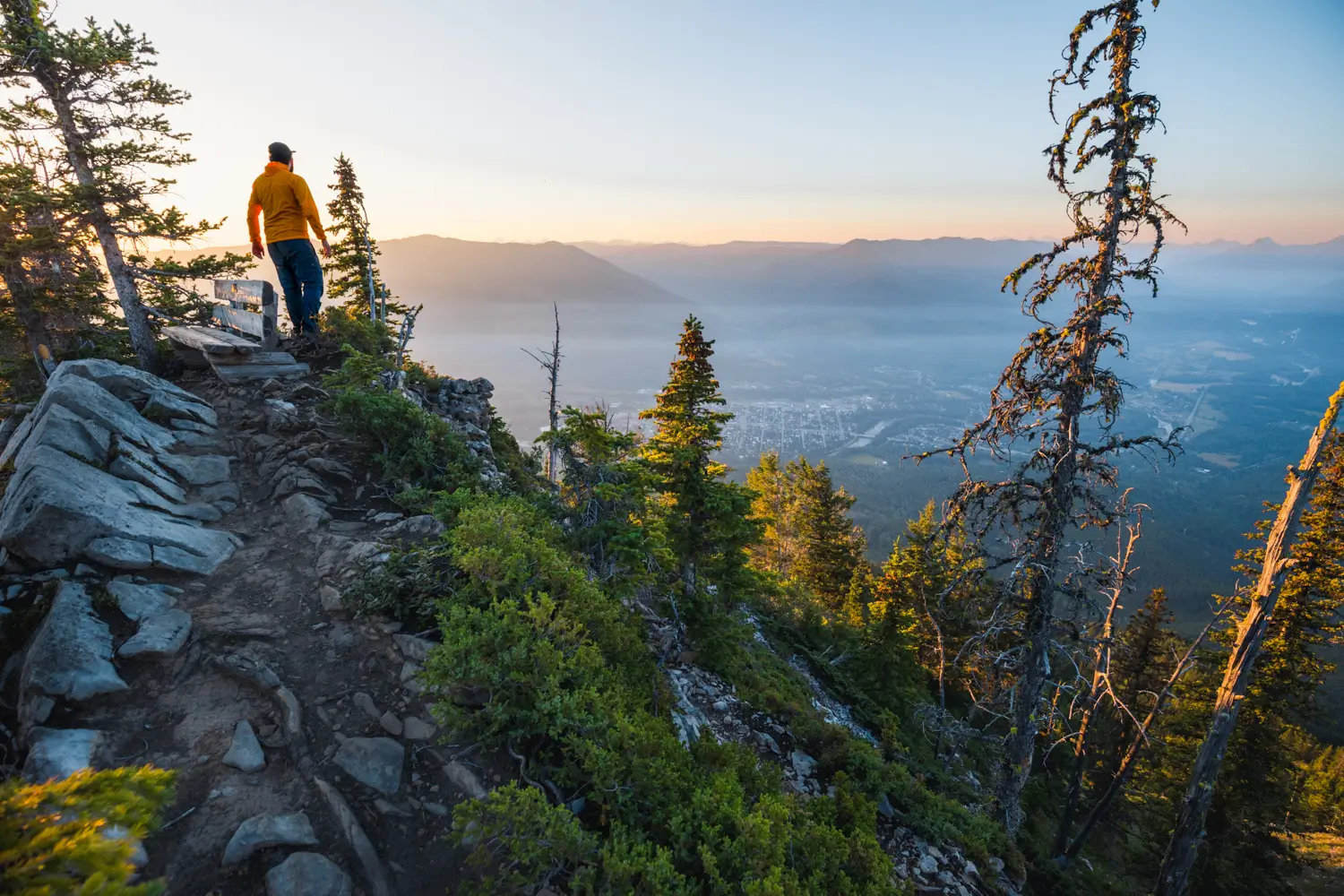
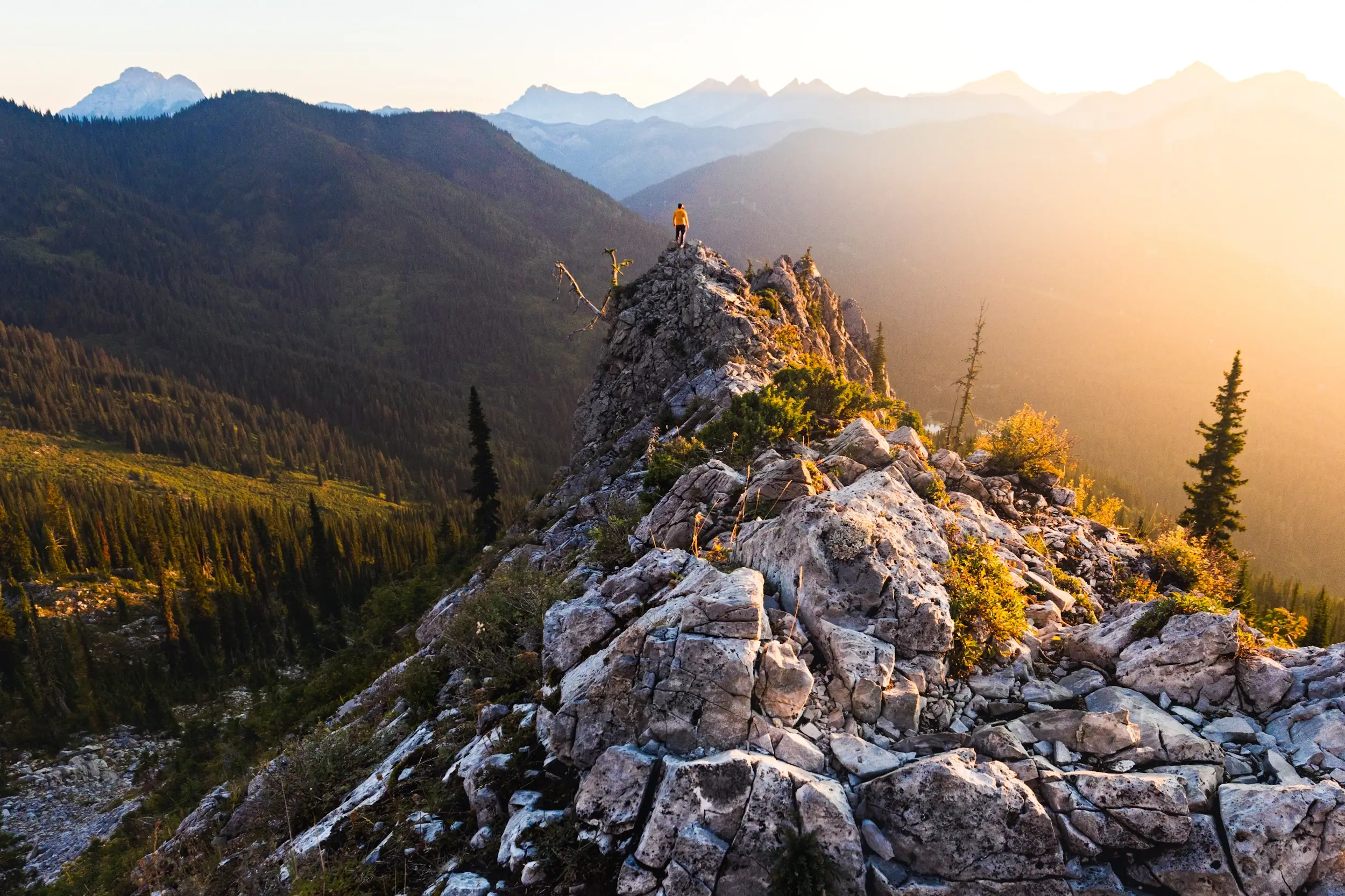
Hiking is one of the main reasons to spend time in Fernie, and has always been the draw for me. The easiest walks, like Fairy Creek Falls and Castle Mountain, give you forest, creek, and valley views without a huge commitment, while bigger routes like Mount Proctor, Mount Hosmer, the ridge of Mount Fernie, and the hikes around Island Lake Lodge move into longer climbs, alpine meadows, limestone ridges, caves, waterfalls, and high passes. If you’re looking for a real challenge, the multi-day Heiko’s Trail is one of the most incredible hikes in the region, and includes an option to summit The Three Sisters, Fernie’s most recognizable mountain.
10. Ski at Fernie Alpine Resort
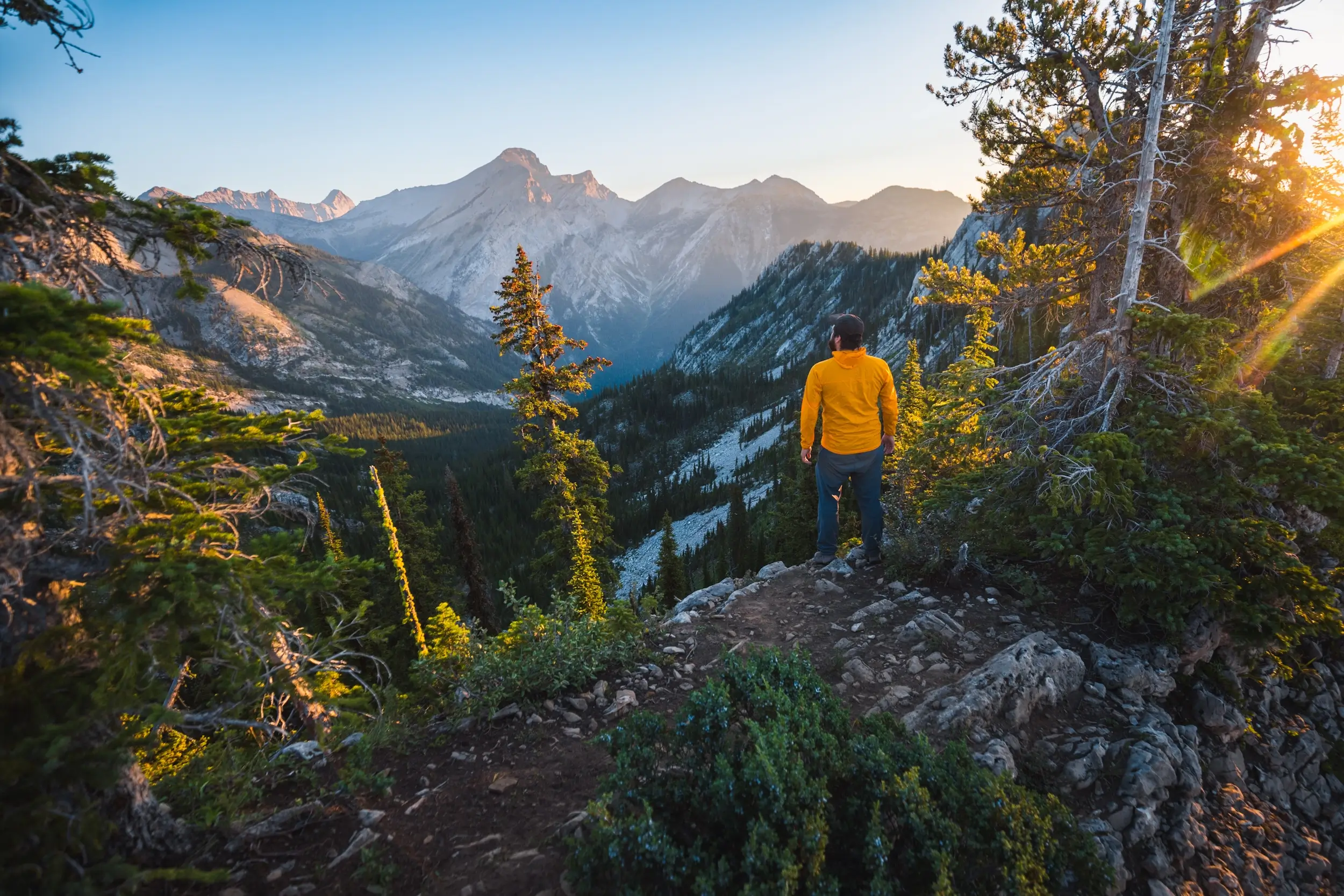
Skiing is the main reason Fernie turns into a proper winter destination, with Fernie Alpine Resort sitting about 10 minutes from town on the slopes of the Lizard Range. The resort is known for deep snowfall, steep tree skiing, and its five alpine bowls: Lizard, Currie, Timber, Siberia, and Cedar. There are beginner and intermediate groomers, but Fernie’s reputation mostly comes from powder days, gladed runs, bowls, chutes, and terrain that rewards skiers who are comfortable in variable mountain conditions. The season usually runs from early December to mid-April, with the best conditions often landing in January, February, and early March.
11. Journey into Bisaro Cave
Bisaro Cave is a large limestone cave in the mountains north of Fernie, reached most easily from the Hartley Lake side of the valley via Heiko’s Trail. Water runs through the cave system, and the hike in brings you to a massive opening in the rock shaped by the same limestone geology that creates cliffs, sinkholes, springs, and underground drainage across this part of the Elk Valley. The nearby Mount Bisaro plateau is also home to Bisaro Anima, Canada’s deepest known cave, which drops roughly 683 metres underground and has more than 6 km of surveyed passages, though the two caves don’t seem to connect
The out-and-back hike to Bisaro Cave is around 8 km return, though the drive to the trailhead is part of the planning. Access is via Hartley Lake Road and Sulphur Creek Road, and the last stretch can be rough enough that a higher-clearance vehicle is often recommended. Most people just visit the cave entrance without exploring deeper, which isn’t advised without proper caving equipment and experience. The full Heiko’s Trail continues far beyond here toward Three Sisters Pass and Island Lake Lodge, but the cave makes a good turnaround point if you just want a day hike.
12. Shop Fernie’s Charming Downtown
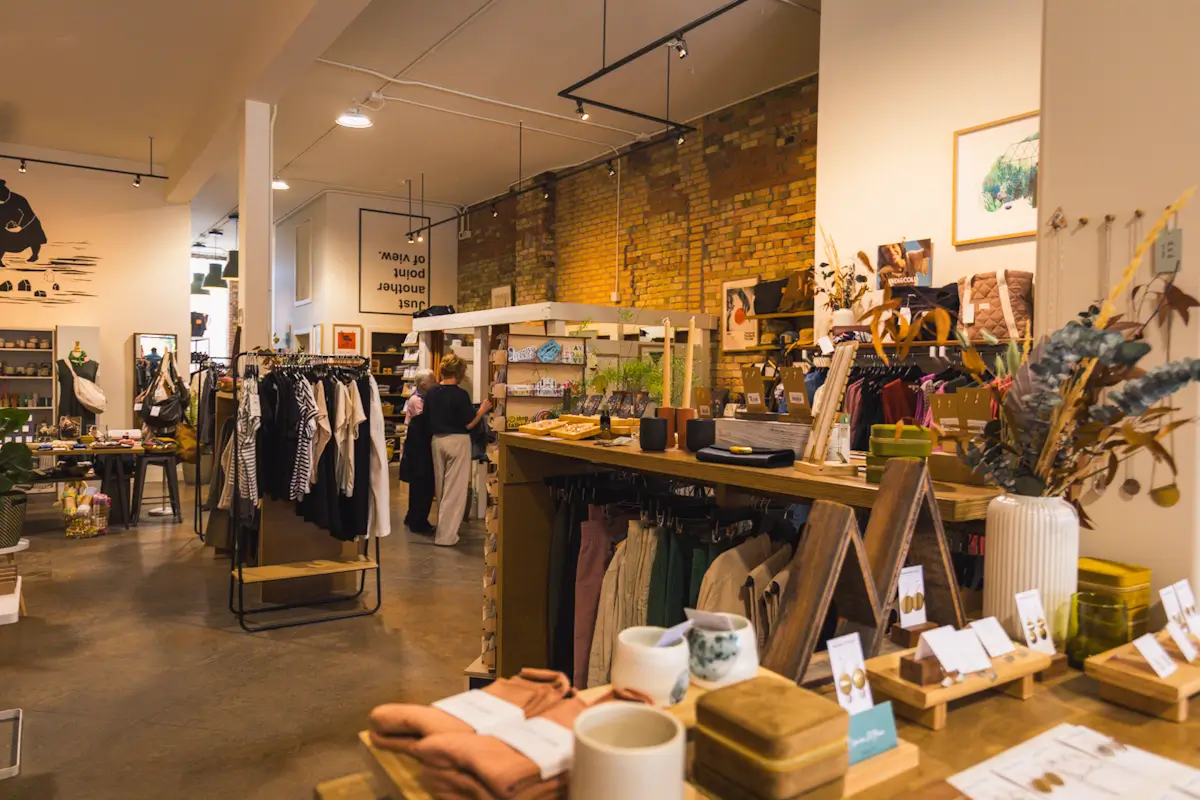
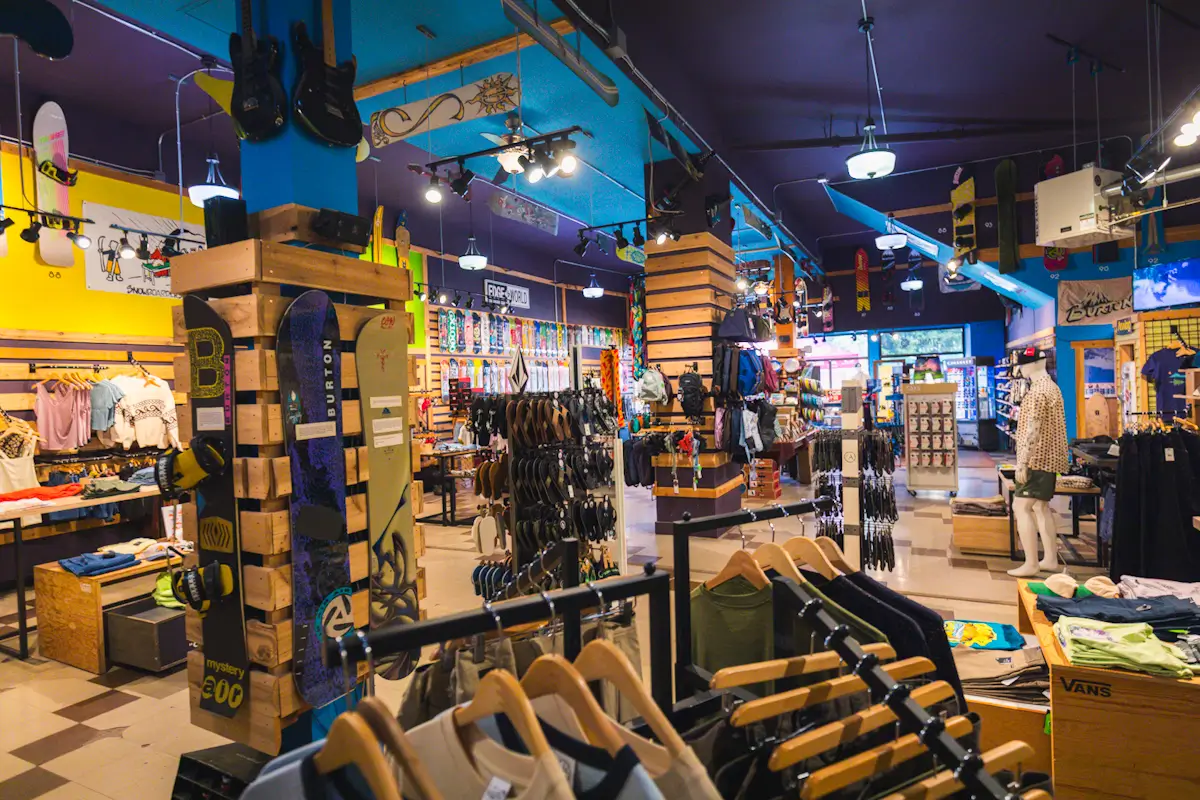
Fernie’s incredibly scenic main street, on 2nd Avenue, is why it’s worth leaving. a little time in your itinerary in between hikes. The street runs through Fernie’s historic downtown, where brick heritage buildings hold a mix of cafés, galleries, bookstores, gift shops, clothing stores, outdoor retailers, bakeries, restaurants, and bars. I’ve mentioned some of them here of course, but I’ve largely left the shops for you to discover. Highlights include SOCO Soaps for fantastic locally made soap, Local, which is sort of like a miniature farmer’s market, Le Grand Fromage for cheese, Polar Peak Books, as well as a variety of boutiques and outdoor stores well worth your time. I’m not much of a shopper but honestly, the scenic street with it’s busy patios and gorgeous mountain views just begs you to spend time slowly walking up and down.
13. Grab a coffee at Rooftop Roasters
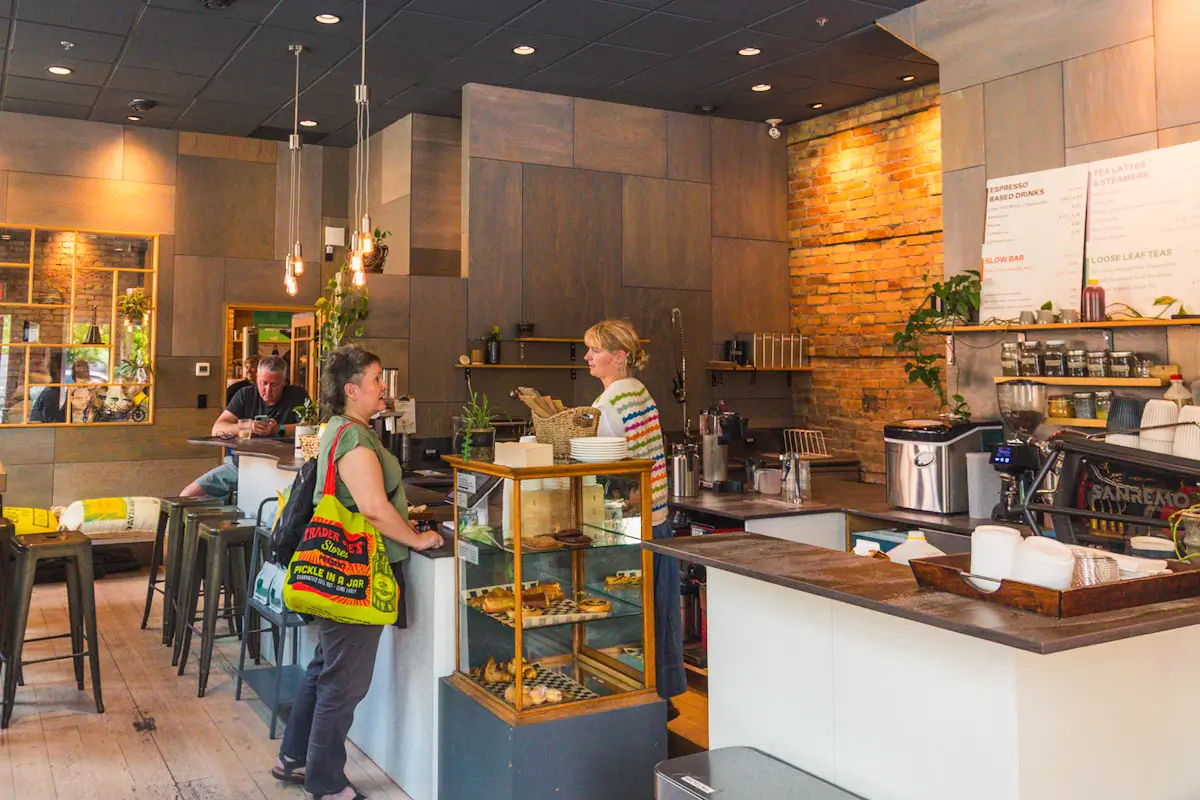
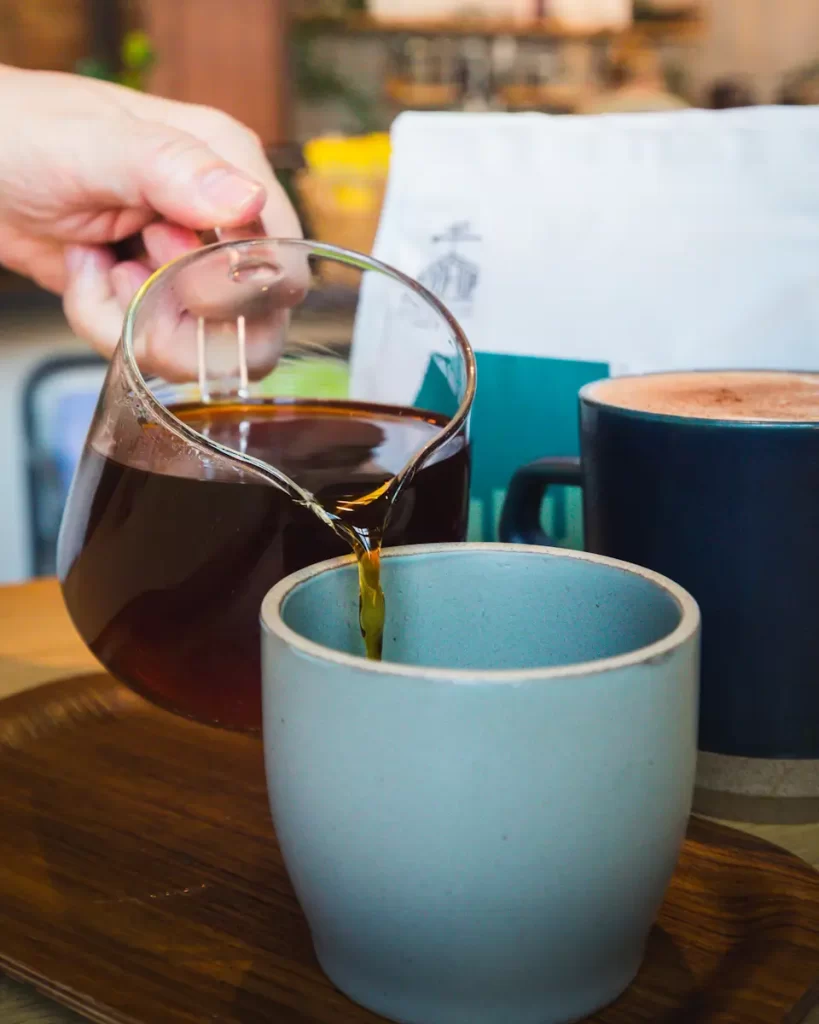
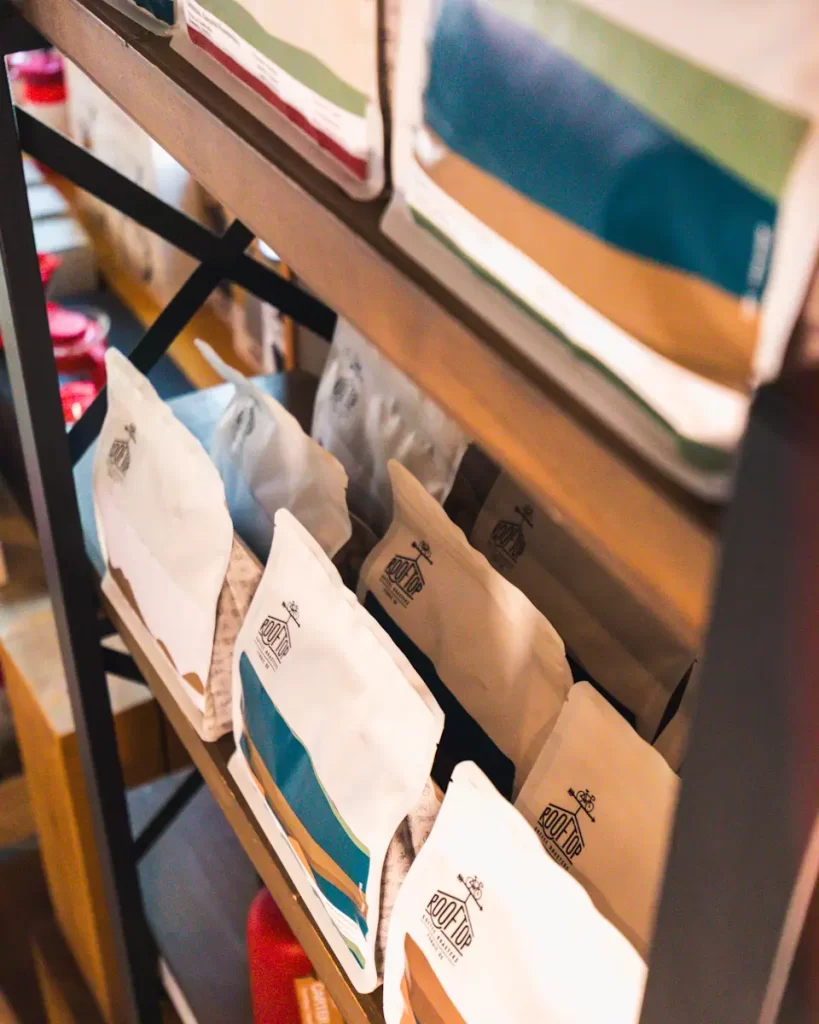
Rooftop Coffee Roasters was started in Fernie in 2016 by Keegan Street with his parents, Sarah Deschenes and David Street, after Keegan began roasting coffee as a teenager on the rooftop of the family home. The roastery is now located underneath that same downtown rooftop. Make sure to try a pourover, though there are also pastries, including croissants and pain au chocolat. Unfortunately, the seating is stools. Ugh, stools.
14. Retreat to Island Lake Lodge
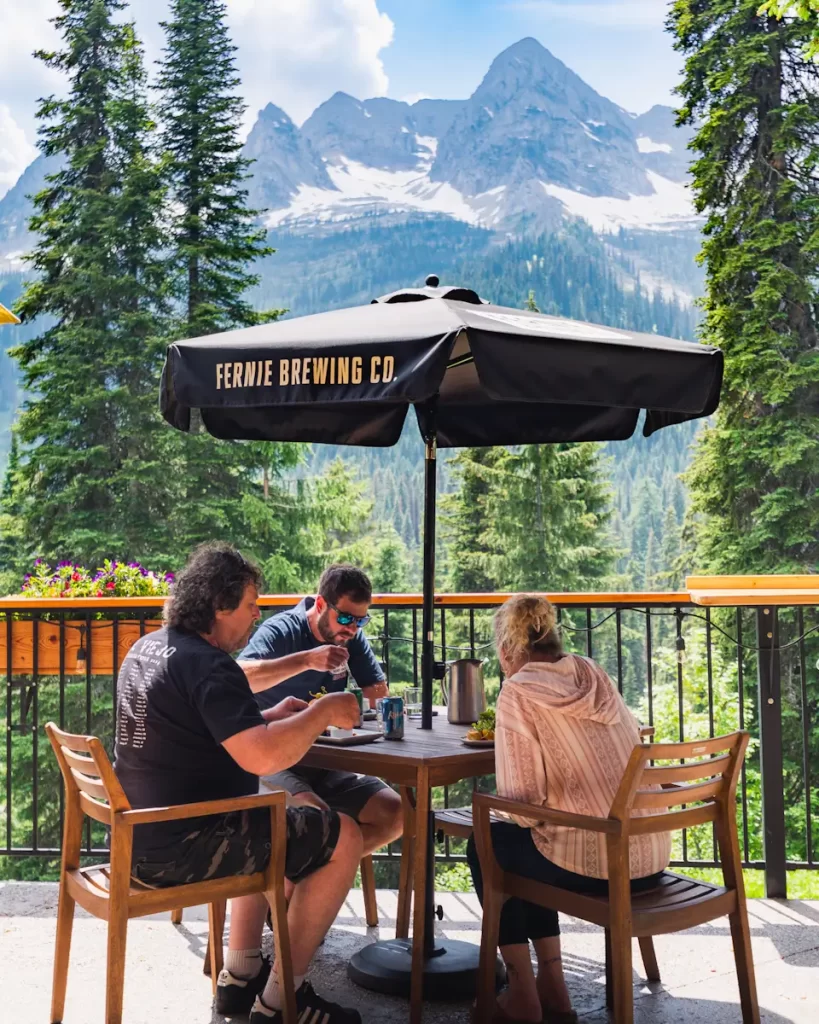
Island Lake Lodge sits on a large privately owned protected area in the Cedar Valley outside Fernie, with roughly 7,000 acres of forest, lake, alpine terrain, and old-growth cedar habitat managed around conservation, recreation, and lodge access. In winter, Island Lake is best known for cat-skiing, but inn summer, the area opens for hiking, biking, dining, spa visits, weddings, and lodge stays, with trails running through old-growth cedar forest, around Island Lake, and up toward higher viewpoints like Spineback and Goldilocks. Day visitors can come for a hike and lunch, while overnight guests get more time to explore the property once the day traffic thins out.
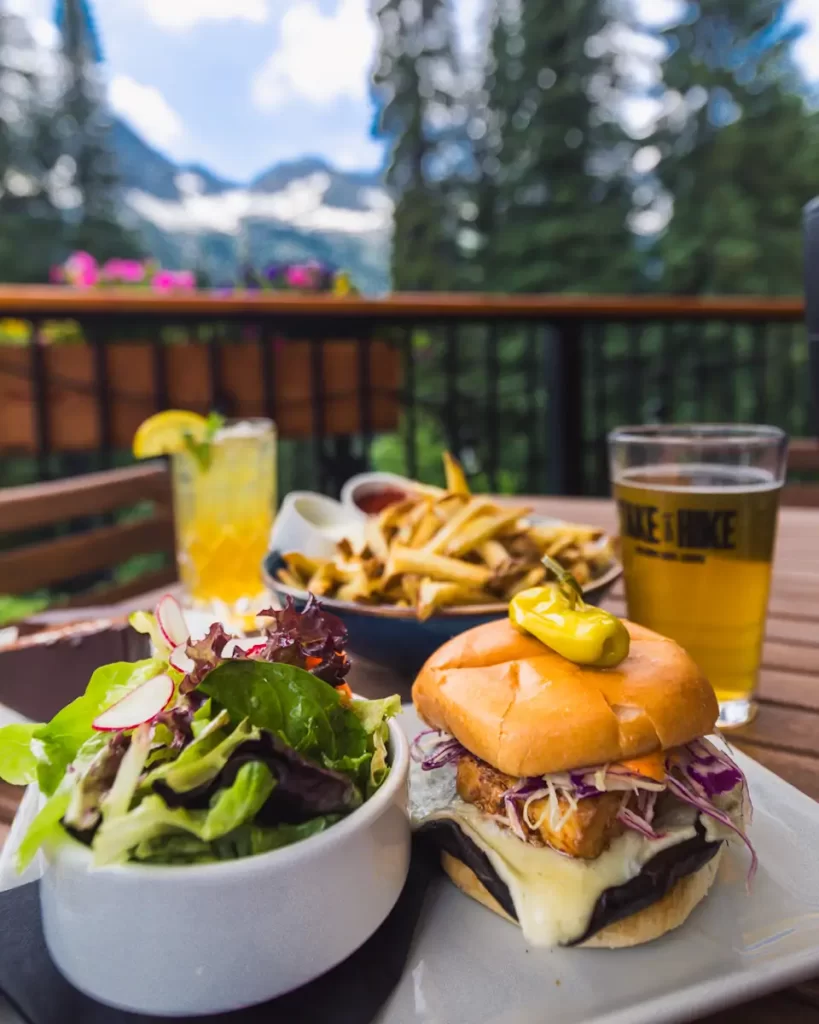
The Bear Bistro is Island Lake Lodge’s daytime dining spot, and is easily the most scenic place to grab lunch near Fernie. Naturally you’re paying a little extra for the view, but get a good patio table and pair the meal with a walk around the lake, a short forest trail, or a longer hike, and you won’t be complaining one bit.,
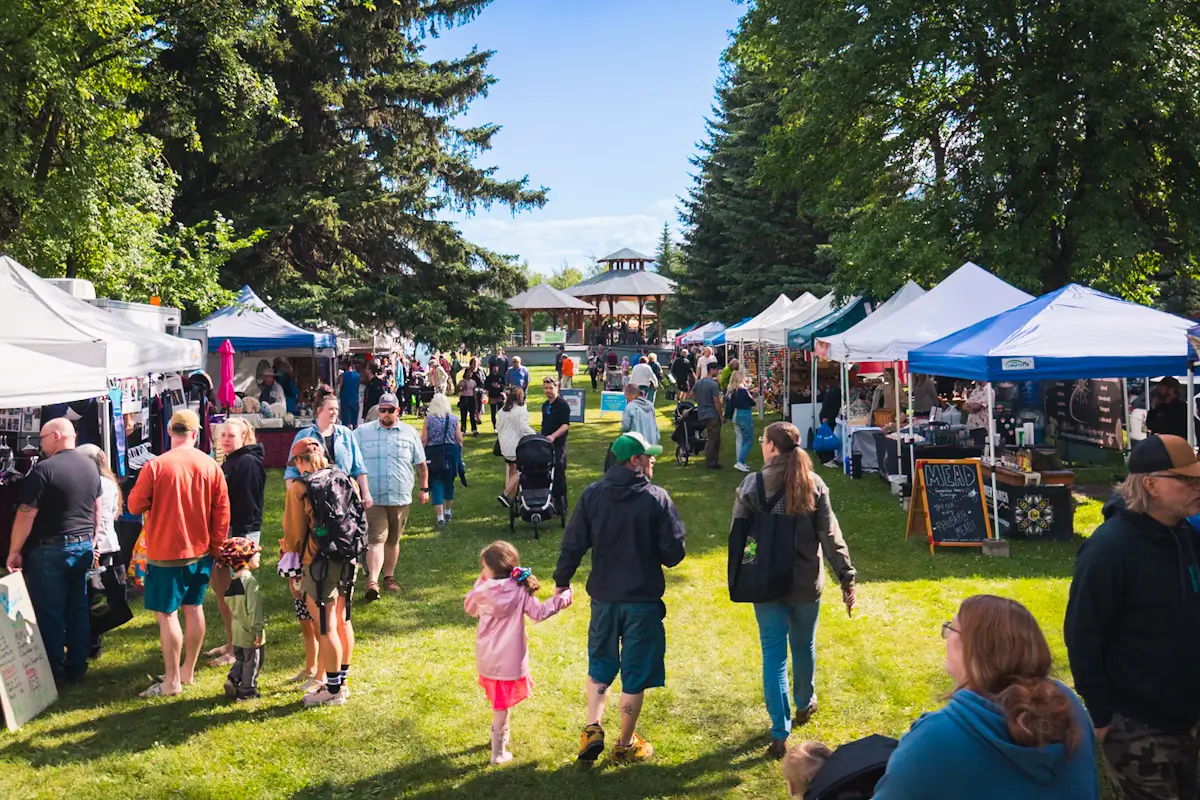
15. Shop Local at the Fernie Mountain Market
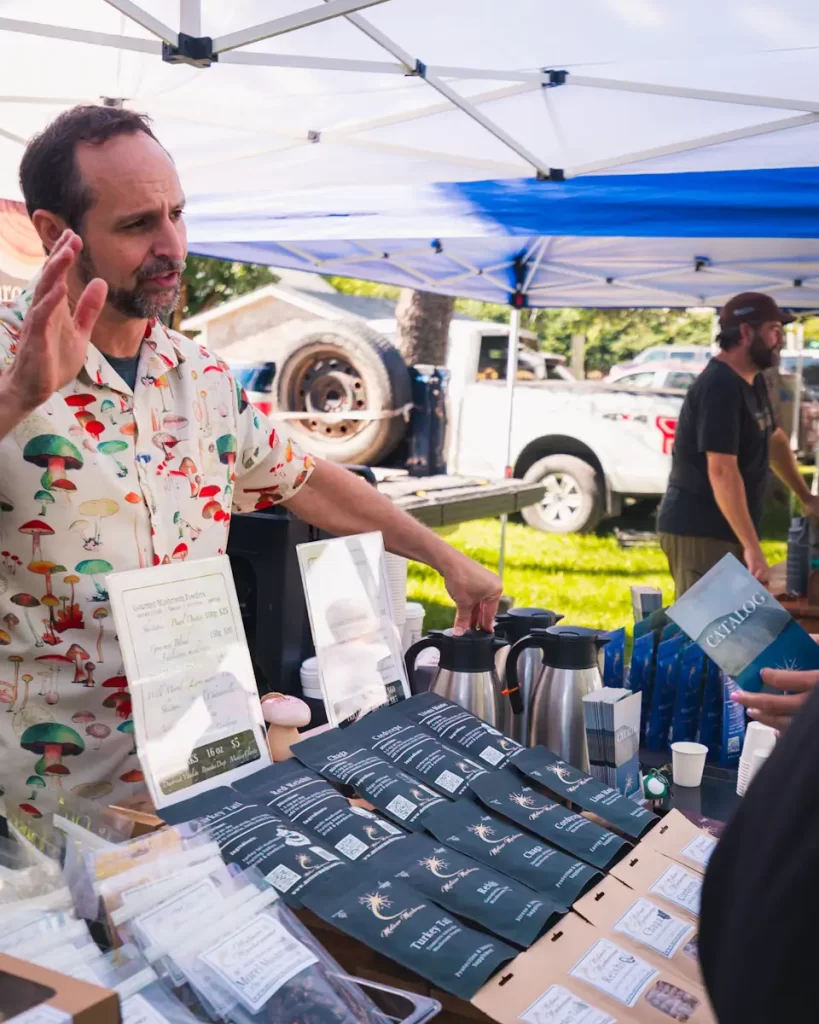
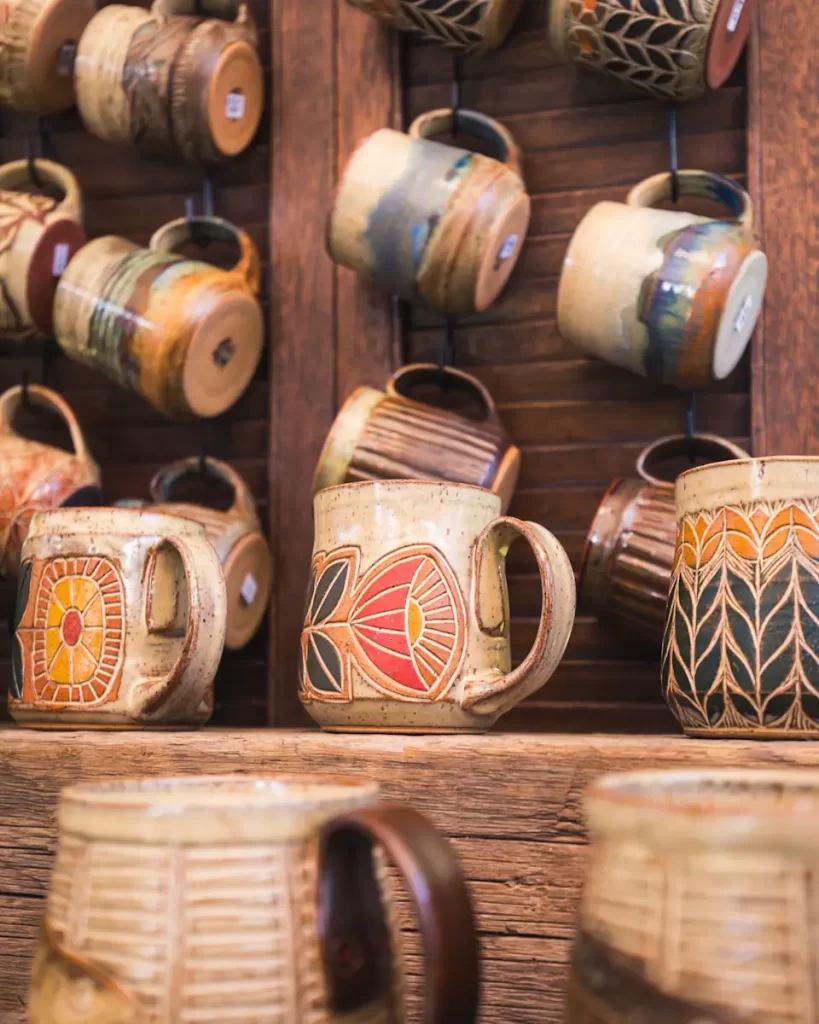
The Fernie Mountain Market runs on Sundays through summer at Rotary Park, bringing together farmers, bakers, food vendors, and makers from Fernie, the Elk Valley, and nearby growing regions. Vendors are expected to sell things they made, baked, or grew, so the market is strongest for fresh produce, fruit, herbs, flowers, locally raised meat, sourdough, pastries, preserves, handmade soaps, candles, textiles, woodwork, jewellery, and small-batch food products. Because Fernie’s in a mountain valley rather than a major farming area, produce often comes from nearby agricultural pockets like Creston and Jaffray, so the market has a broader Kootenay feel despite being a Fernie staple.
16. Explore the Hosmer Mine Ruins
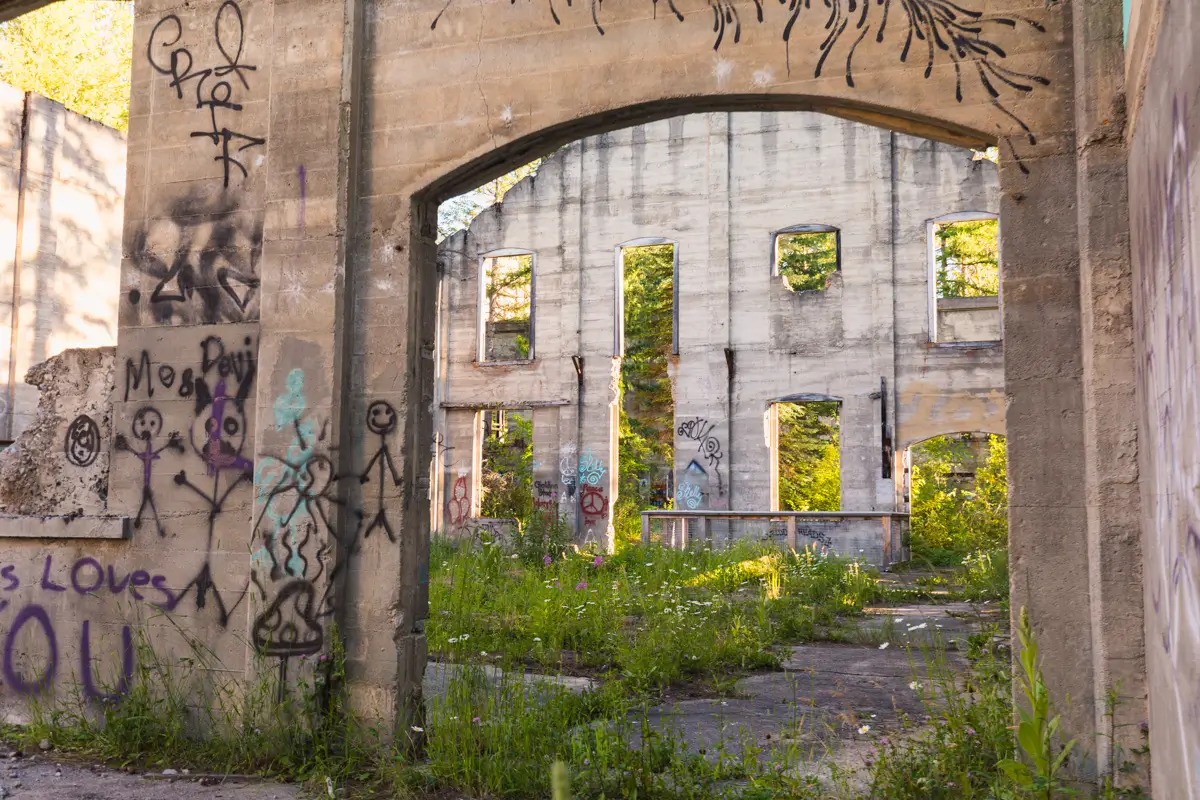
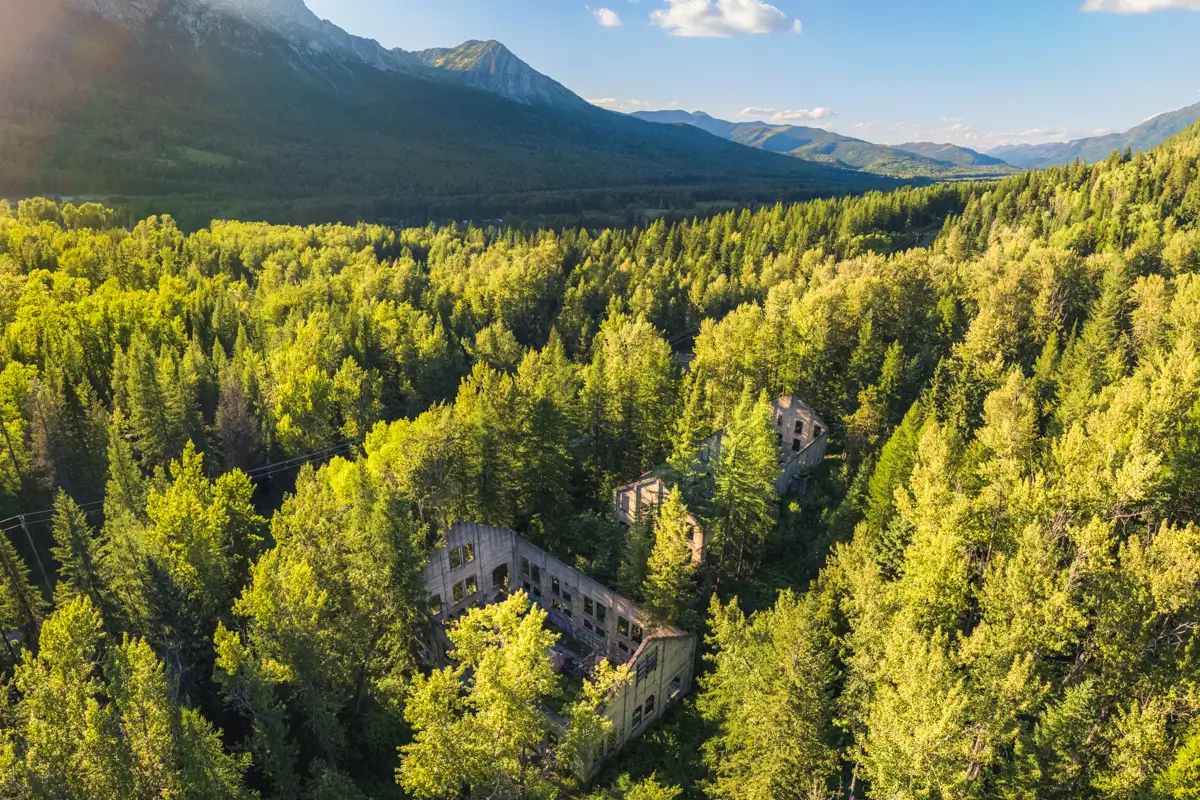
The Hosmer Mine ruins are north of Fernie in Hosmer, a small Elk Valley community that began as a Canadian Pacific Railway coal town. Coal production started in 1908, and within a couple of years Hosmer had grown to roughly 1,200 people, with miners’ houses, businesses, railway connections, mine buildings, and 240 coke ovens built for the CPR’s coal operation. The mine closed in 1914, after barely six years of production, and most of the townsite disappeared as people moved away and buildings were dismantled or left to decay.
The main ruins near the trail are the two large industrial shells from the mine plant; the boiler house and powerhouse. Farther from those buildings are the coke ovens, a long row of arched ovens used to heat coal with limited oxygen, driving off gases and impurities to make coke for industrial use. The old cemetery and less intact structures are scattered around the area, so it’s worth following the trail past the biggest two buildings,
17. Start Your Day at House of Gato
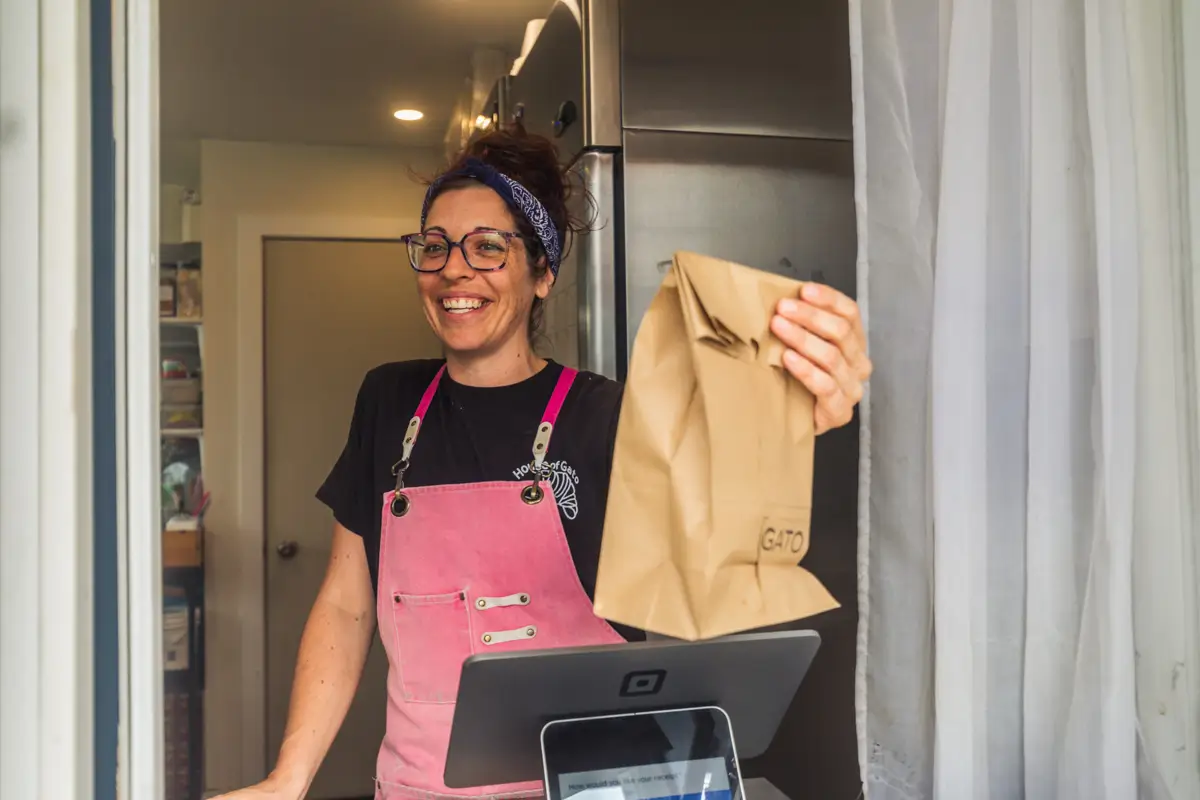
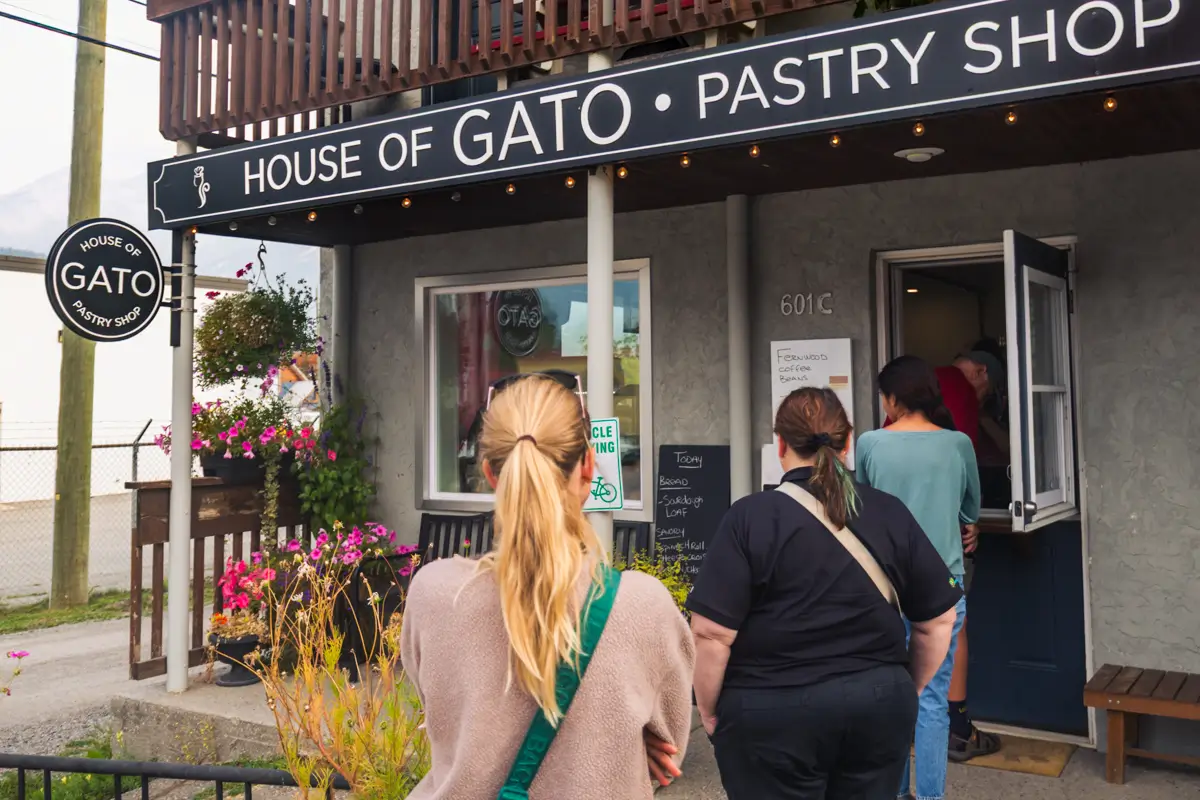
House of Gato is a small bakery in downtown Fernie focused on French-style baking, opened by Catherine Chartrand, who moved to Fernie after training in Quebec. The line-up changes, but expect things like croissants, palmiers, danishes, macarons, éclairs, cinnamon buns, fresh bread, cupcakes, and custom cakes. Her laminated pastries are excellent, and when living in Fernie I made a weekly tradition of grabbing a few croissants sand savoury pastries as well as a baguette. The only complaint about House of Gato is their hours – she’s only open Thursdays and Fridays, and sells out – so get here early.
18. Paddle the Elk River
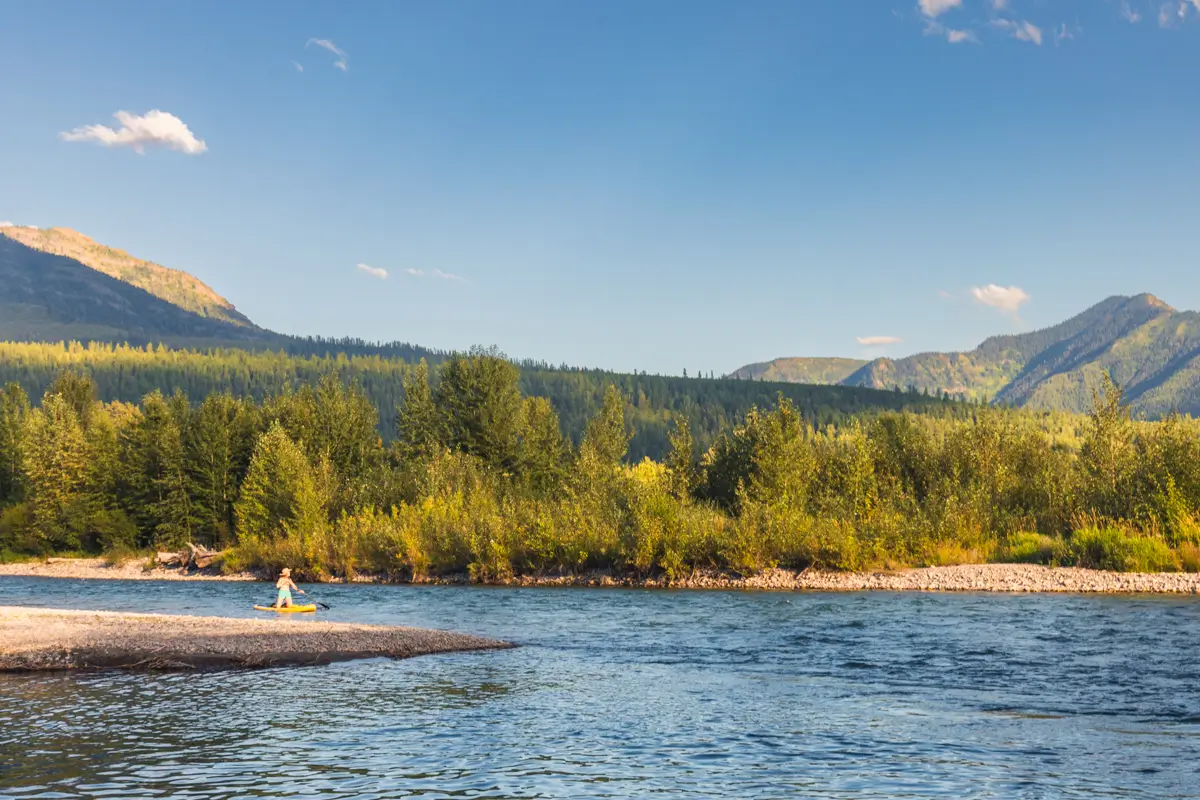
The Elk River runs right through Fernie and competes very closely with the local pub for the spot of most popular local hangout. The river starts north of Fernie in Elk Lakes Provincial Park, gathers water from more than 100 streams and creeks, then runs through the Elk Valley before eventually joining the Kootenay and Columbia river systems. As you drive over the bridges into Fernie, you’ll probably see fly-fishermen, SUPers, or kayakers. There’s a lot of local life on this river. Either book a package to get onto the river itself, or if you’d just prefer somewhere to sit and watch the water pass by, Dogwood Park is my recommendation.
19. Dine in Style at Cirque Restaurant
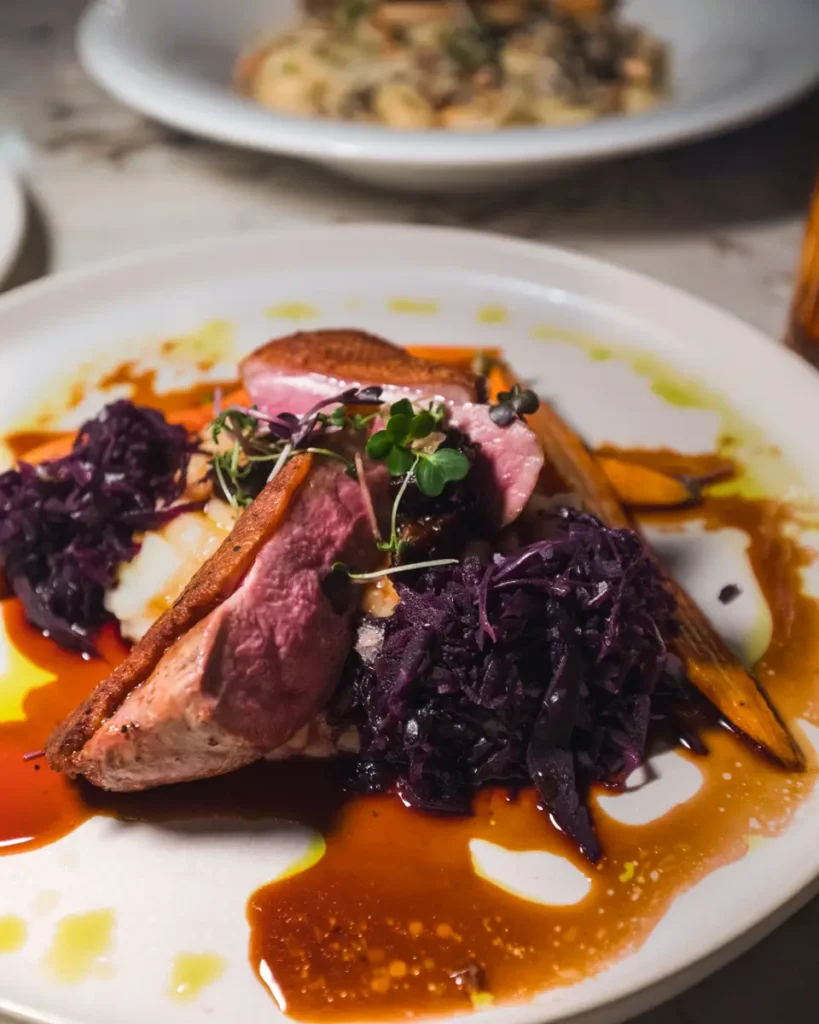
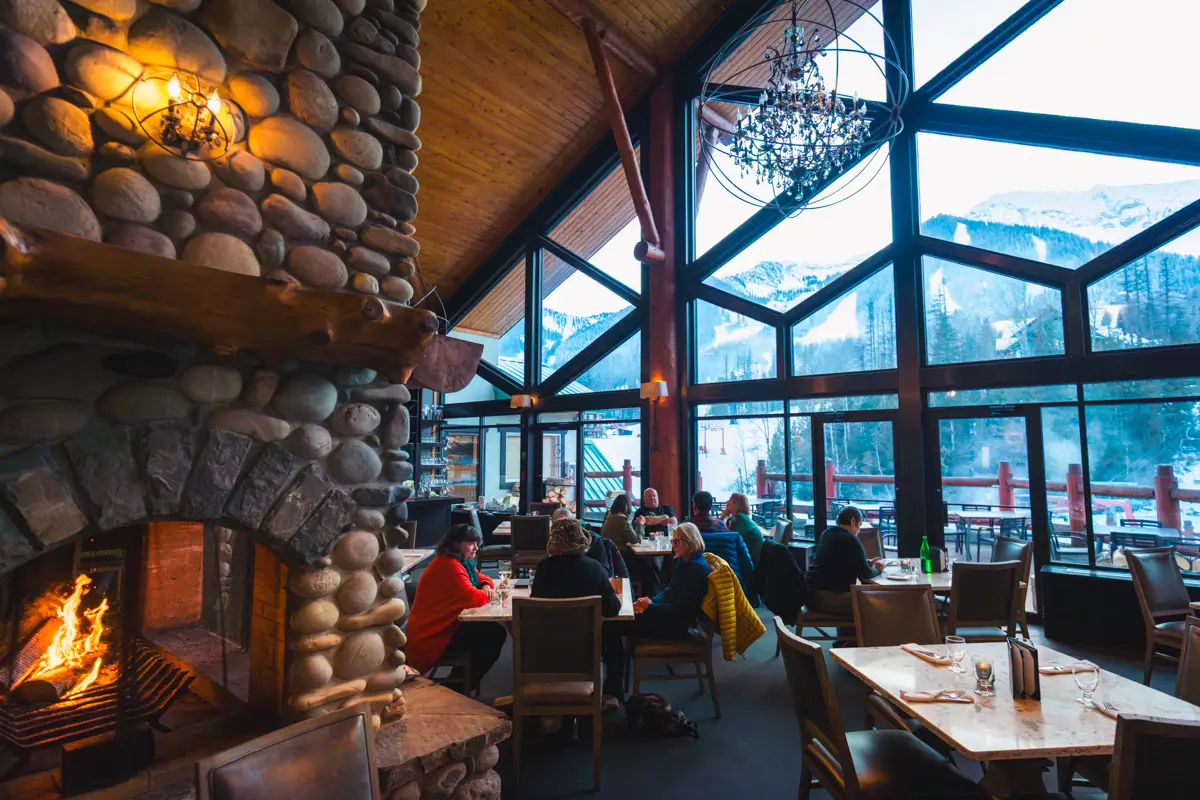
Cirque Restaurant is inside Lizard Creek Lodge at Fernie Alpine Resort, making it one of the easier dinner options if you’re finishing a ski day nearby. The menu is one of the more upscale in town; leaning toward polished resort dining with seafood, steak, pasta, vegetable plates, soups, salads, desserts, cocktails, wine, and local beer. I was honestly pleasantly surprised by my meal. The chalet-style dining room has large windows facing the ski hill and surrounding mountains, so it’s an amazing spot for sunset.
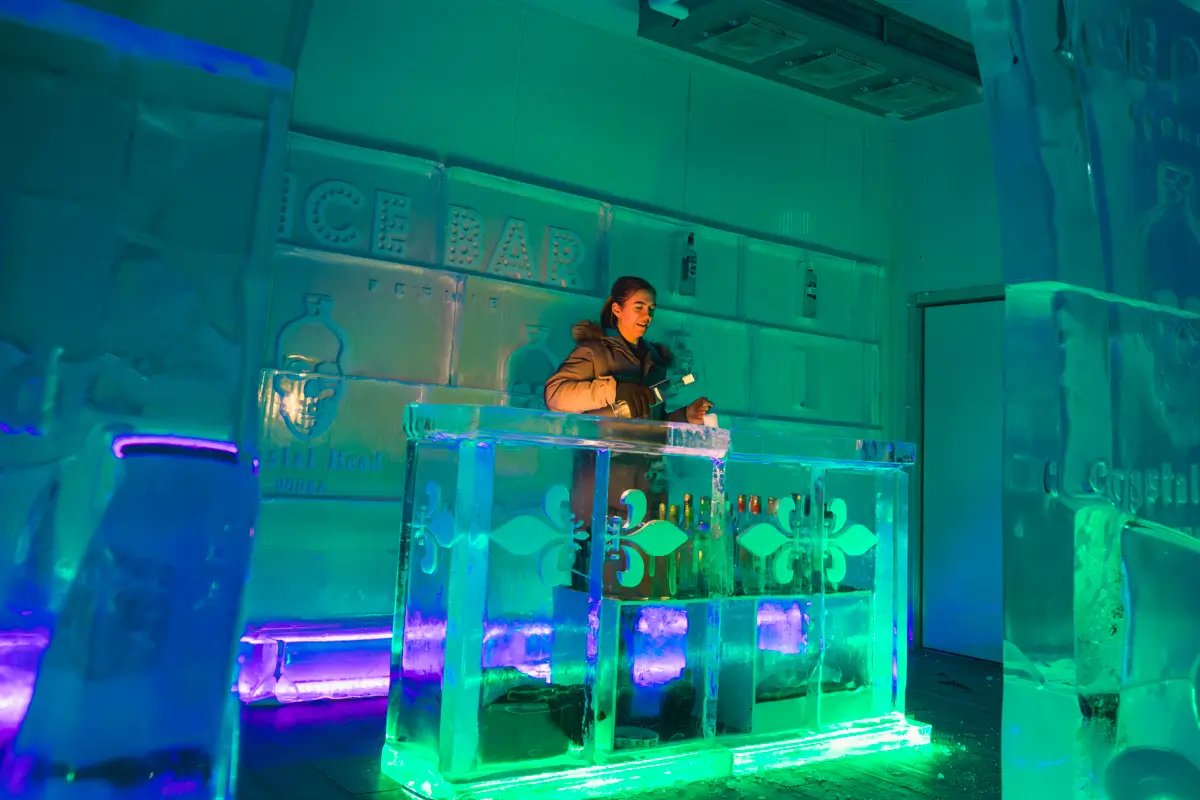
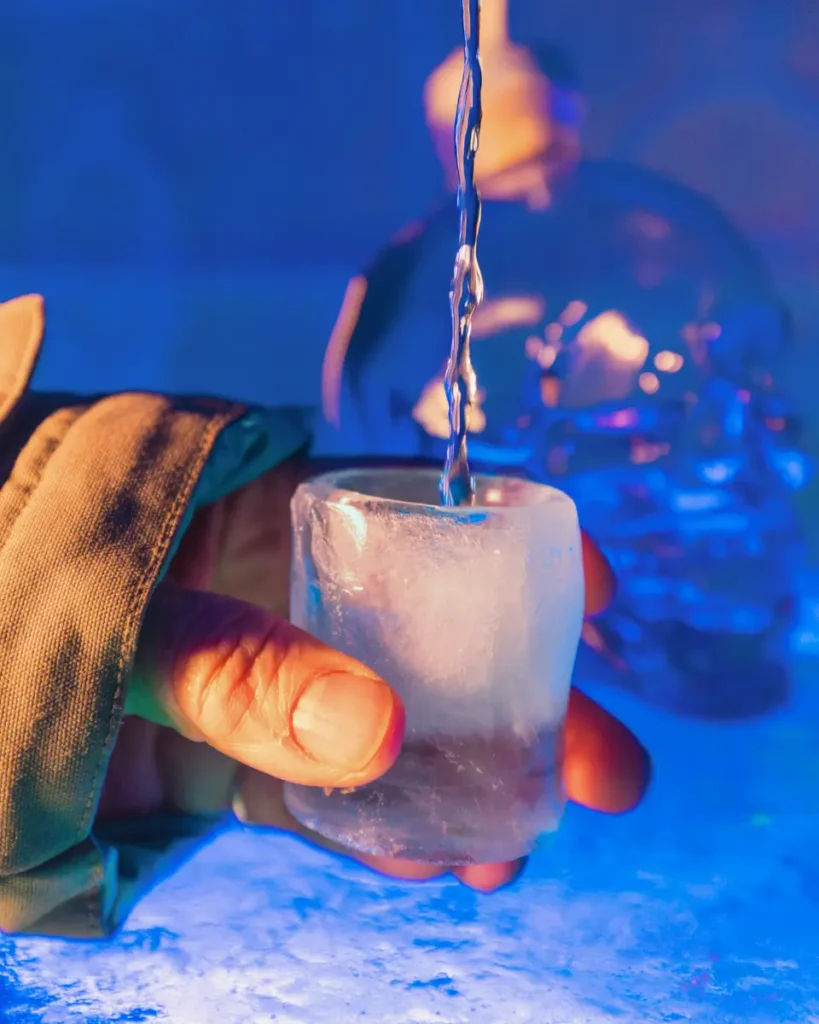
The Ice Bar, open in winter, is one of the more unique reasons to come, and a Fernie winter must-do. It’s a small sub-zero vodka tasting room where you put on provided parkas, step into a carved ice room, and sample vodkas in glasses made of ice. When you’re finished, you smash the ice glass on the floor, .
20. Shop for Souvenirs at the Arts Co-op
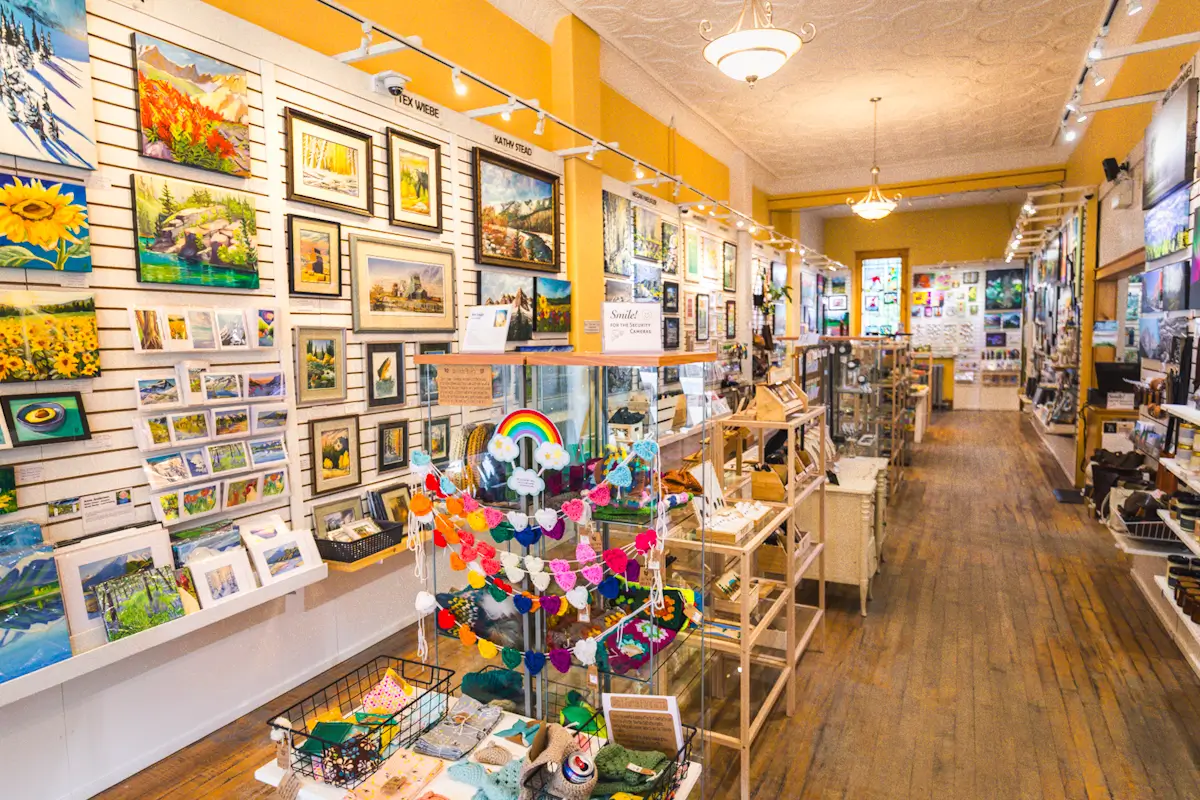
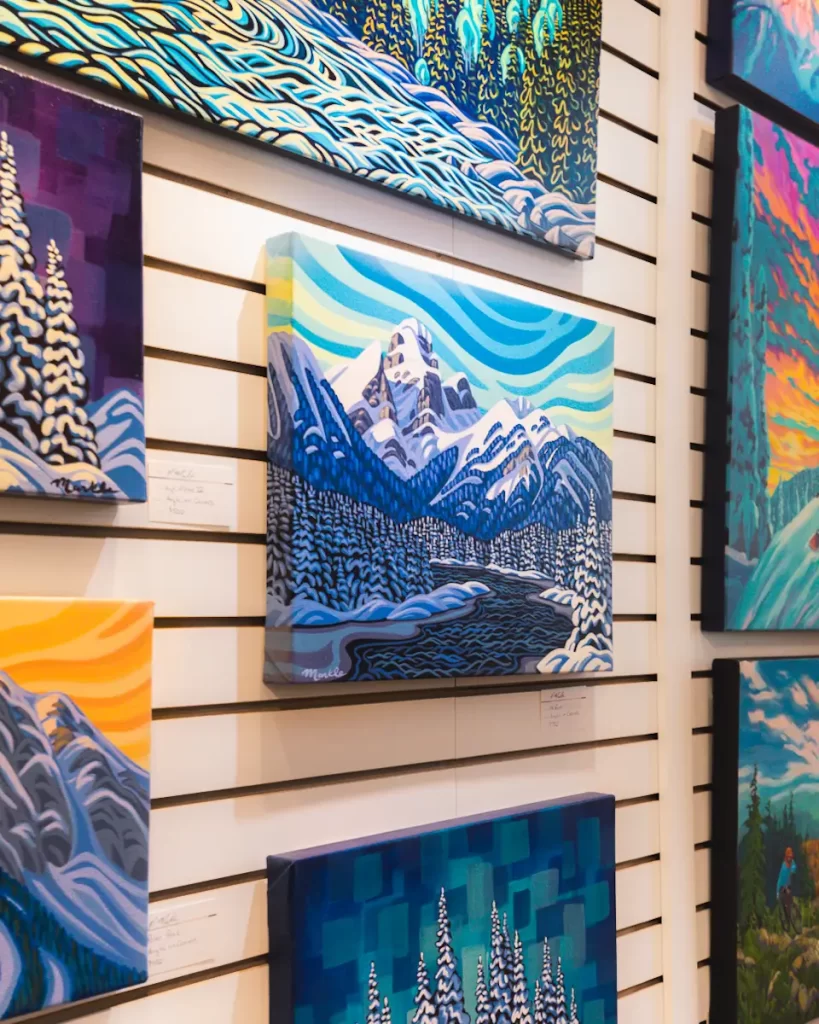
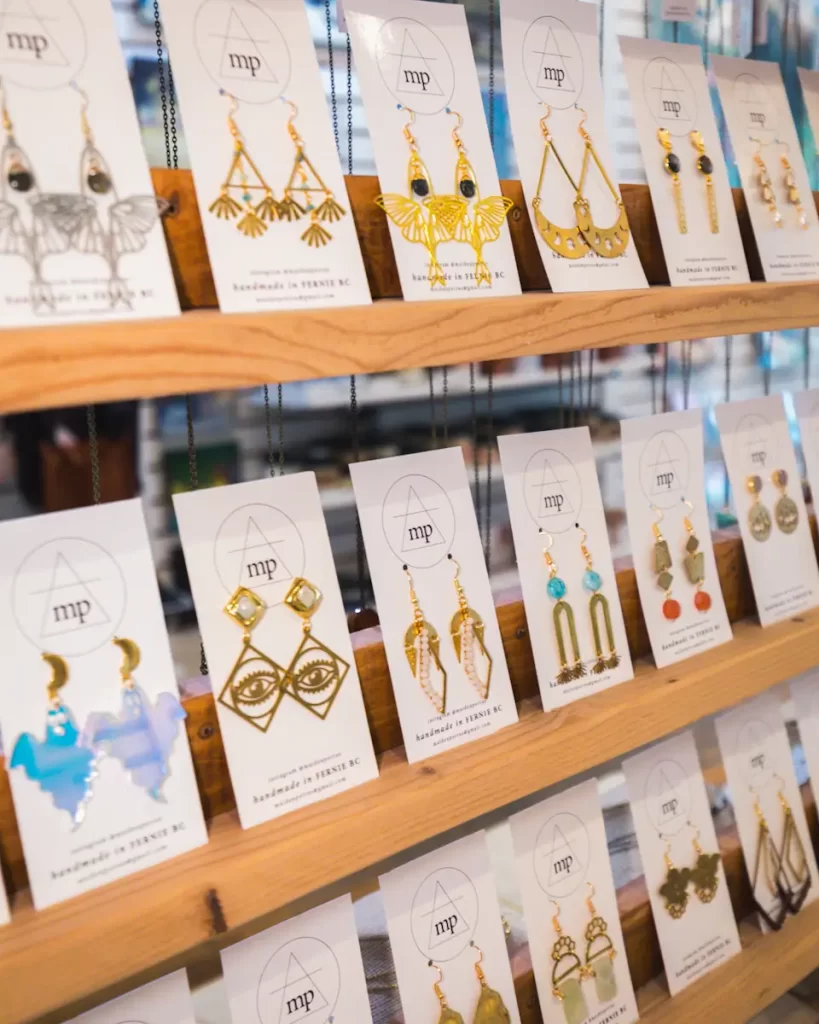
Fernie Arts Co-op is a volunteer-run gallery and shop in downtown Fernie that features work by local and regional artists from Fernie, the Elk Valley, and the wider Kootenay Rockies. The surprisingly large shop has been operating for more than 20 years and carries a broad mix of paintings, photography, pottery, jewellery, textiles, woodwork, sculpture, soap, home goods, fine art prints, cards, and small giftable pieces. Since co-op members help run the shop, the person behind the counter when you visit is probably also one of the artists whose work is on the shelves.
21. Unwind at the Brickhouse
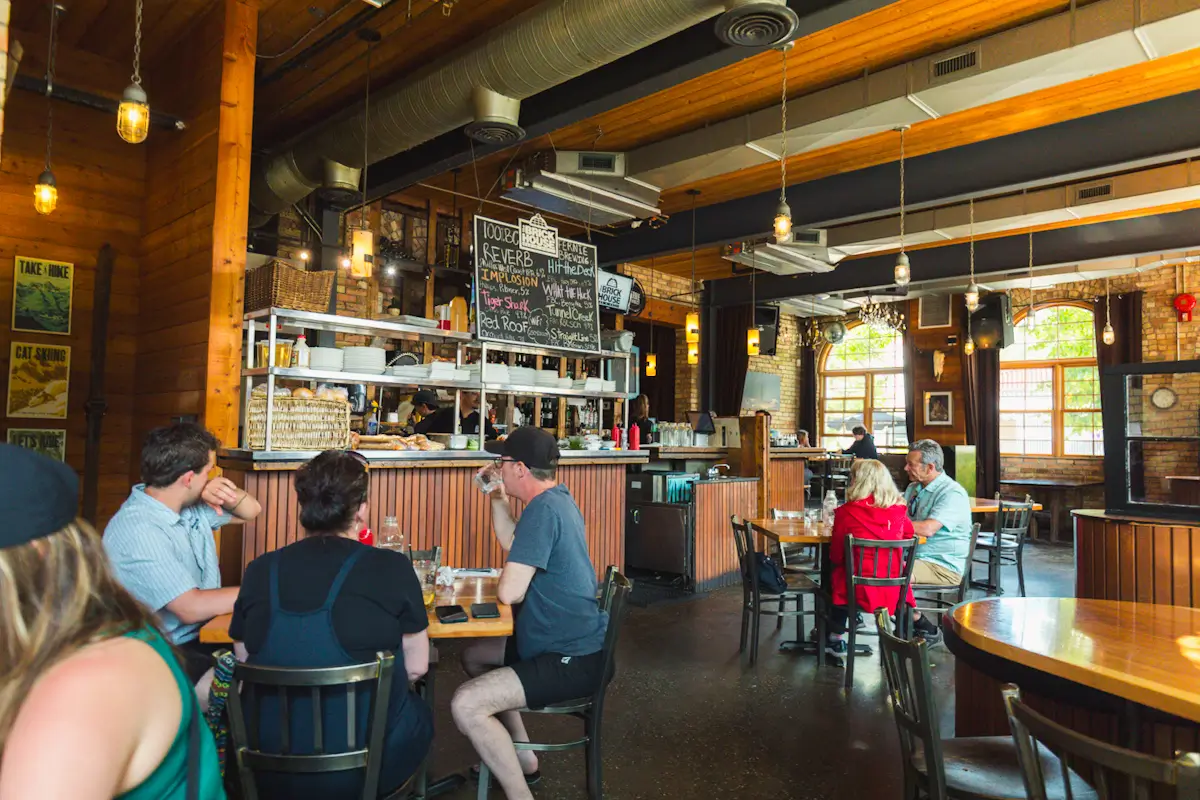
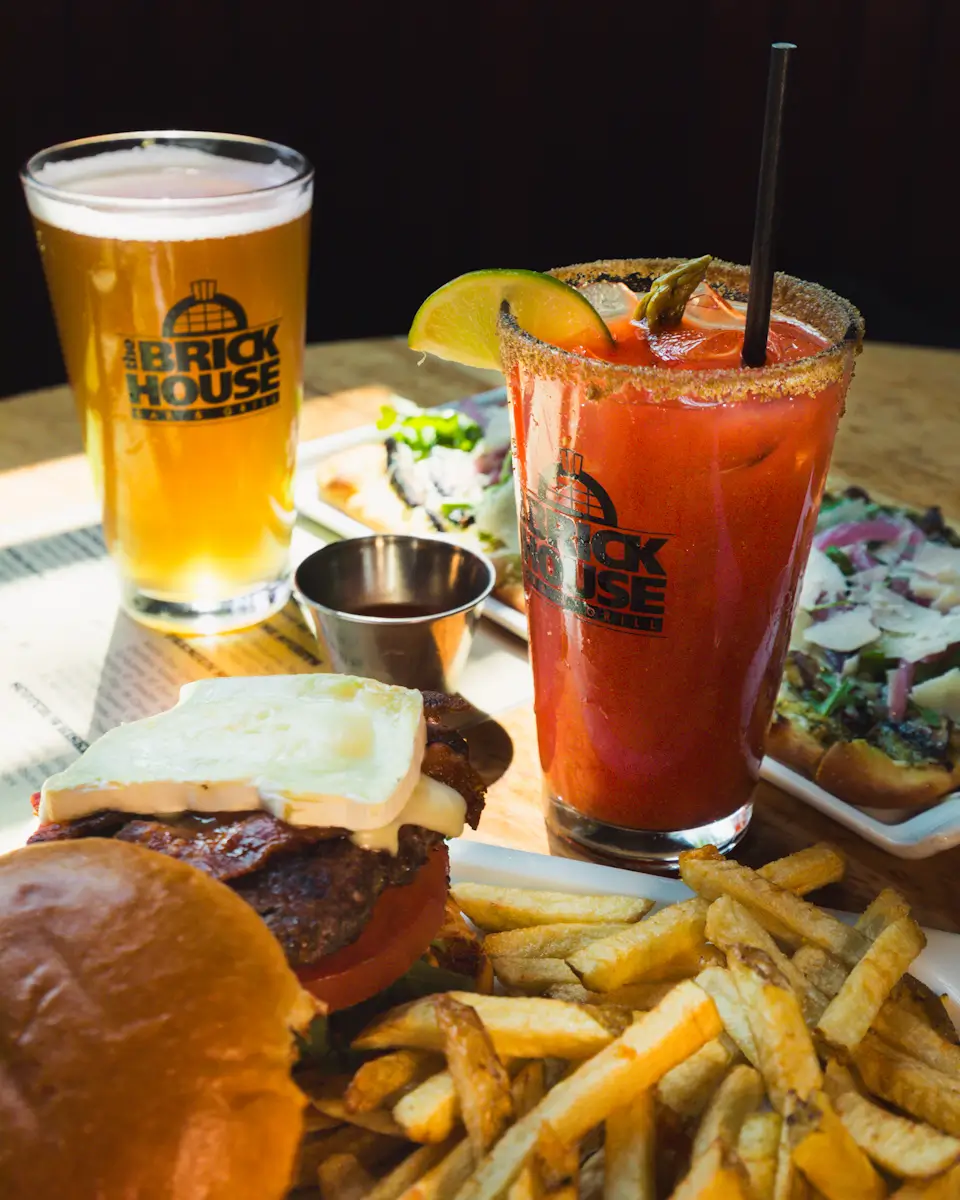
The Brickhouse Bar & Grill opened in Fernie in 2006 inside the restored Imperial Bank of Canada building on 2nd Avenue. You can still see the old brickwork, large windows, and if you use the men’s bathroom don’t be surprised to find yourself inside the old bank vault.. The menu covers pub-style lunch and dinner, with burgers, sandwiches, bowls, salads, steaks, pasta, seafood, tacos, and share plates, plus cocktails, wine, and local beer. It tends to be one of the busier patios in summer. My recommendation is the brie burger.
22. Cool Off at Happy Cow Ice Cream
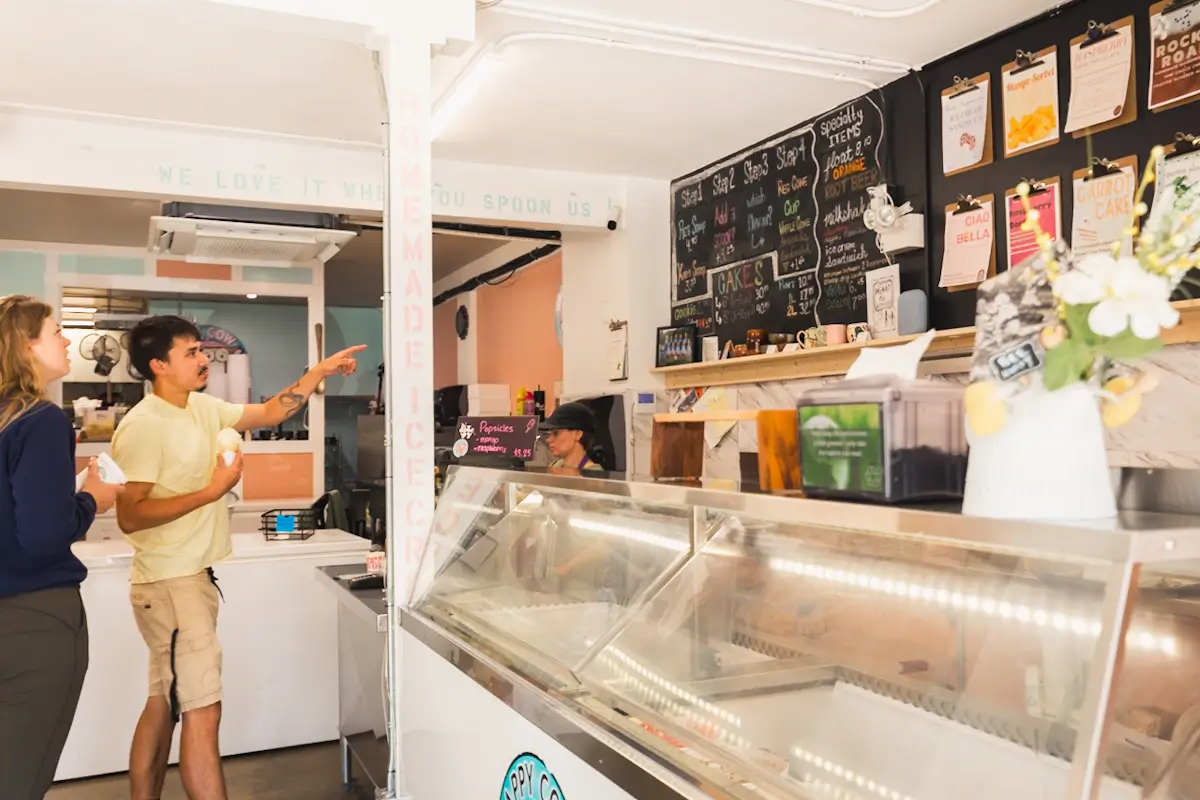
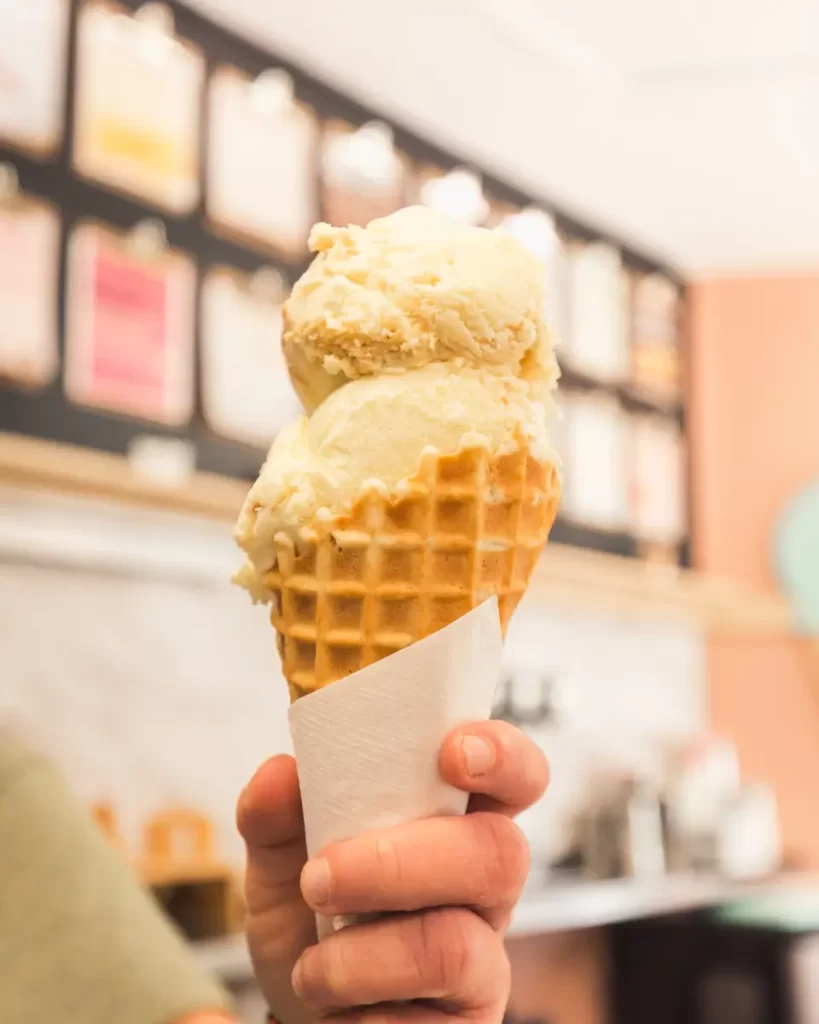
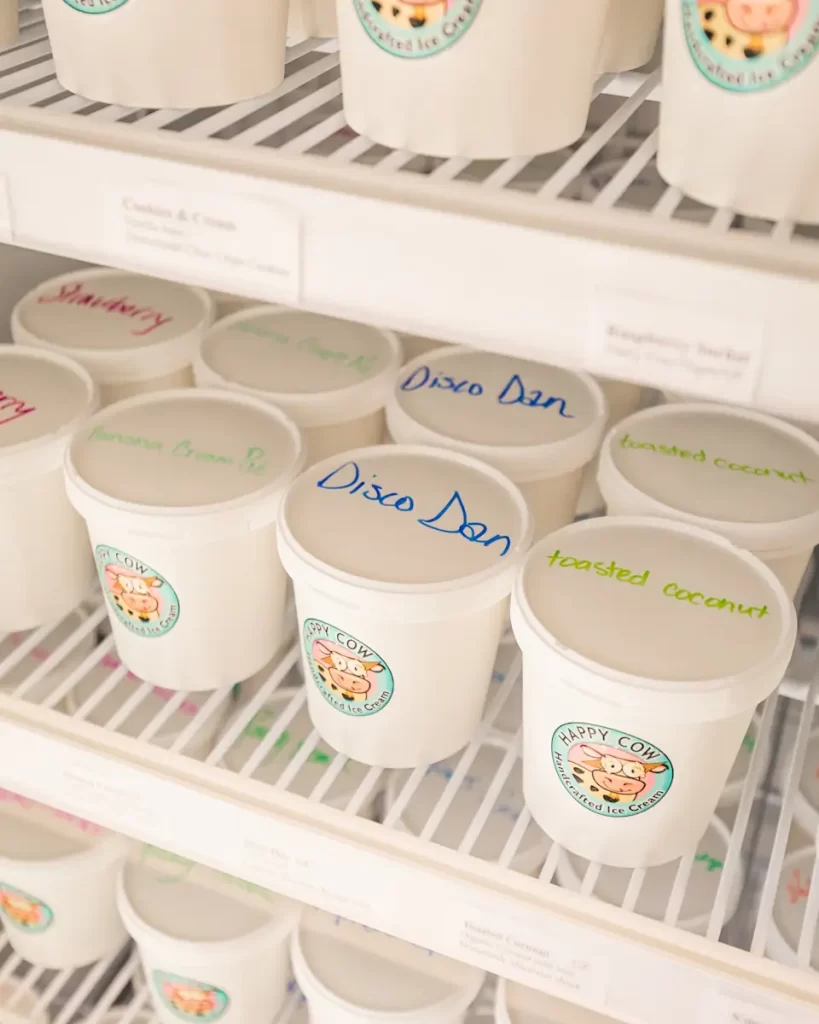
Happy Cow Ice Cream was started in Fernie by Wendy Lyn and Dan Worth on Highway 3, just outside the historic downtown core, and while it’s a little out of the way, trust me it’s well worth it. Expect flavours built around local ingredients like Fernie honey, berries, beer, and coffee. They have tubs, cones, and ice cream sandwiches, and while yes, yes, all the flavours are delicious, you absolutely have to get the Honeycomb, made with Fernie honey and homemade sponge toffee. Trust me.
23. Brave the Rapids with White Water Rafting
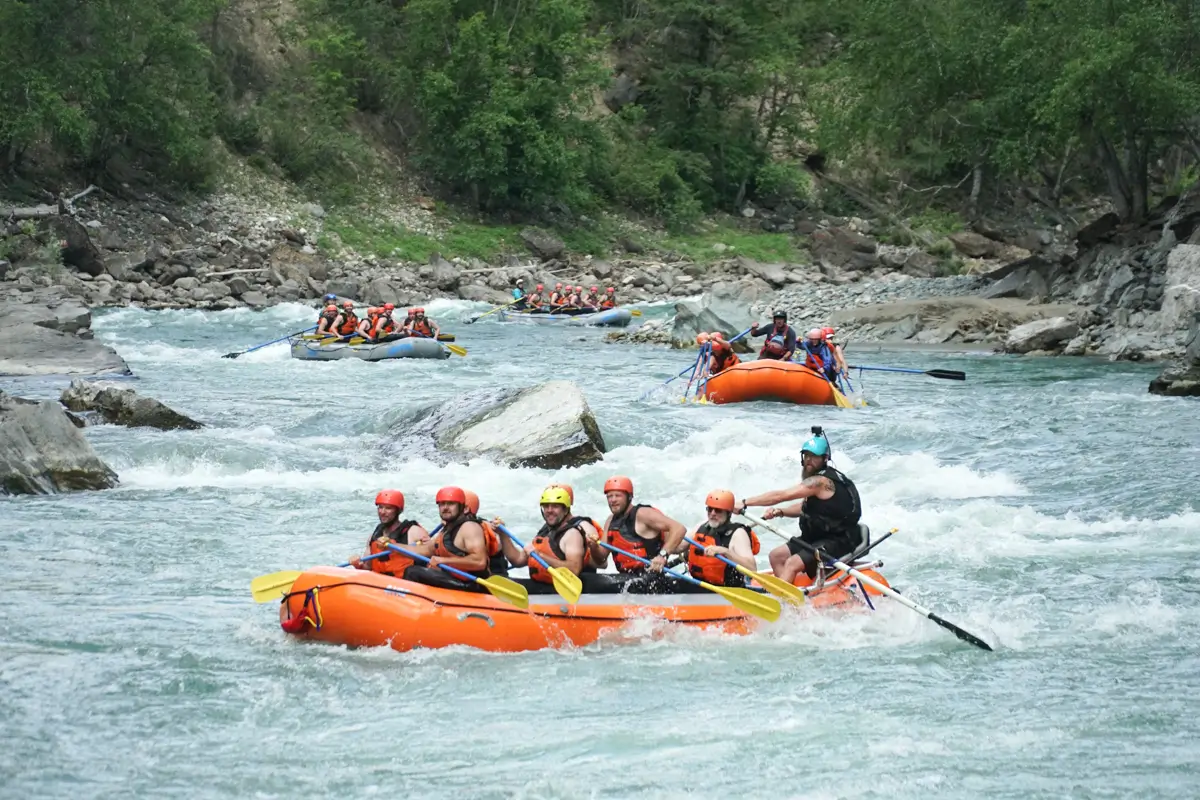
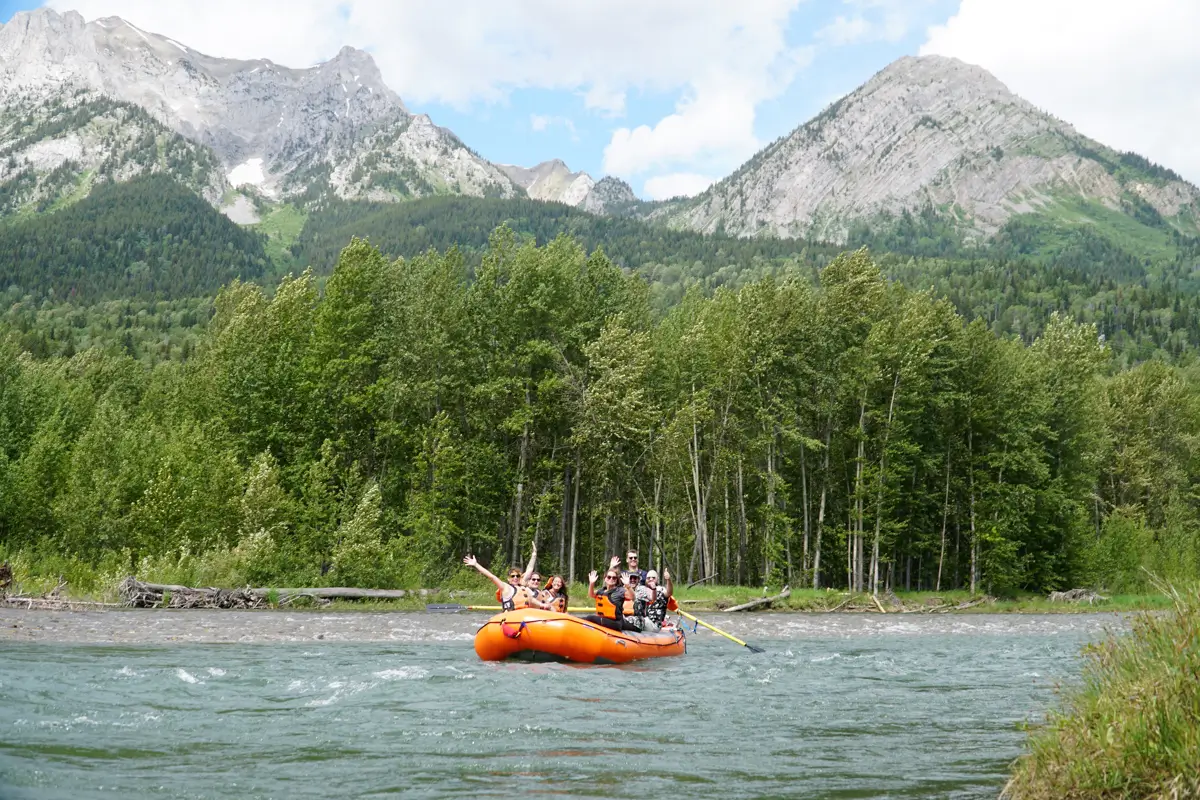
Whitewater rafting on the Elk River or the Bull River with a local guide is hands-down one of the best things to doaround Fernie, with the best trips taking place earlier in the year when water levels are higher. The Lower Elk Canyon and Bull River are the bigger whitewater options, with class III and IV rapids, rock walls, cold mountain water, and full-day trips that involve paddling rather than just sitting in the raft. There are also calmer scenic floats on gentler stretches of the Elk River, which suit families, mixed groups, or anyone who wants to get on the water without signing up for the full splash-and-shouting version.
24. Taste Bean-to-Bar Chocolate at Beanpod
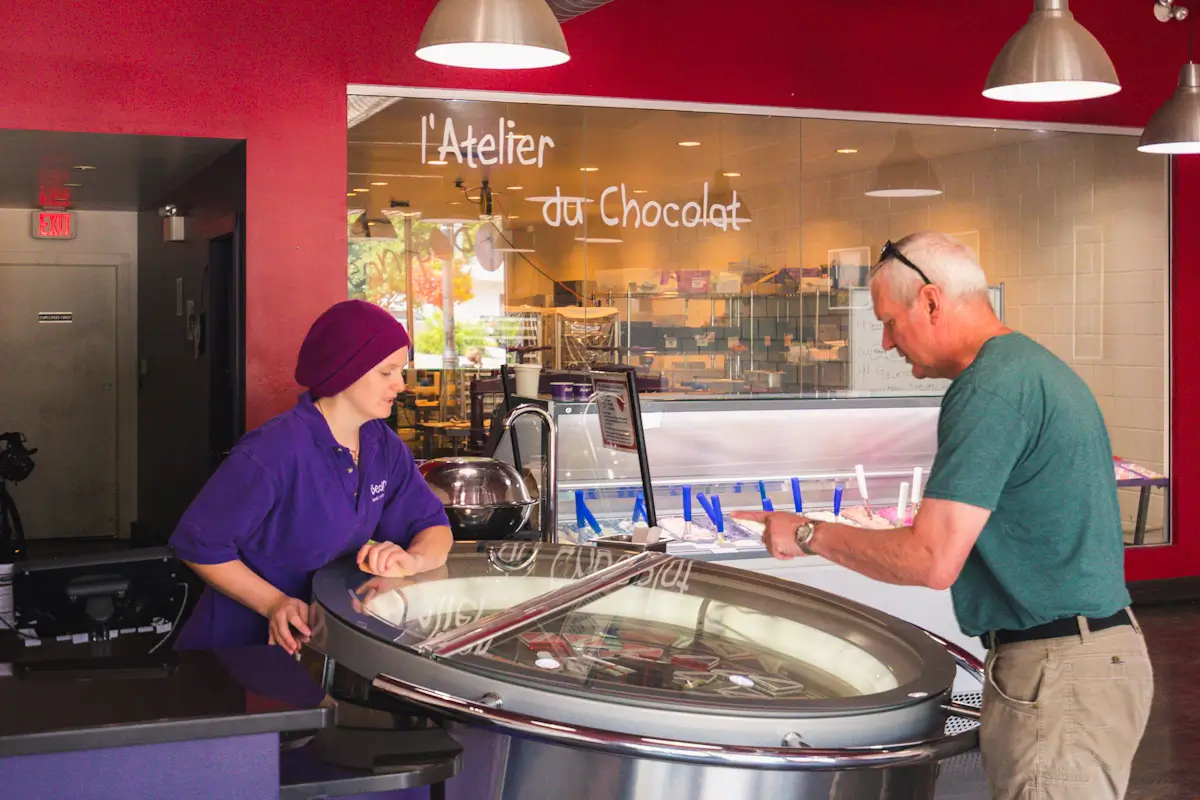
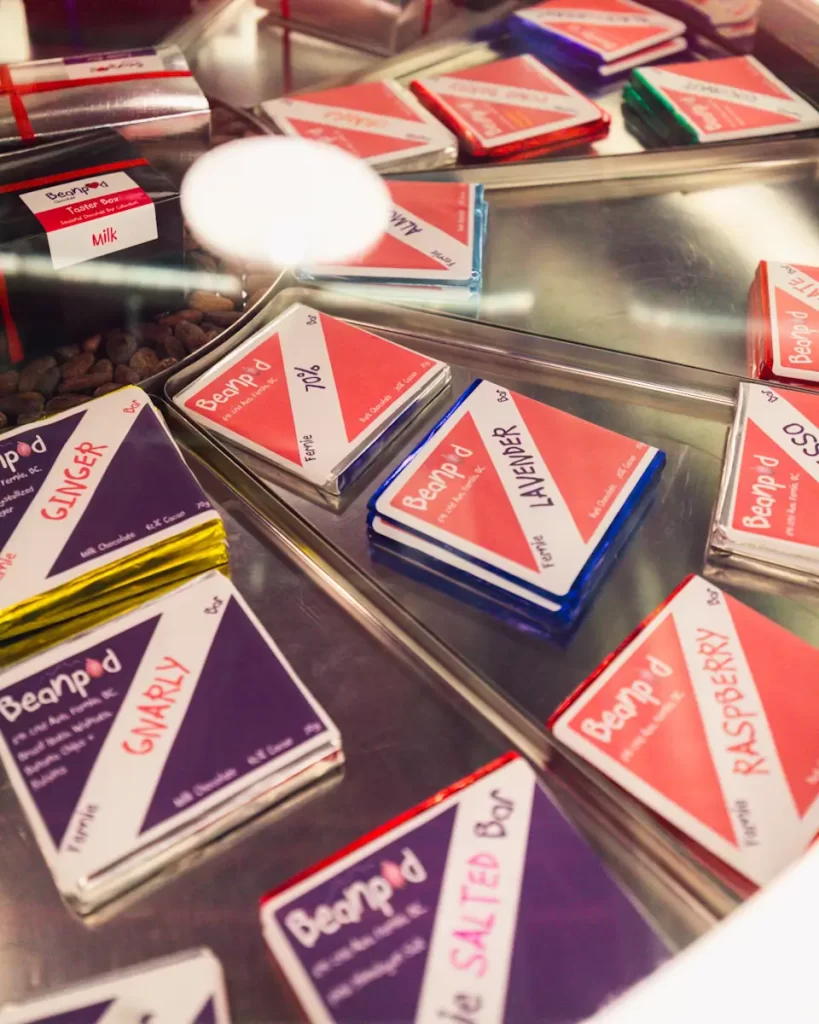
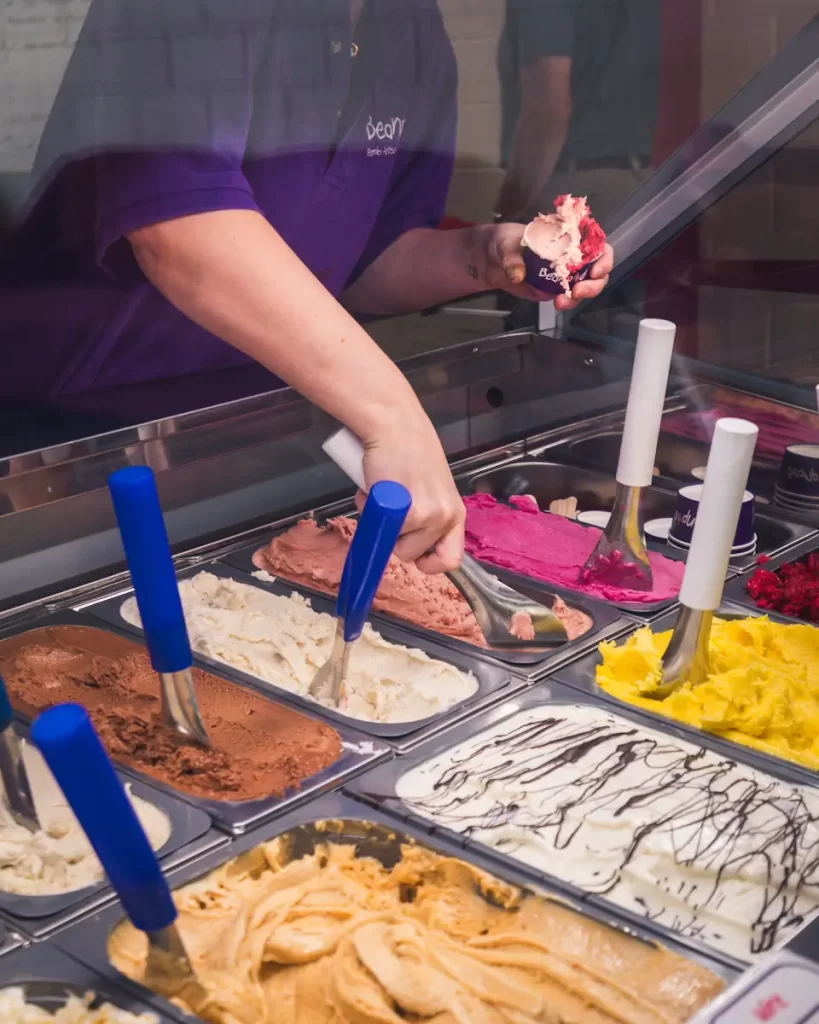
Beanpod was opened in downtown Fernie in 2011 by James and Mary Heavey, and has since become a local staple for their bean-to-bar chocolate, coffee, and gelato. Beanpod works with fair trade cacao, using traditional stone-grinding equipment to make small-batch bars in-house. The shelves usually include milk, dark, and white chocolate bars. Favourites include the Fernie Bear Bar, which uses local honey from Elk River Apiaries, and their dark chocolate Lavender Bar, which uses lavender harvested from Salt Spring Island. The shop also serves espresso drinks and Italian-style gelato, The coffee is sourced from Ecuador and roasted in-house, and the gelato is a perfect reason to walk into their main street location on a hot summer day in-between shops, the museum, and cafes.
25. Fuel up with Breakfast at Big Bang Bagels
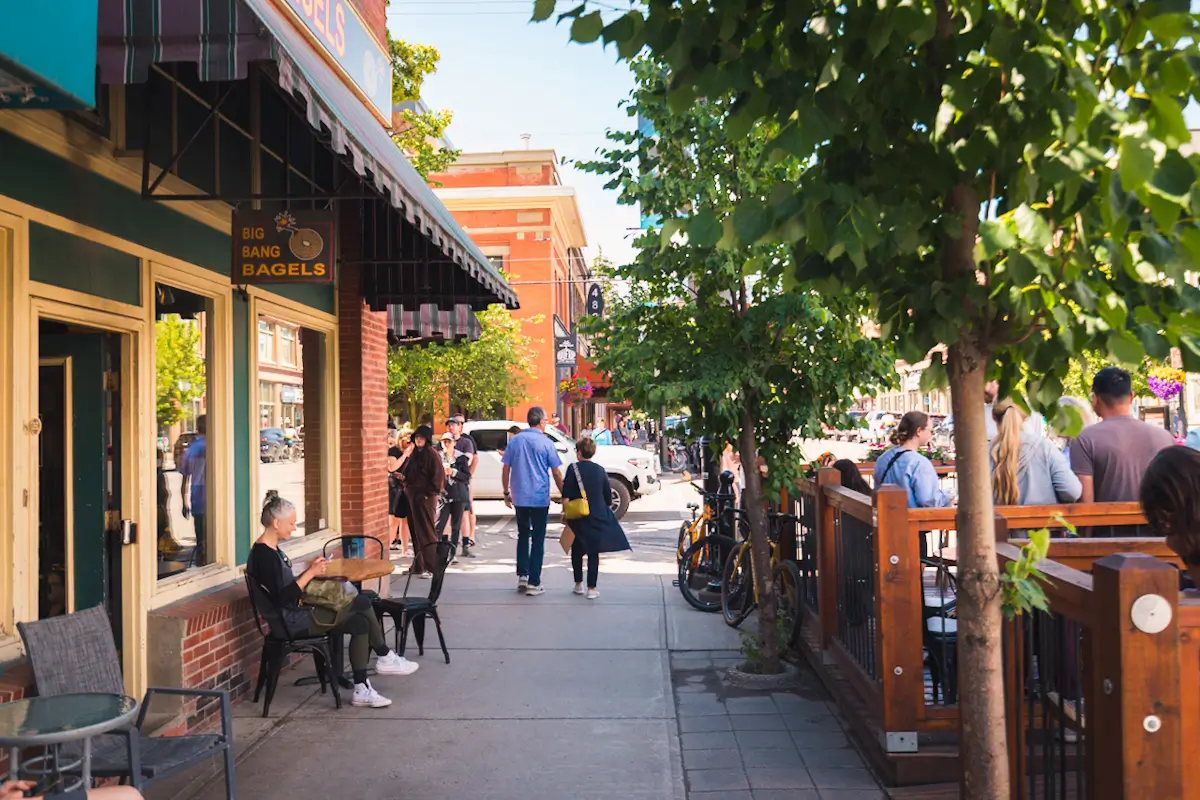
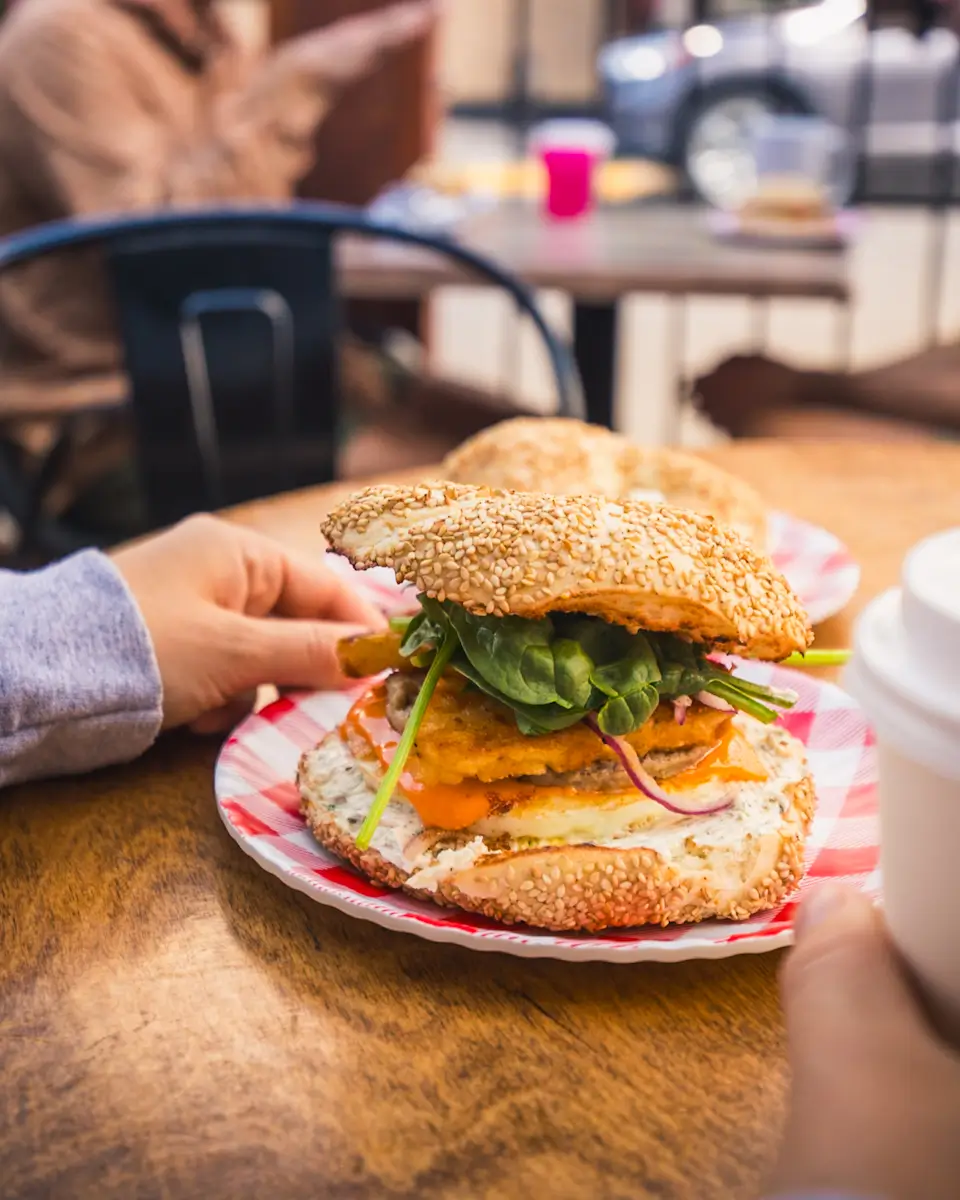
Big Bang Bagels started in 2008, and has since become Fernie’s busiest breakfast and lunch stops, famous for their hand-rolled bagels baked fresh every day. Options include sesame, poppy seed, everything, jalapeño cheddar, cinnamon raisin, and rosemary sea salt, plus flavoured cream cheeses, breakfast sandwiches, lunch bagels, cookies, coffee, and take-home packs by the half-dozen or dozen. Don’t be surprised if you have to line up – if you’re adverse to queuing I would avoid the place on weekends because it does get long.
26. Discover North America’s Largest Ammonite
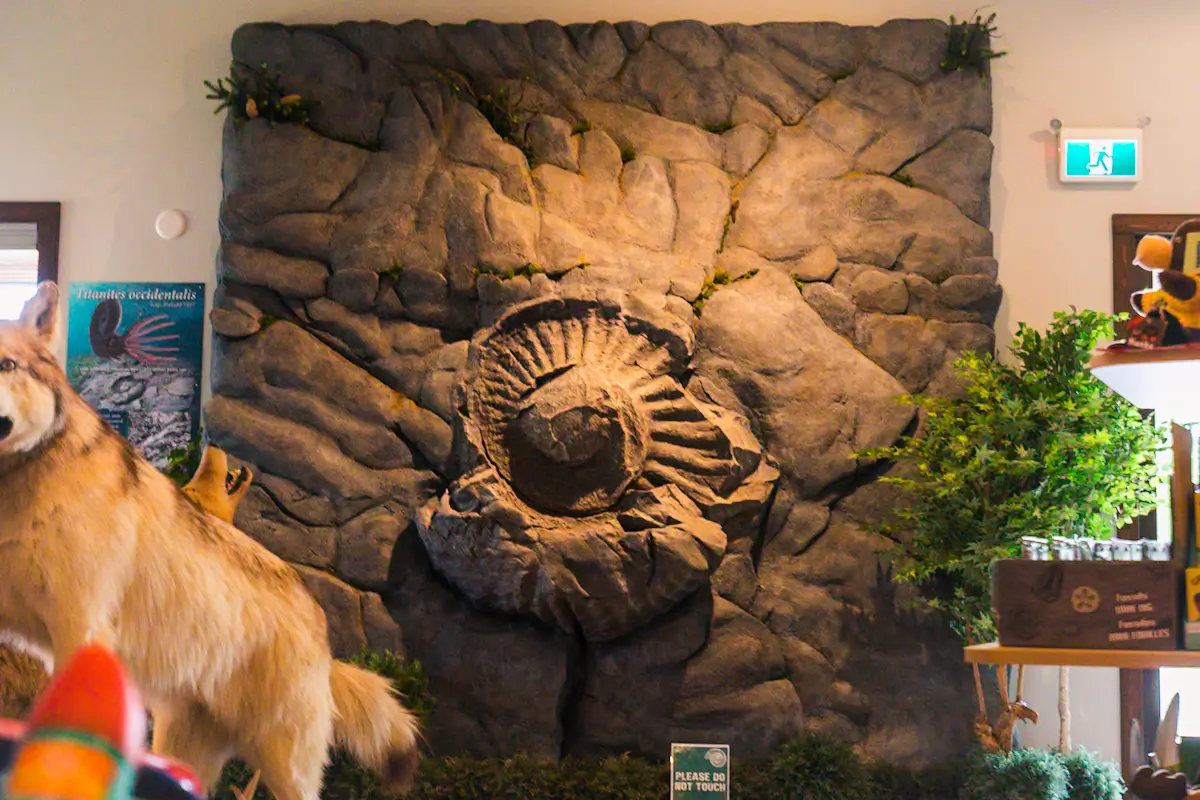
The Fernie Ammonite is a giant fossilized marine cephalopod tucked into the Coal Creek drainage east of town. When the animal was alive, it was a large, Squid-like marine predator, slowly moving through shallow seas. It was formally reassigned in 2023 as a new genus: Corbinites occidentalis, after a re-evaluation of its anatomy. The fossil dates to the late Jurassic, around 150 million years ago, when this part of Western Canada lay beneath a shallow sea along the edge of the rising Rocky Mountains. The Ammonite measures about 1.4 metres across, which explains why the British Columbia Geophysical Society mapping team that found it in 1947 first thought it looked like a “fossil truck tire.”
Reaching the fossil is a little tricky, as the trail passes through active logging areas and may or may not be easy to follow. As well, a bridge washout a few years ago has made a river crossing required, making this hike only possible later in the year when water levels are low. While there’s been lots of talk of building a new and official trail, I don’t know when that will actually happen. If you’re not up for the adventure of trying to find it, a mold has been taken and is on display in the Fernie Visitor’s Center.
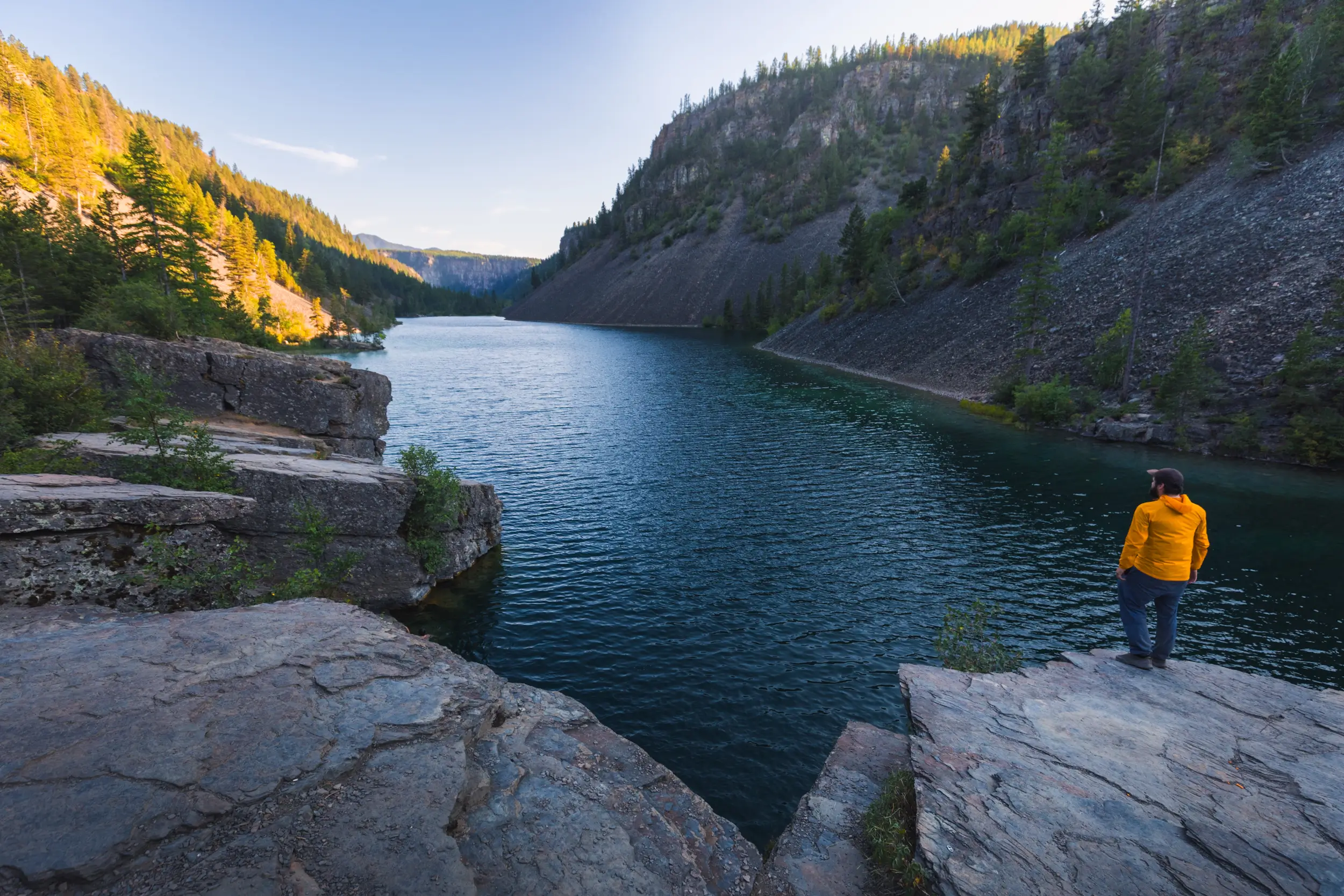
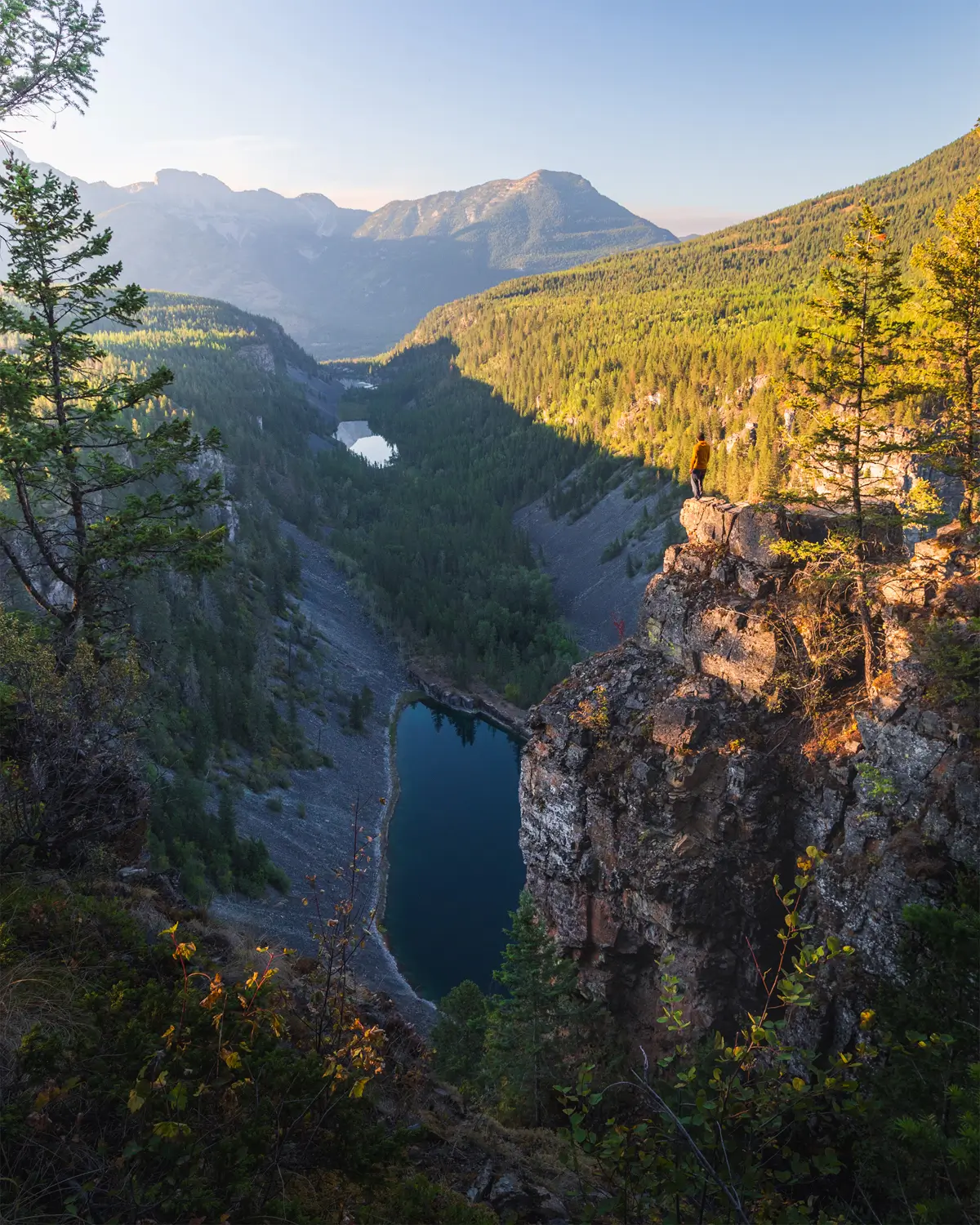
27. Take a Dip at Silver Spring Lakes
Silver Spring Lakes sit near Elko, about 30 minutes south of Fernie, and are a local swimming hole easily recognizable for their steep limestone cliffs, swimming, cliff jumping, and a short but steep approach that helps to keep people out. The first lake is the busiest and most dramatic, with cliffs rising directly from the water and several jumping spots used in summer. Don’t be surprised to find locals drinking and playing music here, but the second and third lakes, reached by continuing along the trail, are much quieter, with more room to walk, fish, or sit by the water.
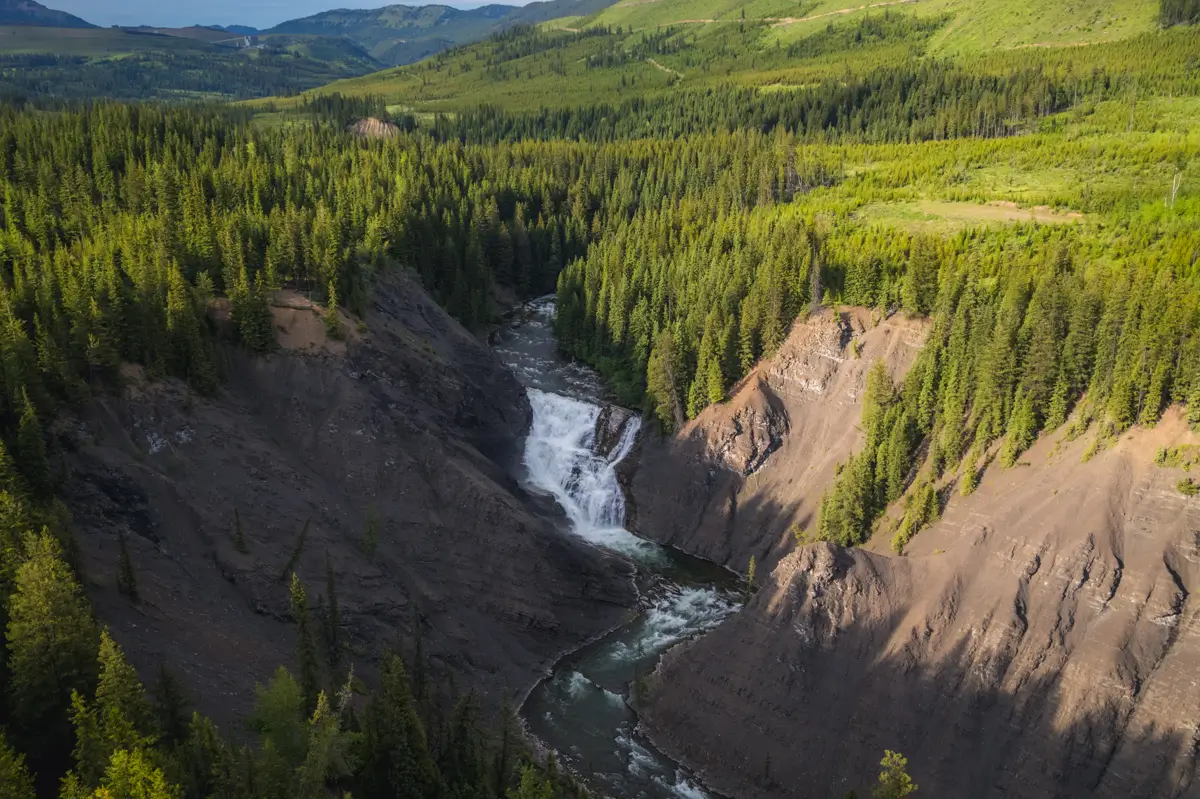
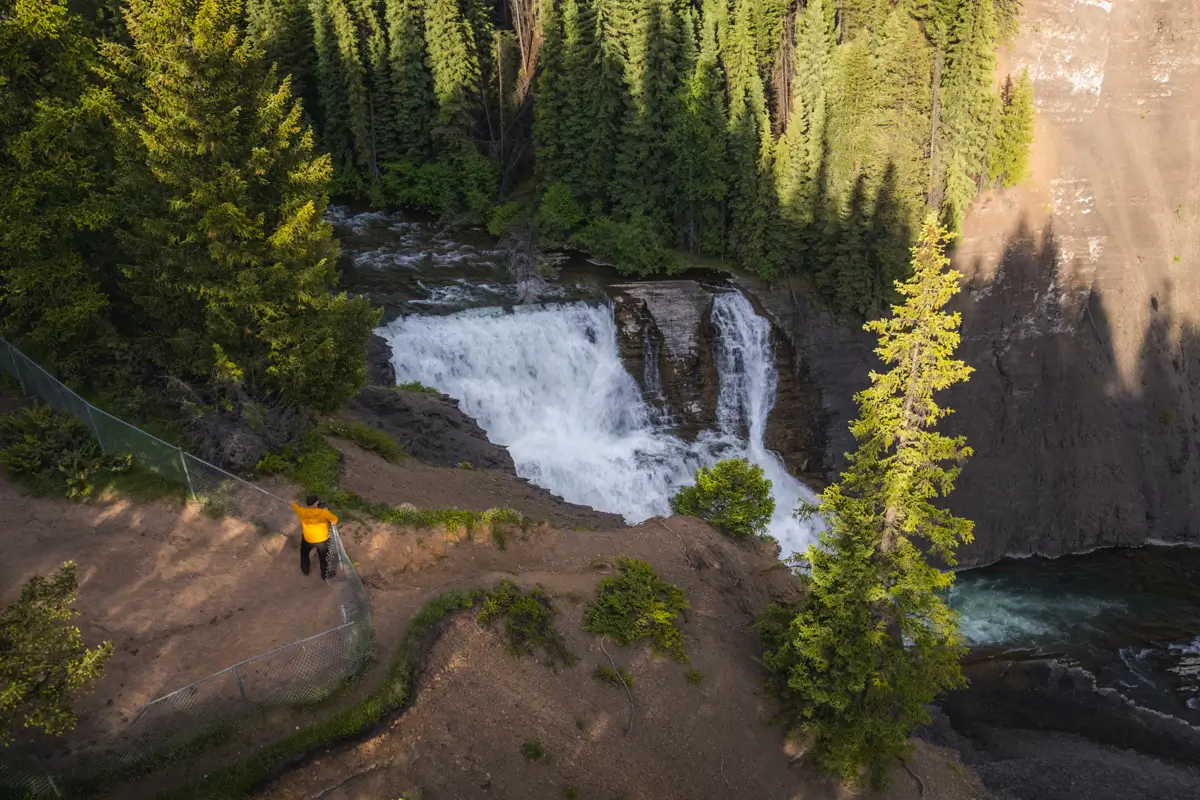
28. Take in the Views at Josephine Falls
Josephine Falls is a hidden gem of a waterfall hike near Elkford, about an hour north of Fernie. The falls drop about 25 metres into a steep canyon carved by the Fording River, making it one of the largest waterfalls in the Elk Valley, and by far the largest within easy access from Fernie. The relatively flat 2.3 km trail makes its way to a viewpoint over the canyon, and while it continues to connect with Lost and Lily Lakes for those eager for a longer hike, the waterfall really is the highlight,
29. Spot Turtles at Surveyors Lake
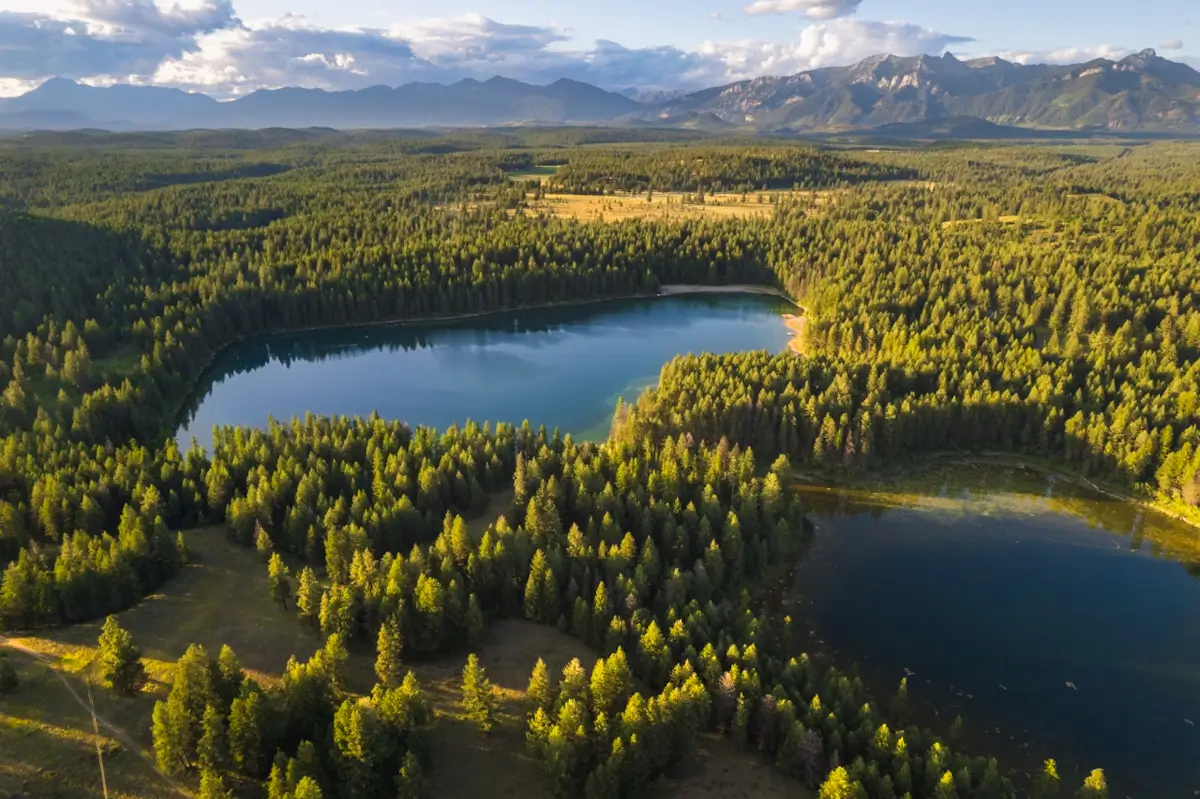
Surveyors Lake sits inside Kikomun Creek Provincial Park near Elko, about 30 to 35 minutes southwest of Fernie, in the warmer, drier landscape between the Elk Valley and Lake Koocanusa. The park protects a mix of ponderosa pine, Interior Douglas fir, grassland, wetlands, and small lakes. Surveyors Lake is the main swimming lake in the park, with a sandy beach, warm summer water, picnic areas, change houses, nearby camping, and easy paddling for kayaks, canoes, and paddleboards.
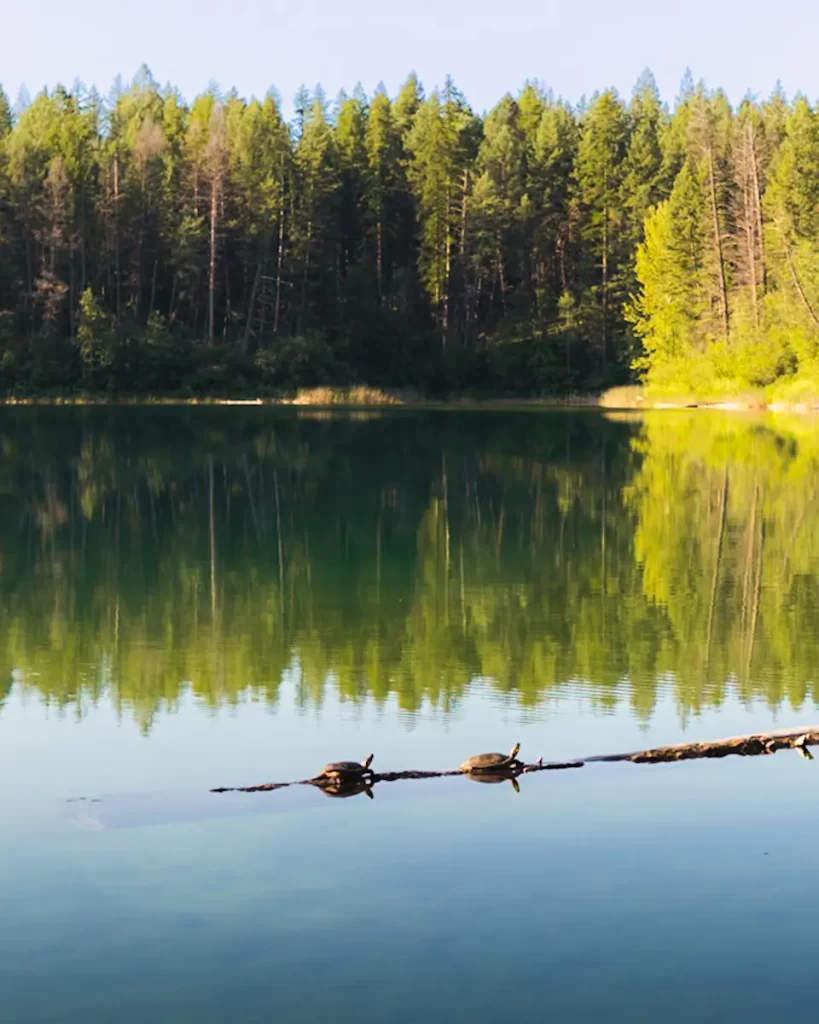
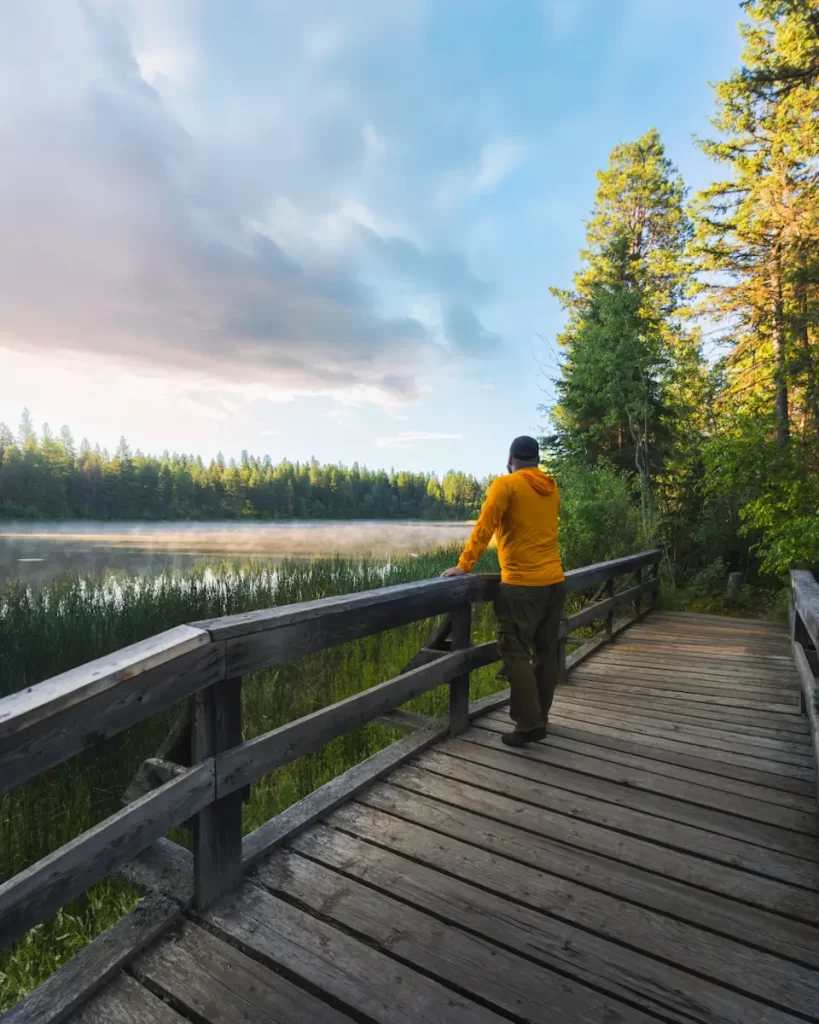
The lake is well known as a great spot in the East Kootenay to see Western Painted Turtles, which often bask on logs around Surveyors Lake and Hidden Lake. There’s a great 45 minute trail that loops around Surveyors Lake, and surrounding trails connect with other small lakes in the park, including Hidden, Engineers, Fisher, Muskrat, and Skunk Lakes.
30. Escape to Lake Kookanusa
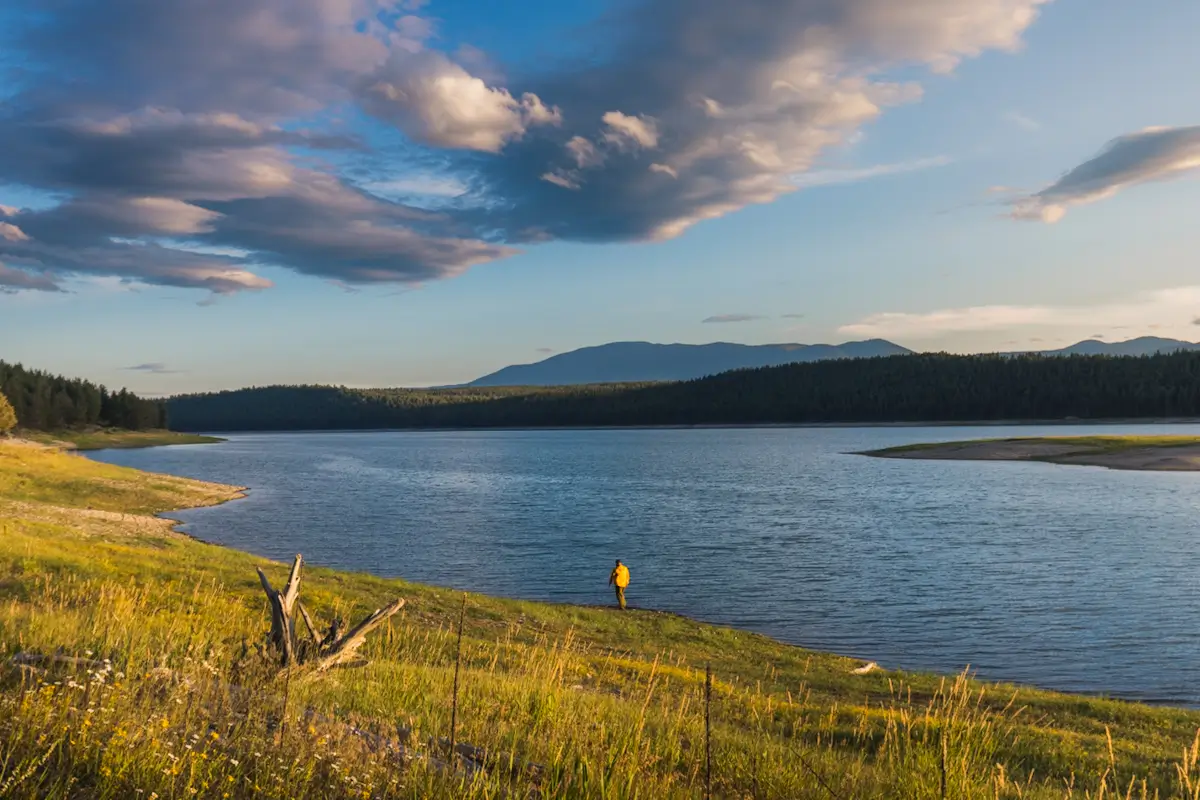
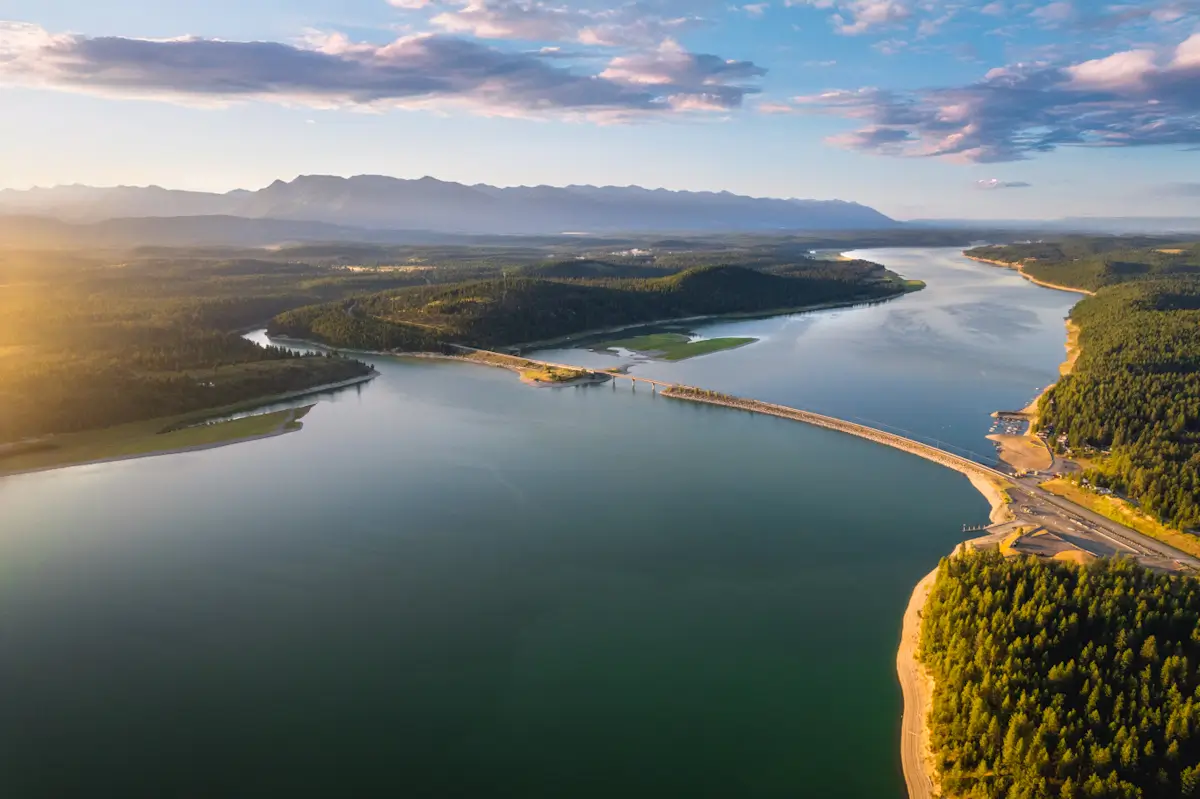
Lake Koocanusa sits southwest of Fernie, stretching from the East Kootenay into Montana as a long reservoir on the Kootenay River. It was created by Libby Dam in the early 1970s under the Columbia River Treaty, and the name was picked in a local contest – it combines Kootenay, Canada, and USA. On the BC side, it gives Fernie visitors access to warmer, drier lake country, with sandy beaches, boat launches, campgrounds, marinas, and long stretches of open water. Summer is the main season for swimming, boating, paddling, fishing, and camping, both among visitors and locals – if you ever hear someone in Fernie refer to “the lake”, Kookanusa is that lake. Kikomun Creek Provincial Park and Surveyors Lake sit nearby, while the Koocanusa shoreline has a mix of developed recreation areas, private campgrounds, and informal beach access points.
31. Explore the Crowsnest Pass
The Crowsnest Pass is about 45 minutes east of Fernie on Highway 3, making it the easiest Alberta side trip if you’re already staying in the Elk Valley. The drive crosses the BC-Alberta border into the Crowsnest Pass and drops you into a string of old mining communities: Coleman, Blairmore, Frank, Bellevue, and Hillcrest. The local history is closely related to Fernie’s own coal and railway past, but the Pass, which no longer has an active mine, is more visibly marked by industrial ruins, mine disasters, and early 20th-century boom-and-bust towns.
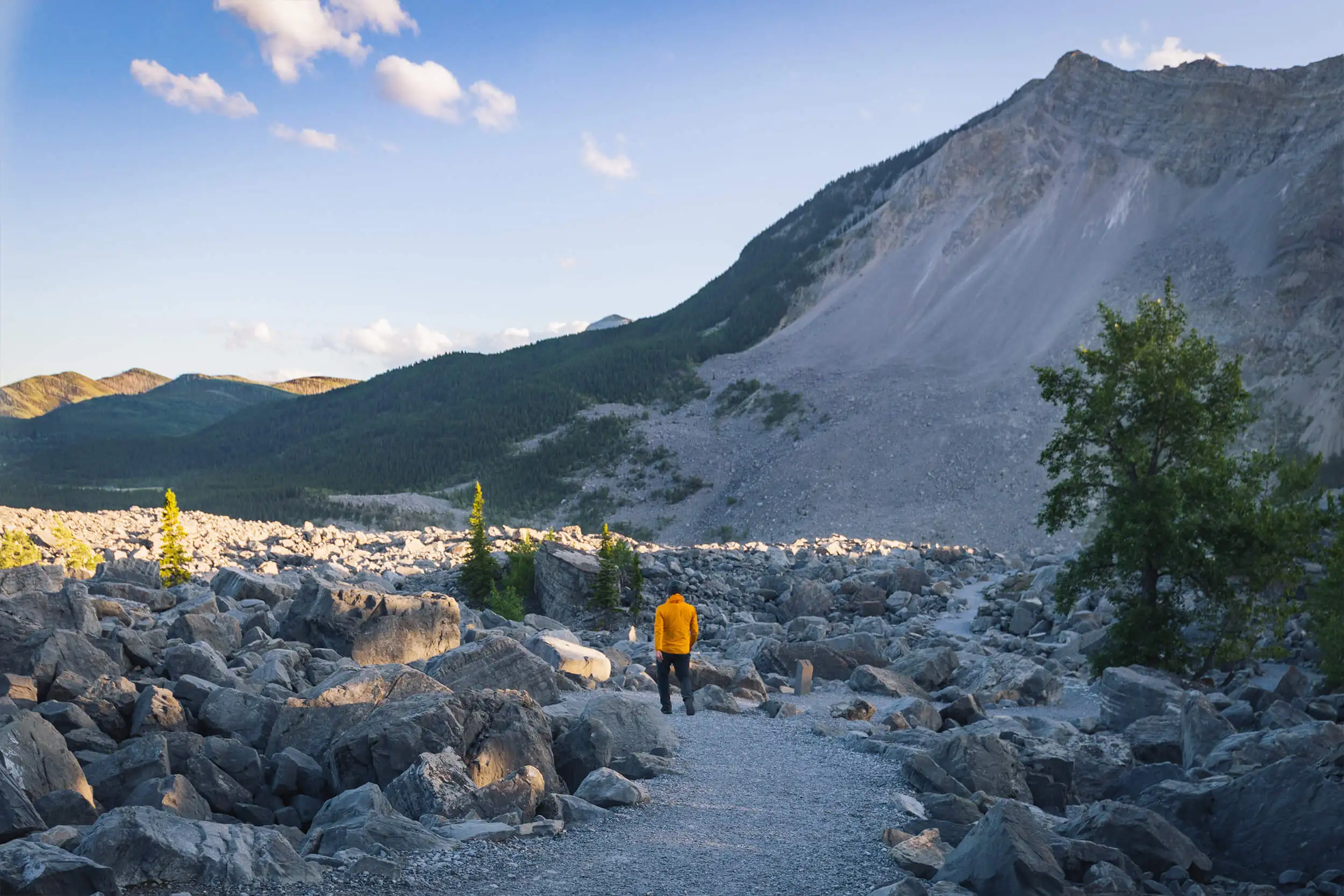
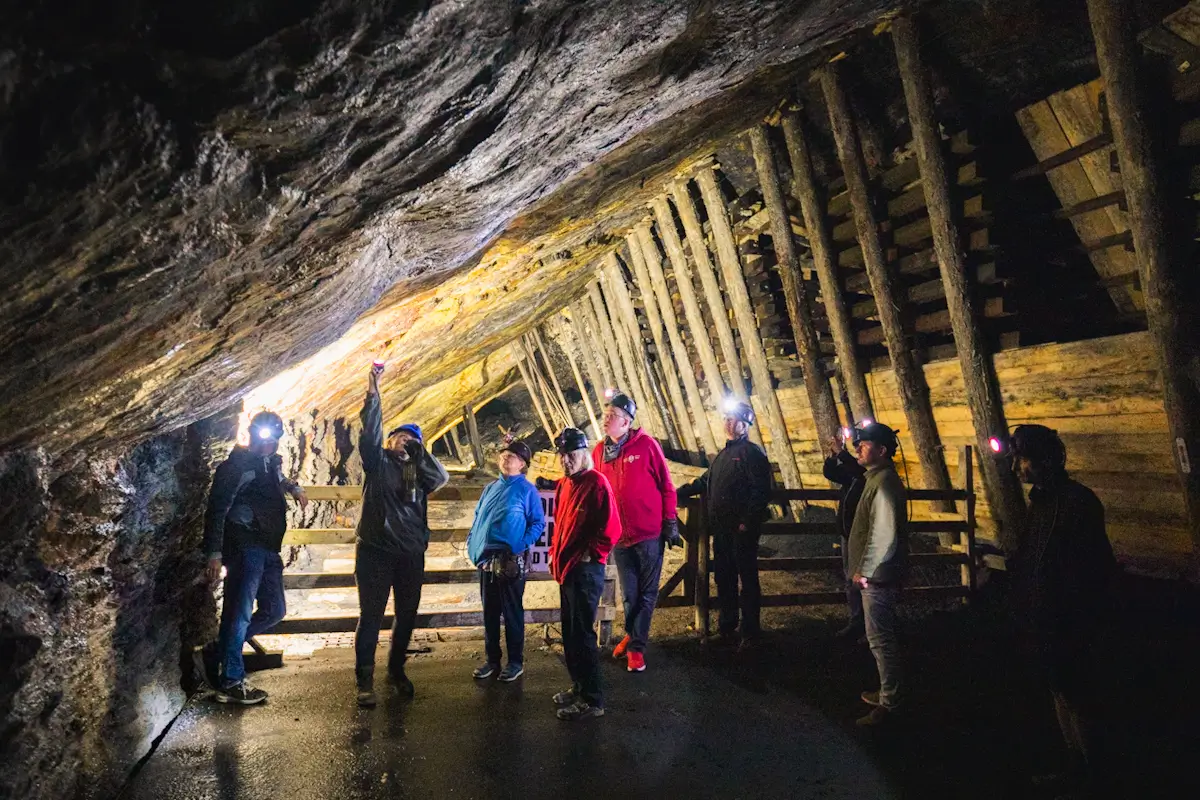
Frank Slide is the must-do stop, with the debris field from the 1903 Turtle Mountain collapse spread right across the valley floor, and the nearby Frank Slide Interpretive Centre explaining the geology, coal mining, and the town that was partly buried. The super underrated Bellevue Underground Mine gives you a guided walk into a restored coal tunnel, and Leitch Collieries preserves the sandstone ruins of one of the Pass’s most ambitious failed mining operations. Add in Crowsnest Lake, Lundbreck Falls, the Burmis Tree, or a meal and beer in Coleman or Blairmore if you have the time.
32. Explore Cranbrook & Kimberley
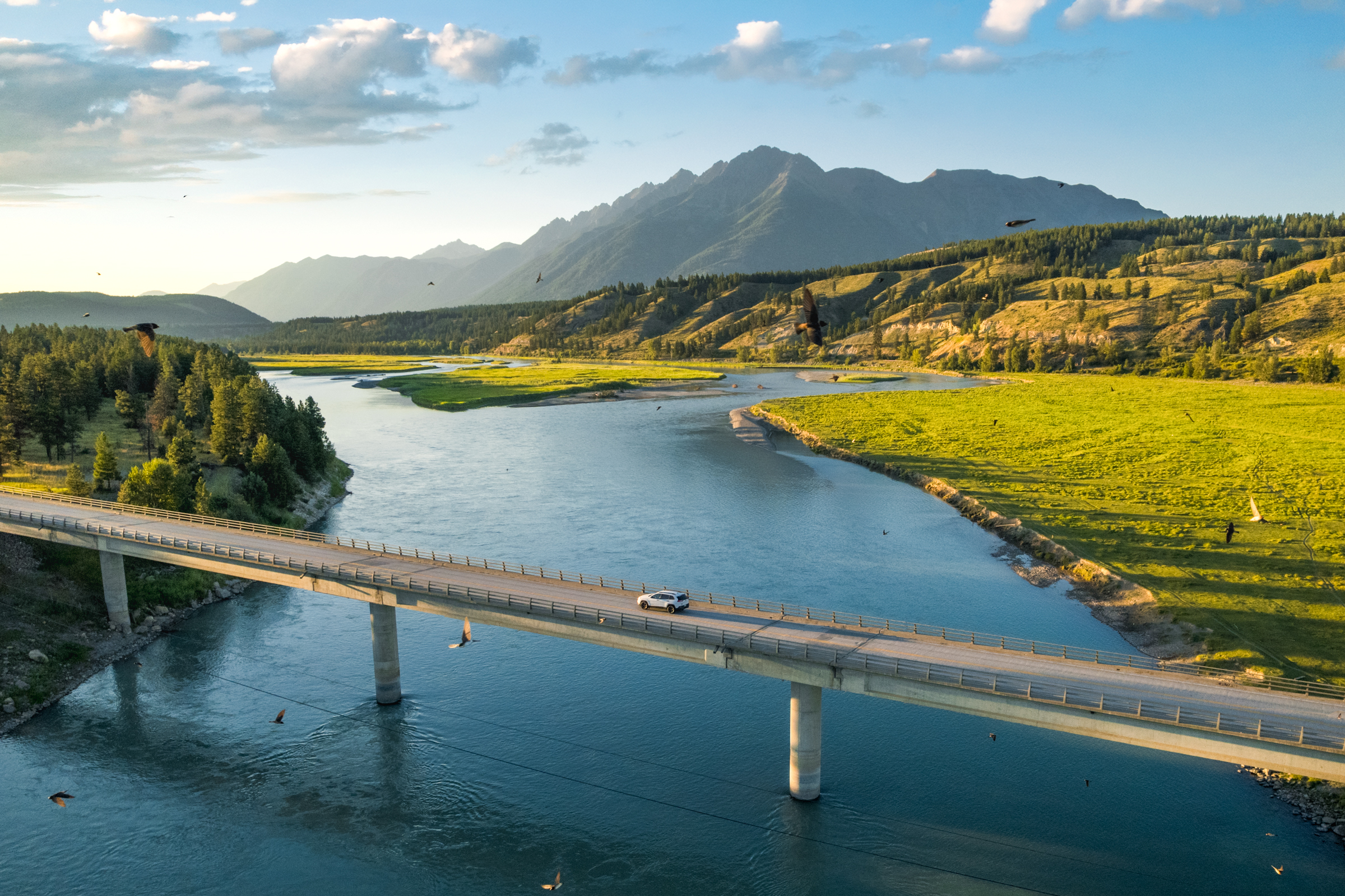
The twin towns of Cranbrook and Kimberley sit about an hour west of Fernie in the Rocky Mountain Trench, making them easy to combine into a full East Kootenay day trip if you want to see more of the region beyond the Elk Valley. The drive from Fernie follows Highway 3 through Elko and Jaffray before dropping toward Cranbrook, with a landscape that shifts from Fernie’s steeper, wetter mountain valley into more dry open grassland, ranchland, ponderosapine forest, and broad views across the trench. Cranbrook is the larger service centre, while Kimberley is smaller and more tourist-focused, though both have good access to old mining-town history, local shops, breweries, and trail networks.