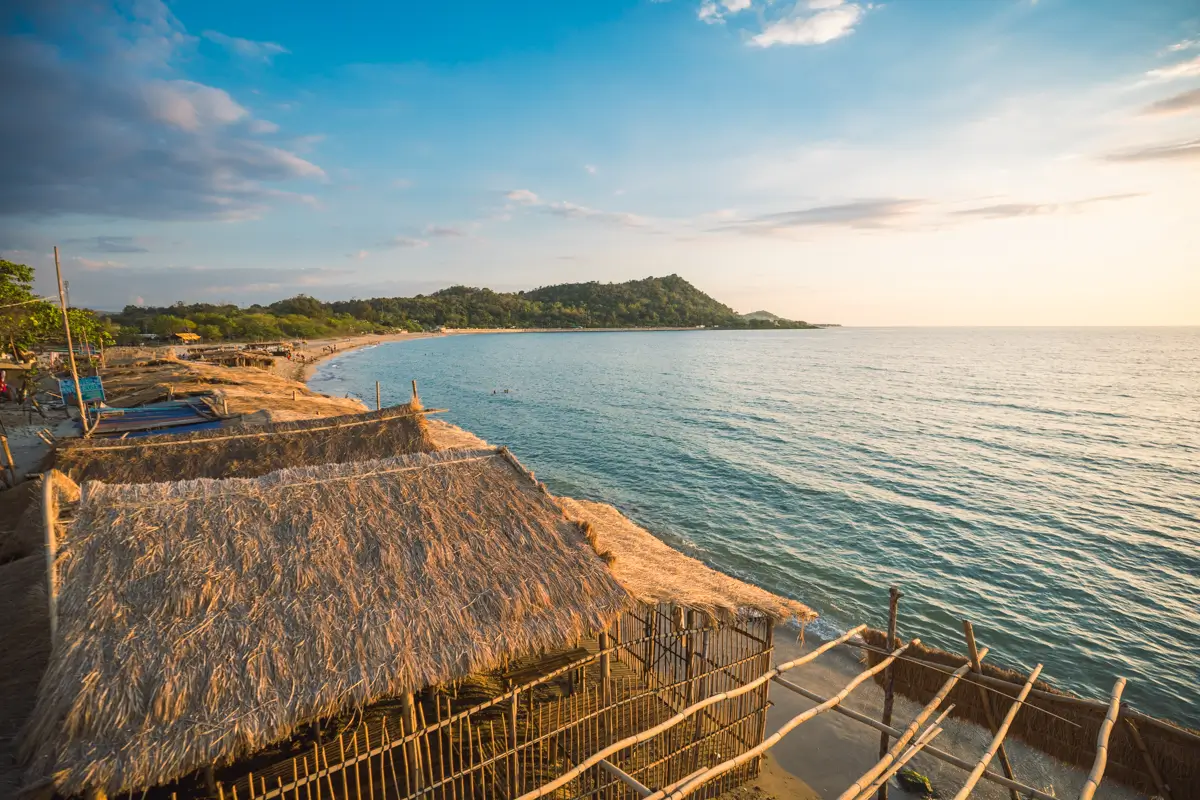
Vigan is home to the Philippines’ best-preserved Spanish colonial townscape, a UNESCO World Heritage Site where an intact grid of stone-and-wood houses define a provincial capital unlike any other.
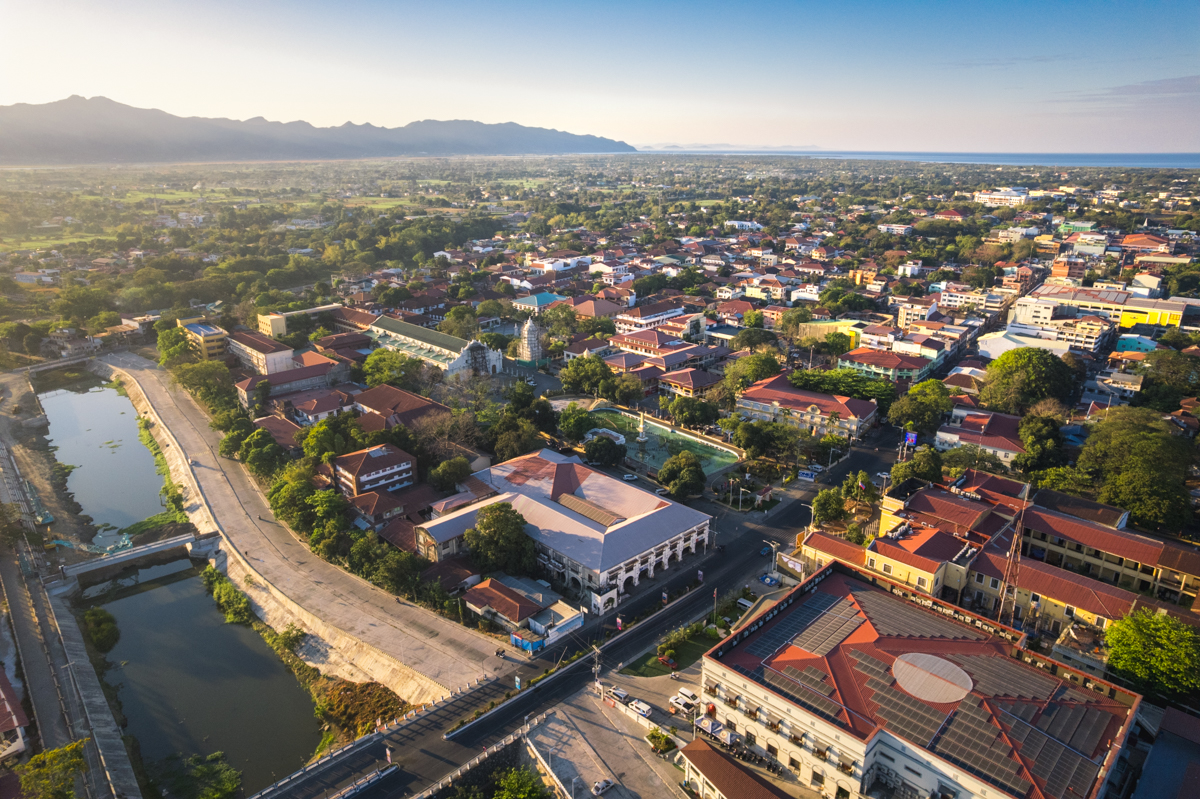
Vigan sits on the northwestern coast of Luzon in Ilocos Sur, about eight hours north of Manila, on a flat coastal plain between the sea and the foothills of the Cordillera Central. Best known for its preserved Spanish-era core, the historic centre around Calle Crisologo is laid out in a grid of cobblestone streets lined with stone-and-wood houses, while the rest of the city is a lived-in provincial capital with markets, schools, and tricycles moving through the surrounding neighbourhoods.
Long before Spanish colonization, Vigan was already an established coastal trading settlement visited by Austronesian, Chinese, Japanese, Arab, and Indian merchants moving goods through the Ilocos coast. At the time, Vigan was separated from the mainland by three rivers, but silting later joined it to the mainland. Its name is traced to the Ilocano biga or kabiga-an, referring to a place where biga, a large taro-like plant, grew along the riverbanks. When the Spanish arrived in the 1570s, they built on existing trade networks, turning Vigan into the capital of Ilocos and linking it to wider colonial trade through nearby ports. In the 18th and 19th centuries, the region became known for tobacco cultivation and abel weaving, while basi sugarcane wine remained an important part of local culture. In 1807, Spanish attempts to control basi production through a government monopoly led to the Basi Revolt, an uprising of Ilocanos centred in nearby towns that was eventually suppressed but remains one of the region’s defining historical events. Wealth from these industries allowed local families to construct the stone-and-wood houses that still define the city today, blending Indigenous, Chinese, and Spanish architectural influences.
Today, Vigan’s heritage zone is the main draw, with many of its ancestral houses converted into cafes, inns, and restaurants along Calle Crisologo. Visitors walk the cobblestone streets after dark, try empanada and longganisa from roadside stalls near Plaza Salcedo, and watch abel weavers and potters at work in nearby workshops. The historic core is compact and easy to explore on foot or by calesa, and quickly fills up with people strolling during peak hours on weekends and holidays. With its concentration of hotels and transport links, Vigan also works well as a base for exploring the rest of Ilocos Sur, including coastal towns, heritage churches, and nearby beaches.
In this guide, I’ve detailed all the best things to do in Vigan. If I’ve missed something (and I probably have), feel free to let me know.
When is the Best Time to Visit Vigan?
The ideal time to visit Vigan from December to February, when this part of the west side of Luzon is in its cooler, drier run and you get the best odds of clear evenings for Calle Crisologo and easy daytime walking in the heritage core. The dry stretch lasts from November to April, with March and April usually feeling hotter and more sun-forward in the middle of the day.
From May into October the weather gets wetter and more fickle, with the wet season on the west side of the country running through these months and maximum rainfall commonly clustering in mid year, so you should expect more frequent heavy showers and more stretches of grey sky that make long outdoor day trips less predictable. That said, given most Vigan trips are mostly about about architecture, food, and museums, a Vigan trip is doable year-round because you can walk the core in between showers if need be.
Viva Vigan Binatbatan Festival of the Arts runs in the first week of May, with street dancing and heritage-focused events highlighting Vigan’s weaving traditions. If you want to see it, lock in accommodation early and expect a busier city center than normal.
How to get to Vigan
By Bus – The easiest way to get to Vigan from Manila is by bus, with Partas, Viron, Farinas, and other northbound operators serving routes through Ilocos Sur. Direct buses leave from terminals in Cubao and Pasay, and the trip usually takes around eight hours depending on traffic, stops, and the time of day. Overnight buses are a practical option if you want to save a day of travel. Depending on which bus you go with, cost can range from around 800 PHP to 1300 PHP.
By Private Car or Van– Driving from Manila makes it easiest to stop in La Union, Pangasinan, or other parts of Ilocos Sur along the way. The route follows NLEX, SCTEX, TPLEX, and the highways north through La Union into Ilocos Sur. Leave early if you’re travelling on a weekend or holiday, since traffic can build badly on the way out of Manila and again near popular stopovers. A van is a common choice for those travelling as a group and carrying a lot of luggage.
How to get Around Vigan
Walking – Vigan’s historic centre should be explored on foot, especially around Calle Crisologo, Plaza Salcedo, Plaza Burgos, Vigan Cathedral, and the nearby museums. This is the best way to see the heritage streets up close. If you just zoom between each of the tourist destinations you’ll miss out on the best part of Vigan, which is strolling past all of the lived-in historic houses in between them. You’ve got to soak in the atmosphere, not just the attractions. Go later in the day if you want to avoid the heat.
Tricycle – Tricycles are probably the most practical way to move around Vigan beyond the most walkable heritage core. Use them for getting between the bus terminal, hotels, Bantay Bell Tower, Baluarte, Pagburnayan, Hidden Garden, the public market, and restaurants outside Calle Crisologo. I always make sure to agree on the fare before leaving, especially for multi-stop trips or if I want the driver to wait.
Private Car – A private car is a good idea if you’re visiting places outside central Vigan, including Bantay, Santa Maria Church, Narvacan, nearby beaches, or other Ilocos Sur stops. It’s less practical inside the historic core, where walking is easier and parking can be awkward. If you’re staying in a heritage hotel, check where guests are allowed to park before arriving.
Where to Stay in Vigan
Historic Centre and Calle Crisologo – The historic centre is the obvious place to stay in Vigan if this is your first visit. This area puts you within walking distance of Calle Crisologo, Plaza Salcedo, Plaza Burgos, St Paul’s Cathedral, Syquia Mansion, and most of the museums, restaurants, souvenir shops, and the kalesa rides that people come here for. Accommodation ranges from restored heritage houses and boutique hotels to older inns tucked into side streets. It’s the most atmospheric and convenient base, but the streets get busy in the evening when the souvenir shops, restaurants, and kalesa traffic are all active at once. Stay here if you want to explore Vigan mostly on foot and don’t mind paying more for location.
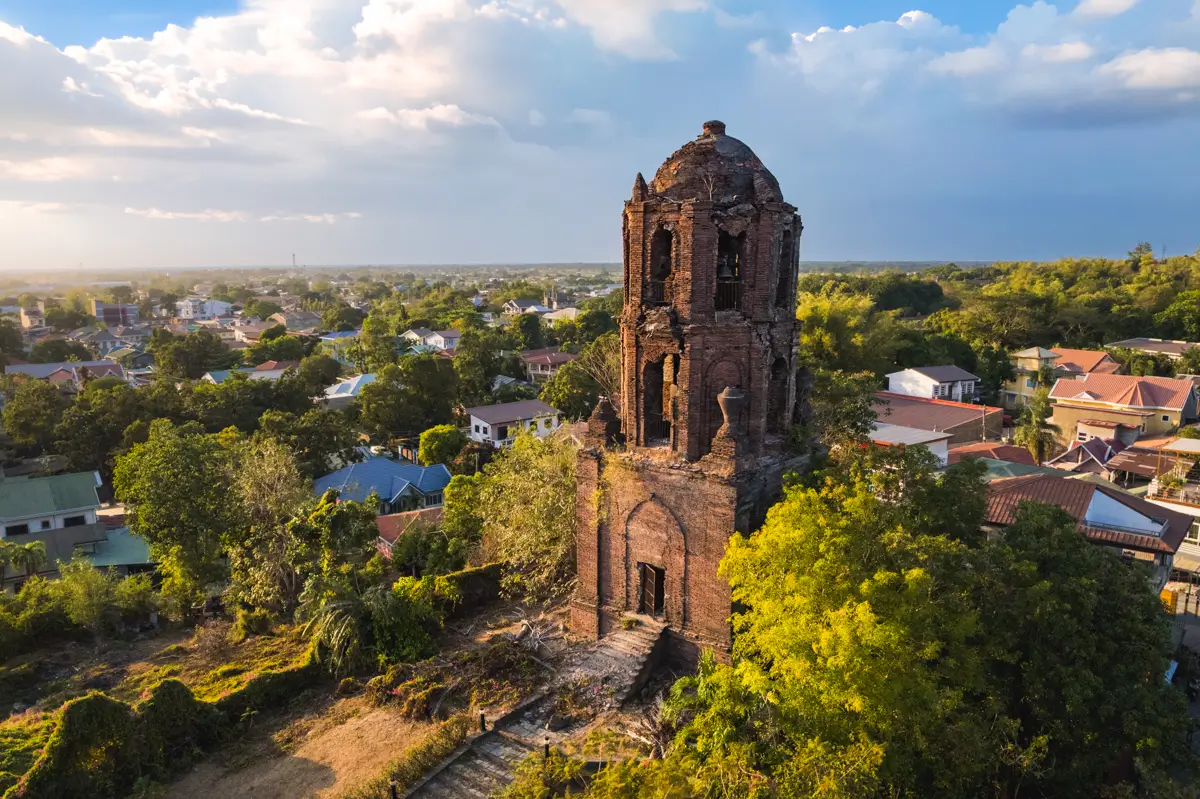
Bantay and Outer Vigan – Bantay sits just north of Vigan and is my choice for a quieter base close to the hustle and bustle without staying inside the heritage centre itself. You’ll be near Bantay Church and its hilltop bell tower, and still only a short tricycle ride from Calle Crisologo, Plaza Burgos, and the main museums. Accommodation is more limited and spread out. This works better if you have your own vehicle or don’t mind arranging rides. Nearby towns can also be useful if you’ve got a wider Ilocos Sur itinerary around pottery, weaving, coastal stops, and old churches rather than focusing on Vigan as a one-night heritage stop. Stay here for space and easier movement, not for doorstep access to the cobblestone streets.
My Tips for Visiting Vigan
1. Don’t eat at the McDonald’s. Burgos Plaza is supposed to be the historic heart of Vigan, but walk around it now and you’ll see how many storefronts have already been swallowed by chains: McDonald’s, Red Ribbon, Gerry’s Grill, Jollibee, Max’s, and more. Eating there while visiting Vigan means money not spent at local businesses, and going straight to the same companies that already dominate every mall in the country. Vigan’s appeal is that it still feels different from Philippine cities. Every time visitors choose a chain over a locally owned Vigan restaurant, they help turn the plaza into another bland and characterless tourist attraction. Keep doing that long enough and the local places close one by one, more franchises move in, and one of the most distinctive cities in the Philippines becomes just another mall food court.
Best Things to do in Vigan
1. Visit the National Museum
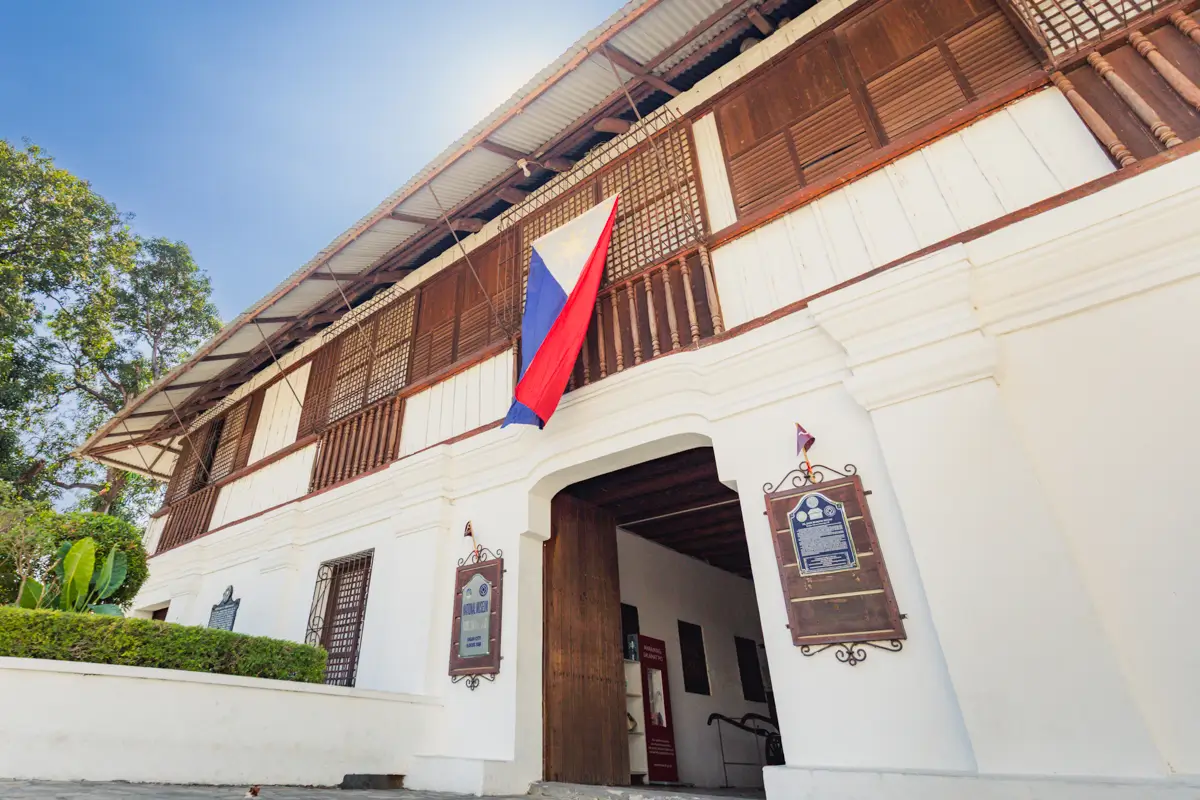
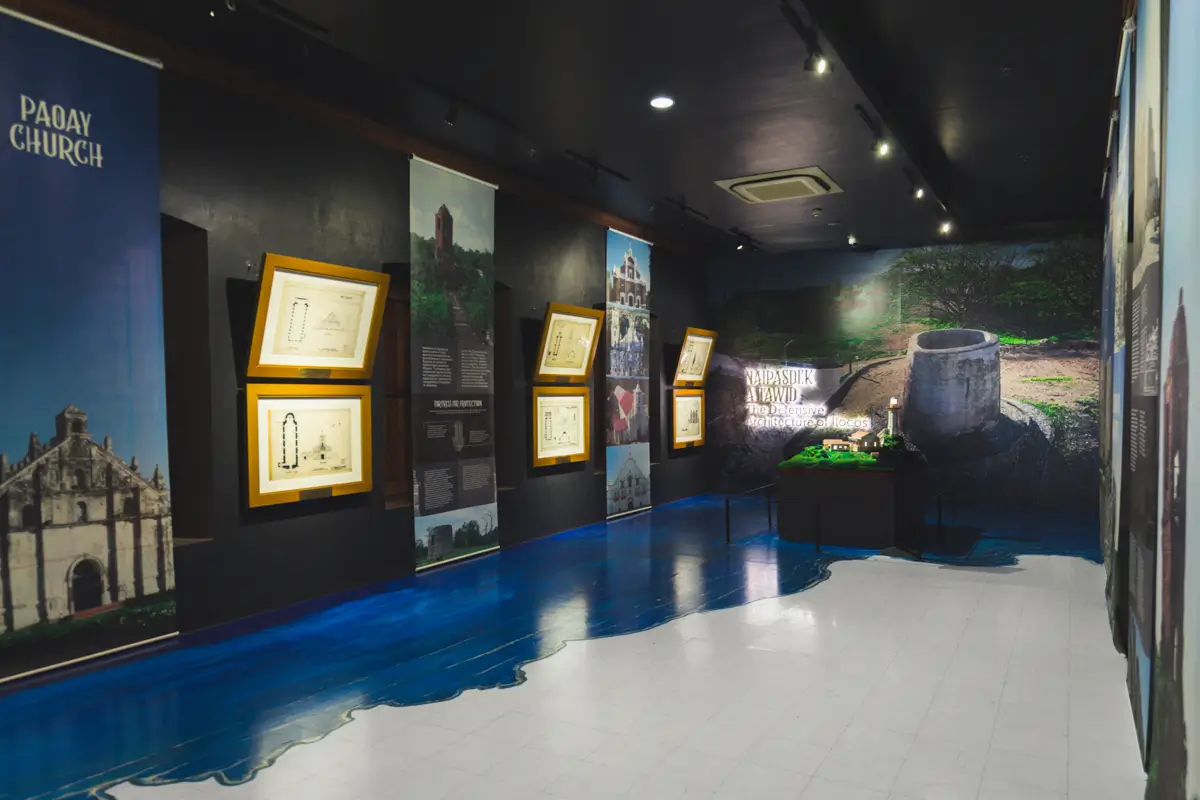
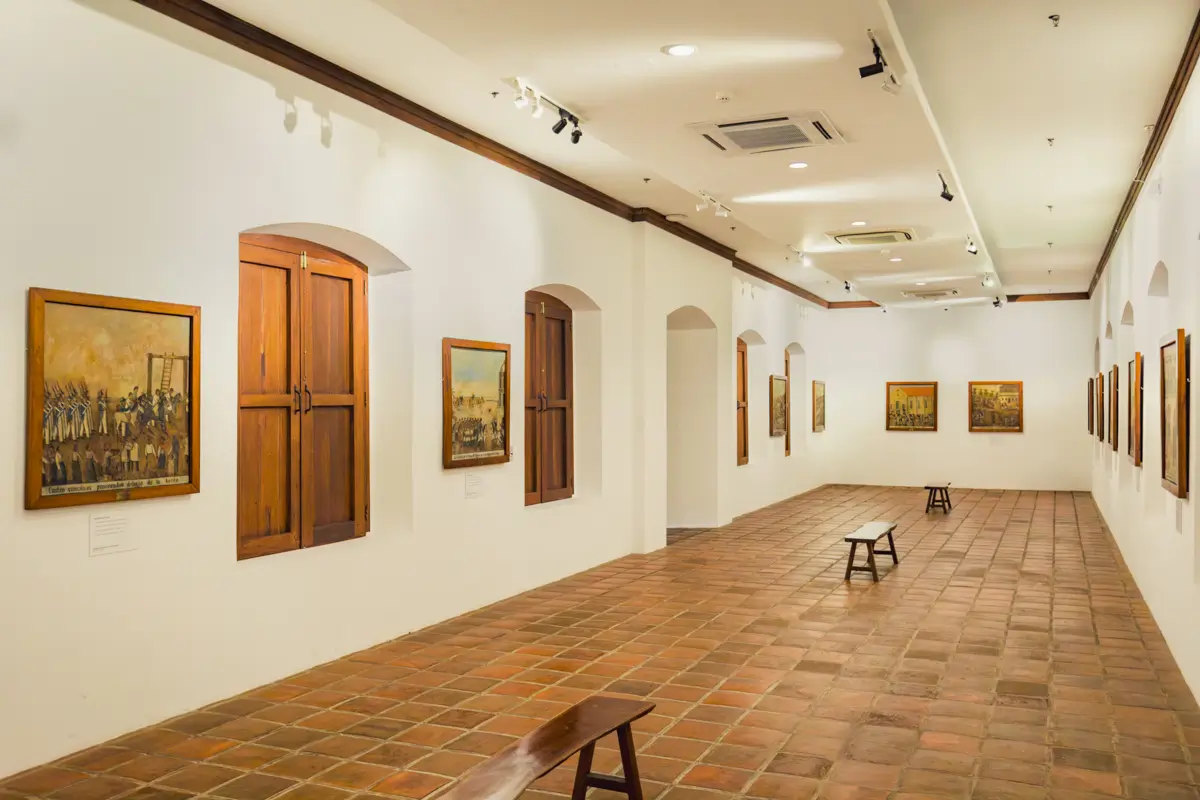
The National Museum of the Philippines branch in Vigan includes the Old Carcel Museum and the Padre Burgos Museum, two historic buildings near the center of Vigan. The Padre Burgos Museum occupies the 1788 ancestral house of Father José Burgos, one of the three Gomburza priests executed by Spanish authorities in 1872, and contains exhibits on Ilocos history, religious life, domestic objects, furniture, and material culture. Beside it, the Old Carcel Museum occupies the former Vigan jail, which began as the Carcel de Vigan in 1657 and later served as the provincial jail of Ilocos Sur from 1818 until 2014. Its galleries include material on the 1807 Basi Revolt, including the National Cultural Treasure series of paintings on the uprising (a must-see!), as well as Elpidio Quirino memorabilia and changing exhibitions. As with all the National Museums in the Philippines, I was very impressed.
2. Eat Sinanglao at First Sinanglaoan
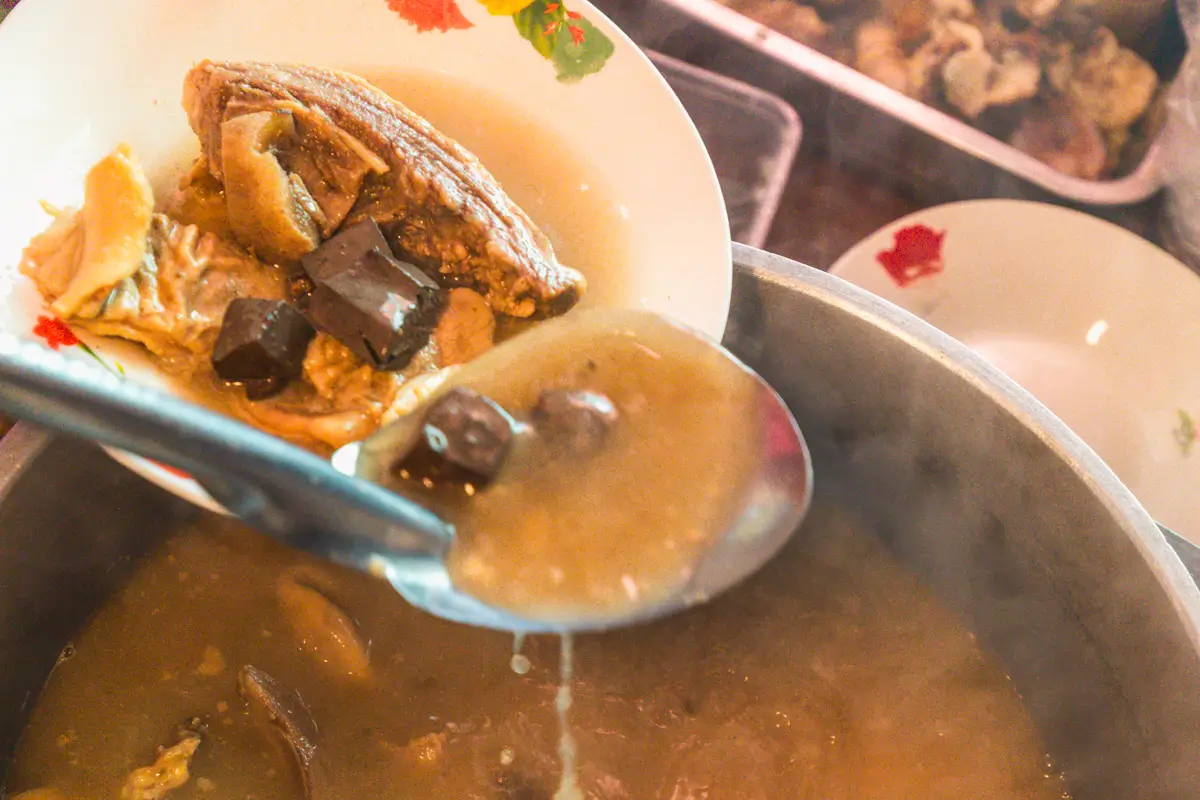
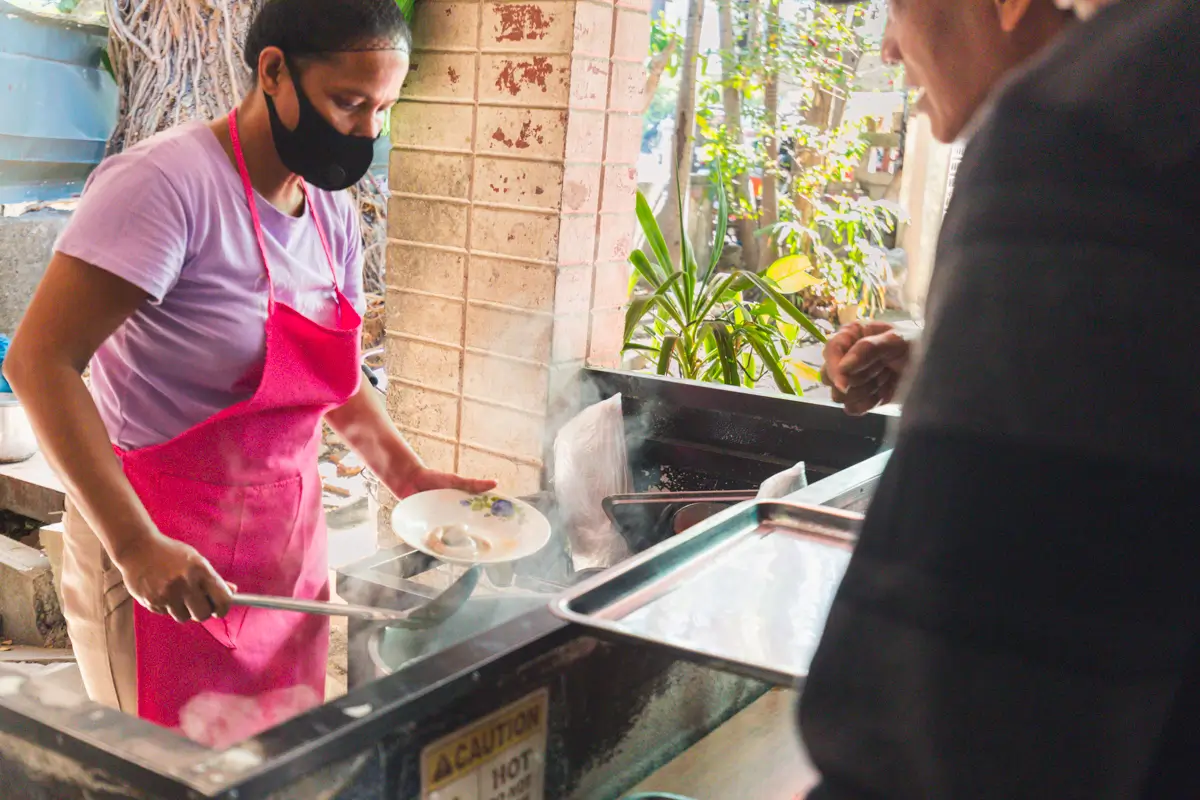
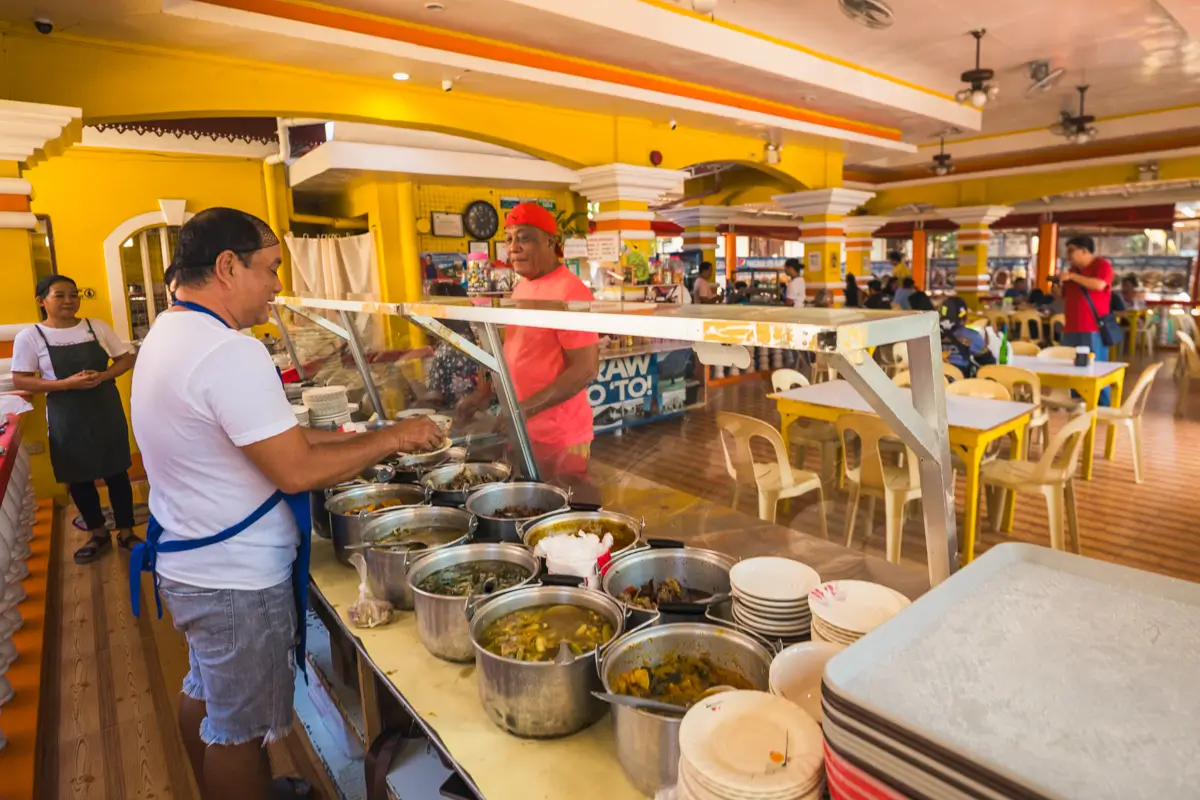
First Sinanglaoan is Vigan’s most iconic spot to try sinanglao, a local beef soup traditionally made with a mixture of meat, offal, and a lightly sour broth flavoured with kamias. The eatery opens early in the morning and gets busy right away, with many locals lining up soon after opening to secure their preferred cuts before they sell out. Bowls are ladled from large simmering pots, and you choose what cuts you want: beef cheek, heart, skin, tongue, or whatever else. Technically you can get sinanglao from pretty much any eatery in town, and it’s worth trying a few different ones, but First Sinanglaoan is a quintessential Vigan experience you shouldn’t miss.
3. Look Up at the Bantay Watchtower
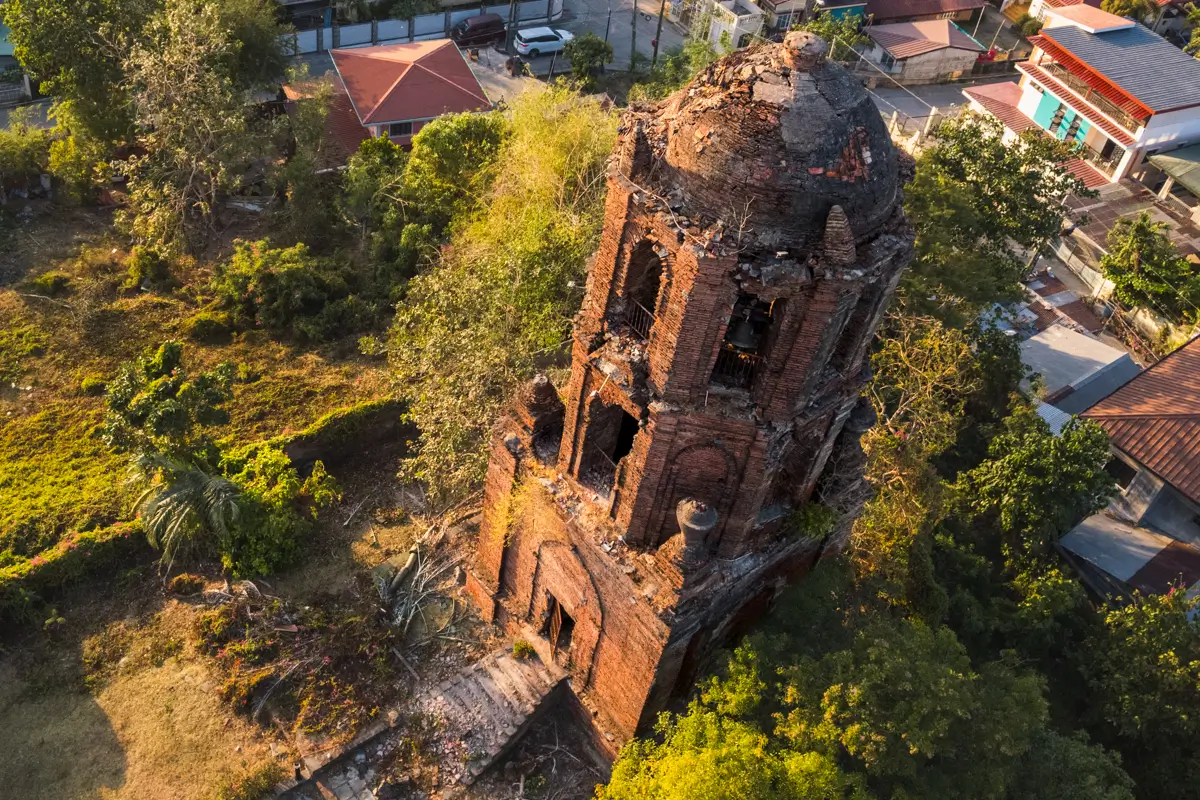
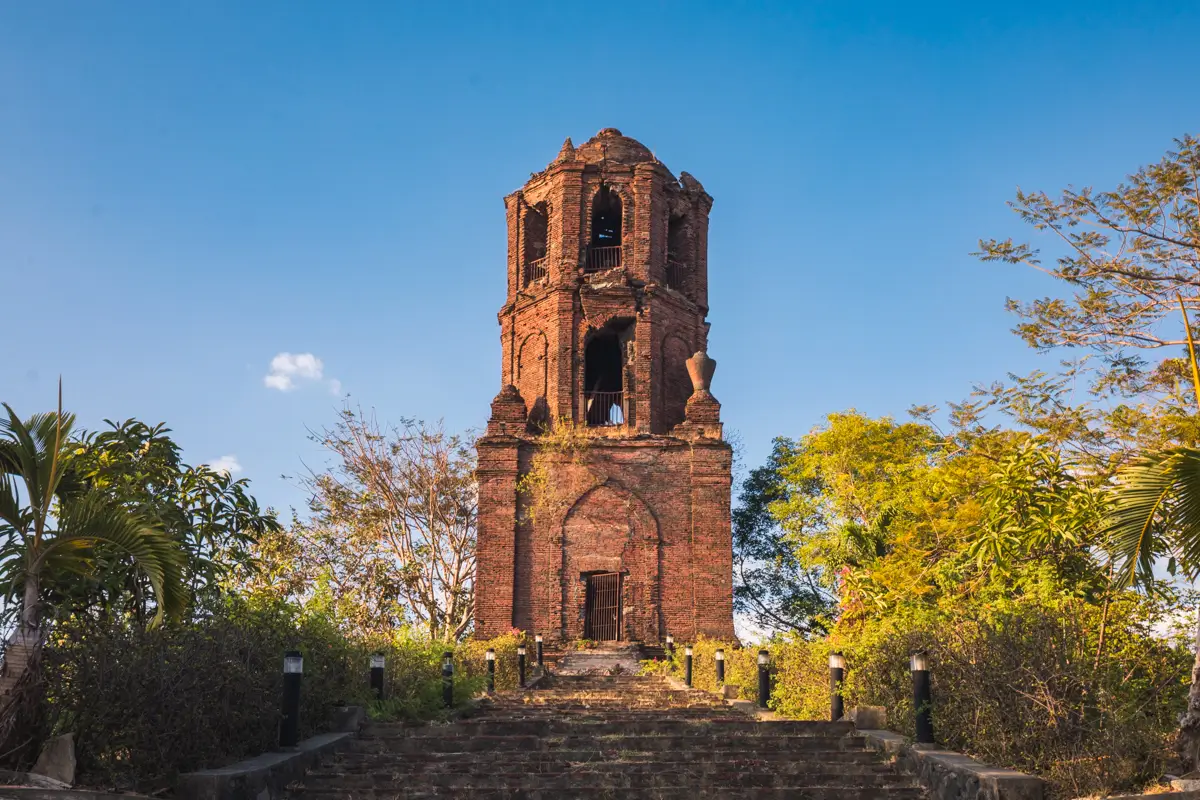
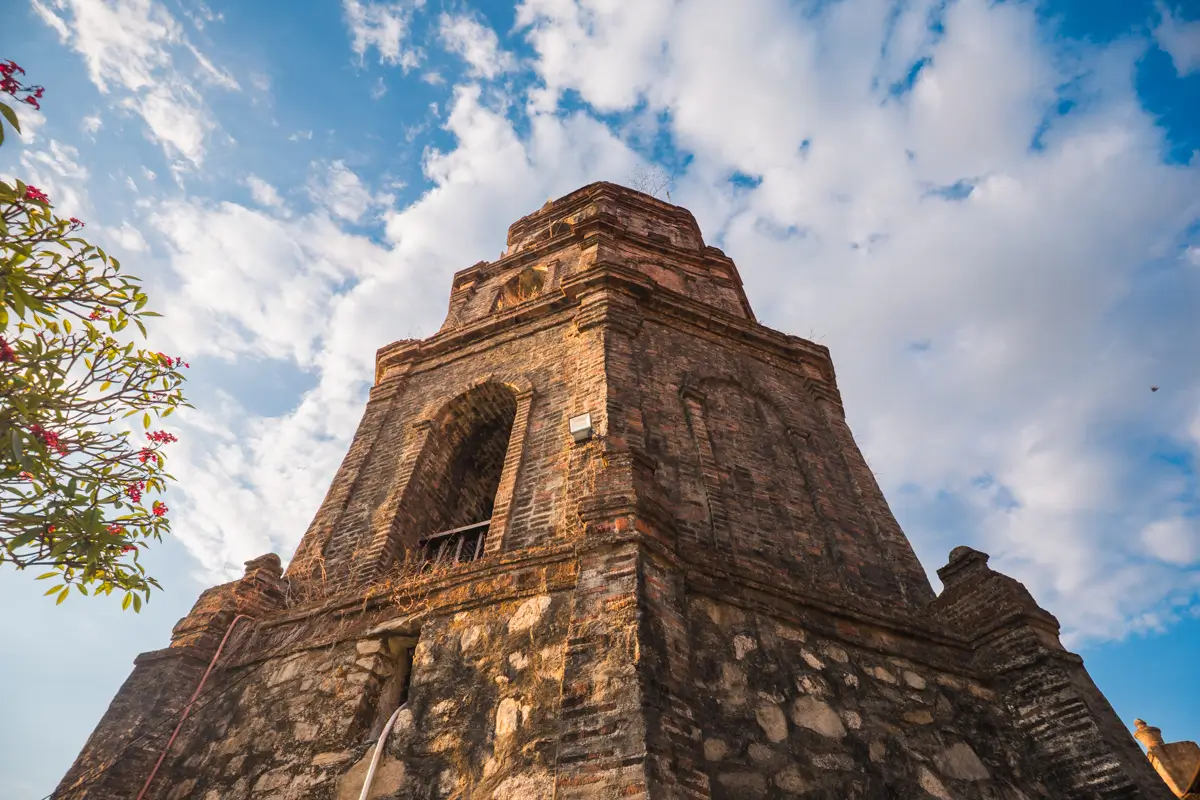
The Bantay Watchtower stands on a low hill beside St Augustine Parish Church in Bantay, about a five-minute drive from Vigan’s heritage centre. The tower was built in 1591 as a lookout against coastal raids, giving the town its name. I guess the tower was then named back after the town, resulting in the slightly odd name of Bantay watchtower. (Bantay means watchtower). It was converted into the bell tower for the church in 1857, after the threat of raids had faded, but once again was used as an observation post in WWII, surviving artillery fire and air attacks. The tower’s separate hilltop position gives it wide views over Bantay, Vigan, and parts of Abra, though visitors haven’t been allowed to climb or even approach too closely since the July 27, 2022 Abra earthquake damaged parts of the structure. Apparently there are plans to eventually restore the structure, which hopefully happens before the next earthquake – it doesn’t look like it could withstand much more.
4. Walk Calle Crisalogo
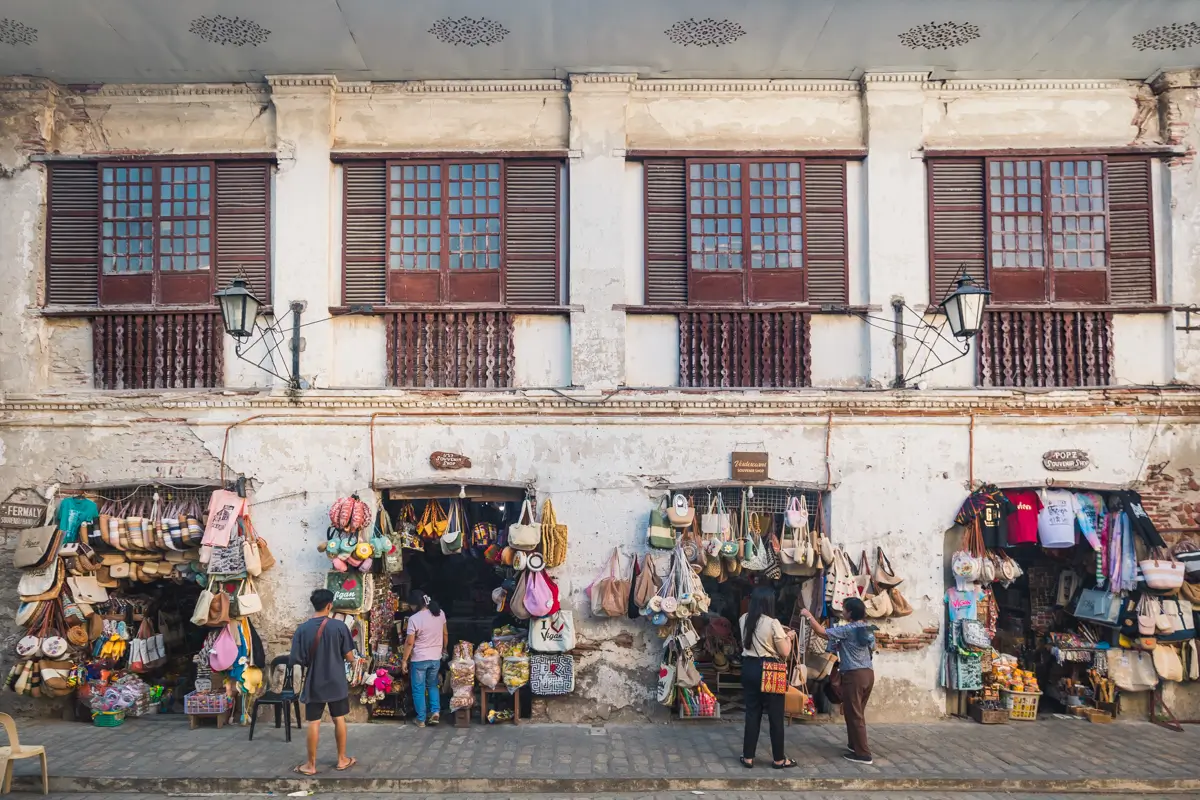
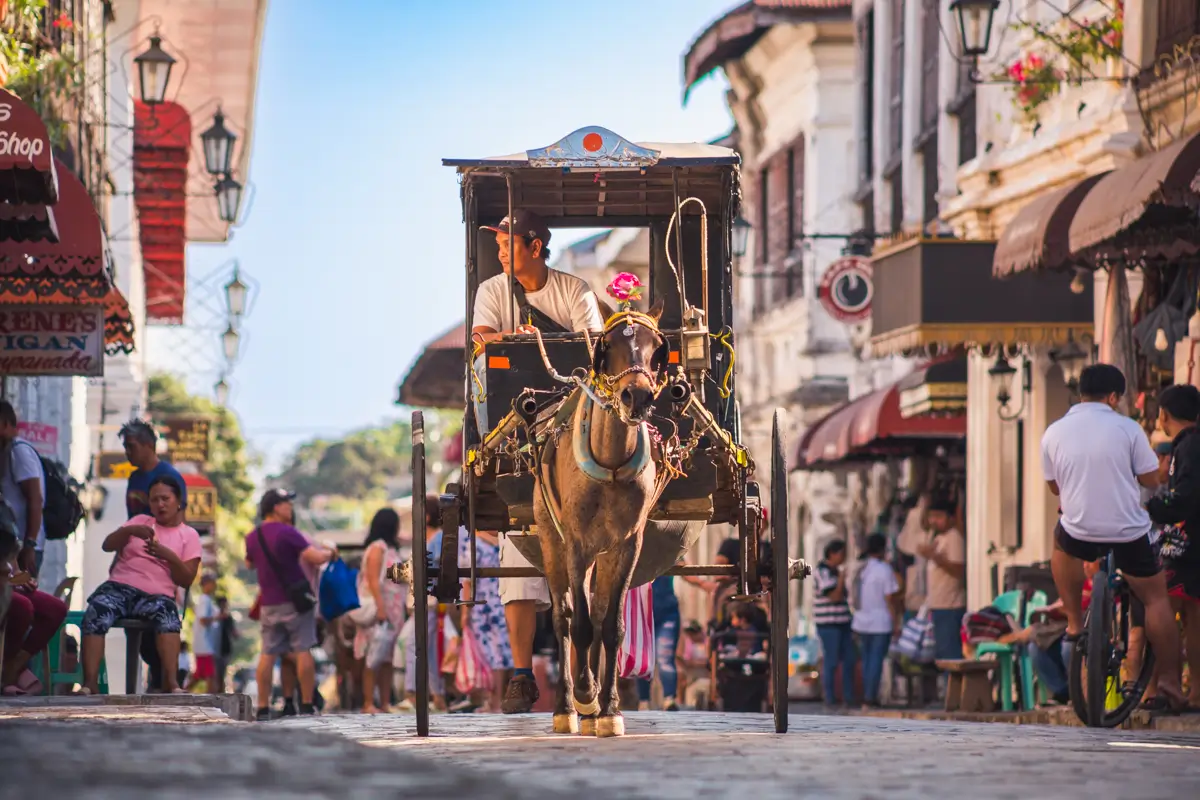
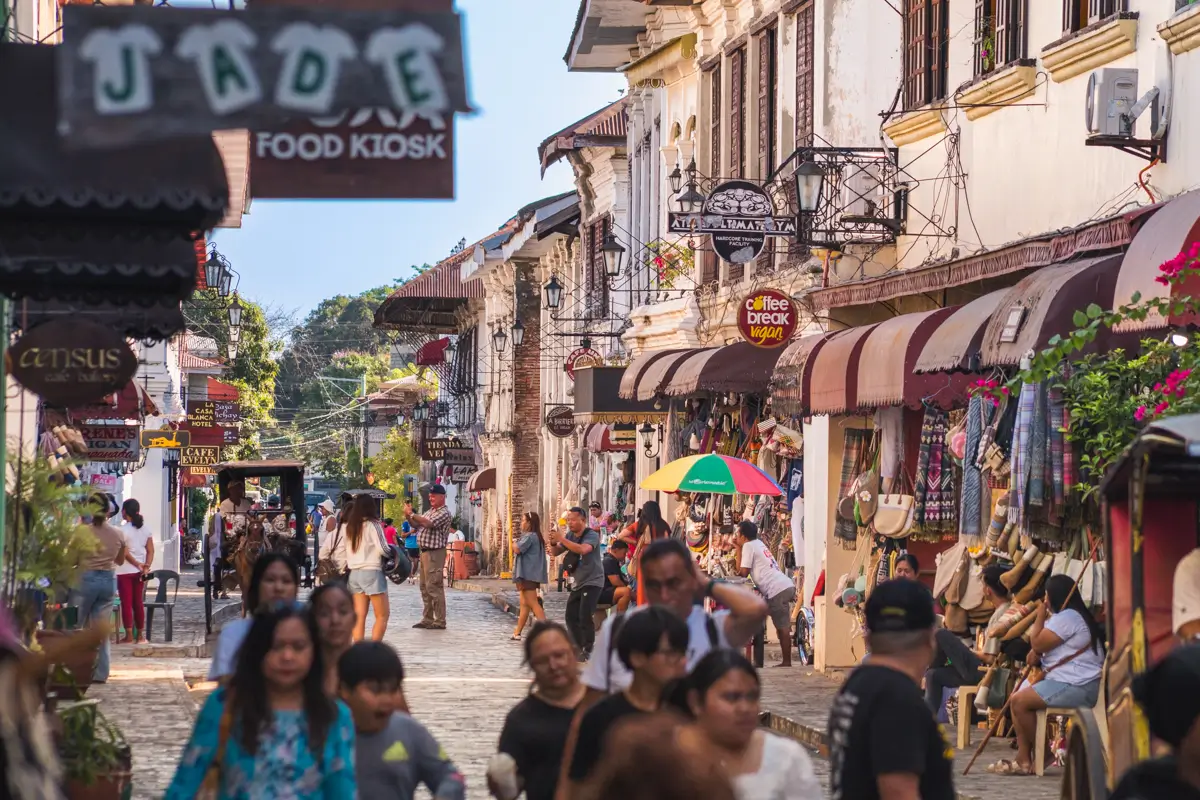
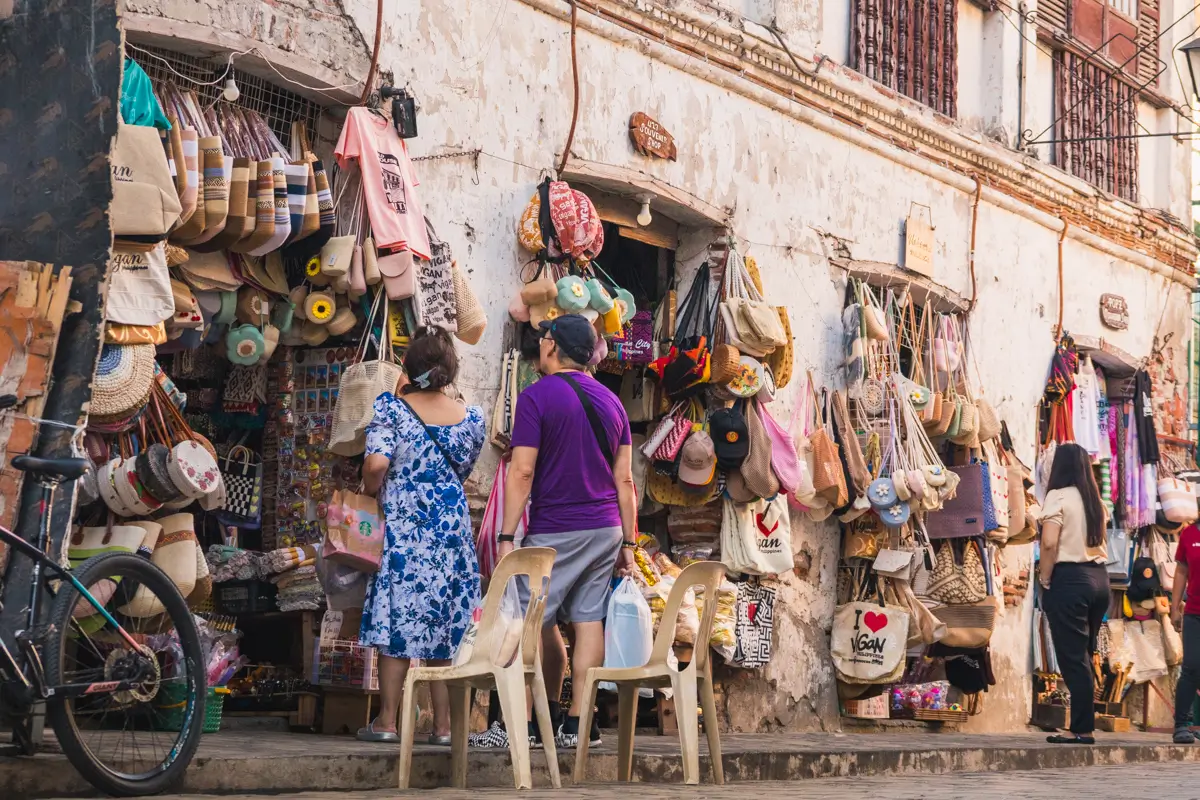
Calle Crisologo is Vigan’s famous heritage street, a short cobbled stretch lined with bahay na bato houses, souvenir shops, cafes, and restaurants.. The street shows the architectural features associated with Vigan’s historic centre: stone lower floors, wooden upper levels, capiz-shell windows, tiled roofs, and covered arcades shaped by Filipino, Chinese, Spanish, and Mexican influences. It’s quiet early in the morning, before the day-trippers arrive and the shopfronts fully open, and busiest in the evening when the lamps come on, patio dining opens, and visitors stroll and stop for photos. This is what you came to Vigan for, so make sure to take it in properly.
5. Bring Home Abel Loomweaving
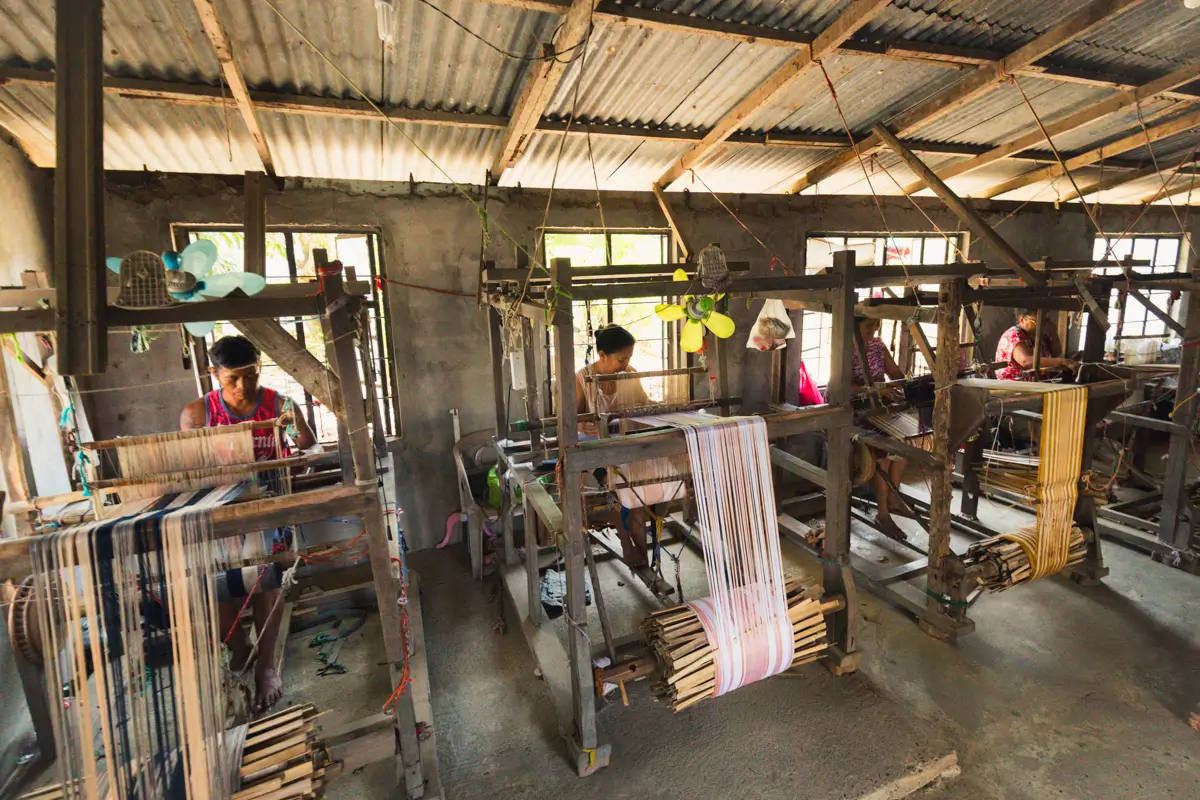
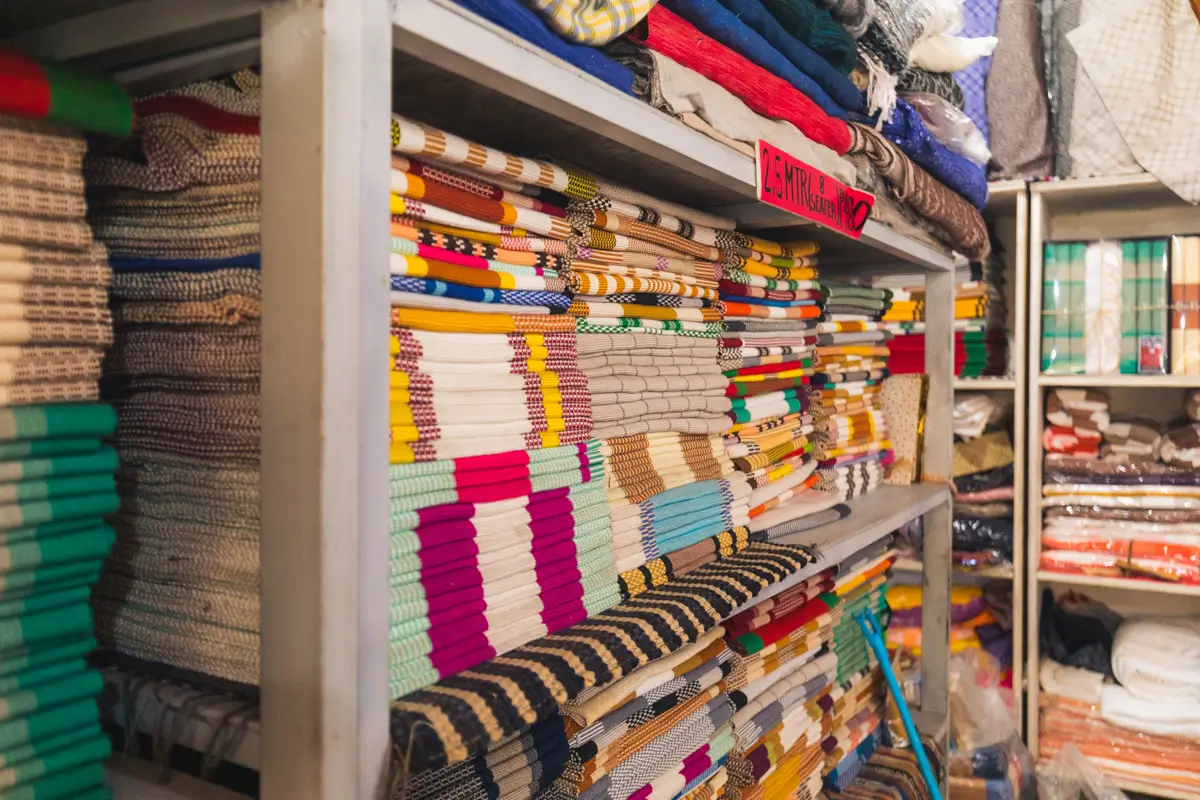
Abel loom weaving is one of Vigan and Ilocos Sur’s main traditional crafts, producing inabel or abel Iloko, a handwoven textile associated with the Ilocos region. The cloth was historically made from cotton and used for everyday household items, clothing, blankets, mosquito nets, boat sails, and trade goods, with some Ilocos textiles reaching Acapulco during the galleon trade. Today, many pieces use cotton, polyester, or mixed threads, but the process still depends on the same hand-operated wooden looms and repeated shuttle work that creates tight, durable cloth. Visitors can see weaving in workshops around Vigan and nearby towns, where weavers produce blankets, table runners, shawls, bags, and placemats with patterns such as binakul, a geometric design often associated with Ilocano weaving. If you want to buy some inabel to bring home, the best selection can be found by browsing the souvenir shops on Calle Crisalogo – with Rowilda’s Handloom Weaving shop being a highlight. I also visited (or tried to visit) all of the local workshops to see the looms in operation. Not all were really set up for visitors, so my top recommendation would be to visit Cristy’s Loomweaving either in the morning or afternoon – don’t expect anyone to be using the looms during lunch.
6. TRy Fresh Vigan Empanada
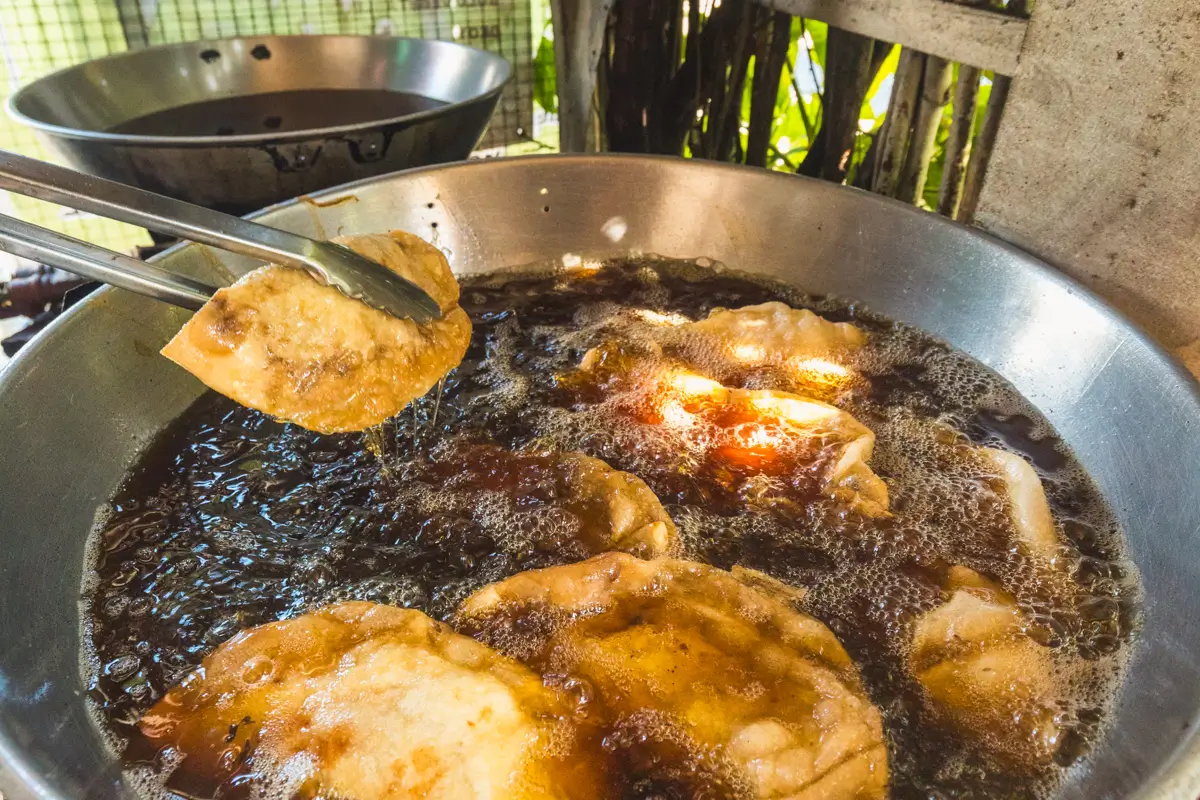
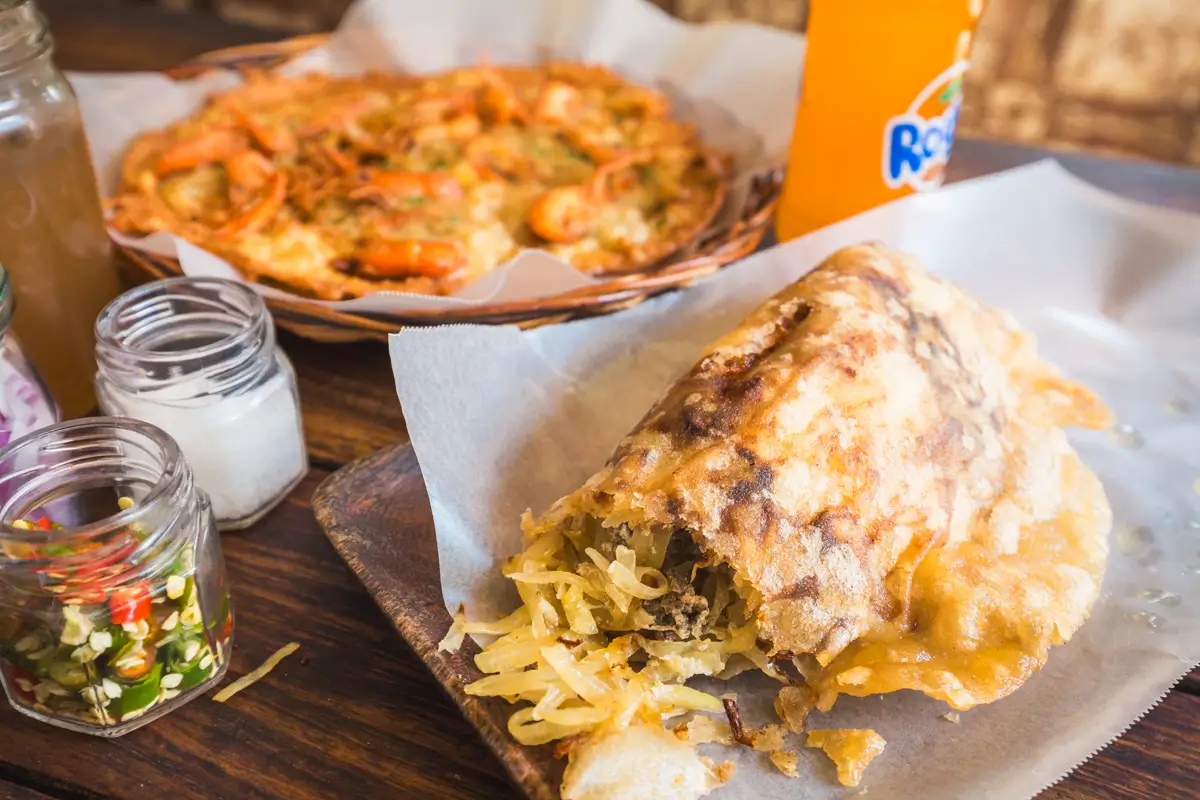
Vigan empanada is probably the town’s most famous food, made with a thin rice-flour wrapper tinted orange with annatto and fried until crisp around a filling of grated green papaya, egg, and Vigan longganisa. It’s eaten hot with sukang Iloko, the dark local cane vinegar. Compared with Batac empanada, the Vigan version is usually thinner, flatter, and more delicate, with a crisp shell that shatters easily. Irene’s Vigan Empanada and Casa Jardin near Calle Crisologo are two of the most popular places to try it in the heritage centre. Plaza Burgos also has empanada stalls, making it potentially the most convenient spot. Expect to be able to watch the dough being rolled, filled, sealed, and dropped into hot oil before eating it at a plastic table with vinegar close at hand.
7. Dine at Amian
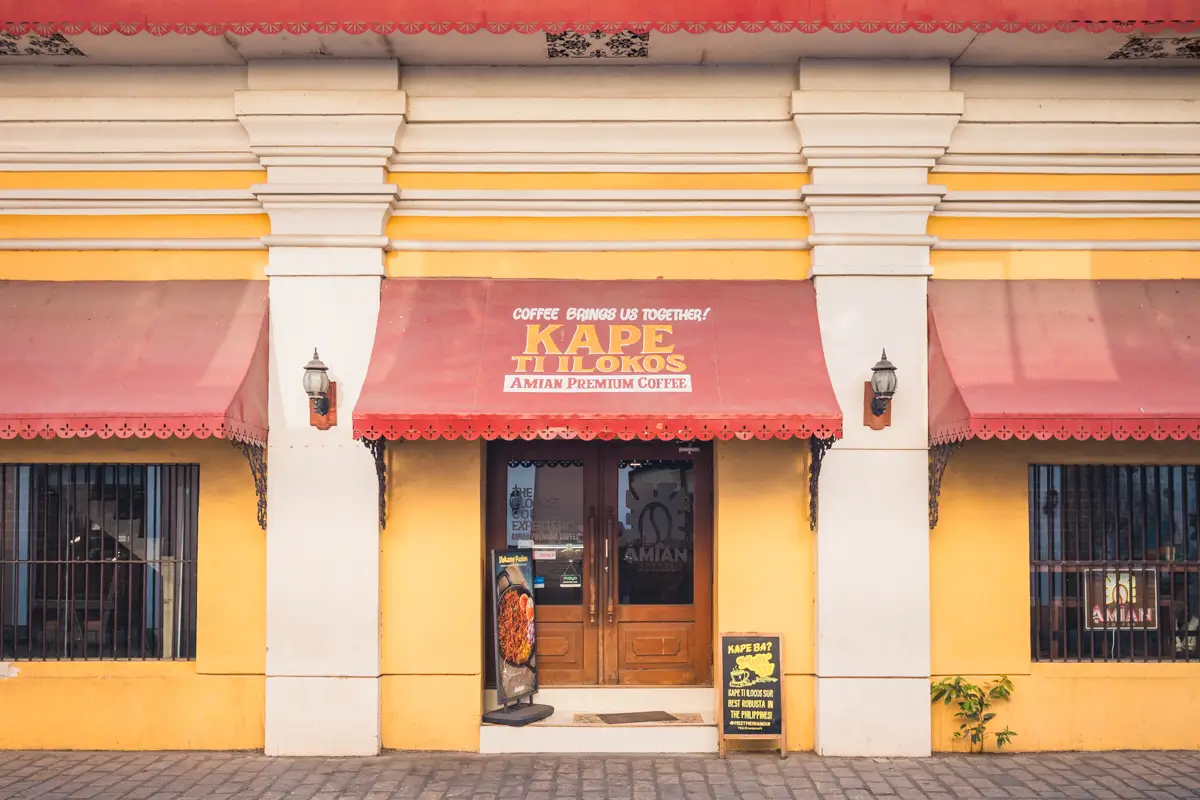
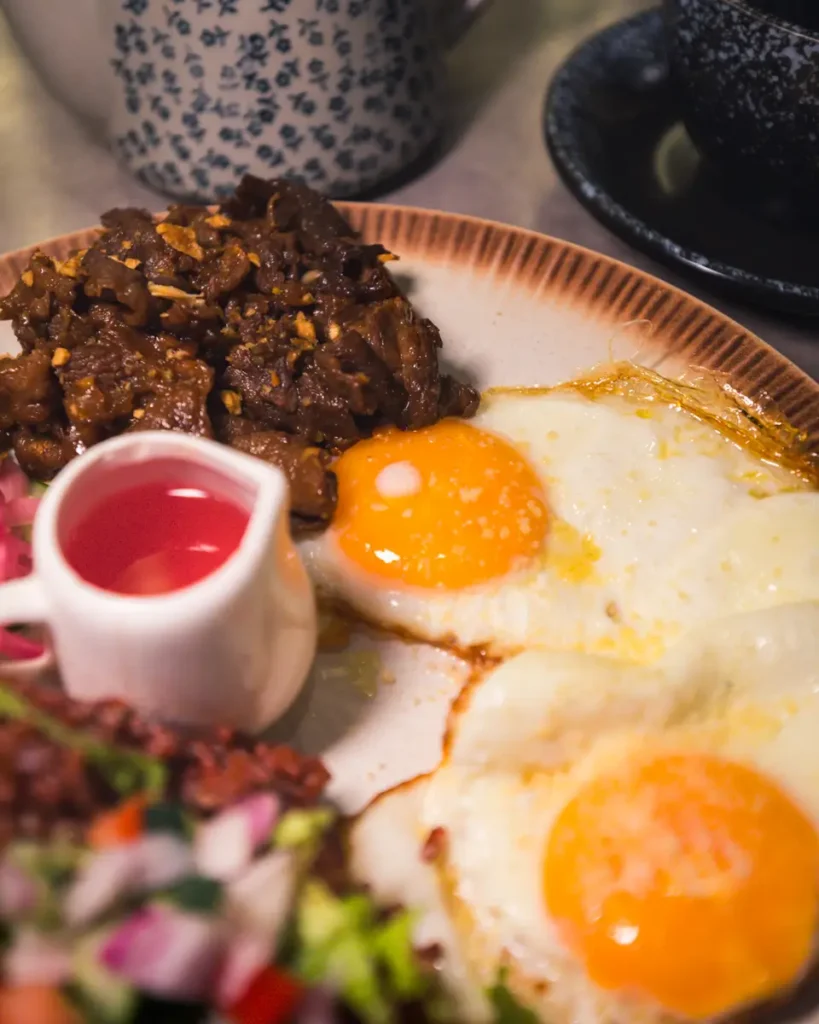
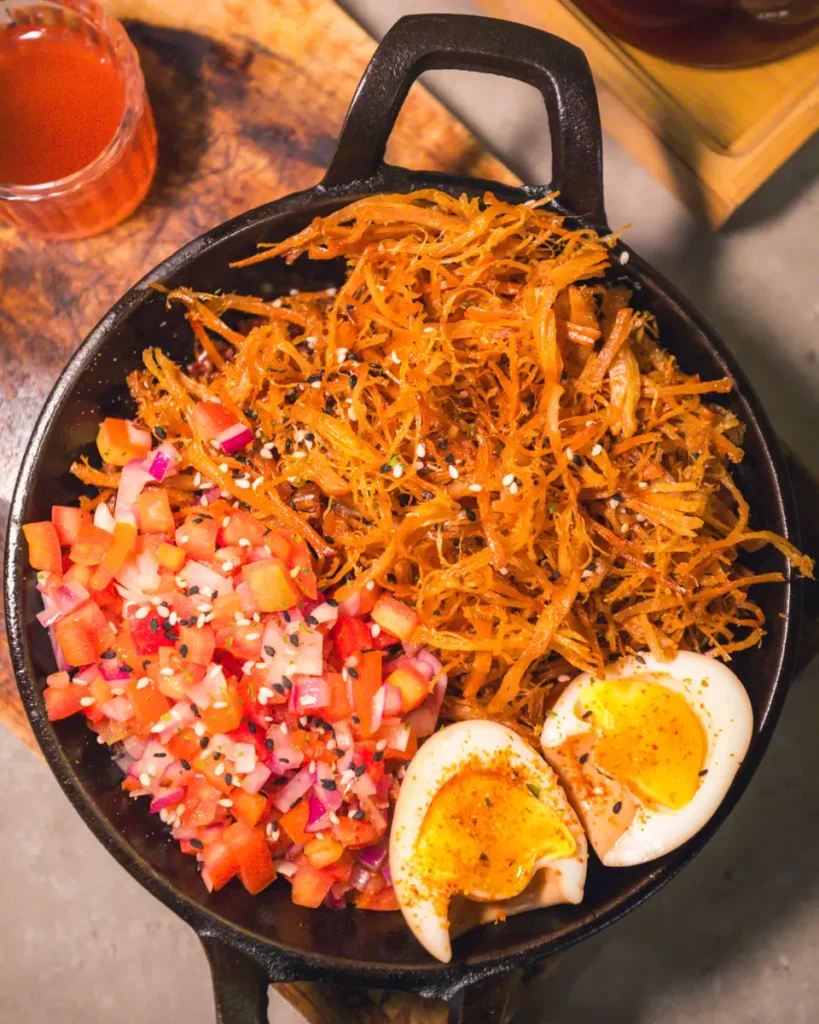
Amìan Cafe is a coffee shop with a Vigan branch on Calle Crisologo, along with nearby branches in Candon and Laoag. The name comes from the Ilocano word for the northern wind, and the menu highlights Ilocos coffee, local ingredients, and your expected Filipino cafe food with a local twist. For breakfast try the Heneral Lune Tapa, Galileo Bagnet Hash, or the Gabriela Pinoy Toast, and then return in the evening when they set up their outdoor dining area perfect for people-watching while you try their cocktails featuring Filipino gin and liqueur, and local tapuey.

8. Buy a Box of Royal Bibingka
Royal bibingka is Vigan’s most famous pasalubong, a local version of bibingka, but it’s pretty different from other kinds of Bibingka around the Philippines. It’s made with glutinous rice flour, coconut milk, eggs, butter or margarine, sugar, and cheese, then baked in small moulds until the centre turns chewy and the top forms a browned, salty-sweet crust, with the texture landing between kakanin and cake, with a sticky bite from the rice flour and richness from the dairy and coconut milk. It’s recommended to try it warm, since the cheese and butter soften into the top. There are a handful of shops around Vigan specializing in the delicacy, and every single local has a different idea on which one is best.
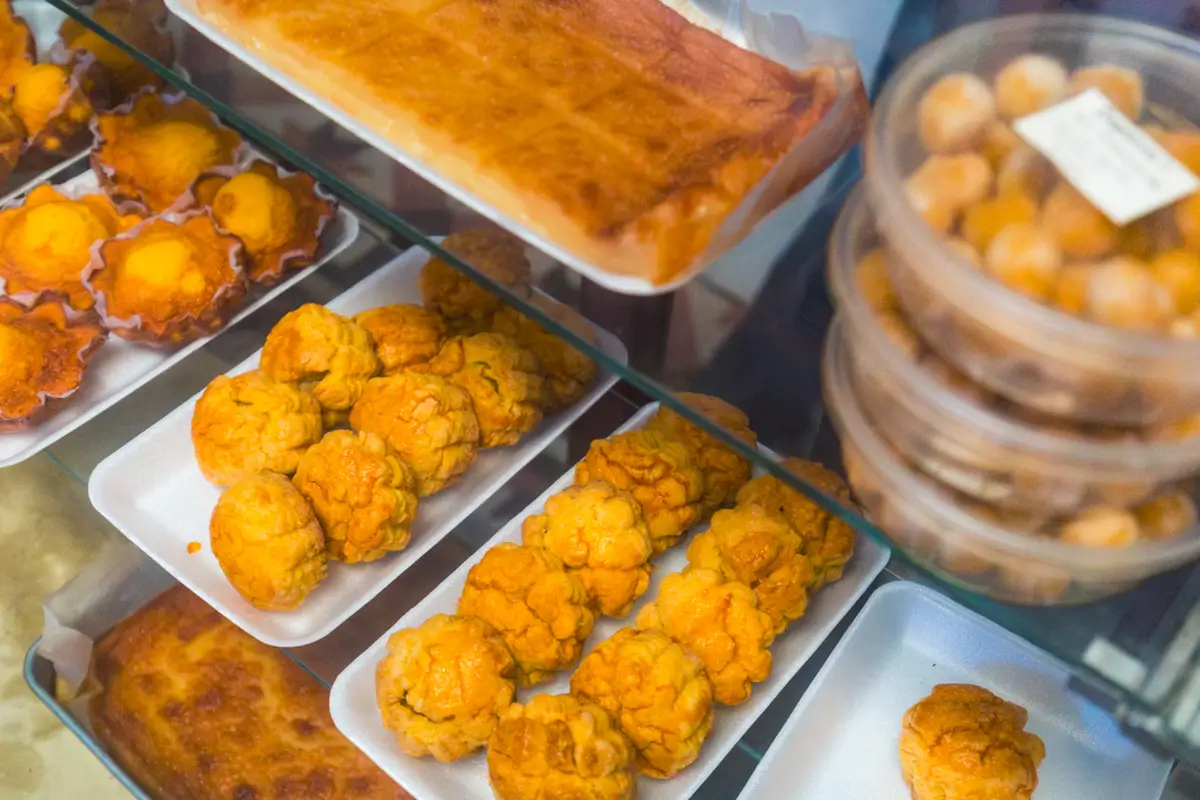
9. Try Something New at Lagasca’s Native Delicacies
Lagasca’s Native Delicacies is a small hole-in-the-wall bakery on Quirino Boulevard that has been operating since the 1940s and is known for older Vigan breads and sweets that are now difficult to find elsewhere. Its heritage products include canatillo, a tube-shaped pastry filled with sweetened coconut; ube, purple yam coated with confectioners’ sugar and milk; masa podrida, shortbread cookies; londres, frosted sugar-coated bread with a sweet filling; turones de mani, peanut rolls; and torta, a soft sponge cake. The mjaority of these products I haven’t seen at any other bakery elsewhere in the Philippines, so I consider this a must-visit.
10. Browse Vigan’s Souvenir SHops
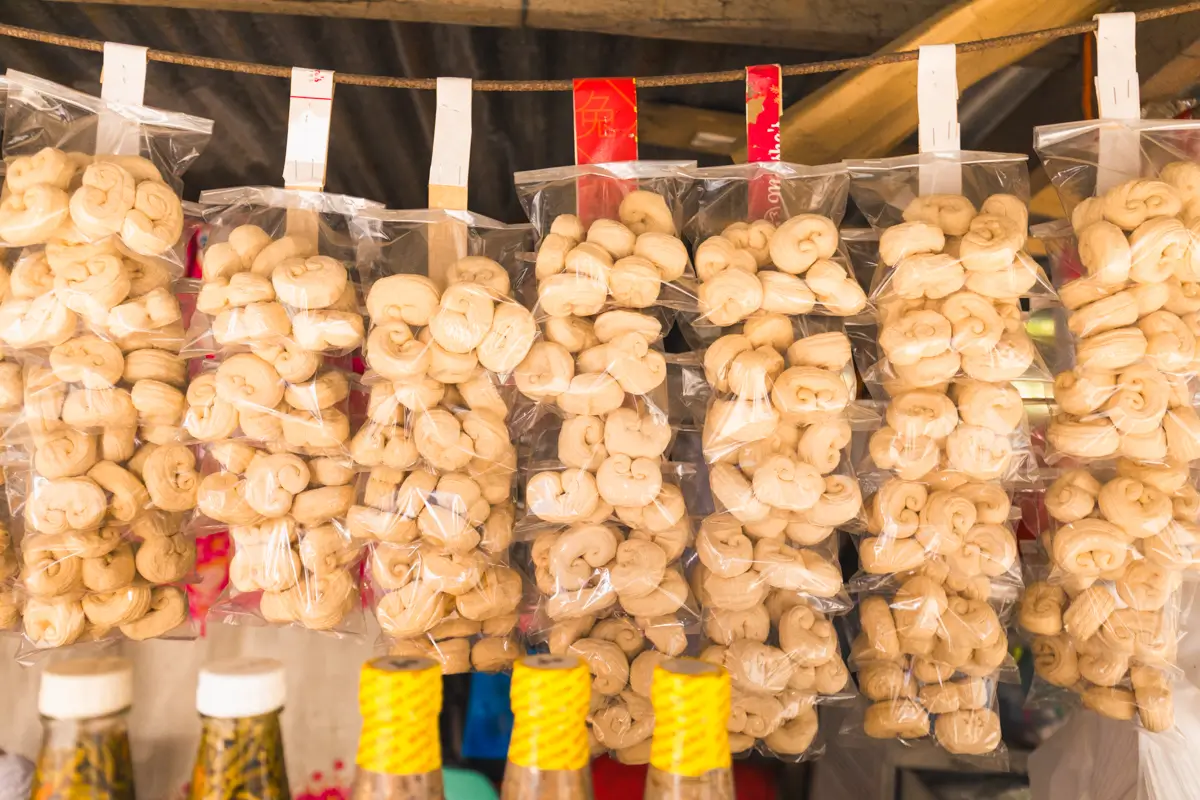
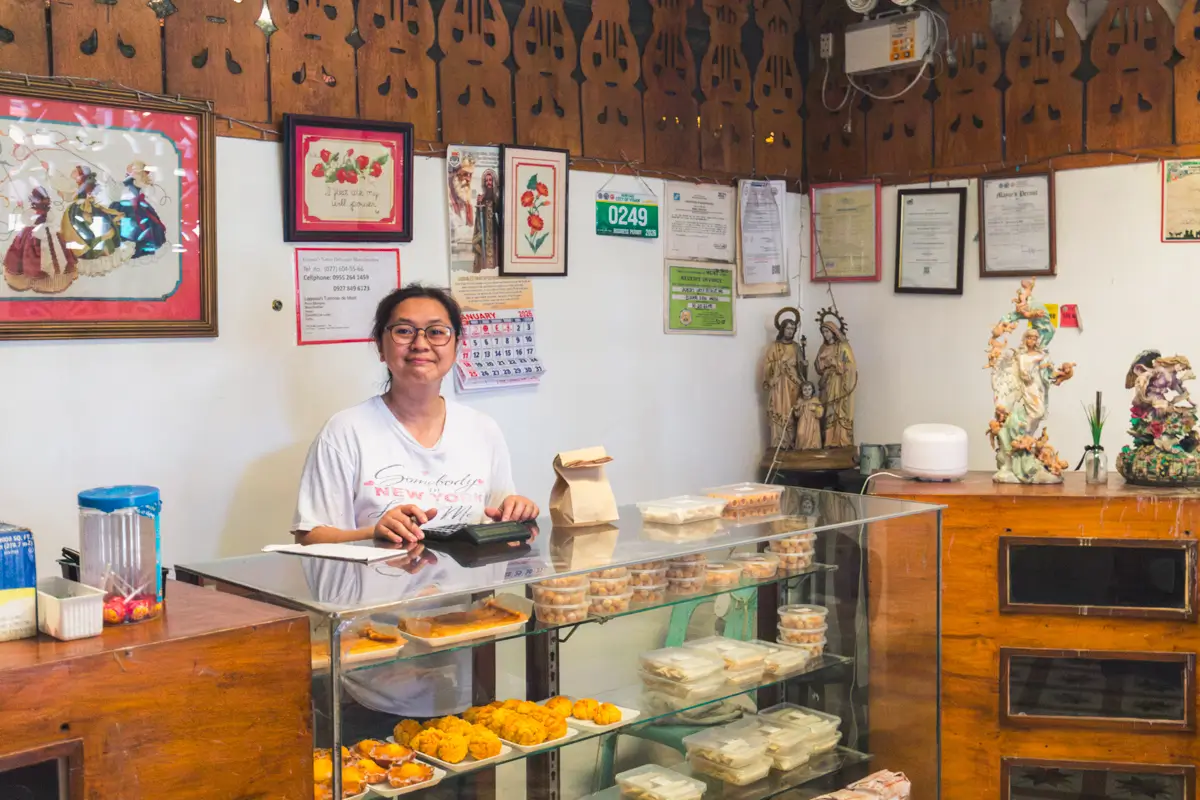
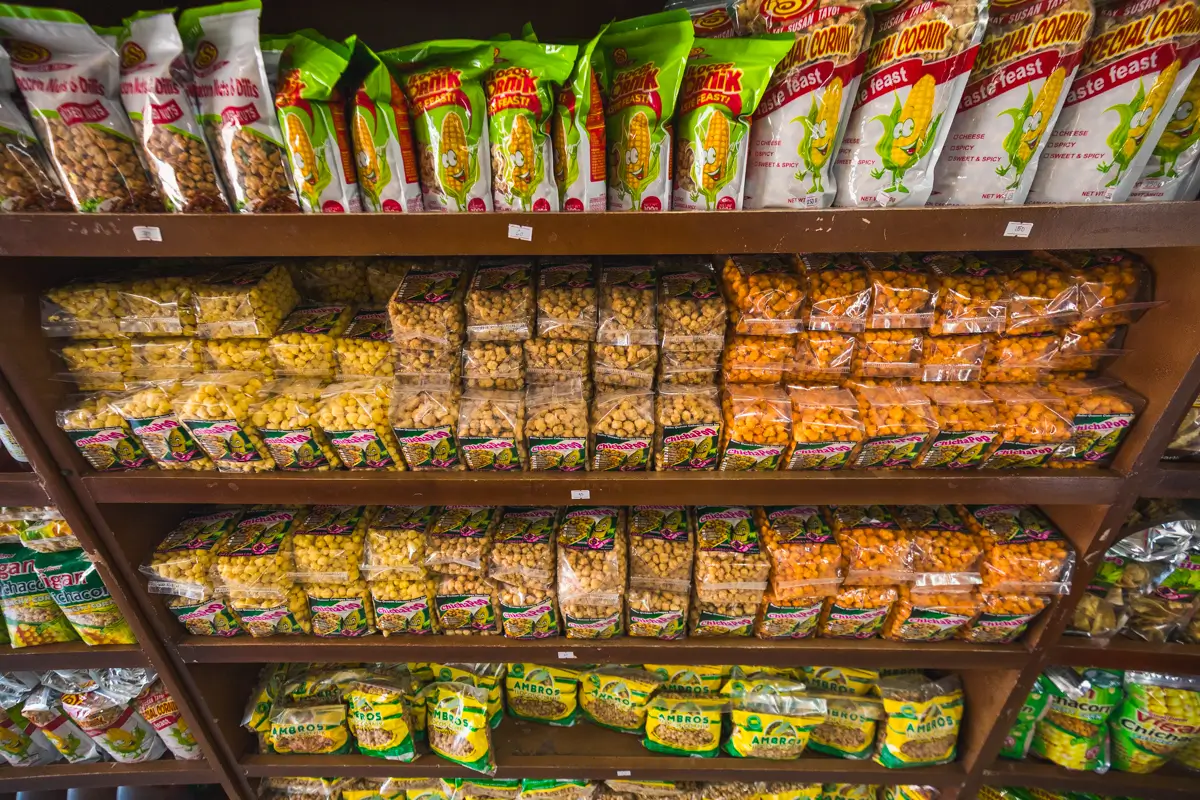
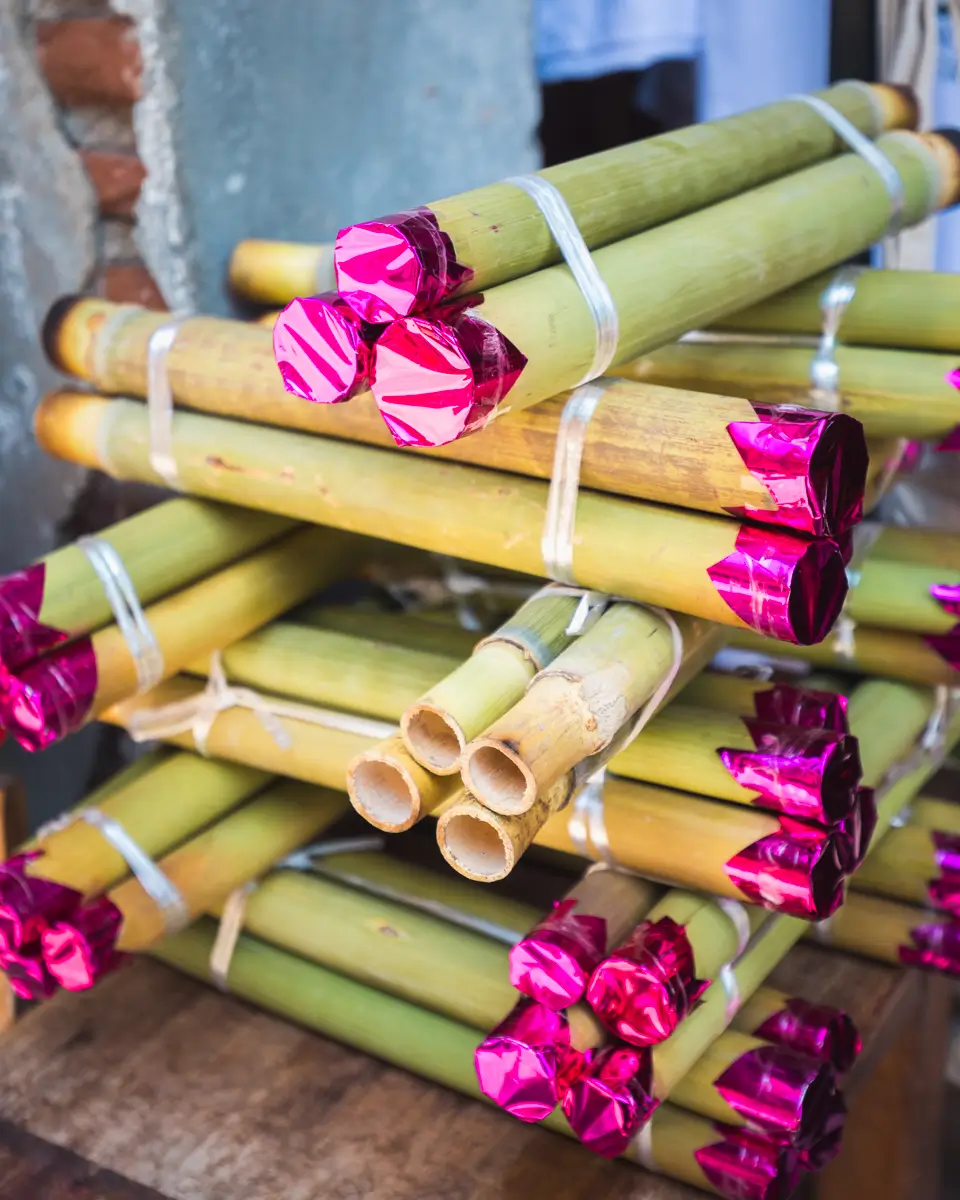
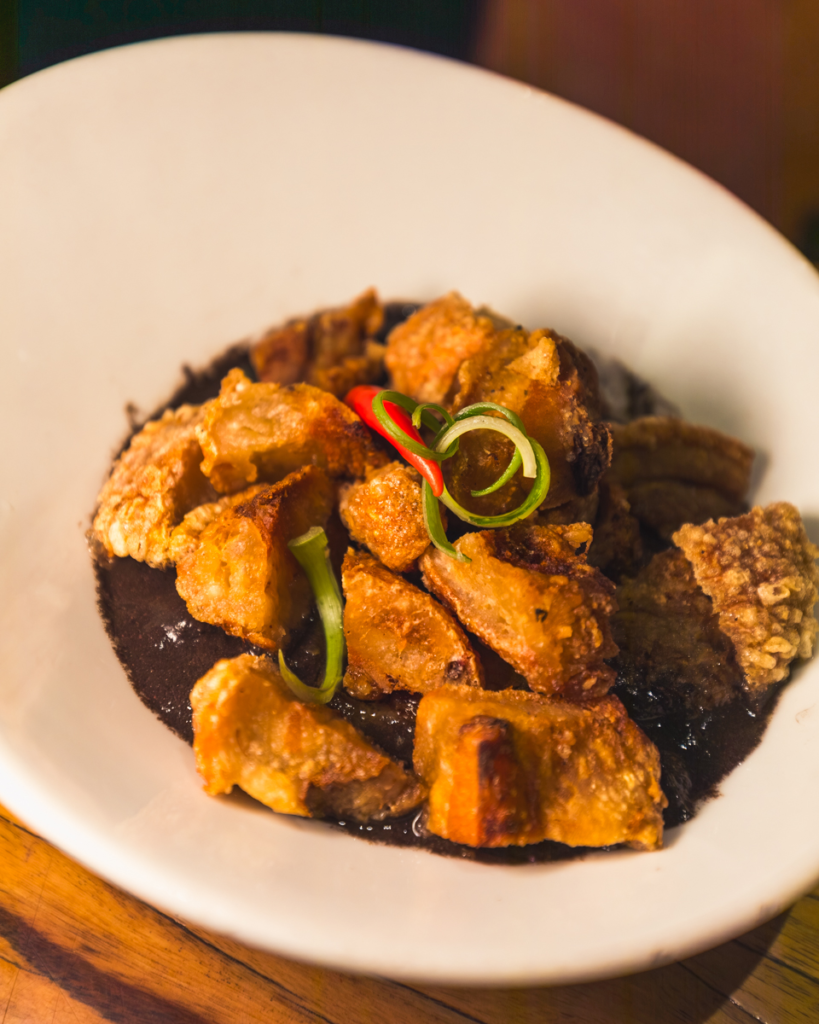
Vigan’s souvenir shops are clustered around Calle Crisologo, Plaza Burgos, and the main visitor streets, with shelves usually split between Ilocano food products and small material goods. Common food items woth keeping an eye out for include tinubong, a sticky rice cake cooked inside bamboo; chichacorn, crunchy fried corn from Ilocos; and of course Vigan longganisa and bagnet, deep-fried pork belly usually sold packed for taking home. Many shops also carry basi, sukang Iloko, inabel, clothing, keychains, magnets, woodcrafts, and other locally themed gifts.
11. Buy a Palayok at RG Jar Factory
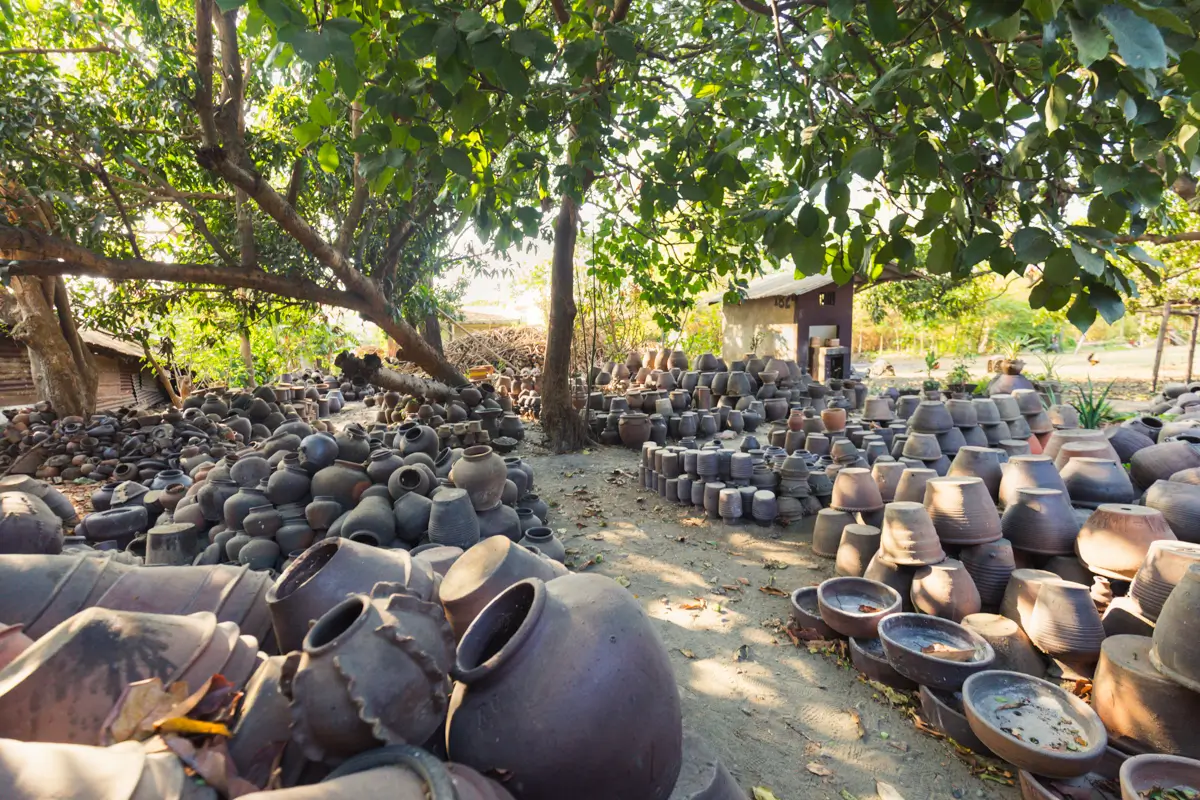
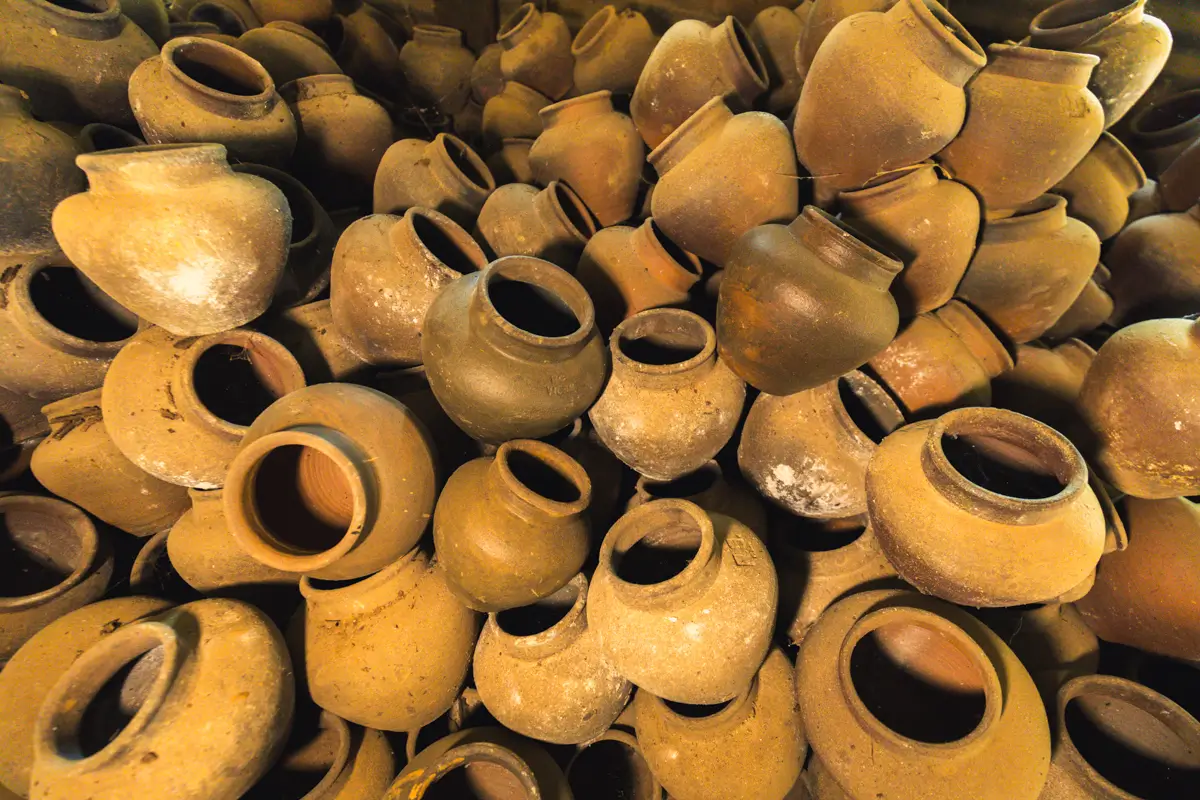
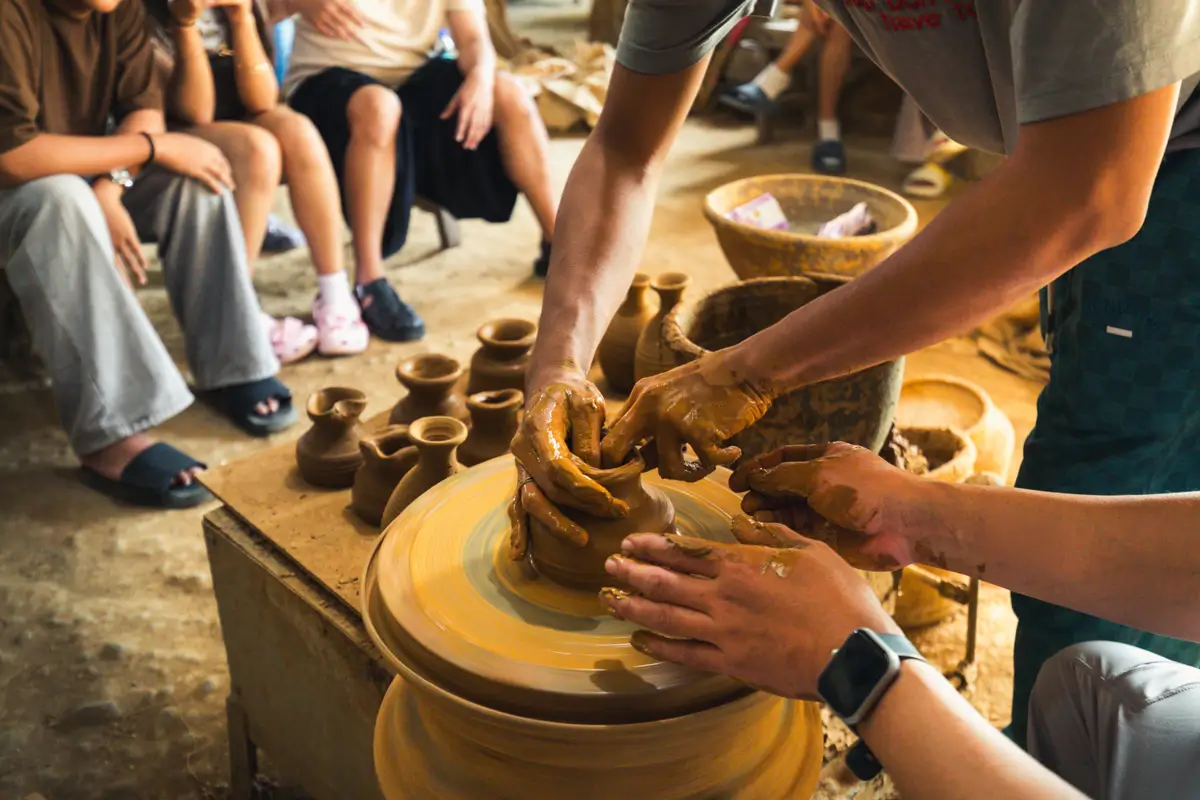
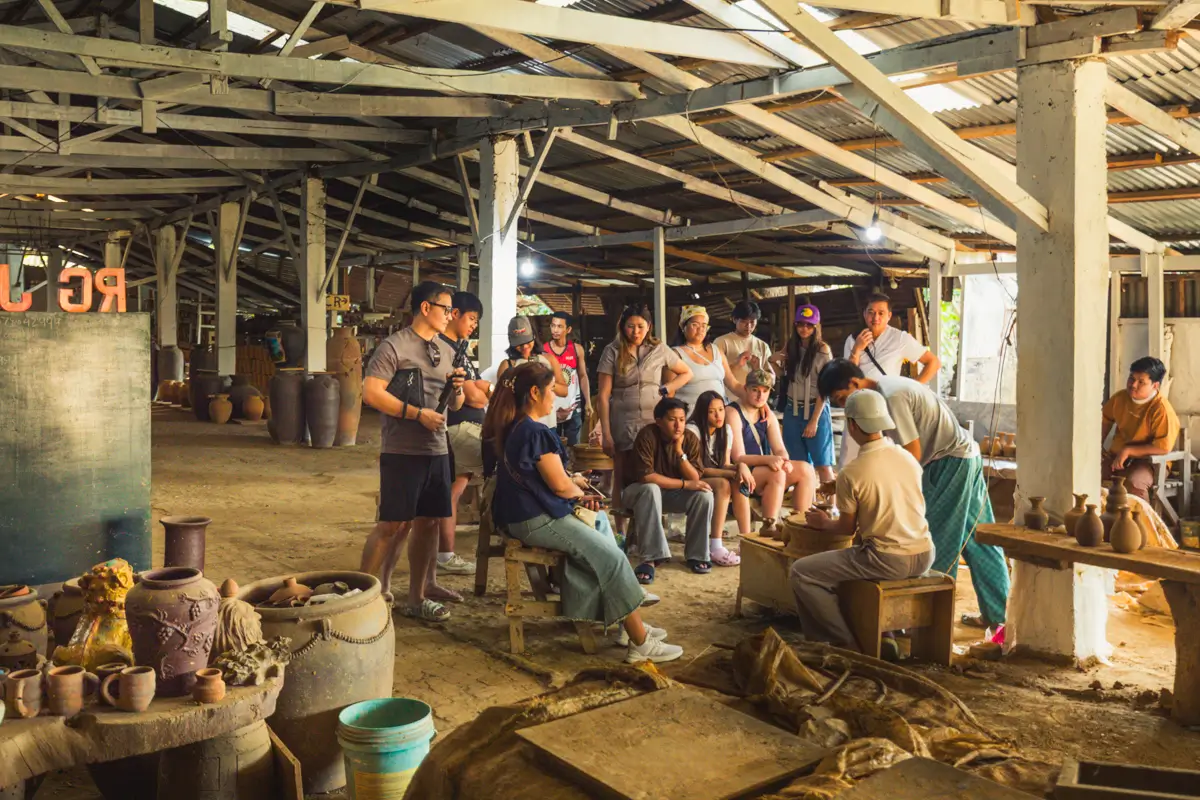
RG Jar Factory is one of the remaining pottery workshops in Barangay Pagburnayan, the Vigan neighbourhood long associated with burnay, the heavy earthenware jars traditionally used for storing water, fermenting basi sugarcane wine, making vinegar, and preserving foods. The technology of burnay production was introduced to Vigan by Chinese migrants from the late 18th to the 19th century, using local clay deposits and large kilns to make durable jars for household, agricultural, and commercial use. At RG Jar Factory, visitors can watch potters knead clay, shape jars on a wheel, dry the pieces, and fire them in large brick kilns, with finished pots ranging from small souvenirs to wide-mouthed storage jars. You can also try making your own pottery, and the workshop sells jars, palayoks, and other pottery directly on site. I highly suggest strolling around and in particular it’s highly worth checking out the massive ancient kiln at the rear of the workshop, especially if its in operation.
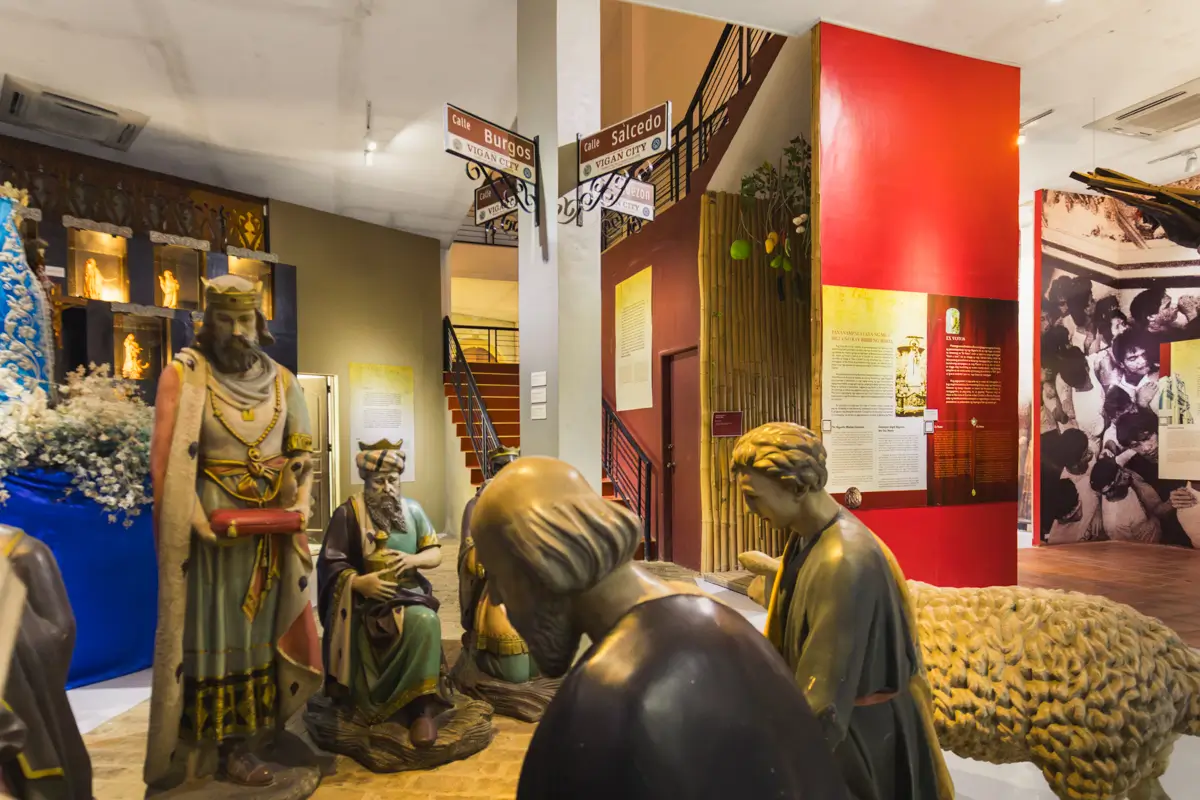
12. Explore the Vigan City Museum
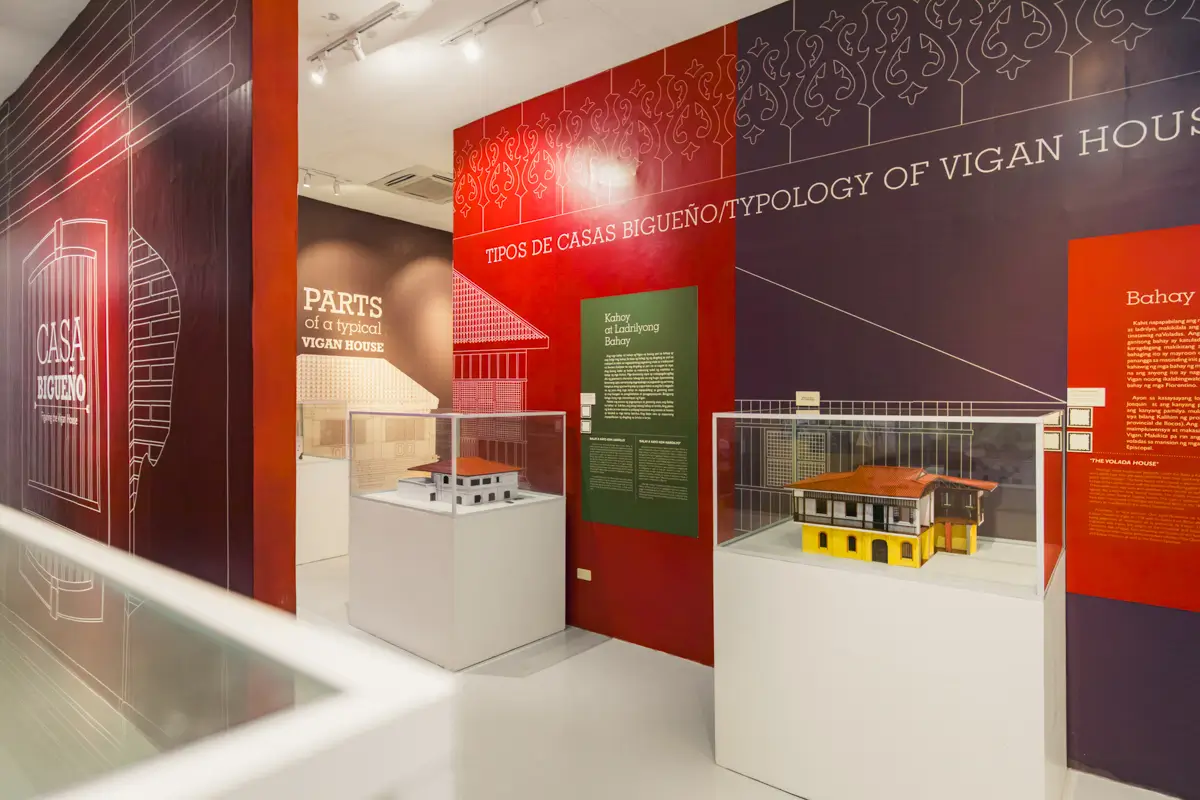
The Vigan City Museum is a city-run museum at the Vigan Conservation Complex in Barangay San Julian Sur, a short tricycle ride from the old city centre. The complex is a local government heritage facility with the museum, library, learning spaces, and conservation-related functions, in partocular the preservation of Vigan’s historic buildings. The museum opened in 2022 and presents Vigan’s history through exhibits on the city’s origins, religious institutions, civic life, political history, architecture, and heritage conservation. The displays explain the development of Vigan from a trading settlement into the capital of Ilocos Sur, with material on its plazas, churches, ancestral houses, and UNESCO-listed historic centre. The Vigan City Museum was actually my very first stop in Vigan, and I highly recommend that choice, as the insights on local architecture were super helpful to have with me later when walking Calle Crisologo, Plaza Salcedo, Plaza Burgos, and the surrounding heritage streets.
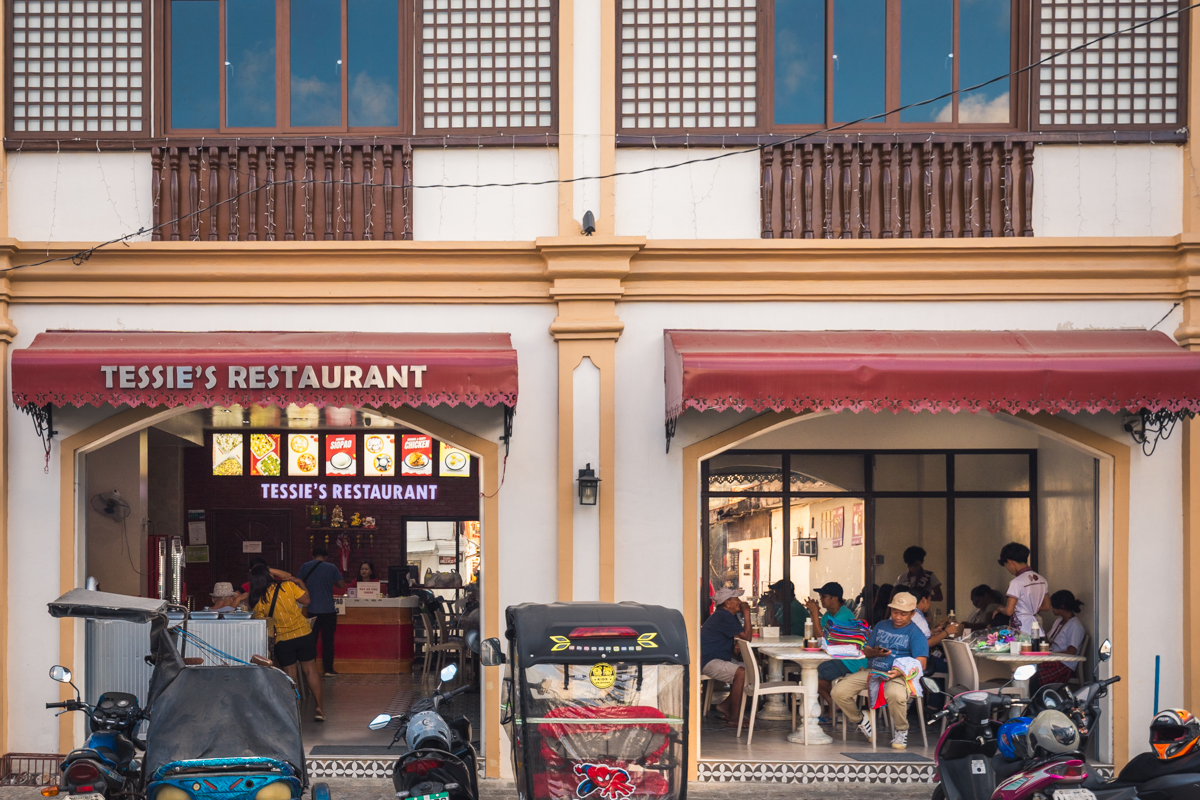
13. Eat Fil-Chi at Tessie’s Restaurant
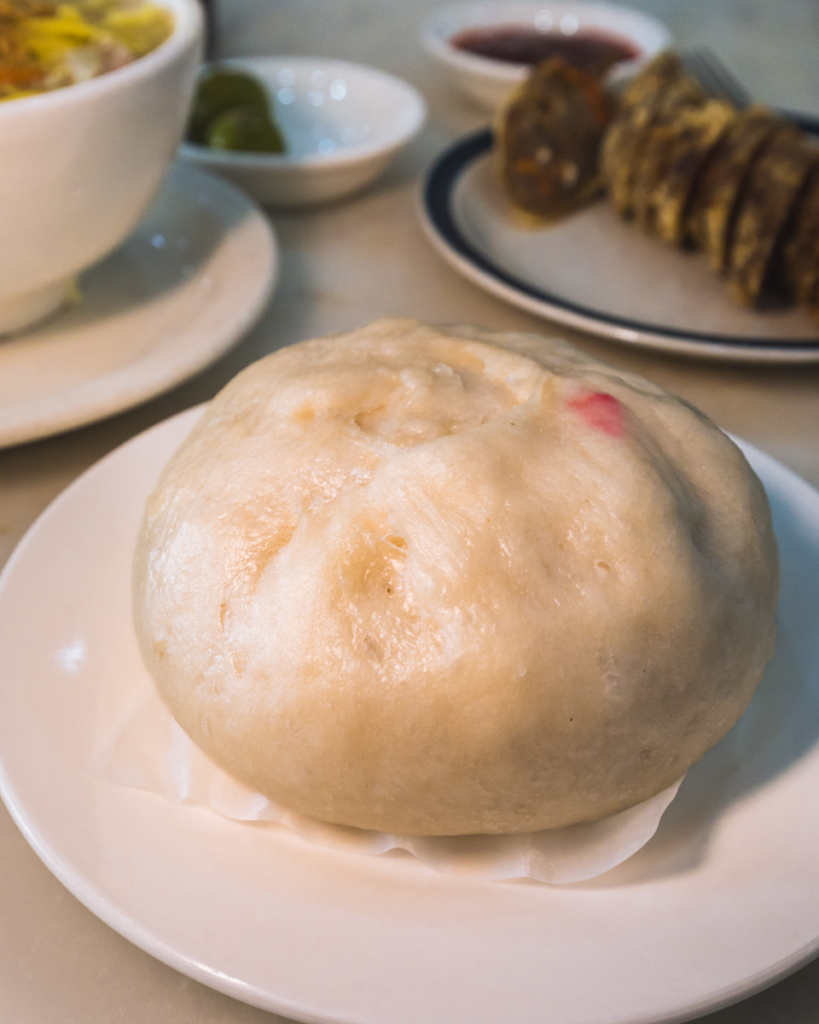
Tessie’s Restaurant is a long-running local restaurant on General Luna Street, a short walk from the Crisologo Museum and the southern end of the heritage core. It serves Filipino-Chinese comfort food in a casual, carinderia-style setting. Make sure to try the famous siopao as well as the lomi, or the kimlo, which includes kimchi.
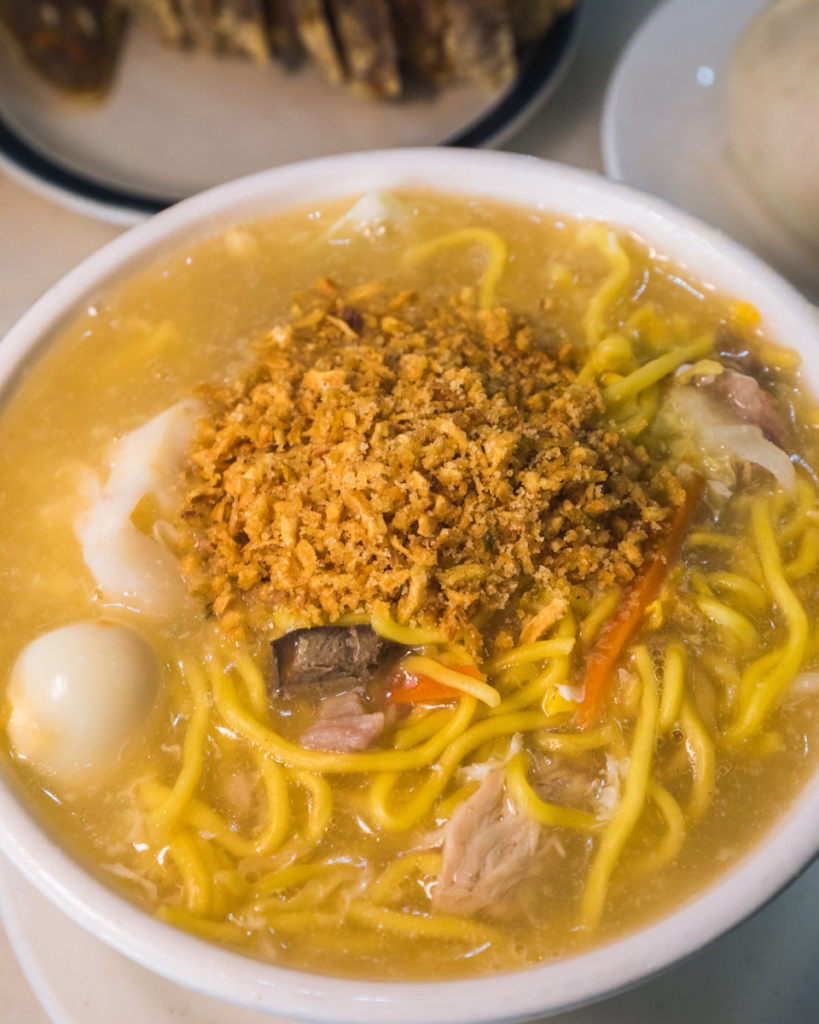
14. See Sunrise at the Narvacan Watchtower
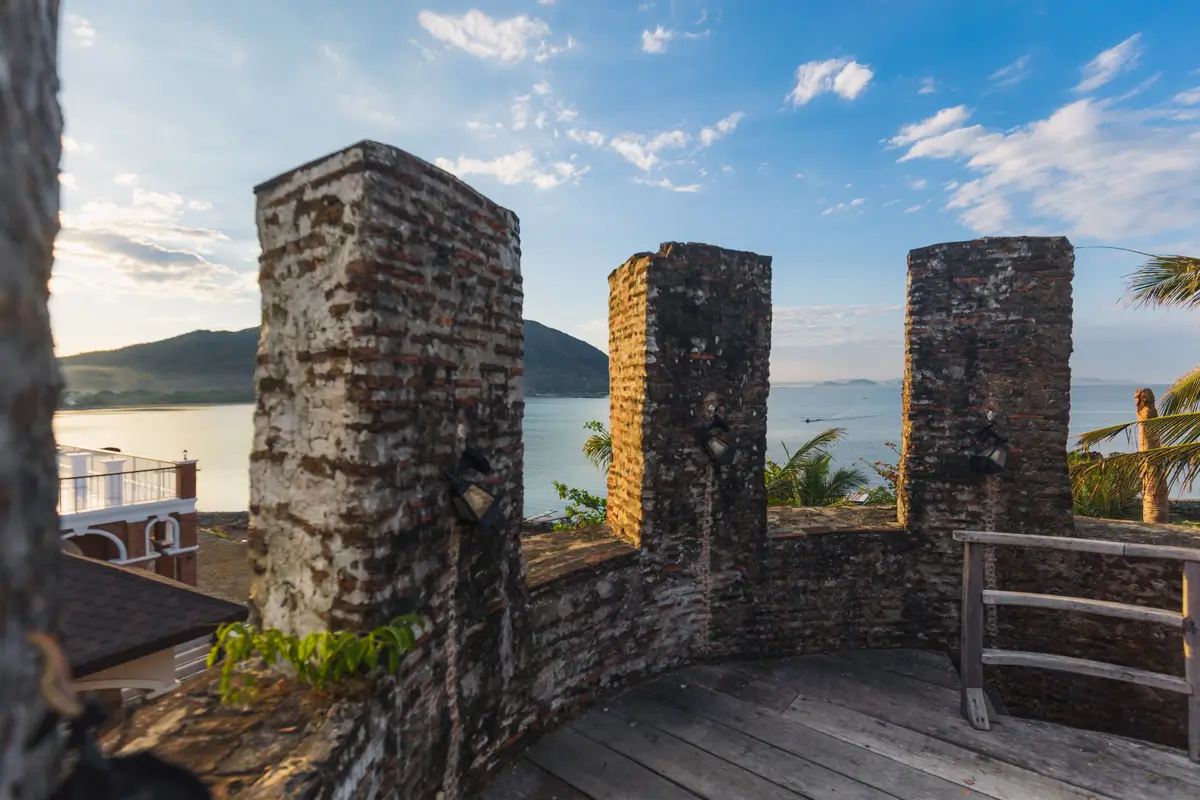
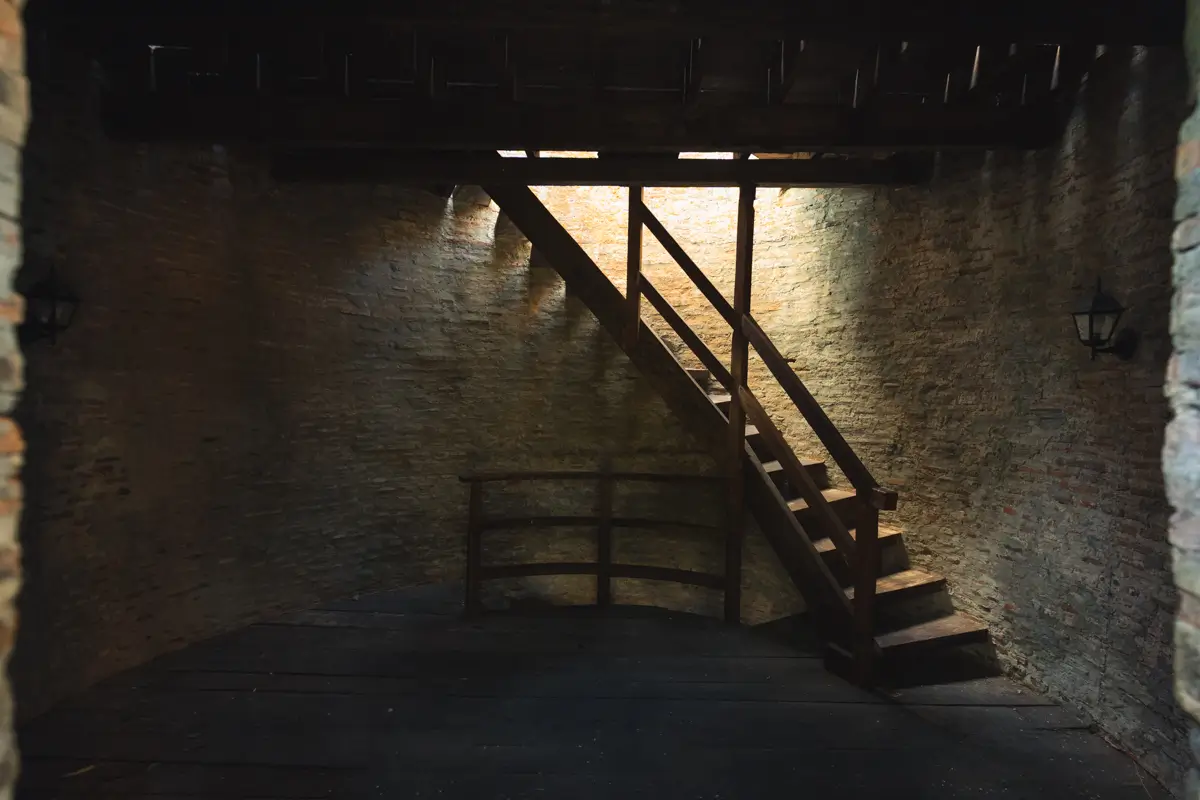
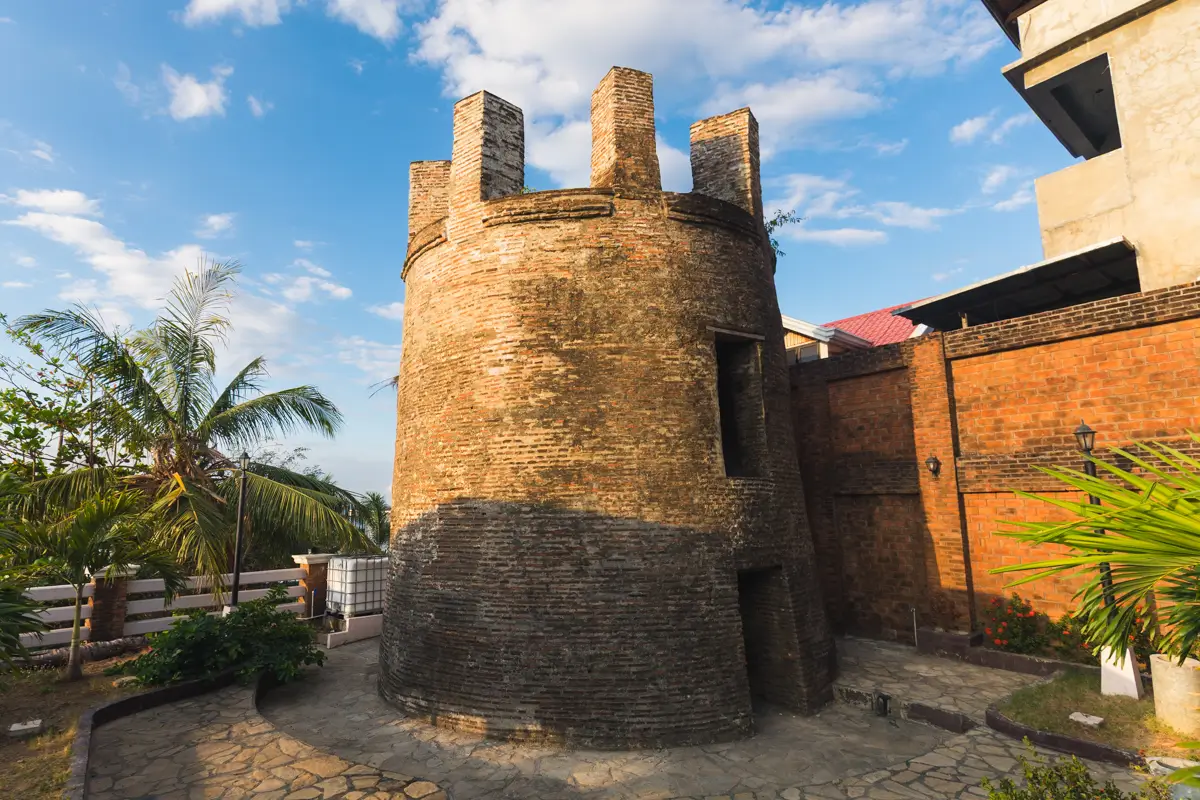
The Narvacan Watchtower stands on the seaboard of Barangay Sulvec, about 35 km south of Vigan, and is one of the three surviving Spanish-era watchtowers recorded in Ilocos Sur. It formed part of the coastal warning system built during the Spanish colonial period, when Ilocos towns faced the risk of seaborne raids and watchtowers were placed along the coast to monitor approaching vessels before they reached the settlements. Its rectangular merlons (there’s your word of the day) give the top of the tower a rook-like outline, and it is the smallest recorded watchtower in the province. The National Museum of the Philippines led restoration and rehabilitation work on the tower in 2019, and the Narvacan local government developed the surrounding property as a tourist site in 2022. Nowadays I’m pretty sure it’s the only Filipino watchtower I’ve been to that’s actually been restored to the extent you’re able to go up to the to from the inside. Sadly the high point that it once stood on feels less high, with the buildings close on either side limiting the view, but it’s still a wonderful spot for sunrise in particular.
15. See Sunset at San Sebastian Beach
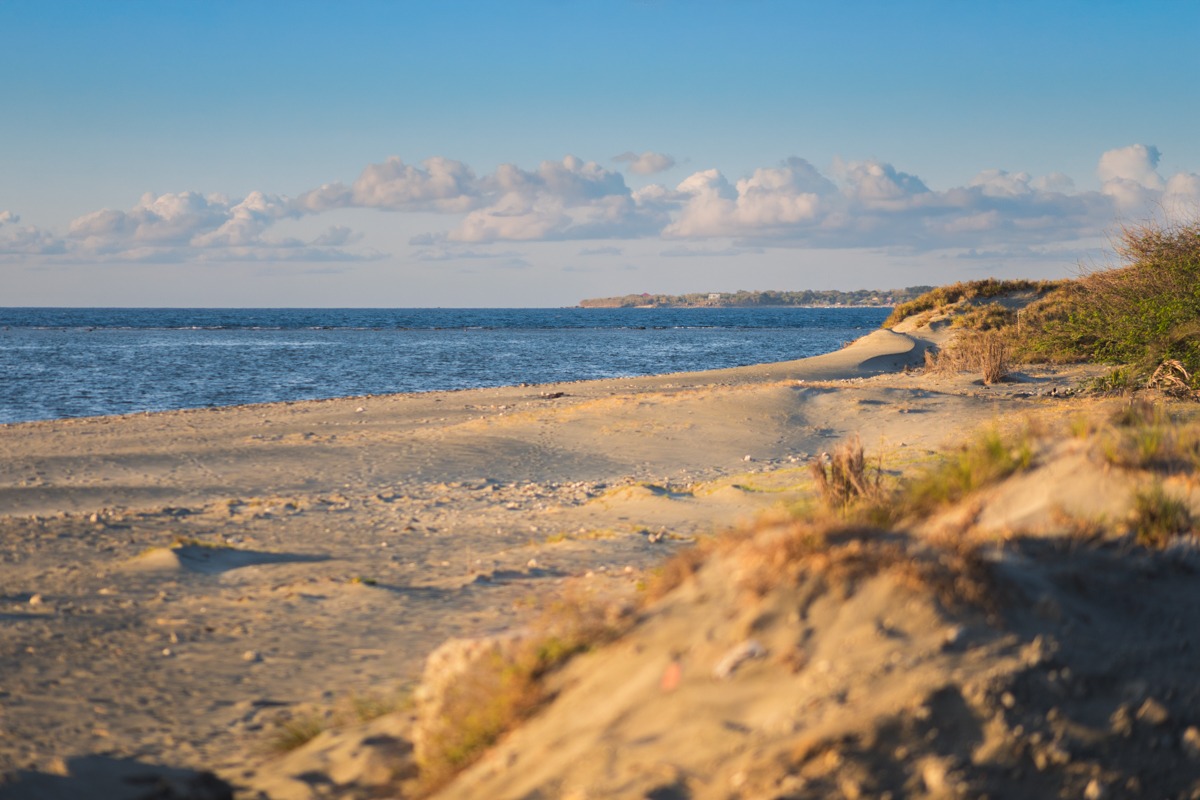
No one comes to Vigan for the beach, and maybe that’s a reflection of how spoiled Filipinos are when it comes to incredible beaches. Any time I’m by the Filipino coastline I want to visit the local beach, whether it’s in the global top ten most beautiful beaches in the world or not. San Sebastian Beach is a lovely stretch about 20 minutes west of Vigan by car or tricycle. The beach faces the West Philippine Sea making it perfect for sunset, and the shoreline is largely undeveloped, with beach houses and small properties rather than a built-up strip of restaurants and bars.
16. Tour the Kap Salt Factory
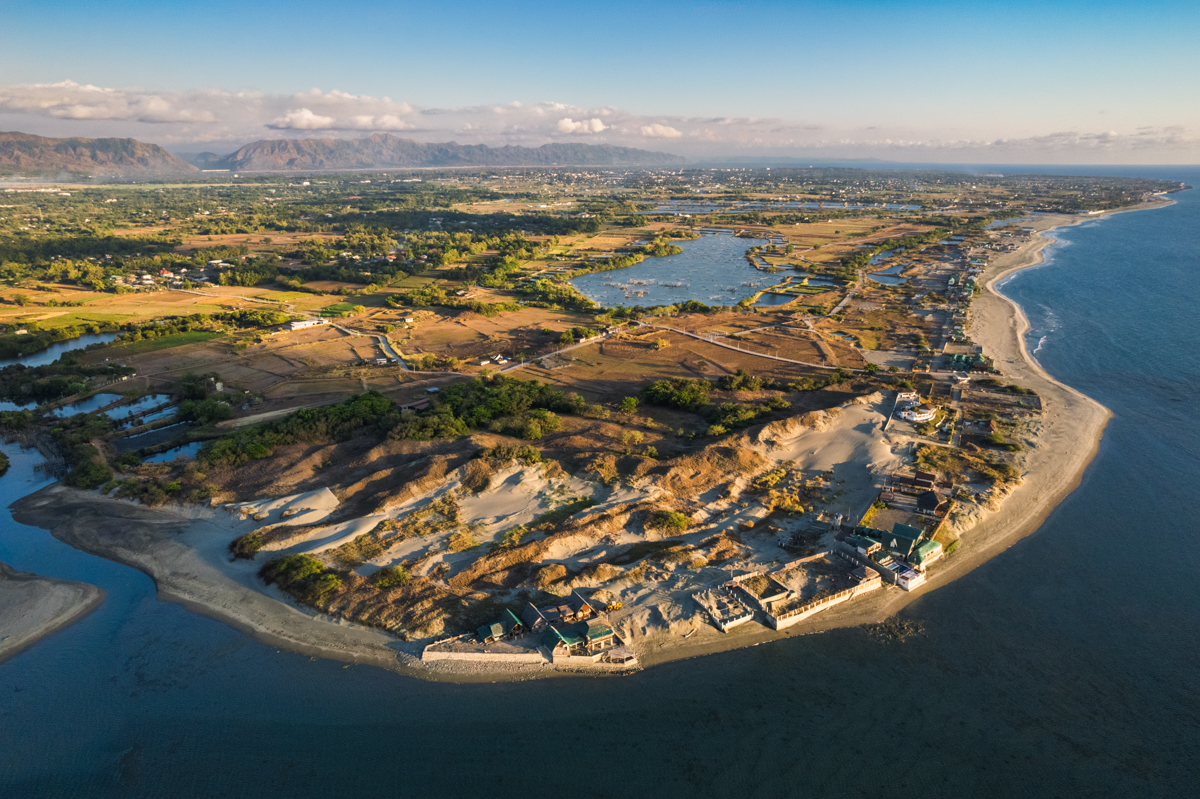
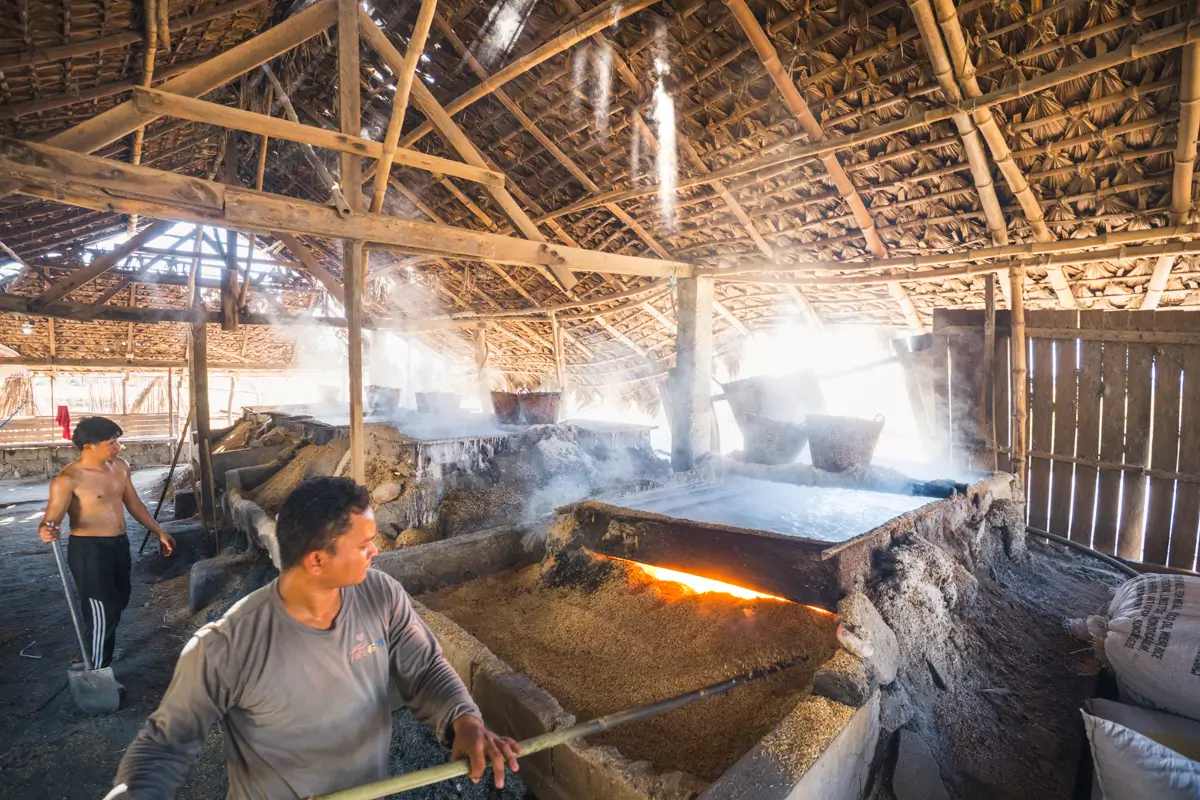
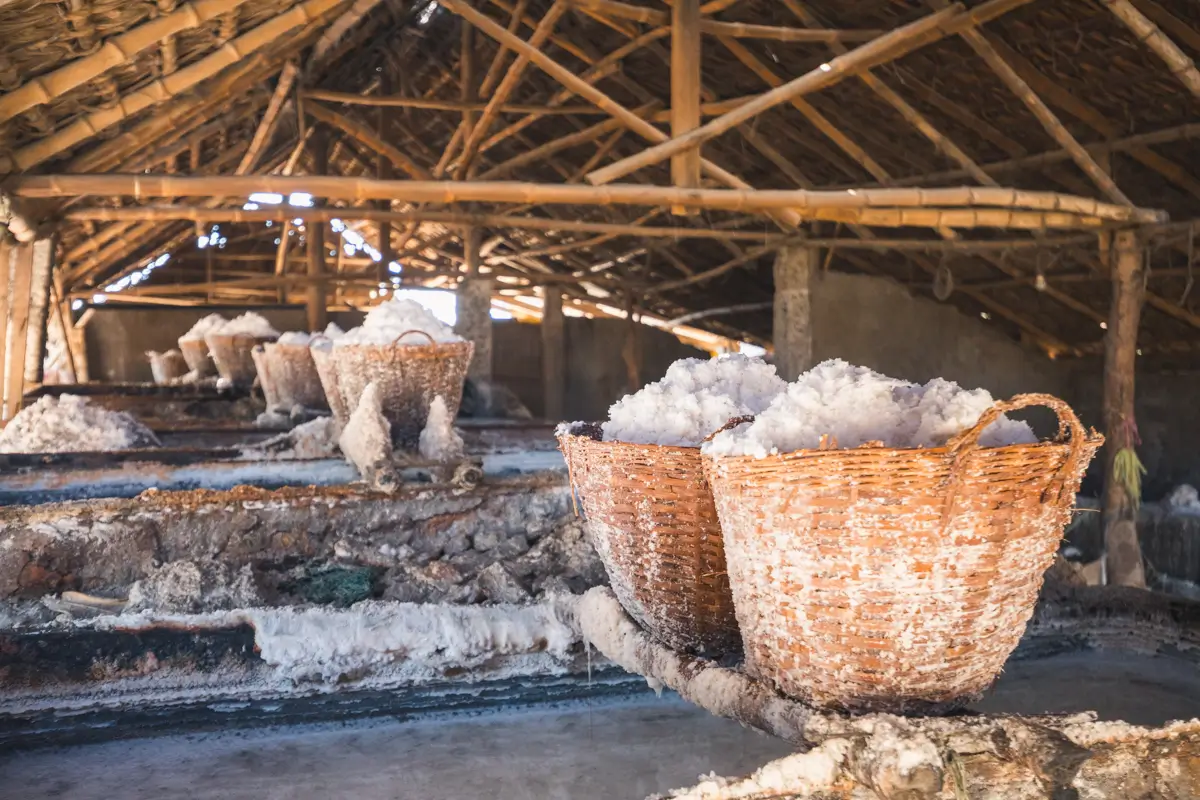
Kap Saltmaking Factory is a working salt production site about 7 km west of Vigan, where visitors can find a slightly more industrial version of the Ilocano cooked-salt tradition surviving nowadays mostly in Ilocos Norte. The factory sits in a coastal farming area next to San Sebastian Beach and consists of two large working kalapaw huts with tall chimneys. Kap pumps seawater directly into concrete cooking containers and boils it down over firewood and rice husks, filling the air with steam. Workers skim impurities and stir the brine as crystals form before lifting the salt with bamboo baskets, and leaving it to drain and cool. If you’re interested in seeing the salt being made and/or buying some salt to take home with you, I suggest contacting them on Facebook before your visit. The site is open to the public only in the sense that there isn’t technically a fence preventing you from walking on in, so common courtesy is to let them know you’d like to visit. Plus, that way you can make sure they’re actually there when you come by.
17. TRy on a Kattukong
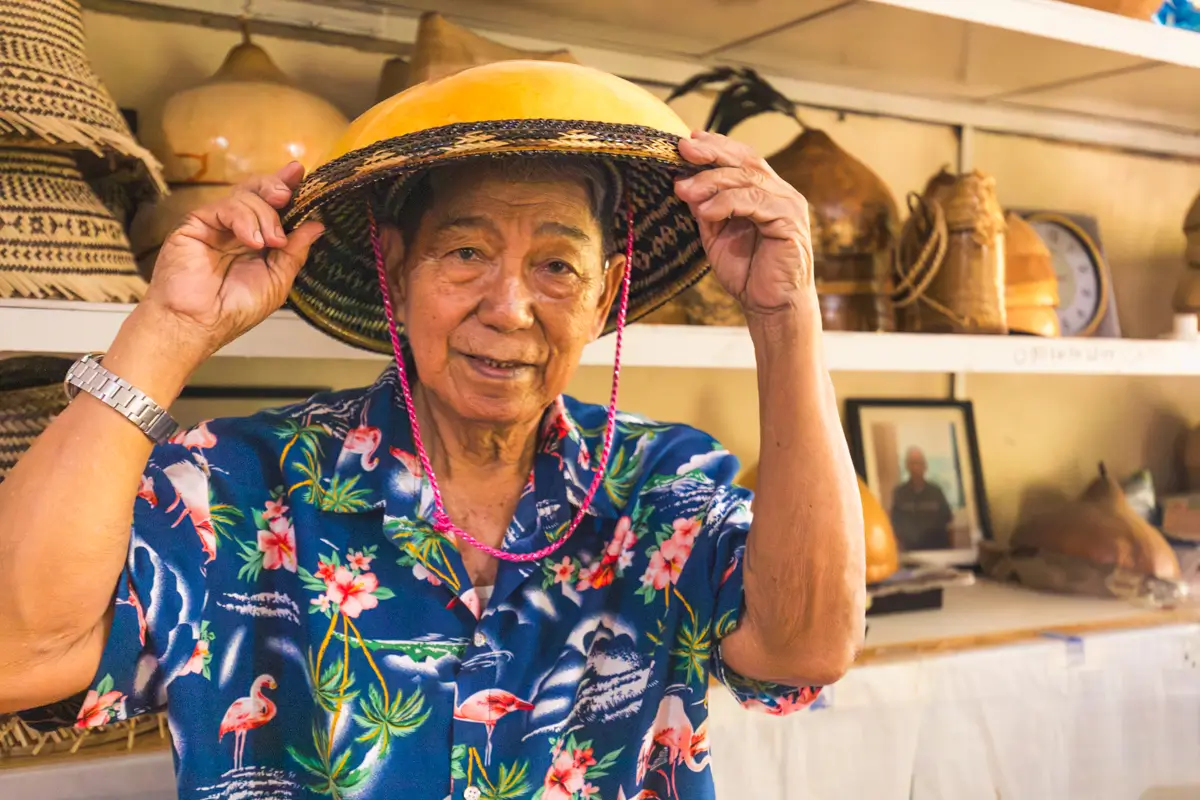
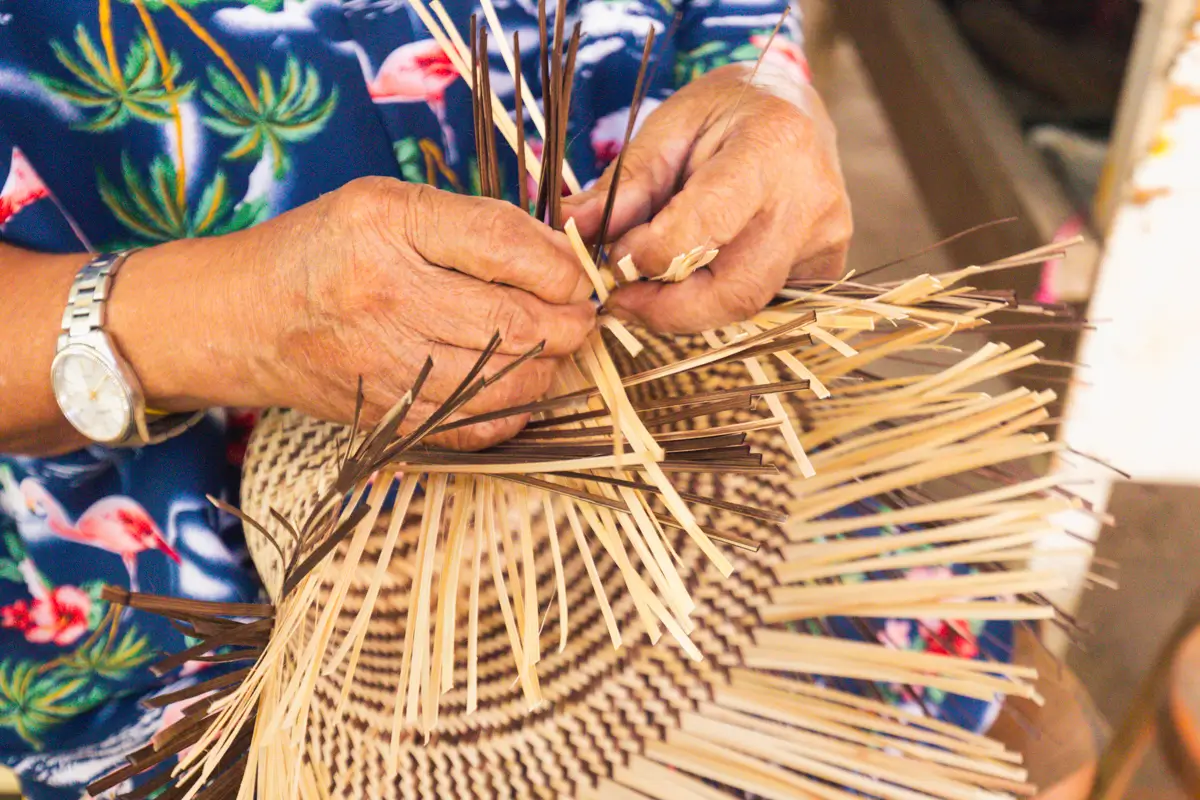
The kattukong is a traditional gourd hat once used by farmers and field workers in Ilocos and Abra for protection from sun and rain. It is made from a mature bottle gourd that is grown to the right size, hollowed, dried, polished, and varnished, then fitted with a woven inner lining made from rattan. The hat’s hard shell, light weight, and water-resistant surface made it practical for long hours in open fields, but the craft has declined as factory-made hats, umbrellas, and plastic rain gear replaced older farm equipment. Teofilo Garcia of San Quintin, Abra, is widely recognized as the last traditional maker of the tabungaw, and he was named a National Living Treasure, or Gawad sa Manlilikha ng Bayan, in 2012 for keeping the craft alive. Travellers may see examples of the hat in museums but of course nothing compares to visiting the workshop and seeing them being made for yourself. Truly, my visit was one of the most meaningful expeiences I’ve ever had during my years in the Philippines. Sadly Teofilo Garcia has been unable to find an apprentice, so the craft only survives for now. He makes only a few dozen a year, selling them for around 4000 PHP each.
18. Have Lunch at Sixbros
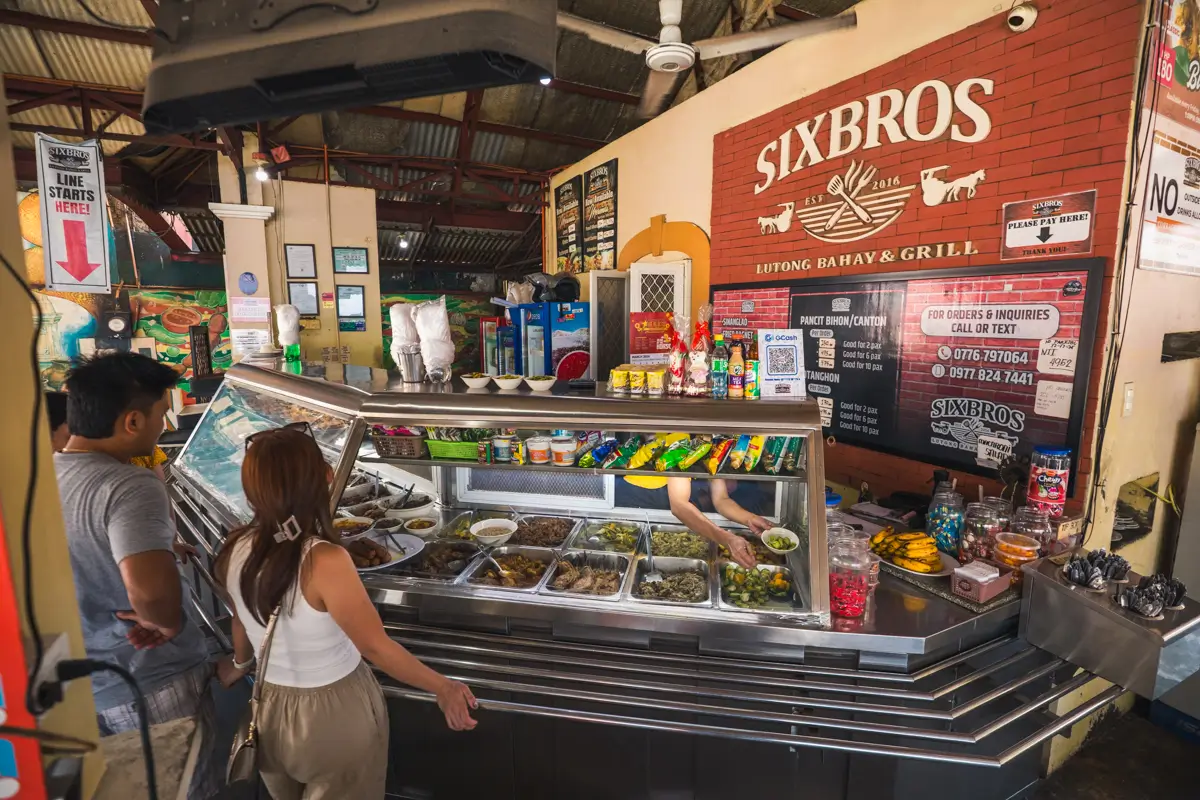
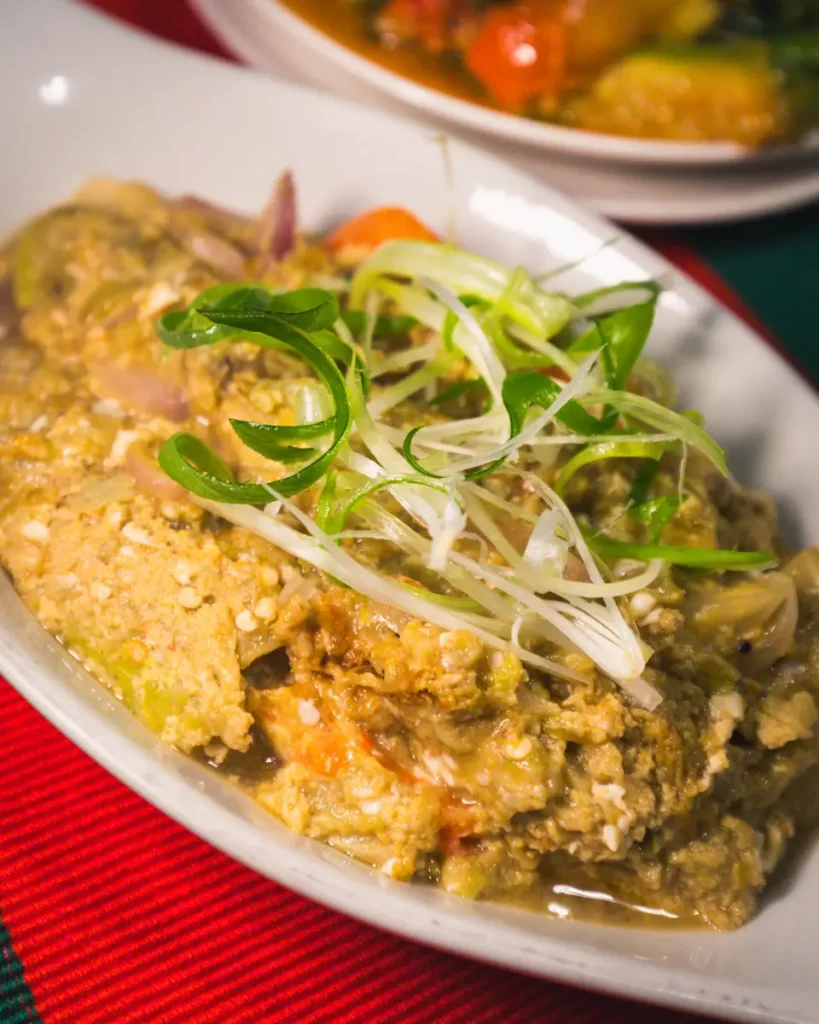
Sixbros Lutong Bahay and Grill is a casual local eatery on General Luna Street in central Vigan. The menu covers Filipino and Ilocano staples, all for an afforable price. Highlights for me were the poqui-poqui; a local eggplant and scrambled egg dish, and the dinakdakan; pork offal with onion, chili and calamansi that is reminiscent of sisig.
19. Sample Ilocos Sugarcane Products
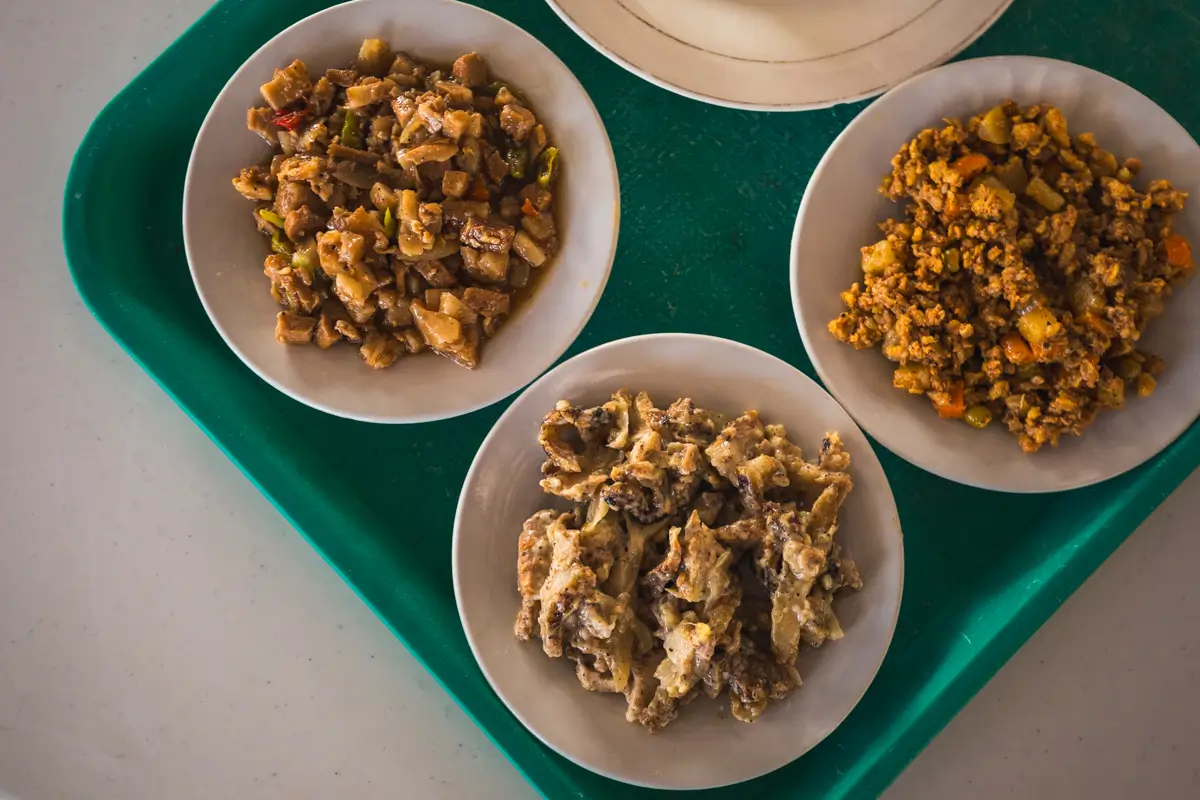
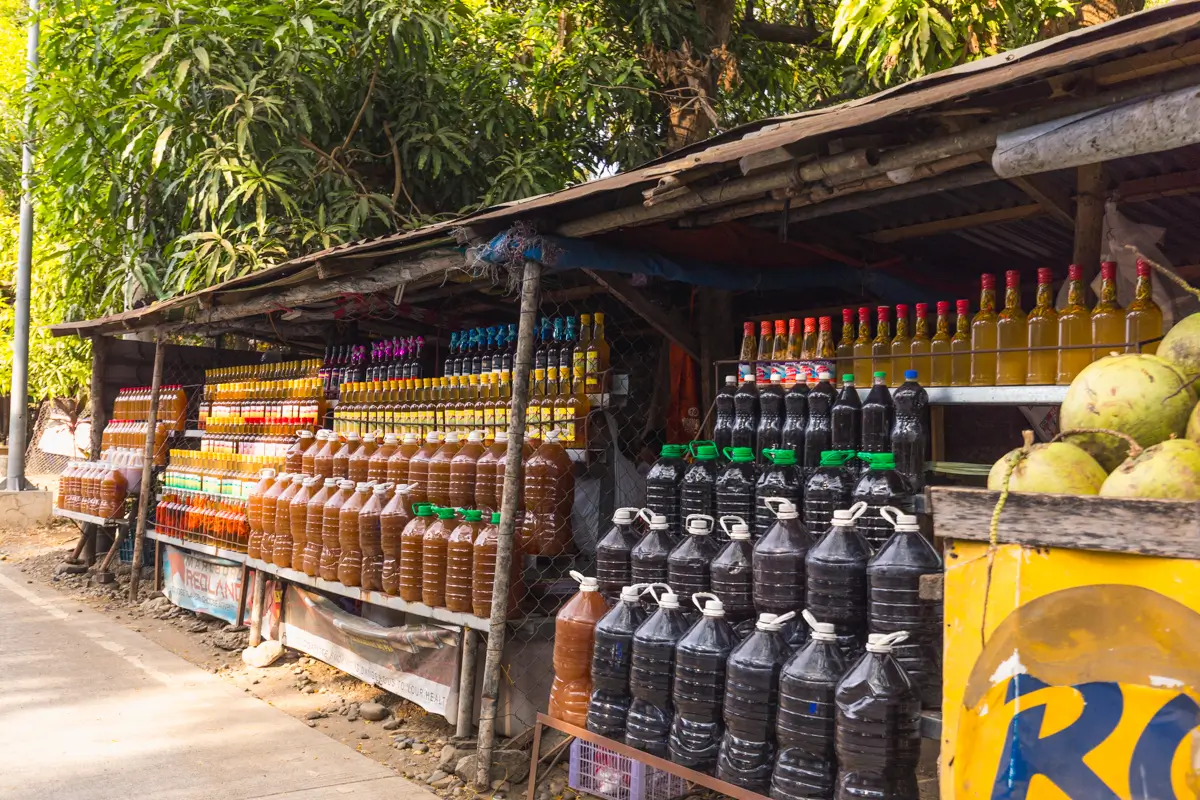
Sugarcane has long been grown in Ilocos Sur, especially in rural areas outside Vigan, and along the highway today it’s easy to find stalls selling the region’s traditional sweets, vinegar, and wine, all of which are made from sugarcane. Fresh cane juice can be boiled down into syrup or sugar, fermented into basi, or aged further into sukang Iloko, the dark cane vinegar served with Vigan empanada, longganisa, bagnet, grilled meats, and other rich Ilocano food. Basi is the region’s traditional sugarcane wine, made by fermenting cane juice in earthen jars, often with local botanicals such as samak leaves or bark, and it has enough history in Ilocos to be the eponym of the 1807 Basi Revolt, when colonial controls over production and sale helped trigger an uprising. Balikutsa is the iconic candy of the region: cane syrup is cooked down, pulled, stretched, and shaped into pale, brittle twists that locals drop into their coffee.
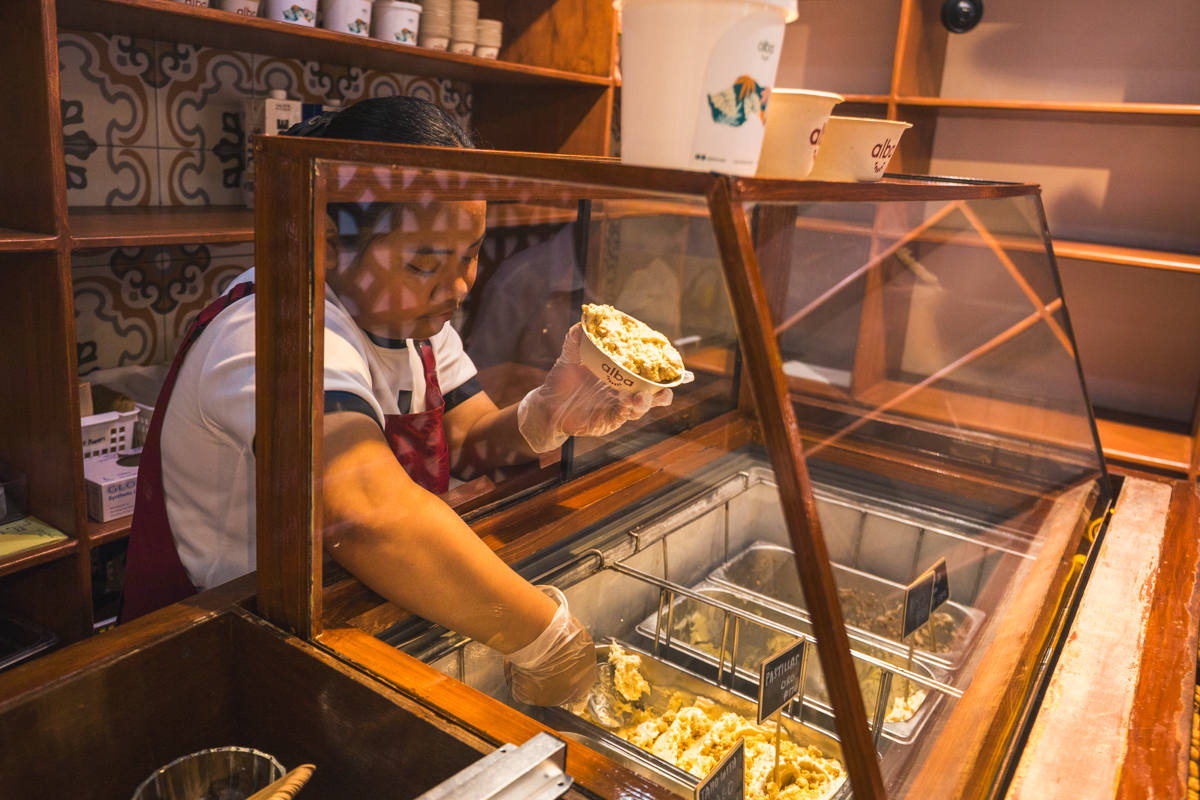
20. Cool Off With Gelato at Alba
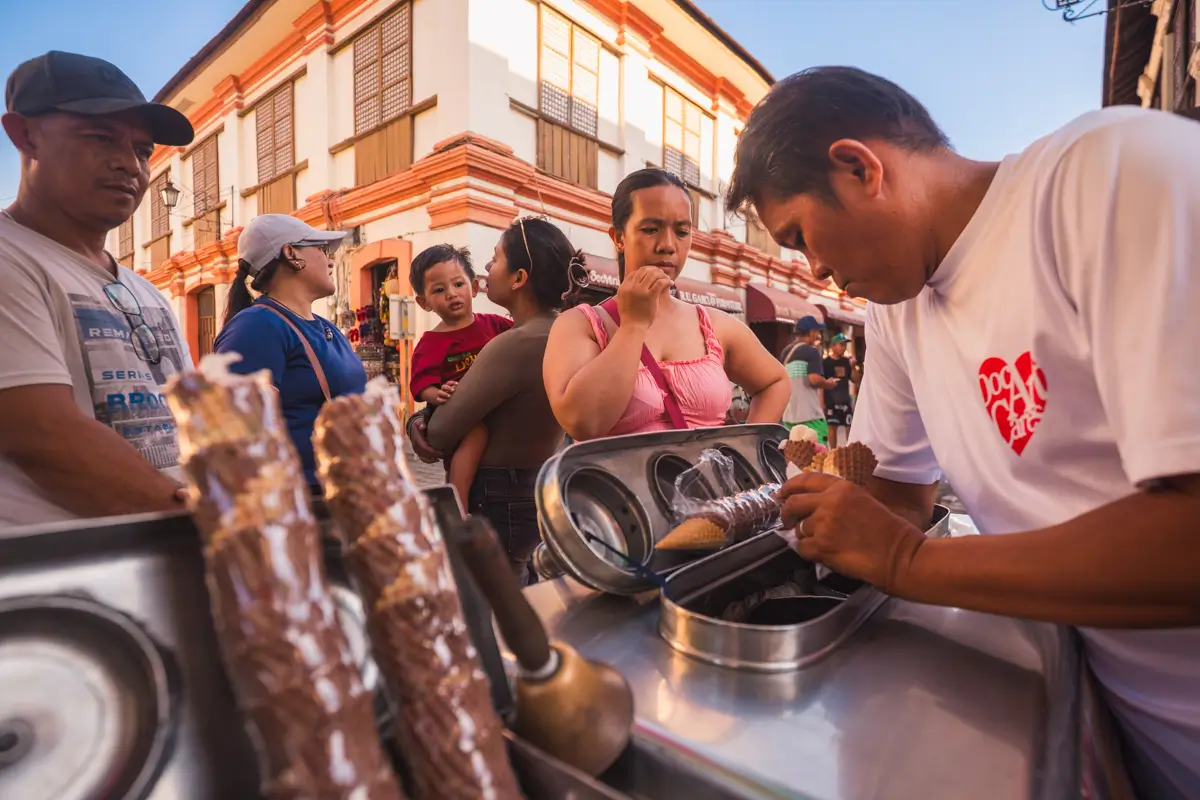
Alba Artisan Gelato is a small local husband-and-wide owned gelato shop close to Vigan’s heritage core. It makes its gelato in-house, with a rotating selection that includes classic flavours as well as local flavours. Highlights include calamansi basil, ube polvoron, sansrival, sea salt tablea, and keso. The shop also serves churros, along with coffee and other drinks. There’s limited seating, but most people take it to go as they stroll the cobblestone streets.
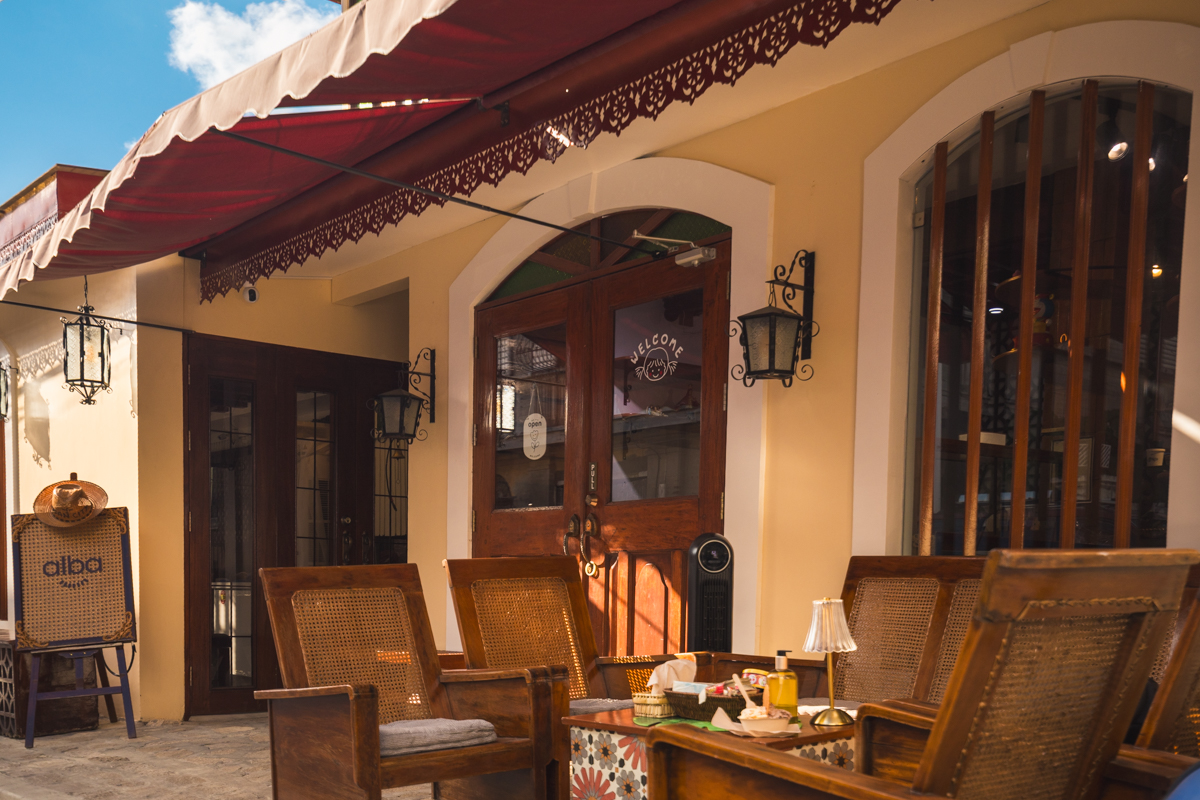
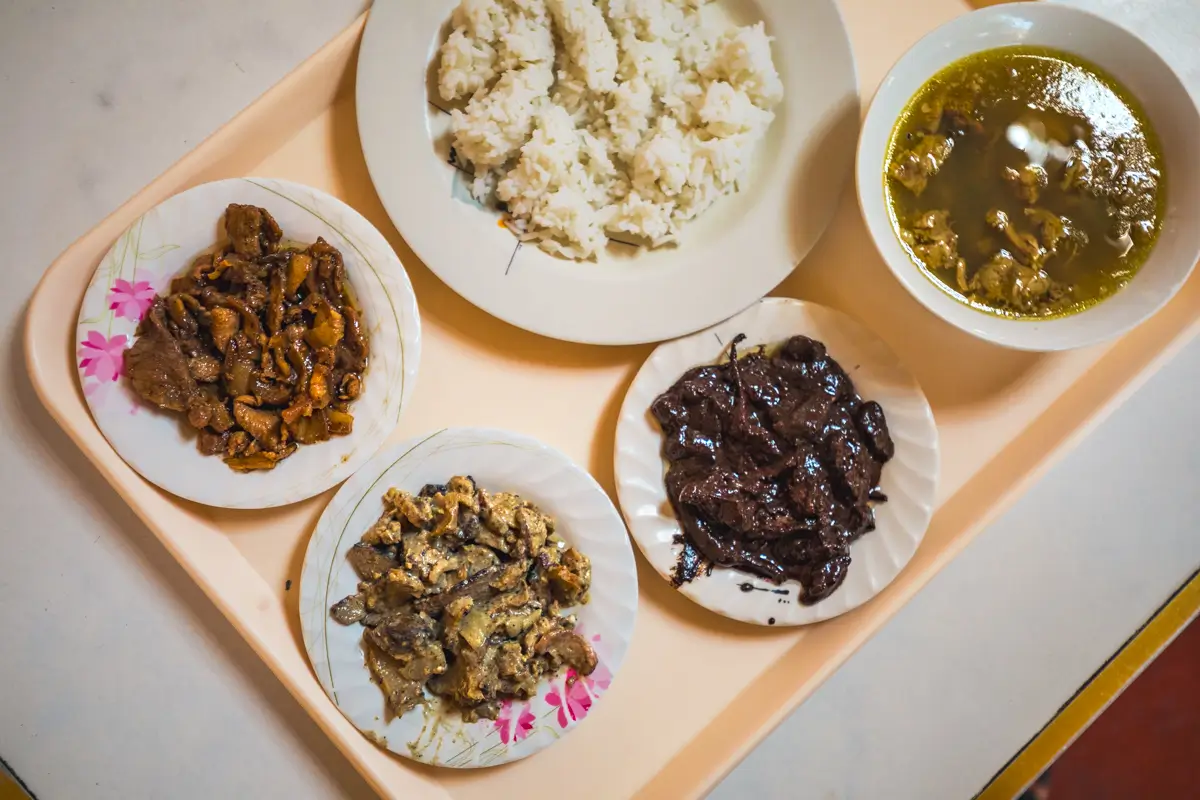
21. Eat Ilokano at Panganan Ken Ihawan
Panganan Ken Ihawan Toy Ciudad Vigan is an eatery on Bonifacio Street, just around the corner from the National Museum and a short ride from the heritage core. It’s very clearly a local favourite and fills up for lunch, with highlights of course including Ilocano dishes like dinakdakan, igado, and papaitan.
22. Visit the Crisalogo Museum
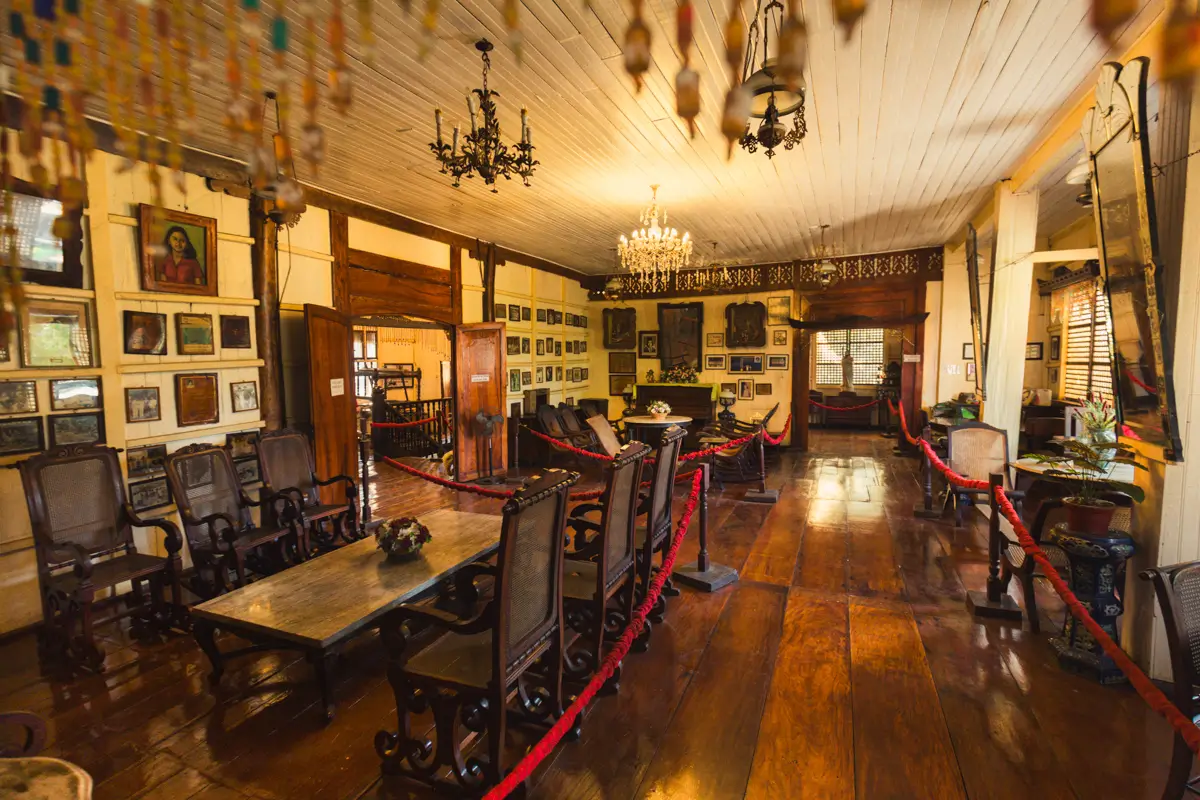
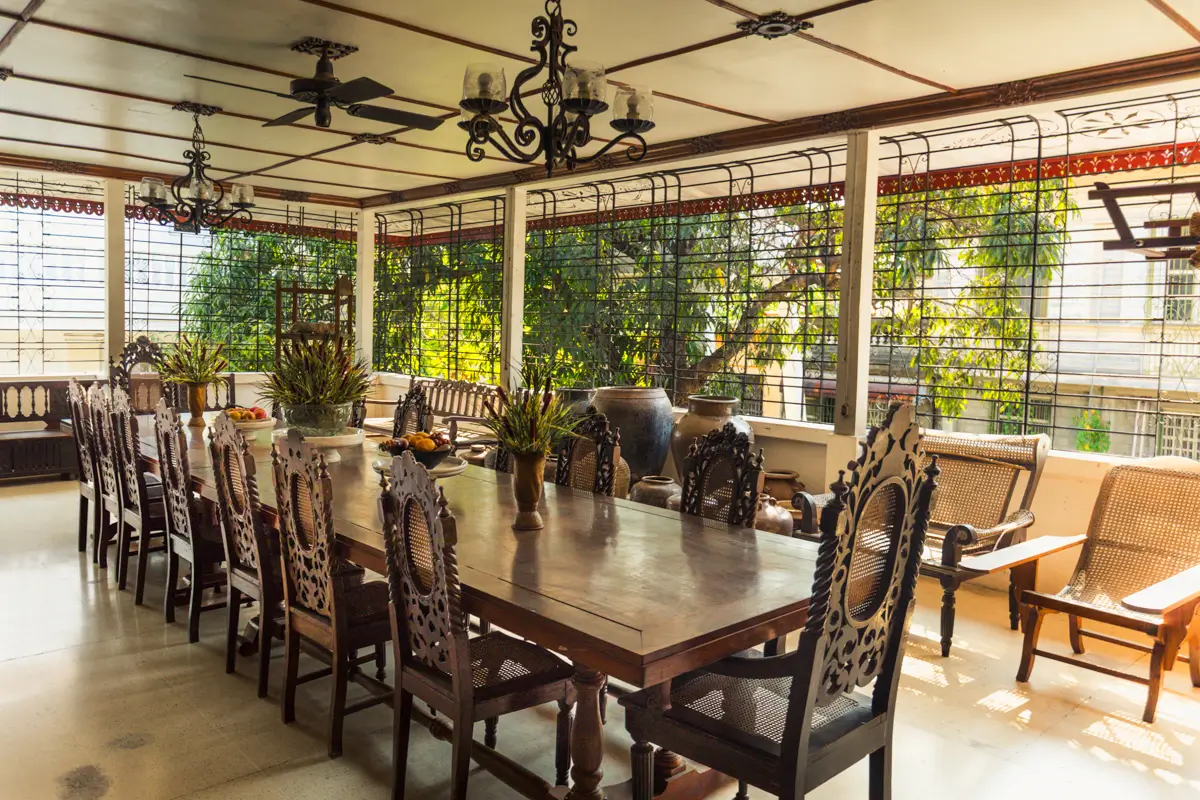
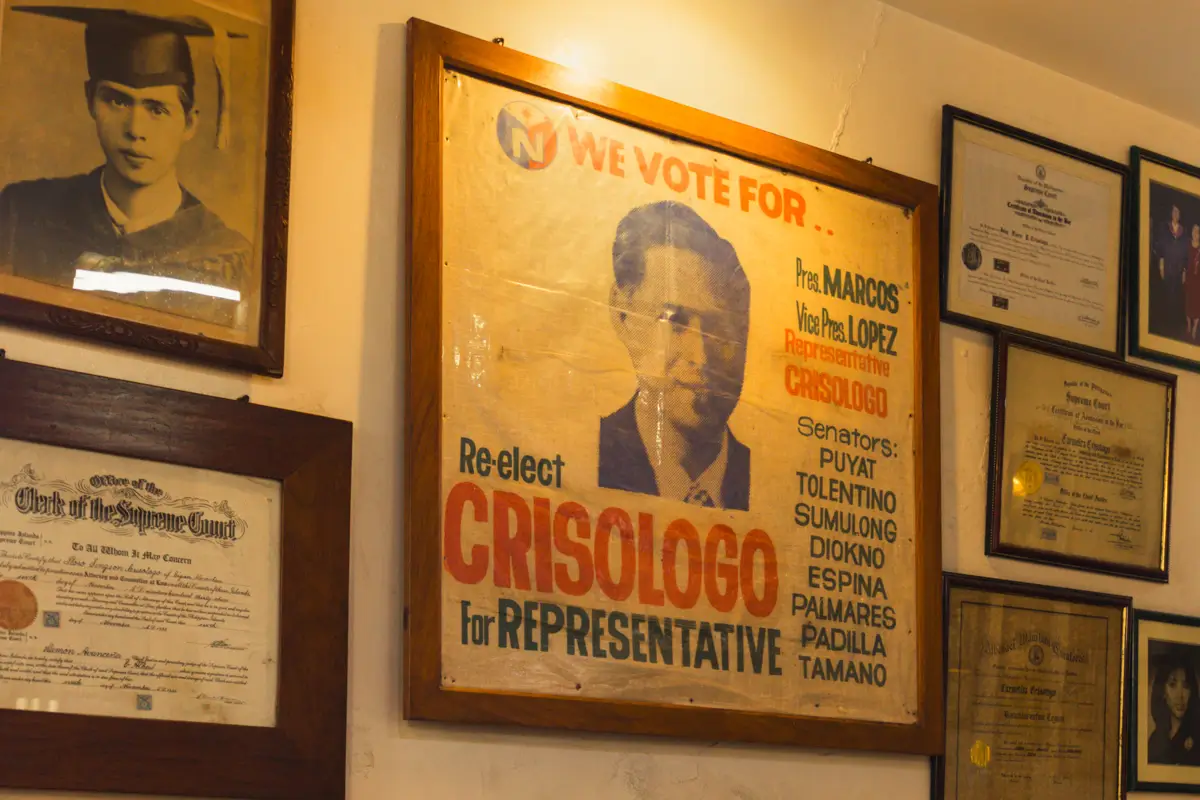
The Crisologo Museum is set inside the ancestral home of the Crisologo family, one of Ilocos Sur’s most prominent political families, and focuses on the life and death of Congressman Floro Crisologo. The house is a traditional bahay na bato, with hardwood floors, capiz-style windows, carved furniture, and domestic objects left in place to show how an elite Vigan household looked in the 20th century. The museum tour covers Crisologo’s political career and his 1970 assassination inside Vigan Cathedral.. Displays include the bloodstained clothes he was wearing when he was killed, photographs and newspaper clippings from the case, and the bullet-damaged Chevrolet used by his wife, Governor Carmeling Crisologo, during a separate ambush.
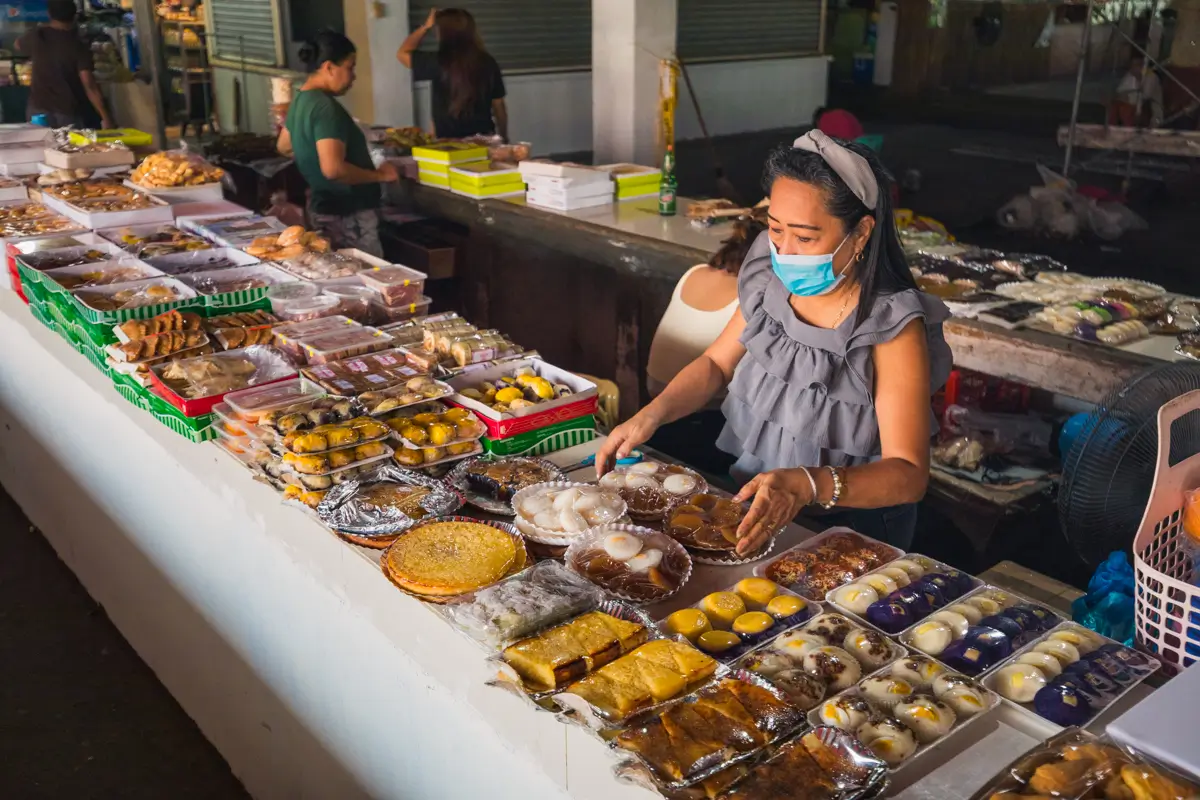
23. TRy Local Kakanin at the Public Market
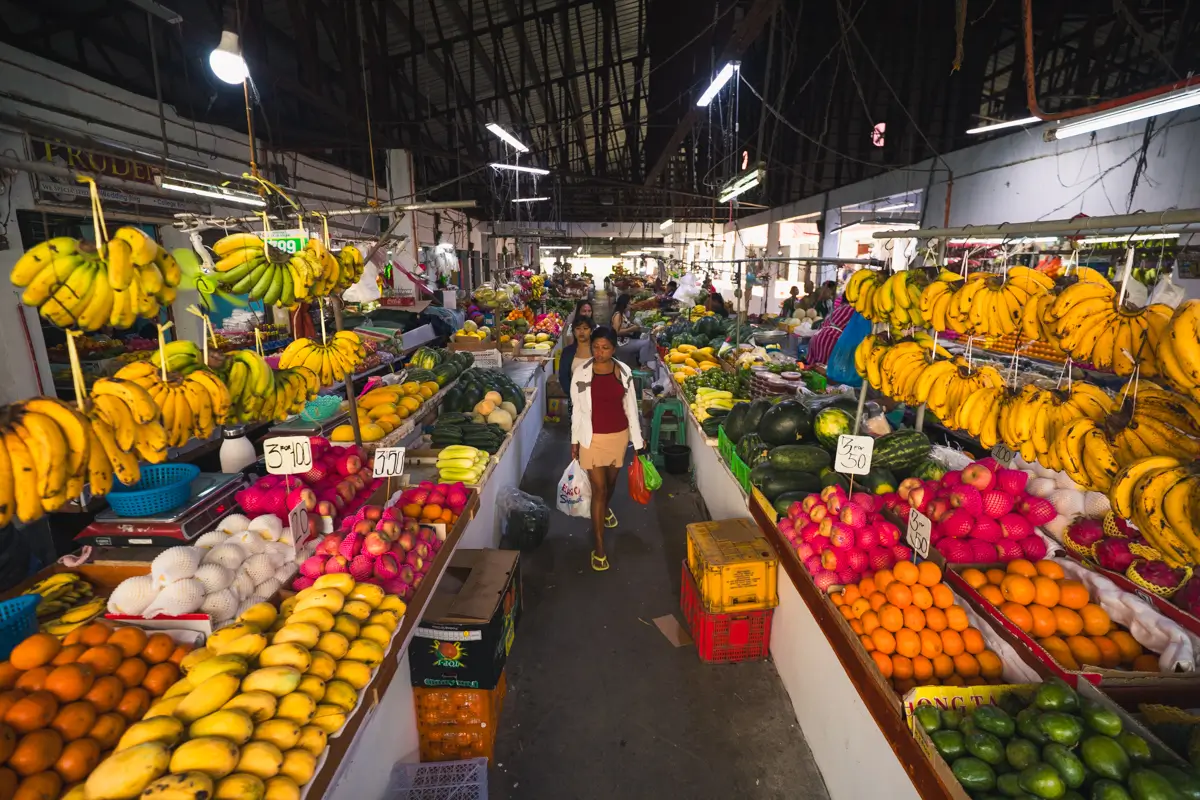
Whenever travelling in the Philippines I suggest visiting the local public market to pick up local fruit and kakanin, and Vigan is no exception. In fact, this is one of my favourite public markets I’ve been to, as it’s exceptionally clean and well organized, with a large selection of kakanin worth trying.
24. Dine at Kusina Felicitas
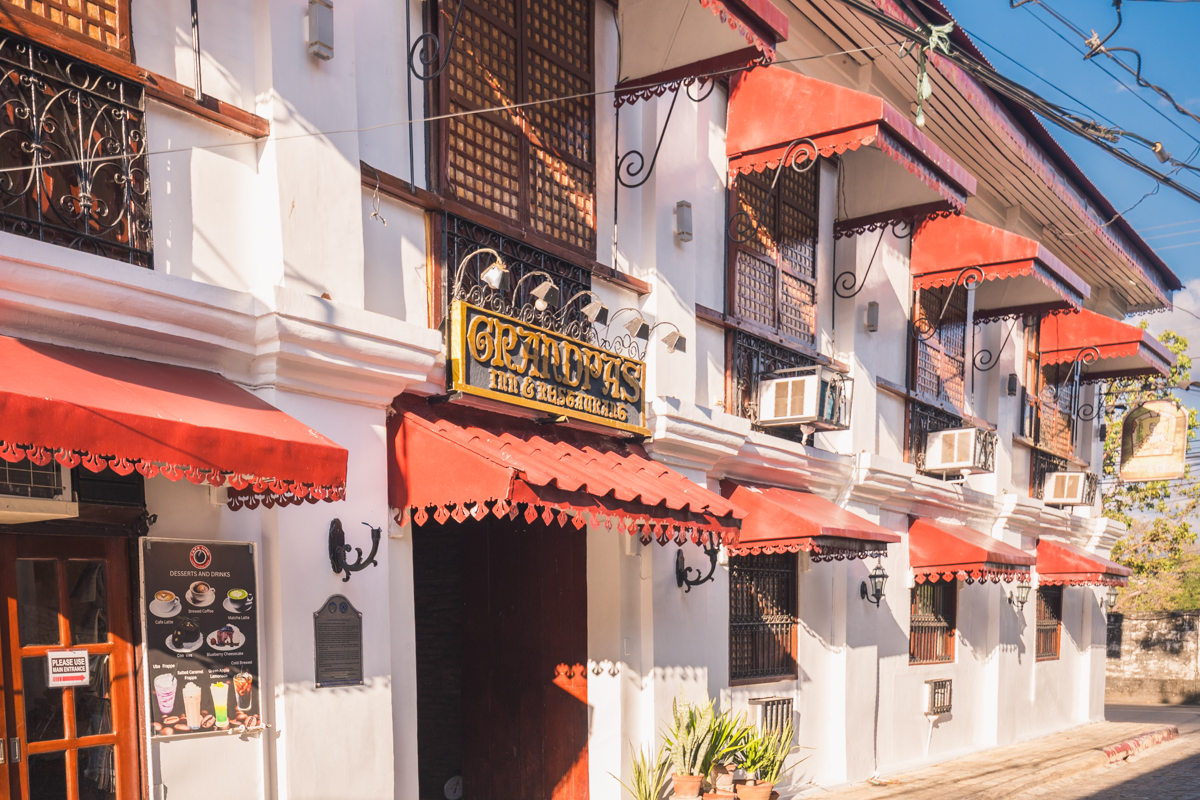
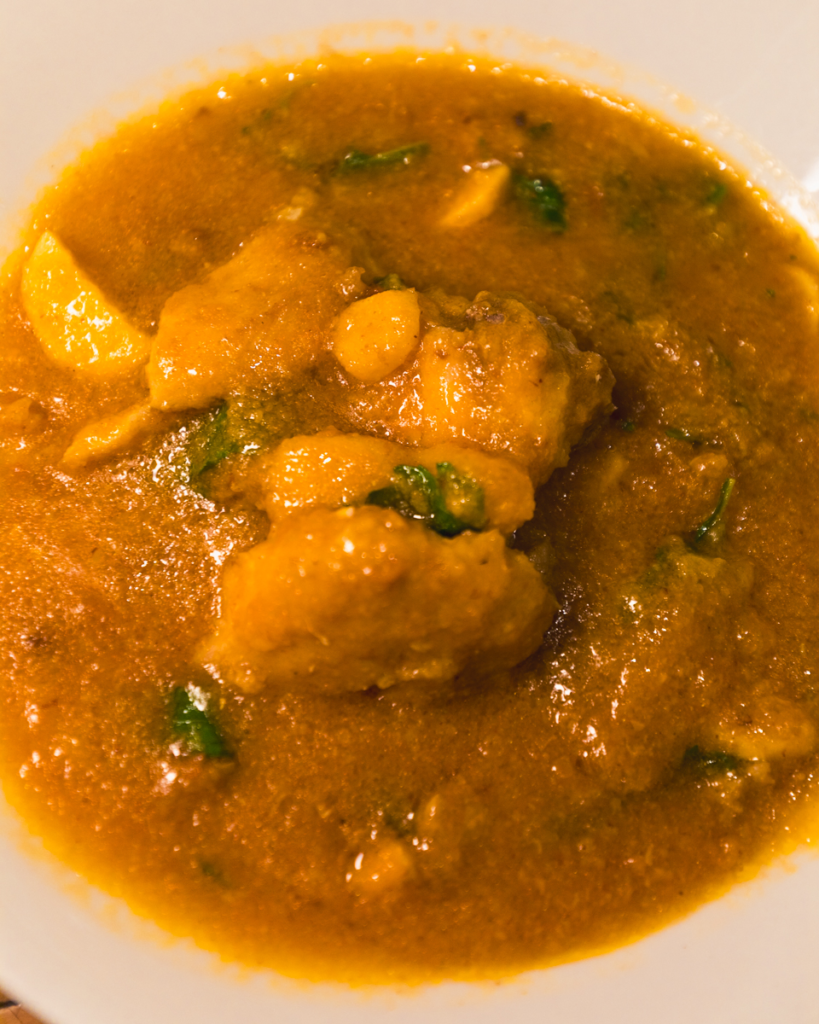
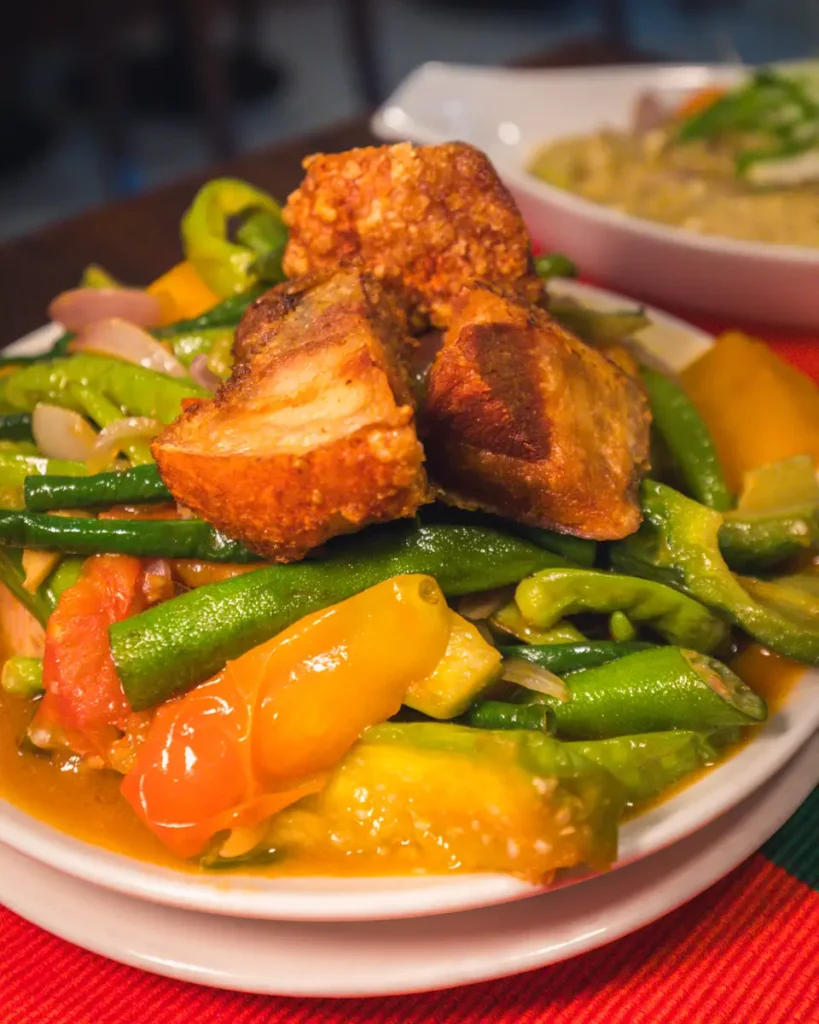
Kusina Felicitas is an Ilocano restaurant inside Grandpa’s Inn, a heritage-style hotel close to Calle Crisologo and the main Vigan walking area. The menu covers familiar local dishes including bagnet, Vigan longganisa, pinakbet, poqui-poqui, igado, okoy, and dinengdeng, but it also is known for more obscure dishes when available, including gamet seaweed soup, seasonal fish such as bunog and ipon, and adobong abuos, a dish made from mountain ant eggs. Service was so-so.
25. See the Magsingal Church ruins
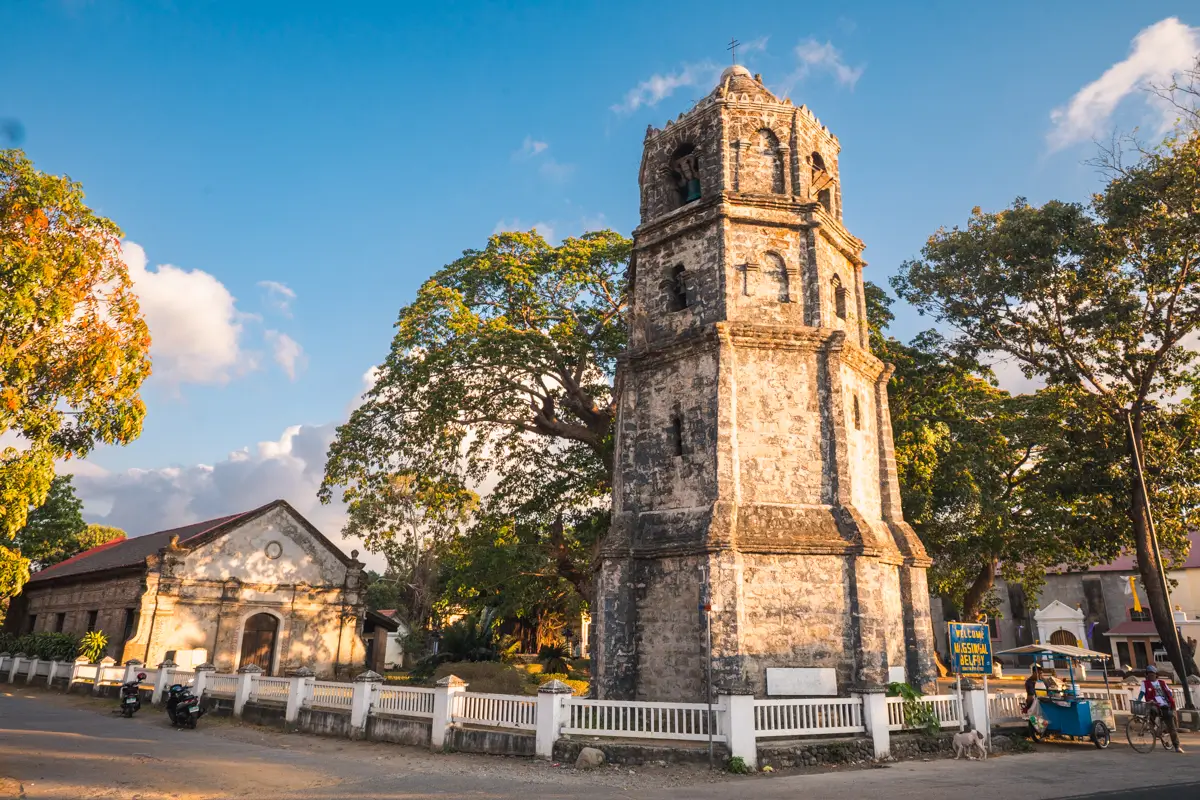
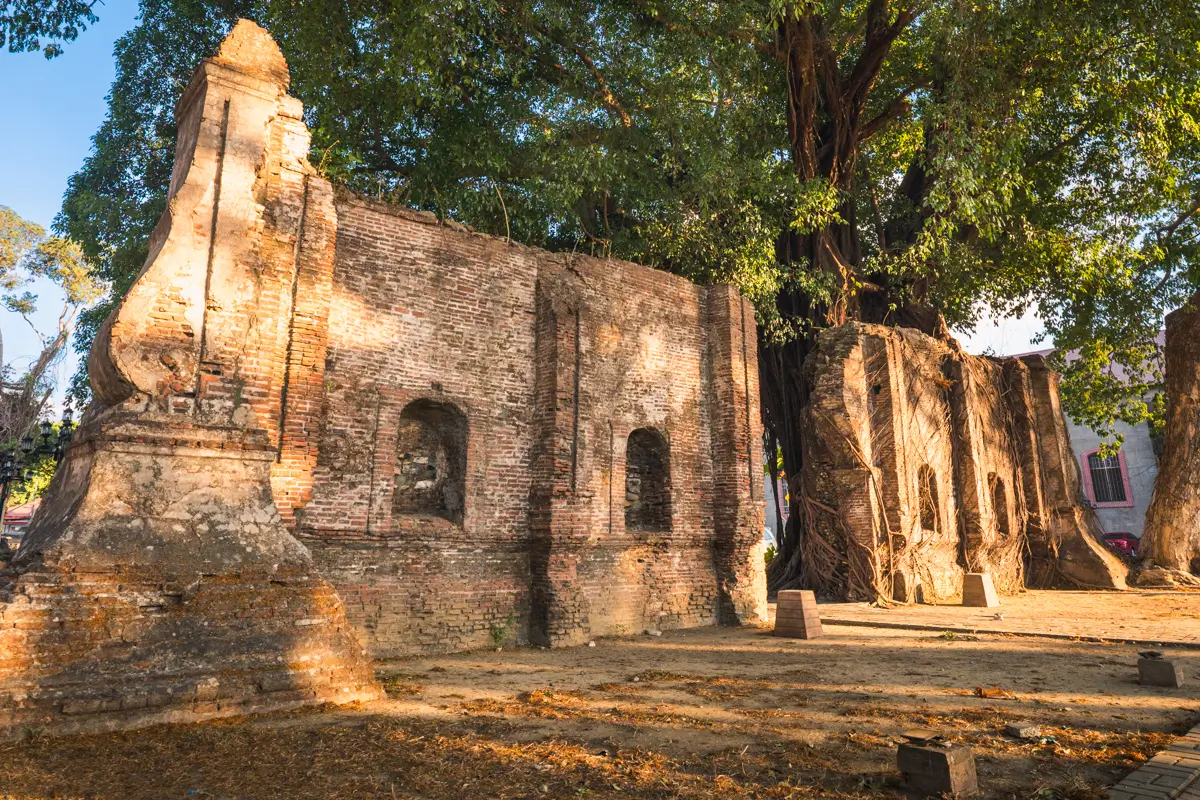
The old San Guillermo de Aquitania church complex in Magsingal, about 17 km north of Vigan, is a roadside stop definitely worth making. The church was completed in 1695 under Father General Alonso Cortés, but it was destroyed in 1762 or 1763, either by an earthquake or during the Ilocos Revolt associated with Diego Silang. What survives today is just the masonry footprint of the old church, but both the convent and belltower are in good condition. The tower rises about 30 metres, with a massive base, four levels, and arched openings, including both open and blind windows, allowing it to be used as a lookout as well as belfry.
26. Watch a Sea Turtle Release
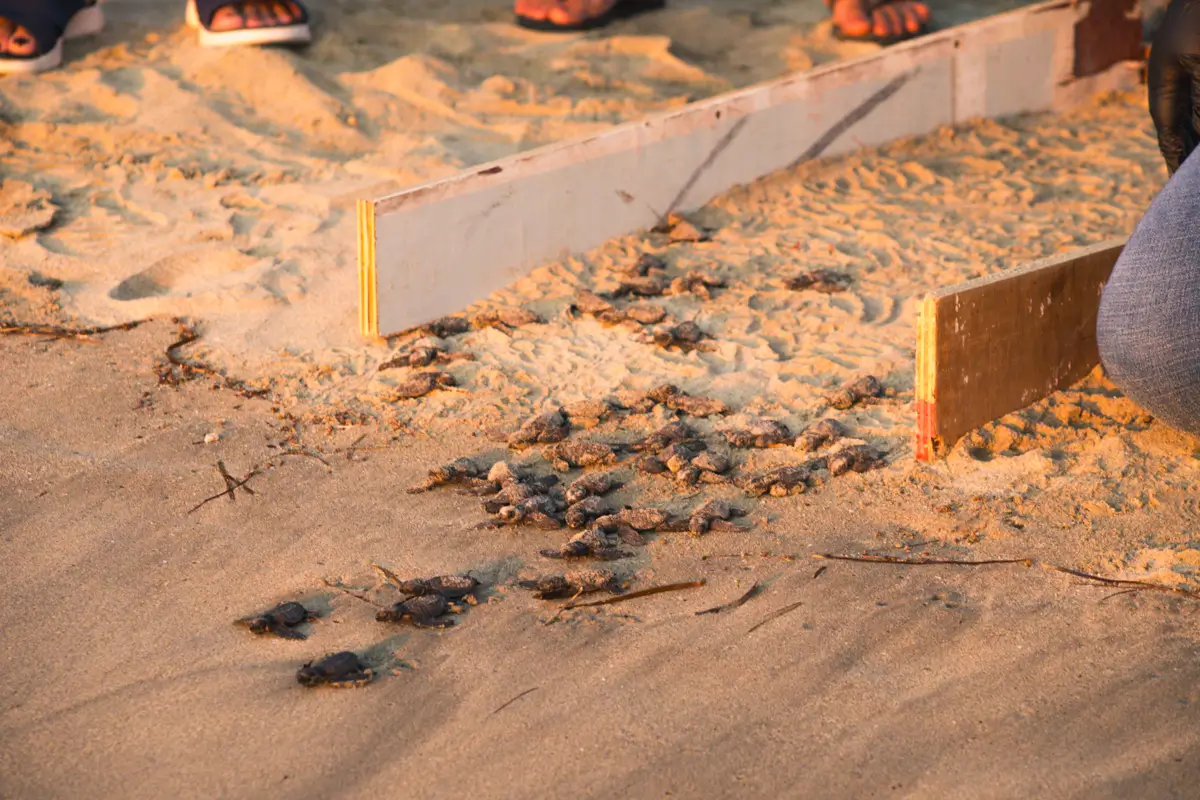
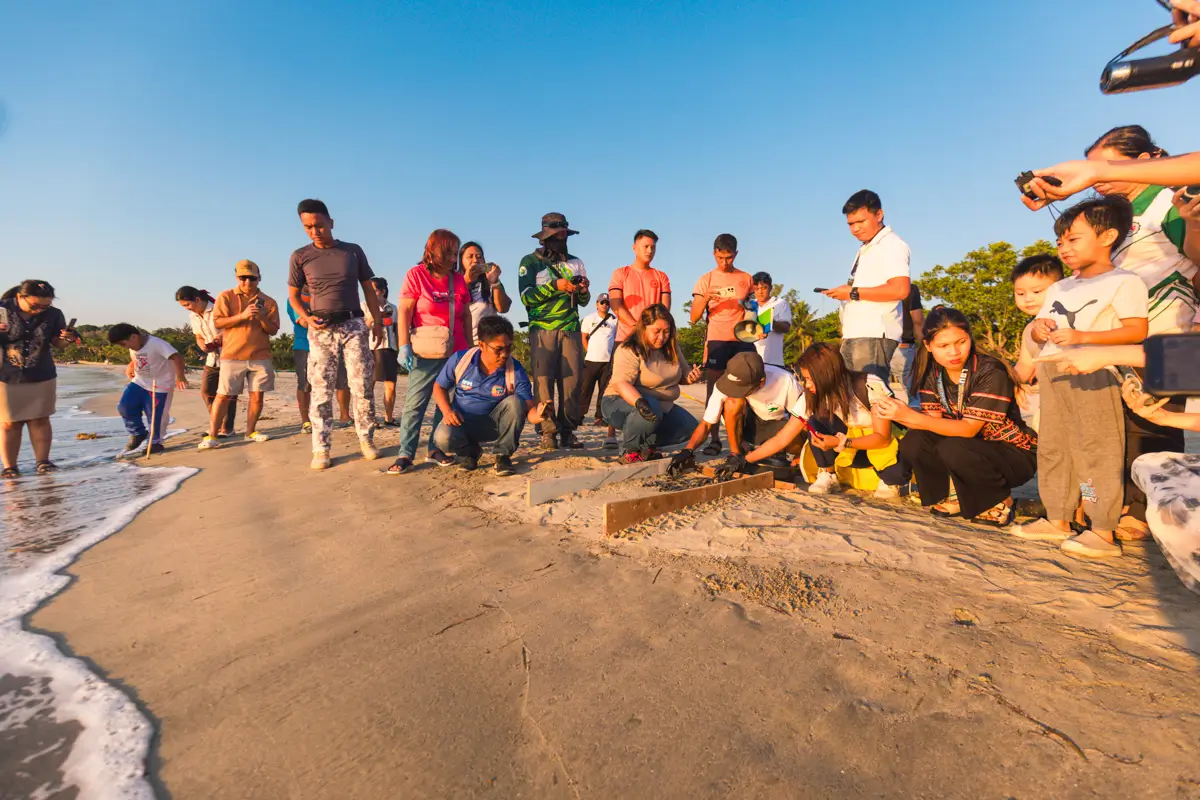
The Pawikan Conservation Project in Ilocos Norte protects sea turtle nesting sites along the province’s coastline, with recent hatchery work in Currimao. They collect eggs from vulnerable nesting sites, moving them to a protected hatchery, monitoring the incubation period, and releasing hatchlings back to the sea at sunset once they emerge. Because releases are only announced the day turtles hatch, there is no schedule and you’ll have to watch their Facebook closely for announcements, Being present for the release of just under a hundred sea turtles was indescribably magical, especially knowing that those that survive will return decades from now to lay eggs of their own. It’s an experience that everyone should have.
That said, I do have some issues. At the sea turtle release I attended, a string was set up for people to stand behind, which was crossed bit by bit as every single person slowly moved forward for a better photo, until the entire crowd was fully standing on the wrong side of it. Meanwhile, kids splashed around in the water right where the sea turtles were entering, stomping around and throwing balls of mud, their parents saying nothing. Some adults picked up and moved some of the turtles, despite knowing that it’s not allowed. Pawikan Conservation Project needs to do a better job of calling people out for behaving like wild animals, and if you should attend a sea turtle release, just please behave yourself. I can’t believe I need to say this.

27. Visit Santa Maria Church
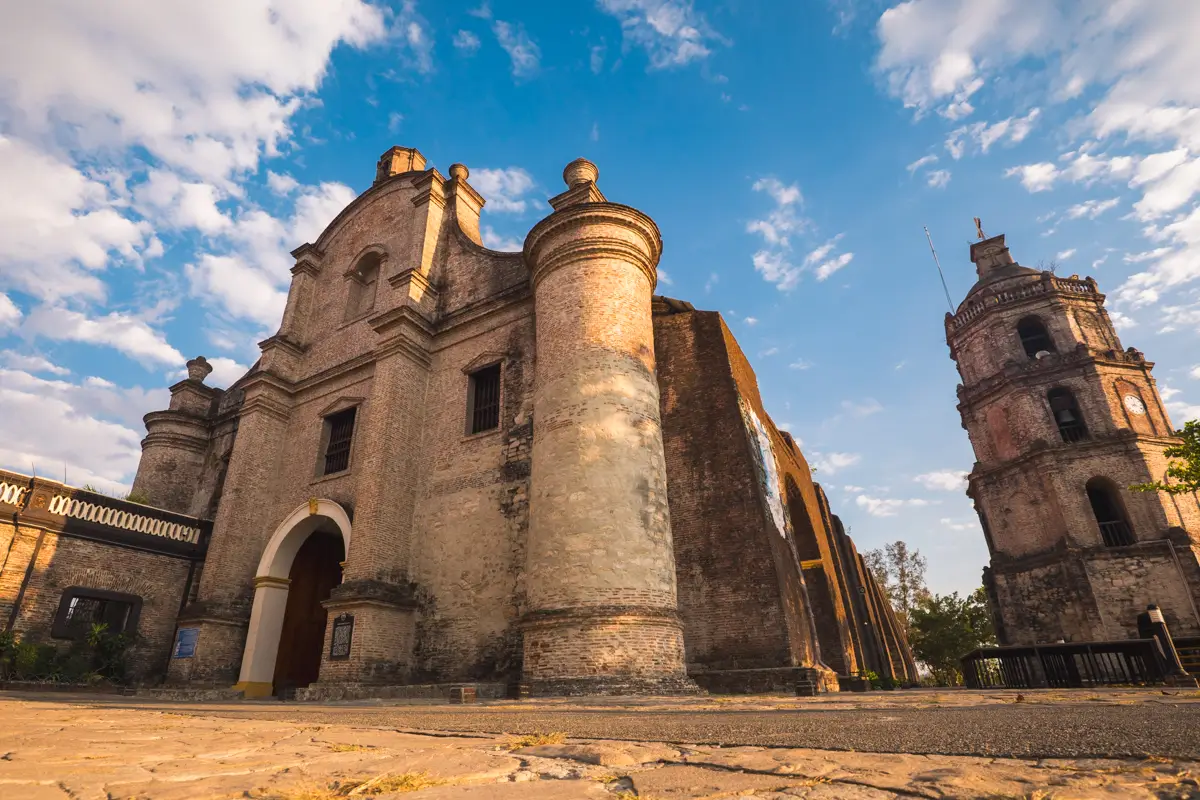
Santa Maria Church, officially the Church of Nuestra Señora de la Asunción, sits on a hill above the town of Santa Maria, about 35 km south of Vigan. Its layout is unusual for the region because the church, convent, bell tower, and cemetery occupy a raised defensive site looking down over the town rather than the usual flat town plaza location. Visitors can reach the brick church by climbing a broad stone stairway from the road, with another stairway leading toward the cemetery side. The building has thick brick walls, heavy buttresses, and a separate bell tower, all shaped by the earthquake-resistant architecture common in old Ilocos churches. It is one of the four Baroque Churches of the Philippines inscribed by UNESCO in 1993, recognized for adapting European Baroque church design to Philippine materials, earthquakes, climate, and local building traditions.
28. Visit Paoay Church
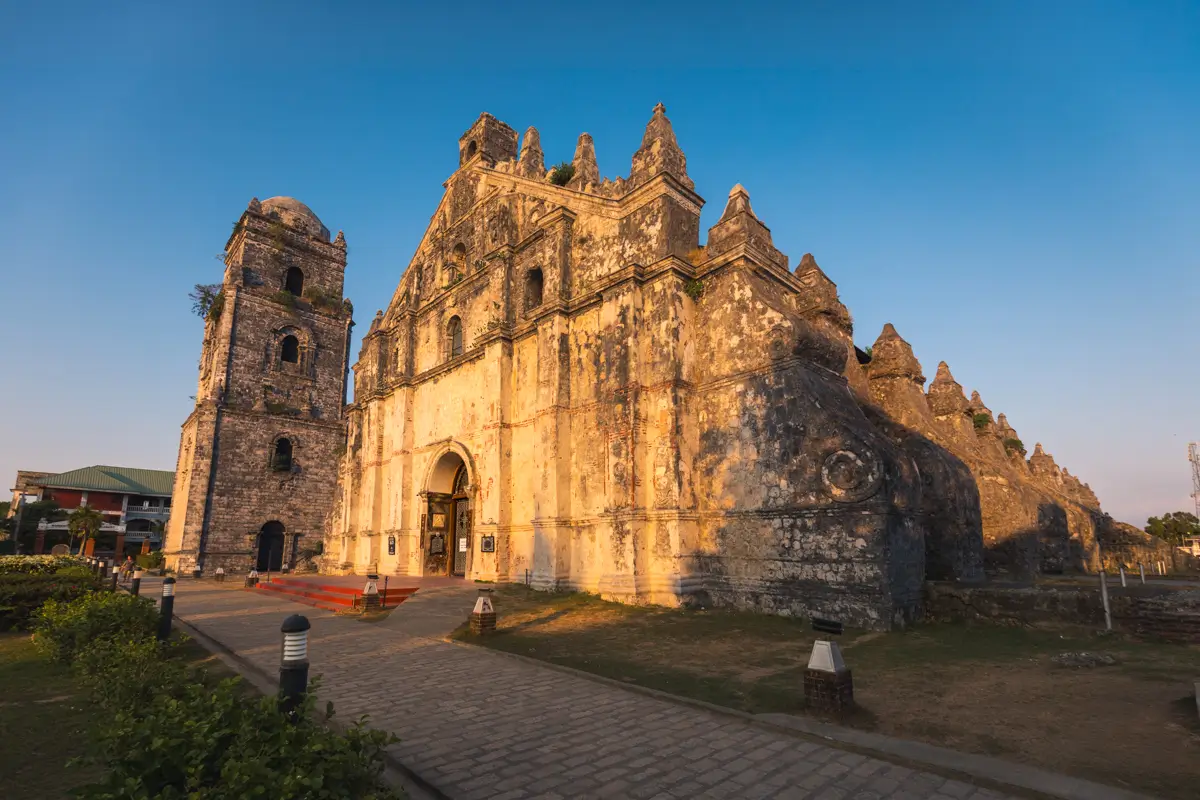
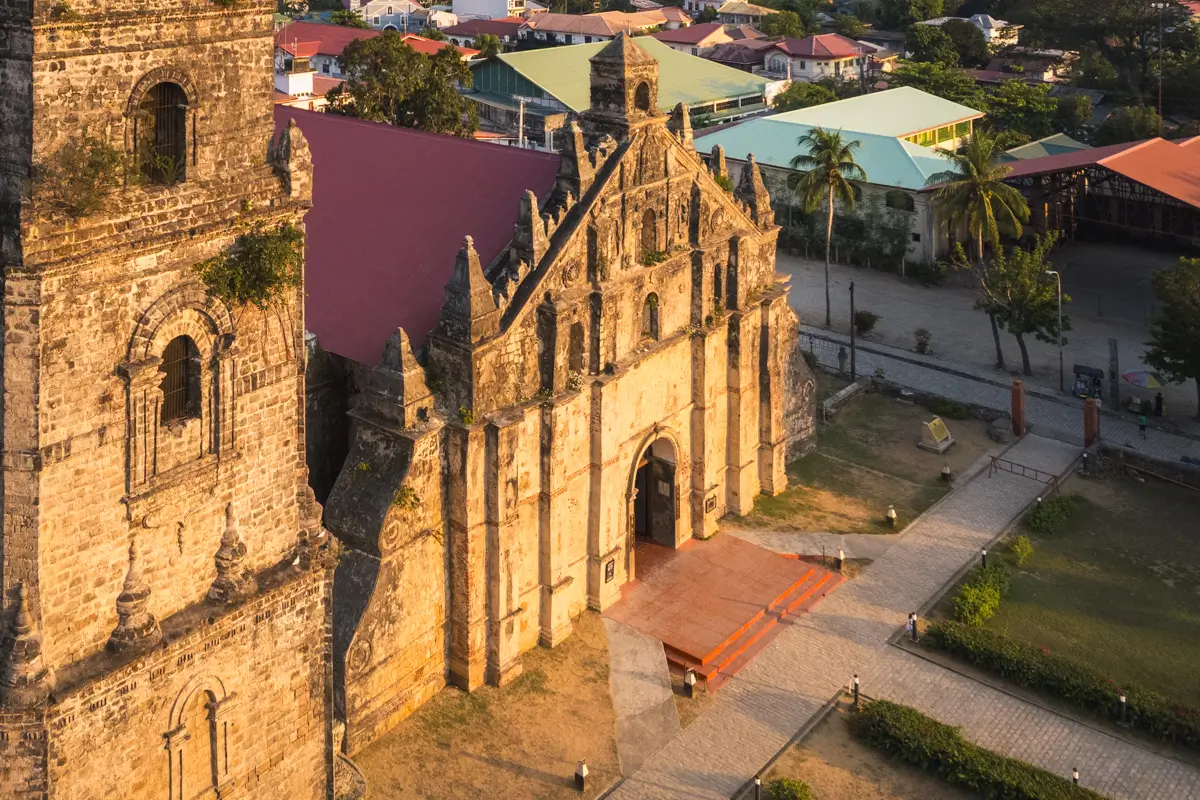
Paoay Church, officially St Augustine Church, stands in the town of Paoay in Ilocos Norte and was completed in 1710. It belongs to the same UNESCO-listed Baroque Churches of the Philippines group as Santa Maria, but its character is more massive and fortress-like, with 24 stepped buttresses built along the sides and rear to support the thick coral-stone and brick walls. The detached bell tower stands a short distance from the church, both for structural reasons and because it also served as a lookout during the Spanish period and later as an observation post during the Philippine Revolution and World War II. The exterior has a broad facade, heavy side supports, carved stone details, and a low, grounded profile that looks very different from the taller town churches elsewhere in the Philippines. What’s particularly nice is the green park facing the church, surrounded by heritage buildings and places to eat. I just stopped here for a sunset but it would have been worth spending a little longer to walk around the surrounding area.
29. Wander Through Hidden Garden
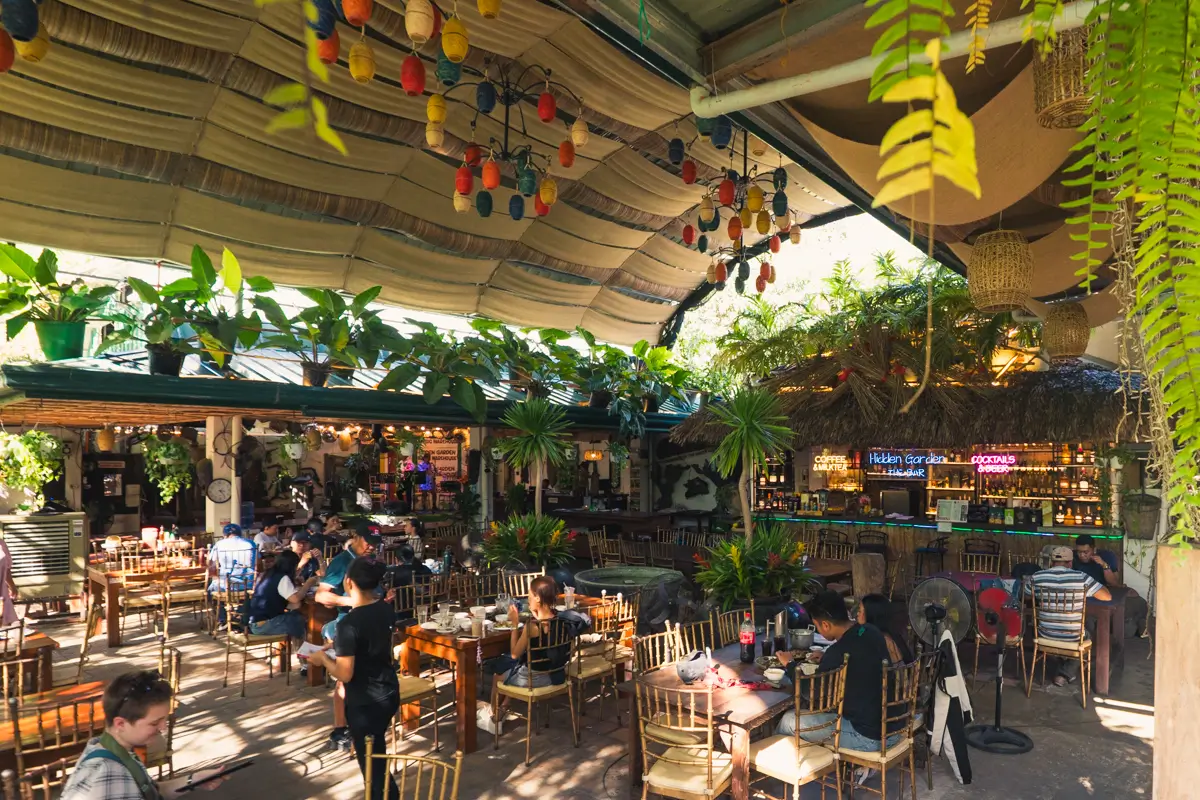
Hidden Garden is a garden compound in Bulala Centro, about 10 to 15 minutes by tricycle from Vigan’s heritage centre, with a plant nursery, restaurant, cafe, bonsai section, bamboo grove, water features, and sculptures spread through the grounds. It began as a nursery with mapped walkways through dense foliage, potted plants for sale, shaded corners, and decorative sections, but nowadays most people come for Lilong and Lilang Restaurant, named from the Ilocano words for grandfather and grandmother. Expect Ilocano and Filipino dishes such as bagnet, Vigan longganisa, dinengdeng, sinanglao, pinakbet, and empanada. I think you ened up paying a little extra for the lovely atmosphere, but it is lovely.
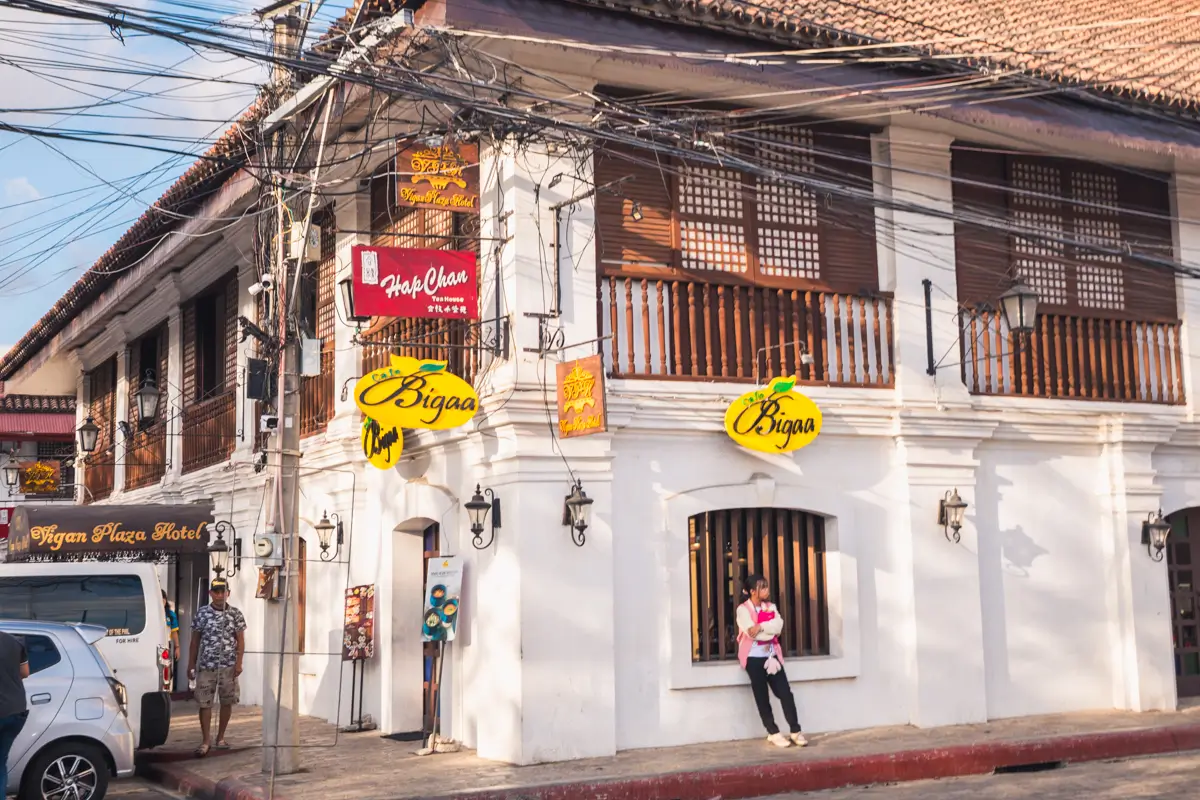
30. Eat at Bigaa Cafe
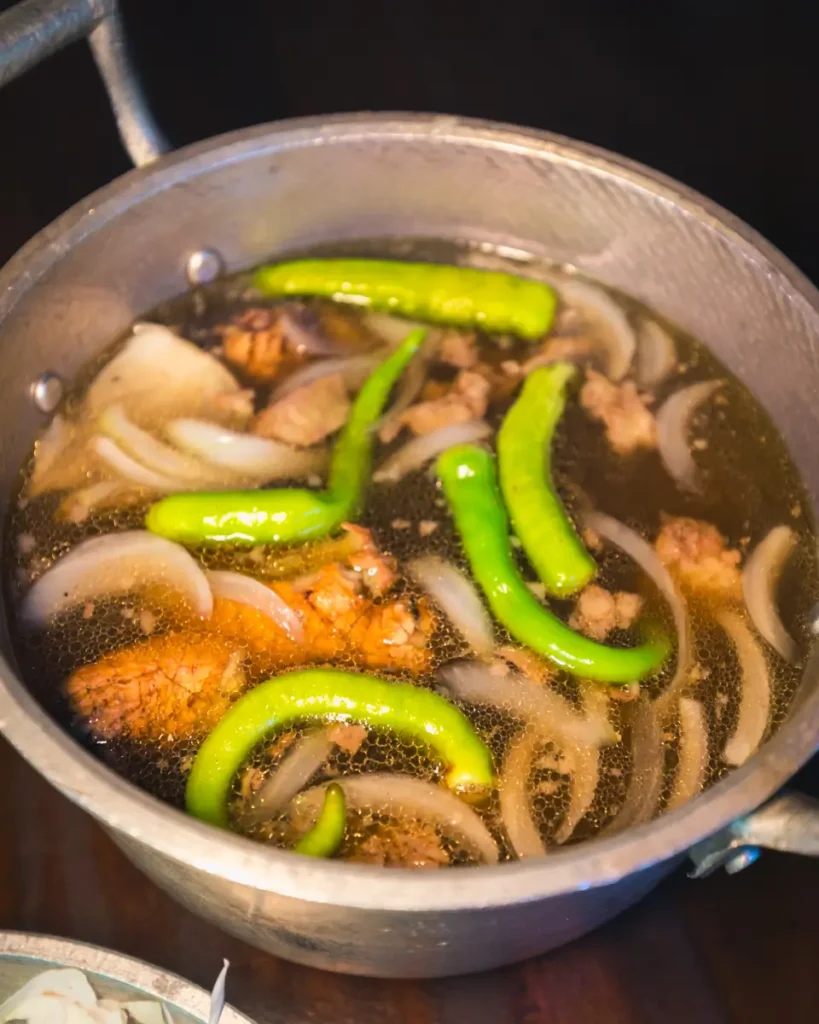
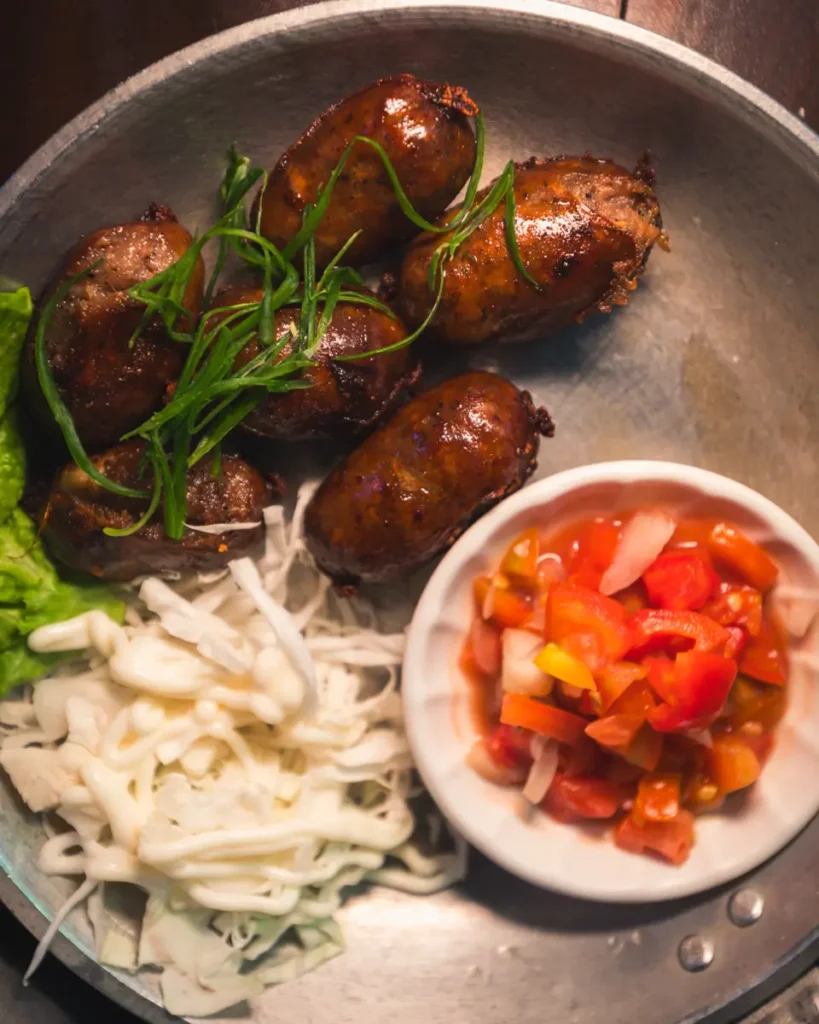
Bigaa Café is the restaurant of Vigan Plaza Hotel on Mena Crisologo Street, making it one of the very few locally owned places facing Plaza Burgos. The menu covers the expected Vigan staples, including longganisa, bagnet, igado, sinanglao, and poqui-poqui. It’s pretty tourist-friendly, making it the ideal place to try Ilocano dishes in an air-conditioned, polished setting. If I were looking for somewhere to sit down and wat without leaving the main heritage center, this would be my pick.
31. Relax at Suso Beach
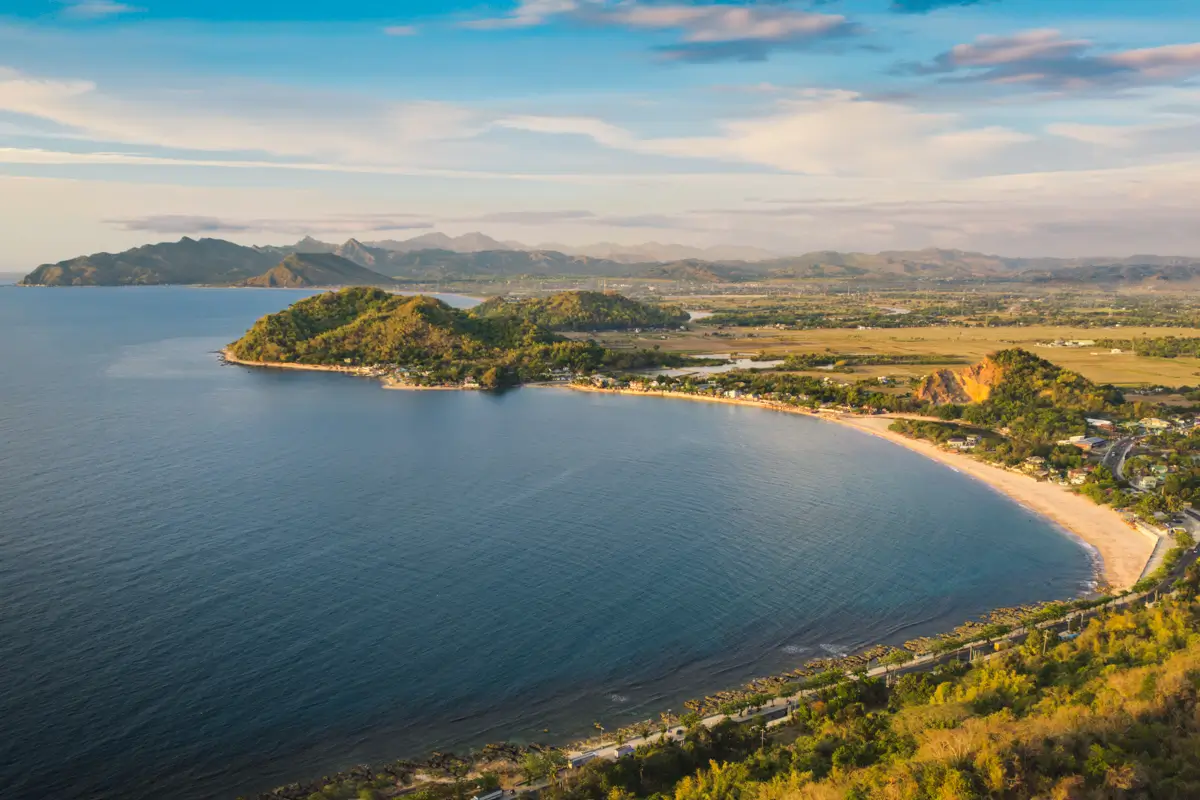
Suso Beach is a roadside beach in Santa Maria, Ilocos Sur, about 30 to 45 minutes south of Vigan. It sits directly along the Maharlika Highway, and there’s a great view as you drive by. The shoreline faces the West Philippine Sea, making it perfect for sunset. The northern section of the beach gets busy, and there’s a long row of beach huts, but the southern wider section of beach is less developed. The beach is also associated with the Ilocano creation story – in local folklore, the giant cyclops Angalo and his wife Aran visited the beach, where Angalo piled stones into the hill at the southern side of the shore, giving the beach its name – “suso” means breast.